「幽靈走廊」問題(以及為何通常可以修復)
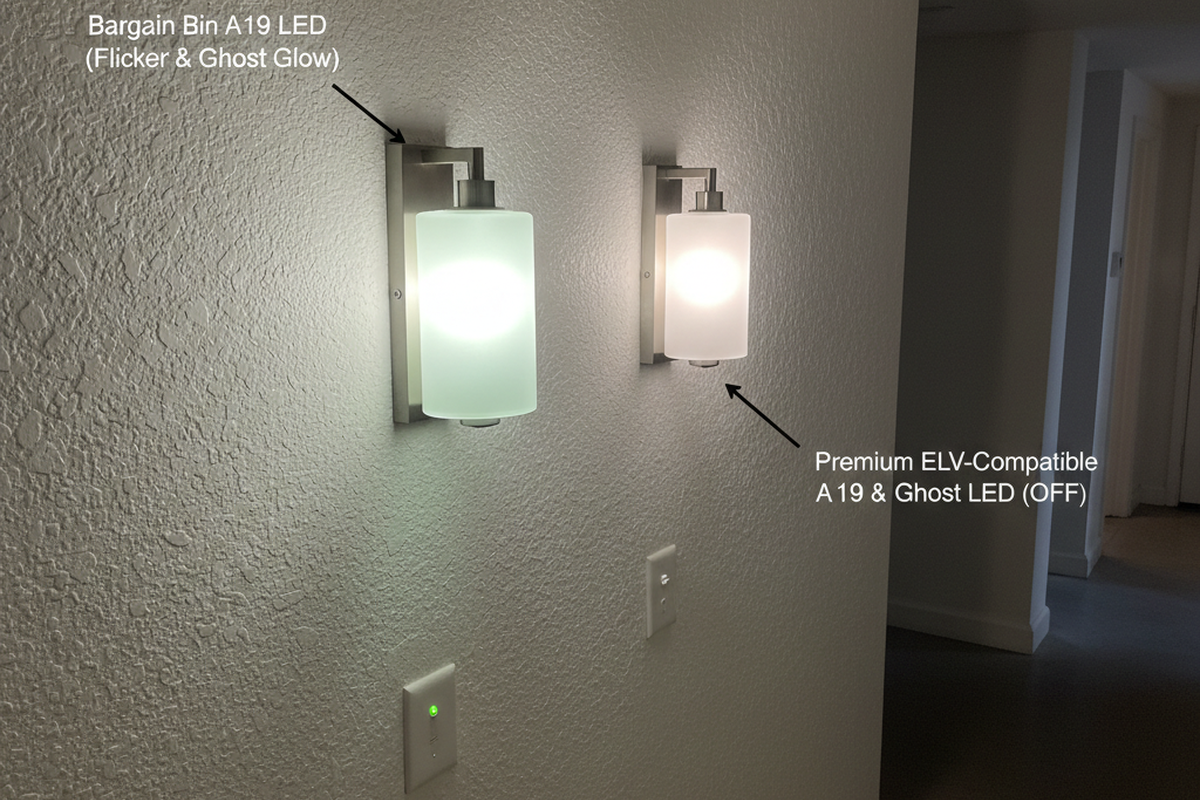
2022 年冬季,亞利桑那州坦佩(Tempe, AZ)的一棟公寓走廊引發了深夜爭執,爭論焦點在於新款感應器壁面開關是否「浪費電力」。當時燈光已關閉,但壁燈在凌晨 2 點仍發出微弱暗光。住戶認為這證明感應器故障。
修復過程始於一個看似簡單得近乎可笑的舉措:更換其中一盞燈泡。一盞壁燈保留廉價的 A19 LED 燈泡;另一盞壁燈則換上工程車備用箱中已知穩定的 A19 燈泡——通常是 Philips 或 Cree。這些「普通」燈泡系列在異常待機條件下的表現往往較佳。當感應器超時切斷後,更換了燈泡的燈具完全熄滅,而其他燈具則繼續發光。無需重新佈線,亦無需更換開關。爭執隨之平息,因為故障機制已一目了然。
「理論可行,實作失敗」這種模式,正是為何症狀表現比憑空猜測更為重要的原因。「閃爍」、「幽靈微亮」與「隨機關閉」,在令人煩躁時聽起來像同一個問題。但實際上,它們屬於不同的失效模式,需要不同的修復方法。有效的故障排除是根據燈具的實際表現來進行,而非憑空臆測。
購買任何零件前,請先明確症狀名稱
許多不當的故障排除純粹源於標籤錯誤。當有人提到「閃爍」時,可能是指快速頻閃;或者僅在感應器處於待機狀態時出現的緩慢閃爍;抑或是每 30 至 60 秒定期開關一次——這實際上是感應器因暖通空調(HVAC)出風口而重新觸發。這些並非煩人程度不同的同一問題,而是截然不同的運作機制。
此症狀分類法最能節省處理 Rayzeek 級感應器開關的時間:
- 幽靈微亮: LED 處於「關閉」狀態,但在黑暗中發出微弱光芒。這在睡房、走廊、育嬰室及公寓走廊中最為明顯。這就是坦佩公寓走廊投訴的純粹形式:「燈光從未完全關閉」。
- 閃爍/微閃: 「開啟」時出現肉眼可見的不穩定現象、感應器超時之際發生脈衝,或是僅在開關閒置時出現微弱閃爍。這種情況常見於低瓦數負載,例如 1 至 3 個球形燈泡的梳妝台燈條(斯科茨代爾[Scottsdale]的翻新工程中屢見不鮮)。
- 隨機關閉(基於時間): 一切看似正常,但燈泡在 5 至 10 分鐘後熄滅,隨後重新亮起,接著再次熄滅。在亞利桑那州梅薩(Mesa, AZ)的炎夏中,這種模式有一個常見的解釋:封閉式天花燈具過熱,導致 LED 燈泡進入過熱保護循環。
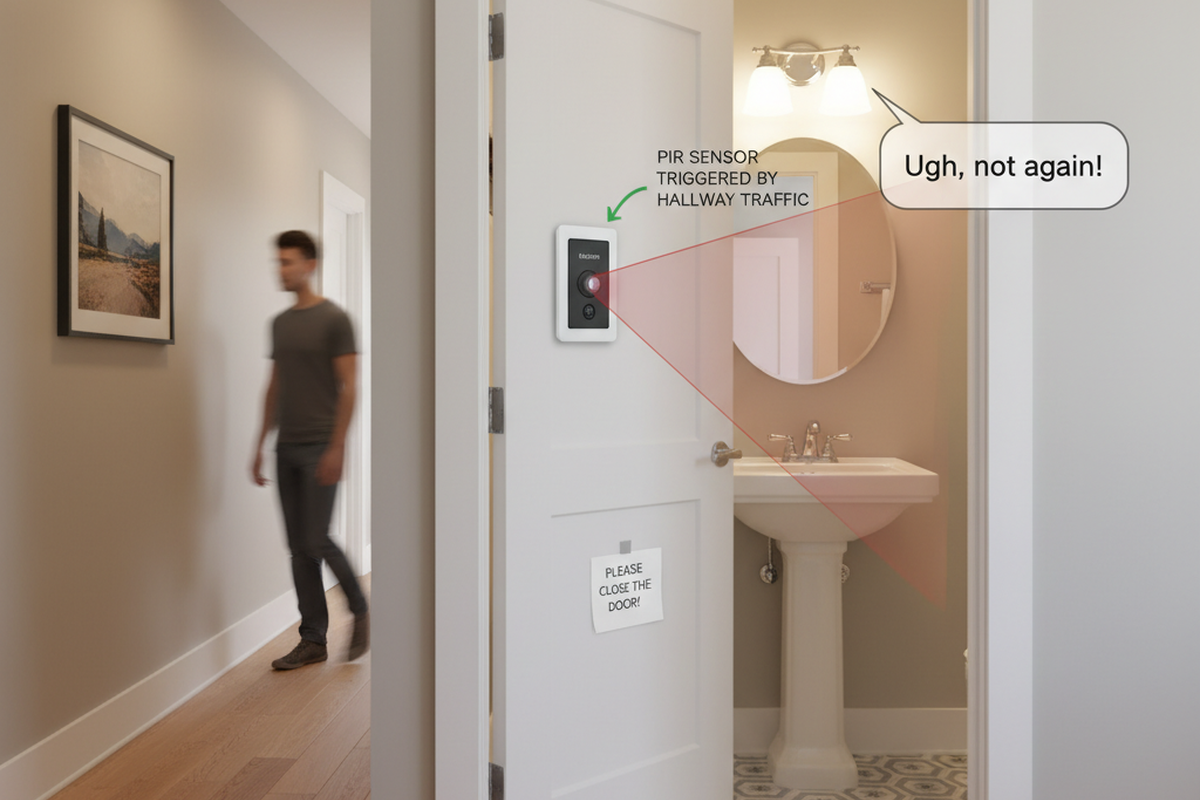
- 隨機開啟(基於環境): 燈光「自行」亮起,有人開始歸咎於佈線雜訊。在錢德勒(Chandler)靠近送風口的開放式廚房中,關聯性測試十分簡單:啟動冷氣,觀察感應器是否隨氣流觸發。
最快捷的分流提問通常是: 這種情況是在燈光應該關閉時、開啟時,還是在開啟一段時間後發生? 單憑這個答案,即可將排查範圍從十幾種可能性縮減至少數幾種。
此外,還有一個迷思會讓人陷入昂貴的零件替換陷阱:「只需更換開關品牌」,或是「現在廉價 LED 都大同小異」。鳳凰城(Phoenix)2020 至 2021 年的退貨櫃檯情況並不支持這一說法。退貨率最高的多個裝產品,正是印有微小型號及工廠代碼變動的產品。相同的包裝盒、看似「相同的燈泡」,卻有著不同的驅動器表現。投訴集中在感應器與調光器上:關閉時微亮、閃爍、發出蜂鳴聲、過早損壞。如果燈泡的驅動器不斷變更,故障排除就變成了供應鏈問題,而非電工問題。
The rule for the rest of this guide is blunt: label the symptom, then run one isolating test. After that, spend money.
What a Motion Sensor Switch Is Doing When You Think It’s Off
A motion sensor wall switch isn’t a dumb mechanical disconnect. Even when the light is “off,” the switch may still be powering its own electronics—standby draw, sensing, logic—depending on the model and wiring. This creates a tiny current path even when the human thinks the circuit is open.
This is where ghost glow comes from in a lot of Rayzeek + LED setups: that standby trickle current has to go somewhere. Some LED drivers behave like a little bucket (input capacitance) that can charge and discharge at micro-current levels. Some drivers interpret the trickle as a partial wake-up. The result is what the human sees at the lamp: a faint glow, an occasional pulse, or a shimmer only after timeout. In the Tempe condo hallway, the “proof” wasn’t an argument about leakage current. It was one A19 swap showing that one driver design ignored the trickle while the bargain driver lit up on it.
Minimum load is the cousin of that story. Some electronic switches and controls behave better when the load has enough real draw to stabilize the control’s electronics and the current path. Ultra-low wattage LED loads—single lamps, 1–2 globe fixtures, vanity bars with tiny globes—can sit right on the edge where the switch and driver can’t agree on what “off” means.
In a Scottsdale bathroom remodel with a three-globe vanity bar, the problem showed up like a parting wink: a flash when the motion sensor timed out, and occasional shimmer in standby. A temporary resistive load added at the fixture stabilized the behavior instantly. That’s not magic. That is a knob you can turn: load.
Two constraints matter here:
- Minimum-load thresholds vary by model and revision. A number copied from a forum post isn’t a guarantee. The reliable approach is to check the specific Rayzeek manual for the exact model and treat the behavior—glow, shimmer, flash—as the evidence.
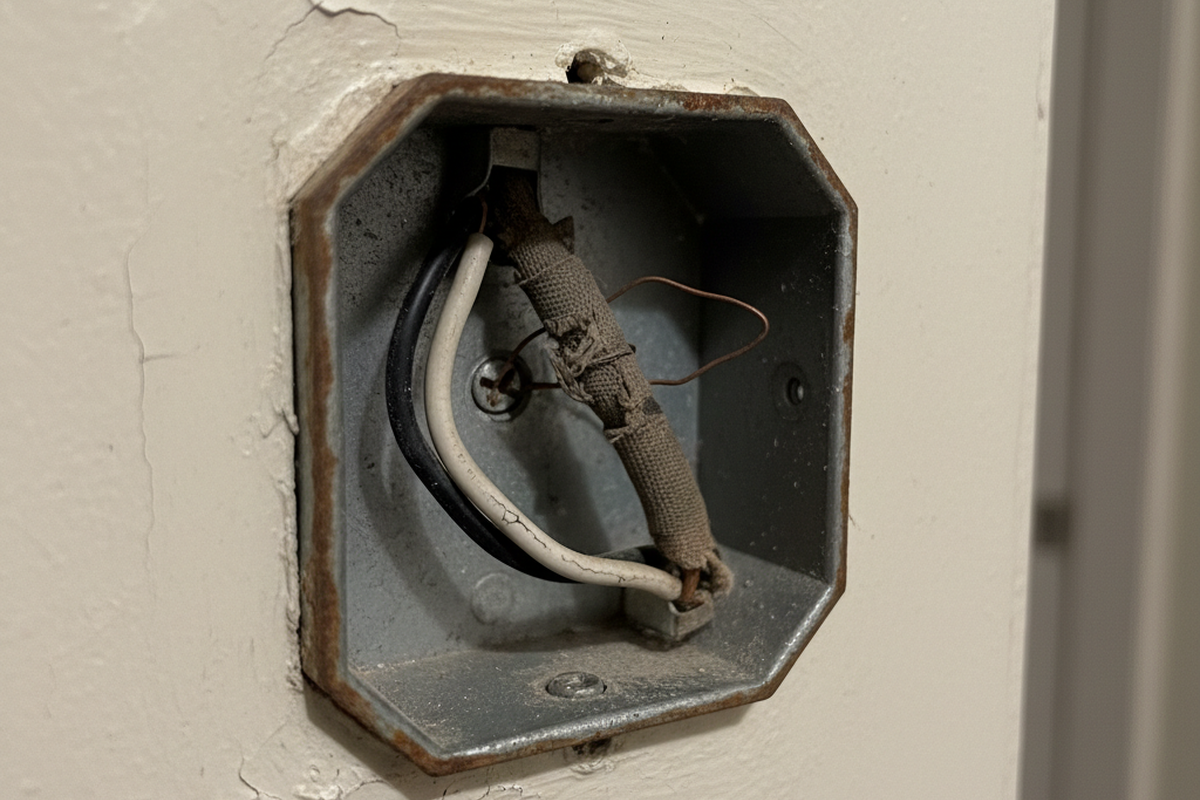
- Wiring realities can be a hard gate. If a location is a no-neutral switch box (classic 1960s ranch switch loop in Central Phoenix), some devices simply don’t belong there. The most dangerous “fix” that keeps circulating is using the equipment ground as a neutral “just to test.” That isn’t clever. It’s how people end up energizing metal parts in old homes with questionable grounds.
There’s a popular explanation that tries to flatten all of this into “it’s always the neutral.” Neutral problems are real, but ghost glow can occur even when a neutral exists and is properly connected—because the switch is still doing something when it’s “off,” and the LED driver is responding. The neutral story becomes relevant when symptoms cross circuits, change with other loads, or show up as heat, odor, or arcing. Those are stop-and-escalate signs, not “try a new bulb” signs.
您可能也會感興趣

- 電壓:2 粒 AAA 電池
- 日/夜模式
- 延遲時間:15 分鐘、30 分鐘、1 小時(預設)、2 小時
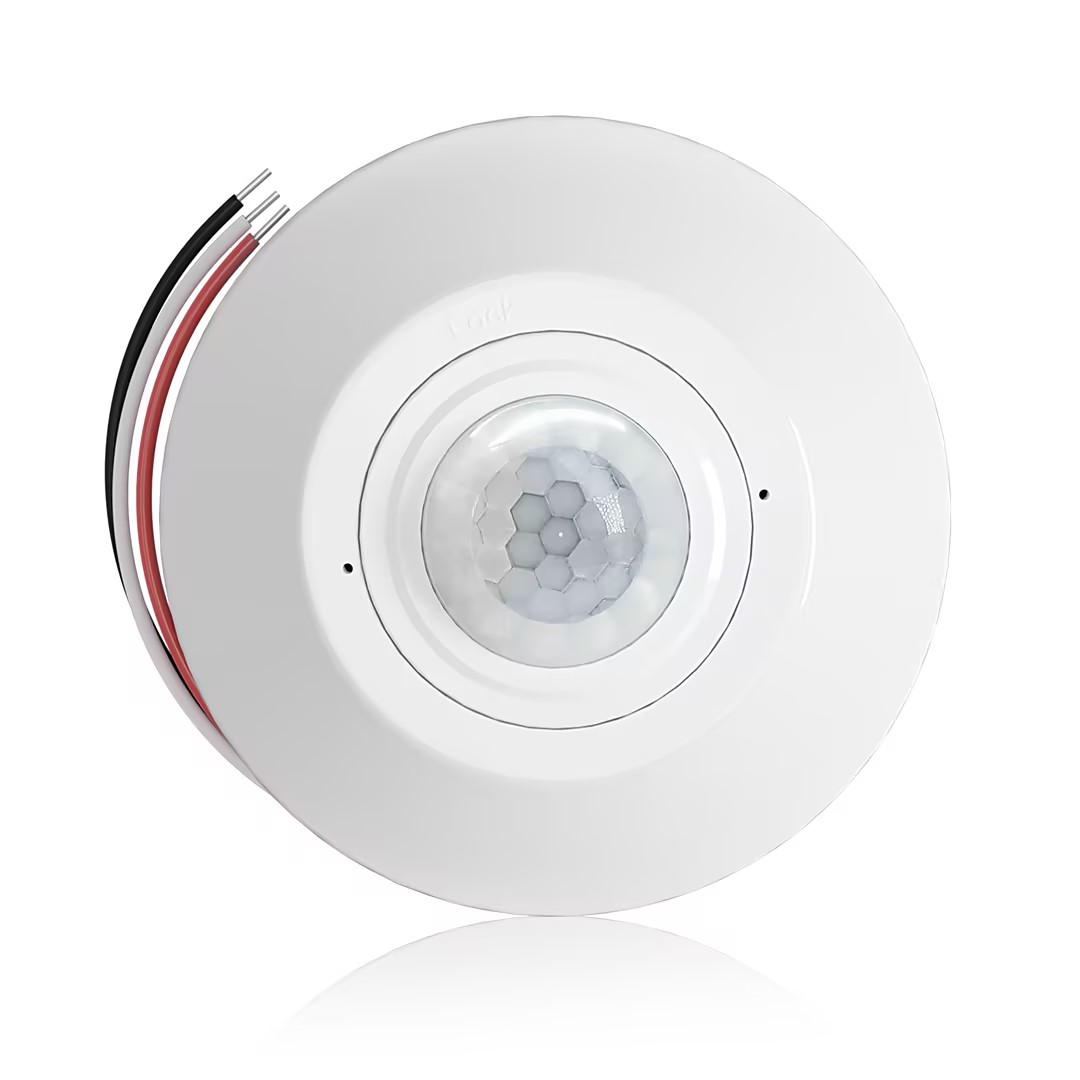
- 吸頂式 PIR 人體感應器,配備乾觸點繼電器輸出
- 12/24VDC 或 12/24VAC 低電壓供電
- 用於 EMS、HVAC 和建築控制輸入的 COM、NO 和 NC 隔離繼電器觸點
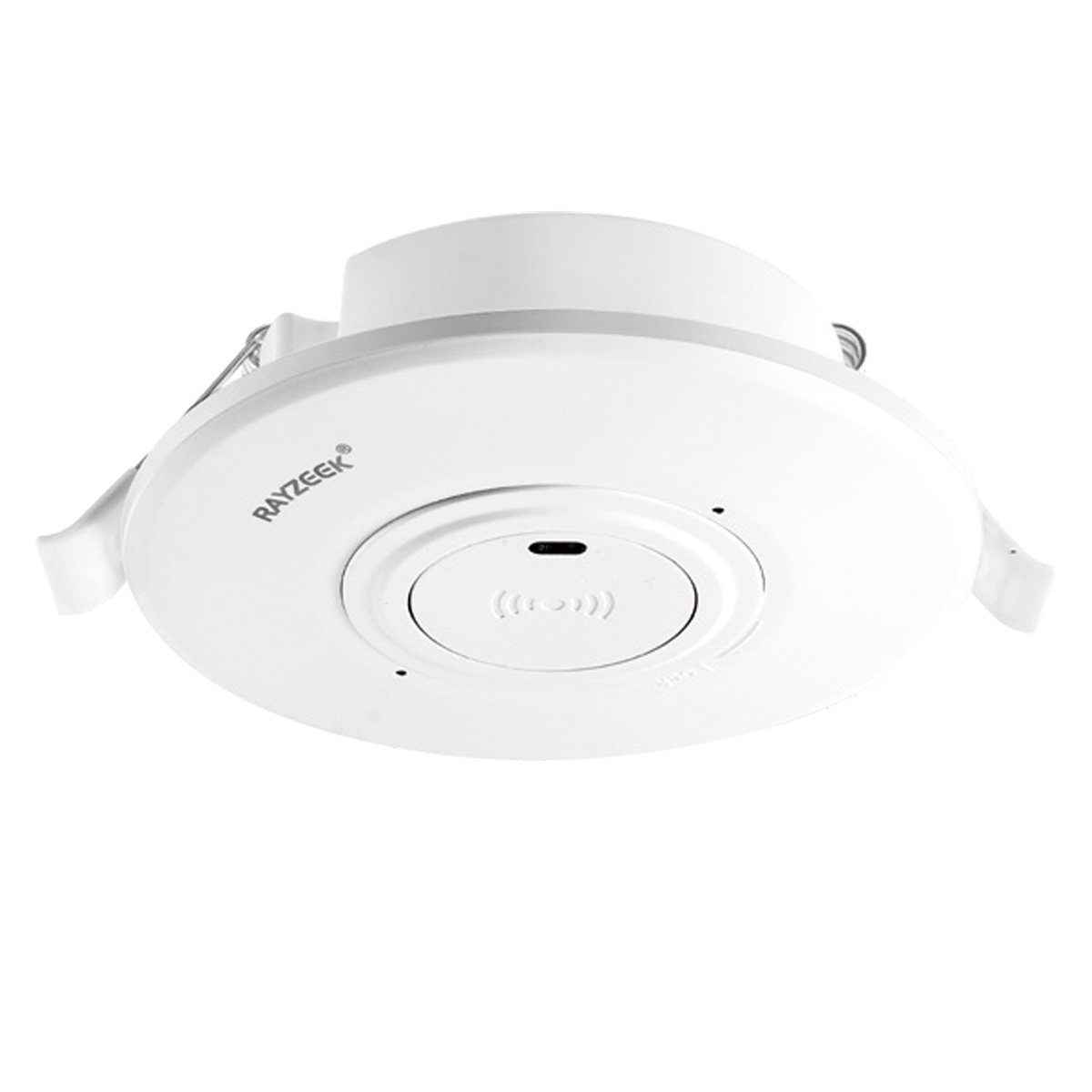
- 低壓直流嵌入式天花安裝微波人體感應開關
- 12 VDC / 24 VDC 輸入,支援 10-30 VDC 範圍
- 最大工作電流 10A,配備可調節延時、光感閾值及靈敏度
- 高負載嵌入式天花安裝微波人體感應開關
- 100-265 VAC 市電輸入,10A 型號
- 5.8 GHz 微波感應,配備可調節延時、光感閾值及靈敏度
- 嵌入式天花安裝微波人體感應開關
- 100-265 VAC 市電輸入,5A 型號
- 5.8 GHz 微波感應,配備可調節延時、光感閾值及靈敏度
- 適用於 220V 電源的天花安裝 RZ037 PIR 被動式紅外線佔空感應調光開關
- 最大工作電流 3A,額定負載 660W
- LUX 按鈕控制光線感應器開關及用戶設定之調光亮度
- 適用於 110V 電源的天花安裝 RZ037 PIR 被動式紅外線佔空感應調光開關
- 最大工作電流 3A,額定負載 330W
- LUX 按鈕控制光線感應器開關及用戶設定之調光亮度
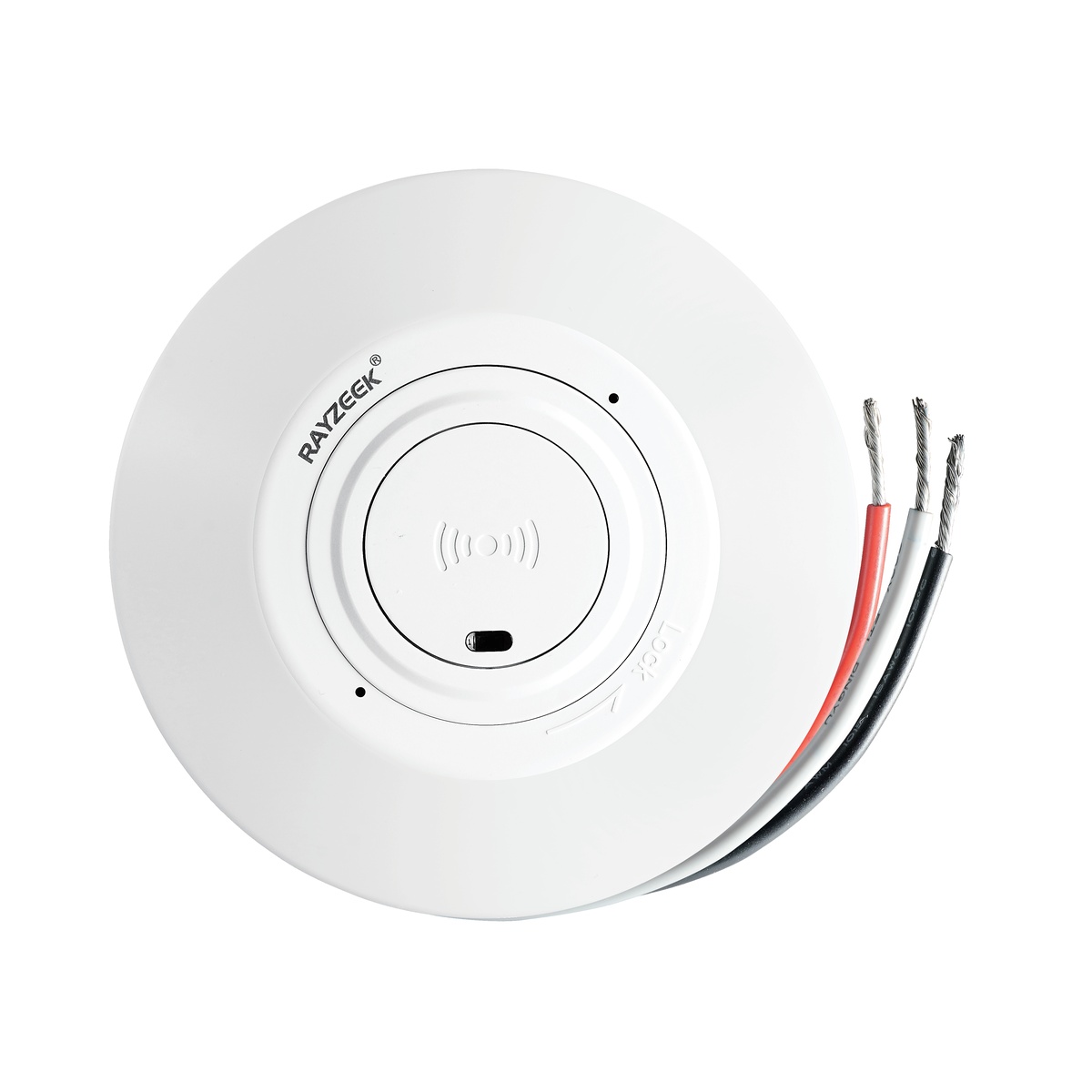
- 低壓直流天花安裝微波人體感應開關
- 12 VDC / 24 VDC 輸入,支援 10-30 VDC 範圍
- 最大工作電流 10A,配備可調節延時、光感閾值及靈敏度
- 高負載吸頂式微波動態感應器開關
- 100-265 VAC 市電輸入,10A 型號
- 5.8 GHz 微波感應,配備可調節延時、光感閾值及靈敏度
- 吸頂式微波動態感應器開關
- 100-265 VAC 市電輸入,5A 型號
- 5.8 GHz 微波感應,配備可調節延時、光感閾值及靈敏度
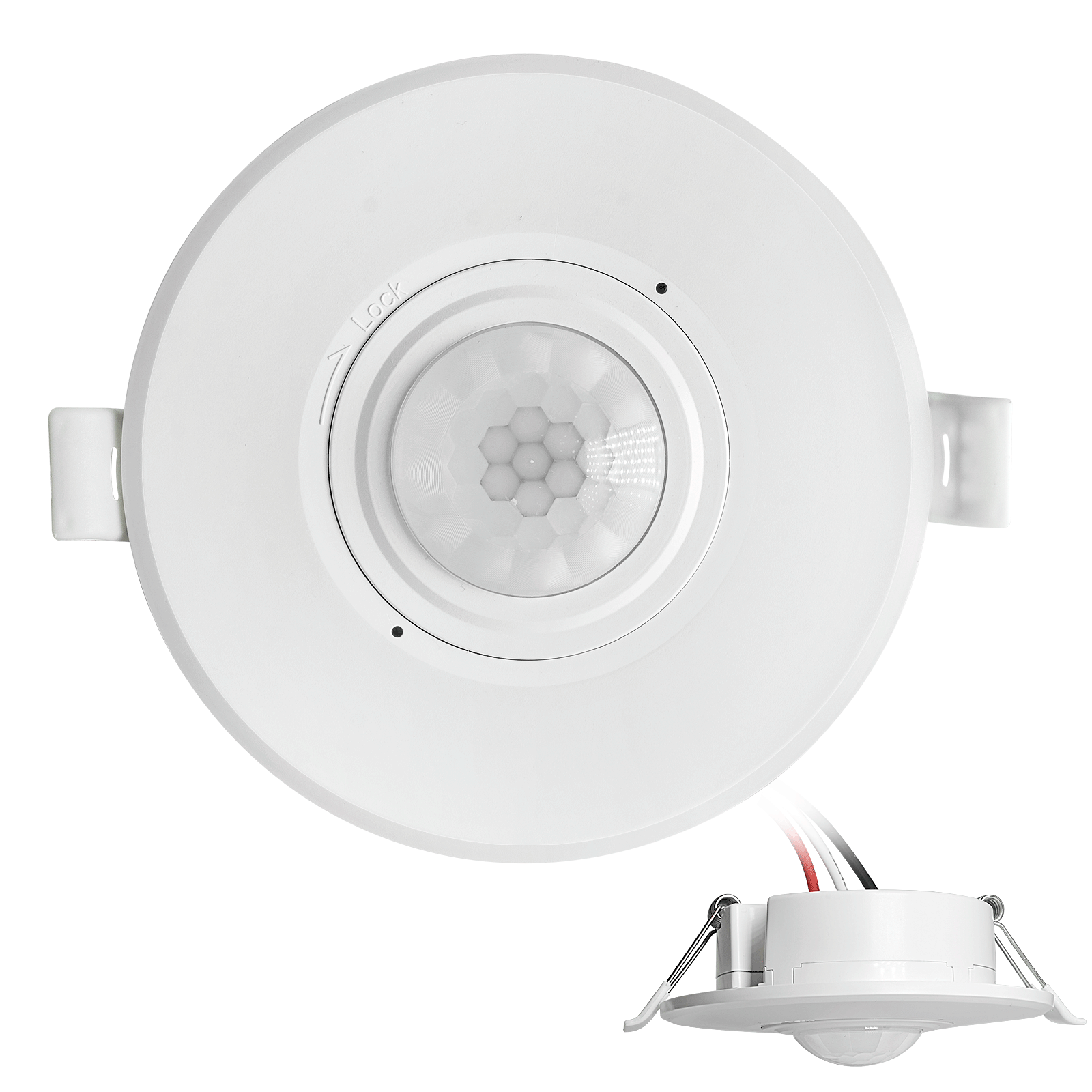
- 低壓直流嵌頂式 PIR 動態感應器開關
- 12 VDC / 24 VDC 輸入,支援 10-30 VDC 範圍
- 最大工作電流 10A,具備可調式時間延遲、光照度閾值及靈敏度
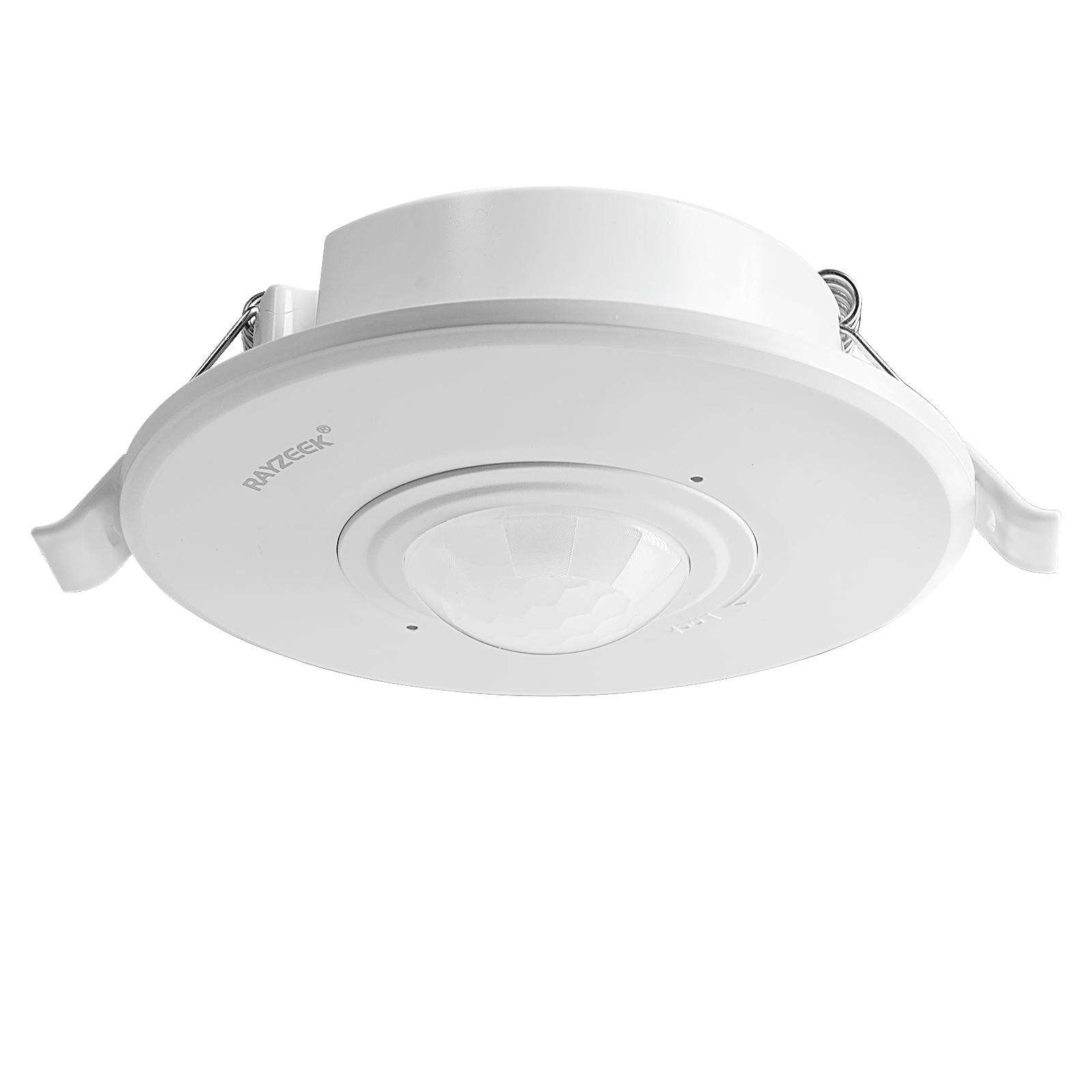
- 高負載嵌頂式 PIR 動態感應器開關
- 100-265 VAC 市電輸入,10A 型號
- 360度偵測,具備可調式時間延遲、光照度閾值及靈敏度
- 嵌頂式 PIR 動態感應器開關
- 100-265 VAC 市電輸入,5A 型號
- 360度偵測,具備可調式時間延遲、光照度閾值及靈敏度
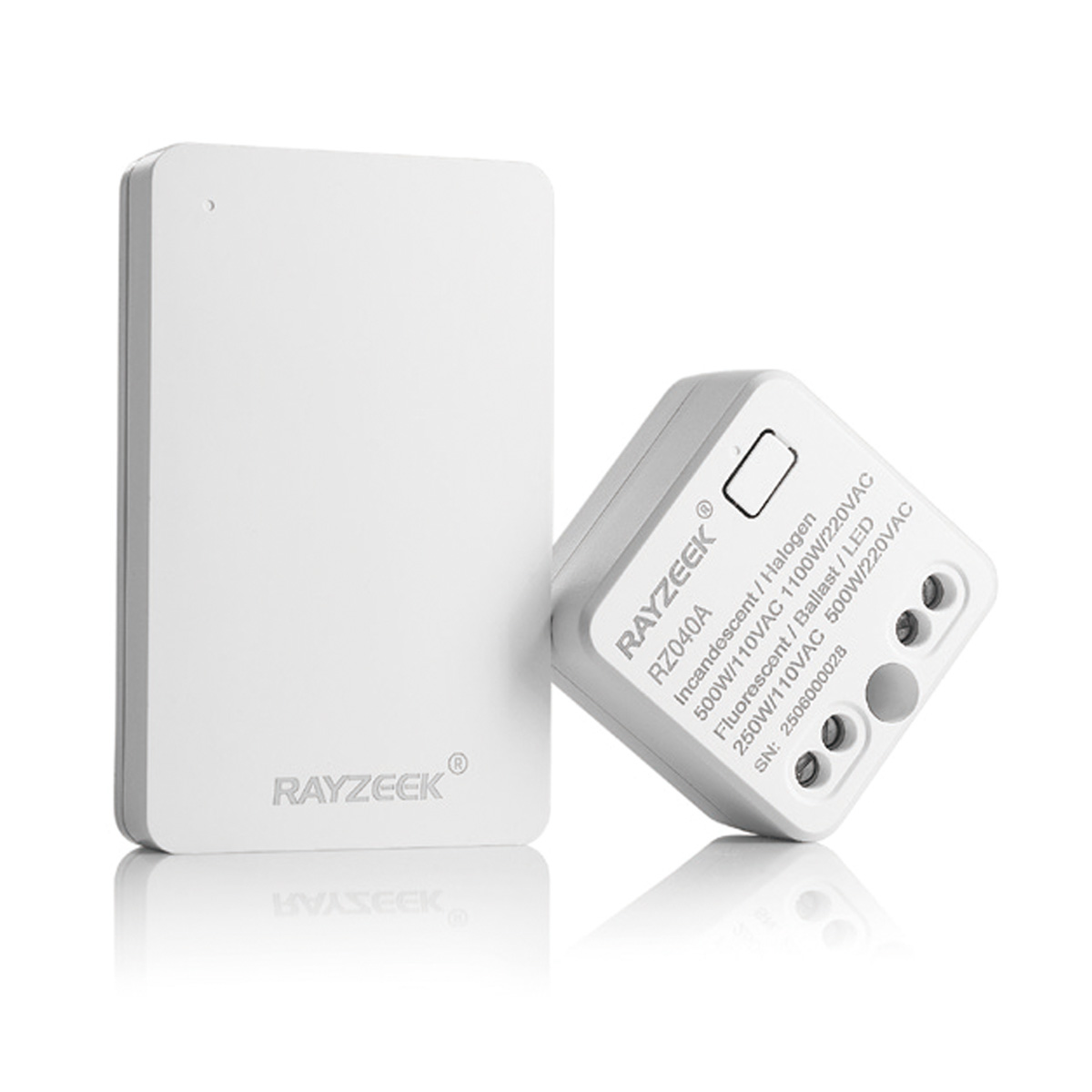
- 用於室內開關照明控制的無線開關及接收器套裝
- 100-230VAC,50/60Hz 接收器,額定電流 5A
- CR2032 電池供電無線開關,採用 2.4GHz 通訊
- 佔用感應(自動開啟/自動關閉)
- 12–24V DC (10–30VDC),最高 10A
- 360° 覆蓋,直徑 8–12 米
- 延遲時間 15 秒至 30 分鐘
- 光感應器 關閉/15/25/35 Lux
- 高/低靈敏度
- 自動開啟/自動關閉佔用模式
- 100–265V AC,10A(需接零線)
- 360° 全方位覆蓋;8–12 米偵測直徑
- 延遲時間 15 秒至 30 分鐘;Lux 關閉/15/25/35;靈敏度 高/低
- 自動開啟/自動關閉佔用模式
- 100–265V AC,5A(需接零線)
- 360° 全方位覆蓋;8–12 米偵測直徑
- 延遲時間 15 秒至 30 分鐘;Lux 關閉/15/25/35;靈敏度 高/低
Omit the waveform lecture. Omit the oscilloscope screenshots. The only reason to learn the mechanism is to choose the right test and avoid random swapping.
The mechanism chooses the test.
The One-Change Tests That Isolate the Culprit
The fastest troubleshooting looks boring on paper. It’s controlled. It changes one variable. It watches for a repeatable result. And it writes down what happened so the fix can survive the next random bulb replacement.
Test rule zero: change one thing at a time—one bulb, one fixture, one setting—then observe for a short, defined window (often 10 minutes after timeout, or one HVAC cycle).
Test 1: The “Known-Good Lamp” Swap (Driver Mismatch Proof)
If the symptom is ghost glow or shimmer that shows up in standby, the cleanest test is to swap one LED lamp on the circuit to a known-stable line (not an unknown multipack with shifting SKUs). Brand loyalty doesn’t matter here; driver predictability does.
- Swap one A19 in a multi-lamp fixture, or one sconce in a hallway.
- Let the Rayzeek-class motion sensor time out and go to standby.
- Observe in the dark. Don’t stare for 30 seconds and declare victory; give it a few minutes.
If the swapped lamp goes truly dark while the others keep glowing, that’s a diagnosis: the switch is not “broken”; the driver mismatch is the problem. At that point, the fastest fix is usually lamp selection or a compatible fixture/driver choice, not a switch swap.
This is also the moment to defuse the “wasted power” fear. Ghost glow is usually a driver response to micro-current, not the fixture running at full power. People hate that answer, but it keeps them from tearing out working switches because the light “looks on.”
Test 2: The Time-and-Heat Check (Thermal Cycling vs. Control Failure)
If the symptom is “random shutoffs” that happen after a predictable time window—5–10 minutes is common—treat heat as the first suspect, especially in hot climates and enclosed fixtures.
The Mesa garage case was textbook: an enclosed ceiling “boob light” fixture, brutal summer heat, LEDs too hot to touch, and cycling that looked like a control malfunction. The motion sensor switch got blamed because it was the new part. But the sensor indicator looked normal while the lamps went dark and came back. Changing the bulb type to one with better thermal behavior stopped the cycling without touching the switch.
The one-change version of that test is simple and low-risk:
- If safe and accessible, swap one bulb for a different type rated for enclosed fixtures (or temporarily open the fixture if designed to be opened normally).
- Run the light continuously and time the failure window.
- If the cycling disappears, it wasn’t the sensor deciding to turn off; it was the bulb protecting itself from heat.
A bypass will not fix a bulb overheating in a sealed globe. A new switch will not fix a lamp that can’t survive the fixture and the climate.
Test 3: The Minimum-Load Differentiator (Does Load Stabilize It?)
If the symptom is a flash at timeout or shimmer in standby on a low-watt setup—vanity bars, a single LED in a closet—minimum-load behavior moves to the top of the list.
In the Scottsdale three-globe vanity case, a temporary resistive load at the fixture stabilized the system instantly. That’s the diagnostic value: it tells you whether the circuit needs a more robust load path to behave predictably.
To avoid unsafe modifications, frame the test carefully: use the load change as a diagnostic signal. If the behavior clearly changes, choose a compliant fix (often a purpose-built bypass installed at the fixture by someone qualified, or a lamp/fixture change that increases effective load).
The important observation is repeatability: if adding load makes the shimmer/flash stop, it confirms the mechanism. If adding load does nothing, stop pushing the bypass idea and look elsewhere.
從 Rayzeek 動態感測器產品組合中獲得靈感。
找不到您想要的產品?別擔心。總有其他方法可以解決您的問題。也許我們的其中一個產品組合可以幫到您。
Test 4: The HVAC Correlation (False Triggers That Look Like “Electrical Noise”)
If the complaint is “it turns on by itself,” treat the environment as part of the circuit. In Chandler, a motion sensor switch near a supply register was triggering with AC airflow and temperature gradients. The homeowner wanted an electrical explanation; the useful move was correlation: does it happen when the AC runs?
One-change protocol:
- Run the HVAC and watch for triggering.
- Temporarily reduce sensitivity and adjust timeout (settings vary by device; the concept doesn’t).
- If the false triggers drop or stop, the device isn’t haunted and the wiring isn’t failing. The sensor is in a bad spot or set too aggressively.
This is also where many people accidentally diagnose a “flicker problem” that is actually a “re-trigger problem.” The light turning on repeatedly can look like instability if someone is not watching the room and the air movement.
The documentation habit that prevents repeat complaints
At the end of any of these tests, the fix should be written down like a service note: bulb line/model family if known, fixture type (open vs enclosed), whether the switch box has a neutral, sensor mode (occupancy/vacancy), timeout, sensitivity, and whether a bypass was installed. This isn’t just bureaucracy. It prevents the next bulb swap from undoing the solution.
Now the map is straightforward: once the test points at the mechanism, the fix should match that mechanism.
Match the Fix to the Mechanism (Not to the Vibe)
There are two broad styles of fixing Rayzeek + LED complaints. One is expensive: swap parts until the customer stops texting. The other is boring: pick a stable lamp/fixture and a configuration that behaves on standby, at low load, and in the real environment.
The boring approach wins in fleets and rentals because of what the returns desk showed in 2020–2021: “same bulb” isn’t always the same driver. A property manager can save $2 per lamp across 120 lamps and still lose money if it generates nine after-hours tickets in the first month. That’s not an abstract moral about quality; it’s callback economics. The labor is the expensive component.
So the fix mapping tends to look like this:
- Ghost glow confirmed by one-lamp swap → choose a different lamp/driver line that ignores standby trickle, or (in low-load cases) add a proper bypass at the fixture so the trickle current has a benign path.
- Flash/shimmer at timeout that changes with load → treat minimum load as the issue; a bypass or a different lamp/fixture class is more coherent than a switch-brand swap.
- Shutoff after minutes that tracks heat → lamps/fixture ventilation, enclosed-fixture ratings, and thermal behavior; do not chase switch features.
- False triggers tied to HVAC, pets, sightlines → settings and placement decisions; do not treat it like a wiring defect until correlation fails.
This is also the place to stop people from accidentally creating a second problem: multi-way circuits.
A Gilbert, AZ stairwell with a 3-way setup is a classic trap. Someone upgrades one location to a motion sensor switch and leaves the other as a standard switch, expecting both ends to behave like “dumb switches.” Then the lights flicker, or the off behavior depends on which switch was last used, and the homeowner repeats, “but it worked before.”
In a multi-way circuit, topology isn’t optional. Introducing electronics changes what combinations are valid. The fix isn’t a mood. It’s either correct device pairing for the 3-way arrangement or a different sensor strategy (sometimes moving sensing to a different location or using a fixture-side control method).
A shorter detour that saves a lot of confusion: smart bulbs. If someone is trying to use a motion sensor wall switch to control smart bulbs (Hue-class, Wi‑Fi lamps), the system is fighting itself. Smart bulbs want constant power; the wall switch is designed to cut power. The coherent choice is: either use dumb LEDs with the sensor switch, or keep the bulbs always powered and do motion sensing through the smart system. Mixing those two control hierarchies is how people end up diagnosing “flicker” that is actually a device rebooting.
One last red-team point because it matters: “Just add a bypass, it fixes everything” is as lazy as “it’s always the neutral.” A bypass is the right tool for minimum-load/leakage behavior. It is irrelevant for thermal cycling, false triggers, and multi-way topology mismatches. Treating bypass as a universal cure just adds parts while leaving the real cause untouched.
Safety Gates and “Call a Pro” Triggers
Some problems are genuinely electrical safety issues, and it’s important to put a gate here so readers don’t improvise into danger.
正在尋找動態感應節能解決方案?
歡迎聯絡我們以獲取完整的 PIR 動態感應器、動態感應節能產品、動態感應器開關以及人體感應/無人感應商業解決方案。
The hard line is simple: don’t invent a neutral. In a Central Phoenix 1960s ranch, the no-neutral switch box was a wiring architecture problem. A homeowner tried ground-as-neutral “just to test,” and it created weird glow on a nearby lamp by energizing conductors in ways that didn’t match expectations. Backing that out to safe wiring took longer than the original install would have.
If a Rayzeek-class device requires a neutral and the box doesn’t have one, the safe options are limited: run a proper neutral (real work), choose a different device type or sensor location that doesn’t require that wiring at that point, or involve a qualified electrician to design a compliant approach. Anything else is gambling with old houses.
There are also “stop and inspect basics” triggers that should override the urge to keep swapping bulbs:
- Symptoms across multiple circuits at the same time (not just one hallway) can point to loose neutrals, shared neutrals, or service issues.
- Heat, burning smell, sizzling, discoloration, or a warm switch/fixture is not an LED compatibility puzzle; it’s an immediate safety concern.
- Loose connections and backstabs can mimic flicker in ways that no lamp swap will cure.
Power quality and neighborhood voltage swings exist, but they’re a later branch. The practical sanity check is: if multiple circuits are doing the same thing simultaneously, stop treating it as a single switch + bulb issue and get qualified measurement. Blaming “dirty power” first is just outsourcing responsibility to a vague culprit.
Invoice-Grade Summary: A “Boring but Works” Configuration
For a landlord, HOA, or anyone who wants this to be maintainable, the goal is not just “fixed today.” The goal is a configuration that will still behave after the next turnover when someone replaces one bulb.
A repeatable template looks like a service note, because that’s exactly what it is:
- Load class: Note whether the circuit is a low-watt load (one lamp, 1–3 globe vanity bar) or a higher, stable load (multiple lamps, robust fixture).
- Fixture class: Note enclosed vs. open fixtures (garages and enclosed globes behave differently in Phoenix summers).
- Lamp strategy: Standardize on a known-stable LED line for sensor-controlled circuits; avoid mystery multipacks with shifting SKUs for these locations.
- Control settings: Record mode (occupancy/vacancy), timeout, sensitivity, and any ambient light threshold used, especially in open-plan areas near HVAC registers.
- Hardware notes: Record neutral present/absent, and whether a bypass was installed at the fixture (Y/N) for minimum-load/leakage behavior.
A warning belongs on the same page, based on the 2020–2021 returns pattern: compatibility can drift. Packaging can look identical while driver behavior changes. For bulk purchases, buy a small test batch first and record the line name and any packaging codes that help identify a consistent run.
The boring win condition is simple: observe the symptom, confirm the mechanism with one change, apply the fix that matches that mechanism, and document the configuration so the fix survives the next “helpful” bulb replacement.