
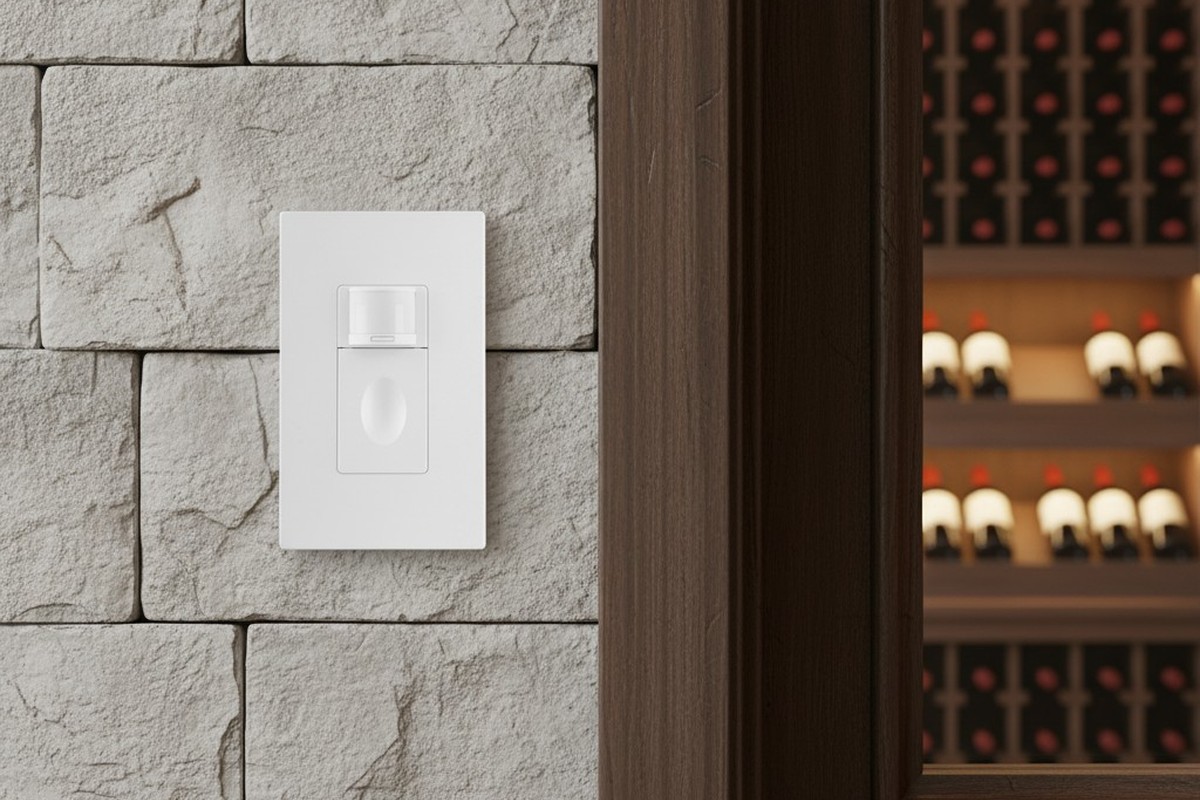
Wine isn’t a static object. It is a decaying biological solution suspended in a fragile chemical state. Most collectors understand temperature. They obsess over cooling units and insulation, yet frequently ignore the faster, more aggressive destroyer of vintage inventory: radiation.
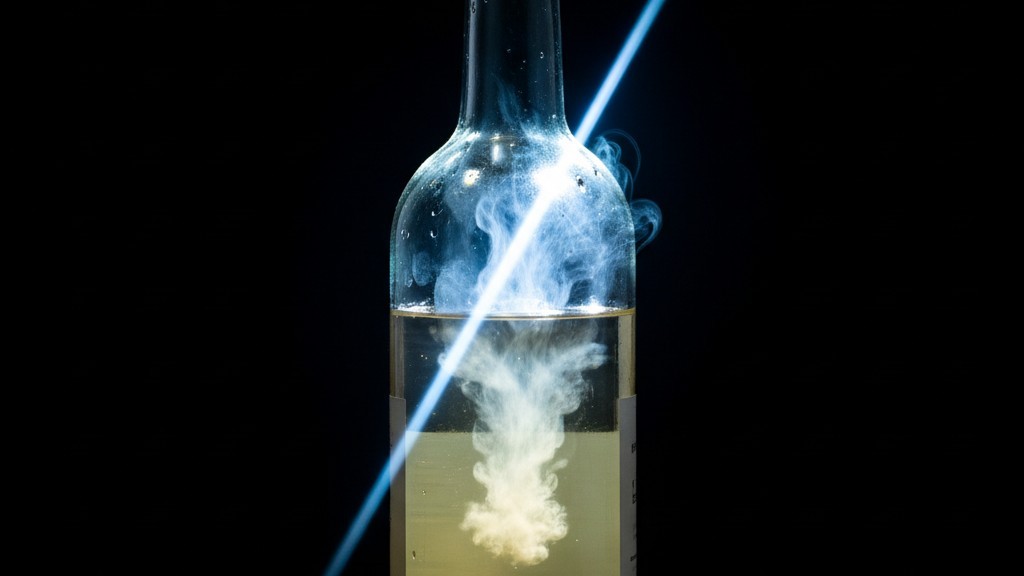
Light is radiation. When photons strike a bottle, they don’t just illuminate the label; they initiate a photochemical reaction that can irreversibly alter the liquid in hours. The industry term is “light strike,” or goût de lumière (taste of light). We aren’t talking about a subtle fading of fruit here. We’re talking about the production of dimethyl disulfide and other sulfur compounds. It smells like wet wool, cooked cabbage, or skunk. This reaction happens fastest in the blue and ultraviolet spectrums—exactly the wavelengths emitted by daylight and, unfortunately, many modern “cool white” LEDs.
The damage is cumulative and irreversible. A bottle exposed for ten minutes today and ten minutes next month suffers the same degradation as one exposed for twenty minutes straight. Yet, the standard approach to cellar lighting in residential construction remains dangerously casual. Architects design for the visual drama of the “reveal,” placing high-output fixtures directly over racking to turn the cellar into a showroom. This prioritizes the owner’s ego over the product’s chemistry. If the goal is preservation, darkness is the only zero-risk state.
The Fallacy of the Manual Switch
The single greatest threat to a wine collection isn’t a power outage or an earthquake. It’s the housekeeper, the visiting relative, or even the distracted owner who flips a switch to look for a bottle, leaves the room with their hands full, and forgets to flip it back.
In a properly insulated cellar, a light left on for a week does more than just irradiate the glass; it creates a localized heat pocket. I’ve reviewed logs from high-value claims where 50-watt halogen spots were left burning for nine days. The room thermostat on the wall read a perfect 55°F, but the thermal mass of the bottle directly under the bulb hit 80°F. The liquid cooked inside the glass while the cooling unit hummed along, oblivious.
您可能也會感興趣

- 電壓:2 粒 AAA 電池
- 日/夜模式
- 延遲時間:15 分鐘、30 分鐘、1 小時(預設)、2 小時

- 吸頂式 PIR 人體感應器,配備乾觸點繼電器輸出
- 12/24VDC 或 12/24VAC 低電壓供電
- 用於 EMS、HVAC 和建築控制輸入的 COM、NO 和 NC 隔離繼電器觸點

- 低壓直流嵌入式天花安裝微波人體感應開關
- 12 VDC / 24 VDC 輸入,支援 10-30 VDC 範圍
- 最大工作電流 10A,配備可調節延時、光感閾值及靈敏度
- 高負載嵌入式天花安裝微波人體感應開關
- 100-265 VAC 市電輸入,10A 型號
- 5.8 GHz 微波感應,配備可調節延時、光感閾值及靈敏度
- 嵌入式天花安裝微波人體感應開關
- 100-265 VAC 市電輸入,5A 型號
- 5.8 GHz 微波感應,配備可調節延時、光感閾值及靈敏度
- 適用於 220V 電源的天花安裝 RZ037 PIR 被動式紅外線佔空感應調光開關
- 最大工作電流 3A,額定負載 660W
- LUX 按鈕控制光線感應器開關及用戶設定之調光亮度
- 適用於 110V 電源的天花安裝 RZ037 PIR 被動式紅外線佔空感應調光開關
- 最大工作電流 3A,額定負載 330W
- LUX 按鈕控制光線感應器開關及用戶設定之調光亮度

- 低壓直流天花安裝微波人體感應開關
- 12 VDC / 24 VDC 輸入,支援 10-30 VDC 範圍
- 最大工作電流 10A,配備可調節延時、光感閾值及靈敏度
- 高負載吸頂式微波動態感應器開關
- 100-265 VAC 市電輸入,10A 型號
- 5.8 GHz 微波感應,配備可調節延時、光感閾值及靈敏度
- 吸頂式微波動態感應器開關
- 100-265 VAC 市電輸入,5A 型號
- 5.8 GHz 微波感應,配備可調節延時、光感閾值及靈敏度

- 低壓直流嵌頂式 PIR 動態感應器開關
- 12 VDC / 24 VDC 輸入,支援 10-30 VDC 範圍
- 最大工作電流 10A,具備可調式時間延遲、光照度閾值及靈敏度

- 高負載嵌頂式 PIR 動態感應器開關
- 100-265 VAC 市電輸入,10A 型號
- 360度偵測,具備可調式時間延遲、光照度閾值及靈敏度
- 嵌頂式 PIR 動態感應器開關
- 100-265 VAC 市電輸入,5A 型號
- 360度偵測,具備可調式時間延遲、光照度閾值及靈敏度

- 用於室內開關照明控制的無線開關及接收器套裝
- 100-230VAC,50/60Hz 接收器,額定電流 5A
- CR2032 電池供電無線開關,採用 2.4GHz 通訊
- 佔用感應(自動開啟/自動關閉)
- 12–24V DC (10–30VDC),最高 10A
- 360° 覆蓋,直徑 8–12 米
- 延遲時間 15 秒至 30 分鐘
- 光感應器 關閉/15/25/35 Lux
- 高/低靈敏度
- 自動開啟/自動關閉佔用模式
- 100–265V AC,10A(需接零線)
- 360° 全方位覆蓋;8–12 米偵測直徑
- 延遲時間 15 秒至 30 分鐘;Lux 關閉/15/25/35;靈敏度 高/低
- 自動開啟/自動關閉佔用模式
- 100–265V AC,5A(需接零線)
- 360° 全方位覆蓋;8–12 米偵測直徑
- 延遲時間 15 秒至 30 分鐘;Lux 關閉/15/25/35;靈敏度 高/低
Relying on human memory to protect a $50,000 asset is a failure of system design. A manual toggle switch on the wall is an invitation to negligence. It assumes that every person entering the room will have the discipline to turn the system off, every single time. Experience dictates otherwise. That means the lighting control circuit must be divorced from human memory entirely. It must be automated, but the logic of that automation matters immensely.
Vacancy vs. Occupancy: The Critical Distinction
Most “smart” lighting sensors sold at big-box hardware stores are designed for laundry rooms, not archival vaults. They default to 佔空模式 (Auto-On / Auto-Off). That logic is catastrophic for a wine cellar.
In Occupancy Mode, the sensor triggers the lights whenever it detects motion. In a cellar, a spider crawling across the lens, a shift in HVAC airflow moving a hanging tag, or a family pet pushing the door open can bathe the collection in light for hours. We call this “ghost switching.” A sensor that turns on without human intent is a liability.
The only acceptable control logic for a cellar is 空置模式 (Manual-On / Auto-Off). In this configuration, the human must physically press the switch to turn the lights on. This confirms intent: someone is actually entering the room to work or retrieve a bottle. The sensor’s only job is to act as the fail-safe, cutting the power after a set period of inactivity.
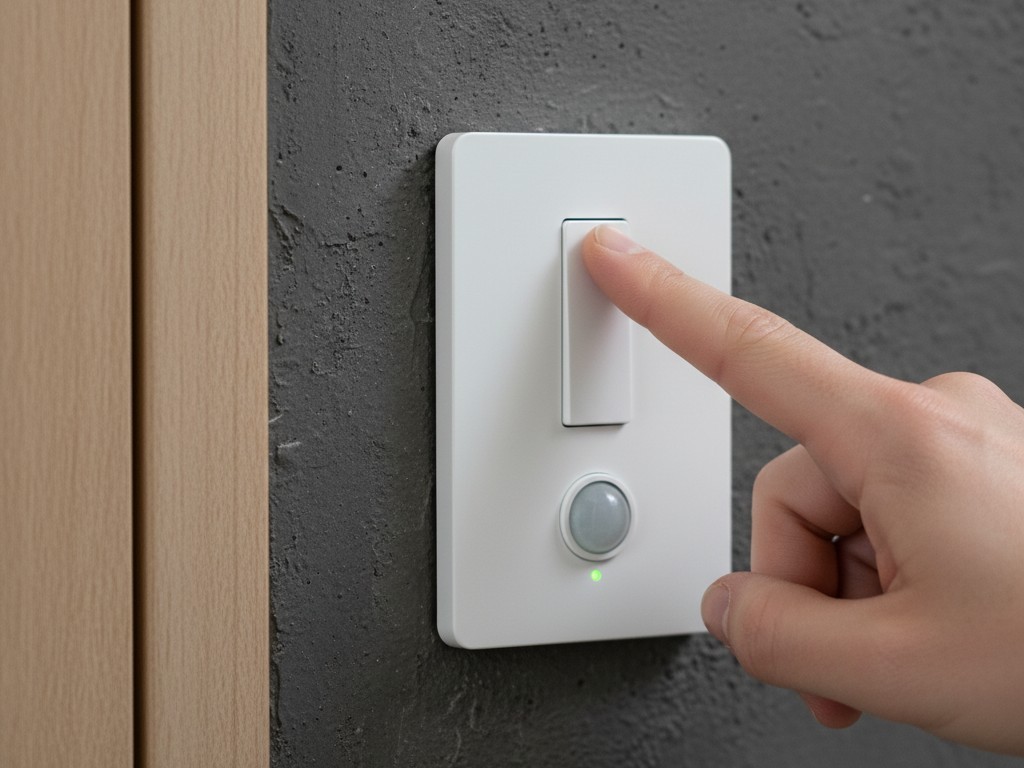
Hardware defines this distinction. For example, in the Lutron ecosystem, the Maestro MS-OPS2 is an occupancy sensor (risky), while the MS-VPS2 is a vacancy sensor (safe). While many smart home hubs allow you to program this logic via software, relying on a cloud-dependent hub for critical infrastructure is unwise. If the internet goes down or the hub freezes, the protection logic fails. Hardwired vacancy sensors operate independently of the Wi-Fi, controlling the physical circuit directly. They are the only fail-safe that works when the router is unplugged.
Solving the “Darkness While Reading” Problem
The biggest complaint regarding automated lighting is the “waving arms” phenomenon. A collector is deep in the back of the cellar, reading the vintage chart on a bottle of Bordeaux, and the lights suddenly cut out, plunging them into pitch blackness. They have to wave their arms to re-trigger the sensor. This frustration often leads owners to disable the sensors entirely, returning to the dangerous manual switch.
The concept isn’t broken; the hardware choice is. Standard sensors use Passive Infrared (PIR) technology, which relies on line-of-sight to detect heat signatures in motion. If a collector is standing in a narrow alley between deep redwood racks, the sensor at the door cannot “see” them.
The solution is Dual-Technology sensors. Units like the Leviton OSSMT-MD series combine PIR with Ultrasonic detection. Ultrasonic sensors emit a high-frequency sound wave (doppler shift) that fills the volume of the room. They don’t need line-of-sight; they can detect the minor movements of a person shifting their weight or turning a bottle, even around corners or behind racking.
For larger cellars or L-shaped layouts, a single switch plate sensor is rarely enough. The system should be wired with a remote sensor mounted on the ceiling in the rear of the room, tied to the main switch. This ensures the system knows you are there, regardless of where you are standing. The timeout setting should be aggressive—five minutes is standard. If you are in the cellar for longer than five minutes, you are likely moving enough to keep a Dual-Tech sensor active. If you leave, the room should go dark almost immediately.
從 Rayzeek 動態感測器產品組合中獲得靈感。
找不到您想要的產品?別擔心。總有其他方法可以解決您的問題。也許我們的其中一個產品組合可以幫到您。
The Spectrum Audit
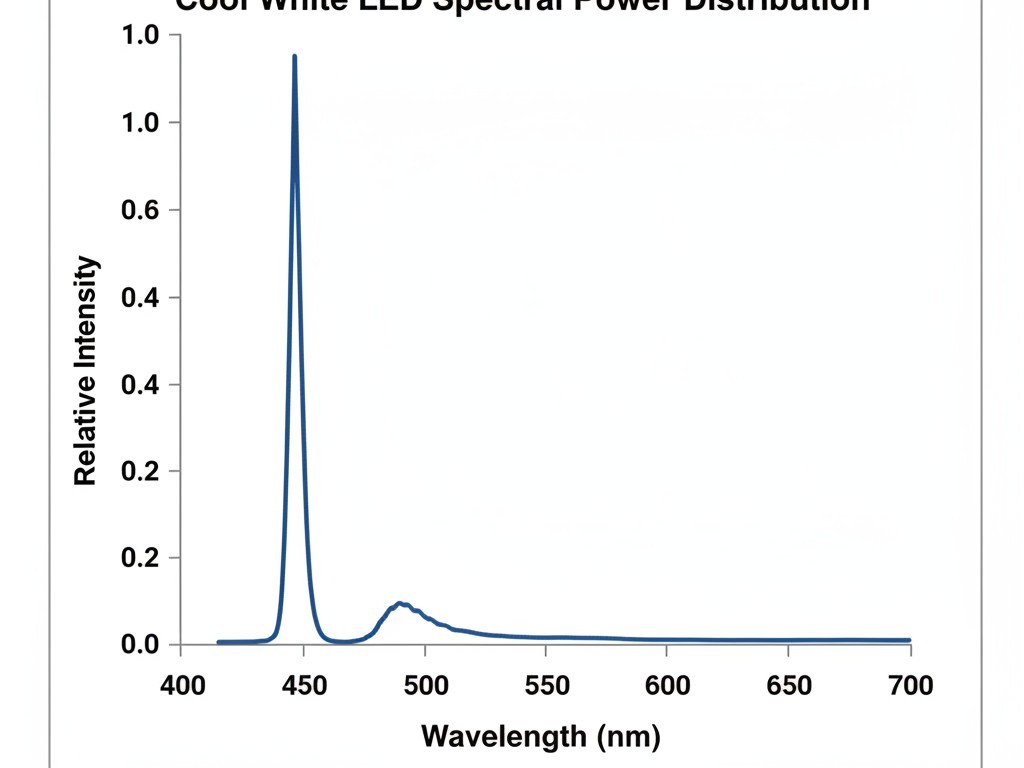
There is a pervasive myth that LED lighting is perfectly safe for wine because it “doesn’t produce UV.” That is dangerously inaccurate. While LEDs do not emit the high levels of UV found in sunlight or fluorescent tubes, white LEDs are typically created by using a blue LED pump coated with phosphor.
If you look at the Spectral Power Distribution (SPD) chart for a standard 4000K “Cool White” LED, you will see a massive spike in energy around the 440nm-460nm range (blue light). This wavelength is highly energetic and capable of penetrating clear and light-green glass—like those used for Roederer Cristal or many Pinot Grigios—to trigger riboflavin reactions.
When selecting fixtures, ignore marketing terms like “Warm White.” Demand the technical spec sheet. You are looking for a high Color Rendering Index (CRI 90+) and a color temperature of 2700K or lower. These warmer bulbs have less energy in the blue spectrum. However, even the “safest” LED is still emitting photons. The safest light level is zero. Dimmers are useful for setting a mood, but they do not prevent damage if the lights are left on.
Architectural Vanity vs. Chemistry
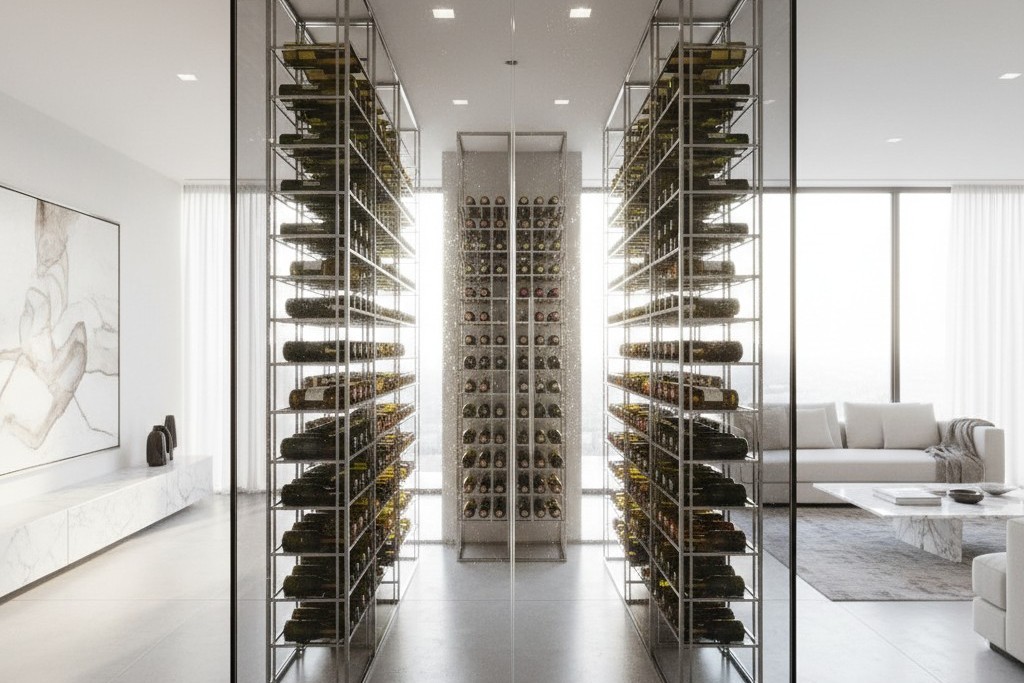
The modern trend of the “glass wall” cellar—a seamless pane of glass separating the dining room from the wine—is an aesthetic triumph and a preservation nightmare. Architects love them; engineers dread them.
正在尋找動態感應節能解決方案?
歡迎聯絡我們以獲取完整的 PIR 動態感應器、動態感應節能產品、動態感應器開關以及人體感應/無人感應商業解決方案。
Standard “Low-E” glass is designed to block thermal transfer and some UV, but it does not block the visible light spectrum. If the dining room is lit, the wine is lit. If the afternoon sun hits the dining room, the wine is being irradiated. We have measured significant UV and visible light transmission through double-paned architectural glass sufficient to bleach labels and skunk champagne in less than a year.
If a glass wall is non-negotiable, the mitigation must be mechanical. Automated blackout shades, driven by motors like the Somfy Sonesse series, should be installed and programmed to deploy during daylight hours or when the room is not being actively viewed. The wine should not be on display 24/7. Treat it like a sleeping organism, not a painting.
Implementation Standards
For those building or retrofitting a cellar, the electrical rough-in is the moment to get this right. Don’t let the electrician install a standard single-pole switch.
- Neutral Wire: Ensure a neutral wire is run to the switch box. Many advanced vacancy sensors require a neutral connection to function reliably without “leaking” current through the bulb (which can cause LEDs to flicker or glow faintly even when off).
- Placement: The switch should be inside the cellar, not outside. Putting the switch outside encourages people to turn it on before entering and forget it after leaving.
- Hardware: Stick to commercial-grade controls. The Lutron Maestro and Wattstopper lines are industry standards for a reason. They allow for precise sensitivity adjustment, preventing the lights from turning off while you are reading, but ensuring they cut out the moment you leave.
Preserving wine is an exercise in paranoia. We assume the power will fail, the cooling unit will seize, and the humans will forget. By hardwiring the lighting control to default to darkness, we remove the most unpredictable variable—human memory—from the equation.







