Wijn is geen statisch object. Het is een afstervende biologische oplossing die zich in een kwetsbare chemische toestand bevindt. De meeste verzamelaars begrijpen temperatuur. Ze maken zich druk over koelunits en isolatie, maar negeren vaak de snellere, agressievere verwoester van vintage voorraden: straling.
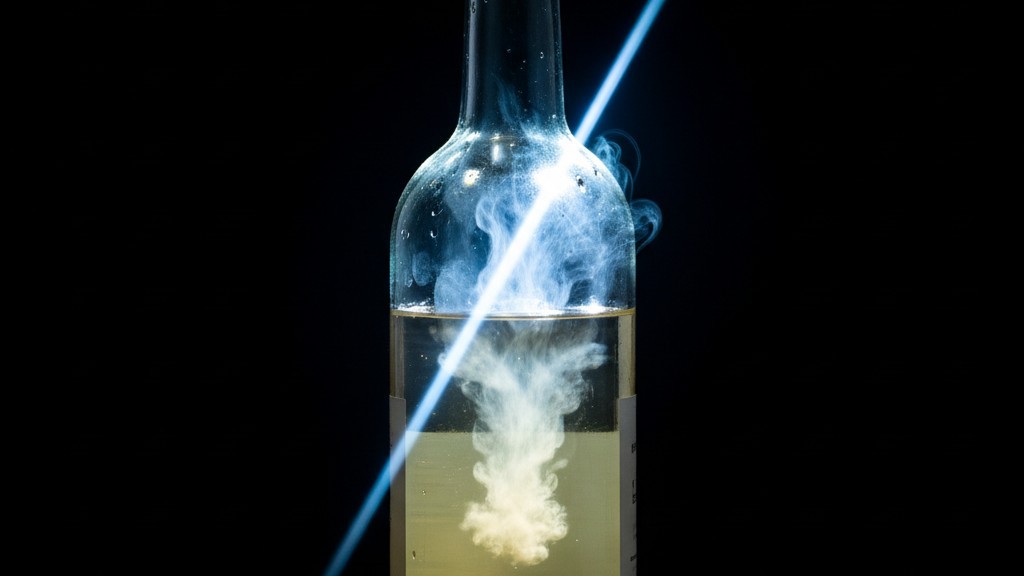
Licht is straling. Wanneer fotonen een fles raken, verlichten ze niet alleen het etiket; ze starten een fotochemische reactie die de vloeistof binnen enkele uren onherstelbaar kan aantasten. De term in de branche is “lichtinslag”, of goût de lumière (smaak van licht). We hebben het hier niet over het subtiel vervagen van fruittonen. We hebben het over de productie van dimethyl-disulfide en andere zwavelverbindingen. Het ruikt naar natte wol, gekookte kool of skunk. Deze reactie treedt het snelst op in de blauwe en ultraviolette spectra—exact de golflengten die worden uitgestraald door daglicht en, helaas, veel moderne “koel witte” ledlampen.
De schade is cumulatief en onomkeerbaar. Een fles die vandaag tien minuten en volgende maand tien minuten wordt blootgesteld, lijdt onder dezelfde achteruitgang als een fles die twintig minuten achter elkaar wordt blootgesteld. Toch blijft de standaardbenadering van kelderverlichting in de woningbouw gevaarlijk casual. Architecten ontwerpen voor het visuele drama van de “onthulling” en plaatsen armaturen met een hoge lichtopbrengst direct boven de rekken om van de kelder een toonzaal te maken. Dit stelt het ego van de eigenaar boven de chemie van het product. Als het doel conservering is, is duisternis de enige toestand zonder risico.
De misvatting van de handmatige schakelaar
De grootste bedreiging voor een wijncollectie is geen stroomuitval of aardbeving. Het is de huishoudelijke hulp, het bezoekende familielid of zelfs de afgeleide eigenaar die een schakelaar omzet om een fles te zoeken, de ruimte verlaat met de handen vol en vergeet deze weer om te zetten.
In een goed geïsoleerde kelder doet een lamp die een week lang blijft branden meer dan alleen het glas bestralen; het creëert een plaatselijke warmte-ophoping. Ik heb logboeken van claims met een hoge waarde beoordeeld waarin halogeenspots van 50 watt negen dagen lang bleven branden. De thermostaat aan de muur gaf een perfecte 55°F aan, maar de thermische massa van de fles direct onder de lamp bereikte 80°F. De vloeistof kookte in het glas terwijl de koelunit onverstoord verder bleef draaien.
Mogelijk bent u ook geïnteresseerd in

- Spanning: 2 AAA-batterijen
- Dag/Nacht-modus
- Uitschakelvertraging: 15min, 30min, 1u (standaard), 2u
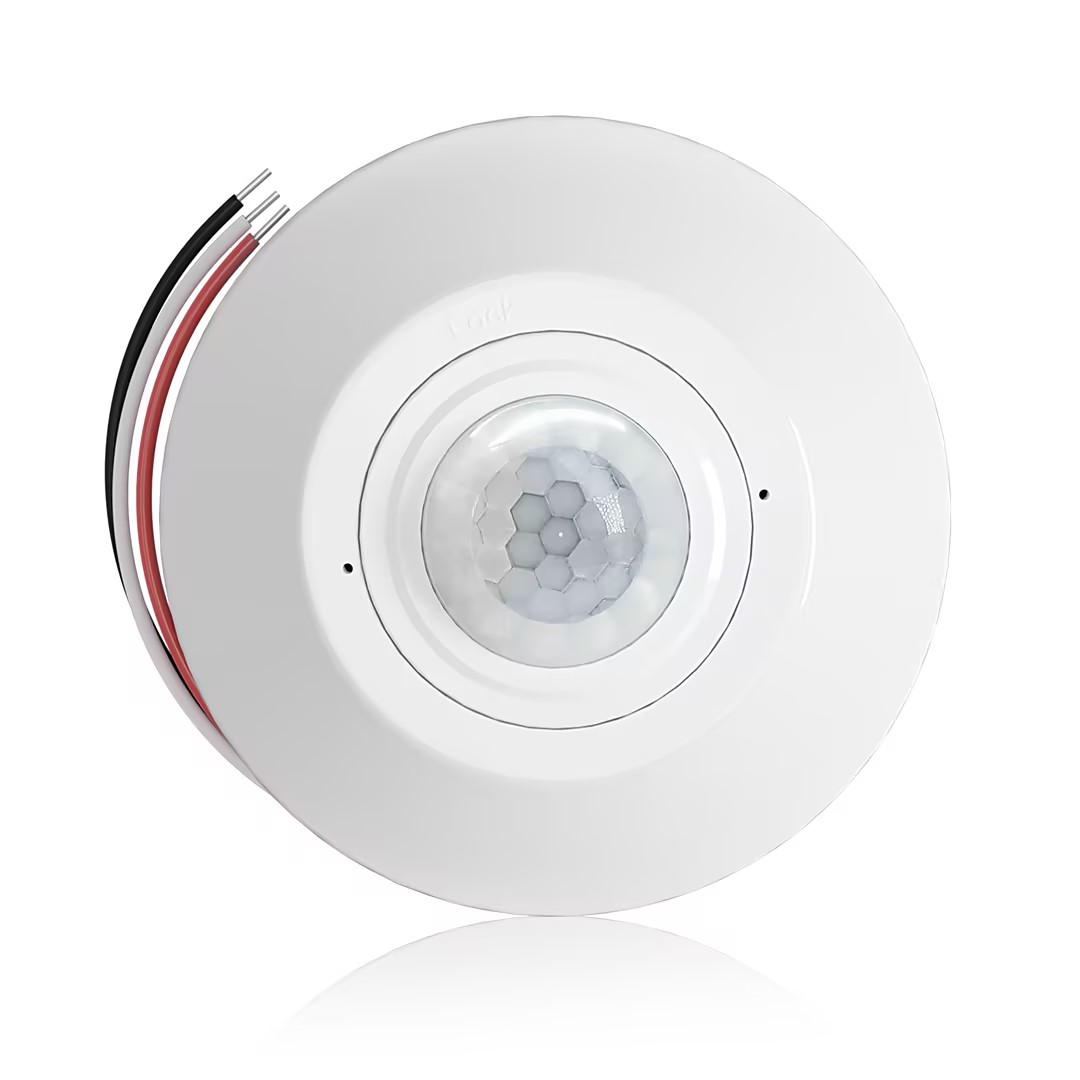
- Plafondgemonteerde PIR-aanwezigheidssensor met potentiaalvrije relaisuitgang
- 12/24VDC of 12/24VAC laagspanningsvoeding
- COM-, NO- en NC-geïsoleerde relaiscontacten voor EMS-, HVAC- en gebouwbeheersystemen
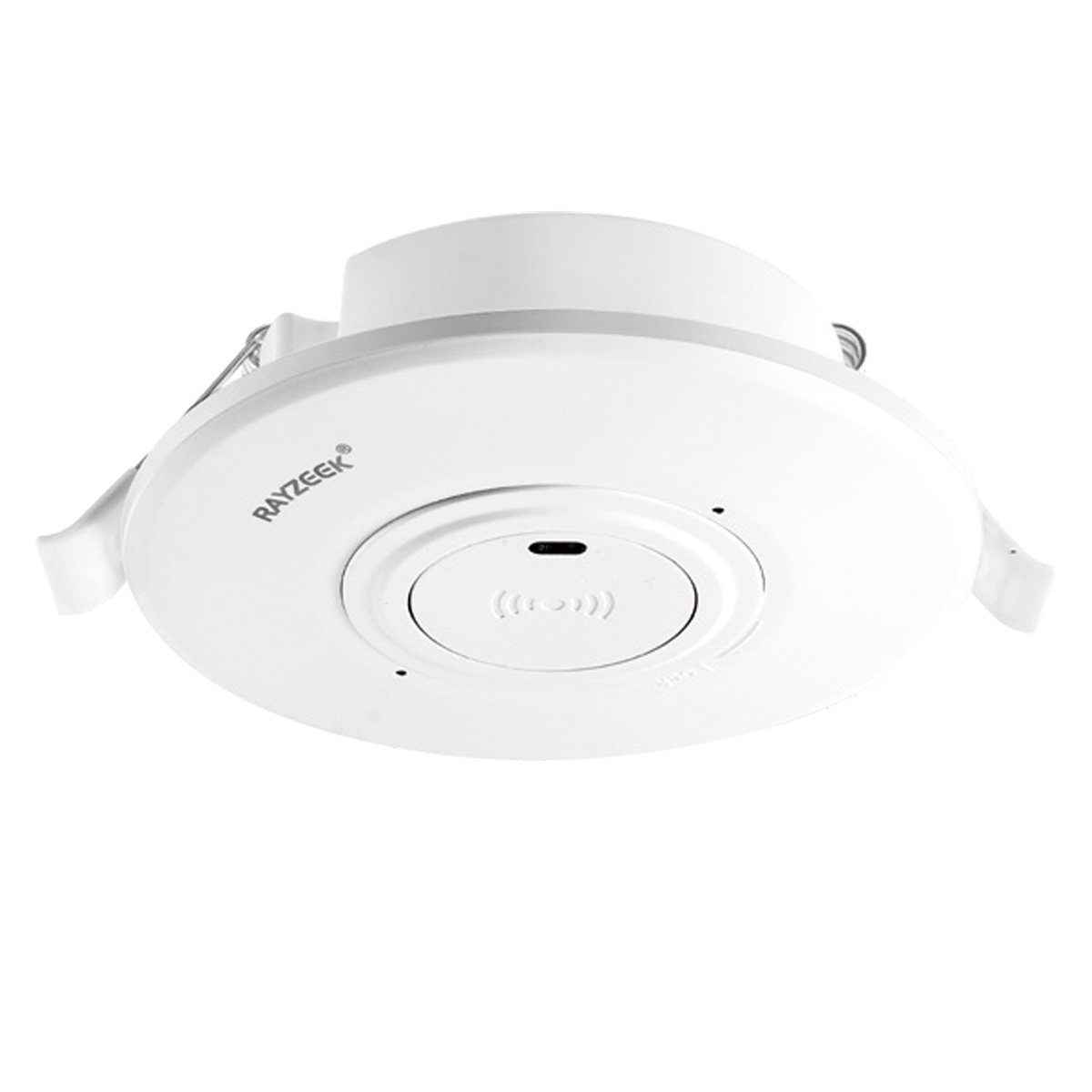
- Laagspanning DC inbouw-plafondgemonteerde microgolfbewegingssensorschakelaar
- 12 VDC / 24 VDC-ingang met een bereik van 10-30 VDC
- Max. 10A werkstroom met instelbare uitschakelvertraging, luxdrempelwaarde en gevoeligheid
- Inbouw-plafondgemonteerde microgolfbewegingssensorschakelaar voor hogere belasting
- 100-265 VAC netspanningsingang, 10A-model
- 5,8 GHz microgolfdetectie met instelbare uitschakelvertraging, Lux-drempelwaarde en gevoeligheid
- Plafondinbouw microgolf bewegingssensor-schakelaar
- 100-265 VAC netspanningsingang, 5A-model
- 5,8 GHz microgolfdetectie met instelbare uitschakelvertraging, Lux-drempelwaarde en gevoeligheid
- RZ037 PIR-aanwezigheidssensor-dimmer voor plafondmontage op 220V-voeding
- 3A maximale werkstroom met 660W nominaal vermogen
- LUX-knop regelt lichtsensor AAN/UIT en door de gebruiker ingestelde dimhelderheid
- RZ037 PIR-aanwezigheidssensor-dimmer voor plafondmontage op 110V-voeding
- 3A maximale werkstroom met 330W nominaal vermogen
- LUX-knop regelt lichtsensor AAN/UIT en door de gebruiker ingestelde dimhelderheid
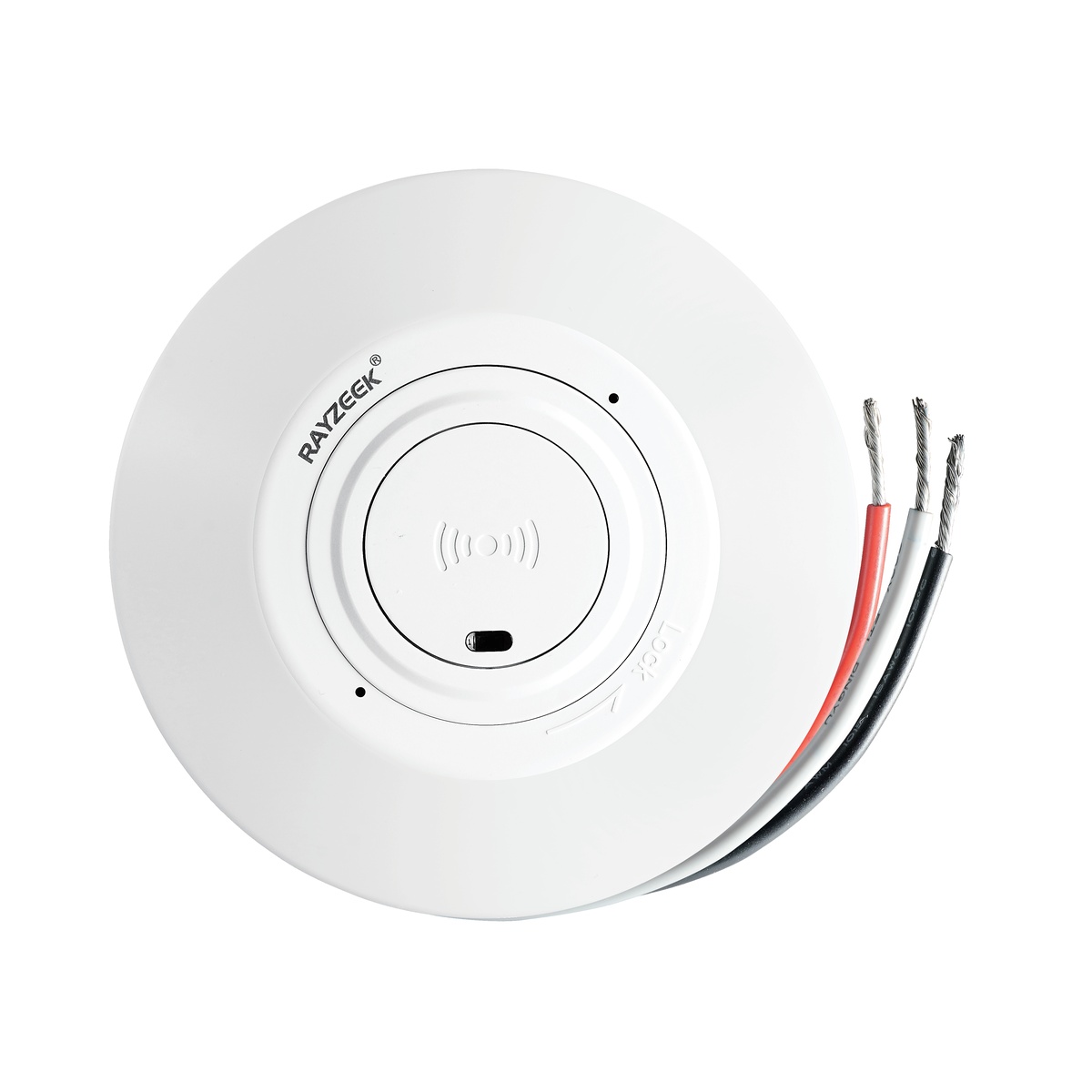
- Laagspanning DC microgolf bewegingssensor-schakelaar voor het plafond
- 12 VDC / 24 VDC-ingang met een bereik van 10-30 VDC
- Max. 10A werkstroom met instelbare uitschakelvertraging, luxdrempelwaarde en gevoeligheid
- Microgolf bewegingssensor-schakelaar voor het plafond met hogere belasting
- 100-265 VAC netspanningsingang, 10A-model
- 5,8 GHz microgolfdetectie met instelbare uitschakelvertraging, Lux-drempelwaarde en gevoeligheid
- Plafondmontage microgolf bewegingssensorschakelaar
- 100-265 VAC netspanningsingang, 5A-model
- 5,8 GHz microgolfdetectie met instelbare uitschakelvertraging, Lux-drempelwaarde en gevoeligheid
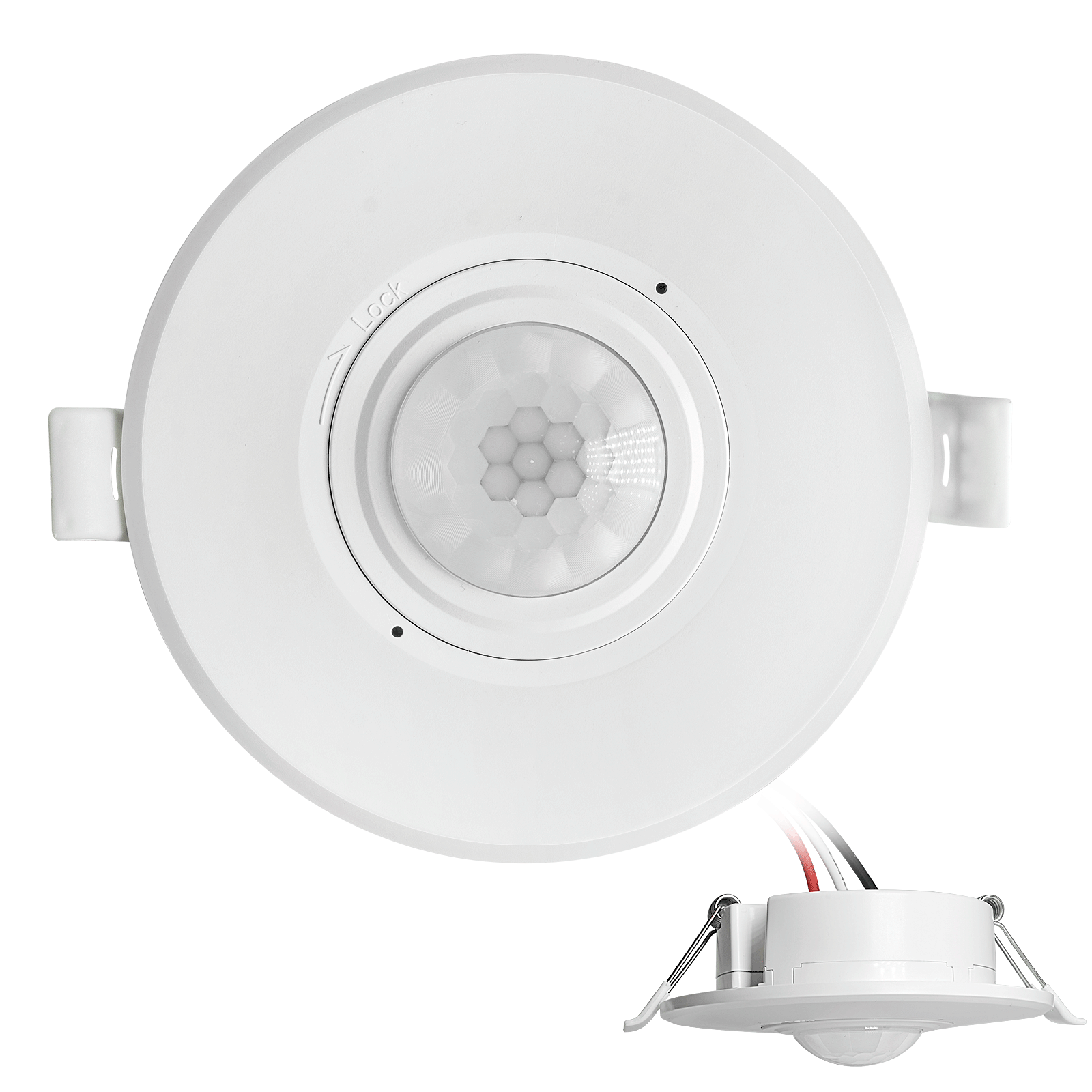
- Laagspannings-DC inbouw plafond PIR bewegingssensorschakelaar
- 12 VDC / 24 VDC-ingang met een bereik van 10-30 VDC
- Maximale werkstroom 10A met instelbare uitschakelvertraging, Lux-drempelwaarde en gevoeligheid
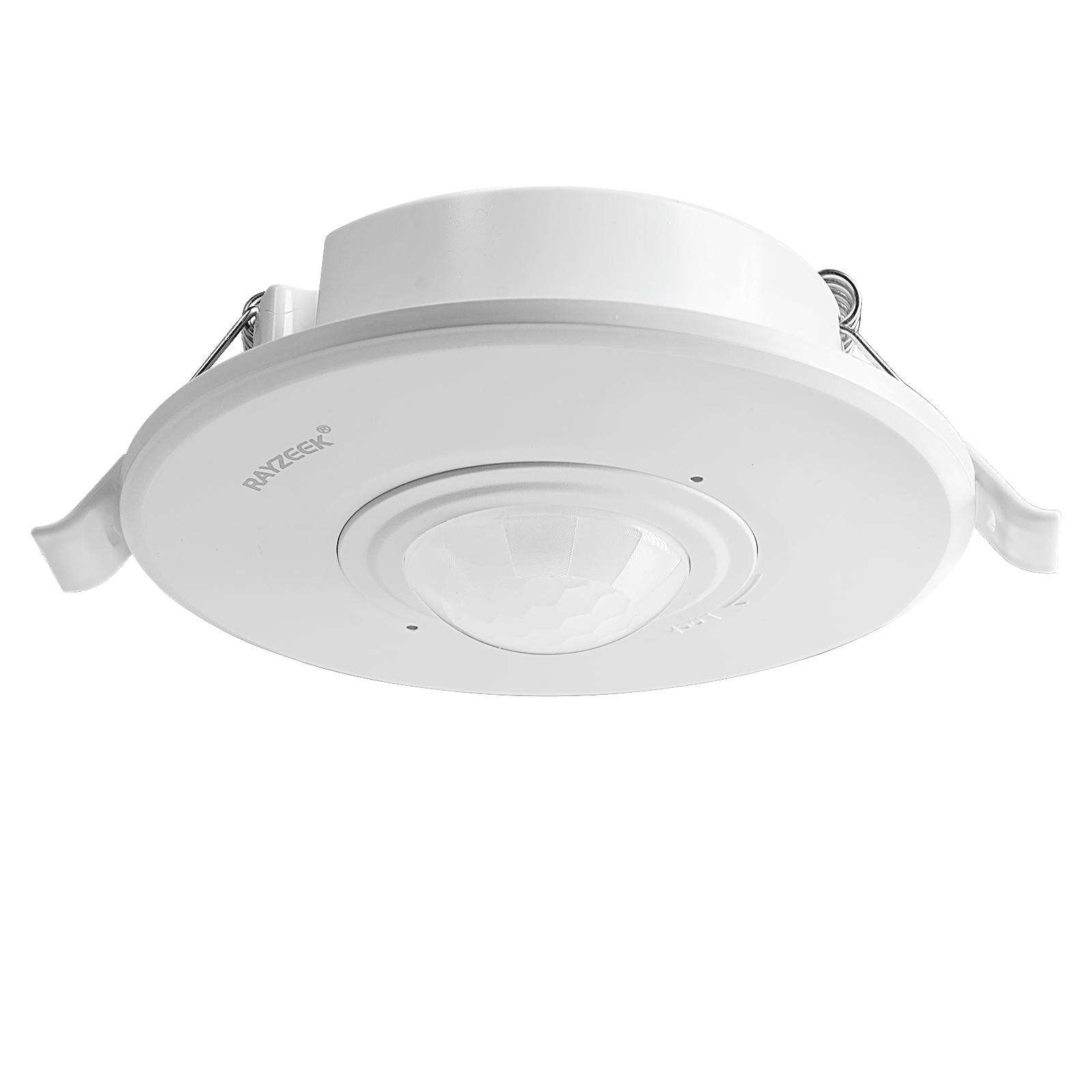
- Inbouw plafond PIR bewegingssensorschakelaar voor hogere belastingen
- 100-265 VAC netspanningsingang, 10A-model
- 360-graden detectie met instelbare uitschakelvertraging, Lux-drempelwaarde en gevoeligheid
- Inbouw plafond PIR bewegingssensorschakelaar
- 100-265 VAC netspanningsingang, 5A-model
- 360-graden detectie met instelbare uitschakelvertraging, Lux-drempelwaarde en gevoeligheid
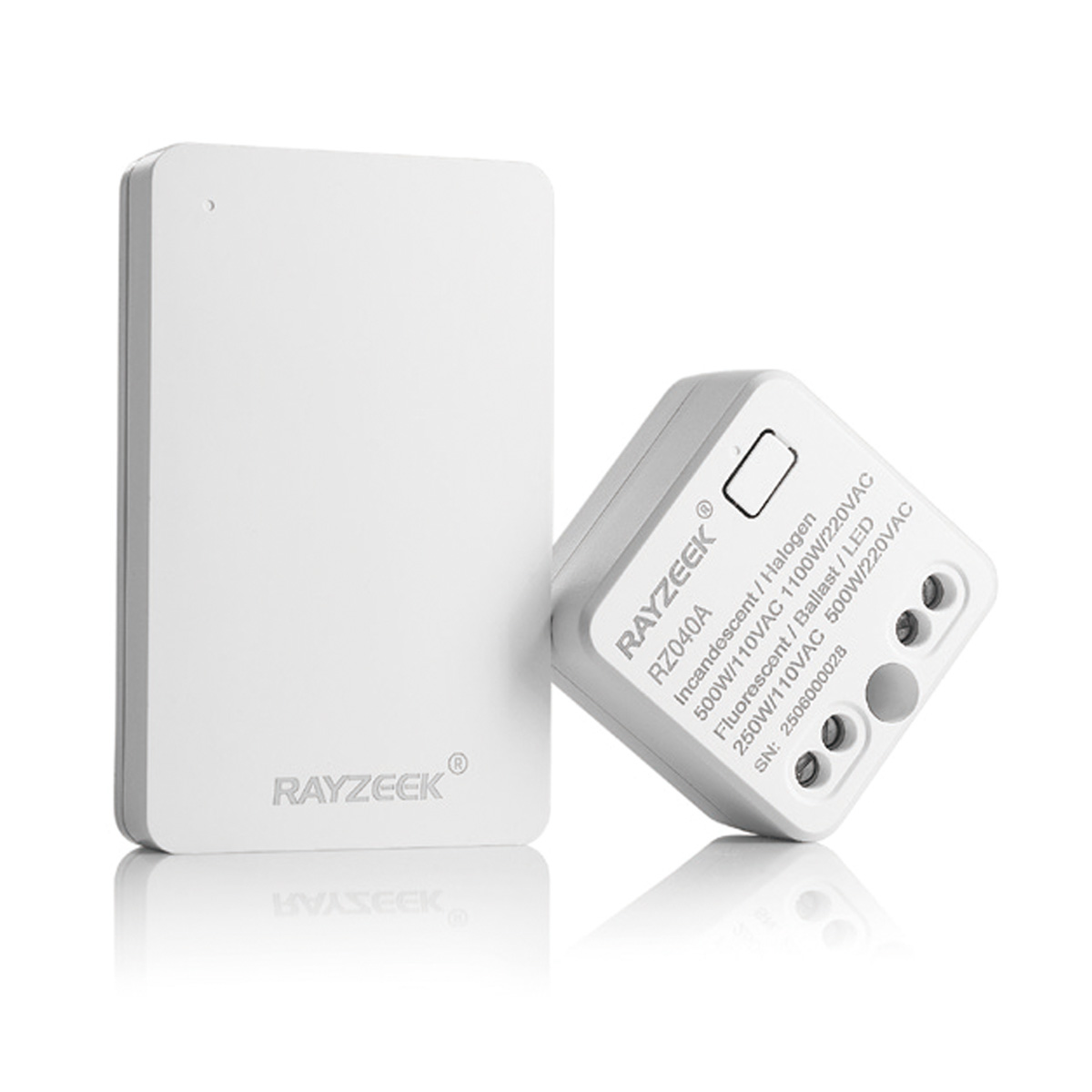
- Draadloze schakelaar- en ontvangerset voor AAN/UIT-lichtregeling binnenshuis
- 100-230VAC, 50/60Hz ontvanger met 5A nominale stroom
- CR2032-gevoede draadloze schakelaar met 2.4GHz-communicatie
- Aanwezigheidsdetectie (Auto-AAN/Auto-UIT)
- 12–24V DC (10–30VDC), tot 10A
- 360° dekking, 8–12 m diameter
- Uitschakelvertraging 15 s–30 min
- Lichtsensor Uit/15/25/35 Lux
- Hoge/Lage gevoeligheid
- Automatisch AAN/Automatisch UIT aanwezigheidsmodus
- 100–265V AC, 10A (nuldraad vereist)
- 360° dekking; 8–12 m detectiediameter
- Uitschakelvertraging 15 s–30 min; Lux UIT/15/25/35; Gevoeligheid Hoog/Laag
- Automatisch AAN/Automatisch UIT aanwezigheidsmodus
- 100–265V AC, 5A (nuldraad vereist)
- 360° dekking; 8–12 m detectiediameter
- Uitschakelvertraging 15 s–30 min; Lux UIT/15/25/35; Gevoeligheid Hoog/Laag
Vertrouwen op het menselijk geheugen om een bezit van $50,000 te beschermen is een fout in het systeemontwerp. Een handmatige tuimelschakelaar aan de muur is een uitnodiging tot nalatigheid. Het gaat ervan uit dat iedereen die de ruimte betreedt de discipline heeft om het systeem uit te schakelen, elke keer weer. De praktijk wijst anders uit. Dat betekent dat het lichtbesturingscircuit volledig losgekoppeld moet worden van het menselijk geheugen. Het moet geautomatiseerd worden, maar de logica van die automatisering is van enorm belang.
Afwezigheid vs. Aanwezigheid: Het kritieke verschil
De meeste “slimme” verlichtingssensoren die bij grote bouwmarkten worden verkocht, zijn ontworpen voor wasruimtes, niet voor archiefkluizen. Ze staan standaard ingesteld op Aanwezigheidsmodus (Auto-Aan / Auto-Uit). Die logica is rampzalig voor een wijnkelder.
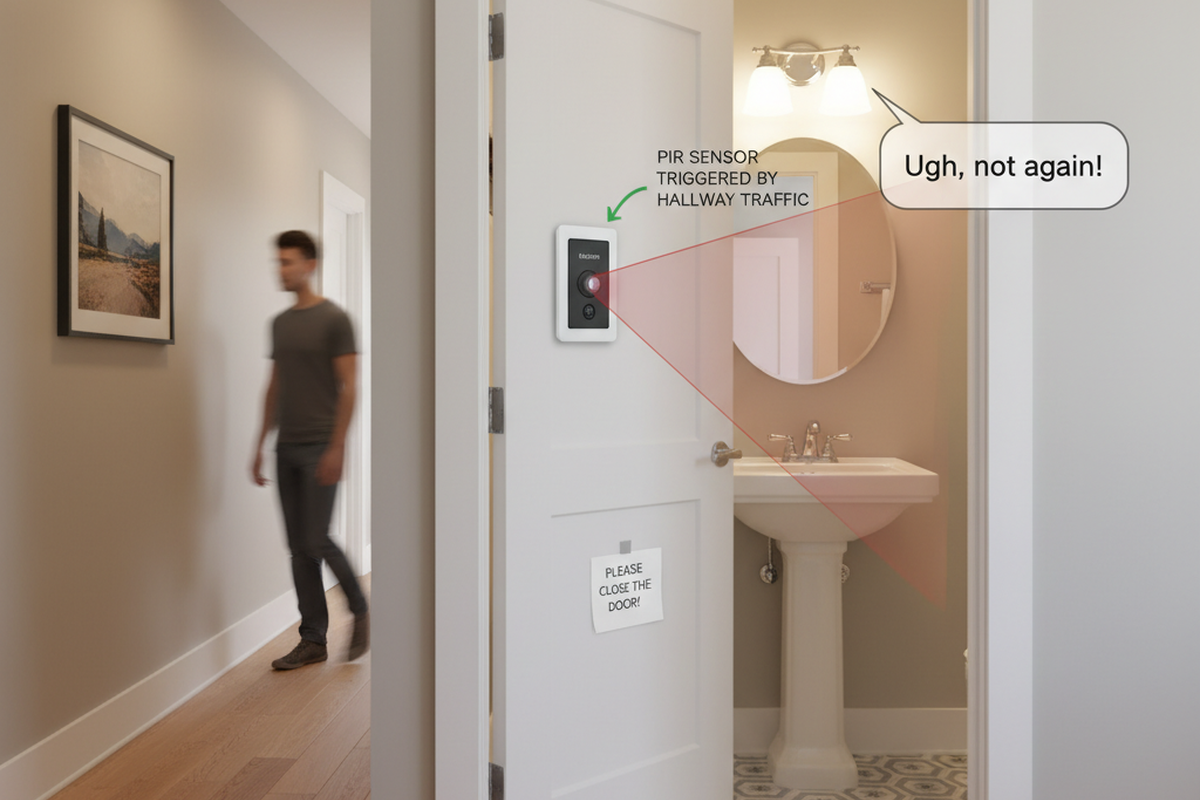
In de Aanwezigheidsmodus activeert de sensor de verlichting zodra er beweging wordt gedetecteerd. In een kelder kan een spin die over de lens kruipt, een verandering in de HVAC-luchtstroom die een hangend label beweegt, of een huisdier dat de deur openduwt, de collectie urenlang in het licht zetten. We noemen dit “spookschakelen”. Een sensor die inschakelt zonder menselijke bedoeling is een risico.
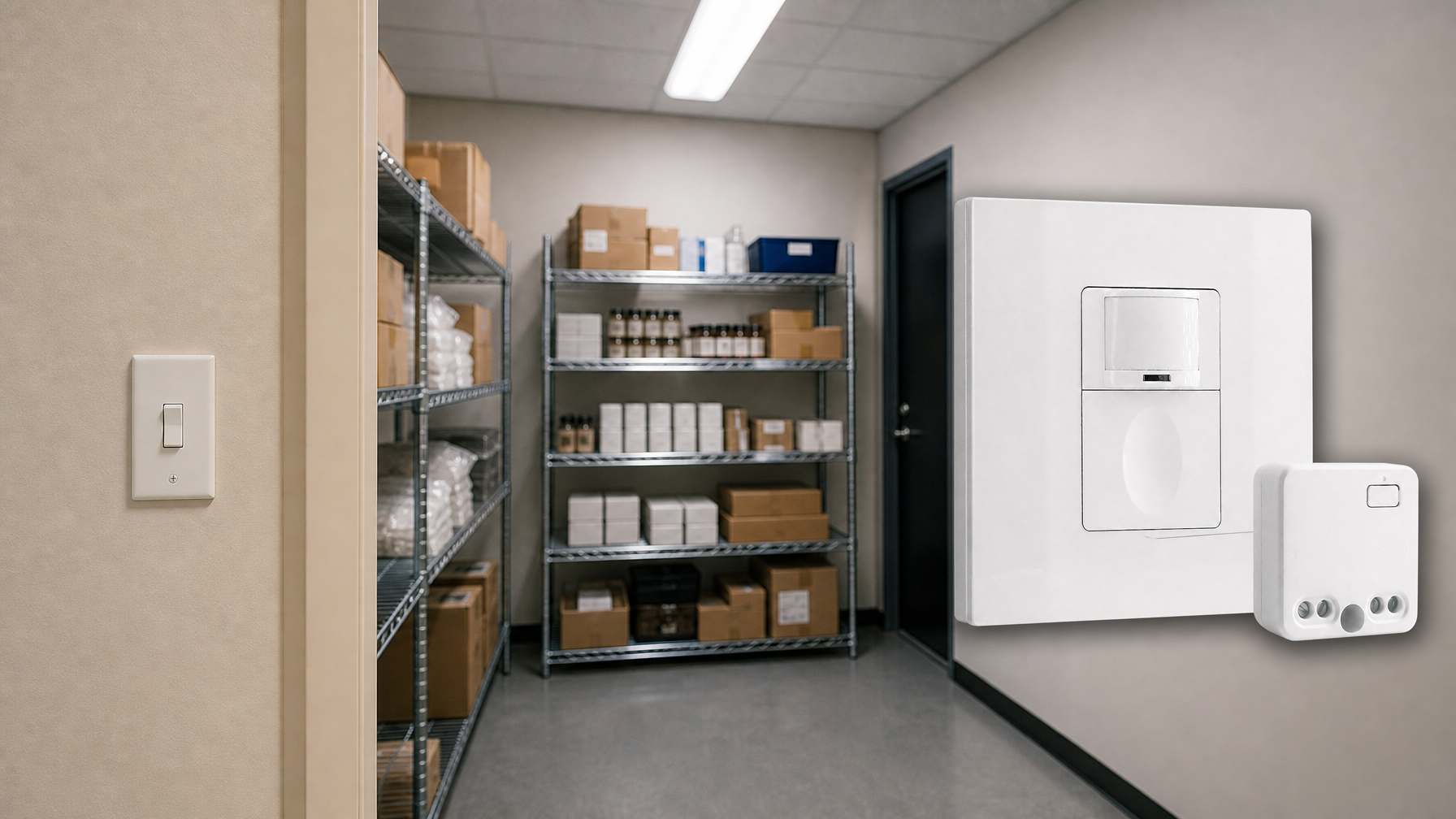
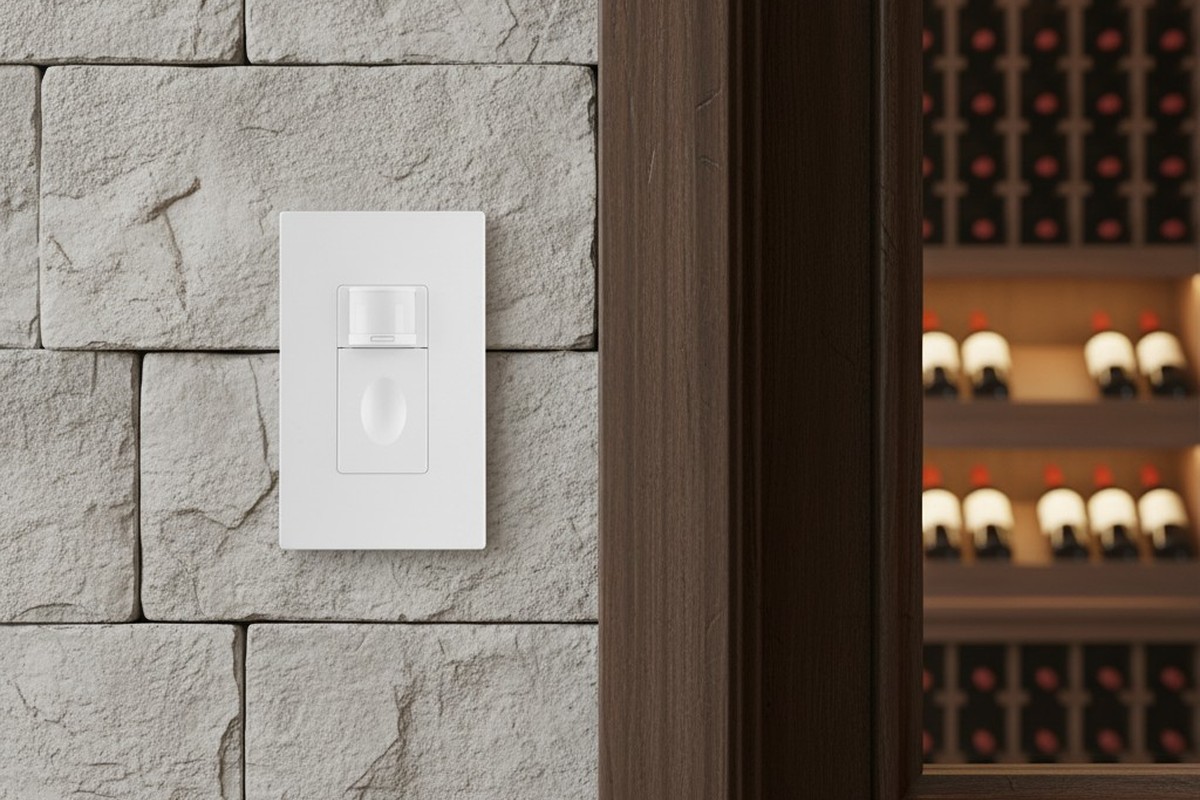
De enige acceptabele besturingslogica voor een kelder is Afwezigheidsmodus (Handmatig-Aan / Auto-Uit). In deze configuratie moet de mens fysiek op de schakelaar drukken om de verlichting in te schakelen. Dit bevestigt de bedoeling: er komt daadwerkelijk iemand de ruimte binnen om te werken en een fles op te halen. De enige taak van de sensor is om als beveiliging te fungeren en de stroom uit te schakelen na een ingestelde periode van inactiviteit.
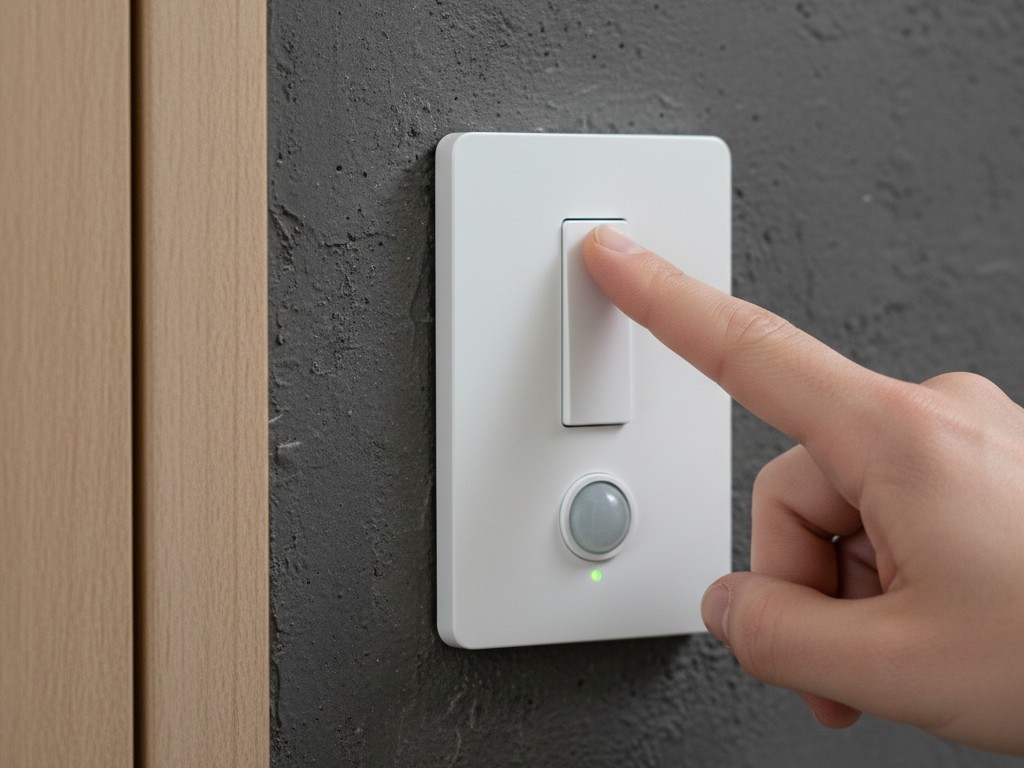
Hardware defines this distinction. For example, in the Lutron ecosystem, the Maestro MS-OPS2 is an occupancy sensor (risky), while the MS-VPS2 is a vacancy sensor (safe). While many smart home hubs allow you to program this logic via software, relying on a cloud-dependent hub for critical infrastructure is unwise. If the internet goes down or the hub freezes, the protection logic fails. Hardwired vacancy sensors operate independently of the Wi-Fi, controlling the physical circuit directly. They are the only fail-safe that works when the router is unplugged.
Solving the “Darkness While Reading” Problem
The biggest complaint regarding automated lighting is the “waving arms” phenomenon. A collector is deep in the back of the cellar, reading the vintage chart on a bottle of Bordeaux, and the lights suddenly cut out, plunging them into pitch blackness. They have to wave their arms to re-trigger the sensor. This frustration often leads owners to disable the sensors entirely, returning to the dangerous manual switch.
The concept isn’t broken; the hardware choice is. Standard sensors use Passive Infrared (PIR) technology, which relies on line-of-sight to detect heat signatures in motion. If a collector is standing in a narrow alley between deep redwood racks, the sensor at the door cannot “see” them.
The solution is Dual-Technology sensors. Units like the Leviton OSSMT-MD series combine PIR with Ultrasonic detection. Ultrasonic sensors emit a high-frequency sound wave (doppler shift) that fills the volume of the room. They don’t need line-of-sight; they can detect the minor movements of a person shifting their weight or turning a bottle, even around corners or behind racking.
For larger cellars or L-shaped layouts, a single switch plate sensor is rarely enough. The system should be wired with a remote sensor mounted on the ceiling in the rear of the room, tied to the main switch. This ensures the system knows you are there, regardless of where you are standing. The timeout setting should be aggressive—five minutes is standard. If you are in the cellar for longer than five minutes, you are likely moving enough to keep a Dual-Tech sensor active. If you leave, the room should go dark almost immediately.
Laat u inspireren door Rayzeek bewegingssensor-portfolio's.
Vindt u niet wat u zoekt? Geen zorgen. Er zijn altijd alternatieve manieren om uw problemen op te lossen. Misschien kan een van onze portfolio's u helpen.
The Spectrum Audit
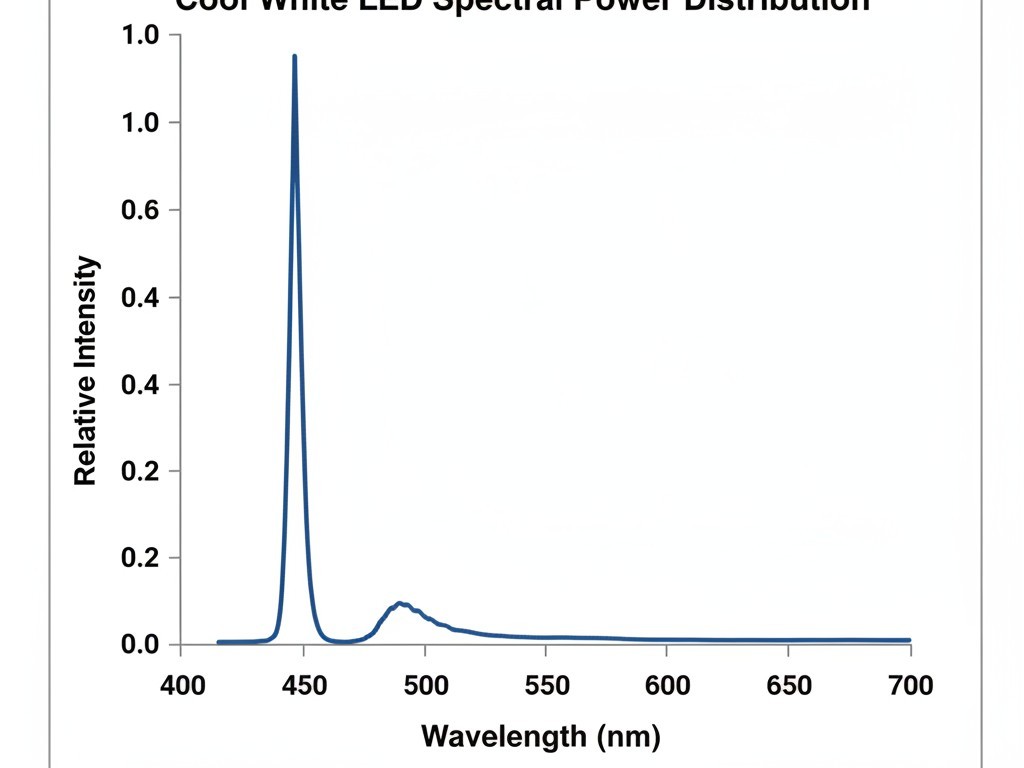
There is a pervasive myth that LED lighting is perfectly safe for wine because it “doesn’t produce UV.” That is dangerously inaccurate. While LEDs do not emit the high levels of UV found in sunlight or fluorescent tubes, white LEDs are typically created by using a blue LED pump coated with phosphor.
If you look at the Spectral Power Distribution (SPD) chart for a standard 4000K “Cool White” LED, you will see a massive spike in energy around the 440nm-460nm range (blue light). This wavelength is highly energetic and capable of penetrating clear and light-green glass—like those used for Roederer Cristal or many Pinot Grigios—to trigger riboflavin reactions.
When selecting fixtures, ignore marketing terms like “Warm White.” Demand the technical spec sheet. You are looking for a high Color Rendering Index (CRI 90+) and a color temperature of 2700K or lower. These warmer bulbs have less energy in the blue spectrum. However, even the “safest” LED is still emitting photons. The safest light level is zero. Dimmers are useful for setting a mood, but they do not prevent damage if the lights are left on.
Architectural Vanity vs. Chemistry
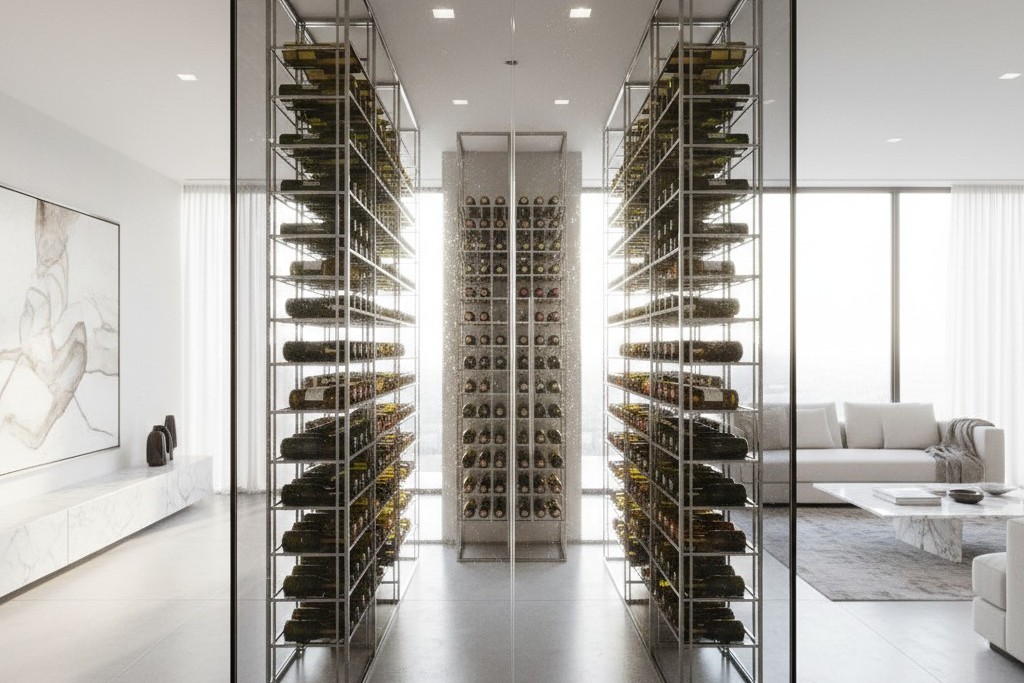
The modern trend of the “glass wall” cellar—a seamless pane of glass separating the dining room from the wine—is an aesthetic triumph and a preservation nightmare. Architects love them; engineers dread them.
Op zoek naar bewegingsgestuurde energiebesparende oplossingen?
Neem contact met ons op voor complete PIR-bewegingssensoren, bewegingsgestuurde energiebesparende producten, bewegingsschakelaars en commerciële oplossingen voor aanwezigheids- en afwezigheidsdetectie.
Standard “Low-E” glass is designed to block thermal transfer and some UV, but it does not block the visible light spectrum. If the dining room is lit, the wine is lit. If the afternoon sun hits the dining room, the wine is being irradiated. We have measured significant UV and visible light transmission through double-paned architectural glass sufficient to bleach labels and skunk champagne in less than a year.
If a glass wall is non-negotiable, the mitigation must be mechanical. Automated blackout shades, driven by motors like the Somfy Sonesse series, should be installed and programmed to deploy during daylight hours or when the room is not being actively viewed. The wine should not be on display 24/7. Treat it like a sleeping organism, not a painting.
Implementation Standards
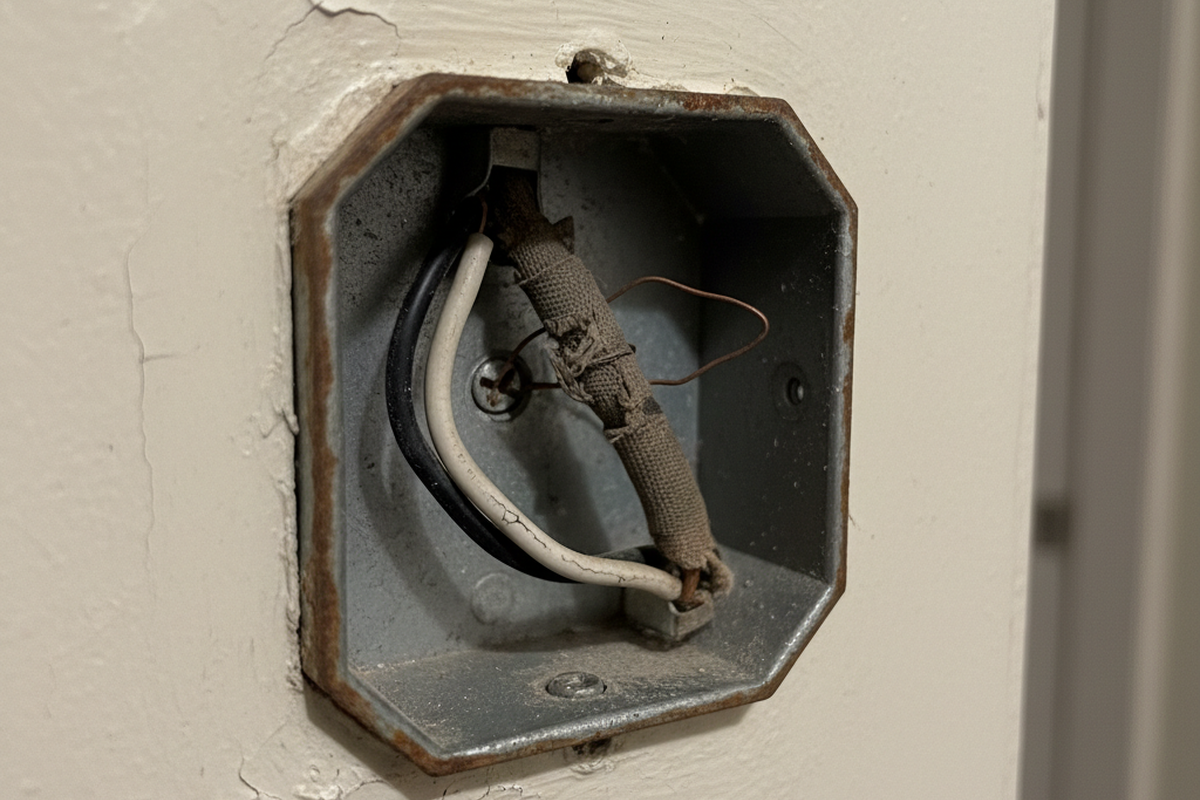
For those building or retrofitting a cellar, the electrical rough-in is the moment to get this right. Don’t let the electrician install a standard single-pole switch.
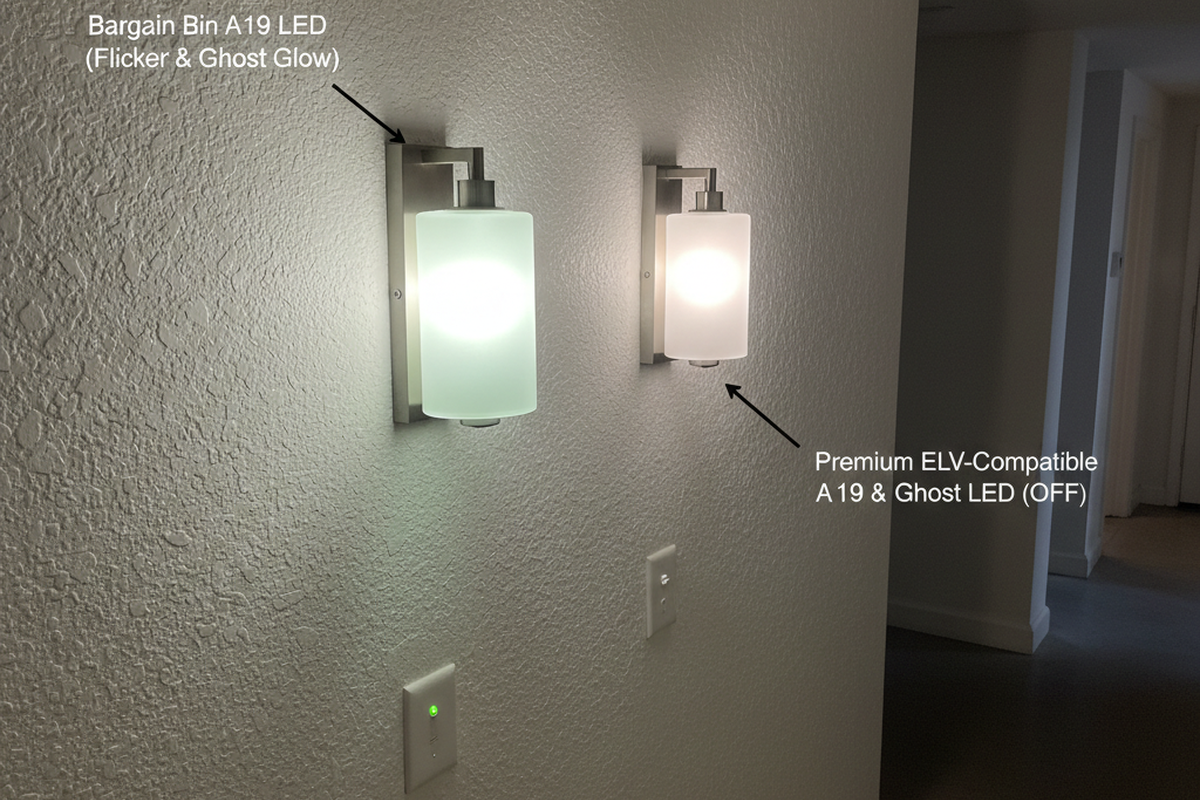
- Neutral Wire: Ensure a neutral wire is run to the switch box. Many advanced vacancy sensors require a neutral connection to function reliably without “leaking” current through the bulb (which can cause LEDs to flicker or glow faintly even when off).
- Placement: The switch should be inside the cellar, not outside. Putting the switch outside encourages people to turn it on before entering and forget it after leaving.
- Hardware: Stick to commercial-grade controls. The Lutron Maestro and Wattstopper lines are industry standards for a reason. They allow for precise sensitivity adjustment, preventing the lights from turning off while you are reading, but ensuring they cut out the moment you leave.
Preserving wine is an exercise in paranoia. We assume the power will fail, the cooling unit will seize, and the humans will forget. By hardwiring the lighting control to default to darkness, we remove the most unpredictable variable—human memory—from the equation.