

The mudroom is the hardest-working space in any home. A transition zone between inside and out, it constantly bears the evidence of a life lived: damp coats, muddy boots, and the lingering scent of sports equipment. The typical solution is to run an air purifier or deodorizer continuously, trading a higher energy bill and constant background noise for the promise of fresh air.
This is a fundamentally inefficient strategy. Entryway odors are an intermittent problem, tied directly to when people and their belongings pass through. A 24/7 solution is a blunt instrument for a precise issue. A more intelligent approach exists—one that syncs air treatment with actual use. By using a simple plug-in motion sensor, you can create a system that activates an air purifier only when needed, and just as importantly, for a short while after.
The Mudroom’s Dilemma: Constant Odors vs. Constant Energy Use
The air quality challenge in an entryway stems from its function as a temporary holding area for items that introduce strong, fleeting odors. While these smells aren’t a constant presence, they require a prompt response to keep them from permeating the rest of the house. Running a fan or purifier nonstop seems like a logical defense.
This strategy, however, is profoundly wasteful. It incurs costs beyond the obvious electricity bill. The constant hum of a fan becomes a permanent part of the home’s soundscape, and the accelerated wear on the appliance shortens its operational life. The core issue is a mismatch between the tool and the timing.
A Smarter Approach: Tying Air Treatment to Presence
The most efficient solution ties energy expenditure directly to the problem. A plug-in motion control, like the Rayzeek motion-sensing plug, acts as an automated gatekeeper for the electrical outlet. The setup is simple: plug the motion sensor into the wall, and plug the air purifier into the sensor.
正在尋找動態感應節能解決方案?
歡迎聯絡我們以獲取完整的 PIR 動態感應器、動態感應節能產品、動態感應器開關以及人體感應/無人感應商業解決方案。
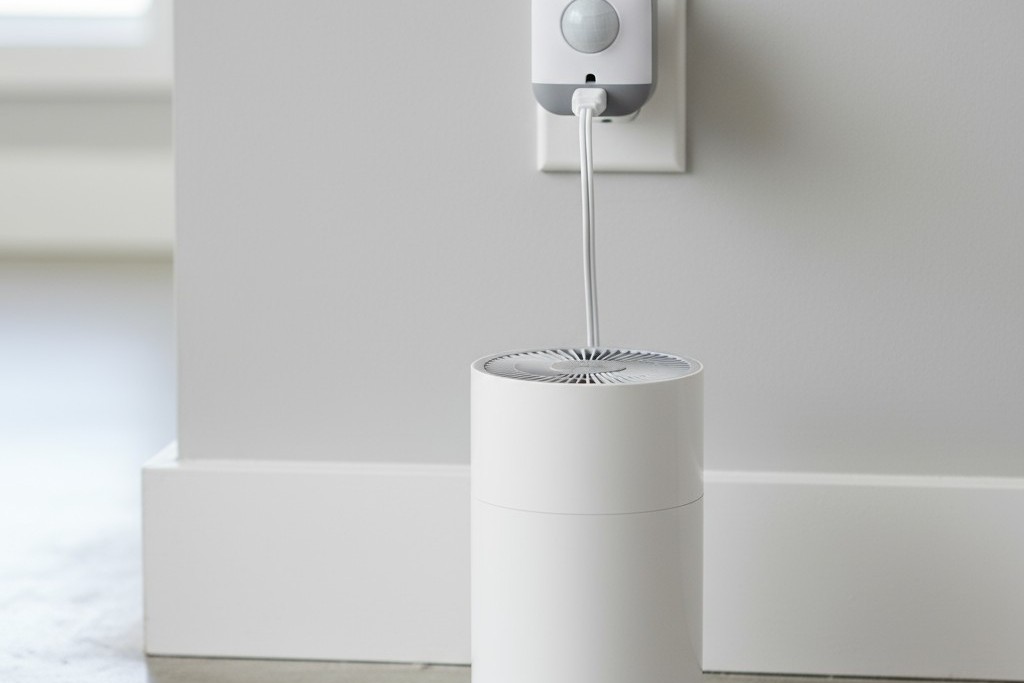
The logic is immediate. When someone enters the mudroom, the sensor detects the movement and powers on the purifier. The appliance runs as long as there is activity, treating the air precisely when new odors are being introduced. Once the person leaves and the room is empty, the sensor cuts the power. This simple connection ensures electricity is consumed only when the space is occupied, eliminating the waste of a 24/7 operation.
Beyond Simple Activation: The Post-Occupancy Timer
Activating a purifier upon entry is a major step, but a crucial problem remains. Odors from a wet jacket or muddy shoes don’t vanish the instant a person walks away. A basic motion sensor would turn the purifier off prematurely, leaving these smells to settle in the stagnant air.
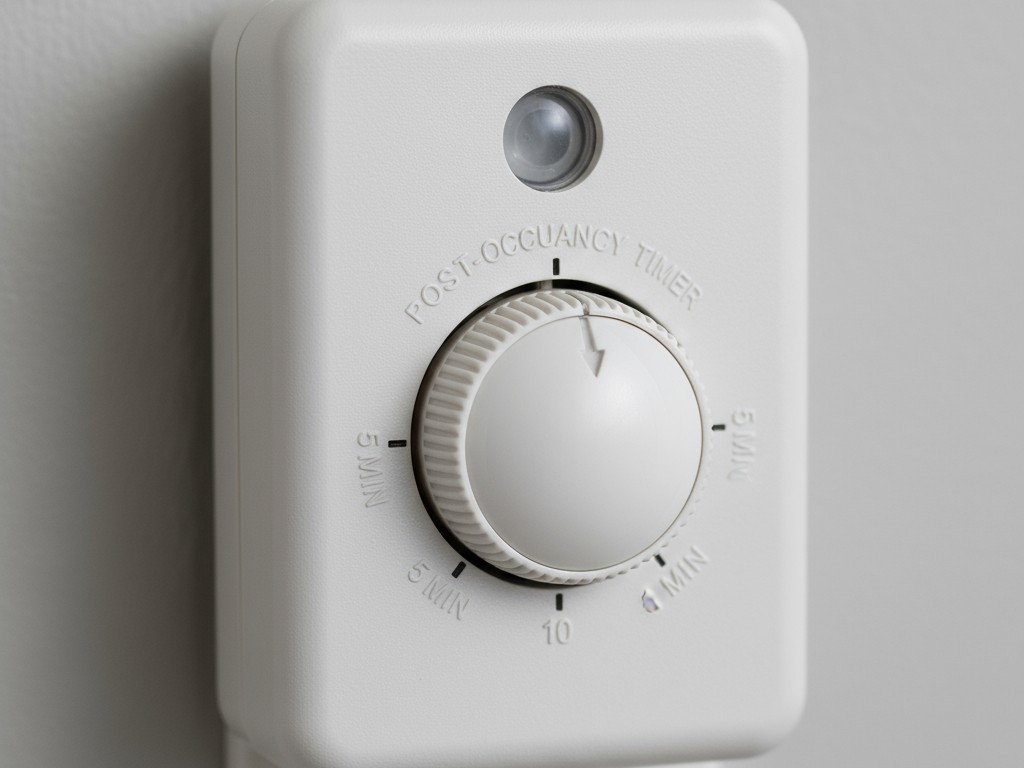
This is where a post-occupancy time delay becomes essential. Advanced motion-sensing plugs allow you to set a timer that keeps the appliance running for a specific period after motion is no longer detected. This creates an air-clearing “tail” that continues to cycle the air, capturing and neutralizing the odors left behind. A 5, 10, or 15-minute timer ensures the space returns to a neutral state without resorting to continuous operation.
Practical Considerations for a Safe, Effective System
Implementing a motion-activated system requires two key considerations to ensure it is both reliable and safe.
Match the Plug to the Purifier: Understanding Electrical Load
Air purifiers, especially larger models with powerful fans, can have a significant electrical draw measured in watts. Every plug-in motion sensor is rated for a maximum load it can safely handle. Before you buy, check the specifications for both the appliance and the motion control. The purifier’s wattage must be below the plug’s maximum rating. Overloading the sensor can cause it to fail or, in a worst-case scenario, create an electrical hazard.
您可能也會感興趣

- 電壓:2 粒 AAA 電池
- 日/夜模式
- 延遲時間:15 分鐘、30 分鐘、1 小時(預設)、2 小時

- 吸頂式 PIR 人體感應器,配備乾觸點繼電器輸出
- 12/24VDC 或 12/24VAC 低電壓供電
- 用於 EMS、HVAC 和建築控制輸入的 COM、NO 和 NC 隔離繼電器觸點

- 低壓直流嵌入式天花安裝微波人體感應開關
- 12 VDC / 24 VDC 輸入,支援 10-30 VDC 範圍
- 最大工作電流 10A,配備可調節延時、光感閾值及靈敏度
- 高負載嵌入式天花安裝微波人體感應開關
- 100-265 VAC 市電輸入,10A 型號
- 5.8 GHz 微波感應,配備可調節延時、光感閾值及靈敏度
- 嵌入式天花安裝微波人體感應開關
- 100-265 VAC 市電輸入,5A 型號
- 5.8 GHz 微波感應,配備可調節延時、光感閾值及靈敏度
- 適用於 220V 電源的天花安裝 RZ037 PIR 被動式紅外線佔空感應調光開關
- 最大工作電流 3A,額定負載 660W
- LUX 按鈕控制光線感應器開關及用戶設定之調光亮度
- 適用於 110V 電源的天花安裝 RZ037 PIR 被動式紅外線佔空感應調光開關
- 最大工作電流 3A,額定負載 330W
- LUX 按鈕控制光線感應器開關及用戶設定之調光亮度

- 低壓直流天花安裝微波人體感應開關
- 12 VDC / 24 VDC 輸入,支援 10-30 VDC 範圍
- 最大工作電流 10A,配備可調節延時、光感閾值及靈敏度
- 高負載吸頂式微波動態感應器開關
- 100-265 VAC 市電輸入,10A 型號
- 5.8 GHz 微波感應,配備可調節延時、光感閾值及靈敏度
- 吸頂式微波動態感應器開關
- 100-265 VAC 市電輸入,5A 型號
- 5.8 GHz 微波感應,配備可調節延時、光感閾值及靈敏度

- 低壓直流嵌頂式 PIR 動態感應器開關
- 12 VDC / 24 VDC 輸入,支援 10-30 VDC 範圍
- 最大工作電流 10A,具備可調式時間延遲、光照度閾值及靈敏度

- 高負載嵌頂式 PIR 動態感應器開關
- 100-265 VAC 市電輸入,10A 型號
- 360度偵測,具備可調式時間延遲、光照度閾值及靈敏度
- 嵌頂式 PIR 動態感應器開關
- 100-265 VAC 市電輸入,5A 型號
- 360度偵測,具備可調式時間延遲、光照度閾值及靈敏度

- 用於室內開關照明控制的無線開關及接收器套裝
- 100-230VAC,50/60Hz 接收器,額定電流 5A
- CR2032 電池供電無線開關,採用 2.4GHz 通訊
- 佔用感應(自動開啟/自動關閉)
- 12–24V DC (10–30VDC),最高 10A
- 360° 覆蓋,直徑 8–12 米
- 延遲時間 15 秒至 30 分鐘
- 光感應器 關閉/15/25/35 Lux
- 高/低靈敏度
- 自動開啟/自動關閉佔用模式
- 100–265V AC,10A(需接零線)
- 360° 全方位覆蓋;8–12 米偵測直徑
- 延遲時間 15 秒至 30 分鐘;Lux 關閉/15/25/35;靈敏度 高/低
- 自動開啟/自動關閉佔用模式
- 100–265V AC,5A(需接零線)
- 360° 全方位覆蓋;8–12 米偵測直徑
- 延遲時間 15 秒至 30 分鐘;Lux 關閉/15/25/35;靈敏度 高/低
Maintain a Clear Path: Cord and Sensor Placement
By definition, mudrooms are high-traffic areas. Adding an appliance can introduce a trip hazard if not managed properly. Place the air purifier in a low-traffic corner and route its power cord securely along a baseboard, away from the main walking path. The motion sensor itself needs a clear line of sight to the room’s entrance and main activity zones to guarantee reliable activation. A well-placed system is both effective and invisible.
Expanding the Application: From Purifiers to Fans and Deodorizers
This principle of presence-based activation isn’t limited to sophisticated air purifiers. The same logic can transform a wide range of simple appliances into smart, efficient tools. A basic fan can be automated to dissipate humidity from wet clothing, or a plug-in deodorizer can be triggered to provide a burst of fragrance only when someone enters the room.
Of course, if an appliance already has its own advanced scheduling or occupancy-sensing features, adding an external motion control would be redundant. But by focusing on the control point—the plug—you can bring energy-saving automation to any room that suffers from an intermittent problem. [/ARTICLE]







