
What is rim light
A rim light, also known as a hair light or halo lighting, is a lighting technique commonly used in photography and cinematography. It involves positioning a light source behind the subject, typically at a low angle, to create a highlight or rim of light around the subject’s outline. The purpose of a rim light is to separate the subject from the background and accentuate the subject’s contours, adding depth and dimension to the image.
Можливо, вас зацікавить

- Стельовий PIR-датчик присутністі з виходом сухого контакту реле
- Низьковольтне живлення 12/24VDC або 12/24VAC
- Ізольовані контакти реле COM, NO та NC для входів керування EMS, HVAC та будівлею

- Низьковольтний врізний стельовий мікрохвильовий вимикач із датчиком руху постійного струму
- Вхід 12 VDC / 24 VDC з діапазоном 10-30 VDC
- Максимальний робочий струм 10А з регульованою затримкою часу, порогом Lux та чутливістю
- Врізний стельовий мікрохвильовий вимикач із датчиком руху для вищого навантаження
- Лінійна вхідна напруга 100-265 VAC, модель на 10А
- Мікрохвильове виявлення 5.8 GHz з регульованою затримкою часу, порогом Lux та чутливістю
- Врізний стельовий мікрохвильовий вимикач із датчиком руху
- Лінійна вхідна напруга 100-265 VAC, модель на 5А
- Мікрохвильове виявлення 5.8 GHz з регульованою затримкою часу, порогом Lux та чутливістю
- Стельовий PIR-димер із датчиком присутності RZ037 для живлення 220V
- Максимальний робочий струм 3А з номінальним навантаженням 660W
- Кнопка LUX керує увімкненням/вимкненням датчика світла та встановленою користувачем яскравістю димування
- Стельовий PIR-димер із датчиком присутності RZ037 для живлення 110V
- Максимальний робочий струм 3А з номінальним навантаженням 330W
- Кнопка LUX керує увімкненням/вимкненням датчика світла та встановленою користувачем яскравістю димування

- Низьковольтний стельовий мікрохвильовий вимикач із датчиком руху постійного струму
- Вхід 12 VDC / 24 VDC з діапазоном 10-30 VDC
- Максимальний робочий струм 10А з регульованою затримкою часу, порогом Lux та чутливістю
- Стельовий мікрохвильовий вимикач із датчиком руху для вищого навантаження
- Лінійна вхідна напруга 100-265 VAC, модель на 10А
- Мікрохвильове виявлення 5.8 GHz з регульованою затримкою часу, порогом Lux та чутливістю
- Стельовий мікрохвильовий вимикач із датчиком руху
- Лінійна вхідна напруга 100-265 VAC, модель на 5А
- Мікрохвильове виявлення 5.8 GHz з регульованою затримкою часу, порогом Lux та чутливістю

- Низьковольтний врізний стельовий PIR-вимикач із датчиком руху постійного струму
- Вхід 12 VDC / 24 VDC з діапазоном 10-30 VDC
- Максимальний робочий струм 10А з регульованою затримкою часу, порогом Lux та чутливістю

- Врізний стельовий вимикач із PIR-датчиком руху для підвищеного навантаження
- Лінійна вхідна напруга 100-265 VAC, модель на 10А
- Виявлення на 360 градусів із регульованою затримкою часу, порогом освітленості Lux та чутливістю
- Врізний стельовий вимикач із PIR-датчиком руху
- Лінійна вхідна напруга 100-265 VAC, модель на 5А
- Виявлення на 360 градусів із регульованою затримкою часу, порогом освітленості Lux та чутливістю

- Комплект бездротового вимикача та приймача для внутрішнього керування увімкненням/вимкненням освітлення
- Приймач 100-230VAC, 50/60Hz із номінальним струмом 5A
- Бездротовий вимикач із живленням від CR2032 та зв'язком 2.4GHz
- Присутність (Auto-ON/Auto-OFF)
- 12–24V DC (10–30VDC), до 10A
- Покриття 360°, діаметр 8–12 м
- Затримка часу 15 с–30 хв
- Датчик світла Off/15/25/35 Lux
- Висока/низька чутливість
- Режим присутності Auto-ON/Auto-OFF
- 100–265V AC, 10A (потрібен нейтральний провід)
- Покриття 360°; діаметр виявлення 8–12 м
- Затримка часу 15 с–30 хв; Lux OFF/15/25/35; чутливість Висока/Низька
- Режим присутності Auto-ON/Auto-OFF
- 100–265V AC, 5A (потрібен нейтральний провід)
- Покриття 360°; діаметр виявлення 8–12 м
- Затримка часу 15 с–30 хв; Lux OFF/15/25/35; чутливість Висока/Низька
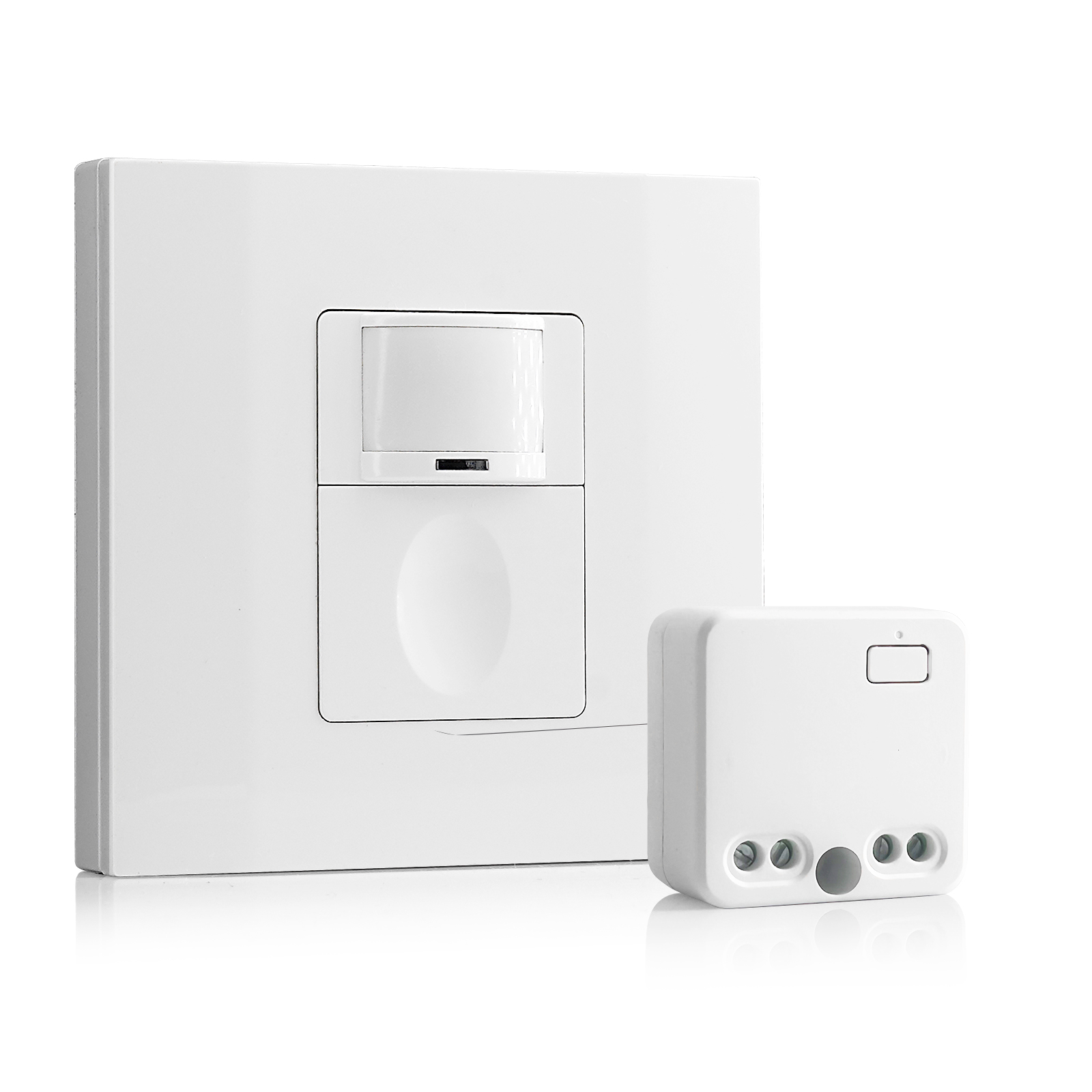
- 100V-230VAC
- Дальність передачі: до 20м
- Бездротовий датчик руху
- Дротове керування
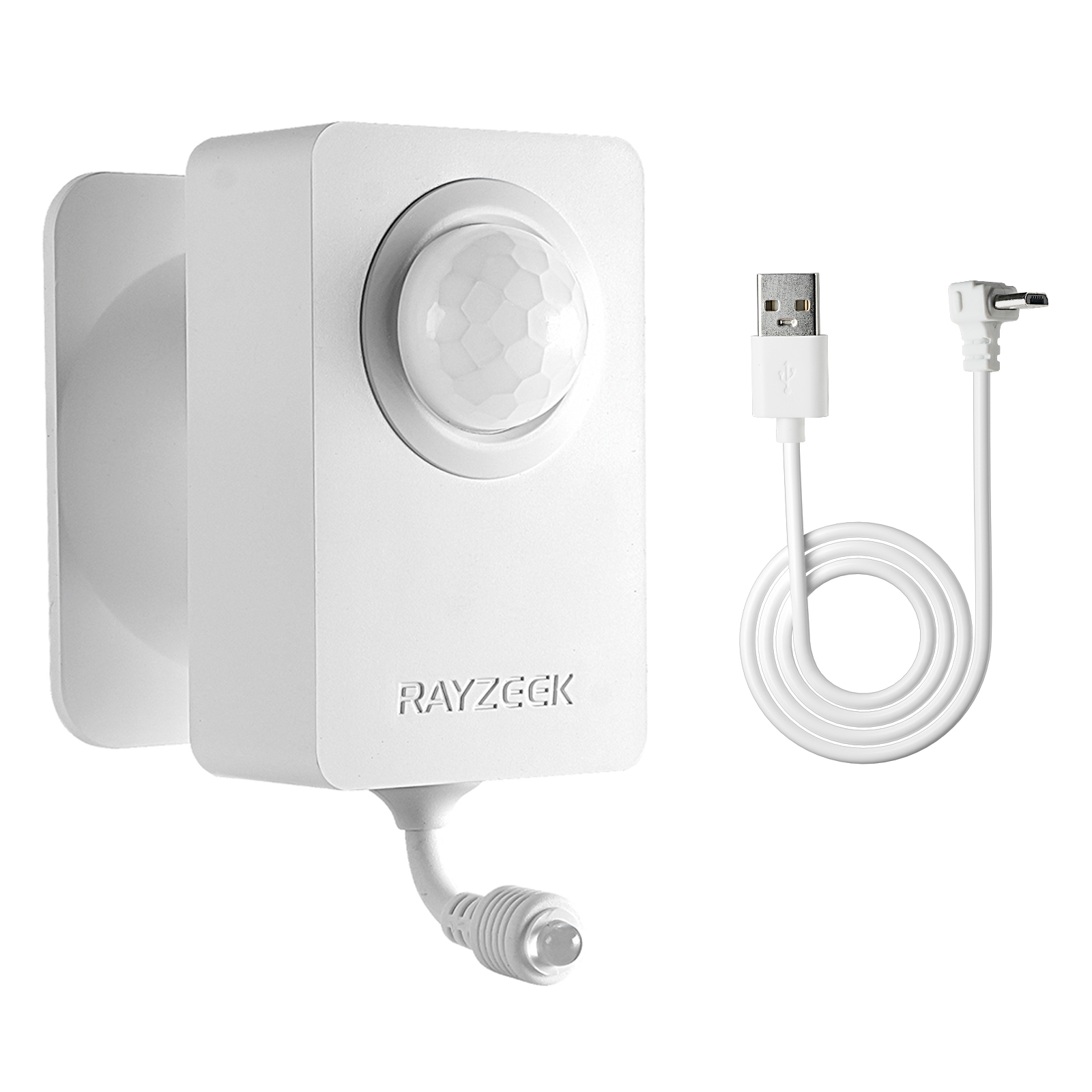
- Напруга: 2 батарейки AAA / 5В DC (Micro USB)
- Режим «День/Ніч»
- Затримка часу: 15 хв, 30 хв, 1 год (за замовчуванням), 2 год
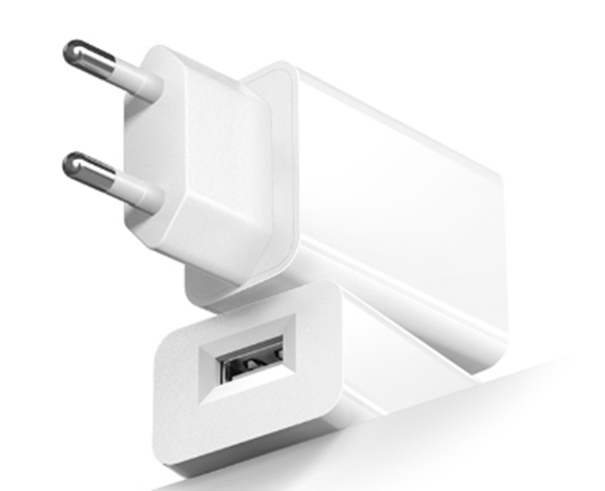
- Блок живлення з євровилкою (EU)
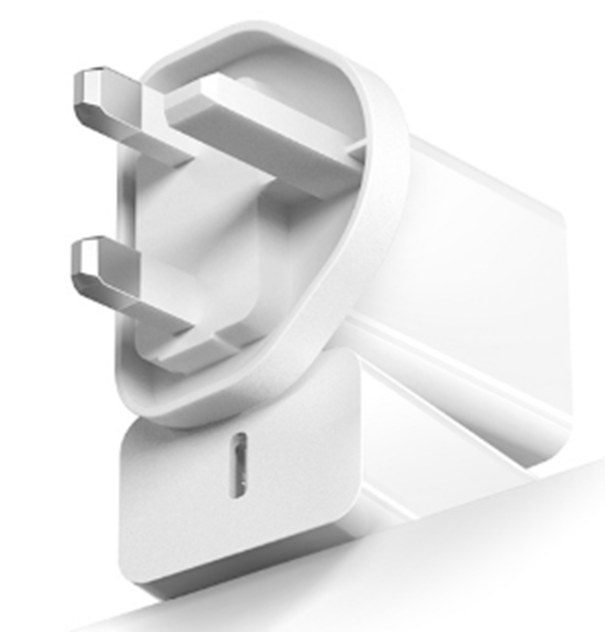
- Блок живлення з британською вилкою (UK)
By placing the rim light behind and slightly to the side of the subject, the light grazes the edges of the subject, resulting in a subtle glow or halo effect. This illumination helps to define the shape and form of the subject, making it stand out from the background. The rim light is often brighter than the ambient or key light, creating a high contrast and dramatic effect.
Rim lights can be used in various ways and in different lighting setups. They can be employed as a standalone lighting setup, where the rim light serves as the primary source of illumination, producing a stylized and high contrast image. This approach is often utilized in fashion or portrait photography to create a bold and edgy look.
Надихайтеся лінійками датчиків руху Rayzeek.
Не знайшли те, що шукали? Не хвилюйтеся. Завжди є альтернативні способи вирішення ваших завдань. Можливо, одна з наших лінійок зможе допомогти.
Alternatively, rim lights can be used in conjunction with other lighting setups, such as the traditional 3-point lighting setup. In this scenario, the rim light acts as an additional light source, complementing the key light and fill light. When incorporated into other lighting setups, rim lights are sometimes referred to as “hair lights” or “halo lighting.” The rim light adds separation and highlights the subject’s hair or the edges of the body, enhancing the overall depth and dimension of the lighting setup.
Frequently Asked Questions
Is It Better to Have Light in the Front or Back
Frontal lighting offers a significant advantage as it provides even illumination to the subject, making metering easier. However, one drawback is that it tends to flatten the subject. Additionally, the shadows created by frontal light are positioned behind the subject, thus remaining unseen from the camera’s perspective.
What Is an Example of Rim Lighting
For instance, when sunlight streams through a window. This will cast a gentle glow throughout the room, while also creating a rim effect. This lighting technique can be applied to any subject and enhances the sense of depth. Additionally, in portrait photography, it is commonly referred to as a hair light.
Is Rim Light Same as Back Light
The rim light, also known as the backlight, hair light, or shoulder light, is a light source that shines on the subject from behind, typically to one side or the other. Its purpose is to create a rim of light around the subject, which helps to separate them from the background and accentuate their contours.
What Is the Difference Between a Rim Light and a Hair Light
A hair light, which is sometimes referred to as a rim light, is specifically positioned to illuminate the hair. On the other hand, a rim light produces a halo-like glow or a rim of light that surrounds the entire body. To achieve this effect, the rim light is typically placed behind the subject or positioned behind and slightly to one side.







