
What is rim light
A rim light, also known as a hair light or halo lighting, is a lighting technique commonly used in photography and cinematography. It involves positioning a light source behind the subject, typically at a low angle, to create a highlight or rim of light around the subject’s outline. The purpose of a rim light is to separate the subject from the background and accentuate the subject’s contours, adding depth and dimension to the image.
Może Cię również zainteresować

- Sufitowy czujnik obecności PIR z wyjściem przekaźnikowym bezpotencjałowym
- Niskonapięciowe zasilanie 12/24VDC lub 12/24VAC
- Izolowane styki przekaźnika COM, NO i NC dla wejść systemów EMS, HVAC i sterowania budynkiem

- Niskonapięciowy podtynkowy sufitowy mikrofalowy czujnik ruchu DC
- Wejście 12 VDC / 24 VDC z zakresem 10-30 VDC
- Maksymalny prąd roboczy 10A z regulowanym opóźnieniem czasowym, progiem Lux i czułością
- Podtynkowy sufitowy mikrofalowy czujnik ruchu do wyższych obciążeń
- Wejście napięcia sieciowego 100-265 VAC, model 10A
- Detekcja mikrofalowa 5.8 GHz z regulowanym opóźnieniem czasowym, progiem Lux i czułością
- Podtynkowy sufitowy mikrofalowy czujnik ruchu
- Wejście napięcia sieciowego 100-265 VAC, model 5A
- Detekcja mikrofalowa 5.8 GHz z regulowanym opóźnieniem czasowym, progiem Lux i czułością
- Sufitowy ściemniacz z czujnikiem obecności PIR RZ037 na napięcie 220V
- Maksymalny prąd roboczy 3A przy obciążeniu znamionowym 660W
- Przycisk LUX kontroluje WŁ./WYŁ. czujnika światła oraz ustawianą przez użytkownika jasność ściemniania
- Sufitowy ściemniacz z czujnikiem obecności PIR RZ037 na napięcie 110V
- Maksymalny prąd roboczy 3A przy obciążeniu znamionowym 330W
- Przycisk LUX kontroluje WŁ./WYŁ. czujnika światła oraz ustawianą przez użytkownika jasność ściemniania

- Niskonapięciowy sufitowy mikrofalowy czujnik ruchu DC
- Wejście 12 VDC / 24 VDC z zakresem 10-30 VDC
- Maksymalny prąd roboczy 10A z regulowanym opóźnieniem czasowym, progiem Lux i czułością
- Sufitowy mikrofalowy czujnik ruchu do wyższych obciążeń
- Wejście napięcia sieciowego 100-265 VAC, model 10A
- Detekcja mikrofalowa 5.8 GHz z regulowanym opóźnieniem czasowym, progiem Lux i czułością
- Sufitowy mikrofalowy czujnik ruchu
- Wejście napięcia sieciowego 100-265 VAC, model 5A
- Detekcja mikrofalowa 5.8 GHz z regulowanym opóźnieniem czasowym, progiem Lux i czułością

- Niskonapięciowy podtynkowy sufitowy czujnik ruchu PIR DC
- Wejście 12 VDC / 24 VDC z zakresem 10-30 VDC
- Maksymalny prąd roboczy 10A z regulowanym opóźnieniem czasowym, progiem luksów i czułością

- Podtynkowy sufitowy czujnik ruchu PIR do wyższych obciążeń
- Wejście napięcia sieciowego 100-265 VAC, model 10A
- Detekcja 360 stopni z regulowanym opóźnieniem czasowym, progiem luksów i czułością
- Podtynkowy sufitowy czujnik ruchu PIR
- Wejście napięcia sieciowego 100-265 VAC, model 5A
- Detekcja 360 stopni z regulowanym opóźnieniem czasowym, progiem luksów i czułością

- Zestaw bezprzewodowego włącznika i odbiornika do wewnętrznego sterowania oświetleniem WŁ/WYŁ
- Odbiornik 100-230VAC, 50/60Hz o prądzie znamionowym 5A
- Włącznik bezprzewodowy zasilany baterią CR2032 z komunikacją 2.4GHz
- Obecność (Auto-WŁ/Auto-WYŁ)
- 12–24V DC (10–30VDC), do 10A
- Zasięg 360°, średnica 8–12 m
- Opóźnienie czasowe 15 s–30 min
- Czujnik światła Wył/15/25/35 Lux
- Czułość Wysoka/Niska
- Tryb obecności Auto-WŁ/Auto-WYŁ
- 100–265V AC, 10A (wymagany przewód neutralny)
- Zasięg 360°; średnica detekcji 8–12 m
- Opóźnienie czasowe 15 s–30 min; Lux WYŁ/15/25/35; Czułość Wysoka/Niska
- Tryb obecności Auto-WŁ/Auto-WYŁ
- 100–265V AC, 5A (wymagany przewód neutralny)
- Zasięg 360°; średnica detekcji 8–12 m
- Opóźnienie czasowe 15 s–30 min; Lux WYŁ/15/25/35; Czułość Wysoka/Niska
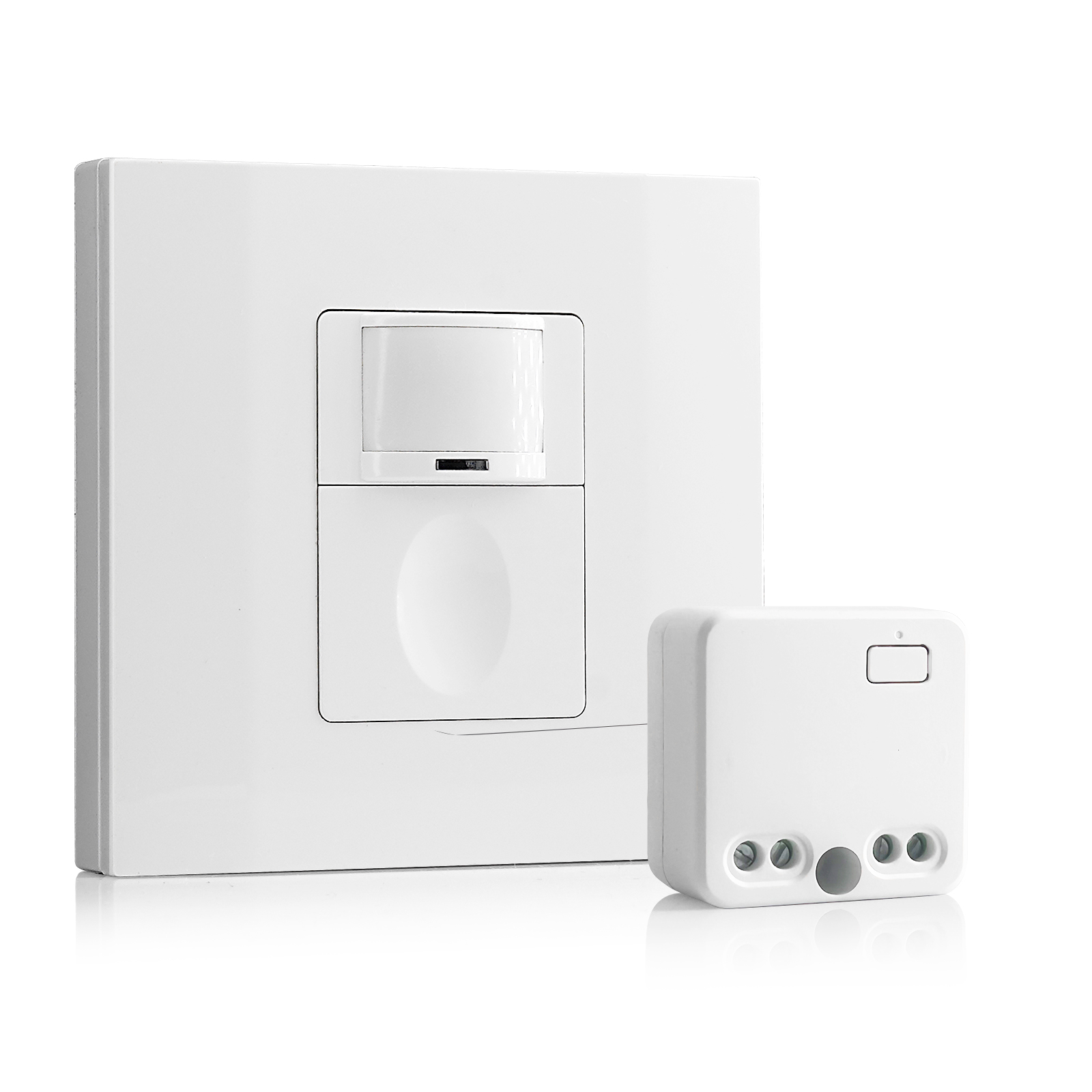
- 100V-230VAC
- Zasięg transmisji: do 20m
- Bezprzewodowy czujnik ruchu
- Sterowanie przewodowe
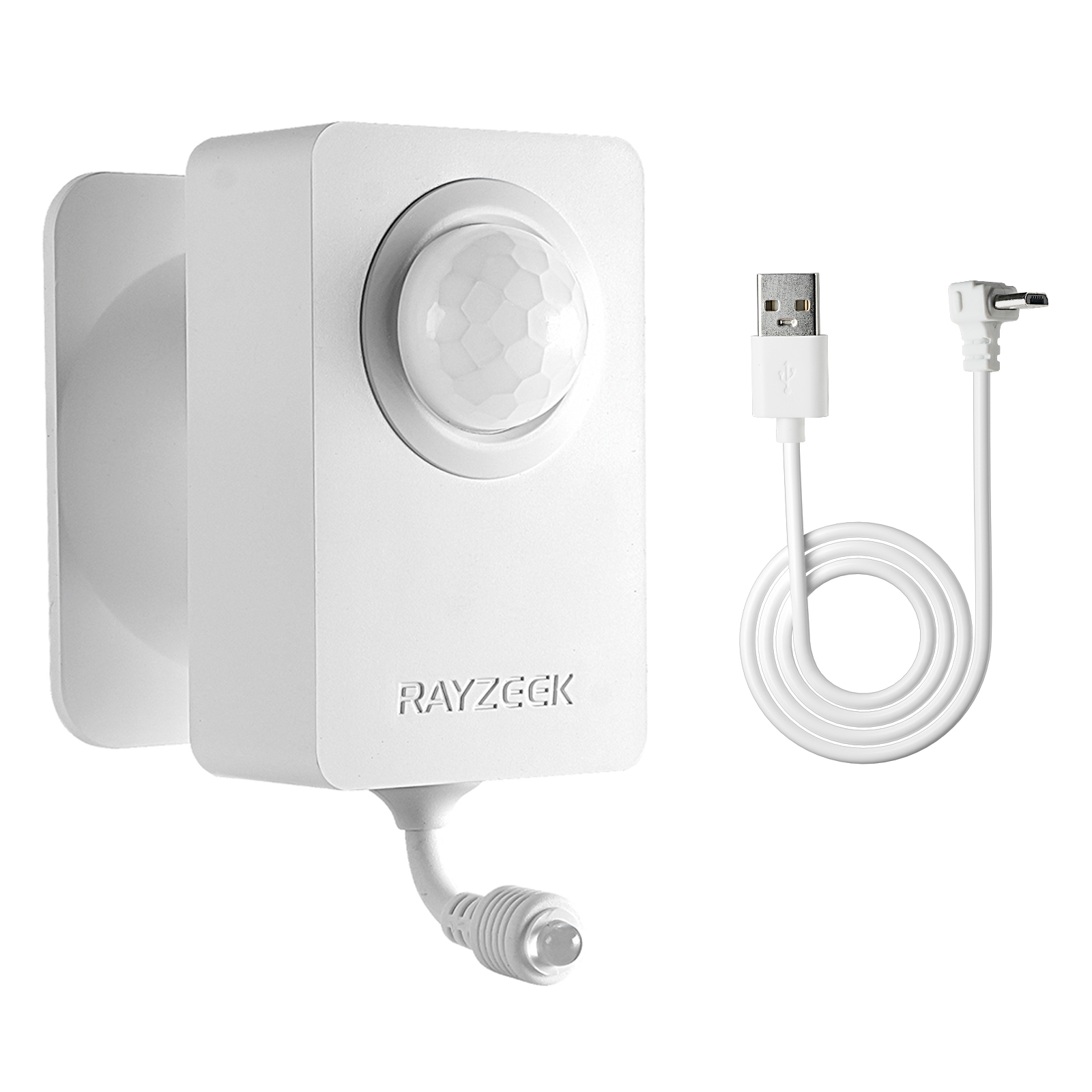
- Napięcie: 2x baterie AAA / 5V DC (Micro USB)
- Tryb dzień/noc
- Opóźnienie czasowe: 15min, 30min, 1h (domyślne), 2h
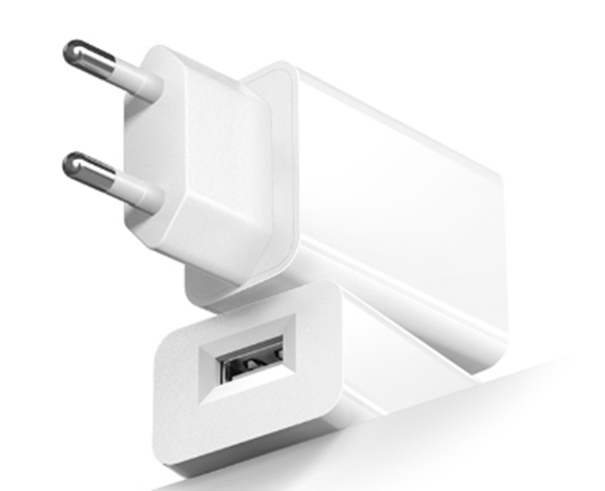
- Zasilacz sieciowy z wtyczką EU
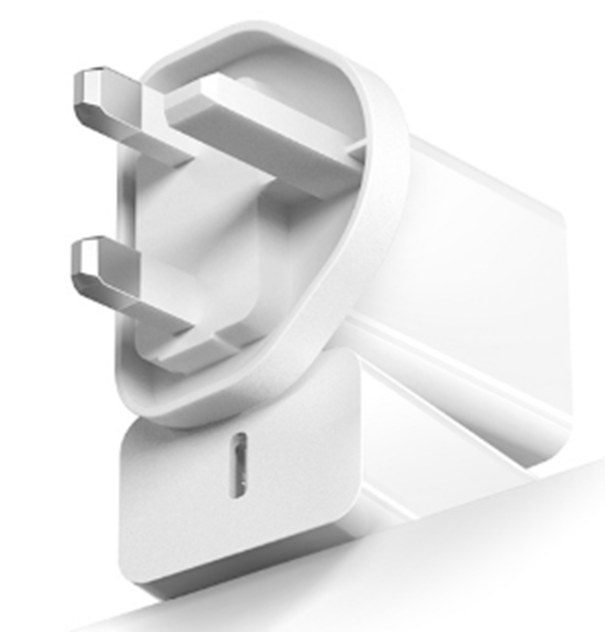
- Zasilacz sieciowy z wtyczką UK
By placing the rim light behind and slightly to the side of the subject, the light grazes the edges of the subject, resulting in a subtle glow or halo effect. This illumination helps to define the shape and form of the subject, making it stand out from the background. The rim light is often brighter than the ambient or key light, creating a high contrast and dramatic effect.
Rim lights can be used in various ways and in different lighting setups. They can be employed as a standalone lighting setup, where the rim light serves as the primary source of illumination, producing a stylized and high contrast image. This approach is often utilized in fashion or portrait photography to create a bold and edgy look.
Zainspiruj się ofertą czujników ruchu Rayzeek.
Nie znajdujesz tego, czego szukasz? Nie martw się. Zawsze istnieją alternatywne sposoby na rozwiązanie Twoich problemów. Być może pomoże Ci jedna z naszych linii produktów.
Alternatively, rim lights can be used in conjunction with other lighting setups, such as the traditional 3-point lighting setup. In this scenario, the rim light acts as an additional light source, complementing the key light and fill light. When incorporated into other lighting setups, rim lights are sometimes referred to as “hair lights” or “halo lighting.” The rim light adds separation and highlights the subject’s hair or the edges of the body, enhancing the overall depth and dimension of the lighting setup.
Frequently Asked Questions
Is It Better to Have Light in the Front or Back
Frontal lighting offers a significant advantage as it provides even illumination to the subject, making metering easier. However, one drawback is that it tends to flatten the subject. Additionally, the shadows created by frontal light are positioned behind the subject, thus remaining unseen from the camera’s perspective.
What Is an Example of Rim Lighting
For instance, when sunlight streams through a window. This will cast a gentle glow throughout the room, while also creating a rim effect. This lighting technique can be applied to any subject and enhances the sense of depth. Additionally, in portrait photography, it is commonly referred to as a hair light.
Is Rim Light Same as Back Light
The rim light, also known as the backlight, hair light, or shoulder light, is a light source that shines on the subject from behind, typically to one side or the other. Its purpose is to create a rim of light around the subject, which helps to separate them from the background and accentuate their contours.
What Is the Difference Between a Rim Light and a Hair Light
A hair light, which is sometimes referred to as a rim light, is specifically positioned to illuminate the hair. On the other hand, a rim light produces a halo-like glow or a rim of light that surrounds the entire body. To achieve this effect, the rim light is typically placed behind the subject or positioned behind and slightly to one side.







