
What is rim light
A rim light, also known as a hair light or halo lighting, is a lighting technique commonly used in photography and cinematography. It involves positioning a light source behind the subject, typically at a low angle, to create a highlight or rim of light around the subject’s outline. The purpose of a rim light is to separate the subject from the background and accentuate the subject’s contours, adding depth and dimension to the image.
Ces produits pourraient vous intéresser

- Détecteur de présence PIR pour montage au plafond avec sortie relais à contact sec
- Alimentation basse tension 12/24VDC ou 12/24VAC
- Contacts de relais isolés COM, NO et NC pour les entrées de gestion technique des bâtiments (GTB), de CVC et de contrôle des bâtiments

- Interrupteur détecteur de mouvement à micro-ondes basse tension DC encastrable au plafond
- Entrée 12 VDC / 24 VDC avec une plage de 10-30 VDC
- Courant de fonctionnement max de 10A avec temporisation, seuil Lux et sensibilité réglables
- Interrupteur détecteur de mouvement à micro-ondes encastrable au plafond pour charges plus élevées
- Entrée de tension secteur 100-265 VAC, modèle 10A
- Détection micro-ondes 5,8 GHz avec temporisation, seuil Lux et sensibilité réglables
- Interrupteur détecteur de mouvement à micro-ondes encastrable au plafond
- Entrée de tension secteur 100-265 VAC, modèle 5A
- Détection micro-ondes 5,8 GHz avec temporisation, seuil Lux et sensibilité réglables
- Variateur détecteur de présence PIR RZ037 pour montage au plafond pour alimentation 220V
- Courant de fonctionnement maximum de 3A avec charge nominale de 660W
- Le bouton LUX contrôle l'activation/désactivation du capteur de lumière et la luminosité de variation définie par l'utilisateur
- Variateur détecteur de présence PIR RZ037 pour montage au plafond pour alimentation 110V
- Courant de fonctionnement maximum de 3A avec charge nominale de 330W
- Le bouton LUX contrôle l'activation/désactivation du capteur de lumière et la luminosité de variation définie par l'utilisateur

- Interrupteur de détecteur de mouvement à micro-ondes pour montage au plafond, CC basse tension
- Entrée 12 VDC / 24 VDC avec une plage de 10-30 VDC
- Courant de fonctionnement max de 10A avec temporisation, seuil Lux et sensibilité réglables
- Interrupteur de détecteur de mouvement à micro-ondes pour montage au plafond à charge plus élevée
- Entrée de tension secteur 100-265 VAC, modèle 10A
- Détection micro-ondes 5,8 GHz avec temporisation, seuil Lux et sensibilité réglables
- Interrupteur de détecteur de mouvement à micro-ondes pour montage au plafond
- Entrée de tension secteur 100-265 VAC, modèle 5A
- Détection micro-ondes 5,8 GHz avec temporisation, seuil Lux et sensibilité réglables

- Interrupteur de détecteur de mouvement PIR encastré au plafond, CC basse tension
- Entrée 12 VDC / 24 VDC avec une plage de 10-30 VDC
- Courant de fonctionnement max. 10A avec temporisation, seuil Lux et sensibilité réglables

- Interrupteur de détecteur de mouvement PIR encastré au plafond à charge plus élevée
- Entrée de tension secteur 100-265 VAC, modèle 10A
- Détection à 360 degrés avec temporisation, seuil Lux et sensibilité réglables
- Interrupteur de détecteur de mouvement PIR encastré au plafond
- Entrée de tension secteur 100-265 VAC, modèle 5A
- Détection à 360 degrés avec temporisation, seuil Lux et sensibilité réglables

- Kit d'interrupteur et récepteur sans fil pour le contrôle de l'éclairage intérieur ON/OFF
- Récepteur 100-230VAC, 50/60Hz avec courant nominal de 5A
- Interrupteur sans fil alimenté par pile CR2032 avec communication 2.4GHz
- Mode d'occupation (Auto-ON/Auto-OFF)
- 12–24V DC (10–30VDC), jusqu'à 10A
- Couverture à 360°, diamètre de 8–12 m
- Temporisation de 15 s à 30 min
- Capteur de lumière Désactivé/15/25/35 Lux
- Sensibilité Haute/Basse
- Mode d'occupation Auto-ON/Auto-OFF
- 100–265V AC, 10A (neutre requis)
- Couverture à 360° ; diamètre de détection de 8–12 m
- Temporisation de 15 s à 30 min ; Lux DÉSACTIVÉ/15/25/35 ; Sensibilité Haute/Basse
- Mode d'occupation Auto-ON/Auto-OFF
- 100–265V AC, 5A (neutre requis)
- Couverture à 360° ; diamètre de détection de 8–12 m
- Temporisation de 15 s à 30 min ; Lux DÉSACTIVÉ/15/25/35 ; Sensibilité Haute/Basse
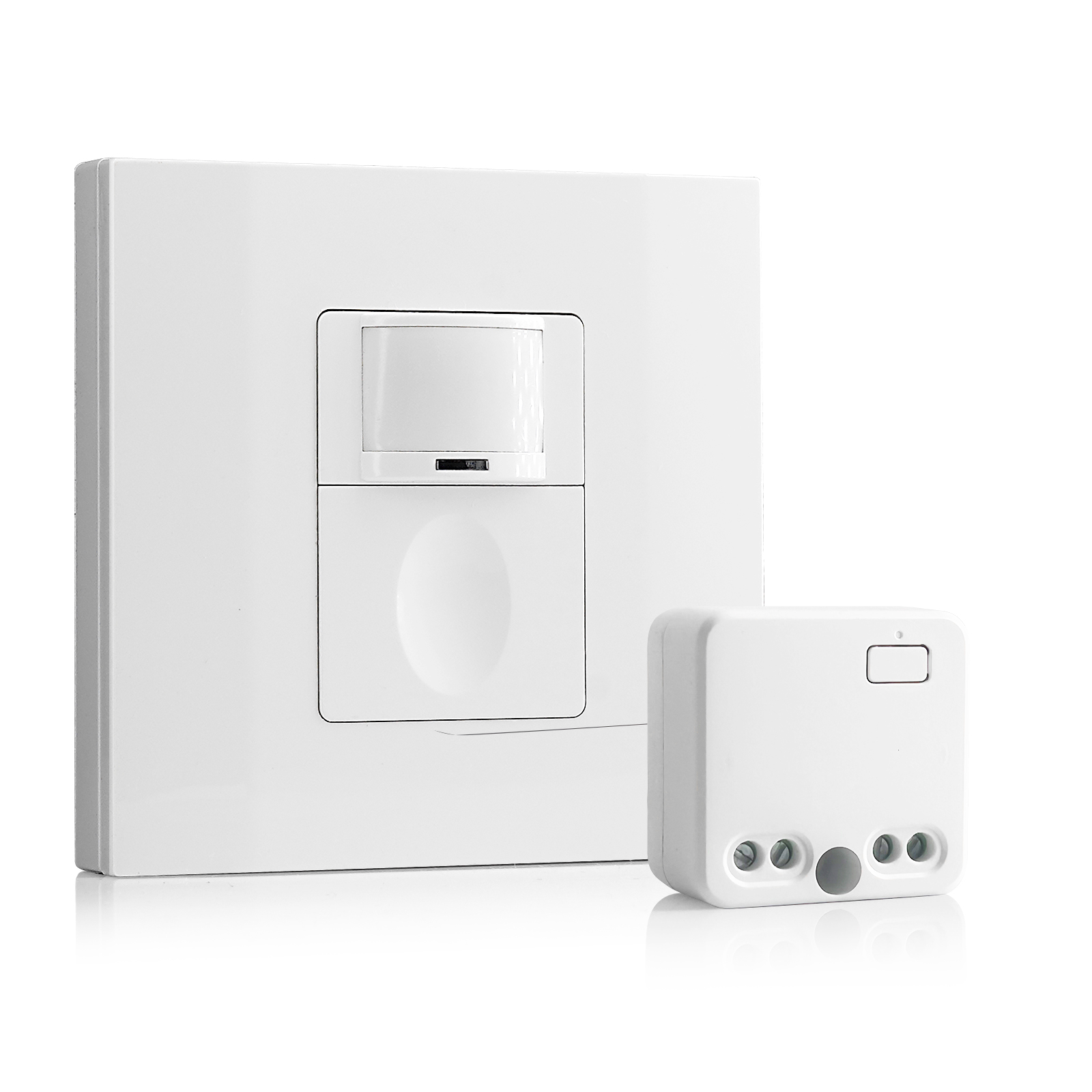
- 100V-230VAC
- Distance de transmission : jusqu'à 20m
- Détecteur de mouvement sans fil
- Contrôle filaire
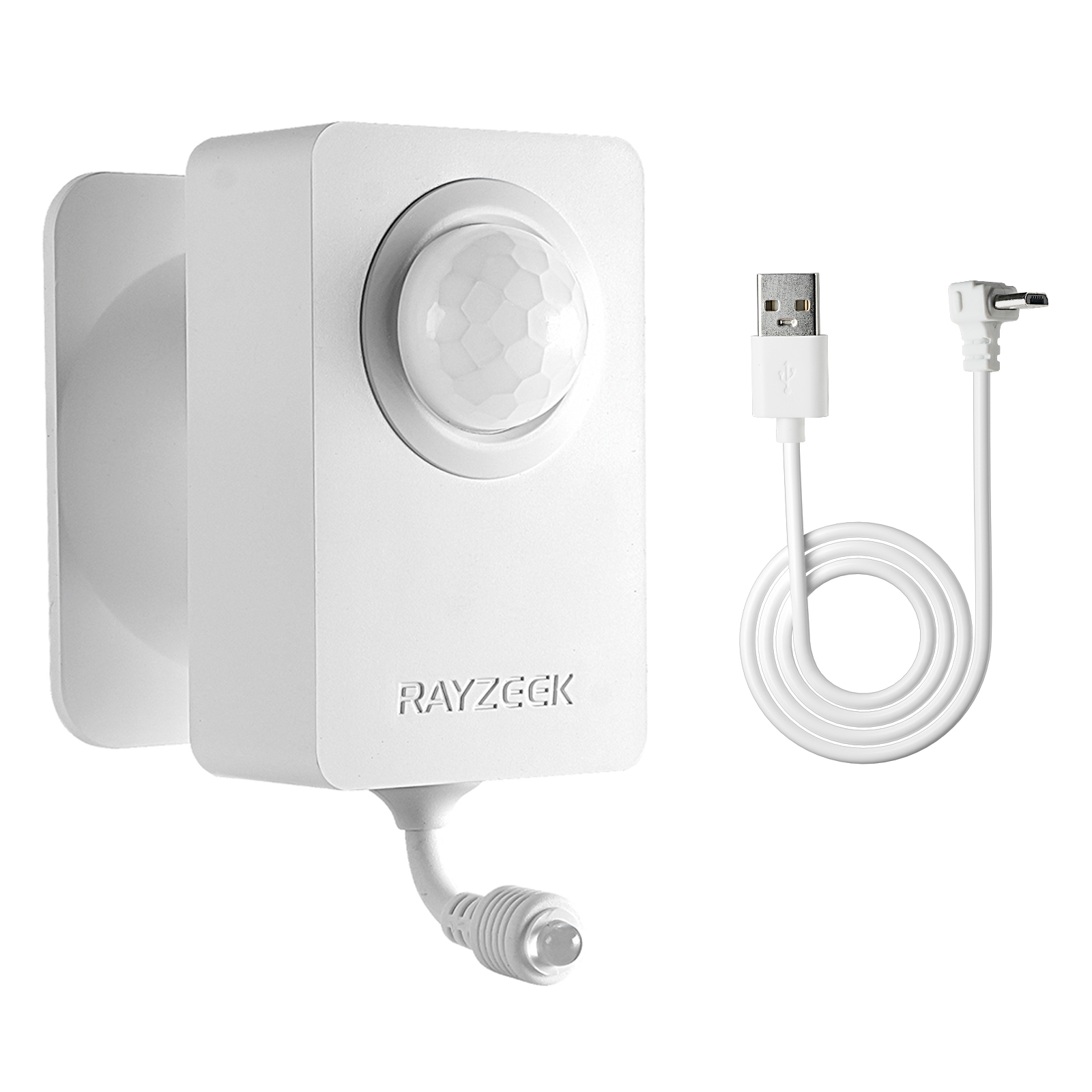
- Tension : 2x piles AAA / 5V DC (Micro USB)
- Mode Jour/Nuit
- Temporisation : 15min, 30min, 1h (par défaut), 2h
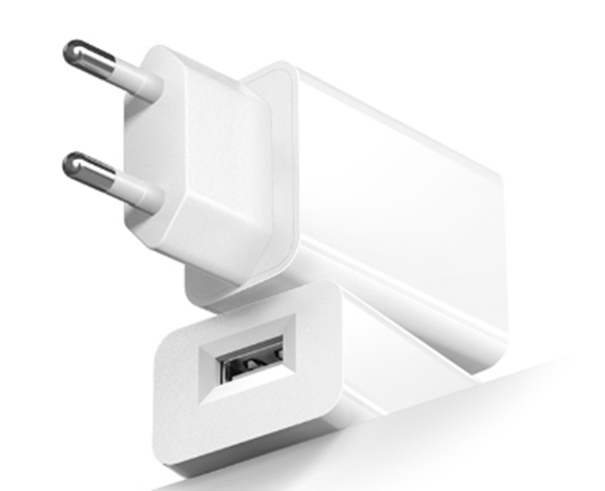
- Adaptateur secteur prise UE
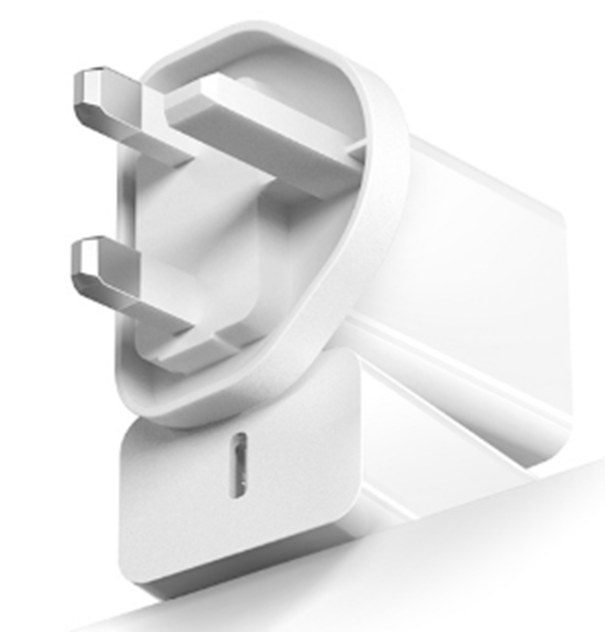
- Adaptateur secteur prise UK
By placing the rim light behind and slightly to the side of the subject, the light grazes the edges of the subject, resulting in a subtle glow or halo effect. This illumination helps to define the shape and form of the subject, making it stand out from the background. The rim light is often brighter than the ambient or key light, creating a high contrast and dramatic effect.
Rim lights can be used in various ways and in different lighting setups. They can be employed as a standalone lighting setup, where the rim light serves as the primary source of illumination, producing a stylized and high contrast image. This approach is often utilized in fashion or portrait photography to create a bold and edgy look.
Laissez-vous inspirer par les gammes de capteurs de mouvement Rayzeek.
Vous ne trouvez pas ce que vous cherchez ? Ne vous inquiétez pas. Il existe toujours d'autres solutions pour résoudre vos problèmes. L'une de nos gammes de produits pourra peut-être vous aider.
Alternatively, rim lights can be used in conjunction with other lighting setups, such as the traditional 3-point lighting setup. In this scenario, the rim light acts as an additional light source, complementing the key light and fill light. When incorporated into other lighting setups, rim lights are sometimes referred to as “hair lights” or “halo lighting.” The rim light adds separation and highlights the subject’s hair or the edges of the body, enhancing the overall depth and dimension of the lighting setup.
Frequently Asked Questions
Is It Better to Have Light in the Front or Back
Frontal lighting offers a significant advantage as it provides even illumination to the subject, making metering easier. However, one drawback is that it tends to flatten the subject. Additionally, the shadows created by frontal light are positioned behind the subject, thus remaining unseen from the camera’s perspective.
What Is an Example of Rim Lighting
For instance, when sunlight streams through a window. This will cast a gentle glow throughout the room, while also creating a rim effect. This lighting technique can be applied to any subject and enhances the sense of depth. Additionally, in portrait photography, it is commonly referred to as a hair light.
Is Rim Light Same as Back Light
The rim light, also known as the backlight, hair light, or shoulder light, is a light source that shines on the subject from behind, typically to one side or the other. Its purpose is to create a rim of light around the subject, which helps to separate them from the background and accentuate their contours.
What Is the Difference Between a Rim Light and a Hair Light
A hair light, which is sometimes referred to as a rim light, is specifically positioned to illuminate the hair. On the other hand, a rim light produces a halo-like glow or a rim of light that surrounds the entire body. To achieve this effect, the rim light is typically placed behind the subject or positioned behind and slightly to one side.







