
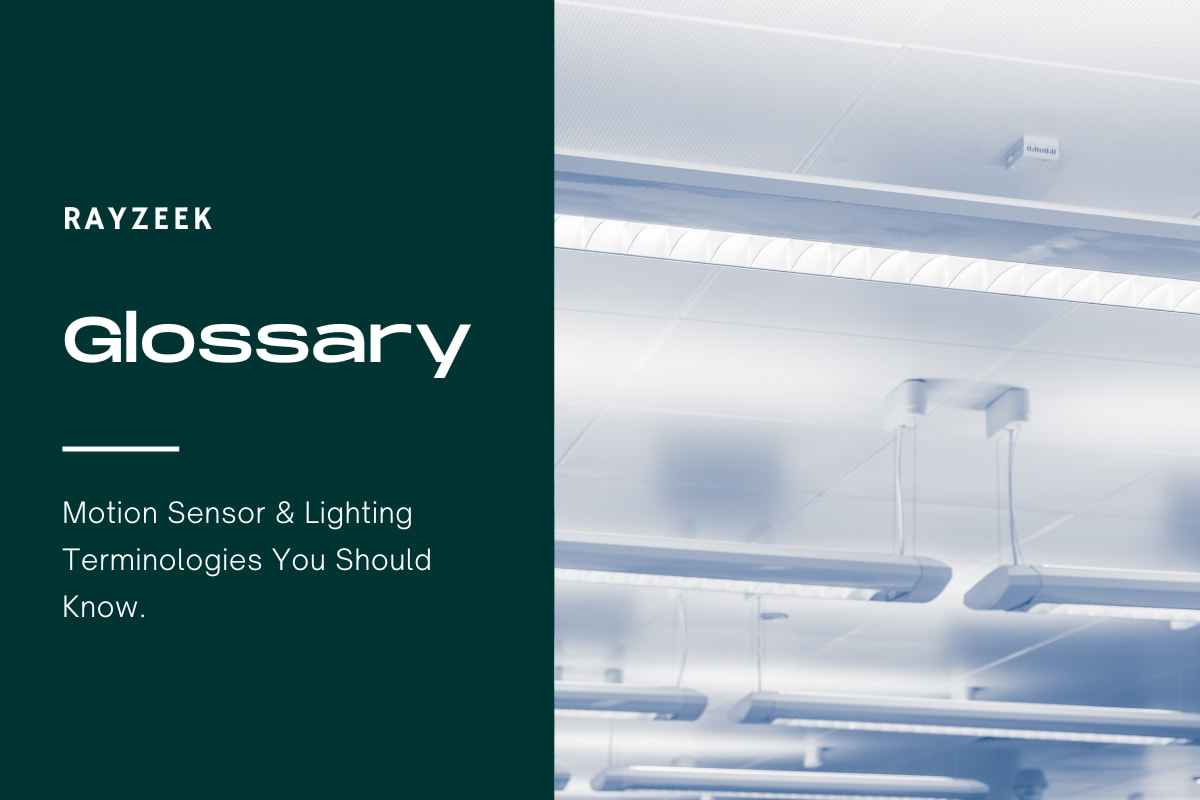
What is rim light
A rim light, also known as a hair light or halo lighting, is a lighting technique commonly used in photography and cinematography. It involves positioning a light source behind the subject, typically at a low angle, to create a highlight or rim of light around the subject’s outline. The purpose of a rim light is to separate the subject from the background and accentuate the subject’s contours, adding depth and dimension to the image.
Talvez esteja interessado em

- Sensor de ocupação PIR de montagem no teto com saída de relé de contacto seco
- Alimentação de baixa tensão de 12/24VDC ou 12/24VAC
- Contactos de relé isolados COM, NO e NC para entradas de EMS, AVAC e controlo de edifícios

- Interruptor com sensor de movimento micro-ondas de teto embutido de baixa tensão DC
- Entrada de 12 VDC / 24 VDC com intervalo de 10-30 VDC
- Corrente máxima de funcionamento de 10A com temporizador, limite de Lux e sensibilidade ajustáveis
- Interruptor com sensor de movimento micro-ondas de teto embutido para cargas mais elevadas
- Entrada de tensão de linha de 100-265 VAC, modelo de 10A
- Deteção por micro-ondas de 5.8 GHz com temporizador, limite de Lux e sensibilidade ajustáveis
- Interruptor com sensor de movimento micro-ondas de teto embutido
- Entrada de tensão de linha de 100-265 VAC, modelo de 5A
- Deteção por micro-ondas de 5.8 GHz com temporizador, limite de Lux e sensibilidade ajustáveis
- Regulador de intensidade com sensor de ocupação PIR RZ037 de montagem no teto para alimentação de 220V
- Corrente máxima de funcionamento de 3A com carga nominal de 660W
- O botão LUX controla o LIGAR/DESLIGAR do sensor de luz e o brilho de regulação definido pelo utilizador
- Regulador de intensidade com sensor de ocupação PIR RZ037 de montagem no teto para alimentação de 110V
- Corrente máxima de funcionamento de 3A com carga nominal de 330W
- O botão LUX controla o LIGAR/DESLIGAR do sensor de luz e o brilho de regulação definido pelo utilizador

- Interruptor com sensor de movimento micro-ondas de teto DC de baixa tensão
- Entrada de 12 VDC / 24 VDC com intervalo de 10-30 VDC
- Corrente máxima de funcionamento de 10A com temporizador, limite de Lux e sensibilidade ajustáveis
- Interruptor com sensor de movimento micro-ondas de teto para carga mais alta
- Entrada de tensão de linha de 100-265 VAC, modelo de 10A
- Deteção por micro-ondas de 5.8 GHz com temporizador, limite de Lux e sensibilidade ajustáveis
- Interruptor com sensor de movimento micro-ondas de teto
- Entrada de tensão de linha de 100-265 VAC, modelo de 5A
- Deteção por micro-ondas de 5.8 GHz com temporizador, limite de Lux e sensibilidade ajustáveis

- Interruptor com sensor de movimento PIR de encastrar no teto DC de baixa tensão
- Entrada de 12 VDC / 24 VDC com intervalo de 10-30 VDC
- Corrente máxima de funcionamento de 10A com atraso de tempo, limiar de Lux e sensibilidade ajustáveis

- Interruptor com sensor de movimento PIR de encastrar no teto para carga mais alta
- Entrada de tensão de linha de 100-265 VAC, modelo de 10A
- Deteção de 360 graus com atraso de tempo, limiar de Lux e sensibilidade ajustáveis
- Interruptor com sensor de movimento PIR de encastrar no teto
- Entrada de tensão de linha de 100-265 VAC, modelo de 5A
- Deteção de 360 graus com atraso de tempo, limiar de Lux e sensibilidade ajustáveis

- Kit de interruptor sem fios e recetor para controlo de iluminação ligar/desligar (ON/OFF) em espaços interiores
- Recetor de 100-230VAC, 50/60Hz com corrente nominal de 5A
- Interruptor sem fios alimentado por pilha CR2032 com comunicação de 2.4GHz
- Presença (Ligar automático/Desligar automático)
- 12–24V DC (10–30VDC), até 10A
- Cobertura de 360°, 8–12 m de diâmetro
- Atraso de tempo de 15 s–30 min
- Sensor de luz Desligado/15/25/35 Lux
- Sensibilidade Alta/Baixa
- Modo de presença com Ligar automático/Desligar automático
- 100–265V AC, 10A (necessário neutro)
- Cobertura de 360°; diâmetro de deteção de 8–12 m
- Atraso de tempo de 15 s–30 min; Lux DESLIGADO/15/25/35; Sensibilidade Alta/Baixa
- Modo de presença com Ligar automático/Desligar automático
- 100–265V AC, 5A (neutro necessário)
- Cobertura de 360°; diâmetro de deteção de 8–12 m
- Atraso de tempo de 15 s–30 min; Lux DESLIGADO/15/25/35; Sensibilidade Alta/Baixa
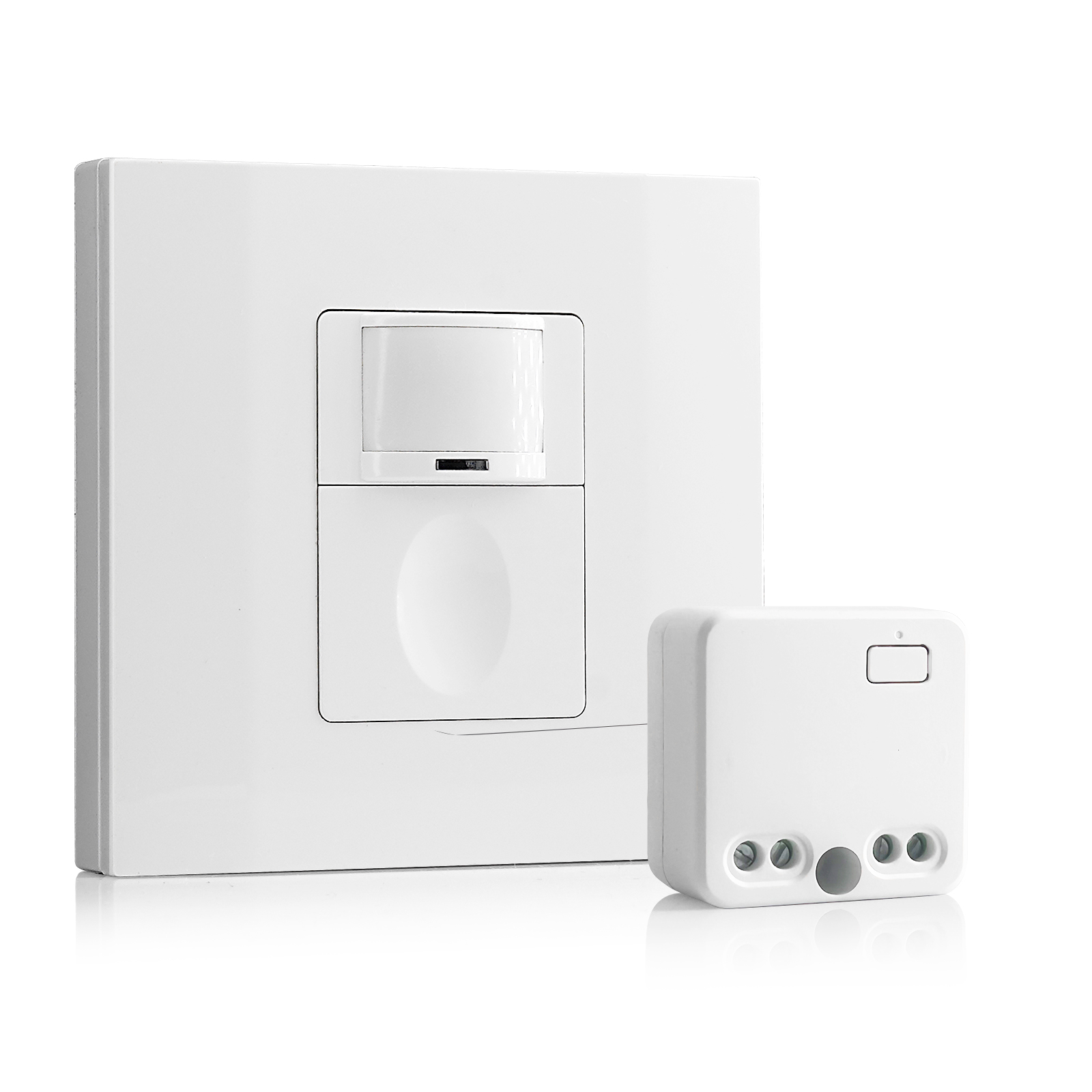
- 100V-230VAC
- Distância de Transmissão: até 20m
- Sensor de movimento sem fios
- Controlo com fios
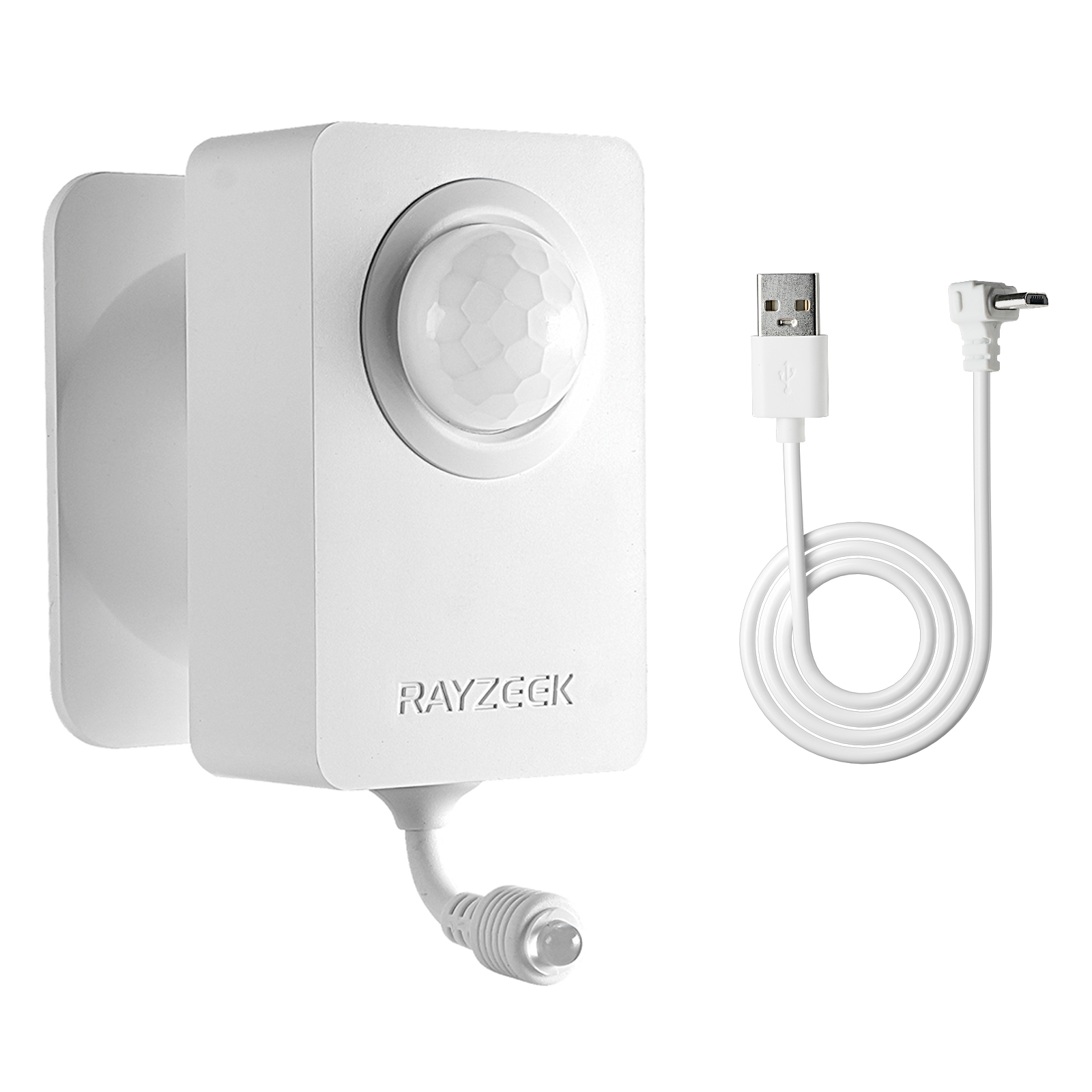
- Tensão: 2x Pilhas AAA / 5V DC (Micro USB)
- Modo Dia/Noite
- Temporização: 15min, 30min, 1h(predefinido), 2h
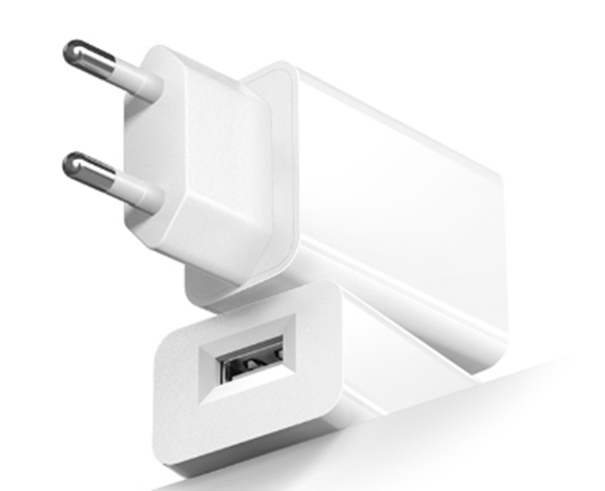
- Adaptador de alimentação com ficha UE
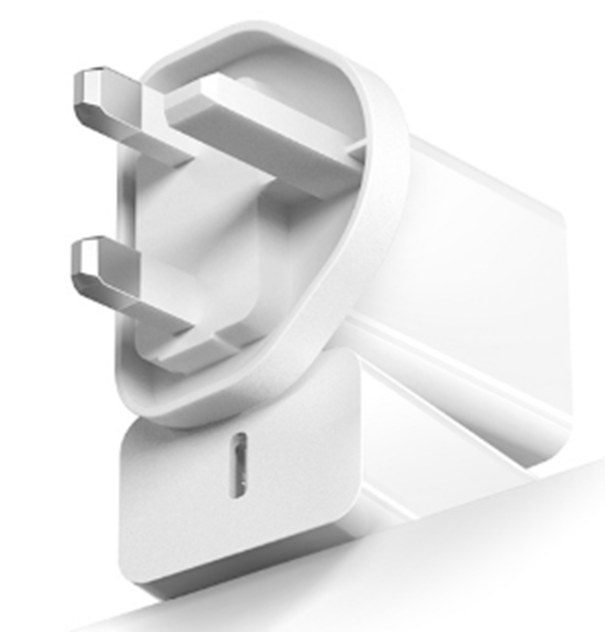
- Adaptador de alimentação com ficha UK
By placing the rim light behind and slightly to the side of the subject, the light grazes the edges of the subject, resulting in a subtle glow or halo effect. This illumination helps to define the shape and form of the subject, making it stand out from the background. The rim light is often brighter than the ambient or key light, creating a high contrast and dramatic effect.
Rim lights can be used in various ways and in different lighting setups. They can be employed as a standalone lighting setup, where the rim light serves as the primary source of illumination, producing a stylized and high contrast image. This approach is often utilized in fashion or portrait photography to create a bold and edgy look.
Inspire-se nos portfólios de sensores de movimento Rayzeek.
Não encontra o que procura? Não se preocupe. Há sempre formas alternativas de resolver os seus problemas. Talvez um dos nossos portfólios possa ajudar.
Alternatively, rim lights can be used in conjunction with other lighting setups, such as the traditional 3-point lighting setup. In this scenario, the rim light acts as an additional light source, complementing the key light and fill light. When incorporated into other lighting setups, rim lights are sometimes referred to as “hair lights” or “halo lighting.” The rim light adds separation and highlights the subject’s hair or the edges of the body, enhancing the overall depth and dimension of the lighting setup.
Frequently Asked Questions
Is It Better to Have Light in the Front or Back
Frontal lighting offers a significant advantage as it provides even illumination to the subject, making metering easier. However, one drawback is that it tends to flatten the subject. Additionally, the shadows created by frontal light are positioned behind the subject, thus remaining unseen from the camera’s perspective.
What Is an Example of Rim Lighting
For instance, when sunlight streams through a window. This will cast a gentle glow throughout the room, while also creating a rim effect. This lighting technique can be applied to any subject and enhances the sense of depth. Additionally, in portrait photography, it is commonly referred to as a hair light.
Is Rim Light Same as Back Light
The rim light, also known as the backlight, hair light, or shoulder light, is a light source that shines on the subject from behind, typically to one side or the other. Its purpose is to create a rim of light around the subject, which helps to separate them from the background and accentuate their contours.
What Is the Difference Between a Rim Light and a Hair Light
A hair light, which is sometimes referred to as a rim light, is specifically positioned to illuminate the hair. On the other hand, a rim light produces a halo-like glow or a rim of light that surrounds the entire body. To achieve this effect, the rim light is typically placed behind the subject or positioned behind and slightly to one side.







