
What is rim light
A rim light, also known as a hair light or halo lighting, is a lighting technique commonly used in photography and cinematography. It involves positioning a light source behind the subject, typically at a low angle, to create a highlight or rim of light around the subject’s outline. The purpose of a rim light is to separate the subject from the background and accentuate the subject’s contours, adding depth and dimension to the image.
Quizás le interese

- Sensor de presencia PIR para montaje en techo con salida de relé de contacto seco
- Alimentación de bajo voltaje de 12/24VDC o 12/24VAC
- Contactos de relé aislados COM, NO y NC para entradas de EMS, HVAC y control de edificios

- Interruptor sensor de movimiento por microondas empotrable en techo de bajo voltaje DC
- Entrada de 12 VDC / 24 VDC con rango de 10-30 VDC
- Corriente de funcionamiento máxima de 10A con retardo de tiempo, umbral de Lux y sensibilidad ajustables
- Interruptor sensor de movimiento por microondas empotrable en techo para cargas más altas
- Entrada de voltaje de línea de 100-265 VAC, modelo de 10A
- Detección por microondas de 5.8 GHz con retardo de tiempo, umbral de Lux y sensibilidad ajustables
- Interruptor sensor de movimiento por microondas empotrable en techo
- Entrada de voltaje de línea de 100-265 VAC, modelo de 5A
- Detección por microondas de 5.8 GHz con retardo de tiempo, umbral de Lux y sensibilidad ajustables
- Dimmer sensor de presencia PIR RZ037 para montaje en techo para alimentación de 220V
- Corriente de funcionamiento máxima de 3A con carga nominal de 660W
- El botón LUX controla el encendido/apagado del sensor de luz y el brillo de regulación establecido por el usuario
- Dimmer sensor de presencia PIR RZ037 para montaje en techo para alimentación de 110V
- Corriente de funcionamiento máxima de 3A con carga nominal de 330W
- El botón LUX controla el encendido/apagado del sensor de luz y el brillo de regulación establecido por el usuario

- Interruptor de sensor de movimiento por microondas de techo de CC de bajo voltaje
- Entrada de 12 VDC / 24 VDC con rango de 10-30 VDC
- Corriente de funcionamiento máxima de 10A con retardo de tiempo, umbral de Lux y sensibilidad ajustables
- Interruptor de sensor de movimiento por microondas de techo para cargas más altas
- Entrada de voltaje de línea de 100-265 VAC, modelo de 10A
- Detección por microondas de 5.8 GHz con retardo de tiempo, umbral de Lux y sensibilidad ajustables
- Interruptor de sensor de movimiento por microondas de techo
- Entrada de voltaje de línea de 100-265 VAC, modelo de 5A
- Detección por microondas de 5.8 GHz con retardo de tiempo, umbral de Lux y sensibilidad ajustables

- Interruptor de sensor de movimiento PIR de techo empotrado de CC de bajo voltaje
- Entrada de 12 VDC / 24 VDC con rango de 10-30 VDC
- Corriente de trabajo máxima de 10A con retardo de tiempo, umbral de Lux y sensibilidad ajustables

- Interruptor de sensor de movimiento PIR de techo empotrado para cargas más altas
- Entrada de voltaje de línea de 100-265 VAC, modelo de 10A
- Detección de 360 grados con retardo de tiempo, umbral de Lux y sensibilidad ajustables
- Interruptor de sensor de movimiento PIR de techo empotrado
- Entrada de voltaje de línea de 100-265 VAC, modelo de 5A
- Detección de 360 grados con retardo de tiempo, umbral de Lux y sensibilidad ajustables

- Kit de receptor e interruptor inalámbrico para control de iluminación de encendido/apagado en interiores
- Receptor de 100-230VAC, 50/60Hz con corriente nominal de 5A
- Interruptor inalámbrico alimentado por CR2032 con comunicación de 2.4GHz
- Presencia (Encendido automático/Apagado automático)
- 12–24V DC (10–30VDC), hasta 10A
- Cobertura de 360°, 8–12 m de diámetro
- Retardo de tiempo de 15 s–30 min
- Sensor de luz Apagado/15/25/35 Lux
- Sensibilidad Alta/Baja
- Modo de presencia de encendido automático/apagado automático
- 100–265V AC, 10A (requiere neutro)
- Cobertura de 360°; diámetro de detección de 8–12 m
- Retardo de tiempo de 15 s–30 min; Lux APAGADO/15/25/35; Sensibilidad Alta/Baja
- Modo de presencia de encendido automático/apagado automático
- 100–265V CA, 5A (se requiere neutro)
- Cobertura de 360°; diámetro de detección de 8–12 m
- Retardo de tiempo de 15 s–30 min; Lux APAGADO/15/25/35; Sensibilidad Alta/Baja
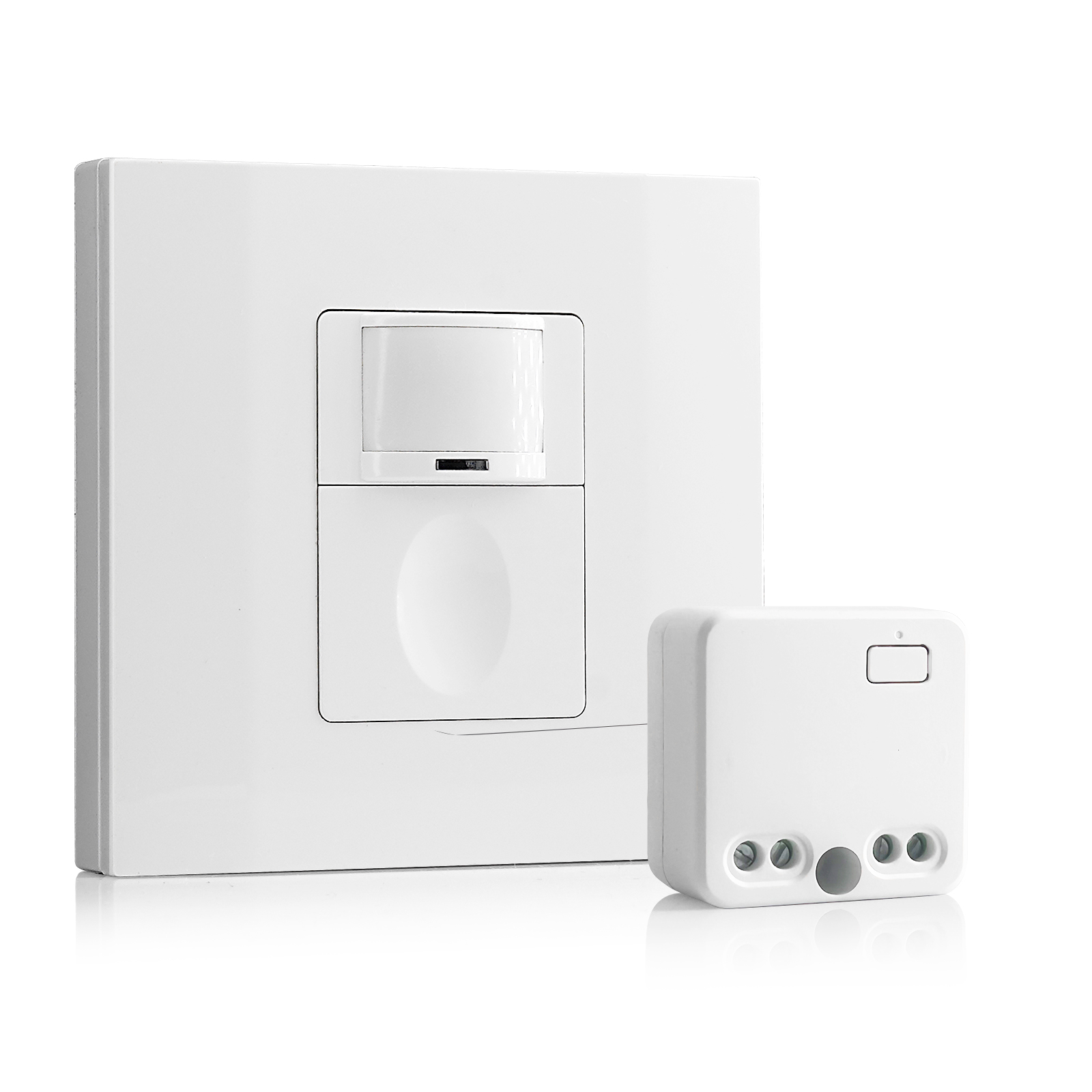
- 100V-230V CA
- Distancia de transmisión: hasta 20 m
- Sensor de movimiento inalámbrico
- Control cableado
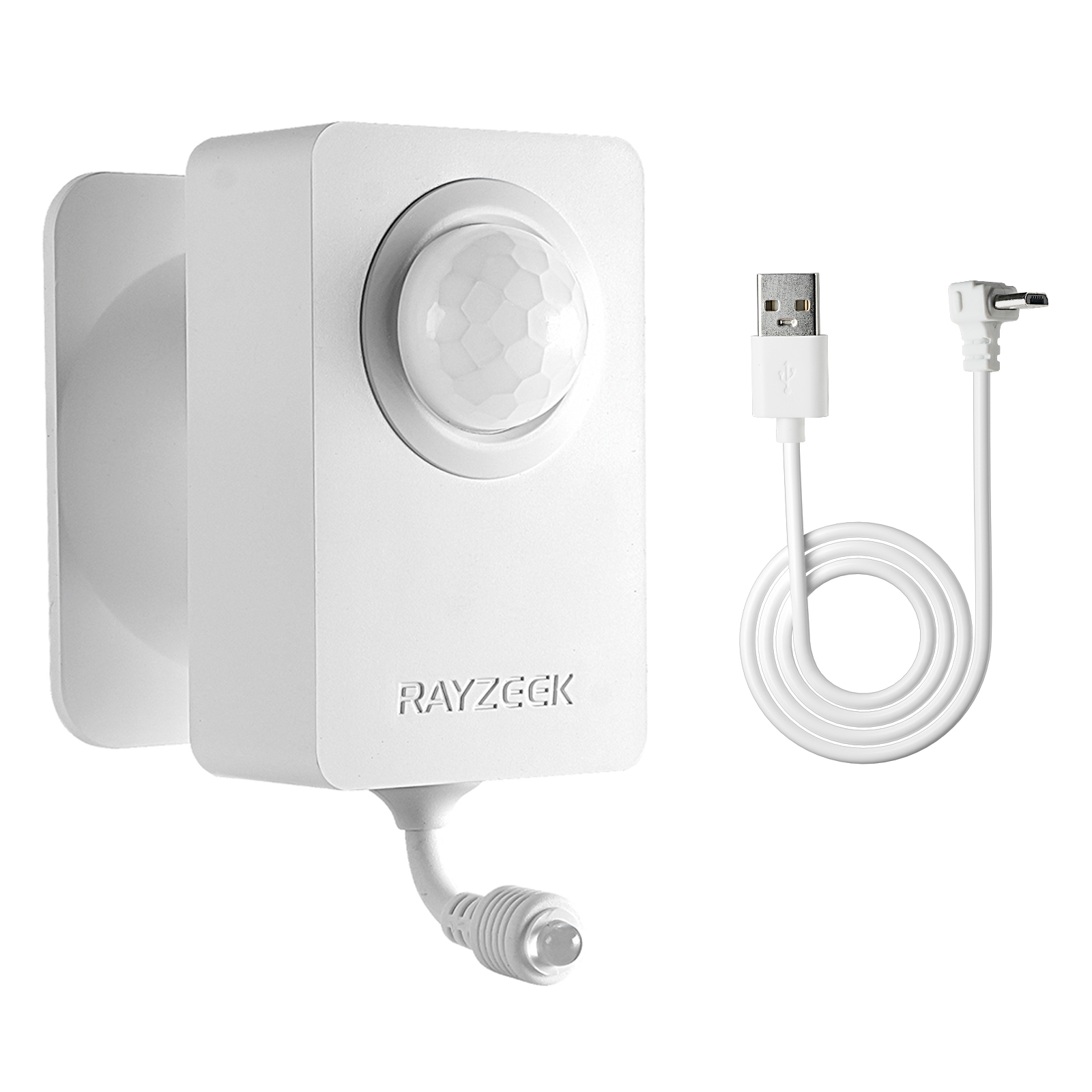
- Voltaje: 2 baterías AAA / 5V CC (Micro USB)
- Modo día/noche
- Tiempo de retardo: 15 min, 30 min, 1 h (por defecto), 2 h
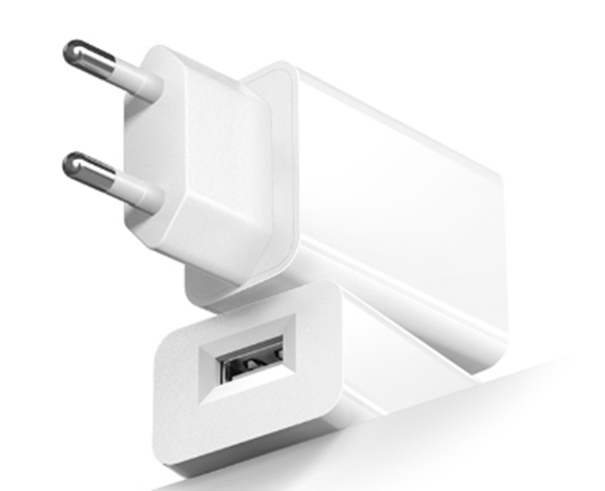
- Adaptador de corriente con enchufe de la UE
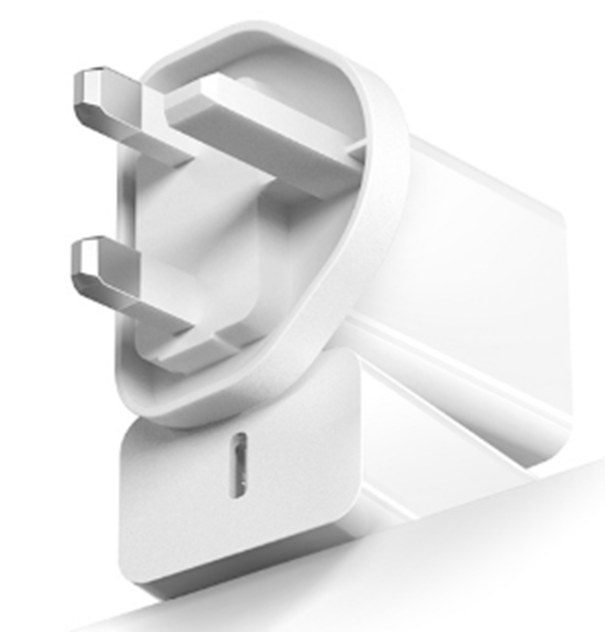
- Adaptador de corriente con enchufe del Reino Unido
By placing the rim light behind and slightly to the side of the subject, the light grazes the edges of the subject, resulting in a subtle glow or halo effect. This illumination helps to define the shape and form of the subject, making it stand out from the background. The rim light is often brighter than the ambient or key light, creating a high contrast and dramatic effect.
Rim lights can be used in various ways and in different lighting setups. They can be employed as a standalone lighting setup, where the rim light serves as the primary source of illumination, producing a stylized and high contrast image. This approach is often utilized in fashion or portrait photography to create a bold and edgy look.
Inspírese con los catálogos de sensores de movimiento de Rayzeek.
¿No encuentra lo que busca? No se preocupe. Siempre hay formas alternativas de resolver sus problemas. Quizás uno de nuestros catálogos pueda ayudarle.
Alternatively, rim lights can be used in conjunction with other lighting setups, such as the traditional 3-point lighting setup. In this scenario, the rim light acts as an additional light source, complementing the key light and fill light. When incorporated into other lighting setups, rim lights are sometimes referred to as “hair lights” or “halo lighting.” The rim light adds separation and highlights the subject’s hair or the edges of the body, enhancing the overall depth and dimension of the lighting setup.
Frequently Asked Questions
Is It Better to Have Light in the Front or Back
Frontal lighting offers a significant advantage as it provides even illumination to the subject, making metering easier. However, one drawback is that it tends to flatten the subject. Additionally, the shadows created by frontal light are positioned behind the subject, thus remaining unseen from the camera’s perspective.
What Is an Example of Rim Lighting
For instance, when sunlight streams through a window. This will cast a gentle glow throughout the room, while also creating a rim effect. This lighting technique can be applied to any subject and enhances the sense of depth. Additionally, in portrait photography, it is commonly referred to as a hair light.
Is Rim Light Same as Back Light
The rim light, also known as the backlight, hair light, or shoulder light, is a light source that shines on the subject from behind, typically to one side or the other. Its purpose is to create a rim of light around the subject, which helps to separate them from the background and accentuate their contours.
What Is the Difference Between a Rim Light and a Hair Light
A hair light, which is sometimes referred to as a rim light, is specifically positioned to illuminate the hair. On the other hand, a rim light produces a halo-like glow or a rim of light that surrounds the entire body. To achieve this effect, the rim light is typically placed behind the subject or positioned behind and slightly to one side.







