放電電球(ディスチャージバルブ)とは
A discharge bulb, also known as an electric discharge lamp or gas-discharge lamp, is a type of lighting device used in high-intensity discharge (HID) lighting systems. It consists of a transparent container that houses a gas or vapor, which is energized by applying an electric voltage. This voltage causes the gas or vapor to become ionized, resulting in the emission of light.
人感センサーを活用した省エネソリューションをお探しですか?
PIR人感センサー、人感センサー搭載省エネ製品、人感センサースイッチ、商業施設向けOccupancy/Vacancy(在室/不在)ソリューションについては、お気軽にお問い合わせください。
Discharge bulbs operate by passing an electric current through the gas or vapor, causing it to glow and produce light. The specific gas or vapor used in the discharge bulb determines the color of the emitted light. For example, neon gas produces an orange-red light, while sodium vapor emits an orange-yellow light. Mercury vapor lamps produce a bluish light.
These bulbs are characterized by their high power and brightness, making them suitable for illuminating large indoor and outdoor areas. They are commonly used in applications such as stadiums, arenas, warehouses, parking lots, and shops, where high-intensity lighting is required. Examples of discharge bulbs include mercury vapor lamps, high-pressure sodium vapor lamps, and metal halide lamps. These lamps utilize the discharge of pressurized gases within the bulb to generate light. The gas or vapor is contained within an arc tube, which is located inside the bulb.
こちらの商品もおすすめです

- 電圧: 単4形乾電池 2本
- 昼/夜モード
- タイマー設定時間: 15分、30分、1時間(デフォルト)、2時間
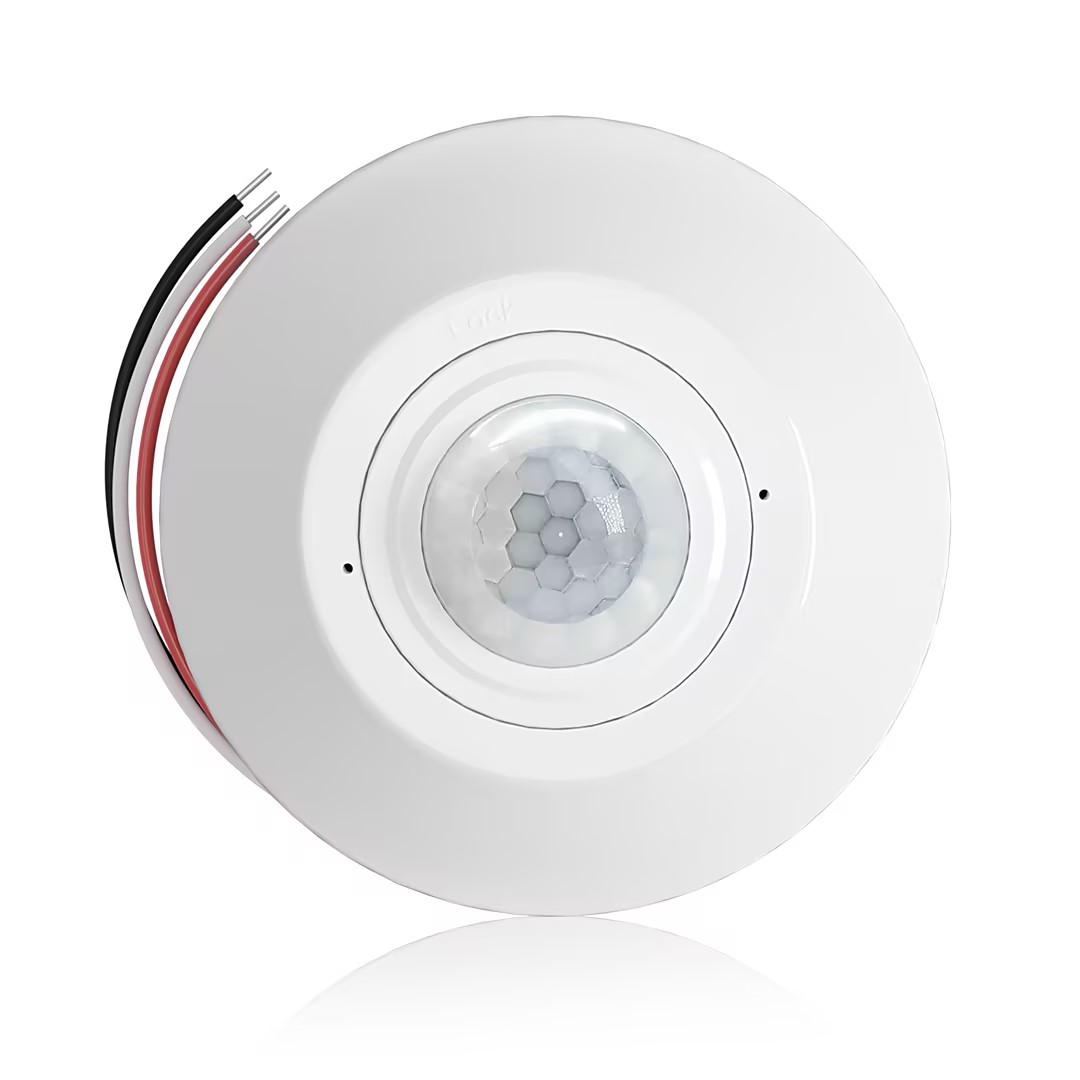
- 無電圧接点リレー出力付き天井取り付け型PIR人感センサー
- 12/24VDCまたは12/24VAC低電圧電源
- EMS、HVAC、および建物制御入力用COM、NO、NC絶縁リレー接点
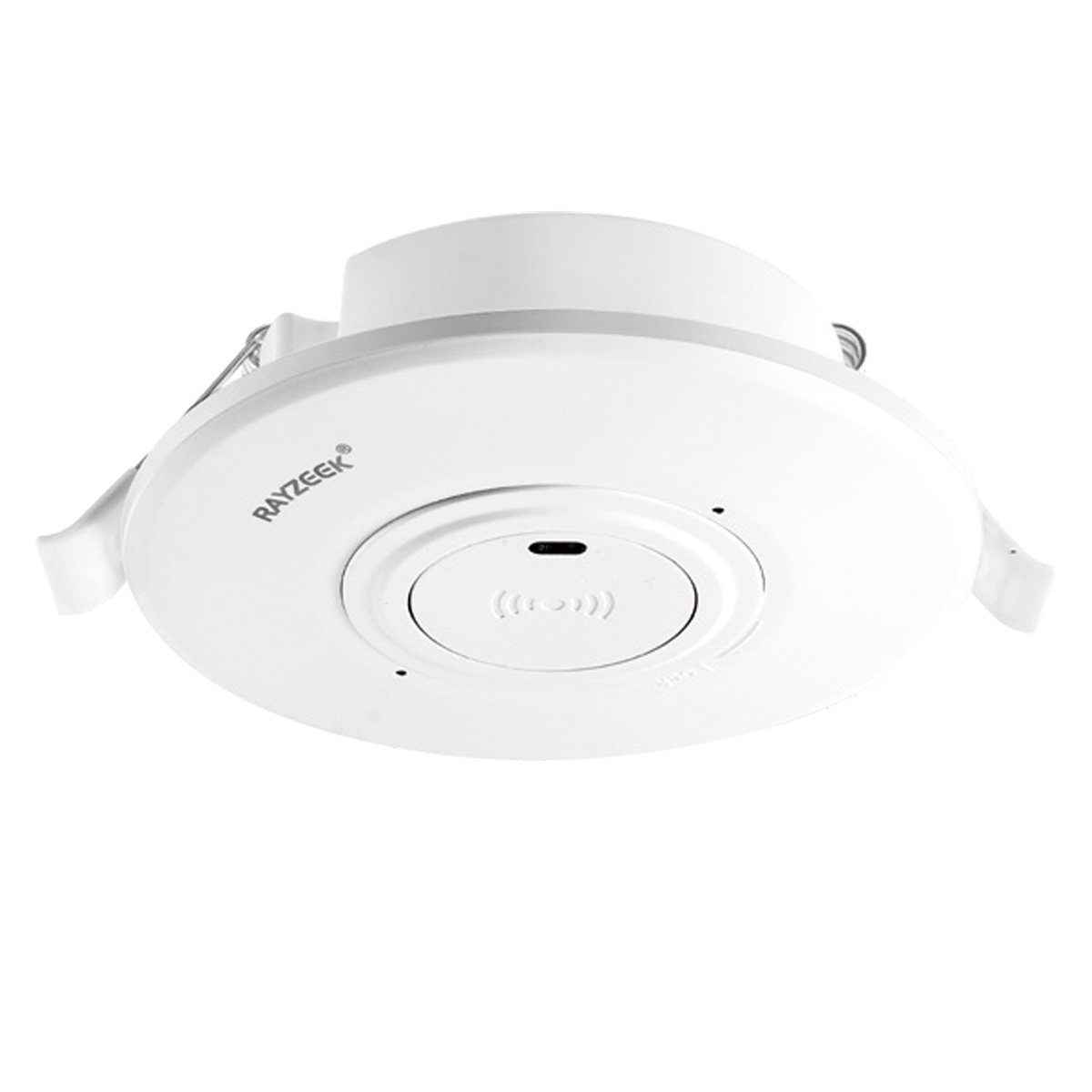
- 低電圧DC天井埋め込み型マイクロ波人感センサースイッチ
- 10~30 VDC範囲の12 VDC / 24 VDC入力
- 調整可能なタイムラグ、照度(Lux)閾値、感度を備えた最大動作電流10A仕様
- 高負荷対応型 埋込型天井取付けマイクロ波人感センサースイッチ
- 100-265 VAC 商用電源入力、10Aモデル
- 調整可能なタイムラグ、照度(Lux)閾値、感度を備えた5.8 GHzマイクロ波検知
- 埋込型天井取付けマイクロ波人感センサースイッチ
- 100-265 VAC商用電圧入力、5Aモデル
- 調整可能なタイムラグ、照度(Lux)閾値、感度を備えた5.8 GHzマイクロ波検知
- 220V電源対応 天井取付けRZ037 PIR(赤外線)人感センサー調光器
- 定格負荷660W、最大動作電流3A
- LUXボタンによる照度センサーのON/OFFおよびユーザー設定の調光明るさ制御
- 110V電源対応 天井取付けRZ037 PIR(赤外線)人感センサー調光器
- 定格負荷330W、最大動作電流3A
- LUXボタンによる照度センサーのON/OFFおよびユーザー設定の調光明るさ制御
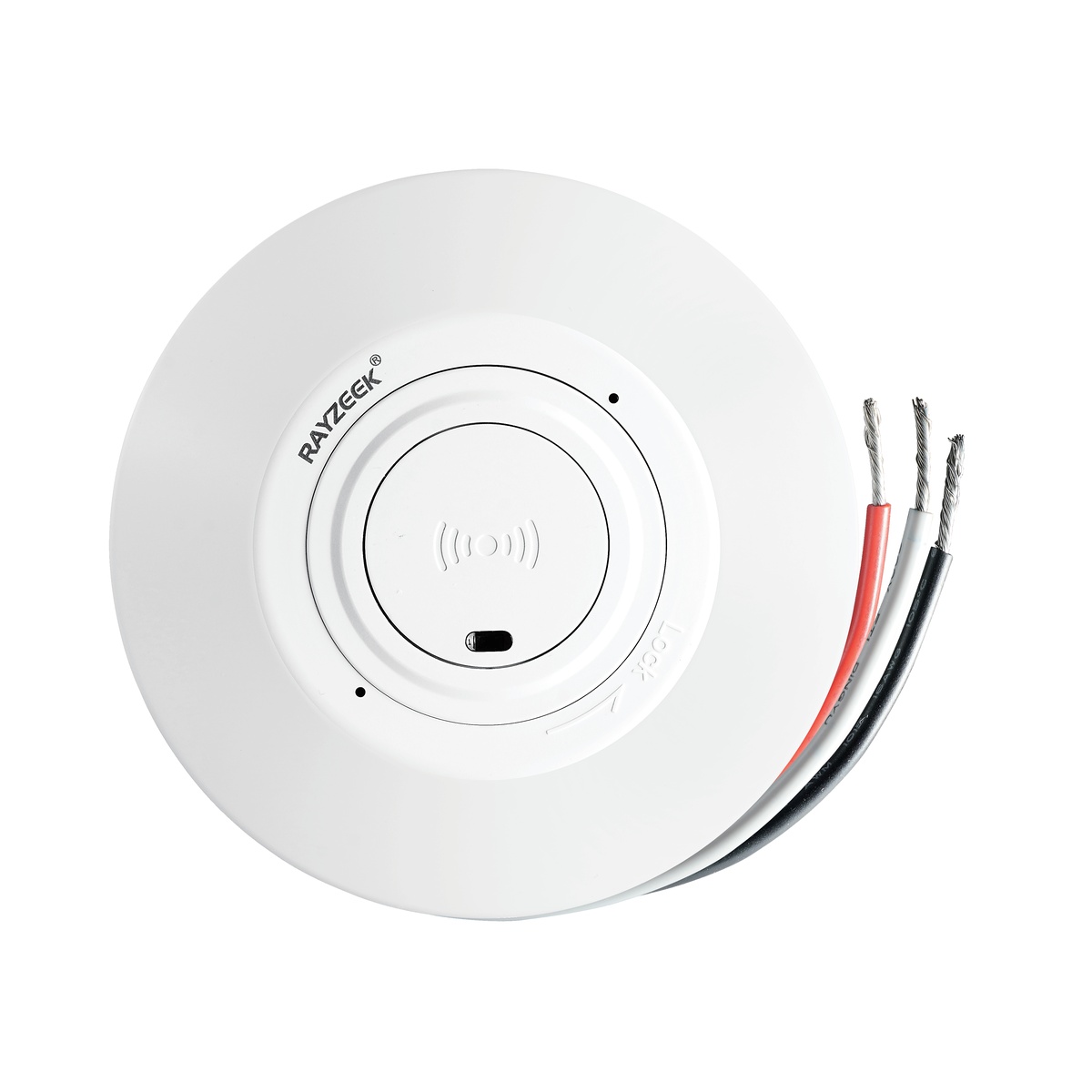
- 低電圧DC対応 天井取付けマイクロ波人感センサースイッチ
- 10~30 VDC範囲の12 VDC / 24 VDC入力
- 調整可能なタイムラグ、照度(Lux)閾値、感度を備えた最大動作電流10A仕様
- 高負荷対応 天井取付型マイクロ波人感センサースイッチ
- 100-265 VAC 商用電源入力、10Aモデル
- 調整可能なタイムラグ、照度(Lux)閾値、感度を備えた5.8 GHzマイクロ波検知
- 天井取り付け型マイクロ波人感センサースイッチ
- 100-265 VAC商用電圧入力、5Aモデル
- 調整可能なタイムラグ、照度(Lux)閾値、感度を備えた5.8 GHzマイクロ波検知
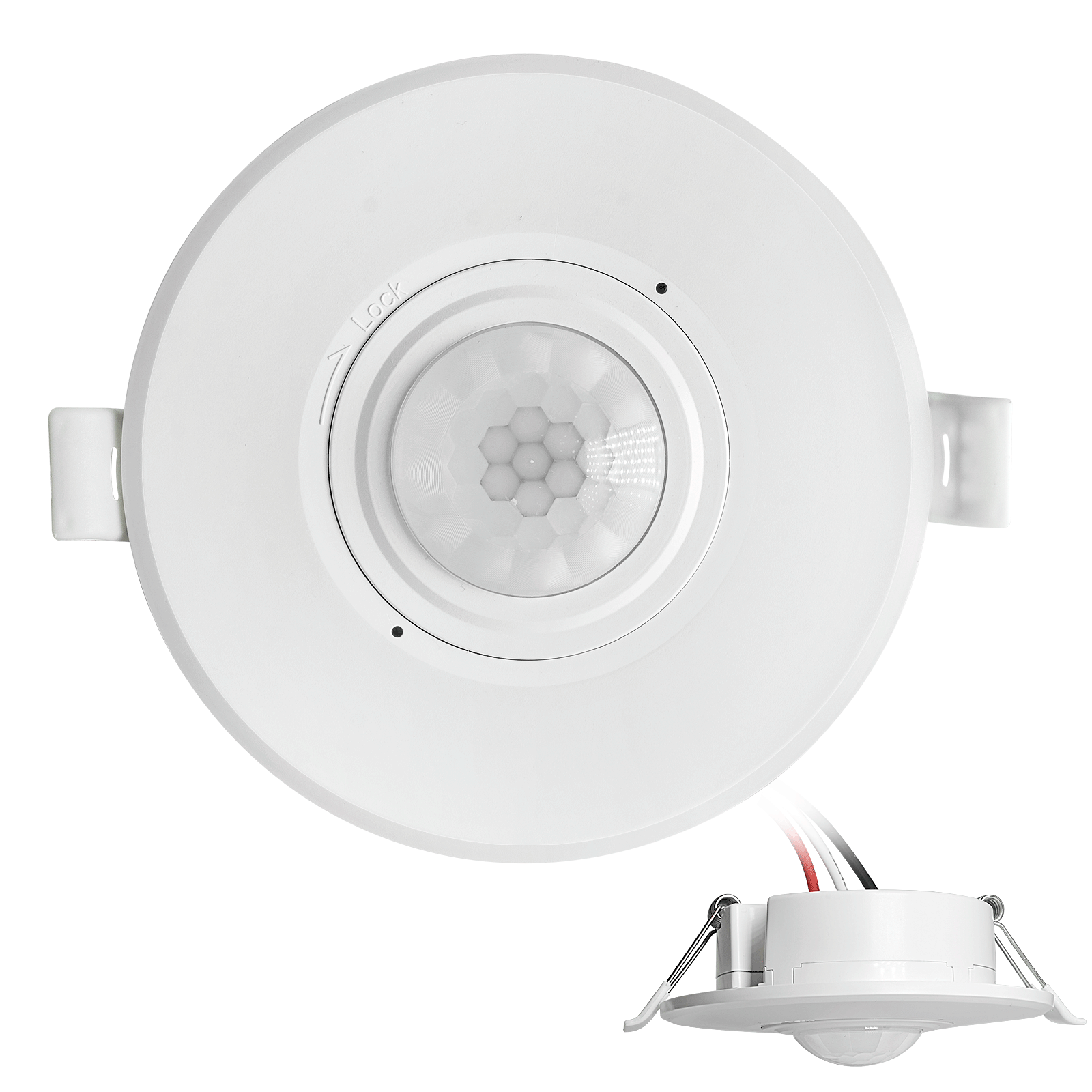
- 低電圧DC埋込型天井PIR人感センサースイッチ
- 10~30 VDC範囲の12 VDC / 24 VDC入力
- 最大動作電流10A(調整可能なタイムラグ、照度閾値、感度設定付き)
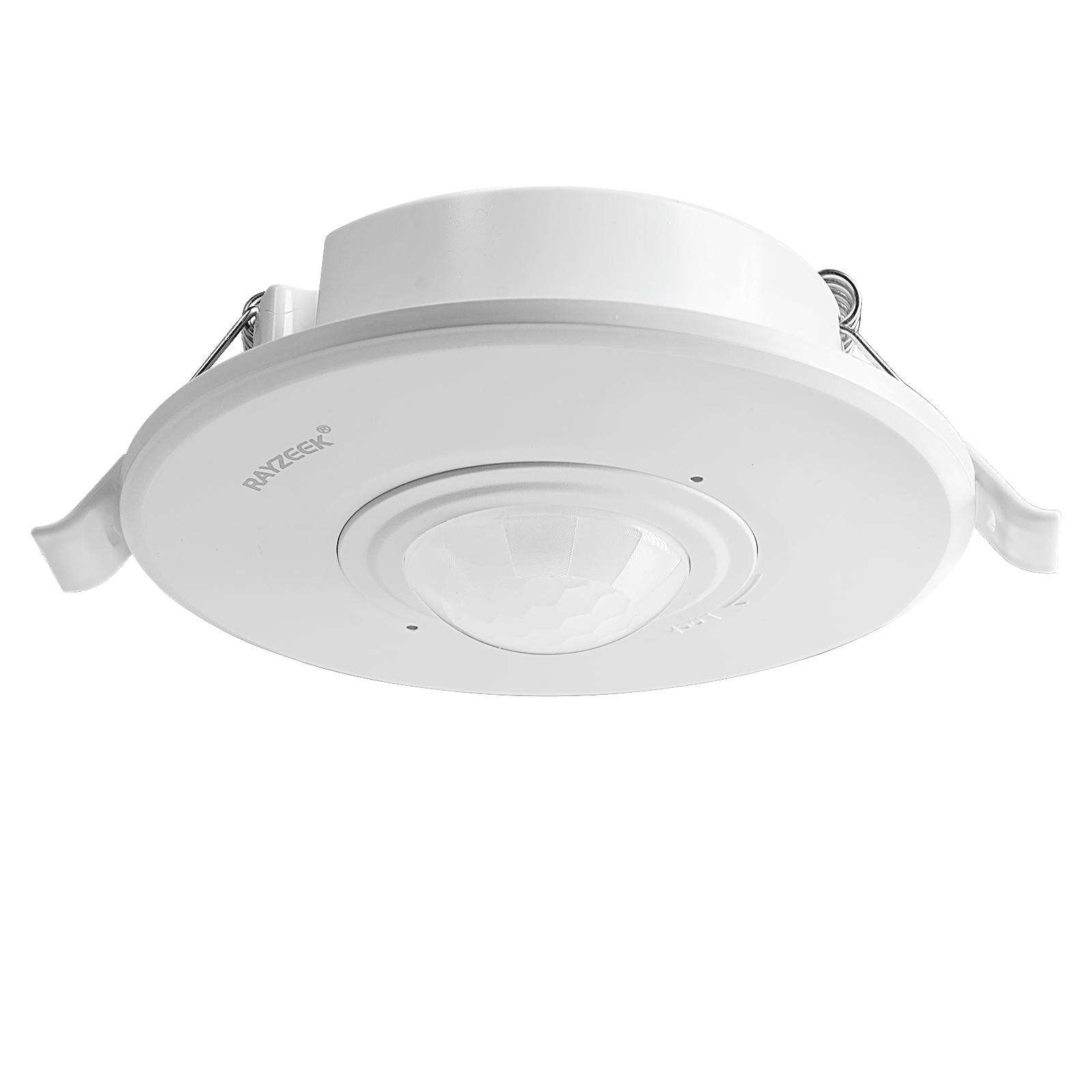
- 高負荷対応 埋込型天井PIR人感センサースイッチ
- 100-265 VAC 商用電源入力、10Aモデル
- 360度検知(調整可能なタイムラグ、照度閾値、感度設定付き)
- 埋込型天井PIR人感センサースイッチ
- 100-265 VAC商用電圧入力、5Aモデル
- 360度検知(調整可能なタイムラグ、照度閾値、感度設定付き)
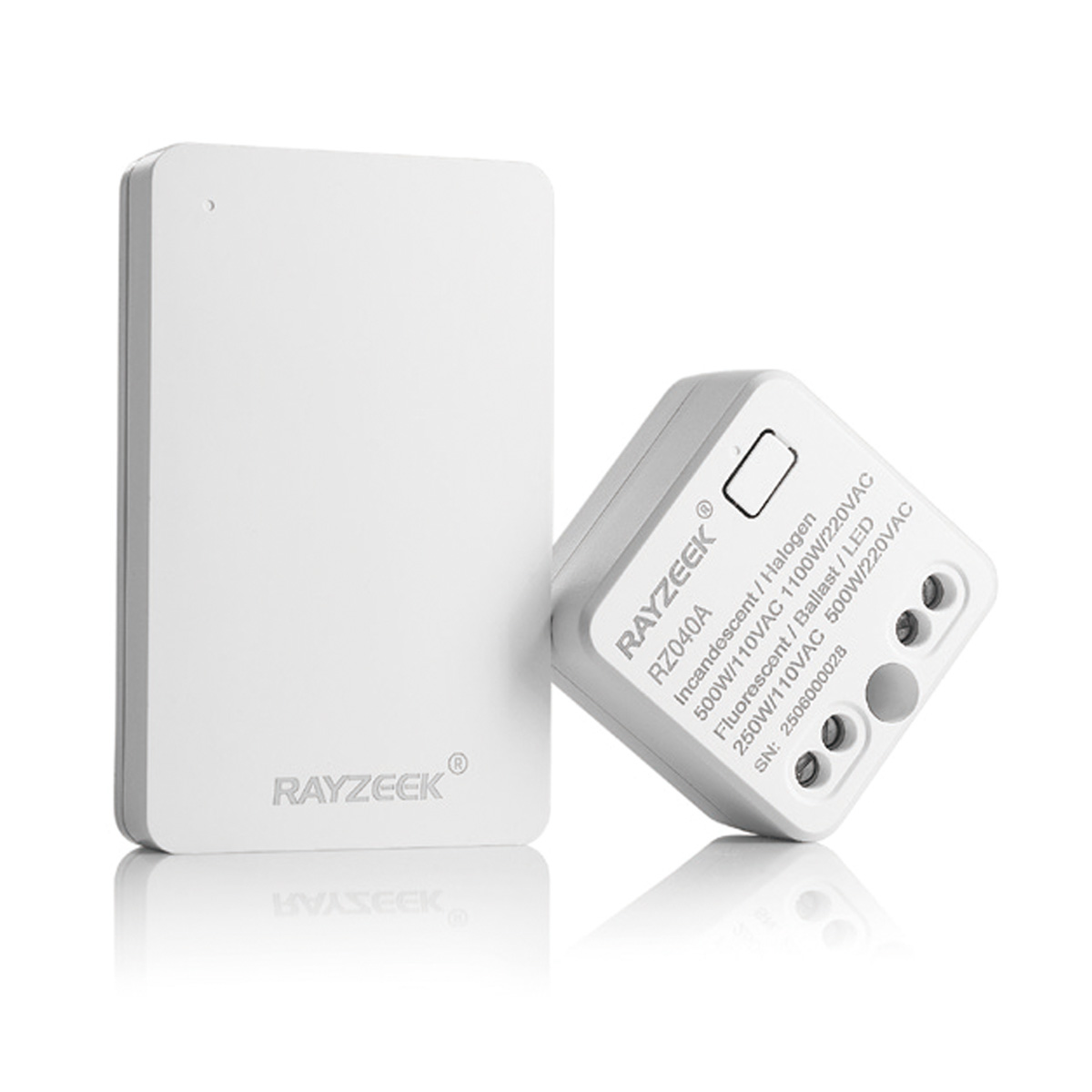
- 屋内用照明ON/OFF制御ワイヤレススイッチ&受信機キット
- 100-230VAC、50/60Hz、定格電流5A受信機
- 2.4GHz通信対応 CR2032電池駆動ワイヤレススイッチ
- Occupancy(自動点灯/自動消灯)
- 12–24V DC (10–30VDC)、最大10A
- 360°検知エリア、直径8–12m
- タイムラグ 15秒–30分
- 照度センサー オフ/15/25/35 Lux
- 高/低感度
- 自動点灯/自動消灯人感モード
- 100–265V AC, 10A(中性線必須)
- 360°検知範囲、検知直径8–12 m
- タイムデレイ15秒–30分、Lux OFF/15/25/35、感度 高/低
- 自動点灯/自動消灯人感モード
- 100–265V AC, 5A(中性線必須)
- 360°検知範囲、検知直径8–12 m
- タイムデレイ15秒–30分、Lux OFF/15/25/35、感度 高/低
よくある質問
Is LED Lamp a Discharge Lamp
LED lamps are a great alternative to traditional gas-discharge and HID lamps. Gas-discharge lamps have traditionally been used in industrial and retail settings, but they have been gradually phased out since 2015 due to their inefficiency and the harmful substances they contain.
What Are the Benefits of Discharge Lamps
Loss of electricity in the form of heat is minimized, resulting in greater energy efficiency. Additionally, discharge lamps have a longer lifespan compared to other types of lamps. They also do not produce shadows, providing more uniform and even lighting. Furthermore, discharge lamps offer a higher light output, ensuring brighter illumination. Lastly, they consume less electricity, leading to reduced energy consumption.
Where Are Discharge Lamps Used
These bulbs are versatile and can be utilized in various settings such as smaller outdoor areas, warehouses, and roadways to provide durable and intense illumination. Additionally, low-intensity discharge lamps can assist in indoor gardening, underwater diving, and as bicycle headlamps, each application requiring different levels of intensity.
What Are the Advantages of Using a Discharge Lamp Instead of an Incandescent Lamp
They have a lower heat output compared to incandescent bulbs, emitting about 75% less heat. This is because discharge lamps do not rely on resistance to produce light. As a result, they contribute to energy savings and help maintain a cooler temperature in the room they are used in.
Are LED Lights Electric Discharge
With LED lights, there are smaller and less noticeable discharges that occur, typically around 30 volts. These electrostatic discharges are not harmful to humans and are often not even noticeable when touching LED strips.
Do Discharge Lamps Use Mercury
A discharge lamp, specifically a mercury-vapor lamp, utilizes an electric arc passing through vaporized mercury to generate light. This arc discharge is typically contained within a compact fused quartz arc tube, which is then enclosed within a larger glass bulb made of soda lime or borosilicate glass.
高輝度放電ランプのデメリットとは
デメリット:色の質の劣り – HPS電球などの高輝度放電ランプはオレンジ色の光を放つため、人間の目では視認しにくい場合があります。その結果、HPSランプで照らされた場所はくすんで暗く見えがちになります。光束維持率の低下 – 時間の経過とともに、HPS電球は完全に不点灯となる前に光出力の大幅な低下を引き起こします。