夏の盛りに電気代の請求書が届き、暗い気持ちになった経験はありませんか。そのように感じられるのは決してあなただけではありません。エアコンは、家庭内で最も多くの電力を消費する家電製品の1つです。小型の窓用エアコン、ポータブルエアコン、家全体の全館空調システムなど、タイプに応じて、エアコンは数百ワットから数千ワットという広範囲の電力を消費します。
なぜエアコンの消費電力(ワット数)を把握する必要があるのでしょうか。消費電力を理解することは、エネルギー使用量を管理し、家計の支出を抑えるための重要な鍵となるからです。単に数値を確認するだけでなく、その数値が何を意味し、どのような要因によって変化するのかを知る必要があります。例えば、消費電力を把握しておけば、エアコンを1日中運転すべきか、あるいは最も暑いピーク時間帯のみ運転すべきかを適切に判断できます。
本記事では、エアコンの消費電力について詳細に解説します。エアコンのタイプ、内部構造、さらには使用習慣が消費電力にどのように影響するかを説明します。また、省エネ性能の指標やインバーター技術といった優れた技術が、このエネルギー消費にどのように関わっているかについても取り上げます。本記事を通じて得られた知識を活用することで、エアコンの適切な使用方法を選択し、電気代の削減を実現できます。ご家庭のエネルギー効率を見直し、高額な電気代の原因を解明するためのガイドとしてご活用ください。
消費電力(ワット数)とは?
エアコンのエネルギー消費量を正しく把握するには、「消費電力(ワット数)」について理解する必要があります。ワット(W)とは電力の単位であり、エネルギーが使用または伝送される速度を表します。バケツに水を溜める際の水の勢い(吐出速度)に例えると分かりやすいでしょう。
ワットで表される「電力」は、蛇口から流れる水の勢いのようなものであり、現時点でどれだけの水が出ているかを示します。一方、「エネルギー(電力量)」は、容器に溜まった水の総量を意味し、時間の経過とともに蓄積された量を示します。つまり、電力はエネルギーを使用する速度であり、電力量は最終的に消費された総量となります。
消費電力が大きい家電製品(大量の電力を必要とするエアコンなど)は、より速い速度でエネルギーを消費します。そして、このエネルギー消費速度の速さは、時間の経過とともに総消費電力量を増加させるため、電気代の直接的な上昇につながります。水の勢い(ワット)が強いほど、バケツ(キロワット時:kWh)は早く満たされ、それに伴い費用も高くなると考えると理解しやすいでしょう。
そのため、家電製品、特に消費電力の大きいエアコンのワット数を把握することは非常に重要です。消費電力を知ることで、電力使用量を予測し、使用するタイミングや方法について適切な判断を下すことが可能になります。消費電力の把握は、各家電製品の「給水速度」を把握することと同等であり、家庭全体の電力使用量の最適化に役立ちます。
以下は、消費電力を扱う上で知っておくべき主要な単位と相互関係です。
- ワット時(Wh)およびキロワット時(kWh): これらはエネルギー(電力量)の単位であり、使用したエネルギーの総量を示します。電気代の請求書には、通常、消費電力量がkWh単位で記載されます。1 kWhは1000 Whに相当します。kWhは、1時間でバケツに溜まった水の総量として捉えることができます。
- ワット = ボルト × アンペア: この公式は、電気回路における電力(ワット)、電圧(ボルト)、電流(アンペア)の関係を示しています。電圧は配管内の水圧、アンペアは配管自体の太さ、ワットはそれによって生じる水の流量に例えられます。
エアコンが電気を消費する仕組み
エアコンは実際に「冷気を生成」しているわけではありません。室内から熱を取り除き、それを屋外へ排出する仕組みをとっています。これは、熱が温度の高い場所から低い場所へ自然に移動するという基本物理法則に基づいています。暑い日に窓を開けると、室内の熱が自然と涼しい屋外へ逃げていく現象と同様です。
この熱移動において中心的な役割を果たすのが「冷媒」と呼ばれる物質です。冷媒は、液体から気体、気体から液体へと状態変化する際に熱を吸収・放出します。蒸発するときに熱を吸収し、凝縮するときに熱を放出する特殊なスポンジのような役割を果たします。
では、電気はどのような役割を果たしているのでしょうか。電気は、冷媒の状態変化を起こさせ、空気を循環させるための各部品を駆動するために使用されます。その中で最も電力を消費するのがコンプレッサー(圧縮機)であり、冷媒を循環させるシステムの心臓部にあたります。コンプレッサーは、エアコンの動作音の主な発生源でもあります。また、使用される冷媒の種類は、熱移動の効率性、ひいてはエアコンの消費電力に大きな影響を与えます。各種冷媒の詳細については後述します。続いて、冷凍サイクルについて深く掘り下げ、その動作原理を確認します。
冷凍サイクルが消費電力に与える影響
冷凍サイクルは、エアコンが熱を移動させるための核心的なプロセスです。室内から熱を取り込み、屋外へ排出する作業を連続的なループとして行います。
This cycle involves four main players: the compressor, the condenser, the expansion valve, and the evaporator. Each one has a crucial job in changing the refrigerant’s state and moving heat. Think of them as the key members of a well-coordinated heat-removal team. It’s pretty amazing when you think about it – the seemingly simple act of cooling a room involves a complex dance of physics and engineering!
Now, some AC units can also work as heat pumps. They do this by reversing the refrigeration cycle to provide heat. It’s like running the whole process backward, pulling heat from the outside air – even on a cold day – and bringing it inside to warm your home.
Details of the Refrigeration Cycle and its impact on Wattage
First up, the refrigerant, which is in a gaseous state, gets squeezed by the compressor. This compression makes the refrigerant’s temperature and pressure go way up. Think of it like squeezing a sponge – the pressure and temperature both increase. This stage uses the most electricity in the whole cycle.
Next, the hot, high-pressure refrigerant heads over to the condenser coils, which are usually located in the outdoor unit. A fan blows air across these coils, and that’s how the heat that was absorbed from inside your home gets released into the outside air. This is where our “sponge” releases all the heat it soaked up. The fan also uses electricity, but not nearly as much as the compressor.
The refrigerant, now cooled down but still under high pressure, then flows through an expansion valve. This valve suddenly reduces the refrigerant’s pressure, causing it to cool down really fast. It’s like suddenly releasing the pressure on that squeezed sponge – it expands and cools right down.
Rayzeek人感センサーのポートフォリオを見る.
お探しの製品が見つかりませんか?ご安心ください。課題を解決する手段は常に複数存在します。当社の製品ポートフォリオのいずれかがお役に立つかもしれません。
Finally, the cold, low-pressure refrigerant makes its way to the evaporator coils, which are inside your indoor unit. A fan blows air across these coils, and the refrigerant absorbs heat from the air inside your room, cooling everything down. The “sponge” is now ready to soak up even more heat. This fan also uses electricity, but, like the condenser fan, it’s not a big energy hog compared to the compressor.
So, throughout this entire refrigeration cycle, the compressor is definitely the biggest consumer of electricity. The thermostat plays a key role here, too. It senses the temperature in the room and tells the AC when to turn on or off to keep things at the temperature you want. You can think of the thermostat as the conductor of an orchestra, telling the compressor when to work harder or when to take a break. And, of course, how efficient the compressor motor itself is has a big impact on the AC unit’s overall wattage.
To make things even more efficient, some ACs use what are called two-stage or variable-speed compressors. More advanced ACs use variable-speed compressors, which we’ll talk about in more detail later. These compressors can really boost energy efficiency. Think of them like having different gears on a bicycle, allowing you to operate more efficiently at different speeds.
Calculating AC Wattage
Alright, now that you’ve got a good grasp of what wattage is and how your AC works, let’s figure out how to calculate the wattage of your air conditioner. This will give you a good idea of how much energy it’s using and how it’s impacting your electricity bill.
Here are a couple of common formulas you can use to calculate your AC’s wattage:
- Watts = BTU / EER: This formula uses the AC’s cooling capacity, which is measured in BTUs, and its energy efficiency ratio, or EER. Remember, BTU tells you how much cooling power the AC has, and EER tells you how efficiently it uses energy.
- ワット = ボルト × アンペア: This formula uses the AC’s voltage, measured in volts, and its current, measured in amps. This is the basic electrical relationship we talked about earlier.
You can usually find the BTU, voltage, and amperage ratings on your AC unit’s nameplate – that’s the sticker or plate that’s attached to the unit. You can also find them in the owner’s manual. Think of it like checking the nutrition label on a food product, but instead of calories and fat, you’re looking at energy consumption.
Let’s run through a few examples to see how this works:
- Example 1: You have a 5,000 BTU window AC that runs on 115 volts and draws 4.5 amps. To find the wattage, you’d multiply volts by amps: Watts = 115 x 4.5 = 517.5 watts
- Example 2: You have a 10,000 BTU window AC with an EER of 10. To find the wattage, you’d divide BTU by EER: Watts = 10,000 / 10 = 1000 watts
- Example 3: You have a 36,000 BTU (that’s a 3-ton) central AC that runs on 240 volts and draws 15 amps. To find the wattage, you’d multiply volts by amps: Watts = 240 x 15 = 3600 watts
Want to estimate how much it costs to run your AC? Here’s how:
- Cost per hour: First, calculate the cost per hour by dividing the wattage by 1000 (that converts watts to kilowatts) and then multiplying by the cost per kWh (kilowatt-hour), which is the rate your electricity provider charges. So, the formula is: Cost per hour = (Watts / 1000) x Cost per kWh
- Cost per day: Next, calculate the cost per day by multiplying the cost per hour by the number of hours you run the AC each day: Cost per day = Cost per hour x Hours of operation per day
- Cost per month: Finally, calculate the cost per month by multiplying the cost per day by the number of days you run the AC each month: Cost per month = Cost per day x Days of operation per month
Let’s use Example 1 from above (that 517.5-watt window AC) to see how this works in practice. Let’s say your electricity rate is $0.15 per kWh and you run the AC for 8 hours a day:
- Cost per hour = (517.5 / 1000) x $0.15 = $0.0776 per hour
- Cost per day = $0.0776 x 8 = $0.62 per day
- Cost per month = $0.62 x 30 = $18.60 per month
So, in this example, running that window AC for 8 hours a day would cost you about $18.60 per month.
There are also plenty of online calculators that can help you estimate your AC’s wattage and energy costs. Just keep in mind that these calculations are estimates. Your actual energy consumption can vary depending on things like how well your room is insulated, the climate you live in, and your own personal AC usage habits. These calculations will give you a good ballpark figure, but, like they say, your actual mileage may vary!
Factors Affecting Wattage
While the AC unit’s specifications are important, several other factors, like room size, insulation, and climate, significantly influence its actual wattage and energy consumption. We often focus on the AC unit itself, but the environment it operates in plays an equally crucial role, making energy efficiency a holistic consideration.
The size of the room is a big one. Larger rooms need more cooling power, which we measure in BTUs. And more cooling power generally means higher wattage. A common rule of thumb is to aim for 20 BTU per square foot, but that can vary. For really accurate sizing, especially for central AC systems, it’s best to get a professional to take a look.
The quality of insulation in your home also has a big impact on your AC’s wattage. If you have poor insulation, heat can get in more easily, which forces your AC to work harder and use more energy. It’s like trying to cool a house with all the windows open – it’s a lot tougher!
The climate you live in is another key factor. If you live in a hot climate, you’ll need to run your AC more often and for longer periods, which means you’ll end up using more energy overall. It’s probably no surprise that ACs in Arizona tend to use a lot more energy than ACs in Alaska!
Direct sunlight streaming through your windows can also significantly increase the amount of heat that enters your home. This extra heat makes your AC work harder to keep the temperature where you want it, which, of course, increases its wattage. It’s like shining a spotlight on a thermometer – the temperature is going to go up!
Your own AC usage habits play a big role, too. Running your AC constantly at a super-low temperature is going to use a lot more energy than using a programmable thermostat to adjust the temperature based on when you’re home and what time of day it is. Setting that thermostat to 72°F all day, every day, is definitely going to show up on your bill!
Regular AC maintenance is also super important for keeping things running efficiently. Dirty air filters and condenser coils can restrict airflow, which makes it harder for your AC to cool properly and increases its wattage. A dirty filter is like trying to breathe through a clogged straw – it takes a lot more effort!
The type of refrigerant your AC uses and whether it has the right amount are also important. Different refrigerants have different efficiencies, and if the refrigerant charge is off (either too low or too high), it can really increase the wattage and reduce how well your AC cools. It’s like having the wrong amount of oil in your car engine – it’s just not going to run efficiently.
Finally, high humidity levels can trick your body into feeling warmer than it actually is. This increased perceived temperature forces your AC to work harder and use more energy to make you feel comfortable. It’s like the difference between a “dry heat” and a “humid heat” – the humidity just makes it feel so much hotter!
Here are some telltale signs that your AC might be having problems that are affecting its wattage:
- Your energy bills are consistently higher than those of similar homes or higher than your own bills from previous years, even when the weather is similar.
- Your AC seems to run constantly, but your home just isn’t getting as cool as it should be.
- The circuit breaker connected to your AC trips frequently.
- You hear unusual noises coming from your AC unit.
BTU and Wattage Explained
Okay, let’s talk about BTUs. BTU stands for British Thermal Unit. It’s a way to measure heat energy. Specifically, it’s the amount of heat it takes to raise the temperature of one pound of water by one degree Fahrenheit. When we’re talking about air conditioners, BTU tells us how much heat the unit can remove from a room in one hour.
In general, if an AC has a higher BTU rating, it’s going to have a higher wattage, too. That’s because it takes more power to remove more heat. More cooling power usually means more electrical power.
Now, it’s not a perfect one-to-one relationship. The efficiency of the AC, which we measure using its EER or SEER rating, also plays a big role. Efficiency tells us how effectively the AC uses electricity to get rid of heat.
Let’s look at an example. Imagine you have two air conditioners, both with a cooling capacity of 10,000 BTU. One has an EER of 10, which means it will use about 1000 watts (10,000 / 10). The other has an EER of 8, so it will use about 1250 watts (10,000 / 8). See? The more efficient unit, the one with the higher EER, uses less energy to provide the same amount of cooling.
Just to be crystal clear, BTU measures the AC’s cooling capacity – how well it can remove heat from a room. Watts, on the other hand, measure the electrical power that the AC is using. They’re related, but they’re not the same thing. BTU is all about cooling, and watts are all about the electricity it takes to get that cooling.
The temperature of the air around your AC, also known as the ambient temperature, can also affect how efficiently it runs. When the ambient temperature is higher, the AC’s efficiency can drop, which means it might use more watts to achieve the same BTU cooling capacity. Basically, the hotter it is outside, the harder your AC has to work.
One more thing to keep in mind: BTU ratings usually refer to “sensible” heat removal, which is the heat that causes the temperature to change. But there’s also “latent” heat removal, which is when the AC removes moisture from the air, reducing humidity. This also adds to the overall cooling load and affects the wattage. So, sensible heat changes the temperature, while latent heat changes the humidity.
SEER and EER Ratings Explained
Two ratings you’ll often see when you’re shopping for an air conditioner are EER (Energy Efficiency Ratio) and SEER (Seasonal Energy Efficiency Ratio). These ratings tell you how energy-efficient the AC unit is. They help you understand how much cooling you’re getting for the amount of energy the AC uses. Think of them like miles-per-gallon ratings for your car, but instead of measuring fuel efficiency, they’re measuring cooling efficiency.
EER, or Energy Efficiency Ratio, measures the cooling output of an AC, which is measured in BTUs, for every unit of electrical power it uses, which is measured in watts. This measurement is taken at a specific outdoor temperature and humidity level, usually when it’s 95°F outside.
SEER, or Seasonal Energy Efficiency Ratio, measures the average cooling output of an AC, again in BTUs, for every unit of electrical power it uses, in watts, but it does this over a range of temperatures and humidity levels. This is meant to represent a typical cooling season, so it gives you a more realistic idea of how energy-efficient the AC will be over time. SEER takes into account the fact that temperatures change throughout the summer.
For both EER and SEER, remember that higher numbers are better. A higher rating means the AC unit is more efficient, so it uses less energy to provide the same amount of cooling, which means lower electricity bills for you.
It’s true that AC units with higher SEER or EER ratings might cost more upfront, but they’ll usually save you money on your electricity bills in the long run. That’s because they use less energy to achieve the same level of cooling. So, it’s an investment that pays off over time.
こちらの商品もおすすめです

- 電圧: 単4形乾電池 2本
- 昼/夜モード
- タイマー設定時間: 15分、30分、1時間(デフォルト)、2時間
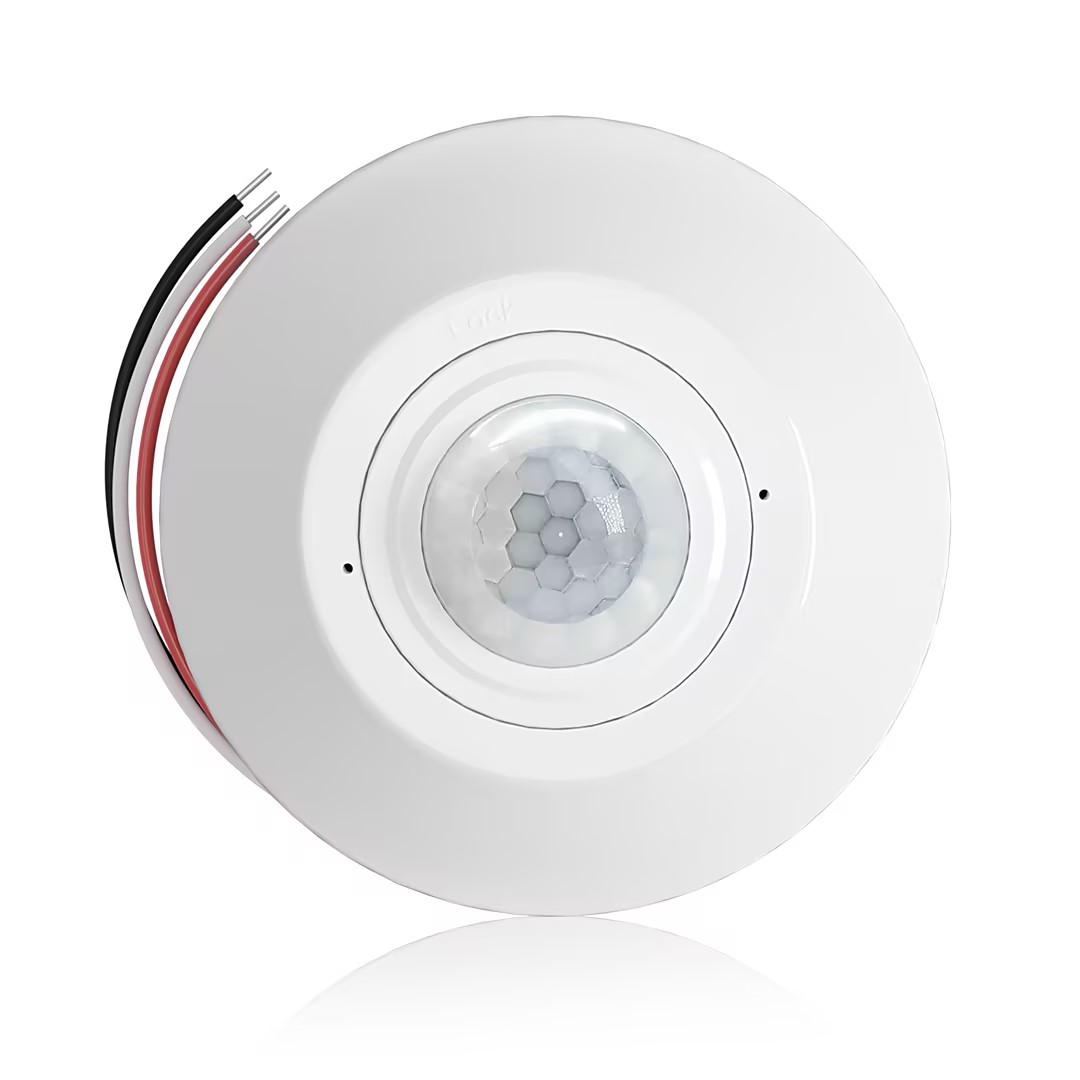
- 無電圧接点リレー出力付き天井取り付け型PIR人感センサー
- 12/24VDCまたは12/24VAC低電圧電源
- EMS、HVAC、および建物制御入力用COM、NO、NC絶縁リレー接点
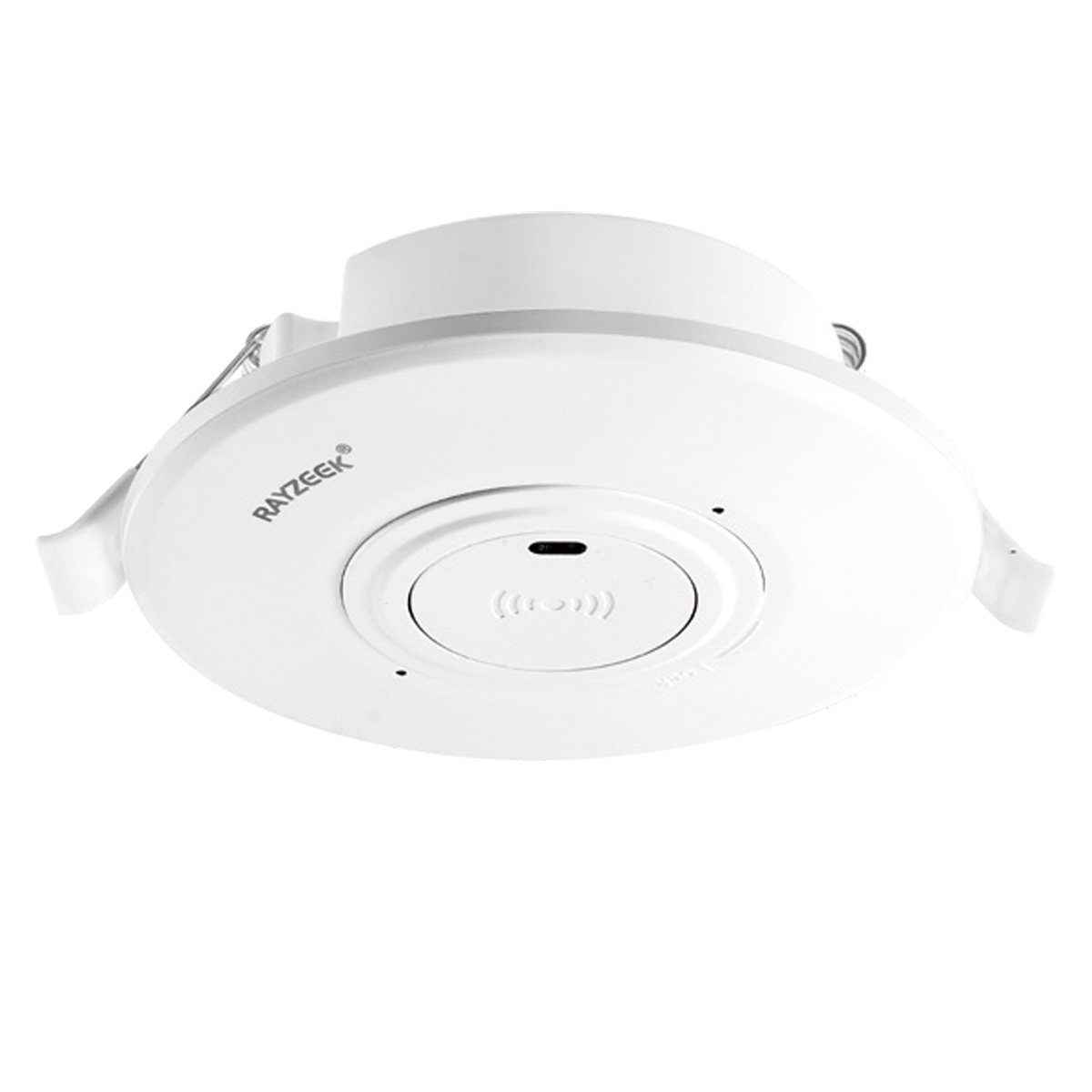
- 低電圧DC天井埋め込み型マイクロ波人感センサースイッチ
- 10~30 VDC範囲の12 VDC / 24 VDC入力
- 調整可能なタイムラグ、照度(Lux)閾値、感度を備えた最大動作電流10A仕様
- 高負荷対応型 埋込型天井取付けマイクロ波人感センサースイッチ
- 100-265 VAC 商用電源入力、10Aモデル
- 調整可能なタイムラグ、照度(Lux)閾値、感度を備えた5.8 GHzマイクロ波検知
- 埋込型天井取付けマイクロ波人感センサースイッチ
- 100-265 VAC商用電圧入力、5Aモデル
- 調整可能なタイムラグ、照度(Lux)閾値、感度を備えた5.8 GHzマイクロ波検知
- 220V電源対応 天井取付けRZ037 PIR(赤外線)人感センサー調光器
- 定格負荷660W、最大動作電流3A
- LUXボタンによる照度センサーのON/OFFおよびユーザー設定の調光明るさ制御
- 110V電源対応 天井取付けRZ037 PIR(赤外線)人感センサー調光器
- 定格負荷330W、最大動作電流3A
- LUXボタンによる照度センサーのON/OFFおよびユーザー設定の調光明るさ制御
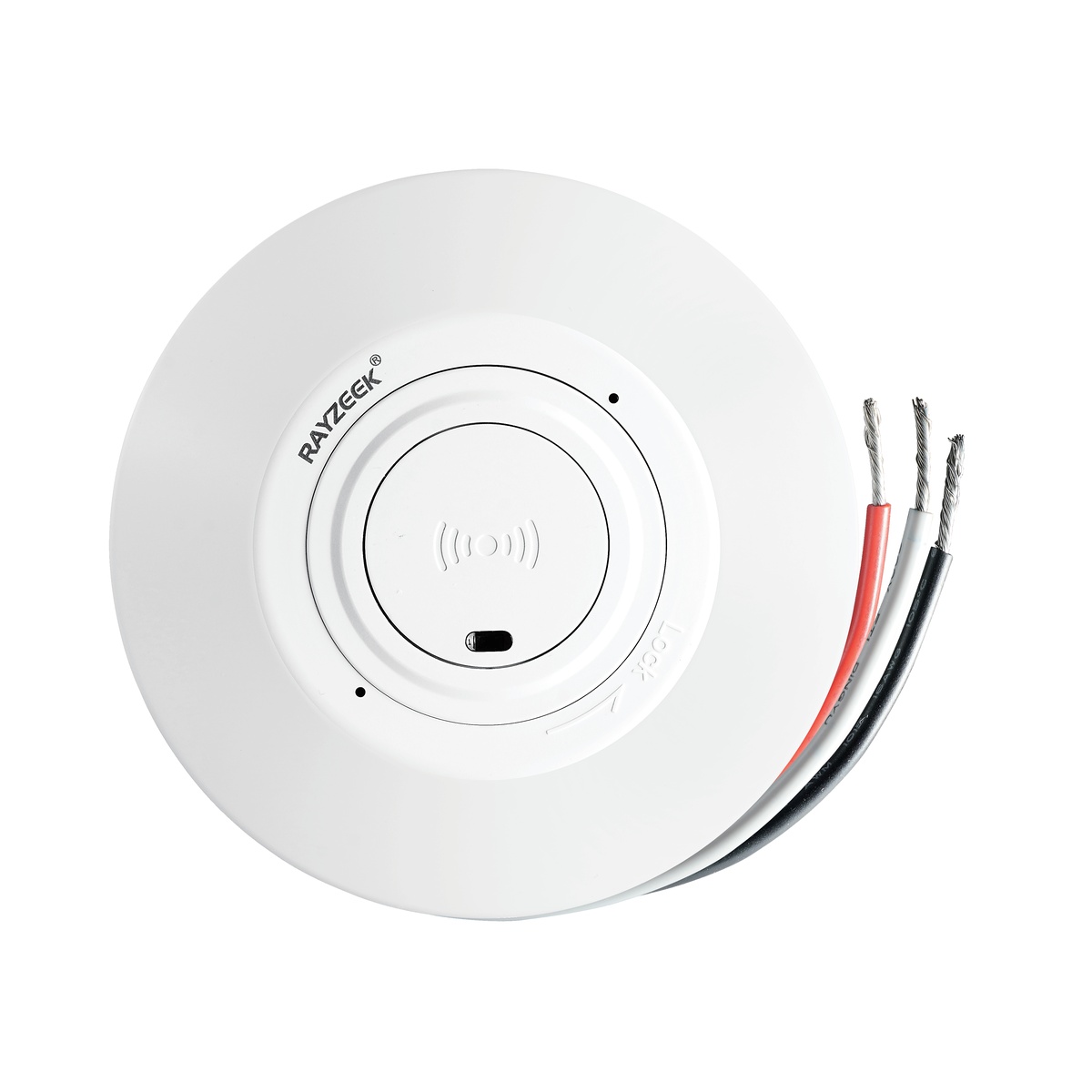
- 低電圧DC対応 天井取付けマイクロ波人感センサースイッチ
- 10~30 VDC範囲の12 VDC / 24 VDC入力
- 調整可能なタイムラグ、照度(Lux)閾値、感度を備えた最大動作電流10A仕様
- 高負荷対応 天井取付型マイクロ波人感センサースイッチ
- 100-265 VAC 商用電源入力、10Aモデル
- 調整可能なタイムラグ、照度(Lux)閾値、感度を備えた5.8 GHzマイクロ波検知
- 天井取り付け型マイクロ波人感センサースイッチ
- 100-265 VAC商用電圧入力、5Aモデル
- 調整可能なタイムラグ、照度(Lux)閾値、感度を備えた5.8 GHzマイクロ波検知
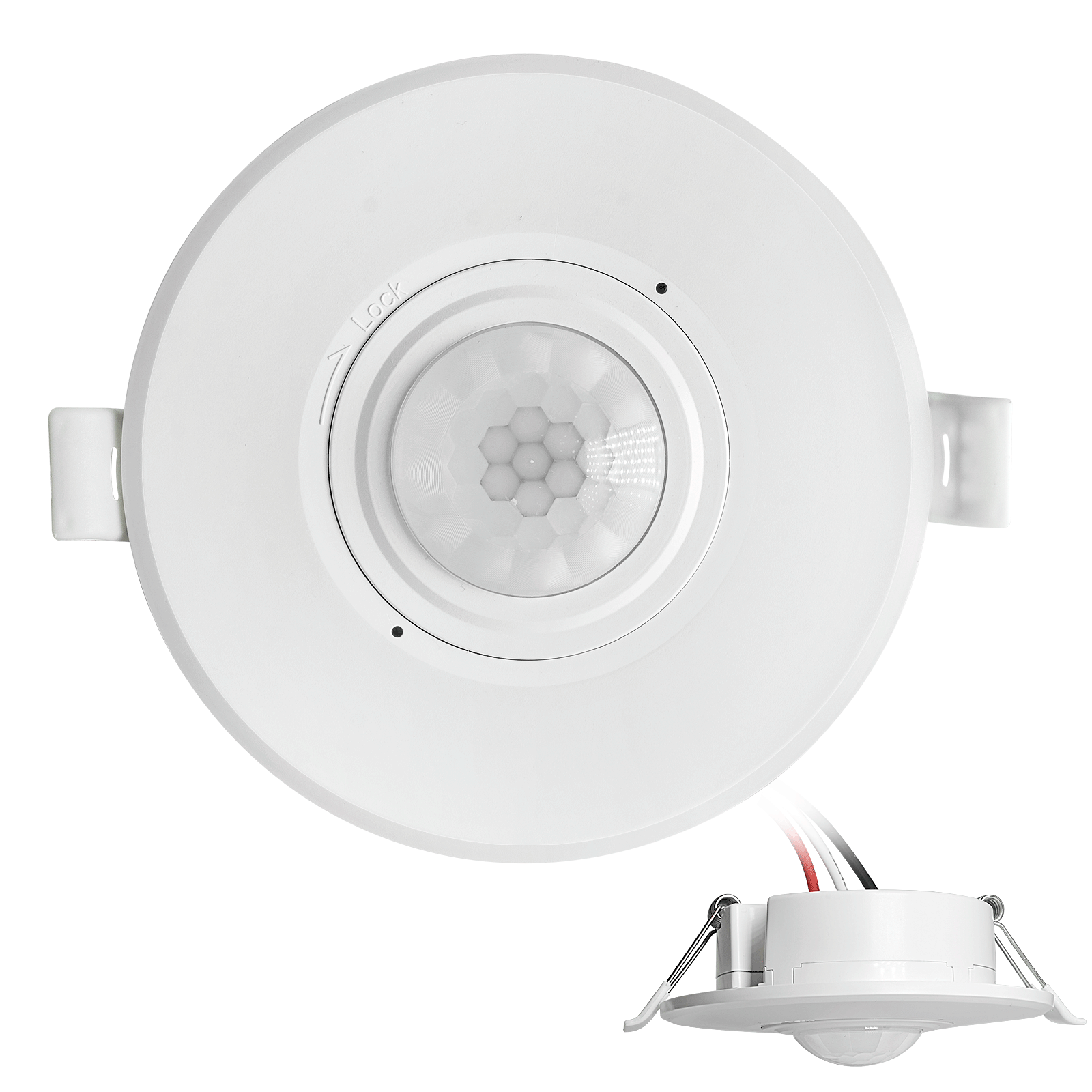
- 低電圧DC埋込型天井PIR人感センサースイッチ
- 10~30 VDC範囲の12 VDC / 24 VDC入力
- 最大動作電流10A(調整可能なタイムラグ、照度閾値、感度設定付き)
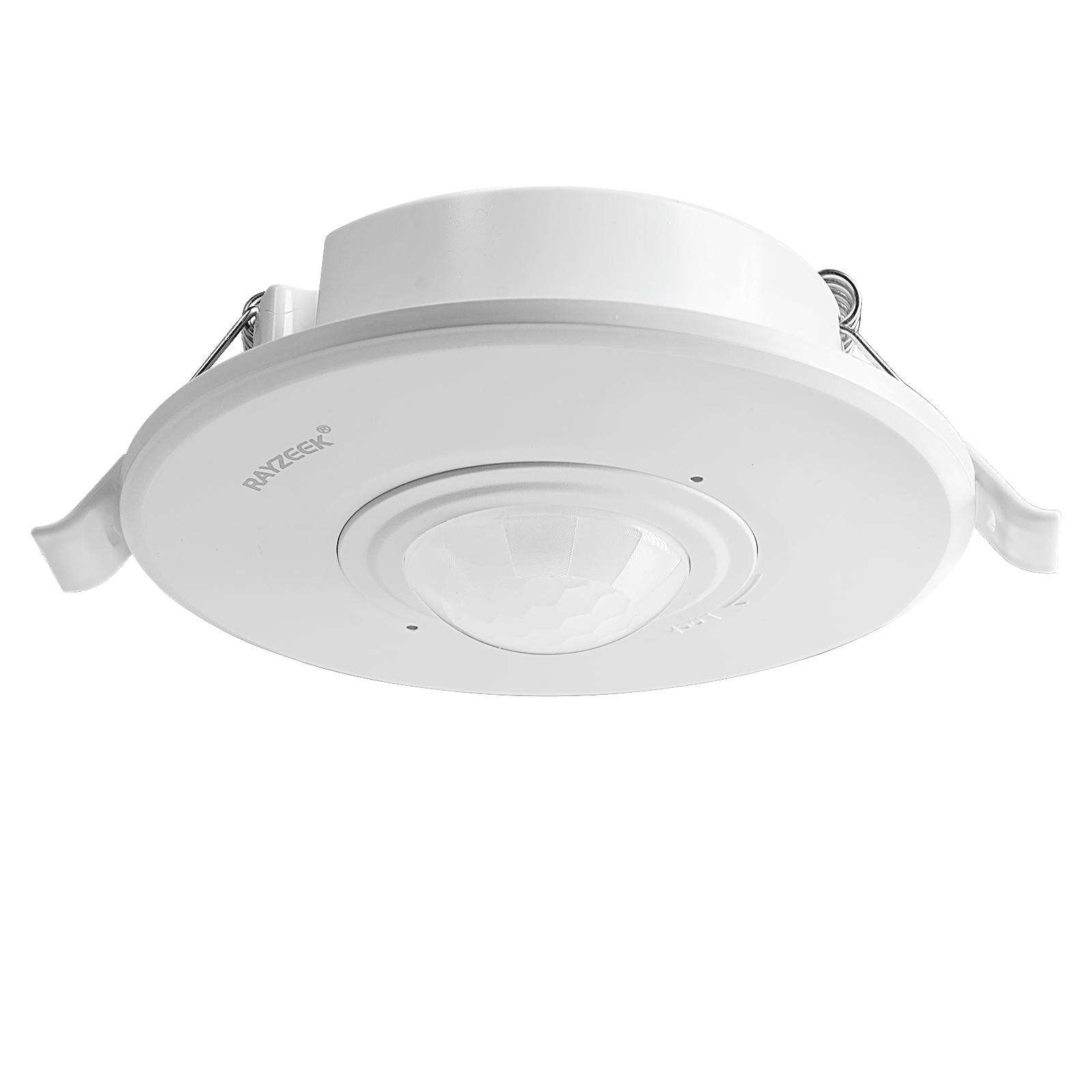
- 高負荷対応 埋込型天井PIR人感センサースイッチ
- 100-265 VAC 商用電源入力、10Aモデル
- 360度検知(調整可能なタイムラグ、照度閾値、感度設定付き)
- 埋込型天井PIR人感センサースイッチ
- 100-265 VAC商用電圧入力、5Aモデル
- 360度検知(調整可能なタイムラグ、照度閾値、感度設定付き)
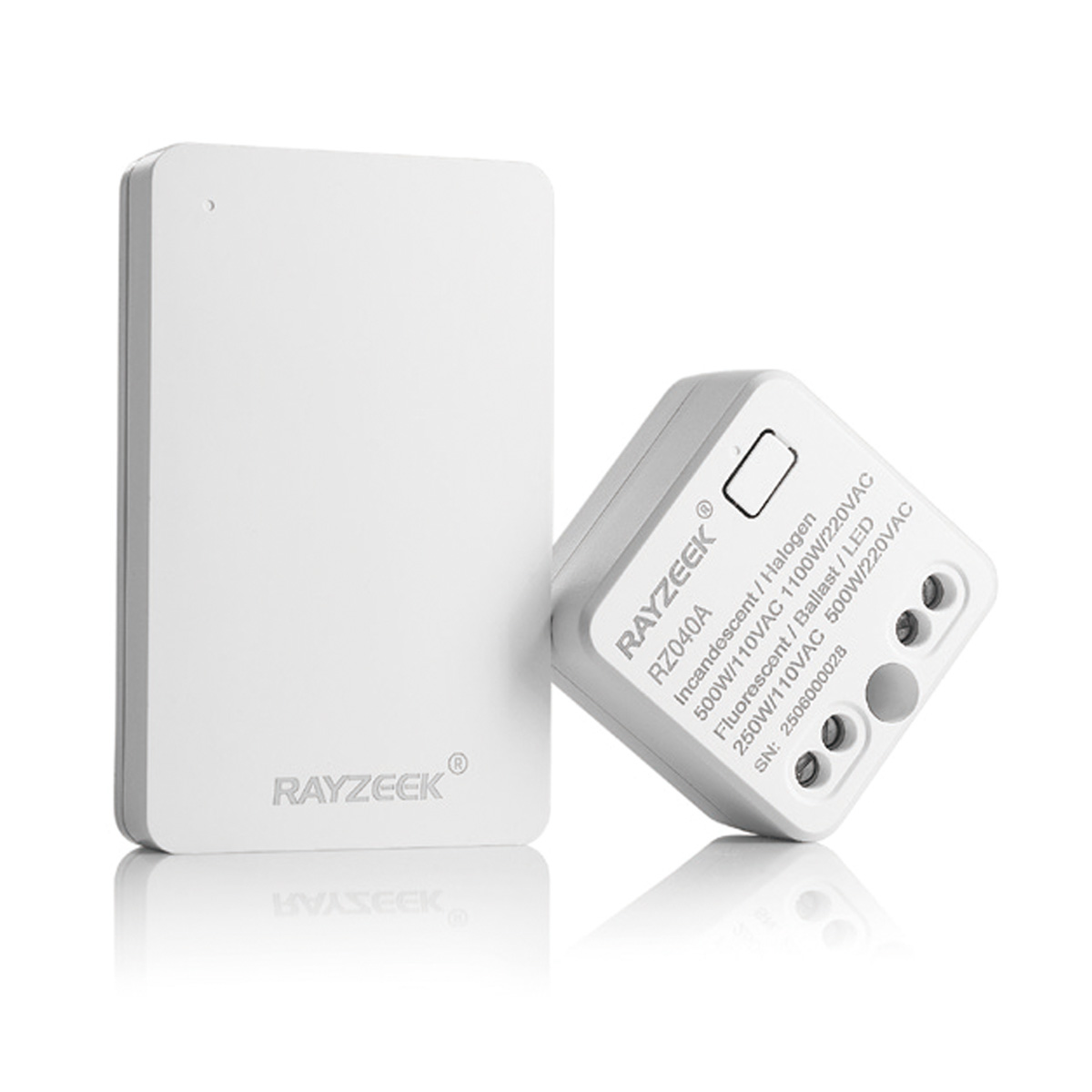
- 屋内用照明ON/OFF制御ワイヤレススイッチ&受信機キット
- 100-230VAC、50/60Hz、定格電流5A受信機
- 2.4GHz通信対応 CR2032電池駆動ワイヤレススイッチ
- Occupancy(自動点灯/自動消灯)
- 12–24V DC (10–30VDC)、最大10A
- 360°検知エリア、直径8–12m
- タイムラグ 15秒–30分
- 照度センサー オフ/15/25/35 Lux
- 高/低感度
- 自動点灯/自動消灯人感モード
- 100–265V AC, 10A(中性線必須)
- 360°検知範囲、検知直径8–12 m
- タイムデレイ15秒–30分、Lux OFF/15/25/35、感度 高/低
- 自動点灯/自動消灯人感モード
- 100–265V AC, 5A(中性線必須)
- 360°検知範囲、検知直径8–12 m
- タイムデレイ15秒–30分、Lux OFF/15/25/35、感度 高/低
Newer AC models generally have much higher SEER and EER ratings than older units. This is thanks to advances in technology and stricter rules about energy efficiency.
So, what’s considered a “good” rating? Generally, an EER rating above 10 and a SEER rating above 14 are considered good. But remember, higher is always better for both ratings!
To make sure you’re comparing apples to apples, standardized testing procedures, like AHRI 210/240, are used to determine SEER and EER ratings. Also, keep in mind that the SEER rating you should aim for can vary depending on where you live. If you live in a hotter climate, you’ll generally benefit from a higher SEER unit because you’ll be using it for a longer and more intense cooling season.
Wattage by AC Type
The wattage of an air conditioner can vary quite a bit depending on the type of AC you’re talking about. This is because different types of ACs have different cooling capacities, designs, and efficiencies.
Window air conditioners, which are designed to cool single rooms, typically use anywhere from 500 to 1500 watts. That’s a pretty wide range, and it’s due to differences in their BTU rating (or cooling capacity), their efficiency (EER or SEER), and the features they offer.
Portable air conditioners, which are also designed to cool single rooms, typically use between 700 and 1500 watts. Just like window units, the wattage can vary depending on the BTU rating, efficiency, and features. However, portable units are often a bit less efficient than window units that have a similar BTU rating.
Central air conditioning systems, which are designed to cool entire homes, typically use between 3000 and 5000 watts. The wattage can vary quite a bit depending on the size of the unit, which is measured in tonnage, its efficiency, measured by its SEER rating, and whether it has features like two-stage or variable-speed compressors.
Let’s talk about how these ACs are designed differently. Window ACs are self-contained units that you install in a window. Portable ACs are also self-contained, but they’re movable, and they use a hose to vent the hot air outside. Central ACs have a split system, with an outdoor condenser and an indoor air handler.
Window and portable ACs are rated in BTUs, which we talked about earlier. Central ACs, on the other hand, are rated in tons. Just remember that 1 ton is equal to 12,000 BTU.
Ductless mini-split ACs typically use between 600 and 3000 watts, depending on how many zones they’re cooling and their BTU rating. They’re often more efficient than window or portable units, and they can be a good alternative to central AC in some situations. And remember how we talked about inverter technology earlier? It can really help to reduce the wattage in all types of ACs, including mini-splits.
Here’s a table that summarizes the key differences between the different types of ACs we’ve been talking about:
| AC Type | Wattage Range | Efficiency (SEER/EER) | Cost (Initial & Operating) | Pros | Cons | Ideal Use Case |
|---|---|---|---|---|---|---|
| Window AC | 500-1500 W | Lower to Moderate | Lower Initial, Moderate Operating | Affordable, Easy Installation, Suitable for Single Rooms | Noisy, Blocks Window View, Less Efficient than Central or Mini-Split | Single Rooms, Apartments, Small Spaces |
| Portable AC | 700-1500 W | Lower | Moderate Initial, Higher Operating | Movable, No Permanent Installation | Less Efficient, Noisy, Requires Venting, Can Be Bulky | Rooms Where Window ACs Aren’t Feasible, Temporary Cooling |
| Central AC | 3000-5000+ W | Moderate to High | Higher Initial, Moderate to Lower Operating | Cools Entire Home, More Efficient (High SEER), Quieter Operation | Expensive Installation, Requires Ductwork | Whole-House Cooling |
| Ductless Mini-Split | 600-3000 W | High | Moderate to High Initial, Lower Operating | Energy Efficient, Zoned Cooling, No Ductwork Required, Quiet Operation | More Expensive than Window/Portable, Requires Professional Installation | Zoned Cooling, Additions, Homes Without Ductwork |
Window AC Wattage
Okay, let’s get more specific. Small window AC units, which are usually around 5,000 to 6,000 BTU, typically use between 500 and 600 watts. Medium-sized units, around 8,000 to 10,000 BTU, use between 700 and 1000 watts. And large units, which are 12,000 BTU or more, use between 1000 and 1500 watts.
Remember that EER, or Energy Efficiency Ratio, we talked about? A higher EER means lower wattage for the same amount of cooling. For example, a 10,000 BTU window AC with an EER of 10 will use about 1000 watts, while a 10,000 BTU unit with an EER of 12 will use only about 833 watts. This really shows you how important it is to choose an energy-efficient model!
To get an idea of how this will impact your electricity bill, take a look back at the cost calculation section we covered earlier. Also, keep in mind that the typical window AC unit lasts for about 8 to 10 years. Choosing a more efficient unit with a higher EER can really cut down on your energy costs over its lifespan. And don’t forget about features like energy-saver mode, which cycles the fan on and off with the compressor to help reduce how much energy you use overall.
Portable AC Wattage
Portable air conditioners generally have a wattage range that’s similar to window ACs, from about 700 to 1500 watts, although some of the larger units can use even more. Common BTU ratings for portable ACs are between 8,000 and 14,000 BTU, but you can find them in various sizes.
One thing to keep in mind is that portable ACs are usually less efficient than window units with the same BTU rating, especially if they’re single-hose models. Single-hose units pull in already-cooled air from the room to cool the condenser, which creates negative pressure and sucks in warm air from outside. Dual-hose units are more efficient because they use one hose to pull in outside air and another hose to exhaust the hot air.
The reason single-hose units are less efficient is that they’re using already-cooled air to cool the condenser. To improve efficiency, try to use a shorter, straighter exhaust hose and make sure the window kit is properly sealed. Also, because of the way they’re tested, the actual cooling capacity of a portable AC might be lower than what the BTU rating says, especially for those single-hose models.
Central AC Wattage
Central air conditioning systems usually have a pretty wide wattage range, from about 3000 to 5000 watts, and the larger systems can use even more than that. Residential systems are usually rated in tons, and they range from about 1.5 to 5 tons, which is the same as 18,000 to 60,000 BTU. Just remember that one ton of cooling capacity is equal to 12,000 BTU.
As we’ve discussed, a higher SEER, or Seasonal Energy Efficiency Ratio, means lower wattage for the same amount of cooling, which means you’ll use less energy. Also, keep in mind that two-stage and variable-speed systems are much more energy-efficient than single-stage systems. They can adjust the compressor and fan speeds to match how much cooling you actually need. These systems are much better at adapting to changing cooling needs.
How much tonnage do you need for your home? That depends on a few things, like the size of your home, how well it’s insulated, and the climate you live in. A rough estimate is about 1 ton for every 400 to 600 square feet, but it’s best to have a professional do a load calculation, often called a Manual J calculation, to figure out the right size for your home. Also, make sure your ductwork is properly designed and sealed, and consider using efficient blower motors, like ECM models, to improve efficiency.
Inverter Technology and Power Factor
Now, let’s dive into a couple of more advanced topics related to how much energy your AC uses: inverter technology and power factor. Understanding these concepts will give you a deeper understanding of how ACs use electricity and how we can make them more efficient.
Let’s start with inverter technology.
How Inverter Technology Reduces Wattage
Traditional air conditioners use what’s called a fixed-speed compressor. This compressor always runs at full blast whenever it’s on, and it cycles on and off to keep the temperature where you want it. The problem is that all that starting and stopping uses a lot of energy and can cause the temperature to fluctuate. It’s like driving a car in stop-and-go traffic – it’s inefficient and jerky.
Inverter air conditioners, on the other hand, use a variable-speed compressor. This means the compressor can change its speed depending on how much cooling is needed. It can run at lower speeds for longer periods to keep the temperature consistent.
Think of it like driving a car. It’s much more fuel-efficient to maintain a constant speed on the highway, which is like an inverter AC, than it is to drive in stop-and-go city traffic, which is like a traditional AC.
Inverter technology has some pretty significant advantages:
- It uses less energy, which means a significant reduction in wattage, because of the variable-speed operation.
- It gives you more consistent temperature control, so you won’t have as many temperature swings.
- It operates more quietly because the compressor often runs at lower speeds.
- It can extend the lifespan of your AC unit because there’s less wear and tear on the parts.
Now, inverter ACs usually cost more upfront than traditional ACs. But the energy savings you get can often lead to lower electricity bills over time, which can make up for the initial price difference. It’s a long-term investment in energy efficiency.
It’s true that there are some energy losses when the AC power is converted to DC and then back to AC for the variable-speed motor. But the energy savings you get from the variable-speed operation are much greater than those losses. And some advanced inverters even use sensorless control algorithms to make things even more efficient.
Inverter ACs often come with some cool smart features, like Wi-Fi connectivity, which lets you control them remotely with your smartphone and integrate them with your smart home system.
There are also different kinds of inverter technologies out there, which use different control algorithms to make them run as efficiently and effectively as possible.
Understanding Power Factor
Okay, now let’s talk about power factor. In AC, or alternating current, circuits, the relationship between voltage and current isn’t always as simple as it seems. Inductive loads, like the motors you find in air conditioners, can cause a difference in timing between the voltage and current. This is where things get a little more technical, so bear with me!
Real power, which we measure in watts, is the power that’s actually doing something useful, like running the compressor and fans to cool your home. This is the “wattage” we’ve been talking about throughout this article.
Apparent power, which is measured in volt-amps, or VA, is the total power that’s being drawn from the electrical grid. It includes both the real power we just talked about and something called reactive power.
Reactive power is the power that’s stored and released by inductive components, like the motor windings in your AC. It doesn’t actually do any work, but it’s necessary for inductive devices to operate. Think of it like the energy it takes to create the magnetic field in the motor.
Power factor, or PF, is the ratio of real power, measured in watts, to apparent power, measured in VA. So, the formula is: PF = Real Power / Apparent Power. It tells you how effectively electrical power is being used.
Ideally, the power factor would be 1, or 100%. That would mean that all the power being drawn from the grid is being used to do useful work.
人感センサーを活用した省エネソリューションをお探しですか?
PIR人感センサー、人感センサー搭載省エネ製品、人感センサースイッチ、商業施設向けOccupancy/Vacancy(在室/不在)ソリューションについては、お気軽にお問い合わせください。
If the power factor is low, meaning it’s less than 1, that means some of the power being drawn from the grid is being “wasted” as reactive power.
AC motors, because of their inductive nature, naturally have a power factor that’s less than 1.
It’s important to know that a low power factor is normal for AC motors and doesn’t necessarily mean there’s something wrong with your AC unit.
Some utility companies might charge extra if your power factor is too low, but this is usually something that affects large industrial or commercial customers, not homeowners.
AC motors usually have what’s called a lagging power factor, which means the current is a little behind the voltage.
You can use power factor correction capacitors to improve the power factor, but this is usually something that’s done in large industrial settings with lots of motors, not in individual homes with just one AC unit.
Starting vs. Running Watts
Air conditioners actually have two different wattage ratings: starting watts, which are also called surge watts, and running watts, which are also called rated watts. Starting watts are the much higher wattage you need for a short time to get the compressor motor going, while running watts are the lower wattage you need to keep it running continuously.
That surge of starting wattage only lasts for a few seconds. But if you’re using a generator to power your AC, it’s really important to make sure the generator can handle the starting wattage, not just the running wattage. For example, a window AC might have a running wattage of 900 watts, but it could have a starting wattage of 1800 watts or even higher.
This starting surge is a normal part of how ACs work, and it won’t damage the unit as long as it’s properly sized and maintained.
Keep in mind that older compressors or compressors that haven’t been properly maintained might need a higher starting wattage. The starting wattage is related to something called the ‘Locked Rotor Amps,’ or LRA, rating of the compressor, which tells you how much current it draws when it’s starting up.