
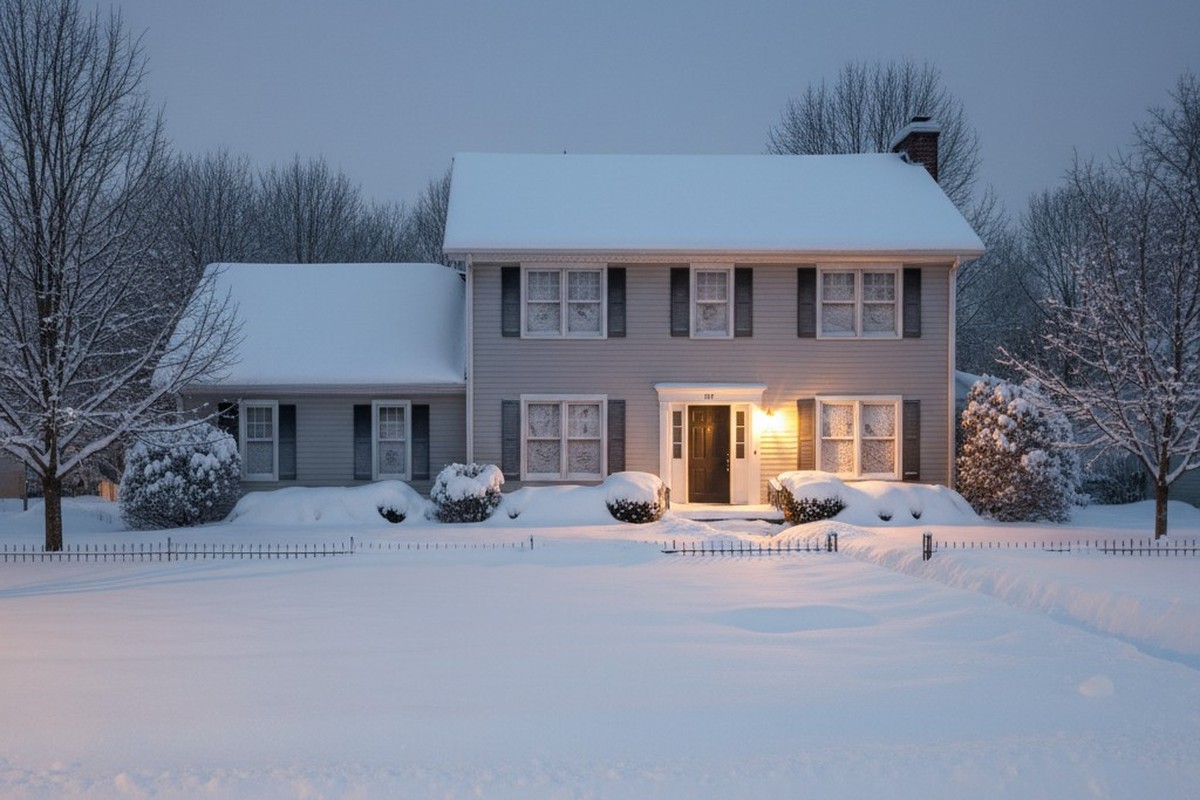
At 3:00 AM, the driveway floodlights slam on. You wake up, check the window, and see nothing but the frozen stillness of the yard. The light clicks off. Five minutes later, it happens again. And again. By the fourth cycle, frustration sets in—not just because of the broken sleep, but because of the creeping suspicion that something is out there, pacing the perimeter of the house.
In the industry, we call this the “nuisance trip,” but that term doesn’t quite capture the maddening strobe-light effect that plagues homeowners in cold climates. While it’s tempting to blame a defective sensor or a “cheap” fixture, the hardware is usually innocent. The real culprit is thermodynamic. That rhythmic triggering often aligns perfectly with the cycle of a clothes dryer or a high-efficiency furnace venting nearby.
The sensor isn’t broken. It’s simply watching a very compelling, very hot intruder billowing out of the side of your house. Before you return the light or tape over the lens in defeat, you need to understand the physics of the false alarm. It’s a conflict between sub-zero air and hot exhaust, and you can’t solve it with a firmware update.
The Physics of the Plume
To understand why your light won’t sleep, look at the world through the eyes of a Passive Infrared (PIR) sensor. These devices don’t “see” motion in the way a camera does. They detect rapid changes in infrared energy—specifically, heat moving across the background temperature of the environment. A PIR sensor is essentially looking for a thermal contrast, or “Delta T.”
אולי יעניין אותך גם

- מתח: 2 סוללות AAA
- מצב יום/לילה
- השהיית זמן: 15 דקות, 30 דקות, שעה אחת (ברירת מחדל), שעתיים

- חיישן נוכחות PIR להתקנה על התקרה עם יציאת ממסר מגע יבש
- אספקת מתח נמוך 12/24VDC או 12/24VAC
- מגעי ממסר מבודדים COM, NO ו-NC עבור היזונים של EMS, HVAC ובקרת מבנים

- מתג חיישן תנועה מיקרוגל שקוע לתקרה במתח נמוך DC
- כניסת 12 VDC / 24 VDC עם טווח של 10-30 VDC
- זרם עבודה מרבי של 10A עם השהיית זמן, סף Lux ורגישות מתכווננים
- מתג חיישן תנועה מיקרוגל שקוע לתקרה לעומסים גבוהים יותר
- כניסת מתח רשת 100-265 VAC, דגם 10A
- חיישן מיקרוגל 5.8GHz עם השהיית זמן מתכווננת, סף Lux ורגישות
- מתג חיישן תנועה מיקרוגל שקוע להתקנה בתקרה
- כניסת מתח רשת 100-265VAC, דגם 5A
- חיישן מיקרוגל 5.8GHz עם השהיית זמן מתכווננת, סף Lux ורגישות
- עמעם חיישן נוכחות PIR להתקנה בתקרה RZ037 למתח של 220V
- זרם עבודה מרבי של 3A עם עומס נקוב של 660W
- לחצן LUX שולט על הפעלה/כיבוי של חיישן האור ועל בהירות העמעום שנקבעה על ידי המשתמש
- עמעם חיישן נוכחות PIR להתקנה בתקרה RZ037 למתח של 110V
- זרם עבודה מרבי של 3A עם עומס נקוב של 330W
- לחצן LUX שולט על הפעלה/כיבוי של חיישן האור ועל בהירות העמעום שנקבעה על ידי המשתמש

- מתג חיישן תנועה מיקרוגל להתקנה בתקרה במתח נמוך DC
- כניסת 12 VDC / 24 VDC עם טווח של 10-30 VDC
- זרם עבודה מרבי של 10A עם השהיית זמן, סף Lux ורגישות מתכווננים
- מתג חיישן תנועה מיקרוגל להתקנה בתקרה לעומס גבוה יותר
- כניסת מתח רשת 100-265 VAC, דגם 10A
- חיישן מיקרוגל 5.8GHz עם השהיית זמן מתכווננת, סף Lux ורגישות
- מתג חיישן תנועה מיקרוגל להתקנה בתקרה
- כניסת מתח רשת 100-265VAC, דגם 5A
- חיישן מיקרוגל 5.8GHz עם השהיית זמן מתכווננת, סף Lux ורגישות

- מתג חיישן תנועה PIR שקוע לתקרה במתח נמוך DC
- כניסת 12 VDC / 24 VDC עם טווח של 10-30 VDC
- זרם עבודה מרבי של 10A עם השהיית זמן מתכווננת, סף תאורה (Lux) ורגישות מתכווננים

- מתג חיישן תנועה PIR שקוע לתקרה לעומס גבוה יותר
- כניסת מתח רשת 100-265 VAC, דגם 10A
- גילוי ב-360 מעלות עם השהיית זמן מתכווננת, סף תאורה (Lux) ורגישות מתכווננים
- מתג חיישן תנועה PIR שקוע לתקרה
- כניסת מתח רשת 100-265VAC, דגם 5A
- גילוי ב-360 מעלות עם השהיית זמן מתכווננת, סף תאורה (Lux) ורגישות מתכווננים

- ערכת מתג ומקלט אלחוטיים לבקרת תאורה הפעלה/כיבוי (ON/OFF) למבנים סגורים
- מקלט 100-230VAC, 50/60Hz עם זרם נקוב של 5A
- מתג אלחוטי מוזן סוללת CR2032 עם תקשורת בתדר 2.4GHz
- זיהוי נוכחות (הפעלה אוטומטית/כיבוי אוטומטי)
- 12–24V DC (10–30VDC), עד 10A
- כיסוי של 360°, קוטר של 8–12 מטר
- השהיית זמן 15 שניות–30 דקות
- חיישן תאורה כבוי/15/25/35 Lux
- רגישות גבוהה/נמוכה
- מצב נוכחות עם הפעלה אוטומטית/כיבוי אוטומטי
- 100–265V AC, 10A (נדרש מוליך אפס)
- כיסוי של 360°; קוטר גילוי של 8–12 מטרים
- השהיית זמן של 15 שניות–30 דקות; Lux OFF/15/25/35; רגישות גבוהה/נמוכה
- מצב נוכחות עם הפעלה אוטומטית/כיבוי אוטומטי
- 100–265V AC, 5A (נדרש מוליך אפס)
- כיסוי של 360°; קוטר גילוי של 8–12 מטרים
- השהיית זמן של 15 שניות–30 דקות; Lux OFF/15/25/35; רגישות גבוהה/נמוכה
When a human walks across a driveway in winter, they are a 98.6°F radiator moving against a -10°F background. That’s a massive signal, a sharp spike in differential temperature that triggers the relay. Now consider a dryer vent. The exhaust leaving that vent is often between 100°F and 120°F, laden with moisture. When that hot, humid air hits the sub-zero atmosphere, it doesn’t just dissipate; it explodes into a dense, turbulent cloud of steam. To a PIR sensor, that billowing plume isn’t just air—it’s a 12-foot-tall heat signature, hotter than a human, dancing wildly in the wind.
This phenomenon isn’t limited to dryers. High-efficiency furnaces using PVC sidewall venting create the same problem, though with a different rhythm. While a dryer triggers the light for 45 minutes straight, a furnace might trigger it in short bursts all night long as the thermostat cycles. If you have a “ghost” that only appears when the heat kicks on, you’re dealing with an exhaust plume, not a prowler.
The problem is that the sensor is working exactly as designed. It detects a large heat source moving across its field of view. You can’t “tune out” the steam with a sensitivity dial without also tuning out the legitimate intruders you’re trying to catch.
Geometry: The Only Real Cure
Since you can’t change the physics of steam, you have to change the geometry of the installation. The most common error is placing a security light directly above or immediately adjacent to a vent. This placement guarantees failure. As the heat rises, it passes directly across the face of the sensor, blinding it or triggering it instantly.
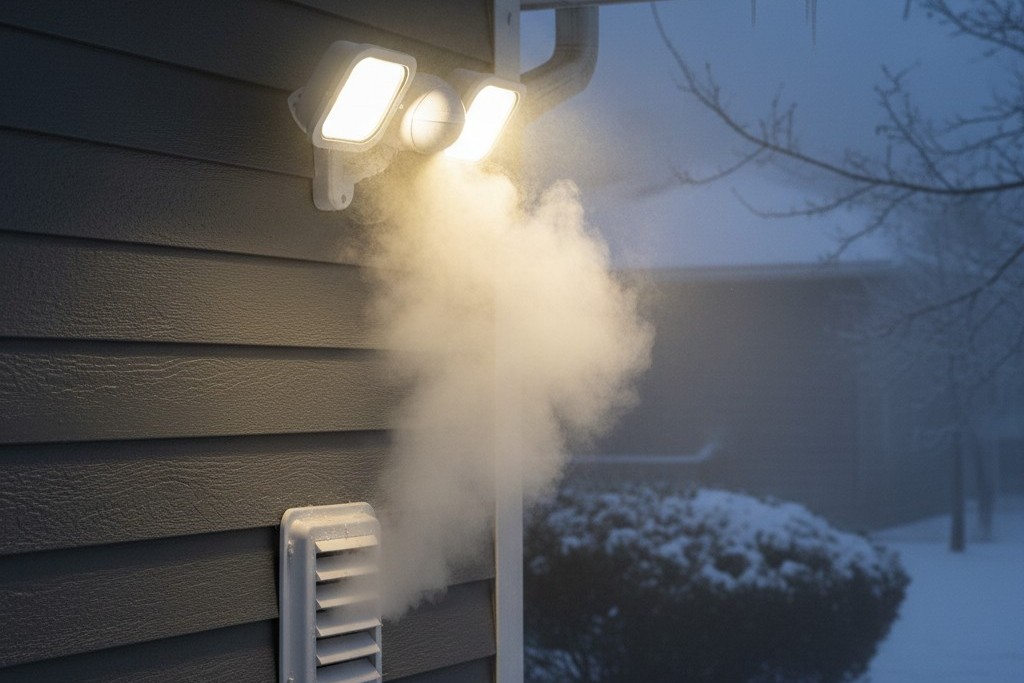
Distance is your primary defense, but there’s no single “magic number” for how far away the light needs to be. Wind direction plays a massive role. In a calm freeze, steam rises straight up. In a stiff northerly wind, that plume can shear sideways for ten feet. A sensor mounted six feet away might still be engulfed if it sits downwind of the vent.
The golden rule of placement is vertical separation. Ideally, mount the sensor below the vent level. If that’s not possible, mount it significantly higher and offset to the side, outside the cone of the rising plume. If you mount a light on a soffit (the roof overhang) with the dryer vent directly below it on the wall, you’re creating a trap. The steam will rise, hit the soffit, and pool around the sensor. In these cases, you often have to relocate the fixture entirely to a different corner of the garage or house to get a clear line of sight that doesn’t intersect the exhaust path.
The Art of the Blinder
Sometimes moving the fixture isn’t an option. The wiring is already in the brick, or the junction box is set. In these cases, stop relying on the sensor’s open eyes and start putting blinders on it.
Most consumer-grade lights—the plastic ones you buy in a big box store—come with a wide, unshielded 180-degree view. They see everything, including the vent ten feet to the left. The professional solution here is physical masking. You don’t need an app for this; you need high-quality electrical tape, like 3M Super 33+.
קבלו השראה מפורטפוליו חיישני התנועה של Rayzeek.
לא מוצאים את מה שאתם מחפשים? אל דאגה. תמיד יש דרכים חלופיות לפתור את הבעיות שלכם. אולי אחד הפורטפוליוים שלנו יכול לעזור.
Open the sensor housing or look closely at the lens (the white plastic dome). You’ll see it’s made up of little facets or segments. Each segment corresponds to a “zone” of detection. By applying tape to the inside or outside of the lens over the specific segments that look toward the vent, you create a physical dead zone. You’re essentially putting an eyepatch on the sensor so it can no longer see the steam, while leaving the rest of the driveway fully monitored.
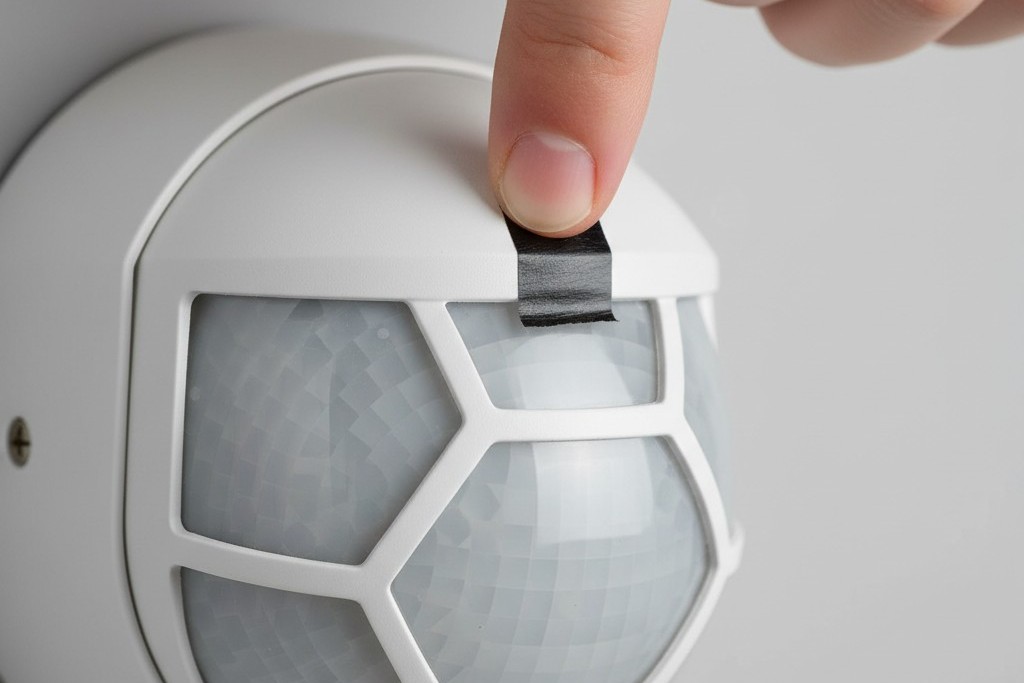
This physical blocking beats the “digital exclusion zones” offered by smart cameras. If you use a video-based floodlight (like a Ring or Nest), you might think you can just draw a box in the app to ignore the vent. This often fails in winter. Why? Because the steam doesn’t just trigger the motion sensor; it reflects the infrared night-vision illuminators back into the camera lens. The result is a “whiteout”—the camera is blinded by the glare of the steam, rendering the video useless. Physical tape on a standard PIR sensor doesn’t suffer from glare; it simply blocks the heat signal.
מחפשים פתרונות חיסכון באנרגיה המופעלים על ידי תנועה?
צרו איתנו קשר לקבלת פתרונות מלאים של חיישני תנועה PIR, מוצרים חוסכי אנרגיה המופעלים על ידי תנועה, מתגי חיישני תנועה ופתרונות מסחריים לגילוי נוכחות/חוסר נוכחות (Occupancy/Vacancy).
Why ‘Smart’ Features Fail Here
There’s a pervasive myth that upgrading to a smarter, more expensive camera will solve this. Manufacturers love to tout “AI Human Detection” or “Pixel-Based Motion Analysis” as the cure-all for false positives. But in the context of a Minnesota winter vent plume, these claims often fall apart.
Even if the AI is smart enough to realize the swirling white cloud isn’t a person, the system still has to wake up to make that decision. Battery-powered cameras are particularly vulnerable here. The passive infrared sensor (which uses very little power) detects the heat of the steam and wakes up the main camera processor (which uses a lot of power) to analyze the image. The camera decides “it’s just steam” and goes back to sleep. Two minutes later, it happens again. The result is a dead battery in three days.
Furthermore, thick steam is opaque. If a burglar walks through the steam cloud, the camera can’t see them. Physics always wins. No amount of software filtering can make a camera see through a wall of dense fog. Relying on AI to filter out a physical obstruction is a safety compromise.
The Hazard Below
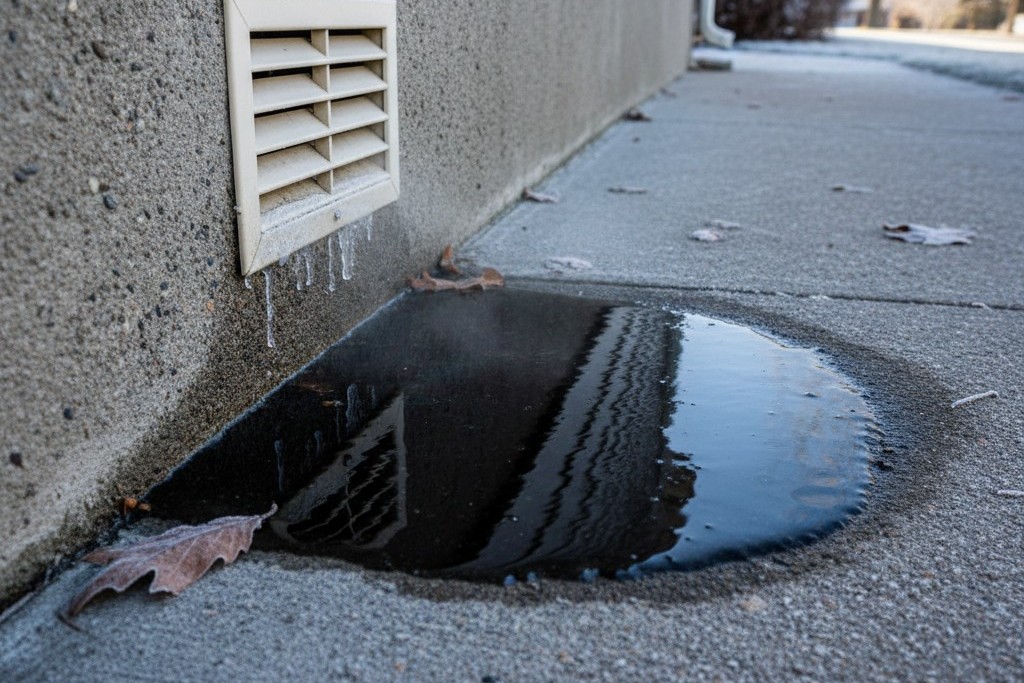
There is one final, physical reality to consider when a vent is triggering your lights. If there’s enough moisture coming out of that vent to trip a sensor, there’s enough moisture to freeze on the ground below it.
We often see these “nuisance” lights installed over driveways or walkways where the dryer vents out. The homeowner is focused on the annoying light, but they miss the bigger threat: the invisible layer of black ice forming on the concrete where the steam settles and freezes.
If you’re out there adjusting your sensor, checking the angles, or putting tape on the lens, look down. The same thermal anomaly that is tricking your security system is likely creating a slip hazard. Fix the light so it stops flashing, but make sure you aren’t creating a skating rink in the process.







