
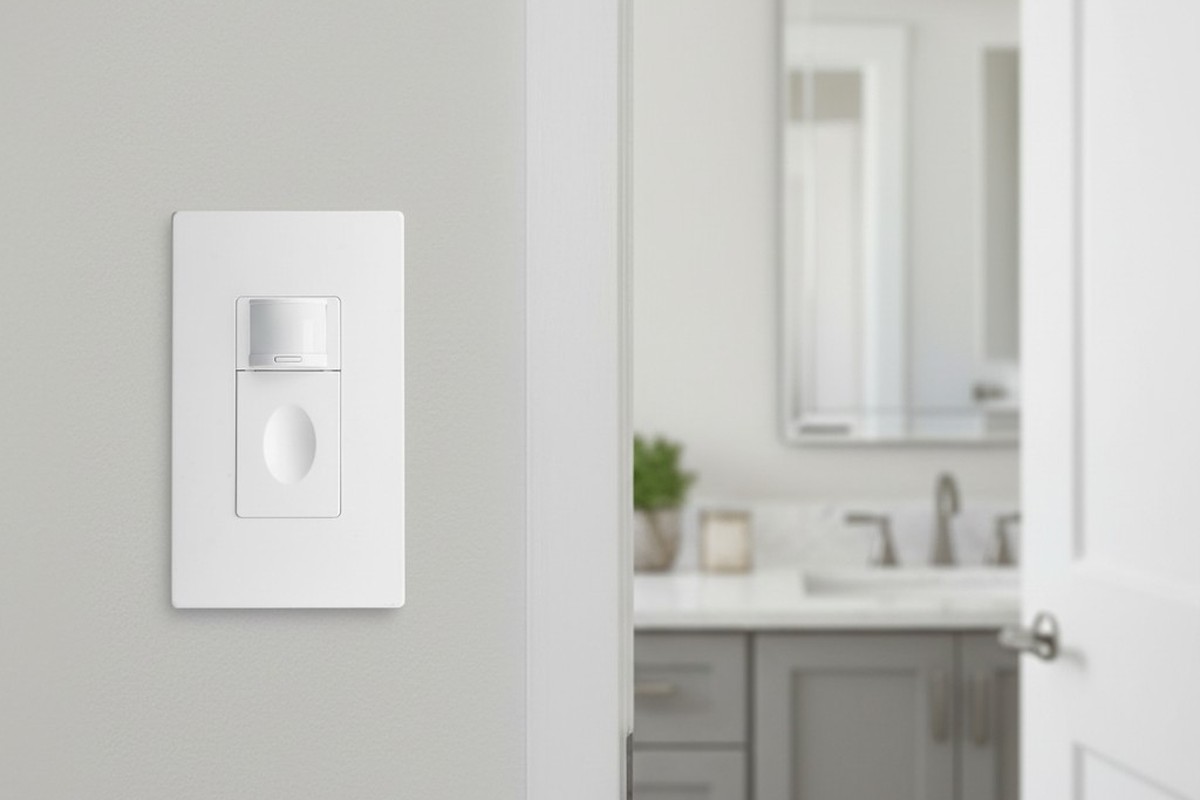
The defining moment of failure in bathroom automation usually happens at the vanity mirror. Consider a resident in a high-rise condo, halfway through a precise application of eyeliner or mascara. The hand must be perfectly steady. The breathing slows. The body becomes a statue. And then, four minutes into the process—darkness.

The wall sensor, set to a standard five-minute timeout, has decided the room is empty. The resident jerks in surprise, the mascara wand skids across the temple, and the “smart” lighting system has just created a cleanup project.
The resident didn’t use the room incorrectly. The system simply failed to understand the task. This scenario—often jokingly referred to as the “waving hand” ritual, where a person on the toilet or at the mirror has to flail their arms to keep the lights on—is a hallmark of lazy design. It suggests the installer treated the master bath like a commercial hallway or a janitor’s closet.
To fix this, stop thinking of the sensor as a magic eye that sees “people.” It doesn’t. We have to look at the physics of what the switch actually sees, and why a person freezing to apply makeup becomes invisible to the standard hardware sold in big-box stores.
אולי יעניין אותך גם

- מתח: 2 סוללות AAA
- מצב יום/לילה
- השהיית זמן: 15 דקות, 30 דקות, שעה אחת (ברירת מחדל), שעתיים

- חיישן נוכחות PIR להתקנה על התקרה עם יציאת ממסר מגע יבש
- אספקת מתח נמוך 12/24VDC או 12/24VAC
- מגעי ממסר מבודדים COM, NO ו-NC עבור היזונים של EMS, HVAC ובקרת מבנים

- מתג חיישן תנועה מיקרוגל שקוע לתקרה במתח נמוך DC
- כניסת 12 VDC / 24 VDC עם טווח של 10-30 VDC
- זרם עבודה מרבי של 10A עם השהיית זמן, סף Lux ורגישות מתכווננים
- מתג חיישן תנועה מיקרוגל שקוע לתקרה לעומסים גבוהים יותר
- כניסת מתח רשת 100-265 VAC, דגם 10A
- חיישן מיקרוגל 5.8GHz עם השהיית זמן מתכווננת, סף Lux ורגישות
- מתג חיישן תנועה מיקרוגל שקוע להתקנה בתקרה
- כניסת מתח רשת 100-265VAC, דגם 5A
- חיישן מיקרוגל 5.8GHz עם השהיית זמן מתכווננת, סף Lux ורגישות
- עמעם חיישן נוכחות PIR להתקנה בתקרה RZ037 למתח של 220V
- זרם עבודה מרבי של 3A עם עומס נקוב של 660W
- לחצן LUX שולט על הפעלה/כיבוי של חיישן האור ועל בהירות העמעום שנקבעה על ידי המשתמש
- עמעם חיישן נוכחות PIR להתקנה בתקרה RZ037 למתח של 110V
- זרם עבודה מרבי של 3A עם עומס נקוב של 330W
- לחצן LUX שולט על הפעלה/כיבוי של חיישן האור ועל בהירות העמעום שנקבעה על ידי המשתמש

- מתג חיישן תנועה מיקרוגל להתקנה בתקרה במתח נמוך DC
- כניסת 12 VDC / 24 VDC עם טווח של 10-30 VDC
- זרם עבודה מרבי של 10A עם השהיית זמן, סף Lux ורגישות מתכווננים
- מתג חיישן תנועה מיקרוגל להתקנה בתקרה לעומס גבוה יותר
- כניסת מתח רשת 100-265 VAC, דגם 10A
- חיישן מיקרוגל 5.8GHz עם השהיית זמן מתכווננת, סף Lux ורגישות
- מתג חיישן תנועה מיקרוגל להתקנה בתקרה
- כניסת מתח רשת 100-265VAC, דגם 5A
- חיישן מיקרוגל 5.8GHz עם השהיית זמן מתכווננת, סף Lux ורגישות

- מתג חיישן תנועה PIR שקוע לתקרה במתח נמוך DC
- כניסת 12 VDC / 24 VDC עם טווח של 10-30 VDC
- זרם עבודה מרבי של 10A עם השהיית זמן מתכווננת, סף תאורה (Lux) ורגישות מתכווננים

- מתג חיישן תנועה PIR שקוע לתקרה לעומס גבוה יותר
- כניסת מתח רשת 100-265 VAC, דגם 10A
- גילוי ב-360 מעלות עם השהיית זמן מתכווננת, סף תאורה (Lux) ורגישות מתכווננים
- מתג חיישן תנועה PIR שקוע לתקרה
- כניסת מתח רשת 100-265VAC, דגם 5A
- גילוי ב-360 מעלות עם השהיית זמן מתכווננת, סף תאורה (Lux) ורגישות מתכווננים

- ערכת מתג ומקלט אלחוטיים לבקרת תאורה הפעלה/כיבוי (ON/OFF) למבנים סגורים
- מקלט 100-230VAC, 50/60Hz עם זרם נקוב של 5A
- מתג אלחוטי מוזן סוללת CR2032 עם תקשורת בתדר 2.4GHz
- זיהוי נוכחות (הפעלה אוטומטית/כיבוי אוטומטי)
- 12–24V DC (10–30VDC), עד 10A
- כיסוי של 360°, קוטר של 8–12 מטר
- השהיית זמן 15 שניות–30 דקות
- חיישן תאורה כבוי/15/25/35 Lux
- רגישות גבוהה/נמוכה
- מצב נוכחות עם הפעלה אוטומטית/כיבוי אוטומטי
- 100–265V AC, 10A (נדרש מוליך אפס)
- כיסוי של 360°; קוטר גילוי של 8–12 מטרים
- השהיית זמן של 15 שניות–30 דקות; Lux OFF/15/25/35; רגישות גבוהה/נמוכה
- מצב נוכחות עם הפעלה אוטומטית/כיבוי אוטומטי
- 100–265V AC, 5A (נדרש מוליך אפס)
- כיסוי של 360°; קוטר גילוי של 8–12 מטרים
- השהיית זמן של 15 שניות–30 דקות; Lux OFF/15/25/35; רגישות גבוהה/נמוכה
The Physics of the Invisible User
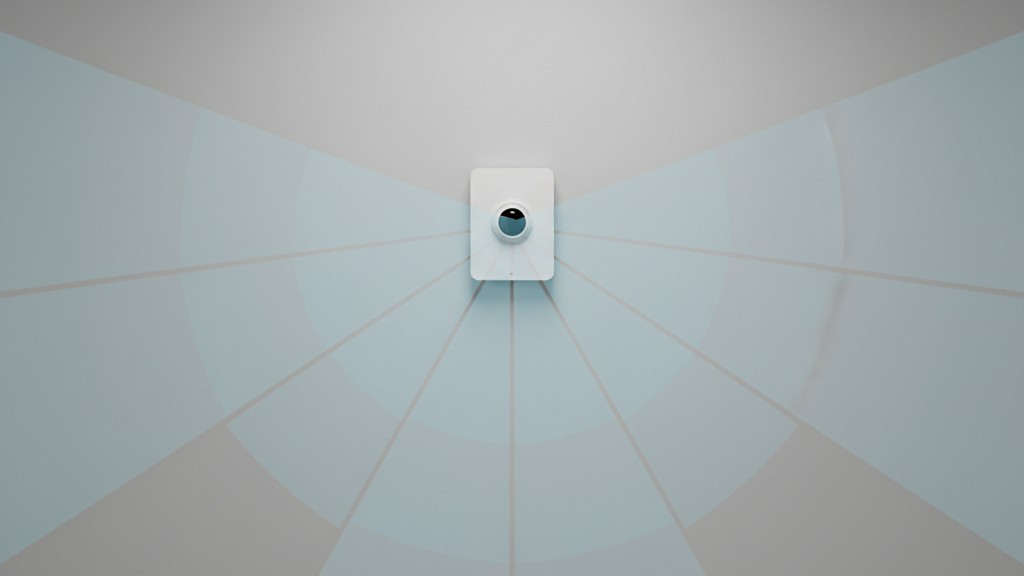
Most residential wall sensors rely on Passive Infrared (PIR) technology. They look for a heat signature—specifically, a temperature differential between a human body and the background—moving across a segmented field of view. Inside the sensor, behind that plastic lens, is an array of beams. To trigger the “On” state or reset the timeout clock, you must physically cross one of these beams.
This leads to a critical distinction often ignored in datasheets: Major Motion versus Minor Motion.
Major Motion is walking into the room. It involves large limb movements crossing multiple beams rapidly. PIR sensors are excellent at this; they can detect a person entering from 20 feet away. Minor Motion is different. It is the typing of a hand on a keyboard, the turning of a page, or the subtle tilt of a head while shaving. The coverage area for Minor Motion is significantly smaller—often half the distance of Major Motion—and requires the user to be much closer to the switch.
(Note: We are discussing lighting control here, not exhaust fan timers. While they often sit side-by-side in a gang box, humidity sensors for fans operate on entirely different physics. Confusing the two logic systems causes frustration, but for lighting, the issue is purely about motion sensitivity.)
When a person sits at a vanity, they are often doing something that requires high focus and low movement. They fall into the “Minor Motion” category, or sometimes below it entirely. If the sensor is a standard-grade model with a sparse beam pattern, a person sitting still can easily slip between the beams. To the sensor, the thermal signature has stopped moving. The timer counts down. The lights cut out. Increasing the sensitivity dial often just leads to false triggers from the hallway, while doing nothing to detect the frozen user.
The Vacancy Mode Imperative
Solving the vanity problem requires more than just better hardware. It requires better logic. The single most effective change you can make to a bathroom lighting system is switching the control logic from Occupancy Mode (Auto-On / Auto-Off) to Vacancy Mode (Manual-On / Auto-Off).
In Occupancy Mode, the lights blast on the moment you cross the threshold. This sounds convenient until 2:00 AM. If a partner walks into the bathroom in the middle of the night, the Auto-On feature triggers full brightness, waking up the person sleeping in the adjacent bedroom. It creates massive friction in shared living spaces. Furthermore, Auto-On sensors are prone to “ghost switching,” triggering when someone simply walks past the open bathroom door in the hallway.
Vacancy Mode changes the relationship. You walk in, and you physically tap the switch to turn the lights on. This simple act confirms intent: you want light. But the automation still handles the “Off.” If you leave the room, the sensor waits for the timeout and kills the power. This solves the “lights left on by teenagers” problem without introducing the “blinded at midnight” problem.
More importantly, Vacancy Mode is often the preferred method for strict energy codes like California’s Title 24, Part 6. While the code varies by jurisdiction, the underlying logic is sound. Manual activation saves energy because users don’t always need the lights on during the day, and it prevents nuisance triggering. By forcing a manual start, you eliminate the annoyance of the system guessing your needs incorrectly. You retain control of the “On”; the sensor only serves as a safety net for the “Off.”
קבלו השראה מפורטפוליו חיישני התנועה של Rayzeek.
לא מוצאים את מה שאתם מחפשים? אל דאגה. תמיד יש דרכים חלופיות לפתור את הבעיות שלכם. אולי אחד הפורטפוליוים שלנו יכול לעזור.
Hardware, Geometry, and Time
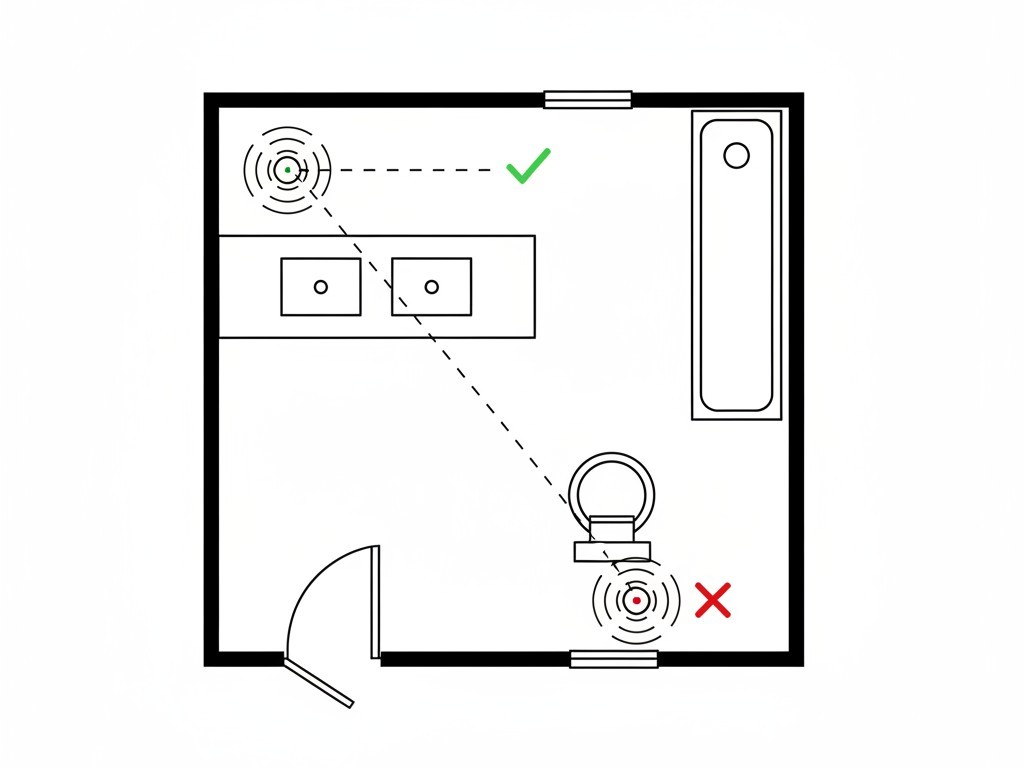
Even with the correct logic, the physical installation must support the use case. Geometry is the most common failure point. A sensor installed behind the bathroom door will be blinded the moment the door is left open. Similarly, a sensor blocked by a hanging robe or a towel has no line of sight to the vanity chair. If the sensor cannot “see” the heat signature of the person at the mirror, no amount of programming will save the design.
Specific models matter, too. The generic “smart” switches found on Amazon or the basic Leviton models in the aisle bins often lack the fine-grain sensitivity required for a vanity. The reference standard for this application remains the Lutron Maestro series (specifically the MS-OPS2 or MS-VPS2) or the commercial-grade Wattstopper lines. These units have denser lens arrays that detect finer movements. They also allow for adjustment of the sensitivity baseline, distinguishing between a high-traffic powder room and a master bath sanctuary.
מחפשים פתרונות חיסכון באנרגיה המופעלים על ידי תנועה?
צרו איתנו קשר לקבלת פתרונות מלאים של חיישני תנועה PIR, מוצרים חוסכי אנרגיה המופעלים על ידי תנועה, מתגי חיישני תנועה ופתרונות מסחריים לגילוי נוכחות/חוסר נוכחות (Occupancy/Vacancy).
Finally, check the timeout setting. The default setting on almost all these switches is 5 minutes. This is insulting for a vanity application. Five minutes is barely enough time to brush teeth and wash a face, let alone complete a detailed grooming routine.
The “Freeze Test”—sitting perfectly still to mimic applying eyeliner—reveals that 5 minutes is the danger zone. The timeout should be set to a minimum of 30 minutes for a master bath. Yes, this means the lights might stay on for 29 minutes after you leave, but the cost of that electricity is negligible compared to the frustration of the lights cutting out while you hold a razor or a mascara wand.
The Steam & Glass Problem
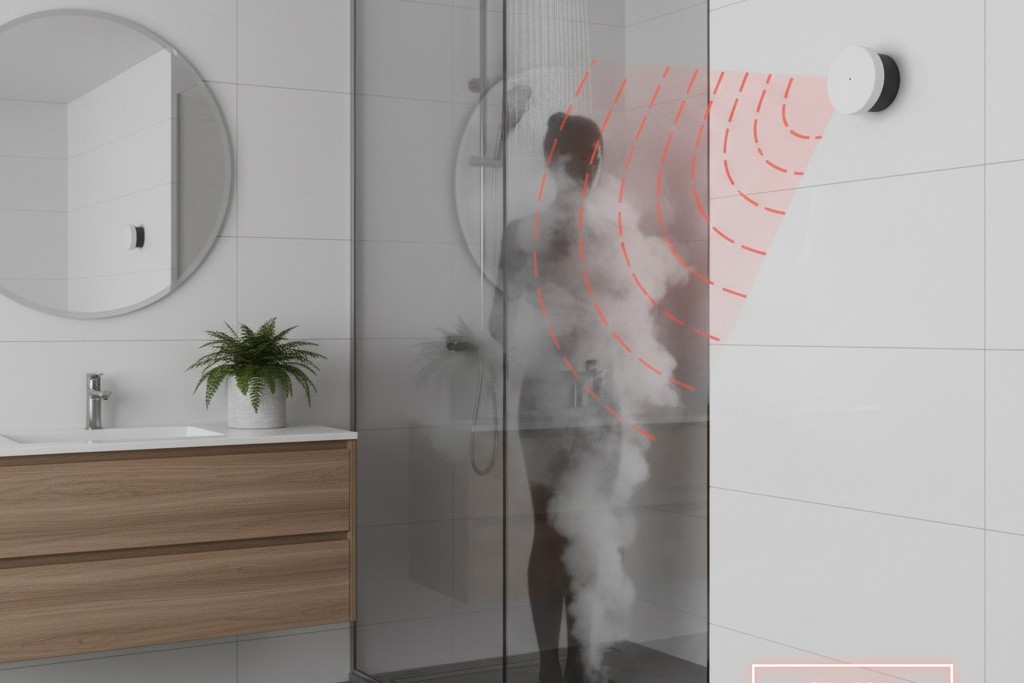
One environment exists where even the best PIR sensor will fail: the enclosed steam shower. Glass blocks infrared radiation. If the sensor is outside the glass enclosure, it cannot see the person inside. Furthermore, thick steam density can mask the thermal differential even if the sensor is inside the wet zone.
If you are dealing with a heavy steam environment or a layout where the shower is visually isolated, you cannot rely on PIR alone. You need Dual-Technology sensors, which combine PIR with Ultrasonic detection. Ultrasonic sensors send out a high-frequency sound wave and listen for the Doppler shift caused by movement. They can “hear” the movement of a person inside a stall even if the glass blocks the heat signature.
Alternatively, for these specific zones, it is often wiser to forego the sensor entirely for the shower light. Rely on a simple manual timer instead, ensuring the user is never left standing in the dark on a slippery floor. Automation is a tool for comfort; it should never introduce a safety risk.







