Au plus fort de la chaleur estivale, un climatiseur en bon état de fonctionnement n'est pas un simple confort, mais une nécessité. Mais que se passe-t-il lorsque votre appareil de climatisation se met soudainement à souffler de l'air chaud ? Ce guide complet détaille les raisons de ce problème courant, en fournissant des explications simples pour les propriétaires ainsi que des analyses techniques approfondies pour les professionnels du CVC.
Filtre à air encrassé : un coupable fréquent
Un filtre à air encrassé constitue l'une des causes les plus fréquentes de baisse de performance d'un climatiseur. Pour mieux comprendre, imaginez essayer de respirer à travers une paille bouchée : ce serait particulièrement difficile. De la même manière, un filtre à air encrassé restreint le débit d'air, empêchant votre climatiseur de refroidir efficacement votre logement.
Ce débit d'air réduit entraîne plusieurs conséquences. Tout d'abord, il diminue la capacité de refroidissement de votre système. Ensuite, il force votre climatiseur à solliciter davantage ses composants, ce qui augmente la consommation d'énergie. Enfin, cela peut même provoquer le gel de l'évaporateur, un problème que nous examinerons plus en détail ultérieurement.
À quelle fréquence faut-il remplacer le filtre du climatiseur ?
Plusieurs facteurs influent sur la fréquence de remplacement des filtres, notamment la fréquence d'utilisation du climatiseur, le type de filtre installé ainsi que la présence d'animaux domestiques ou d'allergies au sein du foyer. En règle générale, il est recommandé de contrôler votre filtre tous les mois.
Si vous utilisez fréquemment votre climatiseur ou si vous souffrez d'allergies, un remplacement plus fréquent peut s'avérer nécessaire. Pour la plupart des foyers, un remplacement tous les un à trois mois est suffisant.
Les différents types de filtres pour climatiseur
Le marché propose une grande variété de filtres pour climatiseurs, chacun présentant ses propres avantages et inconvénients. Les filtres en fibre de verre constituent l'option la plus basique et la moins coûteuse, mais ce sont également les moins efficaces pour capturer les petites particules. Les filtres plissés offrent une gamme supérieure, garantissant un bon équilibre entre coût et efficacité en retenant davantage de poussière, de pollen et d'autres particules en suspension dans l'air. Pour les personnes souffrant d'allergies ou de sensibilités respiratoires, les filtres HEPA (High-Efficiency Particulate Air) représentent la meilleure solution grâce à leur niveau de filtration maximal, bien que leur prix soit plus élevé. Enfin, les filtres réutilisables constituent une option écologique puisqu'ils peuvent être lavés et réutilisés ; toutefois, ils nécessitent un nettoyage régulier pour maintenir leur efficacité.
Gel de l'évaporateur : causes et solutions
Le gel de l'évaporateur constitue une autre cause fréquente de dysfonctionnement du refroidissement d'un climatiseur. Ce phénomène survient généralement en raison d'un débit d'air restreint, comme dans le cas des filtres encrassés, ou d'un niveau de fluide frigorigène insuffisant.
Lorsque le débit d'air est restreint, le fluide frigorigène à l'intérieur du serpentin devient excessivement froid. L'humidité présente dans l'air ambiant se condense alors et gèle sur le serpentin. Il en résulte un refroidissement réduit et, dans les cas les plus graves, des dommages potentiels au compresseur, élément central de votre système.
Signes d'un évaporateur gelé
Un évaporateur gelé peut être suspecté en cas de formation de givre ou de glace visible sur le serpentin lui-même ou sur les conduites de fluide frigorigène. De plus, une baisse notable du débit d'air aux bouches de soufflage constitue un indicateur majeur. Lorsque la glace fond, des fuites d'eau au niveau de l'unité de climatisation peuvent également se produire. Enfin, des bruits anormaux, tels que des sifflements ou des glouglous, peuvent signaler un dysfonctionnement du serpentin.
Manque de fluide frigorigène et gel du serpentin
Un niveau insuffisant de fluide frigorigène peut également provoquer le gel de l'évaporateur. Le fluide frigorigène est la substance qui absorbe la chaleur de l'air intérieur. Lorsque la quantité de fluide est insuffisante, l'absorption de chaleur diminue, entraînant une chute significative de la température du serpentin et un risque de gel.
Cette situation peut également solliciter excessivement le compresseur. Le compresseur est conçu pour fonctionner avec une charge précise de fluide frigorigène. Lorsque ce niveau est trop bas, l'appareil peut surchauffer et tomber en panne.
Fuites de fluide frigorigène : un problème sérieux
Refrigerant leaks are a serious issue that can significantly impact your AC’s performance and harm the environment. Refrigerant is crucial to the cooling process; it absorbs heat from the indoor air and releases it outside.
Leaks not only reduce your AC’s cooling capacity but also lead to increased energy consumption as the system works harder to compensate. Moreover, they can cause damage to the compressor and pose environmental risks.
Types of Refrigerants
The type of refrigerant used in AC systems has evolved over time. R-22 (Freon), an older refrigerant, is being phased out due to its ozone-depleting potential. R-410A (Puron) was introduced as a more environmentally friendly replacement. Currently, other refrigerants like R-32 and R-454B are emerging as alternatives with even lower global warming potential.
How to Detect Refrigerant Leaks
Several methods can be used to detect refrigerant leaks. Electronic leak detectors are specialized devices designed to sense the presence of refrigerant gas. Another technique involves adding a UV dye to the system; if a leak exists, the dye will glow under UV light, making the leak easy to spot. A simple bubble test can also be performed by applying a soap solution to suspected leak areas – bubbles will form if refrigerant is escaping. Finally, a pressure test, which involves monitoring the system’s pressure, can reveal drops that indicate a leak.
Vous recherchez des solutions d’économie d’énergie activées par le mouvement ?
Contactez-nous pour obtenir une gamme complète de détecteurs de mouvement PIR, de produits d’économie d’énergie activés par le mouvement, d’interrupteurs à détecteur de mouvement et de solutions commerciales de présence/vacance.
Health Risks of Refrigerant Leaks
Addressing refrigerant leaks promptly is crucial not only for your AC’s performance but also for health and environmental reasons. Inhalation of refrigerant can lead to dizziness, headaches, nausea, and, in severe cases, loss of consciousness. Direct skin or eye contact can cause irritation or even frostbite. Furthermore, the environmental impact of refrigerant leaks is significant. Older refrigerants contribute to ozone depletion, while newer ones, though less harmful, still have a considerable global warming potential.
Compressor Problems: The Heart of Your AC
The compressor is the heart of your air conditioning system. It’s responsible for circulating the refrigerant that makes the cooling process possible. The compressor’s job is to compress the refrigerant gas, which increases its temperature and pressure. This is a critical step in the heat transfer process that ultimately cools the air in your home.
Types of AC Compressors
Several types of compressors are used in air conditioning systems, each with its own characteristics. Reciprocating compressors, common in older units, use pistons to compress the refrigerant, much like a car engine. Scroll compressors are generally more efficient and quieter, using two spiral-shaped scrolls to compress the refrigerant. Rotary compressors, often found in smaller units, are compact and efficient, using a rotating vane for compression. Screw compressors are typically used in large commercial systems due to their high capacity, employing two intermeshing screws for compression.
Signs of a Failing Compressor
A failing compressor often exhibits several warning signs. You might notice reduced cooling performance, with your AC not cooling as effectively as it used to. Unusual noises like grinding, squealing, or banging can also indicate a problem. If the compressor is drawing too much power, it might cause your circuit breaker to trip. Hard starting, where the compressor struggles to start, is another telltale sign. Finally, increased energy consumption and higher bills can point to a failing compressor working harder than it should.
Long-Term Effects of Running AC with a Faulty Compressor
Ignoring a faulty compressor can have serious consequences. Continued operation can lead to further damage to the compressor, potentially causing its complete failure. The added strain can also damage other components in the system, leading to a domino effect of failures. In the worst-case scenario, the entire AC system could fail. A malfunctioning compressor will also lead to increased energy costs as it struggles to operate. Ultimately, running a faulty compressor will significantly reduce the lifespan of your AC unit.
Thermostat Issues: Is Your AC Getting the Right Signals?
The thermostat is the brain of your AC system. It’s responsible for controlling the operation of the unit, turning it on and off based on your desired temperature. It senses the room temperature and signals the AC unit to start or stop cooling accordingly.
Types of Thermostats
Just like compressors, thermostats have evolved over time. Electromechanical thermostats, the older style, use a bimetallic strip to sense temperature changes and are generally less accurate than newer models. Digital thermostats offer improved accuracy and often come with programmable features, allowing you to schedule different temperatures for different times of the day. Smart thermostats represent the latest advancement, featuring Wi-Fi connectivity for remote control, learning capabilities to adapt to your preferences, and the potential to optimize energy use. They offer potential long-term energy savings but may also raise privacy concerns and have a steeper learning curve.
How to Test Your Thermostat
First, check the display to ensure it’s powered on and displaying the correct settings. Then, try changing the temperature setting. Set it a few degrees lower than the current room temperature and listen for the AC to turn on.
If the display is blank, you might need to replace the batteries. If that doesn’t work, you can inspect the wiring for any loose or damaged connections. However, if you’re not comfortable working with electrical components, it’s best to consult a professional. In some cases, you can temporarily bypass the thermostat to see if the AC turns on, but again, this is best left to a qualified technician.
While thermostats are essential for temperature control, they have a significant limitation: they don’t know if a room is actually occupied. This means your AC could be running for hours, cooling an empty space and wasting energy. This is where a smart solution like the RZ050 Air Conditioner Motion Sensor comes in. This innovative device automatically turns off your AC when you leave a room, ensuring you’re not paying to cool an empty space.

RZ050 Air Conditioner Motion Sensor
Never Forget to Turn Off AC Again
- Automatically turns off your AC when you leave.
- Save energy and money effortlessly.
- Easy to install and use, no professional help needed.
By intelligently detecting occupancy, the RZ050 adds a layer of automation that even the most advanced thermostats lack. It’s a simple yet effective way to enhance your AC’s efficiency and contribute to a more sustainable lifestyle.
Capacitor Problems: Starting and Running Issues
Capacitors are essential electrical components that provide the necessary boost to start and run your AC’s motor. They function by storing and releasing electrical energy, ensuring the motor has the power it needs to operate.
What’s the Difference Between a Start and Run Capacitor?
A start capacitor provides a large initial burst of energy to get the motor started. Think of it like the initial push needed to get a bicycle moving. A run capacitor, on the other hand, provides a continuous, smaller boost to keep the motor running smoothly once it’s started. Some AC units use a dual capacitor, which combines both start and run functions into a single unit.
Diagnosing Capacitor Problems
Capacitor problems can often be identified through a combination of methods. A visual inspection can reveal physical signs of damage, such as bulging or leaking. For a more technical assessment, a multimeter can be used to measure the capacitor’s capacitance and compare it to the rated value. Several symptoms can also indicate a bad capacitor: the AC unit might not start at all, it might make a humming noise, it could operate intermittently, or you might experience weak airflow.
Ces produits pourraient vous intéresser
- Tension : 2 piles AAA
- Mode Jour/Nuit
- Temporisation : 15 min, 30 min, 1 h (par défaut), 2 h
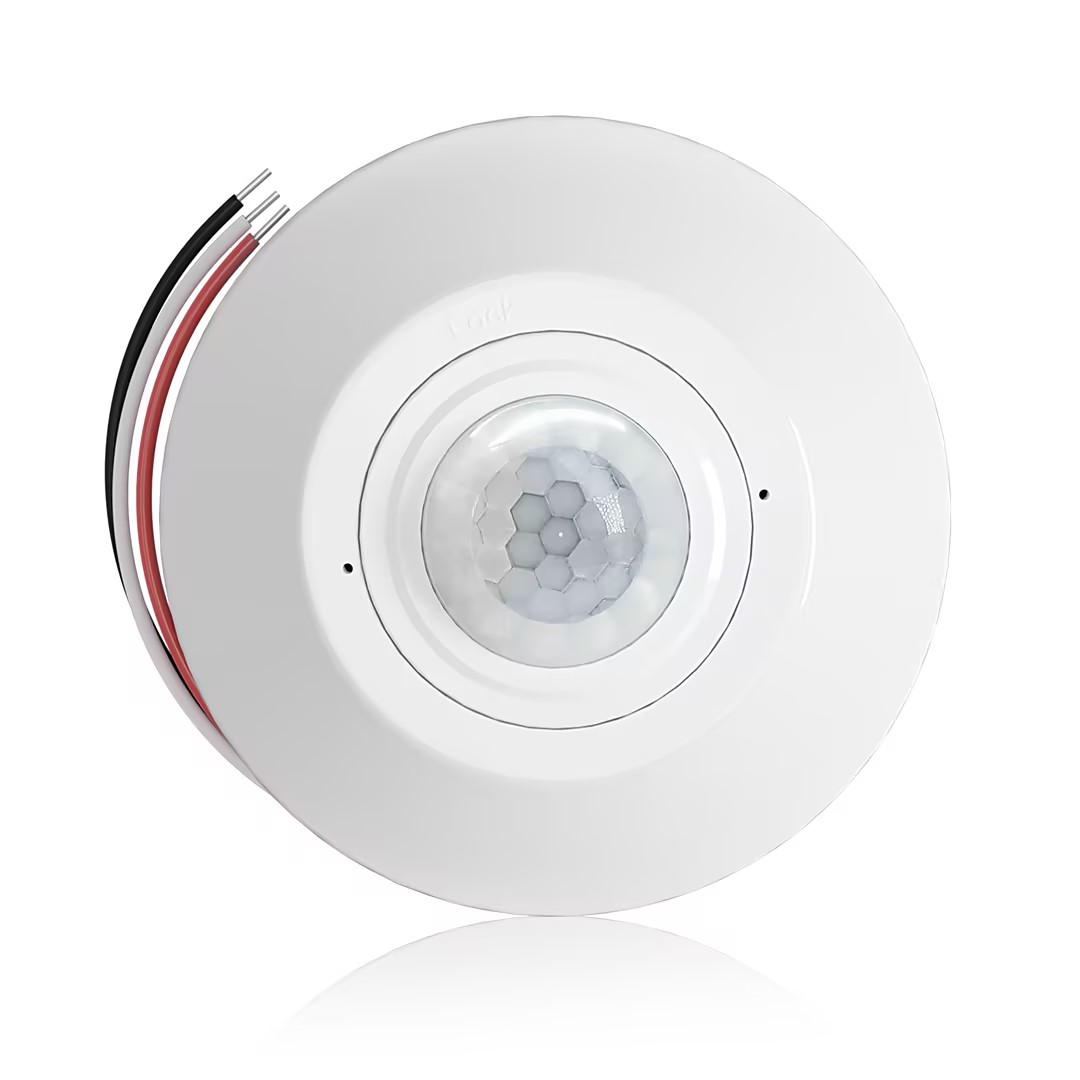
- Détecteur de présence PIR pour montage au plafond avec sortie relais à contact sec
- Alimentation basse tension 12/24VDC ou 12/24VAC
- Contacts relais isolés COM, NO et NC pour les entrées de régulation CVC, GTC et de gestion de l'énergie
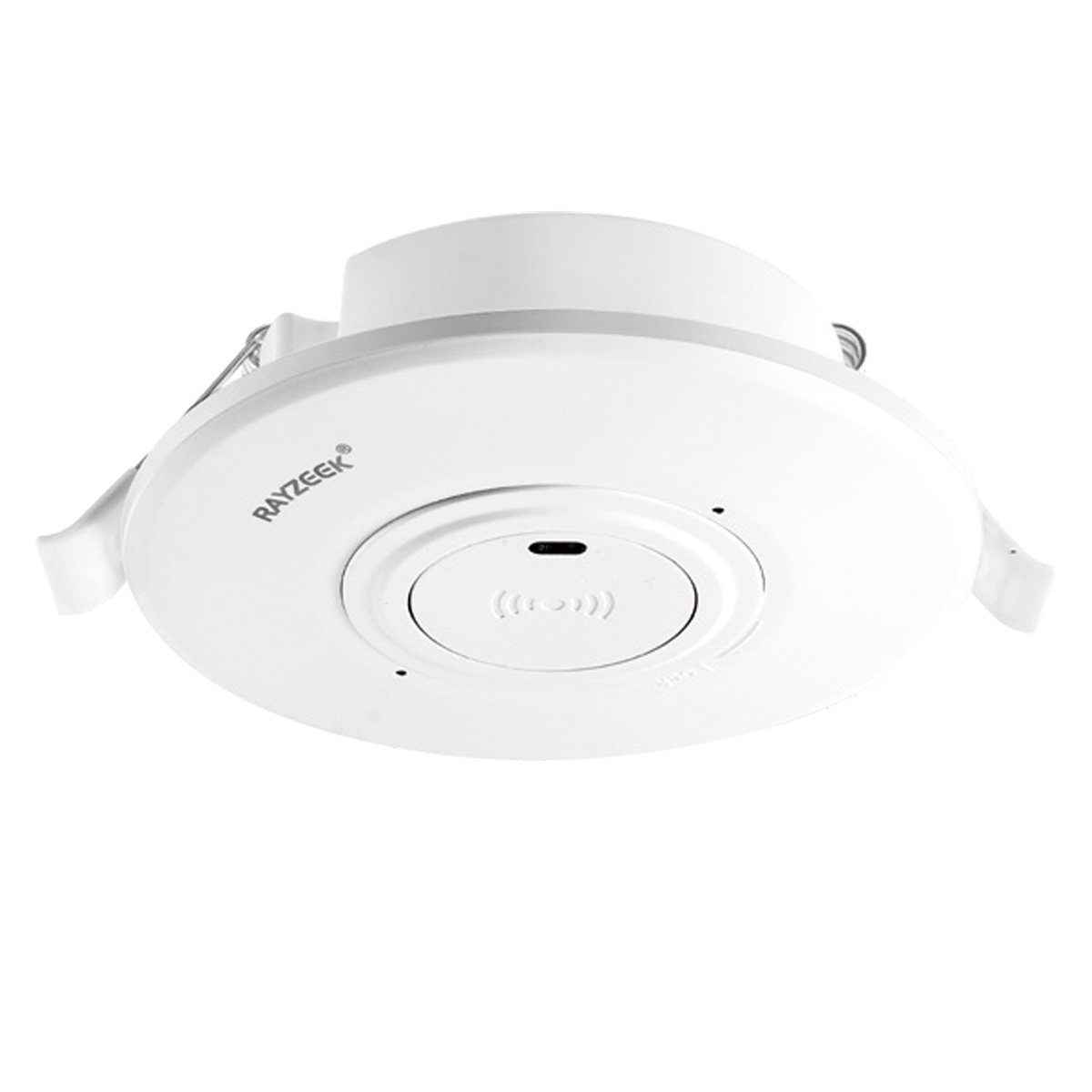
- Interrupteur détecteur de mouvement hyperfréquence encastré pour plafond basse tension continue
- Entrée 12 VDC / 24 VDC avec plage de 10-30 VDC
- Courant de fonctionnement maximal de 10A avec temporisation, seuil Lux et sensibilité réglables
- Interrupteur détecteur de mouvement à micro-ondes encastré au plafond pour charges plus élevées
- Entrée de tension secteur 100-265 VAC, modèle 10A
- Détection hyperfréquence (micro-ondes) 5,8 GHz avec temporisation, seuil Lux et sensibilité réglables
- Interrupteur détecteur de mouvement à micro-ondes encastré au plafond
- Entrée de tension secteur 100-265 VAC, modèle 5A
- Détection hyperfréquence (micro-ondes) 5,8 GHz avec temporisation, seuil Lux et sensibilité réglables
- Variateur détecteur de présence PIR RZ037 pour montage au plafond pour alimentation 220V
- Courant de fonctionnement maximal de 3A avec une charge nominale de 660W
- Le bouton LUX contrôle la marche/arrêt du capteur de lumière et la luminosité de variation réglée par l'utilisateur
- Variateur détecteur de présence PIR RZ037 pour montage au plafond pour alimentation 110V
- Courant de fonctionnement maximal de 3A avec une charge nominale de 330W
- Le bouton LUX contrôle la marche/arrêt du capteur de lumière et la luminosité de variation réglée par l'utilisateur
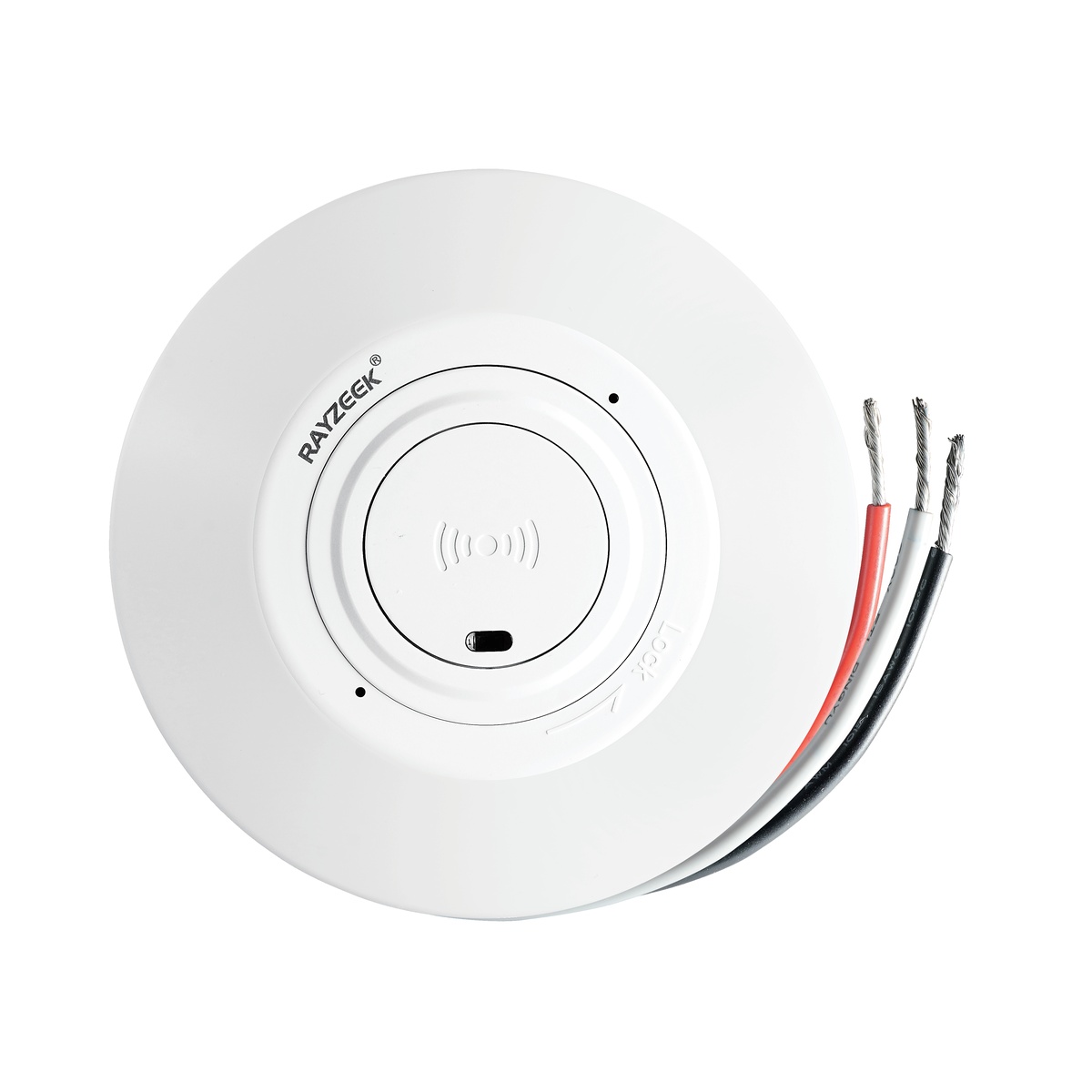
- Interrupteur détecteur de mouvement à micro-ondes basse tension CC pour montage au plafond
- Entrée 12 VDC / 24 VDC avec plage de 10-30 VDC
- Courant de fonctionnement maximal de 10A avec temporisation, seuil Lux et sensibilité réglables
- Interrupteur détecteur de mouvement à micro-ondes pour montage au plafond pour charges plus élevées
- Entrée de tension secteur 100-265 VAC, modèle 10A
- Détection hyperfréquence (micro-ondes) 5,8 GHz avec temporisation, seuil Lux et sensibilité réglables
- Interrupteur à détecteur de mouvement hyperfréquence pour montage au plafond
- Entrée de tension secteur 100-265 VAC, modèle 5A
- Détection hyperfréquence (micro-ondes) 5,8 GHz avec temporisation, seuil Lux et sensibilité réglables
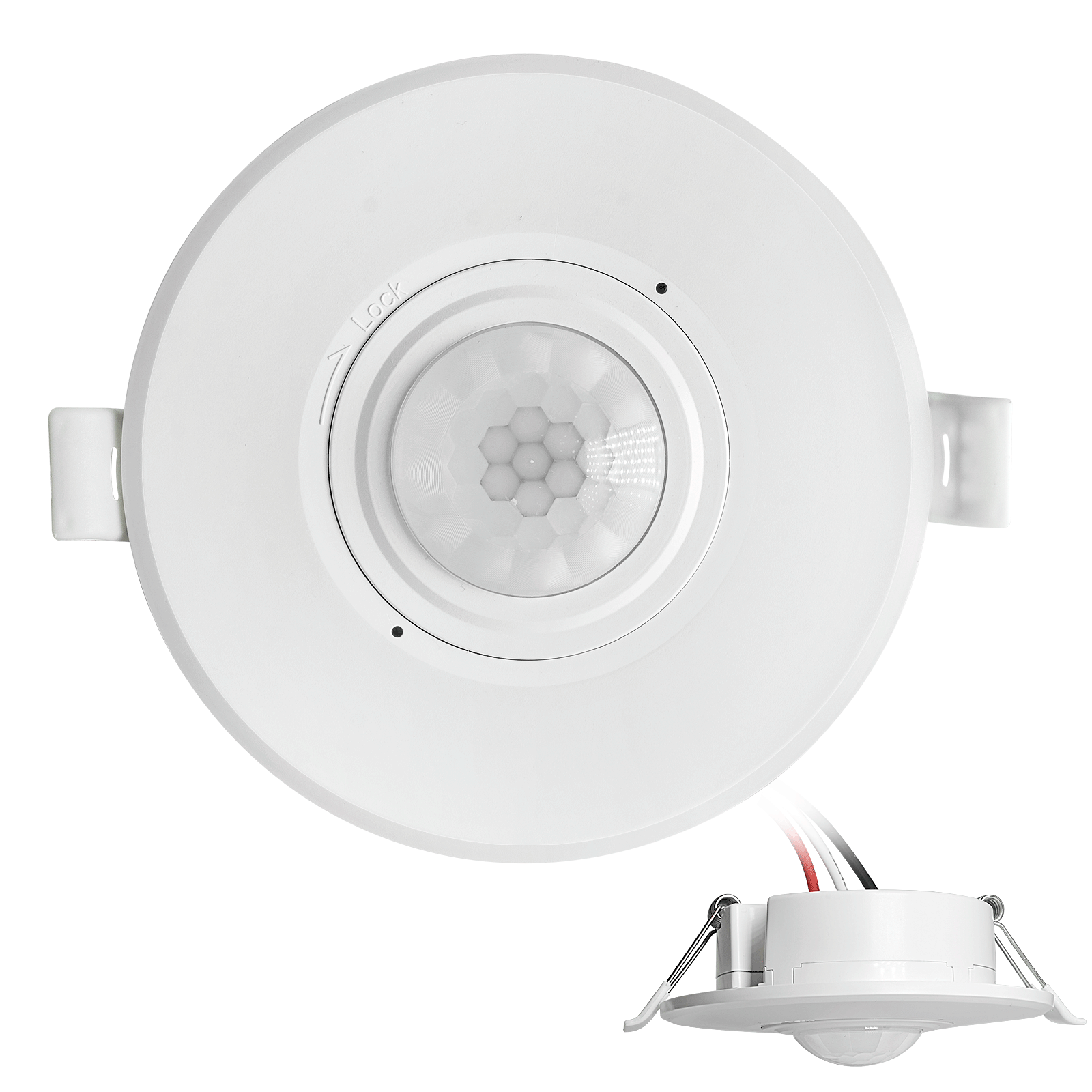
- Interrupteur à détecteur de mouvement PIR encastré pour plafond à basse tension CC
- Entrée 12 VDC / 24 VDC avec plage de 10-30 VDC
- Courant de fonctionnement maximal de 10A avec temporisation, seuil Lux et sensibilité réglables
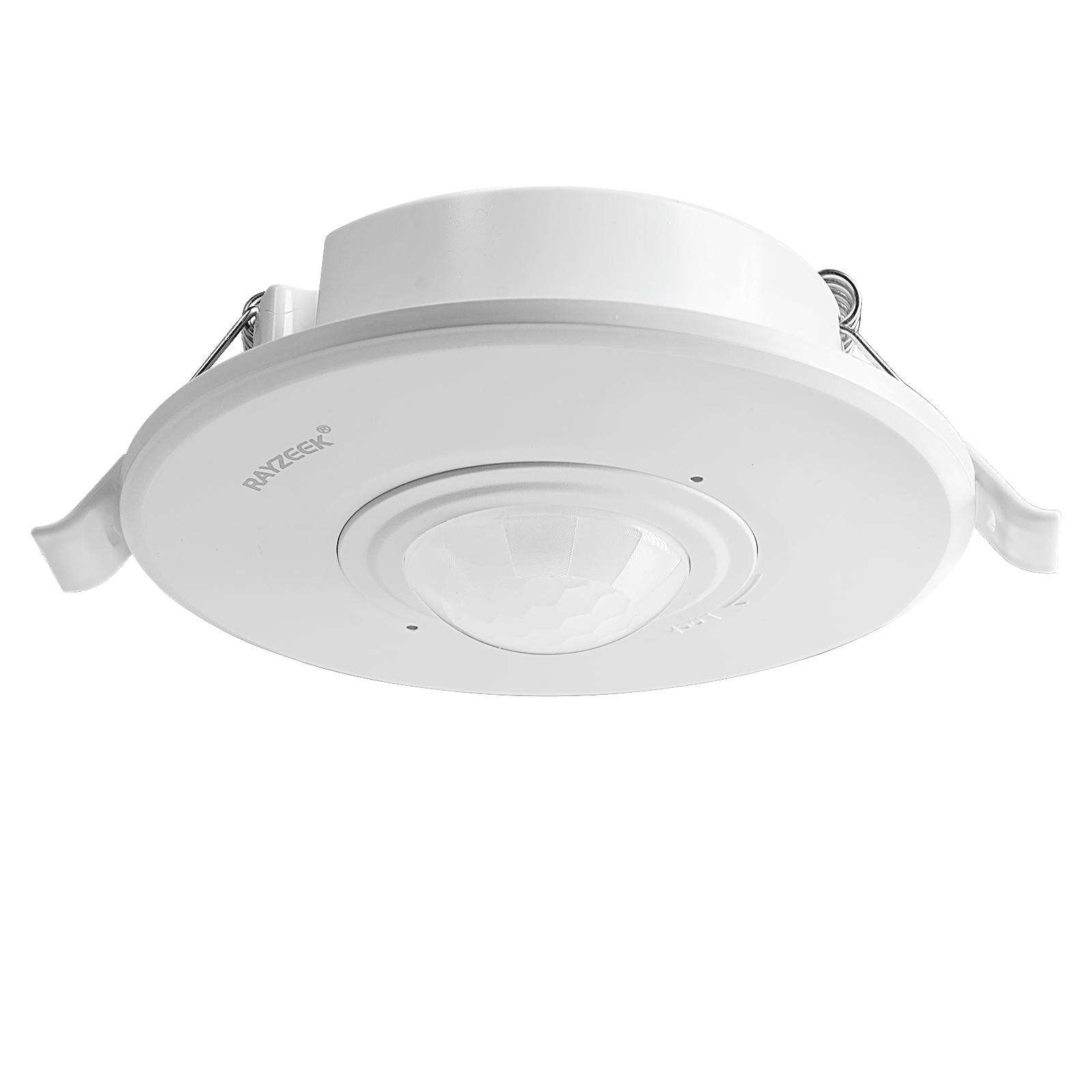
- Interrupteur à détecteur de mouvement PIR encastré pour plafond pour charges plus élevées
- Entrée de tension secteur 100-265 VAC, modèle 10A
- Détection à 360 degrés avec temporisation, seuil Lux et sensibilité réglables
- Interrupteur à détecteur de mouvement PIR encastré pour plafond
- Entrée de tension secteur 100-265 VAC, modèle 5A
- Détection à 360 degrés avec temporisation, seuil Lux et sensibilité réglables
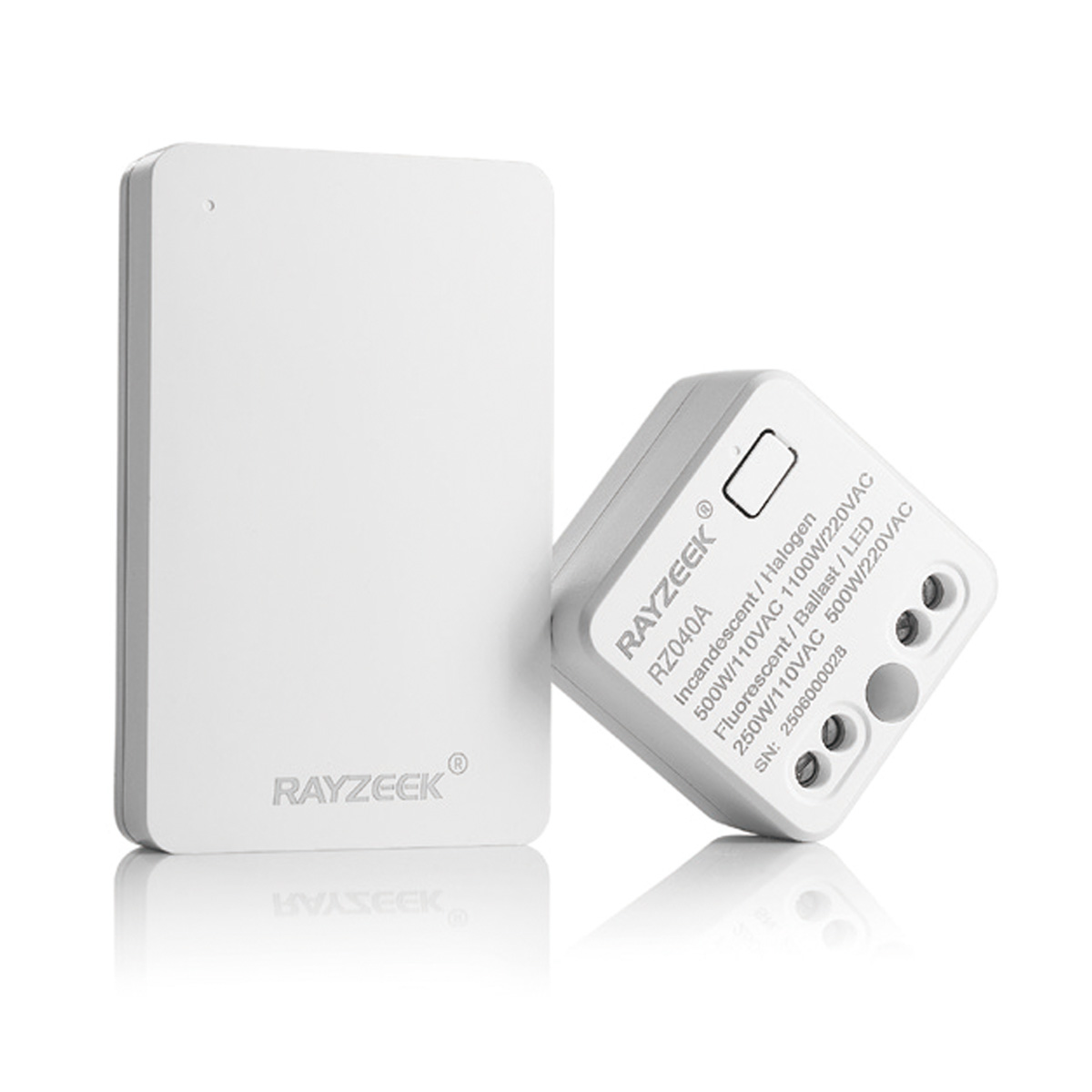
- Kit d’interrupteur sans fil et récepteur pour le contrôle de l’éclairage intérieur MARCHE/ARRÊT
- Récepteur 100-230VAC, 50/60Hz avec courant nominal de 5A
- Interrupteur sans fil alimenté par pile CR2032 avec communication 2.4GHz
- Détection d'occupation (Auto-ON/Auto-OFF)
- 12–24V DC (10–30VDC), jusqu'à 10A
- Couverture 360°, diamètre de 8–12 m
- Temporisation 15 s–30 min
- Capteur de luminosité Désactivé/15/25/35 Lux
- Sensibilité Haute/Basse
- Mode d'occupation Auto-ON/Auto-OFF
- 100–265V AC, 10A (neutre requis)
- Couverture 360° ; diamètre de détection 8–12 m
- Temporisation 15 s–30 min ; Lux Désactivé/15/25/35 ; Sensibilité Haute/Basse
- Mode d'occupation Auto-ON/Auto-OFF
- 100–265V AC, 5A (neutre requis)
- Couverture 360° ; diamètre de détection 8–12 m
- Temporisation 15 s–30 min ; Lux Désactivé/15/25/35 ; Sensibilité Haute/Basse
Condenser Coil Problems: Heat Exchange Issues
Condenser coils play a crucial role in the cooling process. They are responsible for releasing the heat absorbed by the refrigerant to the outside air. In essence, they facilitate the heat transfer from the refrigerant to the outdoor environment, allowing the refrigerant to cool down and continue the cycle.
How to Clean Condenser Coils
First, and most importantly, turn off the power to your AC unit at the circuit breaker. Safety first! Then, use a soft brush or vacuum to remove any loose debris, such as leaves, dirt, or grass clippings, that might be obstructing the coils.
Next, you can use a garden hose with a spray nozzle to gently clean the coils. Alternatively, you can use a commercial coil cleaner specifically designed for this purpose. If you notice any bent fins on the coils, carefully straighten them using a fin comb. Bent fins can restrict airflow and reduce efficiency.
Condenser Coil Design and Heat Transfer Efficiency
The design of condenser coils significantly impacts their ability to transfer heat. Factors such as fin density play a role. Higher fin density means more surface area for heat transfer, which generally leads to better efficiency.
The material of the coils also matters. Copper and aluminum are commonly used, each with different heat transfer properties. Additionally, the configuration of the coils, including their shape and arrangement, affects airflow and overall heat transfer efficiency.
Ductwork Problems: Leaks and Blockages
Ductwork is the system of channels that distributes cooled air throughout your home. It’s like the circulatory system of your house, delivering conditioned air to each room. However, problems with ductwork, such as leaks, blockages, or poor insulation, can significantly impact your AC’s performance.
How to Inspect Your Ductwork
Start by looking for any visible damage to your ductwork. This could include holes, tears, or sections that have become disconnected. Next, try to feel for air leaks. Hold your hand near the joints and seams of the ducts to detect any escaping air.
Listen for any unusual noises, such as whistling or rumbling sounds, which could indicate leaks or blockages. Finally, pay attention to the temperature in different rooms. If some rooms are consistently too hot or too cold, it could be a sign of ductwork problems.
Best Practices for Sealing and Insulating Ductwork
If you find leaks, it’s important to seal them properly. Use mastic sealant or metal tape for this purpose. Regular duct tape is not a suitable solution, as it tends to degrade over time.
If your ducts run through unconditioned spaces, such as attics or crawl spaces, make sure they are properly insulated. Foil-faced fiberglass insulation is a common choice for this purpose. Finally, ensure there are no obstructions inside the ducts that could restrict airflow.
Laissez-vous inspirer par les portfolios de détecteurs de mouvement Rayzeek.
Vous ne trouvez pas ce que vous cherchez ? Ne vous inquiétez pas. Il existe toujours d'autres solutions à vos besoins. L'un de nos portfolios peut sans doute vous aider.
Electrical Problems: Power Supply Issues
Electrical problems can prevent your AC unit from receiving the power it needs to operate correctly. These issues can range from simple tripped breakers to more complex wiring or component failures. Common electrical faults in AC systems include tripped circuit breakers or blown fuses, which are often the first things to check. Loose or damaged wiring can disrupt the flow of electricity, while faulty contactors or relays, which control electricity flow to various parts, can also be the culprit. Additionally, the motor itself might experience electrical issues.
Safety Precautions When Dealing with Electrical Issues
- Turn off the power: Always turn off the power to your AC unit at the circuit breaker before working on any electrical components.
- Use insulated tools: This will help protect you from electrical shock.
- Wear rubber-soled shoes: This provides an extra layer of insulation.
- Avoid wet conditions: Water and electricity don’t mix.
- Call a professional: If you’re not comfortable working with electricity, don’t hesitate to call a qualified electrician.
Maintenance and Professional Repair
Regular maintenance is crucial for keeping your AC system running smoothly. It can prevent problems, improve efficiency, and extend the lifespan of your unit. A comprehensive AC maintenance routine typically involves cleaning or replacing air filters, cleaning the condenser and evaporator coils, checking refrigerant levels, inspecting electrical connections, lubricating moving parts, testing the thermostat, and inspecting ductwork.
Choosing the Right HVAC Technician
When choosing an HVAC technician, it’s important to do your research. Check for proper licensing and insurance. Read online reviews and ask for recommendations from friends or family.
Get multiple quotes to compare prices and services. Ask about the technician’s experience and any relevant certifications. Finally, inquire about warranties and guarantees on their work.
Understanding SEER Ratings: Energy Efficiency and Cooling
SEER, or Seasonal Energy Efficiency Ratio, is a measure of an air conditioner’s cooling efficiency. It’s calculated by dividing the cooling output in BTUs (British Thermal Units) by the energy input in watt-hours over a typical cooling season.
What SEER Rating Should I Choose?
Higher SEER ratings indicate greater energy efficiency. In most regions, the minimum SEER rating for new AC units is 13 or 14. However, in hotter climates, a higher rating might be required.
When choosing a SEER rating, consider your climate, budget, and long-term cost savings. Higher SEER units are more expensive upfront but can save you money on your energy bills over time.
SEER Ratings and Long-Term Cost Savings
While higher SEER units have a higher initial cost, they can lead to significant savings on your energy bills over their lifespan. To determine the potential return on investment, you can calculate the payback period. Estimate the annual energy savings you’d achieve with a higher SEER unit and compare that to the difference in upfront cost.
It’s important to note that SEER may not always accurately reflect real-world energy consumption in all climates. Other metrics, such as EER (Energy Efficiency Ratio) and HSPF (Heating Seasonal Performance Factor), should also be considered for a more comprehensive understanding of a unit’s efficiency.
AC Unit Lifespan: When to Replace Your System
The average lifespan of an air conditioning unit is around 15-20 years with proper maintenance. However, several factors can influence this.
Signs It’s Time for a New AC Unit
Several indicators can signal that it might be time to consider a new AC unit. Frequent breakdowns that require constant repairs are a major red flag. Similarly, a noticeable and unexplained increase in your energy bills could suggest that your AC is losing efficiency due to age. Inconsistent cooling, where your AC struggles to maintain a comfortable temperature, is another warning sign. If your unit is over 15 years old, it’s generally a good idea to start planning for a replacement. Finally, if your unit still uses R-22 refrigerant, which is being phased out, upgrading to a more environmentally friendly model is recommended.
Factors Affecting AC Unit Lifespan
Several factors can impact how long your AC unit lasts. Regular maintenance is crucial for extending its lifespan. Usage patterns also play a role; more frequent use can lead to a shorter lifespan. Climate is another factor, as extreme temperatures can put more strain on the unit. The quality of the initial installation is essential for optimal performance and longevity. Finally, the quality of the original equipment itself will naturally influence its lifespan.