Gdy letnie upały sięgają szczytu, sprawny klimatyzator to nie tylko luksus, lecz konieczność. Co jednak zrobić, gdy niezawodna dotąd klimatyzacja nagle zaczyna nawiewać ciepłe powietrze? W tym kompleksowym przewodniku omówimy przyczyny tego powszechnego problemu, przedstawiając zarówno proste wyjaśnienia dla właścicieli domów, jak i szczegółowe informacje techniczne dla specjalistów HVAC.
Zabrudzony filtr powietrza: częsty winowajca
Jedną z najczęstszych przyczyn spadku wydajności klimatyzatora jest zabrudzony filtr powietrza. Aby to zobrazować, wyobraź sobie próbę oddychania przez zatkaną słomkę. Szybko zabrakłoby Ci tchu, prawda? W podobny sposób zabrudzony filtr powietrza ogranicza przepływ powietrza, utrudniając klimatyzatorowi skuteczne chłodzenie domu.
Ograniczony przepływ powietrza niesie za sobą kilka konsekwencji. Po pierwsze, zmniejsza wydajność chłodniczą systemu. Po drugie, zmusza klimatyzator do intensywniejszej pracy, co prowadzi do zwiększonego zużycia energii. Wreszcie może nawet doprowadzić do zamarznięcia wężownicy parownika — problemu, który szczegółowo omówimy w dalszej części.
Jak często należy wymieniać filtr klimatyzatora?
Na częstotliwość wymiany filtra wpływa kilka czynników. Należą do nich intensywność użytkowania klimatyzacji, rodzaj zastosowanego filtra oraz obecność zwierząt domowych lub alergików w gospodarstwie domowym. Zgodnie ogólną zasadą zaleca się sprawdzanie stanu filtra raz w miesiącu.
W przypadku częstego korzystania z klimatyzacji lub problemów z alergiami wymiana filtra może być konieczna częściej. W większości gospodarstw domowych wystarczająca jest wymiana filtra co jeden do trzech miesięcy.
Rodzaje filtrów do klimatyzatorów
Na rynku dostępnych jest wiele rodzajów filtrów do klimatyzatorów, z których każdy posiada własne zalety i wady. Filtry z włókna szklanego stanowią najbardziej podstawową i najtańszą opcję, lecz wykazują najniższą skuteczność w wychwytywaniu drobnych cząstek. Filtry plisowane zapewniają wyższy poziom filtracji, stanowiąc dobry kompromis między ceną a skutecznością dzięki zatrzymywaniu większej ilości kurzu, pyłków i innych zanieczyszczeń powietrza. Dla osób z alergiami lub nadwrażliwością układu oddechowego najlepszym wyborem są filtry HEPA (High-Efficiency Particulate Air), które zapewniają najwyższy stopień filtracji, choć wiążą się z wyższym kosztem. Z kolei filtry wielorazowe stanowią rozwiązanie przyjazne dla środowiska, ponieważ można je myć i użytkować ponownie. Wymagają one jednak regularnego czyszczenia, aby zachować swoją skuteczność.
Zamarznięte wężownice parownika: przyczyny i rozwiązania
Zamarznięte wężownice parownika to kolejna częsta przyczyna nieprawidłowego chłodzenia przez klimatyzator. Zjawisko to występuje najczęściej w wyniku ograniczonego przepływu powietrza — jak w przypadku zabrudzonych filtrów — lub niskiego poziomu czynnika chłodniczego.
Gdy przepływ powietrza jest ograniczony, czynnik chłodniczy wewnątrz wężownic osiąga zbyt niską temperaturę. Powoduje to skraplanie się wilgoci z otaczającego powietrza i jej zamarzanie na wężownicach. Skutkiem jest spadek wydajności chłodzenia, a w skrajnych przypadkach ryzyko uszkodzenia sprężarki, stanowiącej serce układu klimatyzacji.
Objawy zamarznięcia wężownic parownika
Zamarznięcie wężownic parownika można podejrzewać w przypadku zauważenia szronu lub lodu na samych wężownicach bądź na przewodach czynnika chłodniczego. Wyraźnym wskaźnikiem jest również odczuwalny spadek przepływu powietrza z kratkek nawiewnych. W miarę topnienia lodu z jednostki klimatyzacyjnej może także wyciekać woda. Wreszcie, nietypowe dźwięki, takie jak syczenie lub bulgotanie, mogą sygnalizować problem z wężownicami.
Niski poziom czynnika chłodniczego a zamarzanie wężownic
Niski poziom czynnika chłodniczego również może być przyczyną zamarzania wężownic parownika. Czynnik chłodniczy to substancja odpowiedzialna za pochłanianie ciepła z powietrza wewnątrz pomieszczenia. Gdy jego ilość jest niewystarczająca, pochłania on mniej ciepła, co prowadzi do znacznego spadku temperatury wężownicy i możliwości jej zamarznięcia.
Sytuacja ta może także obciążać sprężarkę. Sprężarka została zaprojektowana do pracy z określoną ilością czynnika chłodniczego. Przy zbyt niskim poziomie może dochodzić do jej przegrzewania, a w konsekwencji do awarii.
Wycieki czynnika chłodniczego: poważny problem
Refrigerant leaks are a serious issue that can significantly impact your AC’s performance and harm the environment. Refrigerant is crucial to the cooling process; it absorbs heat from the indoor air and releases it outside.
Leaks not only reduce your AC’s cooling capacity but also lead to increased energy consumption as the system works harder to compensate. Moreover, they can cause damage to the compressor and pose environmental risks.
Types of Refrigerants
The type of refrigerant used in AC systems has evolved over time. R-22 (Freon), an older refrigerant, is being phased out due to its ozone-depleting potential. R-410A (Puron) was introduced as a more environmentally friendly replacement. Currently, other refrigerants like R-32 and R-454B are emerging as alternatives with even lower global warming potential.
How to Detect Refrigerant Leaks
Several methods can be used to detect refrigerant leaks. Electronic leak detectors are specialized devices designed to sense the presence of refrigerant gas. Another technique involves adding a UV dye to the system; if a leak exists, the dye will glow under UV light, making the leak easy to spot. A simple bubble test can also be performed by applying a soap solution to suspected leak areas – bubbles will form if refrigerant is escaping. Finally, a pressure test, which involves monitoring the system’s pressure, can reveal drops that indicate a leak.
Szukasz energooszczędnych rozwiązań aktywowanych ruchem?
Skontaktuj się z nami w sprawie czujników ruchu PIR, energooszczędnych produktów aktywowanych ruchem, przełączników z czujnikiem ruchu oraz komercyjnych rozwiązań typu Occupancy/Vacancy.
Health Risks of Refrigerant Leaks
Addressing refrigerant leaks promptly is crucial not only for your AC’s performance but also for health and environmental reasons. Inhalation of refrigerant can lead to dizziness, headaches, nausea, and, in severe cases, loss of consciousness. Direct skin or eye contact can cause irritation or even frostbite. Furthermore, the environmental impact of refrigerant leaks is significant. Older refrigerants contribute to ozone depletion, while newer ones, though less harmful, still have a considerable global warming potential.
Compressor Problems: The Heart of Your AC
The compressor is the heart of your air conditioning system. It’s responsible for circulating the refrigerant that makes the cooling process possible. The compressor’s job is to compress the refrigerant gas, which increases its temperature and pressure. This is a critical step in the heat transfer process that ultimately cools the air in your home.
Types of AC Compressors
Several types of compressors are used in air conditioning systems, each with its own characteristics. Reciprocating compressors, common in older units, use pistons to compress the refrigerant, much like a car engine. Scroll compressors are generally more efficient and quieter, using two spiral-shaped scrolls to compress the refrigerant. Rotary compressors, often found in smaller units, are compact and efficient, using a rotating vane for compression. Screw compressors are typically used in large commercial systems due to their high capacity, employing two intermeshing screws for compression.
Signs of a Failing Compressor
A failing compressor often exhibits several warning signs. You might notice reduced cooling performance, with your AC not cooling as effectively as it used to. Unusual noises like grinding, squealing, or banging can also indicate a problem. If the compressor is drawing too much power, it might cause your circuit breaker to trip. Hard starting, where the compressor struggles to start, is another telltale sign. Finally, increased energy consumption and higher bills can point to a failing compressor working harder than it should.
Long-Term Effects of Running AC with a Faulty Compressor
Ignoring a faulty compressor can have serious consequences. Continued operation can lead to further damage to the compressor, potentially causing its complete failure. The added strain can also damage other components in the system, leading to a domino effect of failures. In the worst-case scenario, the entire AC system could fail. A malfunctioning compressor will also lead to increased energy costs as it struggles to operate. Ultimately, running a faulty compressor will significantly reduce the lifespan of your AC unit.
Thermostat Issues: Is Your AC Getting the Right Signals?
The thermostat is the brain of your AC system. It’s responsible for controlling the operation of the unit, turning it on and off based on your desired temperature. It senses the room temperature and signals the AC unit to start or stop cooling accordingly.
Types of Thermostats
Just like compressors, thermostats have evolved over time. Electromechanical thermostats, the older style, use a bimetallic strip to sense temperature changes and are generally less accurate than newer models. Digital thermostats offer improved accuracy and often come with programmable features, allowing you to schedule different temperatures for different times of the day. Smart thermostats represent the latest advancement, featuring Wi-Fi connectivity for remote control, learning capabilities to adapt to your preferences, and the potential to optimize energy use. They offer potential long-term energy savings but may also raise privacy concerns and have a steeper learning curve.
How to Test Your Thermostat
First, check the display to ensure it’s powered on and displaying the correct settings. Then, try changing the temperature setting. Set it a few degrees lower than the current room temperature and listen for the AC to turn on.
If the display is blank, you might need to replace the batteries. If that doesn’t work, you can inspect the wiring for any loose or damaged connections. However, if you’re not comfortable working with electrical components, it’s best to consult a professional. In some cases, you can temporarily bypass the thermostat to see if the AC turns on, but again, this is best left to a qualified technician.
While thermostats are essential for temperature control, they have a significant limitation: they don’t know if a room is actually occupied. This means your AC could be running for hours, cooling an empty space and wasting energy. This is where a smart solution like the RZ050 Air Conditioner Motion Sensor comes in. This innovative device automatically turns off your AC when you leave a room, ensuring you’re not paying to cool an empty space.

RZ050 Air Conditioner Motion Sensor
Never Forget to Turn Off AC Again
- Automatically turns off your AC when you leave.
- Save energy and money effortlessly.
- Easy to install and use, no professional help needed.
By intelligently detecting occupancy, the RZ050 adds a layer of automation that even the most advanced thermostats lack. It’s a simple yet effective way to enhance your AC’s efficiency and contribute to a more sustainable lifestyle.
Capacitor Problems: Starting and Running Issues
Capacitors are essential electrical components that provide the necessary boost to start and run your AC’s motor. They function by storing and releasing electrical energy, ensuring the motor has the power it needs to operate.
What’s the Difference Between a Start and Run Capacitor?
A start capacitor provides a large initial burst of energy to get the motor started. Think of it like the initial push needed to get a bicycle moving. A run capacitor, on the other hand, provides a continuous, smaller boost to keep the motor running smoothly once it’s started. Some AC units use a dual capacitor, which combines both start and run functions into a single unit.
Diagnosing Capacitor Problems
Capacitor problems can often be identified through a combination of methods. A visual inspection can reveal physical signs of damage, such as bulging or leaking. For a more technical assessment, a multimeter can be used to measure the capacitor’s capacitance and compare it to the rated value. Several symptoms can also indicate a bad capacitor: the AC unit might not start at all, it might make a humming noise, it could operate intermittently, or you might experience weak airflow.
Może Cię również zainteresować
- Napięcie: 2 baterie AAA
- Tryb Dzień/Noc
- Opóźnienie czasowe: 15min, 30min, 1h (domyślnie), 2h
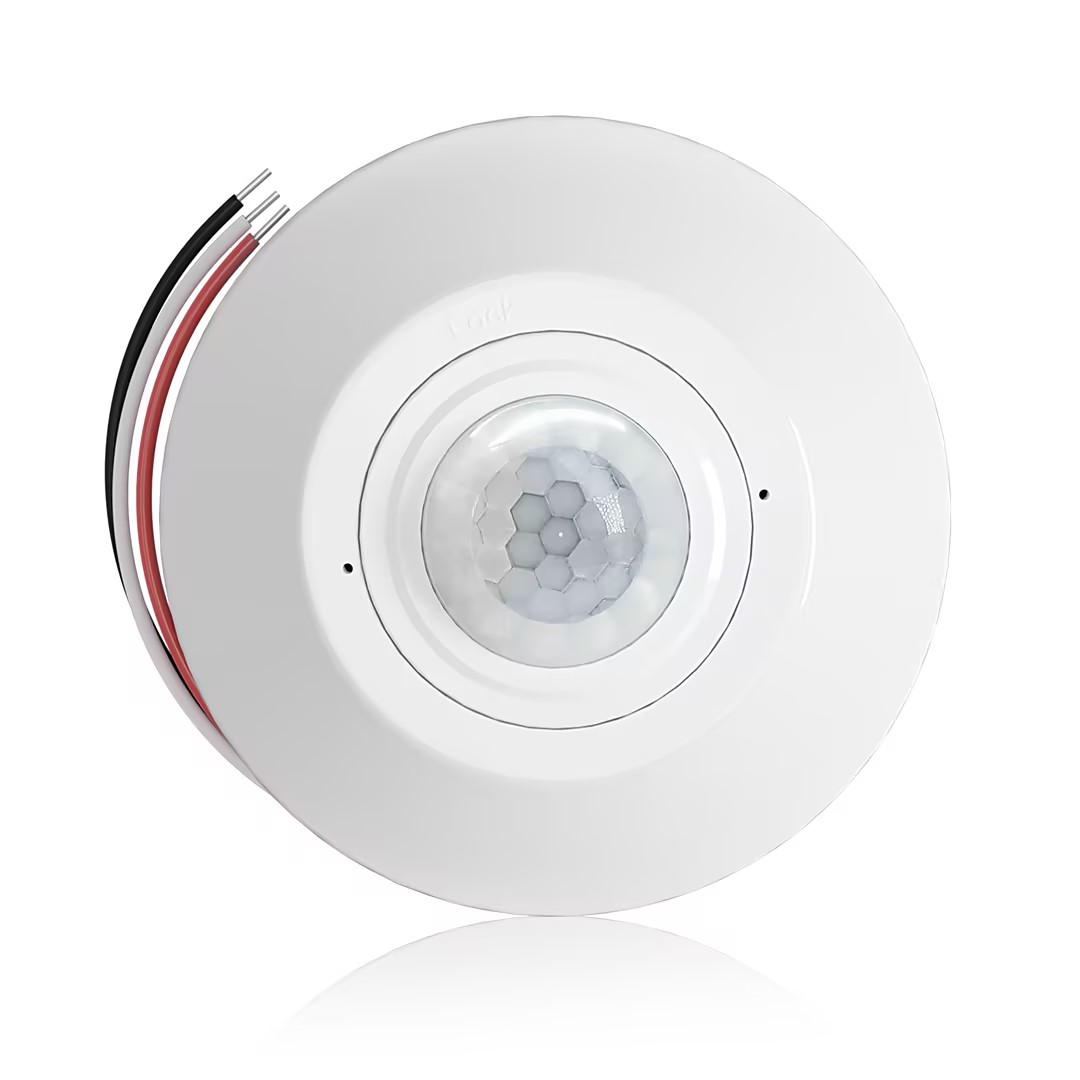
- Sufitowy czujnik obecności PIR z wyjściem przekaźnikowym bezpotencjałowym
- Zasilanie niskonapięciowe 12/24 VDC lub 12/24 VAC
- Izolowane styki przekaźnika COM, NO i NC dla wejść systemów EMS, HVAC i sterowania budynkiem
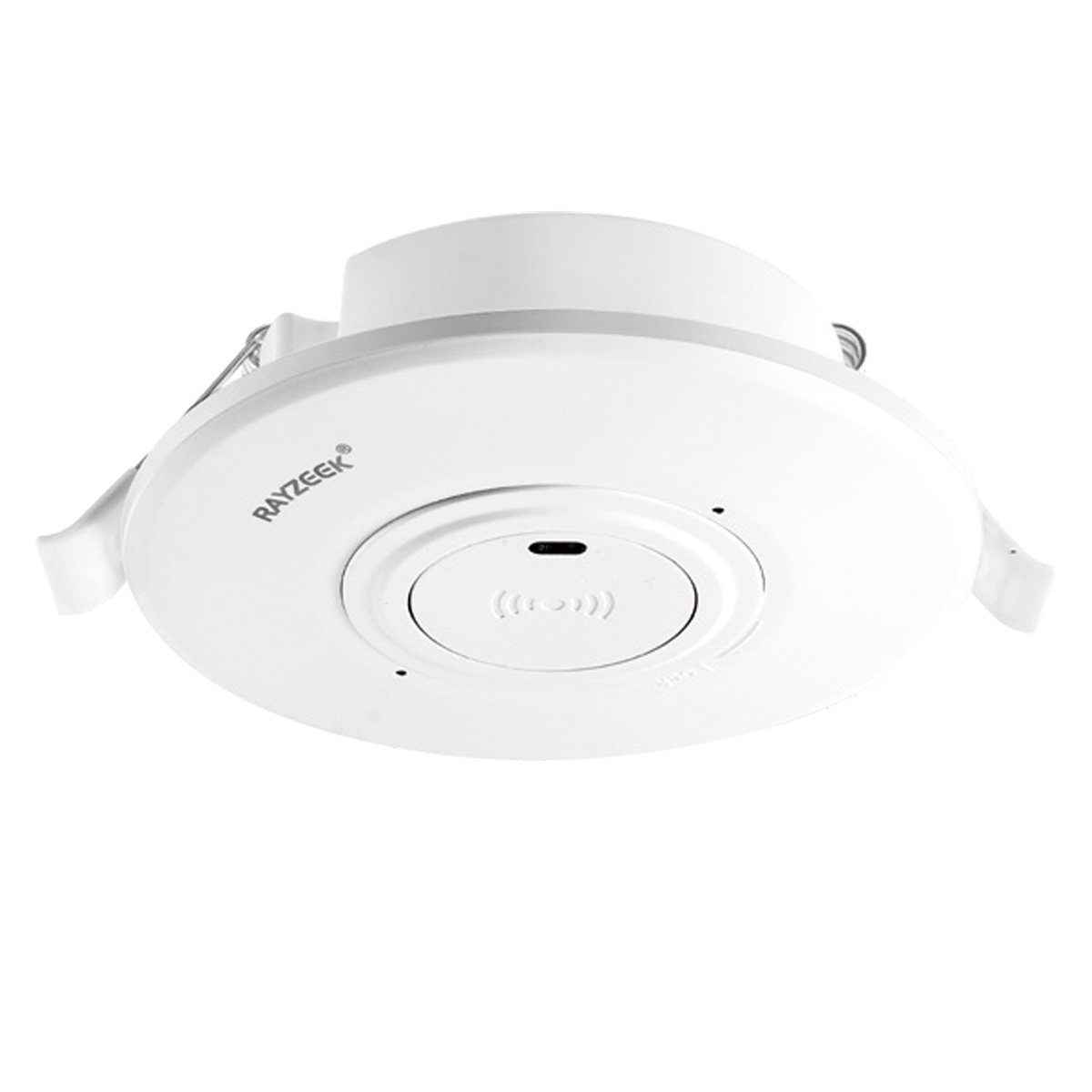
- Niskonapięciowy, podtynkowy sufitowy mikrofalowy czujnik ruchu DC
- Wejście 12 VDC / 24 VDC w zakresie 10–30 VDC
- Maksymalny prąd roboczy 10 A z regulowanym opóźnieniem czasowym, progiem Lux i czułością
- Mikrofalowy czujnik ruchu do montażu podtynkowego w suficie o podwyższonej obciążalności
- Zasilanie sieciowe 100-265 VAC, model 10A
- Detekcja mikrofalowa 5,8 GHz z regulowanym opóźnieniem czasowym, progiem Lux i czułością
- Mikrofalowy czujnik ruchu do montażu podtynkowego w suficie
- Zasilanie sieciowe 100-265 VAC, model 5A
- Detekcja mikrofalowa 5,8 GHz z regulowanym opóźnieniem czasowym, progiem Lux i czułością
- Sufitowy czujnik obecności PIR ze ściemniaczem RZ037 do zasilania 220V
- Maksymalny prąd roboczy 3A przy obciążeniu znamionowym 660W
- Przycisk LUX steruje włączeniem/wyłączeniem czujnika światła oraz ustawionym przez użytkownika poziomem jasności
- Sufitowy czujnik obecności PIR ze ściemniaczem RZ037 do zasilania 110V
- Maksymalny prąd roboczy 3A przy obciążeniu znamionowym 330W
- Przycisk LUX steruje włączeniem/wyłączeniem czujnika światła oraz ustawionym przez użytkownika poziomem jasności
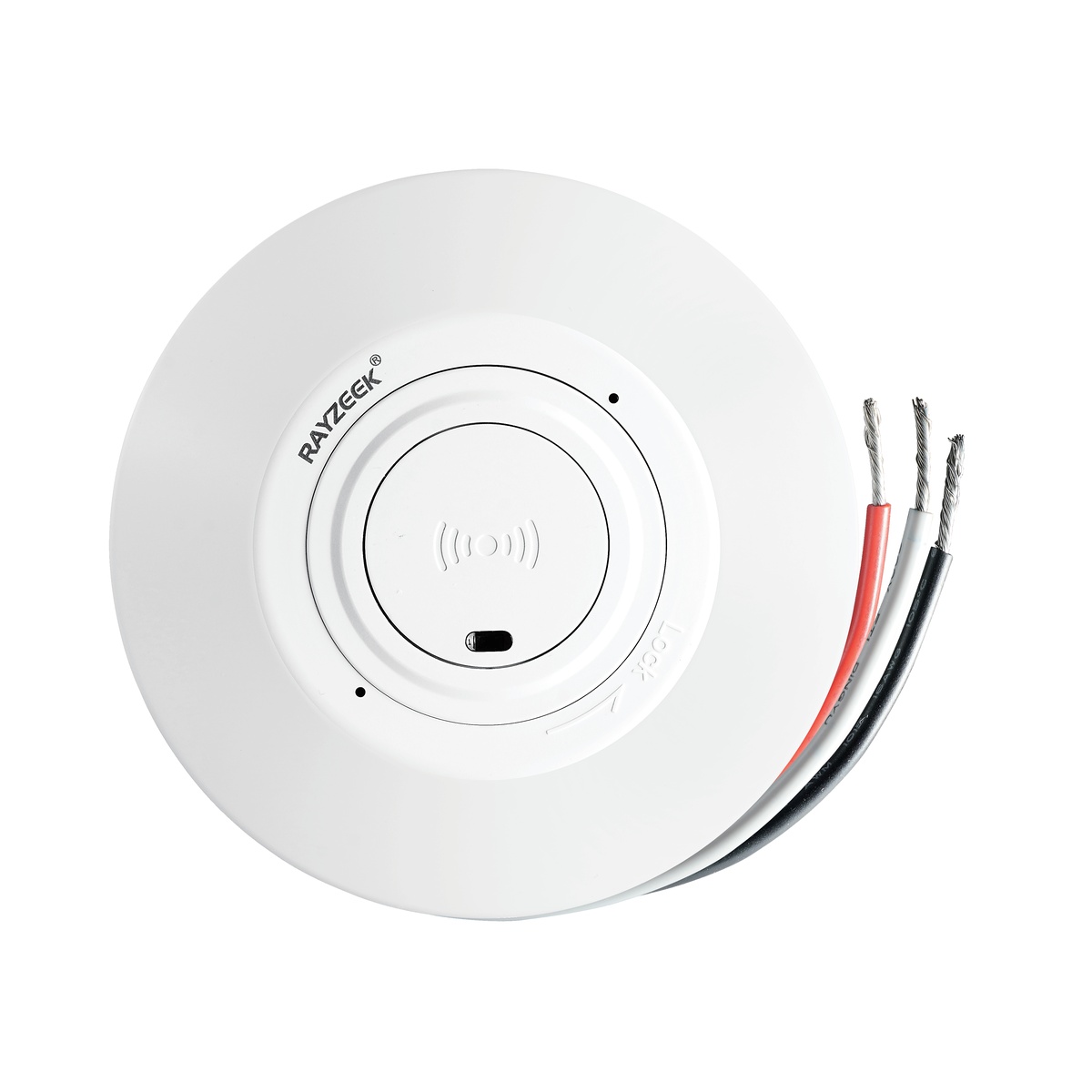
- Niskonapięciowy DC sufitowy mikrofalowy czujnik ruchu
- Wejście 12 VDC / 24 VDC w zakresie 10–30 VDC
- Maksymalny prąd roboczy 10 A z regulowanym opóźnieniem czasowym, progiem Lux i czułością
- Sufitowy mikrofalowy czujnik ruchu o podwyższonej obciążalności
- Zasilanie sieciowe 100-265 VAC, model 10A
- Detekcja mikrofalowa 5,8 GHz z regulowanym opóźnieniem czasowym, progiem Lux i czułością
- Sufitowy mikrofaliowy czujnik ruchu z przełącznikiem
- Zasilanie sieciowe 100-265 VAC, model 5A
- Detekcja mikrofalowa 5,8 GHz z regulowanym opóźnieniem czasowym, progiem Lux i czułością
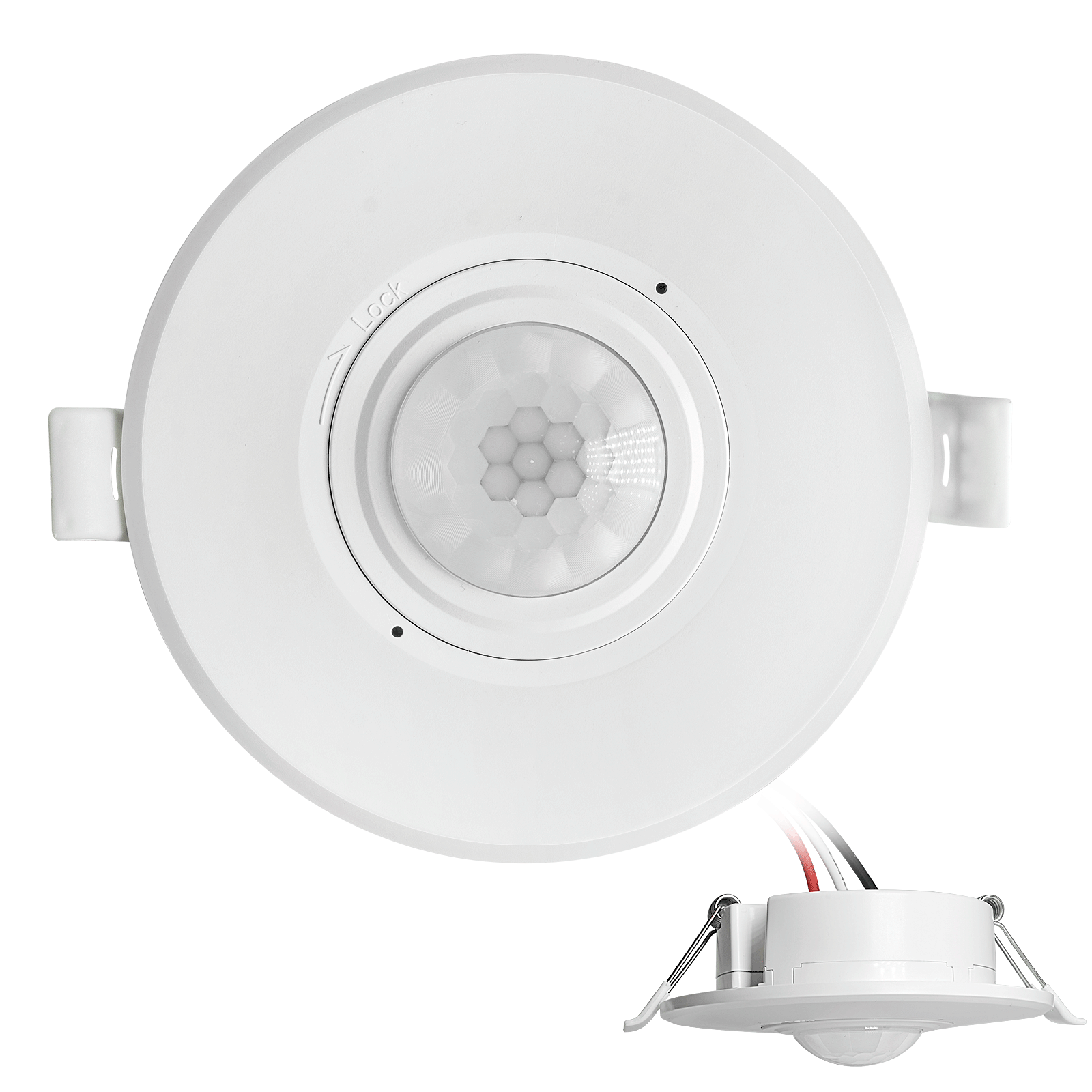
- Niskonapięciowy prądu stałego (DC) przełącznik z czujnikiem ruchu PIR do montażu podtynkowego w suficie
- Wejście 12 VDC / 24 VDC w zakresie 10–30 VDC
- Maksymalny prąd roboczy 10A z regulacją opóźnienia czasowego, progu natężenia światła (Lux) oraz czułości
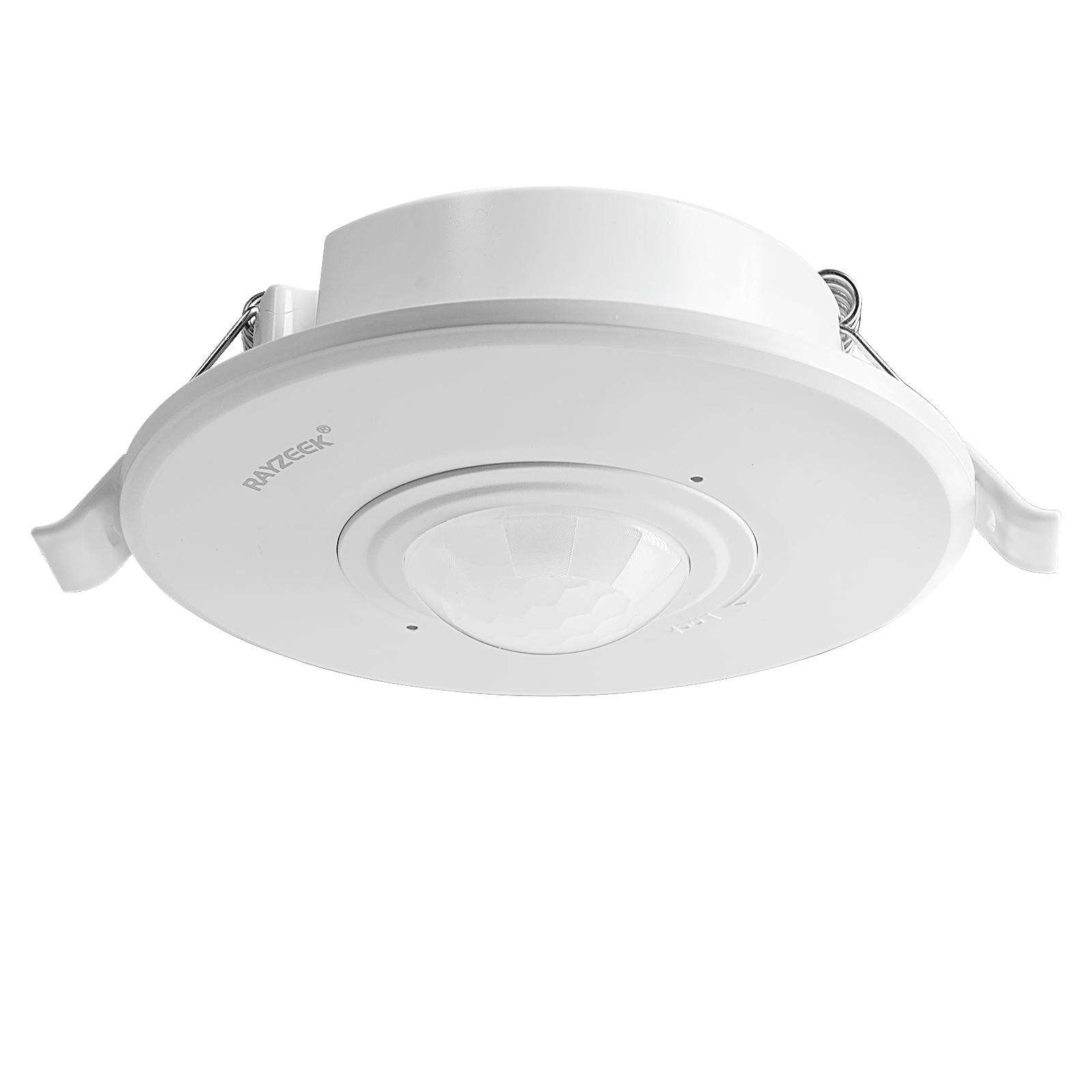
- Przełącznik z czujnikiem ruchu PIR o wyższym obciążeniu, do montażu podtynkowego w suficie
- Zasilanie sieciowe 100-265 VAC, model 10A
- Detekcja w promieniu 360 stopni z regulacją opóźnienia czasowego, progu natężenia światła (Lux) oraz czułości
- Przełącznik z czujnikiem ruchu PIR do montażu podtynkowego w suficie
- Zasilanie sieciowe 100-265 VAC, model 5A
- Detekcja w promieniu 360 stopni z regulacją opóźnienia czasowego, progu natężenia światła (Lux) oraz czułości
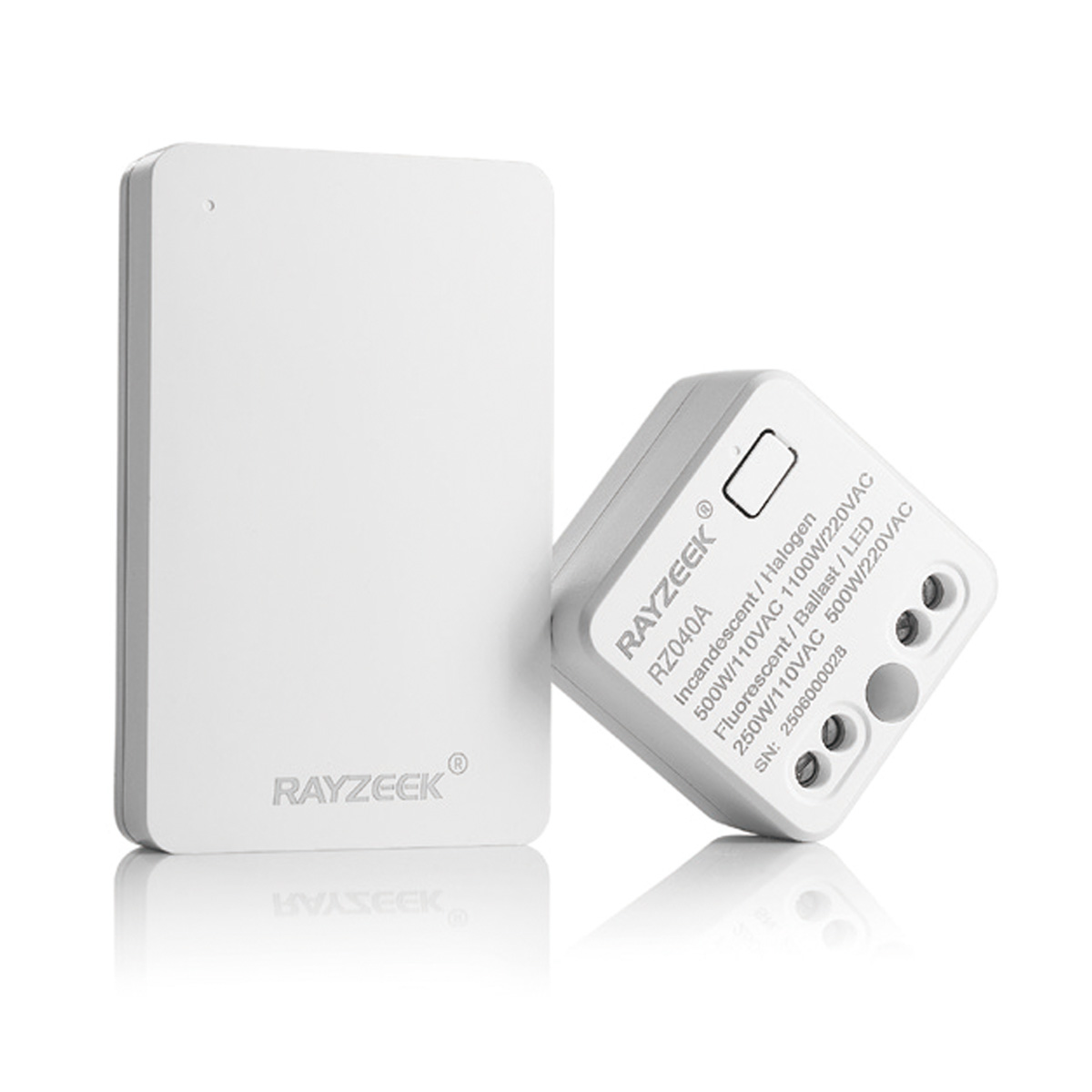
- Zestaw bezprzewodowego przełącznika i odbiornika do wewnętrznego sterowania oświetleniem WŁ./WYŁ.
- Odbiornik 100-230VAC, 50/60Hz o prądzie znamionowym 5A
- Przełącznik bezprzewodowy zasilany baterią CR2032 z komunikacją 2.4GHz
- Tryb obecności (Auto-ON/Auto-OFF)
- 12–24V DC (10–30VDC), do 10A
- Zasięg 360°, średnica wykrywania 8–12 m
- Opóźnienie czasowe 15 s–30 min
- Czujnik światła Wył./15/25/35 Lux
- Wysoka/Niska czułość
- Automatyczny tryb obecności (Auto-ON/Auto-OFF)
- 100–265V AC, 10A (wymagany przewód neutralny)
- Zasięg 360°; średnica wykrywania 8–12 m
- Opóźnienie czasowe 15 s–30 min; Lux WYŁ./15/25/35; Czułość Wysoka/Niska
- Automatyczny tryb obecności (Auto-ON/Auto-OFF)
- 100–265V AC, 5A (wymagany przewód neutralny)
- Zasięg 360°; średnica wykrywania 8–12 m
- Opóźnienie czasowe 15 s–30 min; Lux WYŁ./15/25/35; Czułość Wysoka/Niska
Condenser Coil Problems: Heat Exchange Issues
Condenser coils play a crucial role in the cooling process. They are responsible for releasing the heat absorbed by the refrigerant to the outside air. In essence, they facilitate the heat transfer from the refrigerant to the outdoor environment, allowing the refrigerant to cool down and continue the cycle.
How to Clean Condenser Coils
First, and most importantly, turn off the power to your AC unit at the circuit breaker. Safety first! Then, use a soft brush or vacuum to remove any loose debris, such as leaves, dirt, or grass clippings, that might be obstructing the coils.
Next, you can use a garden hose with a spray nozzle to gently clean the coils. Alternatively, you can use a commercial coil cleaner specifically designed for this purpose. If you notice any bent fins on the coils, carefully straighten them using a fin comb. Bent fins can restrict airflow and reduce efficiency.
Condenser Coil Design and Heat Transfer Efficiency
The design of condenser coils significantly impacts their ability to transfer heat. Factors such as fin density play a role. Higher fin density means more surface area for heat transfer, which generally leads to better efficiency.
The material of the coils also matters. Copper and aluminum are commonly used, each with different heat transfer properties. Additionally, the configuration of the coils, including their shape and arrangement, affects airflow and overall heat transfer efficiency.
Ductwork Problems: Leaks and Blockages
Ductwork is the system of channels that distributes cooled air throughout your home. It’s like the circulatory system of your house, delivering conditioned air to each room. However, problems with ductwork, such as leaks, blockages, or poor insulation, can significantly impact your AC’s performance.
How to Inspect Your Ductwork
Start by looking for any visible damage to your ductwork. This could include holes, tears, or sections that have become disconnected. Next, try to feel for air leaks. Hold your hand near the joints and seams of the ducts to detect any escaping air.
Listen for any unusual noises, such as whistling or rumbling sounds, which could indicate leaks or blockages. Finally, pay attention to the temperature in different rooms. If some rooms are consistently too hot or too cold, it could be a sign of ductwork problems.
Best Practices for Sealing and Insulating Ductwork
If you find leaks, it’s important to seal them properly. Use mastic sealant or metal tape for this purpose. Regular duct tape is not a suitable solution, as it tends to degrade over time.
If your ducts run through unconditioned spaces, such as attics or crawl spaces, make sure they are properly insulated. Foil-faced fiberglass insulation is a common choice for this purpose. Finally, ensure there are no obstructions inside the ducts that could restrict airflow.
Zainspiruj się portfolio czujników ruchu Rayzeek.
Nie znajdujesz tego, czego szukasz? Bez obaw. Zawsze istnieją alternatywne sposoby rozwiązania Twoich problemów. Może jedno z naszych portfolio okaże się pomocne.
Electrical Problems: Power Supply Issues
Electrical problems can prevent your AC unit from receiving the power it needs to operate correctly. These issues can range from simple tripped breakers to more complex wiring or component failures. Common electrical faults in AC systems include tripped circuit breakers or blown fuses, which are often the first things to check. Loose or damaged wiring can disrupt the flow of electricity, while faulty contactors or relays, which control electricity flow to various parts, can also be the culprit. Additionally, the motor itself might experience electrical issues.
Safety Precautions When Dealing with Electrical Issues
- Turn off the power: Always turn off the power to your AC unit at the circuit breaker before working on any electrical components.
- Use insulated tools: This will help protect you from electrical shock.
- Wear rubber-soled shoes: This provides an extra layer of insulation.
- Avoid wet conditions: Water and electricity don’t mix.
- Call a professional: If you’re not comfortable working with electricity, don’t hesitate to call a qualified electrician.
Maintenance and Professional Repair
Regular maintenance is crucial for keeping your AC system running smoothly. It can prevent problems, improve efficiency, and extend the lifespan of your unit. A comprehensive AC maintenance routine typically involves cleaning or replacing air filters, cleaning the condenser and evaporator coils, checking refrigerant levels, inspecting electrical connections, lubricating moving parts, testing the thermostat, and inspecting ductwork.
Choosing the Right HVAC Technician
When choosing an HVAC technician, it’s important to do your research. Check for proper licensing and insurance. Read online reviews and ask for recommendations from friends or family.
Get multiple quotes to compare prices and services. Ask about the technician’s experience and any relevant certifications. Finally, inquire about warranties and guarantees on their work.
Understanding SEER Ratings: Energy Efficiency and Cooling
SEER, or Seasonal Energy Efficiency Ratio, is a measure of an air conditioner’s cooling efficiency. It’s calculated by dividing the cooling output in BTUs (British Thermal Units) by the energy input in watt-hours over a typical cooling season.
What SEER Rating Should I Choose?
Higher SEER ratings indicate greater energy efficiency. In most regions, the minimum SEER rating for new AC units is 13 or 14. However, in hotter climates, a higher rating might be required.
When choosing a SEER rating, consider your climate, budget, and long-term cost savings. Higher SEER units are more expensive upfront but can save you money on your energy bills over time.
SEER Ratings and Long-Term Cost Savings
While higher SEER units have a higher initial cost, they can lead to significant savings on your energy bills over their lifespan. To determine the potential return on investment, you can calculate the payback period. Estimate the annual energy savings you’d achieve with a higher SEER unit and compare that to the difference in upfront cost.
It’s important to note that SEER may not always accurately reflect real-world energy consumption in all climates. Other metrics, such as EER (Energy Efficiency Ratio) and HSPF (Heating Seasonal Performance Factor), should also be considered for a more comprehensive understanding of a unit’s efficiency.
AC Unit Lifespan: When to Replace Your System
The average lifespan of an air conditioning unit is around 15-20 years with proper maintenance. However, several factors can influence this.
Signs It’s Time for a New AC Unit
Several indicators can signal that it might be time to consider a new AC unit. Frequent breakdowns that require constant repairs are a major red flag. Similarly, a noticeable and unexplained increase in your energy bills could suggest that your AC is losing efficiency due to age. Inconsistent cooling, where your AC struggles to maintain a comfortable temperature, is another warning sign. If your unit is over 15 years old, it’s generally a good idea to start planning for a replacement. Finally, if your unit still uses R-22 refrigerant, which is being phased out, upgrading to a more environmentally friendly model is recommended.
Factors Affecting AC Unit Lifespan
Several factors can impact how long your AC unit lasts. Regular maintenance is crucial for extending its lifespan. Usage patterns also play a role; more frequent use can lead to a shorter lifespan. Climate is another factor, as extreme temperatures can put more strain on the unit. The quality of the initial installation is essential for optimal performance and longevity. Finally, the quality of the original equipment itself will naturally influence its lifespan.