那麼,窗口式冷氣機真的可以 24/7 全天候運行嗎?從技術上講,答案是可以的,大多數窗口式冷氣機都具備全天候運行的能力。但可以 做到 某件事,並不一定代表這是 最佳 做法。不妨這樣想:您 確實可以 連續數小時以最高速駕駛汽車,但您大概不會這樣做,對吧?因為這樣做會耗費大量燃油、磨損引擎,並增加發生故障的風險。冷氣機也是同樣的道理。
您可能聽說過,讓冷氣機持續運行會比重新啟動更好,因為可以避免啟動時的電量激增。雖然冷氣機在啟動時確實需要較多額外能源,但現代冷氣機的設計已足以應對這些浪湧電流。在許多情況下,長時間持續運行所消耗的能源及造成的磨損,實際上可能超過啟动時電量激增所帶來的影響。
我們將深入探討決定是否讓窗口式冷氣機不停運行的關鍵因素。這包括能源消耗、對冷氣機零部件造成的負擔、確保冷氣機匹數(容量)與房間大小相配,以及定期進行維護保養。無論您是想尋求實用建議的家居用戶,還是希望深入了解冷氣機運作原理的人士,這些資料都非常實用。
還有一點需要注意:一般應避免對窗口式冷氣機使用拖板(延長線)。這些設備耗電量較高,大多數拖板根本無法安全承載此類高負荷。規格不足的電線可能會過熱,從而引發火災或損壞冷氣機。如果您非用 不可 ,請務必選用專為大型電器設計的高負荷拖板,其線徑(AWG)應為 14 號或更粗,並儘可能縮短電線長度!然而,最安全的做法始終是將冷氣機直接插在接地的牆壁插座上。
有趣的是,根據美國能源情報署(U.S. Energy Information Administration)的數據,在製冷季節期間,美國家庭平均每天使用冷氣機約 8 小時。這表明雖然 24/7 全天候運行冷氣機可行,但絕非常態。此外請記住,即使您將冷氣機設定為持續運行,恆溫器仍會循環啟動和關閉壓縮機,以維持您設定的溫度。
窗口式冷氣機是如何運作的?
您是否想過窗口式冷氣機究竟是如何運作的?簡單來說,它的核心原理就是轉移熱量!窗口式冷氣機並不是直接製造冷氣,而是將室內的熱能轉移並排放到室外。您可以將它想像成一個熱量吸塵機,將房間內的熱氣抽走。
為了更好地理解這一點,可以想像海綿吸水的過程。在這個例子中,海綿就是冷氣機,而水就是熱能。冷氣機吸收房間內的熱量,然後在後方將熱量「擠出」,釋放到室外。
這整個過程依賴一種稱為雪種(制冷劑)的物質,它循環流動於一個密封的閉環系統內。雪種是當中的關鍵媒介,負責吸收和釋放熱量。不必擔心雪種會像汽車燃油一樣被「耗盡」,它只會在系統內持續循環,重複執行任務。
該系統的主要零部件包括壓縮機、冷凝器蒸發器(外機散熱管)、蒸發器(內機吸熱管)、膨脹閥和風扇。壓縮機驅動雪種流動,冷凝器將熱量釋放到室外,蒸發器吸收室內熱量,膨脹閥控制雪種流量,而風扇則促進空氣循環以協助熱交換。我們將深入介紹每個零部件,幫助您更清楚了解它們如何協同工作以達到製冷效果。
壓縮機功能
Let’s zoom in on the compressor, which you can think of as the heart of your AC system. It’s the workhorse responsible for keeping the refrigerant circulating, which drives the entire cooling process.
The compressor’s main job is to compress the refrigerant gas. When you compress a gas, you increase both its pressure and its temperature. Why? Because squeezing the gas molecules closer together makes them move faster, increasing their energy and therefore their temperature. This higher pressure is essential because it helps the refrigerant release heat more effectively in the condenser coils, which are located outside your window.
Now, even if you set your window AC to run “continuously,” the compressor doesn’t actually run 100% of the time. The “duty cycle” of an air conditioner refers to the percentage of time the compressor is actively running. The thermostat still cycles the compressor on and off to maintain the temperature you’ve set, even when the unit is continuously powered on. The room eventually reaches the desired temperature, and the compressor only needs to kick in now and then to keep it there.
What affects this duty cycle? Well, the size of your room, how well it’s insulated, the temperature outside, and the temperature you want inside all play a role.
There are a few different types of compressors used in window AC units. Rotary compressors are pretty common because they’re relatively small and efficient. They use a rotating mechanism to compress the refrigerant. Scroll compressors are known for being even more efficient and quieter than rotary compressors, but they’re usually more expensive, so you won’t find them as often in window units.
Then there are inverter-driven compressors, which are a more advanced piece of technology. Unlike traditional compressors that only run at one speed, inverter-driven compressors can adjust their speed depending on how much cooling is needed. This gives you more precise temperature control and can save you a good amount of energy, especially if you’re running your AC for long periods.
You might be wondering, are there other types of compressors out there? Yes, there are, like reciprocating compressors. But those are an older design and not really used in modern window ACs because they’re less efficient and noisier.
Refrigerant and Cooling
Now, let’s talk about refrigerant. It’s the working fluid that’s constantly circulating inside your AC, and it’s the key to absorbing and releasing heat.
The magic of refrigerant lies in its ability to change phases – to switch between a liquid and a gas. This is where the concepts of evaporation and condensation come in. When the refrigerant evaporates, it turns from a liquid into a gas, and in doing so, it absorbs heat from its surroundings. Think of it like water evaporating from your skin on a hot day – it cools you down! When the refrigerant condenses, it turns from a gas back into a liquid, and it releases heat.
The evaporator coils are located inside your room. This is where the refrigerant evaporates, soaking up the heat from the indoor air and cooling the air that gets blown back into the room. The condenser coils, on the other hand, are located outside. Here, the refrigerant condenses, releasing the heat it absorbed from inside to the outside environment.
The expansion valve plays a crucial role by lowering the pressure of the refrigerant, which allows it to evaporate at a lower temperature. Remember how the compressor raises the pressure and temperature of the refrigerant? Well, the expansion valve basically reverses that process, setting the stage for cooling.
In a properly sealed system, the refrigerant shouldn’t need to be replaced unless there’s a leak.
Over the years, different types of refrigerants have been used in air conditioners. R-410A is a common refrigerant in many window AC units today. It’s considered more environmentally friendly than older refrigerants because it doesn’t harm the ozone layer. R-32 is another refrigerant that’s becoming more popular. It’s even better for the environment than R-410A, with a lower global warming potential, and it can also improve energy efficiency. Older refrigerants like R-22 (Freon) were phased out because they were found to be harmful to the ozone layer.
Thermostat Control
Think of the thermostat as the brain of your air conditioning system. It’s in charge of controlling the AC to keep your room at the temperature you want.
The thermostat has a temperature sensor that’s constantly checking the air temperature in the room. The “set point” is simply the temperature you choose on the thermostat – your ideal indoor temperature. The thermostat compares the room temperature to the set point and then turns the compressor on or off to maintain that temperature.
To prevent the compressor from constantly switching on and off, thermostats have something called a “deadband,” also known as hysteresis. This is basically a small temperature range around your set point – let’s say plus or minus 1 degree Fahrenheit – where the thermostat doesn’t immediately react. Imagine it like a buffer zone. This deadband is important because it prevents excessive wear and tear on the compressor by avoiding those rapid on/off cycles, which can be inefficient and damaging.
It’s important to realize that your AC unit can be “on” (meaning it’s powered up) even when the compressor isn’t actively cooling. The thermostat only tells the compressor to kick in when the room temperature rises above the set point (plus that little bit from the deadband).
Could a faulty thermostat cause problems if you’re trying to run your AC continuously? Absolutely! A bad thermostat can make your AC run constantly or not at all, which is both inefficient and potentially damaging.
Factors Affecting Continuous Operation
Proper Sizing
Proper sizing is absolutely critical for your window AC, especially if you’re thinking about running it continuously. BTU, which stands for British Thermal Unit, is the key measurement here. It tells you how much heat an air conditioner can remove from a room in one hour. So, the higher the BTU rating, the more powerful the AC is.
As a general rule, you’ll need about 20 BTU for every square foot of living space. For example, if you have a 200-square-foot room, you’d probably want an AC with around 4,000 to 5,000 BTUs (200 sq ft * 20 BTU/sq ft = 4,000 BTU). But remember, that’s just a starting point! You also need to consider things like ceiling height, how well your room is insulated, the number and size of windows, and how much direct sunlight the room gets. A room with high ceilings, poor insulation, lots of windows, and direct sunlight will need a higher BTU rating than a small, well-insulated room with little sunlight.
正在尋找動態感應節能解決方案?
歡迎聯絡我們以獲取完整的 PIR 動態感應器、動態感應節能產品、動態感應器開關以及人體感應/無人感應商業解決方案。
What happens if you get an air conditioner that’s too big for the room? An oversized AC will cool the room way too quickly, leading to something called “short cycling” – frequent on/off cycles. This is bad news because it prevents the AC from properly removing moisture from the air, leaving you with a cold but clammy feeling. Plus, short cycling is energy-inefficient because the AC never gets a chance to reach its peak performance.
On the flip side, an undersized air conditioner, with a BTU rating that’s too low for the room, will struggle to cool the space effectively. It might run continuously, especially when it’s hot outside, without ever reaching the temperature you want. This constant running puts extra stress on the components and can cause the unit to break down sooner.
Not sure what the BTU rating of your AC is? You can usually find it on a sticker or label on the unit itself, often on the side or back. It might also be listed in the owner’s manual.
Outside Temperature’s Influence
Did you know that the outside temperature has a big impact on how well your AC works? The efficiency of an air conditioner is directly related to the temperature difference between the inside of your room and the air outside. The bigger that difference, the harder your AC has to work to move heat from the inside to the outside.
During those scorching hot days, when the outside temperature is way higher than the temperature you want inside, your air conditioner might end up running almost non-stop just to keep up. Air conditioners actually become less efficient as the outdoor temperature rises. This is because the refrigerant’s ability to release heat in the condenser coils is reduced when the surrounding air is already super hot. It’s like trying to cool something down by putting it in a warm oven – it’s just not going to work very well!
You might be wondering if there’s a maximum outside temperature at which your AC will just give up. While ACs are designed to handle high temperatures, their cooling capacity does decrease, and they might struggle to maintain your desired temperature when it’s extremely hot outside. Check your owner’s manual – it might specify an operating temperature range.
Keeping the Air Filter Clean
One of the simplest, yet most important, things you can do to keep your window AC running efficiently is to keep that air filter clean! Proper airflow is absolutely essential for your AC to work its best.
A dirty or clogged air filter restricts the flow of air through the unit. Imagine trying to breathe through a thick scarf – it’s going to be tough! This reduced airflow makes it harder for the AC to cool your room effectively. The fan and compressor have to work much harder to move air through a clogged filter, which means they’re using more energy. In severe cases, a severely restricted airflow can even cause the evaporator coils to freeze up or the compressor to overheat.
So, how often should you clean or replace your air filter? It’s generally a good idea to check it at least once a month. Depending on how much you use your AC and the conditions in your environment, you’ll need to clean or replace the filter as needed. If you live in a dusty area or have pets, you’ll probably need to do it more often.
What kind of filter should you use? There are a few different types to choose from. Disposable fiberglass filters are the most common and the cheapest, but they don’t filter the air as well as other options. Washable filters are more environmentally friendly, but you have to remember to clean them regularly. HEPA filters provide the best filtration, but they can also restrict airflow more, so they might not be suitable for all AC units. Check your owner’s manual for recommendations.
Clean Condenser Coils
Don’t forget about those condenser coils! These coils are located on the outside of your window AC unit, and they’re responsible for releasing the heat that was absorbed from inside your room.
Over time, dirt, dust, leaves, and other debris can build up on the condenser coils. This buildup acts like insulation, reducing the coils’ ability to transfer heat to the outside air. Just like a dirty air filter restricts airflow, dirty condenser coils make your AC less efficient.
When the condenser coils are dirty, the compressor has to work harder to pump the refrigerant and keep the cooling cycle going. This increased workload leads to higher energy consumption and can even cause the compressor to overheat.
It’s a good idea to clean the condenser coils at least once a year. If you live in a dusty or polluted area, or if your AC unit is located near trees or shrubs, you might need to clean them more often.
How do you clean the condenser coils? First, and this is super important, disconnect the power to the AC unit! Then, use a vacuum cleaner with a brush attachment to remove any loose debris. You can also use a specialized coil cleaner, which you can find at most hardware stores. Be careful not to bend the delicate fins on the coils. They’re easy to damage!
Speaking of coils, the design of both the condenser and evaporator coils plays a big role in how well your AC can handle continuous operation. Larger coils with more densely packed fins provide a greater surface area for heat transfer. AC units designed for more demanding conditions often have enhanced coil designs, like multiple rows of fins or special coatings to improve heat transfer.
Different AC Types
Did you know that there are different types of window air conditioners? They come with different features and technologies that can affect how well they perform, especially if you’re planning on running them for long stretches.
Traditional window AC units use a single-speed compressor. This means the compressor is either running at full blast or completely off. When it’s on, it’s cooling as hard as it can until the desired temperature is reached, and then it shuts down completely. This on/off cycling can lead to slight temperature swings in the room.
Inverter air conditioners, on the other hand, use a more advanced technology. The key difference is that they have a variable-speed compressor. Instead of just turning on and off, the compressor can adjust its speed depending on how much cooling is needed. Think of it like a car with cruise control – it can adjust the engine to maintain a constant speed, rather than constantly accelerating and braking.
This variable-speed operation gives you more precise temperature control. It can also save you a significant amount of energy, especially if you’re running your AC for long periods, because the compressor doesn’t always have to run at full power. Inverter ACs also have softer starts, which reduces stress on your electrical system and minimizes those initial power surges. Plus, they’re generally quieter than traditional single-speed units.
Now, inverter ACs typically cost more upfront than traditional models. So, is an inverter AC always the better choice? Not necessarily. The benefits are most noticeable when you’re using the AC frequently or continuously.
從 Rayzeek 動態感測器產品組合中獲得靈感。
找不到您想要的產品?別擔心。總有其他方法可以解決您的問題。也許我們的其中一個產品組合可以幫到您。
For continuous operation, inverter ACs have a clear advantage over traditional single-speed units. Because the compressor can adjust its speed, it can maintain a consistent temperature with less energy consumption and less wear and tear. Traditional ACs, constantly cycling on and off at full power, experience more stress during continuous use. This makes inverter technology particularly well-suited for situations where you want or need near-constant cooling.
Potential Downsides of Continuous Use
Energy Costs
Let’s face it: running your air conditioner costs money. There’s a direct link between how long you run your AC and how much energy it sucks up. The longer it runs, the more electricity you use, and the higher your energy bill will be.
Electricity consumption is typically measured in kilowatt-hours, or kWh. One kilowatt-hour represents the amount of energy used by a 1,000-watt appliance running for one hour. Think of it like this: a 100-watt light bulb running for 10 hours uses one kilowatt-hour of energy.
Want to get a rough idea of how much it costs to run your AC? Here’s a simple formula: (Wattage of AC / 1000) * Hours of Use * Cost per kWh = Estimated Cost. For example, if you have a 1000-watt AC running for 24 hours and your electricity costs $0.15 per kWh, you’d be looking at (1000/1000) * 24 * 0.15 = $3.60 worth of electricity.
You might also see terms like Energy Efficiency Ratio (EER) and Seasonal Energy Efficiency Ratio (SEER) when you’re shopping for air conditioners. These are measures of how efficient an AC is. Higher EER and SEER ratings mean better energy efficiency. EER is measured at a specific outdoor temperature (95°F), while SEER is a weighted average across a range of temperatures, representing how the AC performs throughout the cooling season.
您可能也會感興趣

- 電壓:2 粒 AAA 電池
- 日/夜模式
- 延遲時間:15 分鐘、30 分鐘、1 小時(預設)、2 小時
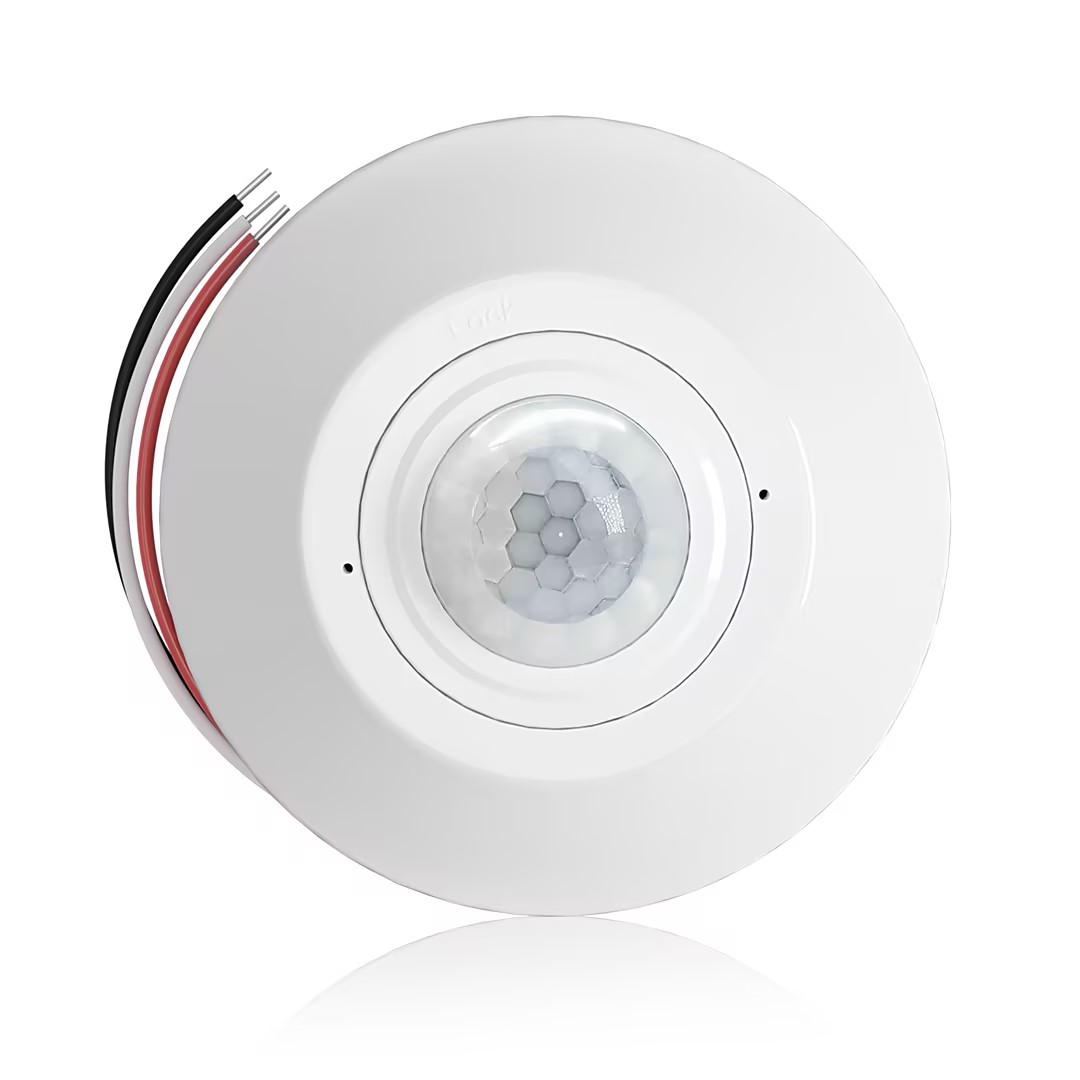
- 吸頂式 PIR 人體感應器,配備乾觸點繼電器輸出
- 12/24VDC 或 12/24VAC 低電壓供電
- 用於 EMS、HVAC 和建築控制輸入的 COM、NO 和 NC 隔離繼電器觸點
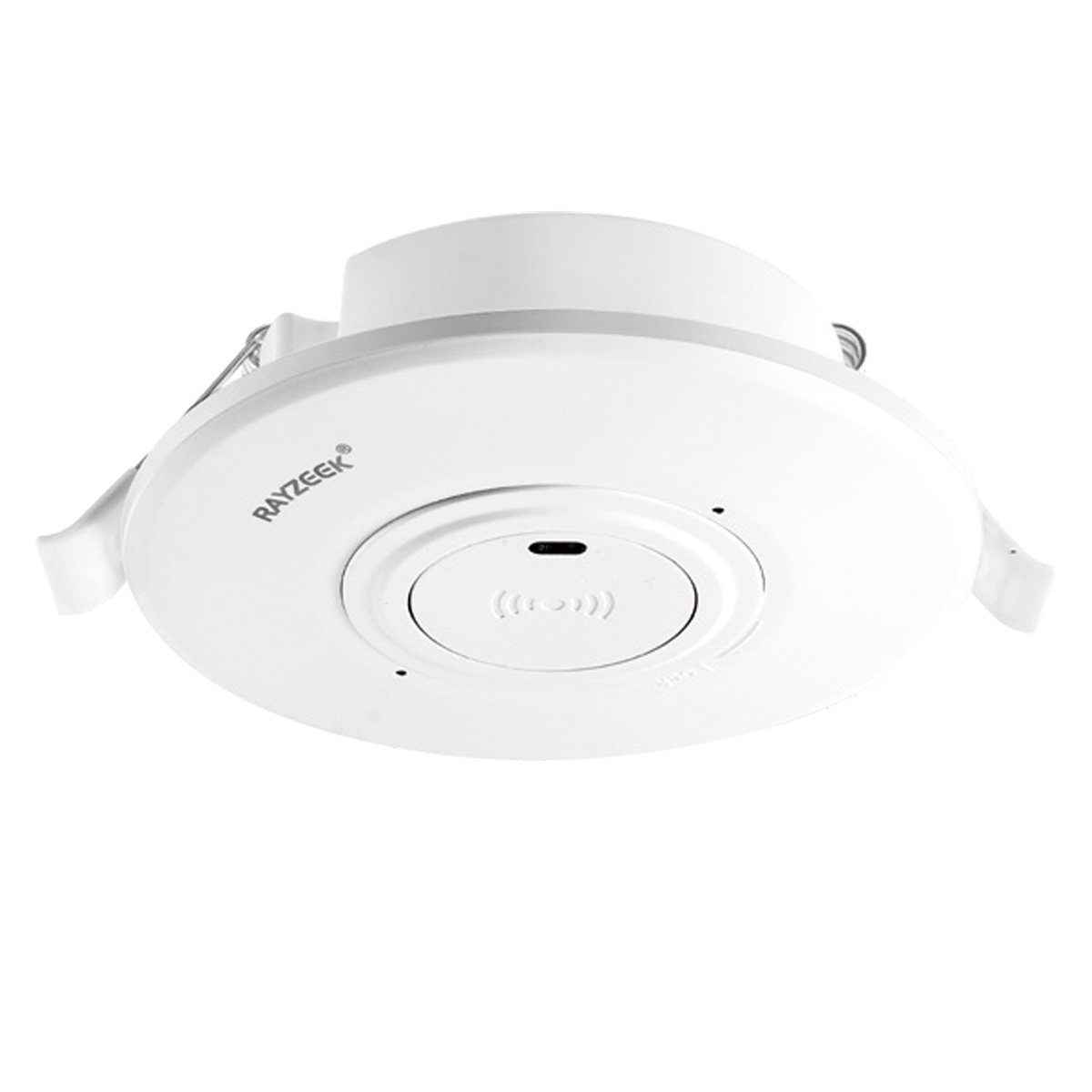
- 低壓直流嵌入式天花安裝微波人體感應開關
- 12 VDC / 24 VDC 輸入,支援 10-30 VDC 範圍
- 最大工作電流 10A,配備可調節延時、光感閾值及靈敏度
- 高負載嵌入式天花安裝微波人體感應開關
- 100-265 VAC 市電輸入,10A 型號
- 5.8 GHz 微波感應,配備可調節延時、光感閾值及靈敏度
- 嵌入式天花安裝微波人體感應開關
- 100-265 VAC 市電輸入,5A 型號
- 5.8 GHz 微波感應,配備可調節延時、光感閾值及靈敏度
- 適用於 220V 電源的天花安裝 RZ037 PIR 被動式紅外線佔空感應調光開關
- 最大工作電流 3A,額定負載 660W
- LUX 按鈕控制光線感應器開關及用戶設定之調光亮度
- 適用於 110V 電源的天花安裝 RZ037 PIR 被動式紅外線佔空感應調光開關
- 最大工作電流 3A,額定負載 330W
- LUX 按鈕控制光線感應器開關及用戶設定之調光亮度
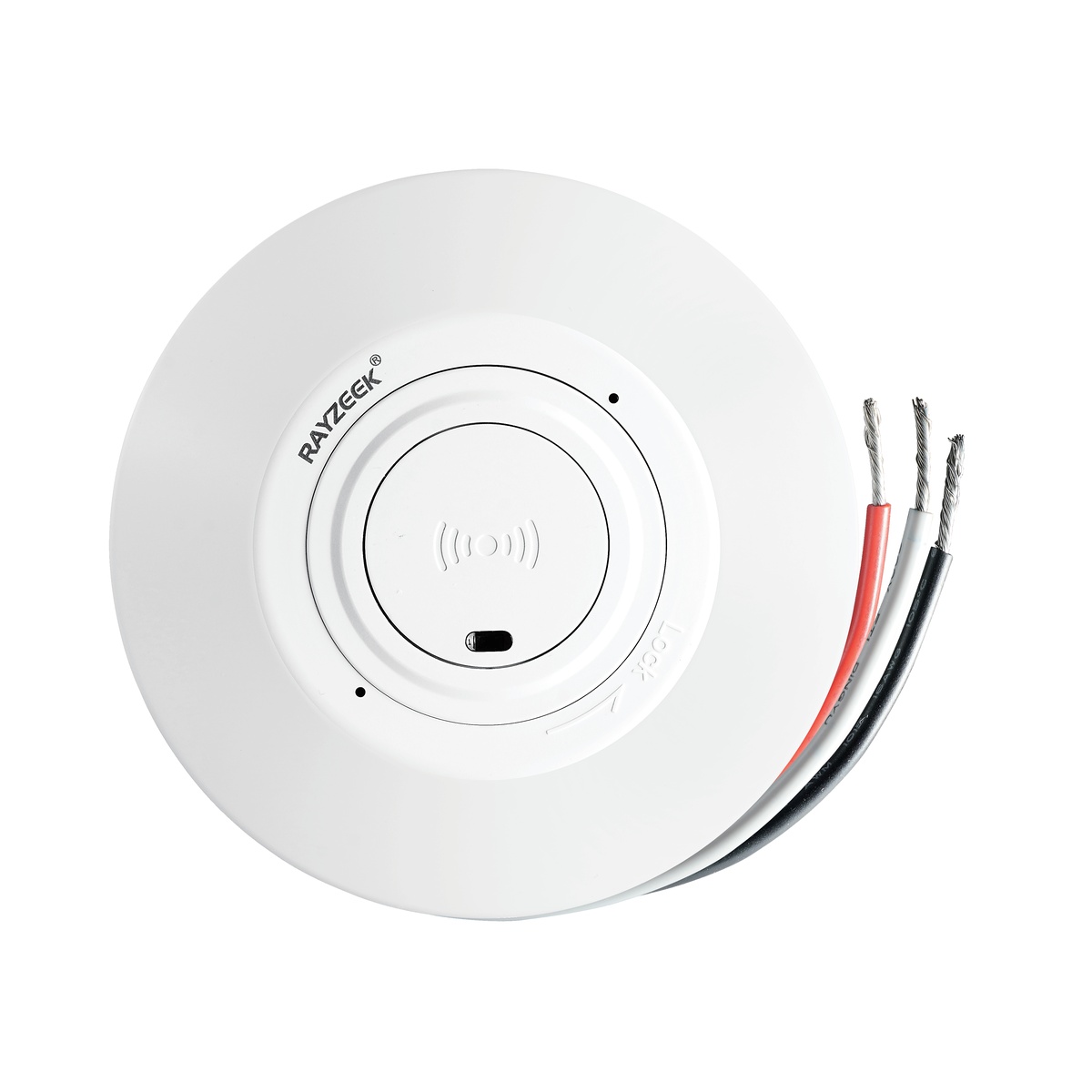
- 低壓直流天花安裝微波人體感應開關
- 12 VDC / 24 VDC 輸入,支援 10-30 VDC 範圍
- 最大工作電流 10A,配備可調節延時、光感閾值及靈敏度
- 高負載吸頂式微波動態感應器開關
- 100-265 VAC 市電輸入,10A 型號
- 5.8 GHz 微波感應,配備可調節延時、光感閾值及靈敏度
- 吸頂式微波動態感應器開關
- 100-265 VAC 市電輸入,5A 型號
- 5.8 GHz 微波感應,配備可調節延時、光感閾值及靈敏度
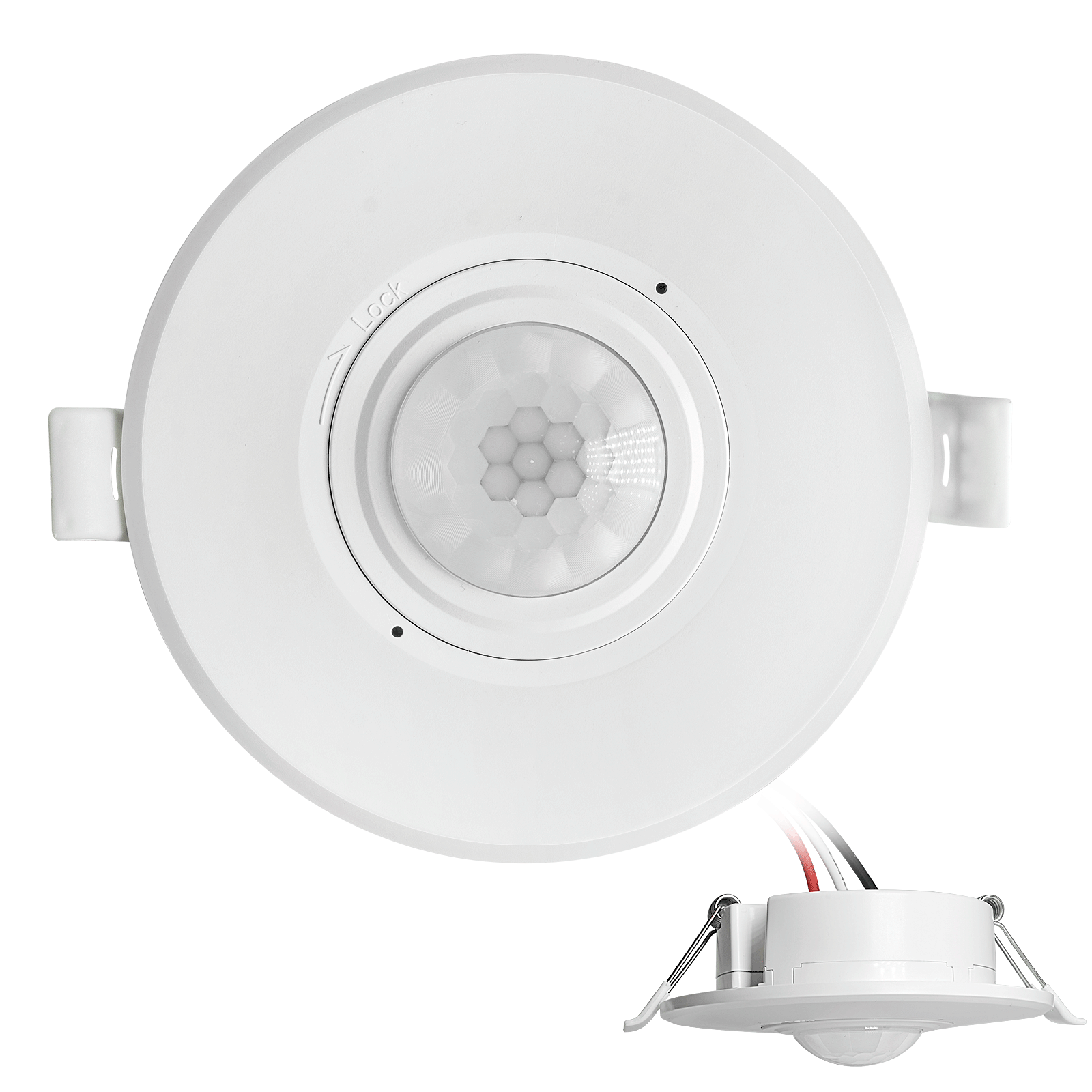
- 低壓直流嵌頂式 PIR 動態感應器開關
- 12 VDC / 24 VDC 輸入,支援 10-30 VDC 範圍
- 最大工作電流 10A,具備可調式時間延遲、光照度閾值及靈敏度
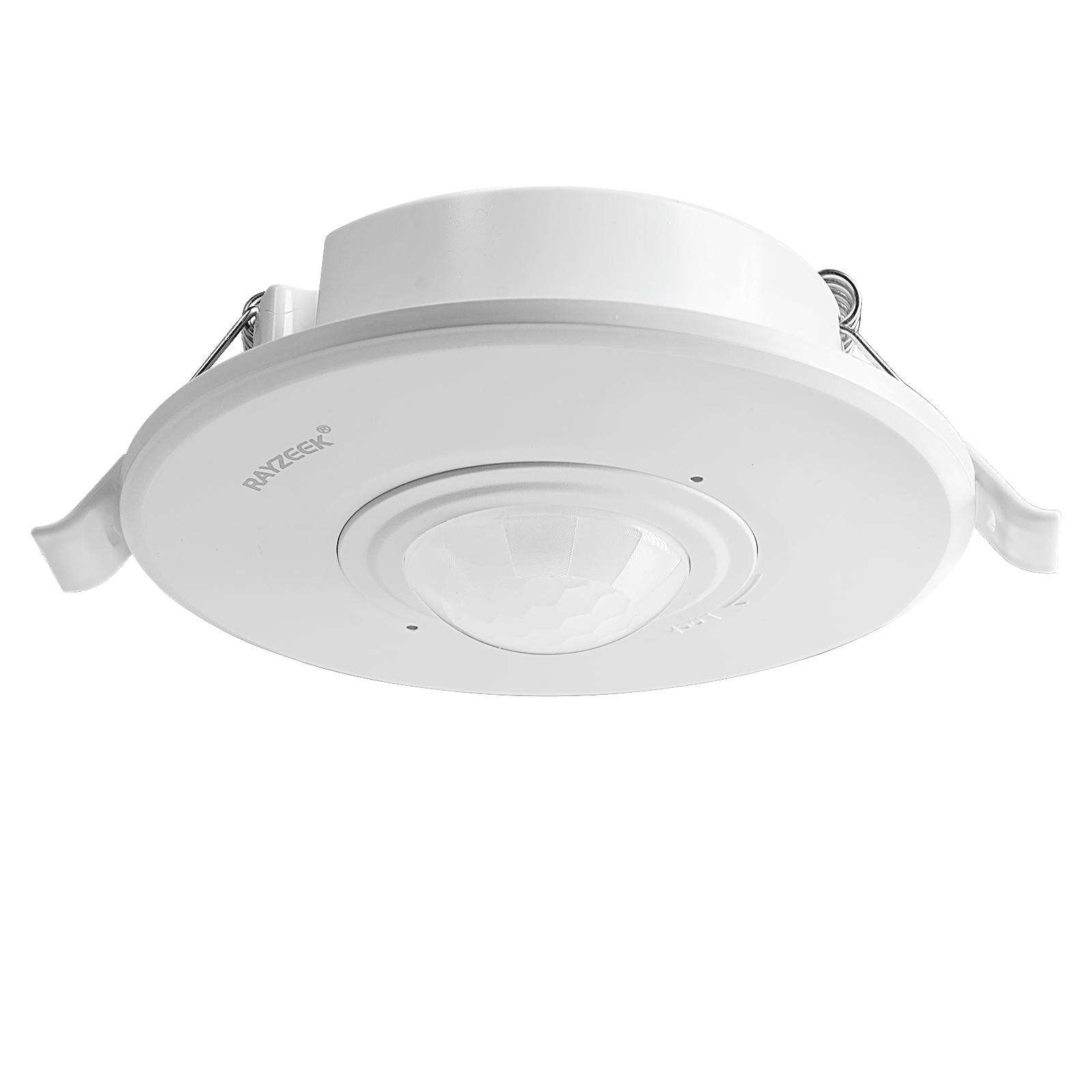
- 高負載嵌頂式 PIR 動態感應器開關
- 100-265 VAC 市電輸入,10A 型號
- 360度偵測,具備可調式時間延遲、光照度閾值及靈敏度
- 嵌頂式 PIR 動態感應器開關
- 100-265 VAC 市電輸入,5A 型號
- 360度偵測,具備可調式時間延遲、光照度閾值及靈敏度
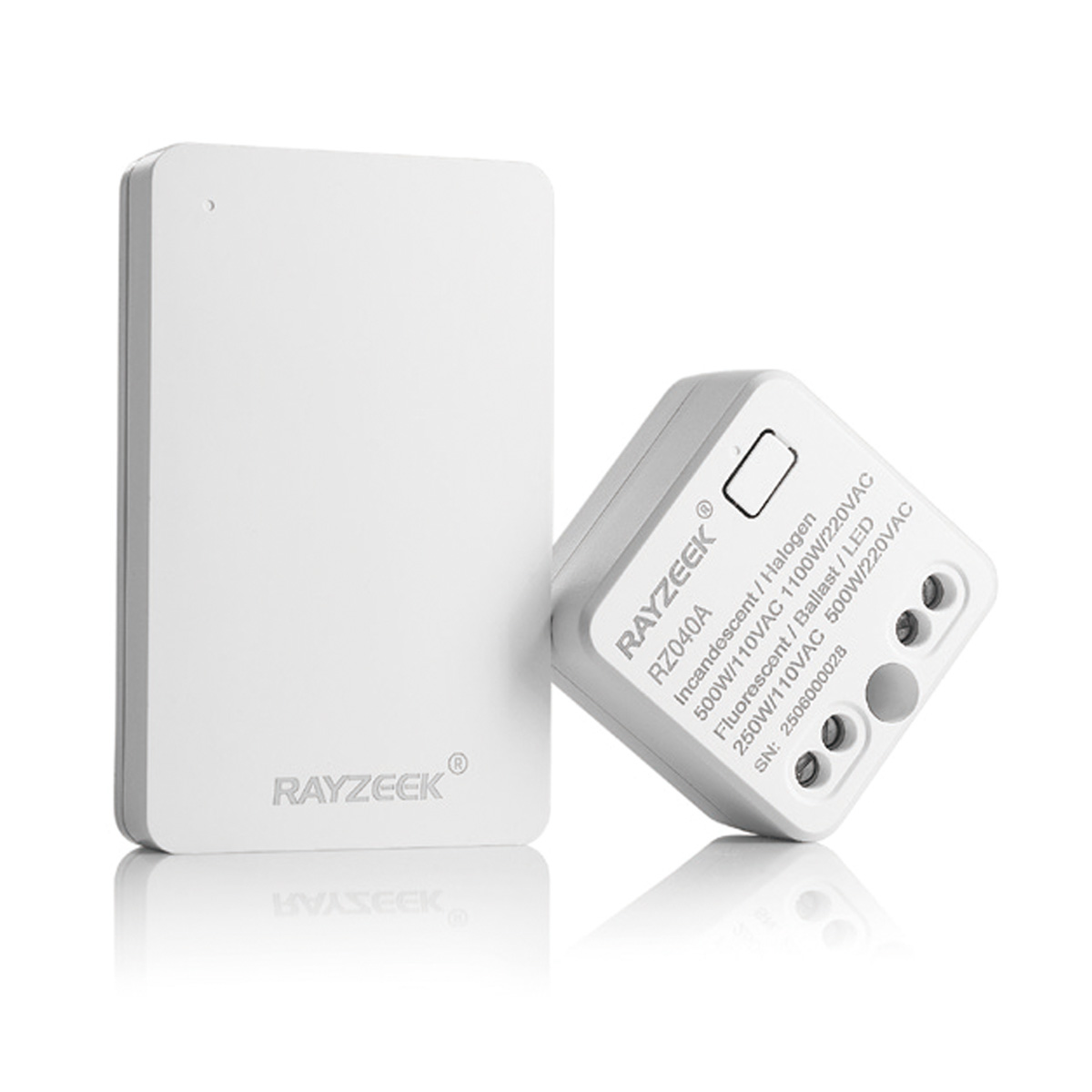
- 用於室內開關照明控制的無線開關及接收器套裝
- 100-230VAC,50/60Hz 接收器,額定電流 5A
- CR2032 電池供電無線開關,採用 2.4GHz 通訊
- 佔用感應(自動開啟/自動關閉)
- 12–24V DC (10–30VDC),最高 10A
- 360° 覆蓋,直徑 8–12 米
- 延遲時間 15 秒至 30 分鐘
- 光感應器 關閉/15/25/35 Lux
- 高/低靈敏度
- 自動開啟/自動關閉佔用模式
- 100–265V AC,10A(需接零線)
- 360° 全方位覆蓋;8–12 米偵測直徑
- 延遲時間 15 秒至 30 分鐘;Lux 關閉/15/25/35;靈敏度 高/低
- 自動開啟/自動關閉佔用模式
- 100–265V AC,5A(需接零線)
- 360° 全方位覆蓋;8–12 米偵測直徑
- 延遲時間 15 秒至 30 分鐘;Lux 關閉/15/25/35;靈敏度 高/低
Even if you decide to run your AC for extended periods, there are things you can do to keep those energy costs down:
- Use a programmable thermostat: This lets you automatically adjust the temperature settings. You can set a higher temperature for when you’re away from home or asleep, saving energy without sacrificing comfort.
- Improve your home’s insulation: Good insulation helps to reduce heat gain, which means your AC won’t have to work as hard. Seal any air leaks around windows and doors, and consider adding insulation to your attic and walls.
- Use fans to circulate the air: Fans can make a room feel cooler, allowing you to set the thermostat a few degrees higher.
- Shade windows from direct sunlight: Use curtains, blinds, or awnings to block direct sunlight, which can significantly heat up a room.
How much more will it cost to run your AC 24/7? It really depends on the wattage of your AC, your electricity rate, and the factors we’ve talked about. It could increase your energy bill by a significant amount. It’s best to do the calculation I showed you earlier to get a better estimate.
Component Wear
It’s important to consider the impact of continuous operation on the lifespan of your AC unit. Running an air conditioner non-stop puts more stress on all its components compared to using it now and then. Think of it like running a marathon versus going for a leisurely jog – the marathon is going to take a much bigger toll on your body. This increased stress can lead to faster wear and tear, potentially shortening the lifespan of your AC.
The compressor, being the most complex and expensive part of the AC, is especially vulnerable to wear and tear from continuous operation. If the compressor fails, you’ll often have to replace the entire unit. The fan motor, which circulates air, also experiences increased wear and tear from constant use.
While continuous operation doesn’t directly cause refrigerant leaks, it can worsen existing small leaks in the refrigerant lines due to the increased stress on the system.
Regular maintenance is key to minimizing wear and tear, especially if you’re running your AC continuously. Cleaning the air filter and condenser coils is crucial. With proper maintenance and moderate use, a window air conditioner can typically last for 8-10 years. However, continuous operation, especially in demanding conditions, can shorten that lifespan. Other factors, like dust accumulation, extreme temperatures, and the overall quality of the unit, also play a role.
Will running your AC 24/7 void the warranty? It’s worth checking the fine print. Some manufacturers might have clauses about excessive use, but it’s unlikely to be explicitly prohibited.
Over the long term, continuous operation, especially when it’s really hot outside, can lead to slightly higher refrigerant pressures inside the system. While the system is designed to handle these fluctuations, prolonged high pressure can increase the risk of leaks over time.
Furthermore, running your AC near its maximum capacity for extended periods can gradually decrease its overall efficiency, even if you’re diligent about maintenance. This is due to things like increased wear on the compressor and a potential slight degradation of the refrigerant’s properties after many years of intense use.
While running an AC can help filter out some airborne allergens, keeping it on 24/7 doesn’t necessarily improve your air quality. A clean air filter is still the most important thing for maintaining good indoor air quality. In fact, continuous operation without proper humidity control can sometimes worsen indoor air quality by creating conditions that promote mold and mildew growth. It’s best to focus on changing the filter regularly and making sure you have adequate ventilation.
What is Short Cycling?
Have you ever heard of “short cycling?” It’s a term used to describe when your air conditioner turns on and off way too frequently, usually every few minutes. This is different from the normal on/off cycling that happens as the thermostat regulates the temperature.
So, what causes short cycling? Several things can be to blame:
- An oversized AC: This is a common culprit. If your AC is too big for the room, it will cool the space too quickly, reaching the set point before it has a chance to properly dehumidify the air. Then it shuts off, only to turn back on again shortly after.
- Thermostat problems: A faulty thermostat or one that’s placed in the wrong spot (like in direct sunlight or near a heat source) can also cause short cycling.
- Restricted airflow: If the airflow is blocked, often because of a clogged air filter or blocked vents, it can lead to short cycling.
- Refrigerant issues: A low refrigerant charge can also cause your AC to short cycle.
Short cycling is bad news for a few reasons:
- Reduced efficiency: The AC doesn’t reach its peak operating efficiency during those short cycles, which means you’re using more energy.
- Increased wear and tear: All those frequent starts and stops put extra stress on the compressor and other components, leading to increased wear and tear.
- Poor dehumidification: The AC doesn’t run long enough to remove moisture from the air effectively, leaving you with a humid and uncomfortable environment.
How can you tell if your AC is short cycling? Listen for those frequent on/off cycles and pay attention to whether the cooling feels inconsistent. If the AC is turning on and off every few minutes, it’s likely short cycling.
Overload Protection
Air conditioners have built-in safety mechanisms to prevent damage from overheating. This is called overload protection.
A crucial part of this safety system is the compressor overload protector. It’s basically a thermal switch that automatically shuts down the compressor if it gets too hot. Think of it like a circuit breaker in your house – it trips when there’s too much electricity flowing through the circuit, preventing a fire.
What can cause the compressor to overheat and trigger the overload protector?
- High outdoor temperatures increase the workload on the compressor.
- Dirty condenser coils restrict heat dissipation.
- Restricted airflow, often due to a dirty air filter, prevents proper cooling.
- A low refrigerant charge can cause the compressor to overheat.
- Continuous operation in extremely hot and humid conditions can push the compressor to its limits.
Some AC units have a manual reset button for the overload protector, usually located near the compressor. Other units reset automatically after the compressor cools down. If the overload protector trips, it’s important to let the unit cool down for a while before you try to reset it.
If the overload protector trips, does that mean your AC is broken? Not necessarily. It’s a sign that the AC is under stress and is protecting itself from damage. However, frequent tripping indicates an underlying problem that needs to be addressed, like one of the causes I mentioned earlier.
Can you bypass the overload protector? Absolutely not! Bypassing the overload protector is extremely dangerous and can lead to a fire or permanent damage to your AC unit. It’s a critical safety feature designed to prevent catastrophic failure.
結語
So, can you run your window air conditioner 24/7? As we’ve discussed, it’s technically possible, but it’s a decision that requires careful thought. While modern AC units are built to handle extended use, running them continuously affects energy consumption, puts stress on the components, and can impact overall efficiency. Making the right choice depends on proper sizing, regular maintenance (especially keeping that air filter and those condenser coils clean), and understanding how your AC actually works. Ultimately, it’s about finding the sweet spot between staying comfortable, keeping costs down, and extending the life of your appliance.
Looking ahead, smart thermostats offer another way to optimize how you use your AC. These clever devices learn your preferences and automatically adjust settings based on whether you’re home, the weather outside, and other factors. This can help you balance comfort, energy efficiency, and the lifespan of your AC, potentially reducing the need to run it non-stop. And who knows what future advancements in AC technology will bring? Perhaps even more efficient units that minimize the downsides of extended use.