隨著冬季臨近,如何在不增加高昂開支的情況下保持家居舒適,成為日常關注的問題。您是否曾思考過恆溫器上是否存在一個理想數值可解決此難題?雖然並無一成不變的方案,但瞭解冬季最佳恆溫器設定,能對您的居住舒適度及能源費用產生顯著影響。
冬季最佳恆溫器設定是多少?
在設定冬季恆溫器時,於舒適度與能源效益之間取得適當平衡至關重要。美國能源部建議,當您清醒且在家時,可將恆溫器設定為 68°F (20°C)。此溫度通常被認為對大多數人而言舒適,同時亦具備良好的能源效益。
日間設定
日間當您在家中活動時,保持 68°F 的溫度可提供舒適環境,亦不會使暖氣系統負荷過重。若起初感覺略有涼意,可考慮先設定為 70°F,並在身體適應較涼天氣後逐漸調低溫度。請記住,即使是微小的調整,亦能顯著改變您的能源消耗。
夜間設定
到了睡眠時間,您可以透過調低恆溫器來節省更多能源。理想的夜間溫度通常介乎 60°F 至 65°F(15.5°C 至 18°C)之間。由於人體在休息時核心體溫會自然下降,較涼爽的環境實際上能促進更好的睡眠品質。此外,您亦可增加被褥來保暖,而無需增加能源使用。
外出時設定
若您將長時間離家,宜調整恆溫器以節省能源。外出時將溫度設定在 60°F 至 65°F 之間,可防止水管凍結,同時大幅降低暖氣費用。然而,若您所在地區的氣溫經常降至 30°F 以下,您可能需要將恆溫器維持在 64°F 至 65°F 左右,以確保家居保持足夠溫暖。
對於寵物主人,特別是養有幼犬、高齡犬、小型犬或短毛犬的人士,建議在外出時將恆溫器設定在 66°F 至 67°F 之間,以確保寵物感到舒適。
每天將恆溫器調低 7 至 10 度並維持 8 小時(無論是在睡眠還是外出期間),可使您的年度暖氣開支減少高達 10%。此項簡易調整可在整個冬季期間為您節省大量開支。
影響冬季理想恆溫器設定的因素
上述一般指引提供了一個良好的參考起點;然而,有多項因素會影響適合您具體情況的理想恆溫器設定。
地區氣候
您所在地區的氣候在決定最適宜的恆溫器設定方面扮演重要角色。冬季嚴寒地區的房屋可能需要稍高的溫度設定以維持舒適度,而氣候較溫和地區的房屋則可將恆溫器設定得較低。請務必考量當地的天氣狀況並作出相應調整。
從 Rayzeek 動態感測器產品組合中獲得靈感。
找不到您想要的產品?別擔心。總有其他方法可以解決您的問題。也許我們的其中一個產品組合可以幫到您。
房屋隔熱性能
房屋隔熱層的品質對其保温能力有顯著影響。隔熱良好的房屋能更高效率地維持舒適溫度,從而允許在不犧牲舒適度的情況下降低恆溫器設定。若您注意到家中存在冷風或冷點,改善隔熱性能將是一項值得的投資,使您能夠調低恆溫器設定並節省暖氣費用。
房屋面積
較大的住宅通常需要更多能量來供暖,可能需要將恆溫器設定得稍高,或使用分區供暖系統以有效加熱不同區域。相反,較小的住宅升溫較快,可設定較低的溫度。
濕度水平
較高的濕度會使室內感覺更暖和,而低濕度則會使室內感覺較涼。理想的室內濕度應保持在 30% 至 60% 之間。在乾燥的冬季使用加濕器有助於在較低溫度設定下保持舒適,讓您可以在不犧牲舒適度的情況下將恆溫器調低一至兩度。
供暖系統機齡
較舊的系統可能難以維持穩定的溫度,尤其是在極寒天氣下,這可能需要提高恆溫器設定以達到理想的舒適度。相反,較新且效率更高的系統通常可以在較低設定下維持舒適度,從而節省能源。
利用可編程與智能恆溫器實現冬季節能
優化恆溫器設定並實現能源效益最大化最有效的方法之一,就是使用可編程或智能恆溫器。這些裝置讓您能根據個人作息和喜好自動調節溫度。
可編程恆溫器的優勢
可編程恆溫器具備多項優勢:
- 自動調節:您可以為一天中的不同時段設定不同溫度,確保在需要時家居保持舒適,並在不需要時節省能源。
- 持續舒適:透過精確的溫度控制,可編程恆溫器能為全屋提供更穩定的舒適體驗。
- 節約能源:美國能源部估計,安裝可編程恆溫器每年可節省高達 10% 的能源費用。
- 減少暖通空調(HVAC)系統磨損:透過維持更均衡的工作負荷,可編程恆溫器有助延長供暖系統的使用壽命。
智能恆溫器的優勢
智能恆溫器將可編程技術進一步提升:
您可能也會感興趣

- 電壓:2 粒 AAA 電池
- 日/夜模式
- 延遲時間:15 分鐘、30 分鐘、1 小時(預設)、2 小時
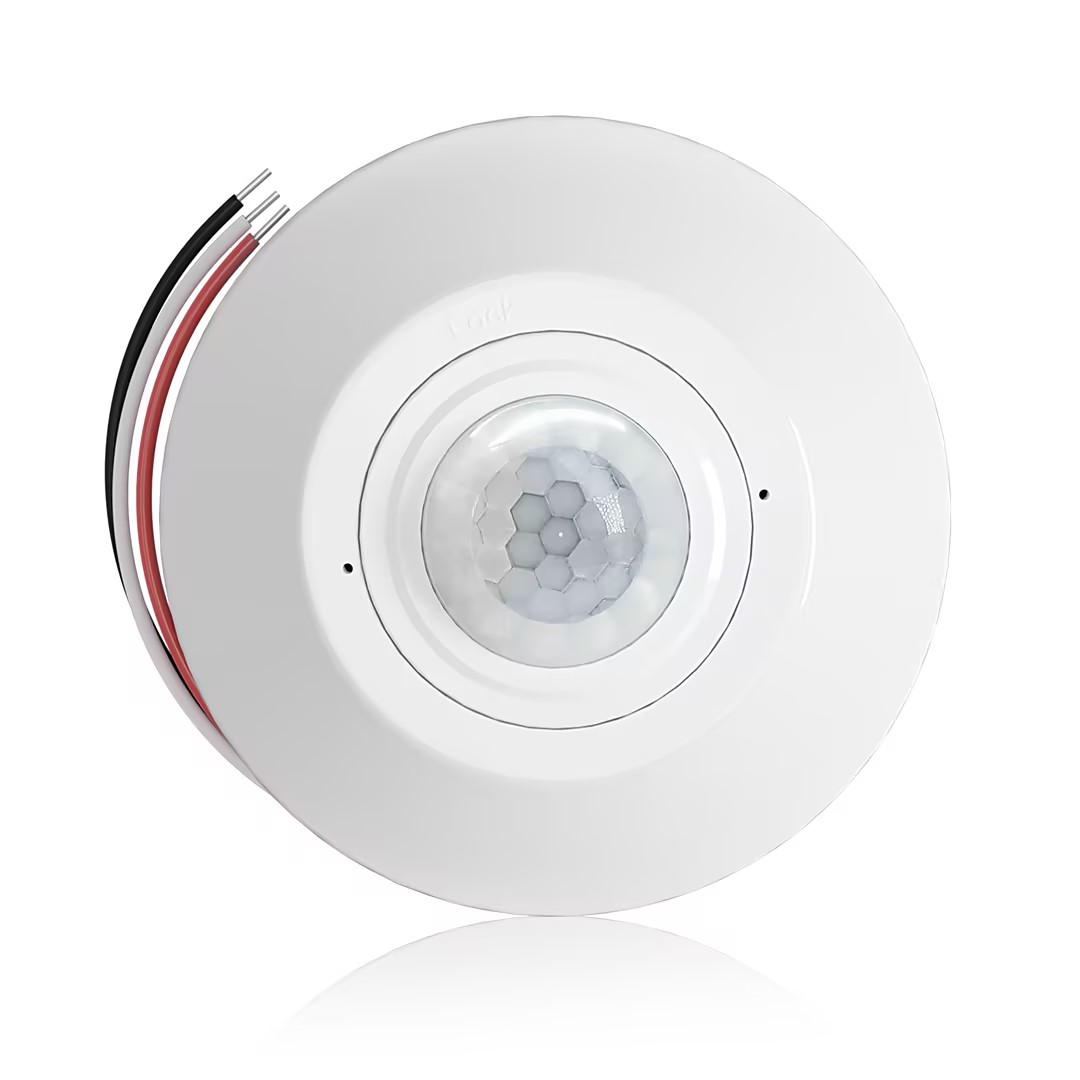
- 吸頂式 PIR 人體感應器,配備乾觸點繼電器輸出
- 12/24VDC 或 12/24VAC 低電壓供電
- 用於 EMS、HVAC 和建築控制輸入的 COM、NO 和 NC 隔離繼電器觸點
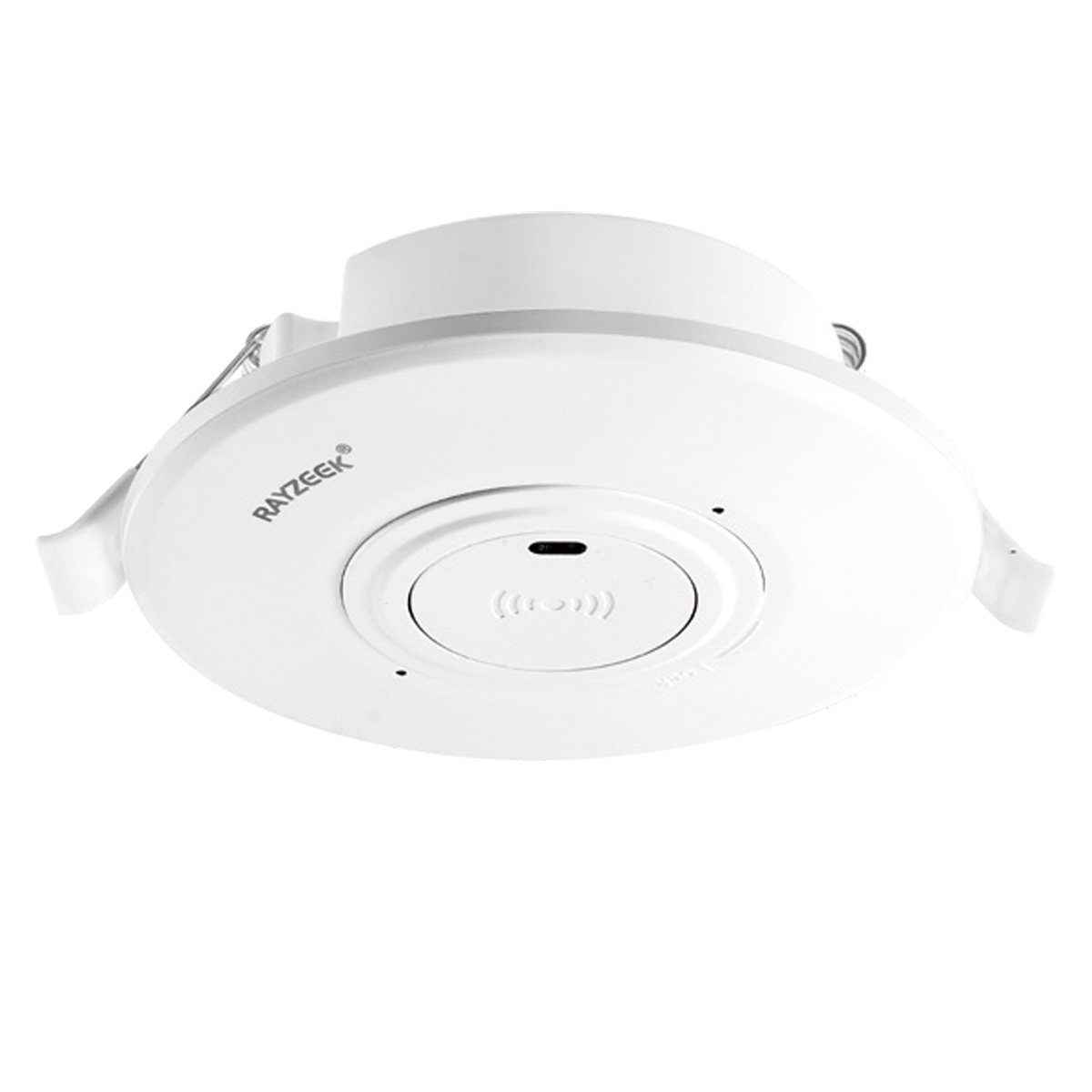
- 低壓直流嵌入式天花安裝微波人體感應開關
- 12 VDC / 24 VDC 輸入,支援 10-30 VDC 範圍
- 最大工作電流 10A,配備可調節延時、光感閾值及靈敏度
- 高負載嵌入式天花安裝微波人體感應開關
- 100-265 VAC 市電輸入,10A 型號
- 5.8 GHz 微波感應,配備可調節延時、光感閾值及靈敏度
- 嵌入式天花安裝微波人體感應開關
- 100-265 VAC 市電輸入,5A 型號
- 5.8 GHz 微波感應,配備可調節延時、光感閾值及靈敏度
- 適用於 220V 電源的天花安裝 RZ037 PIR 被動式紅外線佔空感應調光開關
- 最大工作電流 3A,額定負載 660W
- LUX 按鈕控制光線感應器開關及用戶設定之調光亮度
- 適用於 110V 電源的天花安裝 RZ037 PIR 被動式紅外線佔空感應調光開關
- 最大工作電流 3A,額定負載 330W
- LUX 按鈕控制光線感應器開關及用戶設定之調光亮度
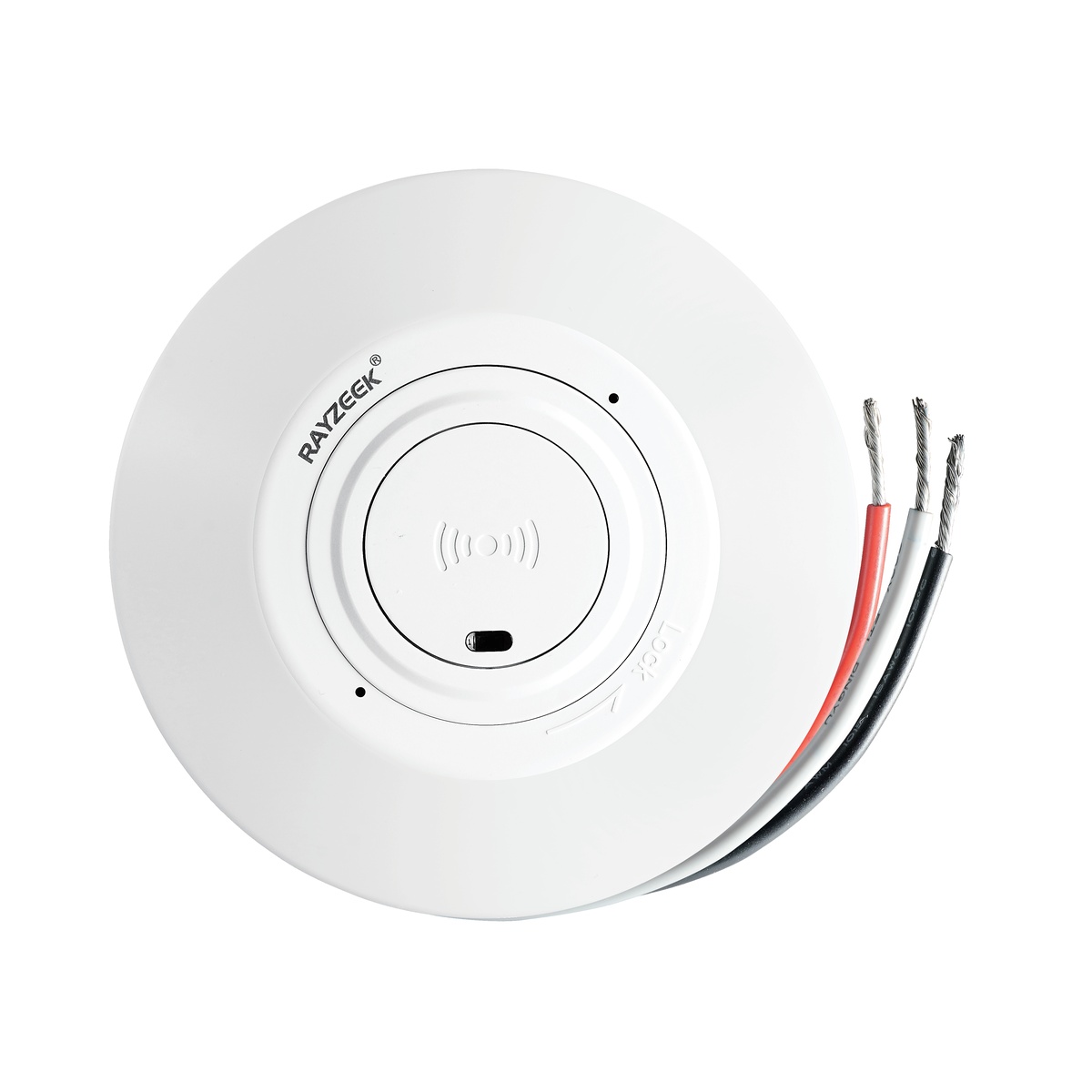
- 低壓直流天花安裝微波人體感應開關
- 12 VDC / 24 VDC 輸入,支援 10-30 VDC 範圍
- 最大工作電流 10A,配備可調節延時、光感閾值及靈敏度
- 高負載吸頂式微波動態感應器開關
- 100-265 VAC 市電輸入,10A 型號
- 5.8 GHz 微波感應,配備可調節延時、光感閾值及靈敏度
- 吸頂式微波動態感應器開關
- 100-265 VAC 市電輸入,5A 型號
- 5.8 GHz 微波感應,配備可調節延時、光感閾值及靈敏度
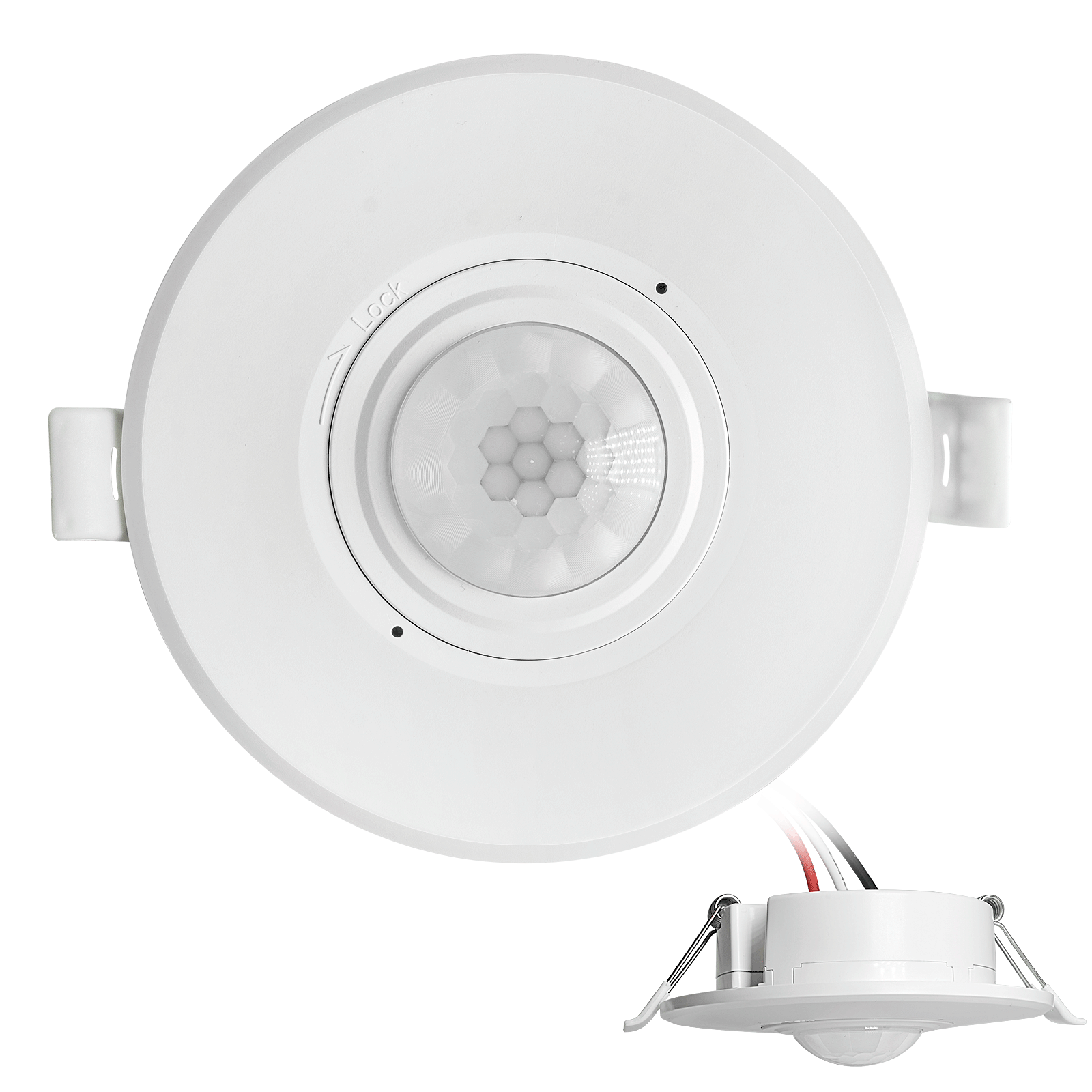
- 低壓直流嵌頂式 PIR 動態感應器開關
- 12 VDC / 24 VDC 輸入,支援 10-30 VDC 範圍
- 最大工作電流 10A,具備可調式時間延遲、光照度閾值及靈敏度
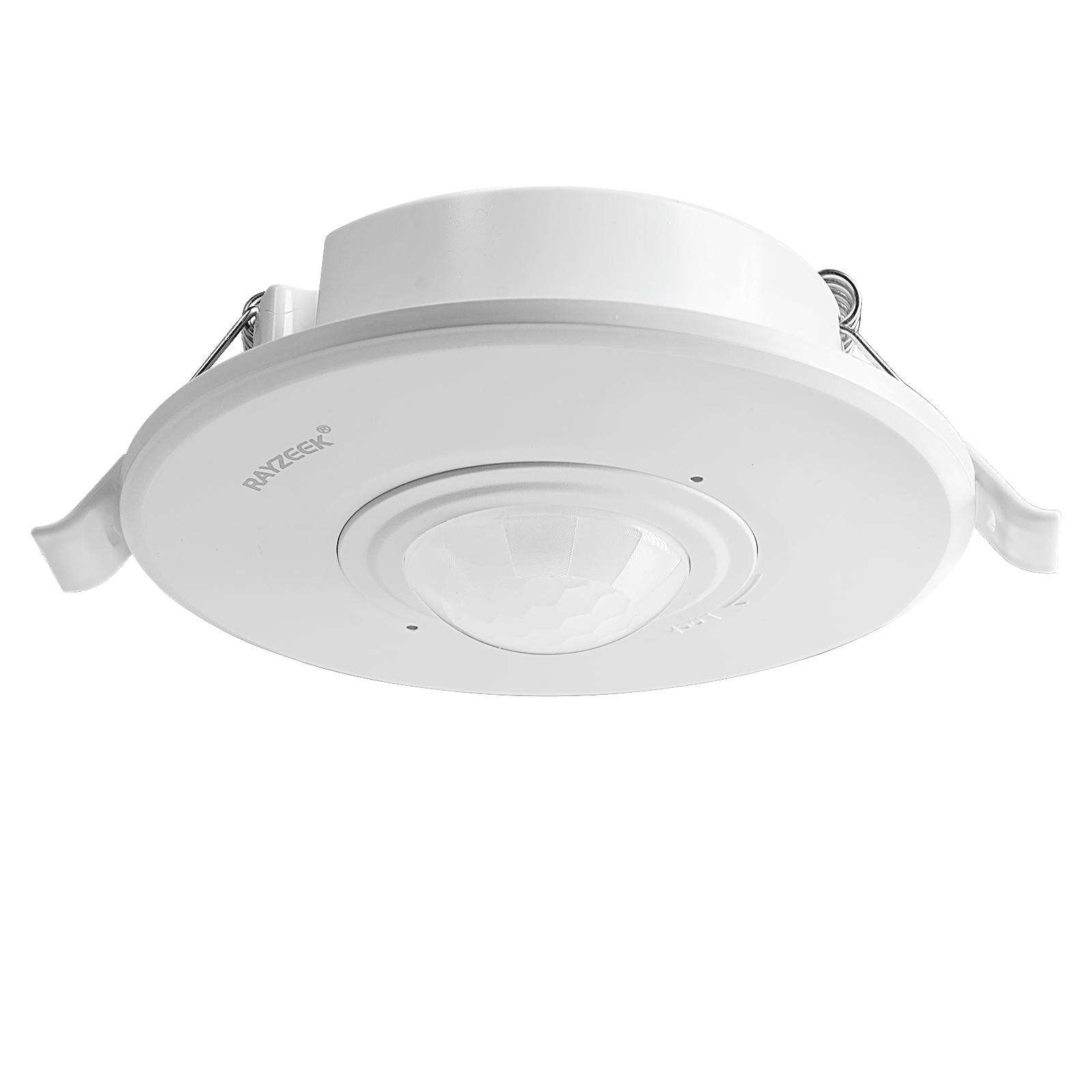
- 高負載嵌頂式 PIR 動態感應器開關
- 100-265 VAC 市電輸入,10A 型號
- 360度偵測,具備可調式時間延遲、光照度閾值及靈敏度
- 嵌頂式 PIR 動態感應器開關
- 100-265 VAC 市電輸入,5A 型號
- 360度偵測,具備可調式時間延遲、光照度閾值及靈敏度
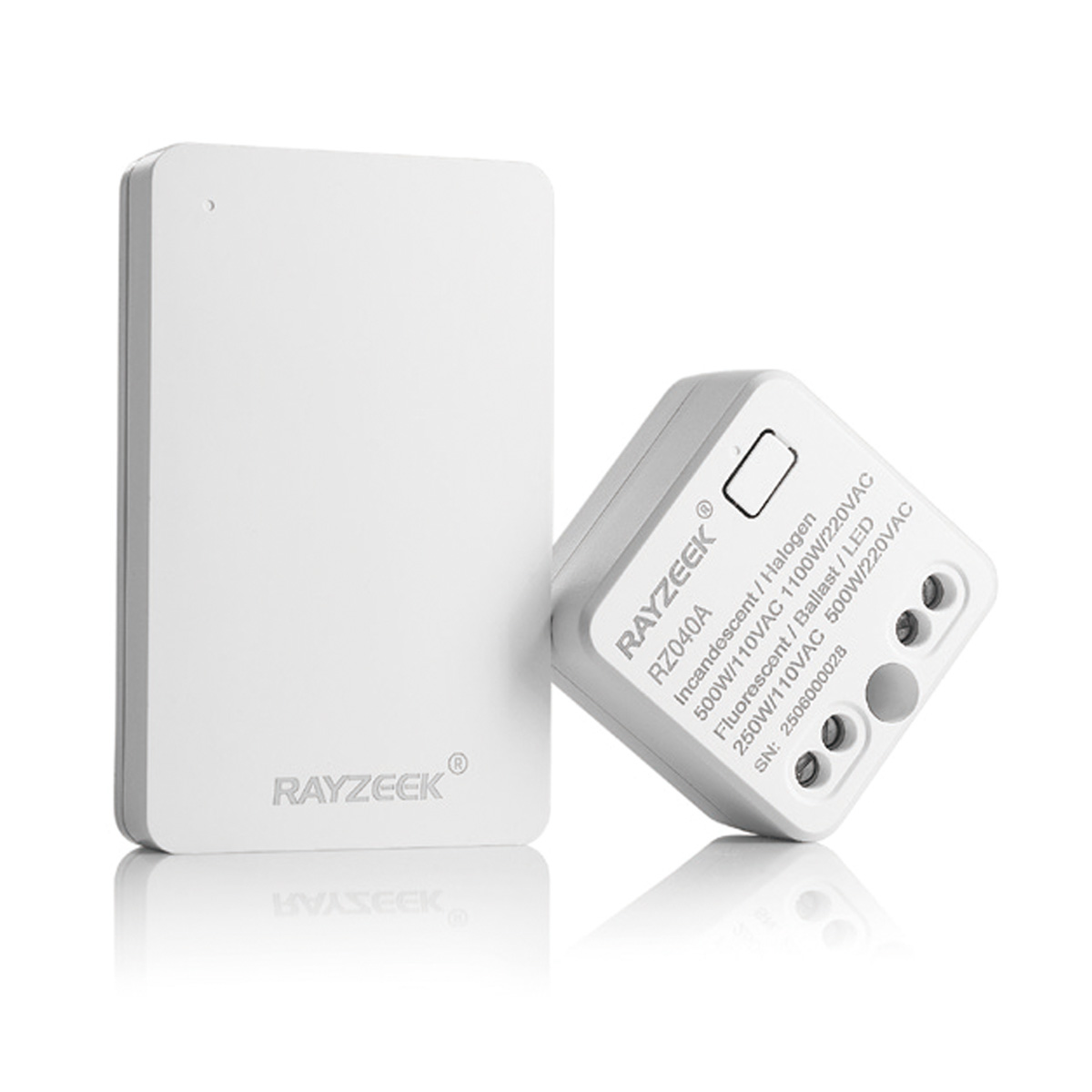
- 用於室內開關照明控制的無線開關及接收器套裝
- 100-230VAC,50/60Hz 接收器,額定電流 5A
- CR2032 電池供電無線開關,採用 2.4GHz 通訊
- 佔用感應(自動開啟/自動關閉)
- 12–24V DC (10–30VDC),最高 10A
- 360° 覆蓋,直徑 8–12 米
- 延遲時間 15 秒至 30 分鐘
- 光感應器 關閉/15/25/35 Lux
- 高/低靈敏度
- 自動開啟/自動關閉佔用模式
- 100–265V AC,10A(需接零線)
- 360° 全方位覆蓋;8–12 米偵測直徑
- 延遲時間 15 秒至 30 分鐘;Lux 關閉/15/25/35;靈敏度 高/低
- 自動開啟/自動關閉佔用模式
- 100–265V AC,5A(需接零線)
- 360° 全方位覆蓋;8–12 米偵測直徑
- 延遲時間 15 秒至 30 分鐘;Lux 關閉/15/25/35;靈敏度 高/低
- 學習功能:許多智能恆溫器能學習您的作息和偏好,無需手動輸入即可自動調節溫度。
- 遠程控制:透過智能手機應用程式,隨時隨地控制家中溫度。
- 能源使用報告:深入了解您的能源消耗模式,助您就溫度設定作出明智決定。
- 整合其他智能家居裝置:部分型號可透過 Alexa 或 Google Home 等語音助手進行控制。
- 根據天氣進行調節:某些智能恆溫器可根據本地天氣數據自動調節,從而優化舒適度與能源效率。
Programmable vs. Smart Thermostats
Smart thermostats generally provide more advanced features and greater flexibility. However, they also tend to be more expensive. Programmable thermostats are typically more cost-effective and can be an excellent choice for those with stable routines. The best choice depends on your specific needs, budget, and how much control you want over your home’s heating system.
Extending Smart Savings to Your Air Conditioner
While programmable and smart thermostats are excellent for central heating systems, many households rely on window or split air conditioning units, especially during warmer months. Have you ever left a room, only to realize hours later that you forgot to turn off the AC? It’s a common oversight that can lead to significant energy waste. Fortunately, there’s a smart solution designed specifically for these situations: the RZ050 Air Conditioner Motion Sensor.
正在尋找動態感應節能解決方案?
歡迎聯絡我們以獲取完整的 PIR 動態感應器、動態感應節能產品、動態感應器開關以及人體感應/無人感應商業解決方案。
This innovative device brings the automation and energy-saving benefits of smart thermostats to your AC unit. The RZ050 uses advanced motion-sensing technology to detect when a room is unoccupied. After a customizable time delay (from 15 minutes to 2 hours), it automatically sends an “off” signal to your AC unit, ensuring it doesn’t run unnecessarily. This intelligent automation can help you save up to 20-50% on your AC-related energy bills.
The RZ050 is incredibly easy to install thanks to its wireless, battery-powered design. Simply stick or fix it on a wall within the same room as your AC, and it’s ready to go. It learns the “off” command from your existing AC remote, making it compatible with most remote-controlled split AC units. Plus, it features a convenient Night Mode that prevents the AC from turning off while you’re sleeping, ensuring a comfortable night’s rest. You can enjoy a cool room without the worry of waking up to a sudden temperature change.
Imagine the peace of mind knowing that your AC will always turn off when you leave a room, even if you forget. With the RZ050, you can enjoy the comfort of air conditioning without the guilt of wasted energy or high electricity bills. It’s a simple yet powerful way to make your home more energy-efficient and your life a little easier.
RZ050 冷氣機人體感應控制器
Automatically turn off your AC when you leave the room and save energy effortlessly.
- Automatically turns off AC when the room is empty, saving up to 20-50% on energy bills.
- Easy DIY installation with wireless, battery-powered design.
- Night mode ensures uninterrupted sleep by preventing the AC from turning off at night.
Common Mistakes to Avoid When Setting Your Thermostat in Winter
To ensure you’re getting the most out of your thermostat settings, avoid these common mistakes:
- Not gradually adjusting to winter settings: Suddenly dropping your thermostat to a much lower temperature can be uncomfortable and may lead to resistance from household members. Instead, lower the temperature gradually over a few weeks to allow everyone to acclimate.
- Setting the temperature too high or too low: Cranking up the heat excessively wastes energy and can lead to discomfort. Conversely, setting it too low might cause discomfort and risk frozen pipes. Aim for a balance that provides comfort while minimizing energy use.
- Not considering winter humidity: Dry winter air can make your home feel cooler than it actually is. Using a humidifier can help you feel comfortable at lower temperature settings.
- Forgetting to adjust the thermostat when leaving: Many homeowners forget to lower the temperature when they leave the house, leading to unnecessary energy use. Use a programmable thermostat or make it a habit to adjust the settings before leaving.
- Overusing space heaters: While space heaters can provide targeted warmth, they’re generally less efficient than a properly set central heating system. Use them sparingly and as a supplement rather than a primary heat source.
Additional Tips for Maximizing Winter Energy Savings
Beyond optimal thermostat settings, there are several other strategies you can employ to enhance your winter energy savings:
- Seal windows and doors: Use weatherstripping or caulking to prevent warm air from escaping and cold air from entering.
- Utilize ceiling fans: Run ceiling fans clockwise on a low setting to push warm air down and distribute heat more evenly.
- Manage curtains and blinds: Open curtains during the day to let in natural sunlight and warmth, and close them at night to reduce heat loss.
- Maintain your HVAC system: Regular filter changes, duct cleaning, and professional inspections can keep your system running efficiently.
- Add extra insulation: Particularly in the attic, additional insulation can significantly reduce heat loss.
- Dress warmly: Wearing layers indoors allows you to feel comfortable at lower thermostat settings.
- Use a humidifier: Adding moisture to the air can make lower temperatures feel more comfortable.
- Lower water heater temperature: Setting your water heater to 120°F can reduce energy consumption without sacrificing comfort.
- Use LED light bulbs: These energy-efficient bulbs produce less heat and use less electricity than traditional incandescent bulbs.
Optimal Thermostat Placement for Accurate Readings
The location of your thermostat can significantly impact its accuracy and, consequently, your home’s comfort and energy efficiency. Here are some guidelines for optimal placement:
Best Placement
- Install the thermostat on an interior wall in a central location, ideally in a room where you spend the most time.
- Position it about 52-60 inches above the floor for the most accurate readings.
- Ensure it’s away from direct sunlight, drafts, doorways, and windows.
- In multi-story homes, place the thermostat on the first floor to get the best average temperature reading.
Areas to Avoid
- Direct sunlight: This can cause false high-temperature readings.
- Above air vents: Proximity to vents can lead to inaccurate temperature sensing.
- Kitchens: Temperature fluctuations from cooking can affect readings.
- Hallways: These areas often have different temperatures than main living spaces.
- Near doors or windows: Drafts can interfere with accurate temperature sensing.
- On exterior walls: These are more susceptible to outdoor temperature fluctuations.
Importance of Heating System Maintenance for Efficiency
Regular maintenance of your heating system is crucial for maintaining its efficiency and ensuring it can meet your desired thermostat settings. Here are some key maintenance tasks:
- Annual professional service: Schedule a furnace check-up every fall before the heating season begins.
- Regular filter changes: Replace or clean filters every 30-60 days, or as recommended by the manufacturer.
- Keep vents unobstructed: Ensure furniture or curtains aren’t blocking airflow from vents.
- Trim outdoor vegetation: Keep shrubs and plants away from outdoor heating units to ensure proper airflow.
- Seal and insulate ducts: This can improve your heating system’s efficiency by up to 20%.
- Check for loose connections: Tighten any loose electrical connections during maintenance.
- Lubricate moving parts: This reduces friction and helps your system run more smoothly.
- Calibrate the thermostat: Ensure your thermostat is reading temperatures accurately.