Wraz z nadejściem zimy coraz bardziej nagląca staje się kwestia, jak zapewnić komfort w domu bez narażania się na wysokie koszty. Czy kiedykolwiek zastanawiali się Państwo, czy istnieje idealna wartość na termostacie, która mogłaby rozwiązać ten dylemat? Choć nie istnieje jedno uniwersalne rozwiązanie dla każdego, zrozumienie optymalnych ustawień termostatu na zimę może znacząco wpłynąć zarówno na komfort, jak i na wysokość rachunków za energię.
Jakie są optymalne ustawienia termostatu na zimę?
Odnalezienie właściwej równowagi między komfortem a efektywnością energetyczną jest kluczowe przy ustawianiu termostatu na zimę. Amerykański Departament Energii (U.S. Department of Energy) zaleca ustawienie termostatu na 68°F (20°C) w czasie aktywności i obecności domowników. Temperatura ta jest ogólnie uznawana za komfortową dla większości osób, a jednocześnie sprzyja oszczędzaniu energii.
Ustawienia w ciągu dnia
W ciągu dnia, gdy domownicy są aktywni i poruszają się po domu, utrzymanie temperatury 68°F zapewnia komfortowe warunki bez nadmiernego obciążania systemu grzewczego. Jeśli początkowo temperatura ta wydaje się nieco zbyt chłodna, można zacząć od 70°F i stopniowo ją obniżać w miarę przyzwyczajania się organizmu do chłodniejszej pogody. Warto pamiętać, że nawet niewielka zmiana może przynieść znaczącą różnicę w zużyciu energii.
Ustawienia nocne
Pora snu to doskonały moment na dodatkowe oszczędzanie energii poprzez obniżenie temperatury na termostacie. Idealna temperatura na noc wynosi zazwyczaj od 60°F do 65°F (od 15,5°C do 18°C). Chłodniejsze otoczenie sprzyja lepszemu ngủ, ponieważ ludzki organizm naturalnie obniża swoją temperaturę w czasie odpoczynku. Ponadto zawsze można zapewnić sobie ciepło za pomocą dodatkowego koca, nie zwiększając przy tym zużycia energii.
Ustawienia podczas nieobecności
W przypadku opuszczania domu na dłuższy czas zaleca się odpowiednie dostosowanie termostatu w celu oszczędzania energii. Ustawienie temperatury w przedziale od 60°F do 65°F podczas nieobecności zapobiega zamarzaniu rur, a zarazem znacząco obniża koszty ogrzewania. Jeśli jednak temperatury w danym rejonie często spadają poniżej 30°F, warto utrzymywać termostat na poziomie około 64°F do 65°F, aby zagwarantować odpowiednie nagrzanie budynku.
W przypadku właścicieli zwierząt domowych – zwłaszcza szczeniąt, starszych psów, ras małych lub krótkowłosych – zaleca się ustawienie termostatu w przedziale od 66°F do 67°F podczas nieobecności, aby zapewnić czworonogom odpowiedni komfort.
Obniżenie temperatury na termostacie o 7–10 stopni przez 8 godzin dziennie (zarówno podczas snu, jak i w czasie nieobecności) pozwala zredukować roczne wydatki na ogrzewanie nawet o 10%. Ta prosta zmiana może przynieść znaczne oszczędności w skali całego sezonu zimowego.
Czynniki wpływające na idealne zimowe ustawienia termostatu
Powyższe ogólne wytyczne stanowią dobry punkt wyjścia, jednak na optymalne ustawienia termostatu w konkretnej sytuacji wpływa kilka dodatkowych czynników.
Klimat lokalny
Klimat panujący w danym rejonie ma istotny wpływ na dobór najbardziej odpowiednich ustawień termostatu. Domy położone w obszarach o surowych zimach mogą wymagać nieco wyższych temperatur do utrzymania komfortu, podczas gdy w łagodniejszym klimacie możliwe jest ustawienie niższych wartości. Ważne jest, aby wziąć pod uwagę lokalne warunki pogodowe i odpowiednio dostosować parametry.
Zainspiruj się portfolio czujników ruchu Rayzeek.
Nie znajdujesz tego, czego szukasz? Bez obaw. Zawsze istnieją alternatywne sposoby rozwiązania Twoich problemów. Może jedno z naszych portfolio okaże się pomocne.
Izolacja termiczna budynku
Jakość izolacji termicznej budynku ma zasadniczy wpływ na efektywność zatrzymywania ciepła. Dobrze izolowane domy wydajniej utrzymują komfortową temperaturę, co pozwala na obniżenie wartości na termostacie bez utraty wygody. W przypadku zauważenia przeciągów lub chłodniejszych stref w budynku, poprawa izolacji może okazać się opłacalną inwestycją, umożliwiającą obniżenie nastaw termostatu i zmniejszenie kosztów ogrzewania.
Wielkość budynku
Larger homes generally require more energy to heat, which might necessitate slightly higher thermostat settings or the use of zoning systems to heat different areas efficiently. Smaller homes, on the other hand, tend to heat up more quickly and may allow for lower temperature settings.
Humidity Levels
Higher humidity levels can make a room feel warmer, while low humidity can make it feel cooler. Ideal indoor humidity levels should be between 30% and 60%. Using a humidifier during dry winter months can help you feel comfortable at lower temperature settings, potentially allowing you to lower your thermostat by a degree or two without sacrificing comfort.
Heating System Age
Older systems may struggle to maintain consistent temperatures, especially in very cold weather. This might necessitate higher thermostat settings to achieve the desired comfort level. Conversely, newer, more efficient systems can often maintain comfort at lower settings, leading to energy savings.
Utilizing Programmable and Smart Thermostats for Winter Savings
One of the most effective ways to optimize your thermostat settings and maximize energy savings is by using programmable or smart thermostats. These devices allow you to automate temperature adjustments based on your schedule and preferences.
Benefits of Programmable Thermostats
Programmable thermostats offer several advantages:
- Automatic adjustments: You can set different temperatures for different times of the day, ensuring your home is comfortable when you need it to be and saving energy when you don’t.
- Consistent comfort: By maintaining precise temperature control, programmable thermostats can provide more consistent comfort throughout your home.
- Energy savings: The Department of Energy estimates that installing a programmable thermostat could save up to 10% annually on your energy bill.
- Reduced wear on your HVAC system: By maintaining a more balanced workload, programmable thermostats can help extend the life of your heating system.
Benefits of Smart Thermostats
Smart thermostats take programmable technology a step further:
Może Cię również zainteresować

- Napięcie: 2 baterie AAA
- Tryb Dzień/Noc
- Opóźnienie czasowe: 15min, 30min, 1h (domyślnie), 2h
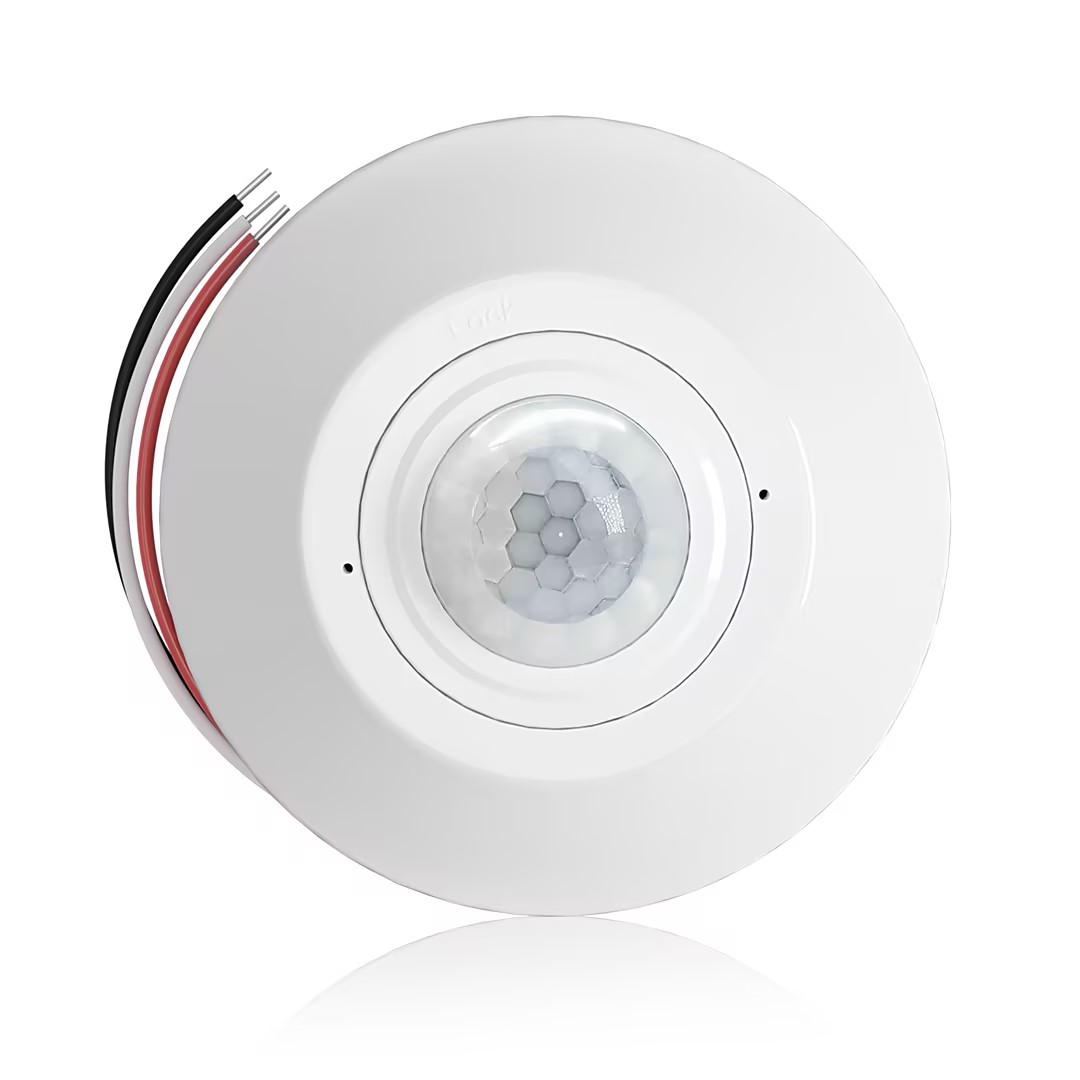
- Sufitowy czujnik obecności PIR z wyjściem przekaźnikowym bezpotencjałowym
- Zasilanie niskonapięciowe 12/24 VDC lub 12/24 VAC
- Izolowane styki przekaźnika COM, NO i NC dla wejść systemów EMS, HVAC i sterowania budynkiem
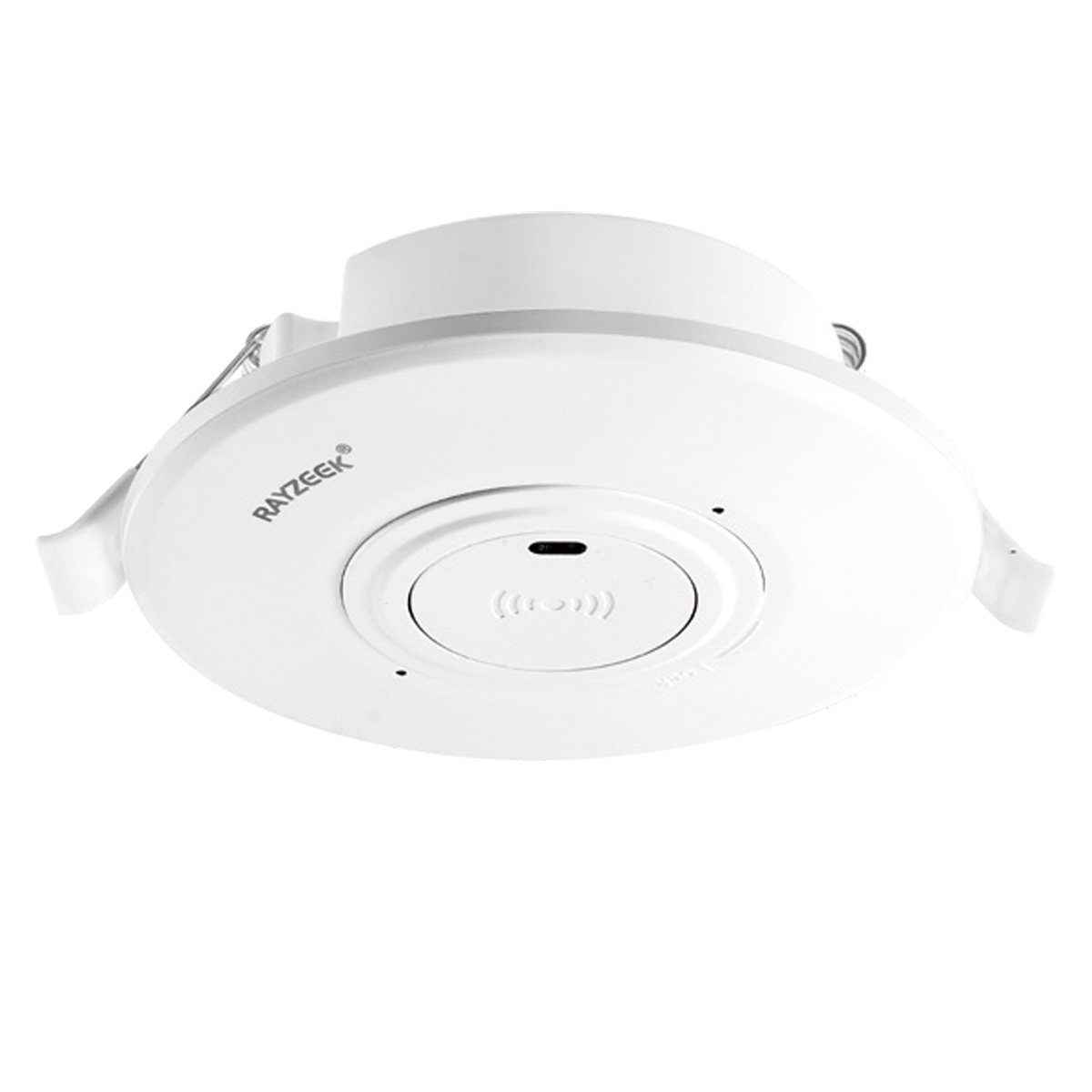
- Niskonapięciowy, podtynkowy sufitowy mikrofalowy czujnik ruchu DC
- Wejście 12 VDC / 24 VDC w zakresie 10–30 VDC
- Maksymalny prąd roboczy 10 A z regulowanym opóźnieniem czasowym, progiem Lux i czułością
- Mikrofalowy czujnik ruchu do montażu podtynkowego w suficie o podwyższonej obciążalności
- Zasilanie sieciowe 100-265 VAC, model 10A
- Detekcja mikrofalowa 5,8 GHz z regulowanym opóźnieniem czasowym, progiem Lux i czułością
- Mikrofalowy czujnik ruchu do montażu podtynkowego w suficie
- Zasilanie sieciowe 100-265 VAC, model 5A
- Detekcja mikrofalowa 5,8 GHz z regulowanym opóźnieniem czasowym, progiem Lux i czułością
- Sufitowy czujnik obecności PIR ze ściemniaczem RZ037 do zasilania 220V
- Maksymalny prąd roboczy 3A przy obciążeniu znamionowym 660W
- Przycisk LUX steruje włączeniem/wyłączeniem czujnika światła oraz ustawionym przez użytkownika poziomem jasności
- Sufitowy czujnik obecności PIR ze ściemniaczem RZ037 do zasilania 110V
- Maksymalny prąd roboczy 3A przy obciążeniu znamionowym 330W
- Przycisk LUX steruje włączeniem/wyłączeniem czujnika światła oraz ustawionym przez użytkownika poziomem jasności
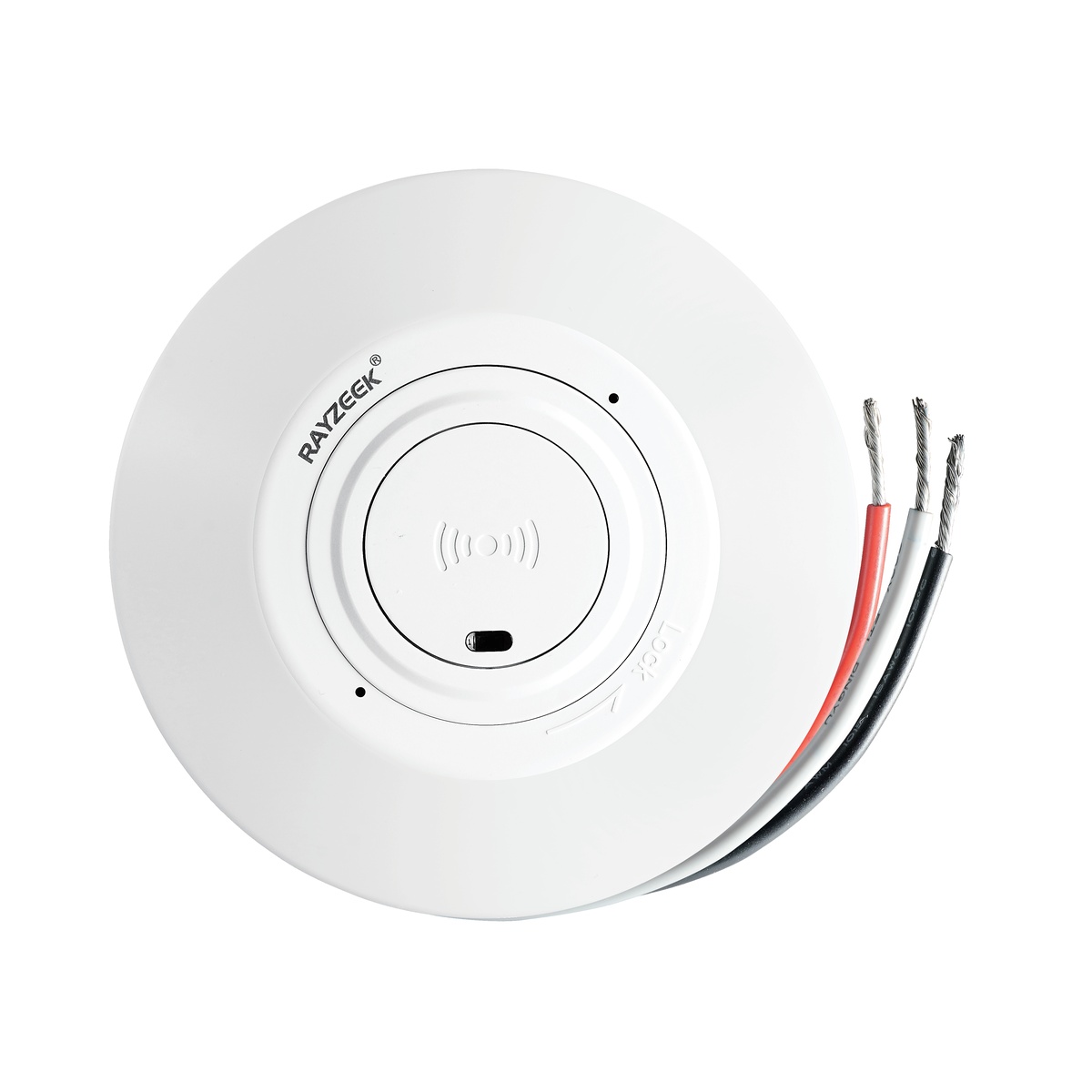
- Niskonapięciowy DC sufitowy mikrofalowy czujnik ruchu
- Wejście 12 VDC / 24 VDC w zakresie 10–30 VDC
- Maksymalny prąd roboczy 10 A z regulowanym opóźnieniem czasowym, progiem Lux i czułością
- Sufitowy mikrofalowy czujnik ruchu o podwyższonej obciążalności
- Zasilanie sieciowe 100-265 VAC, model 10A
- Detekcja mikrofalowa 5,8 GHz z regulowanym opóźnieniem czasowym, progiem Lux i czułością
- Sufitowy mikrofaliowy czujnik ruchu z przełącznikiem
- Zasilanie sieciowe 100-265 VAC, model 5A
- Detekcja mikrofalowa 5,8 GHz z regulowanym opóźnieniem czasowym, progiem Lux i czułością
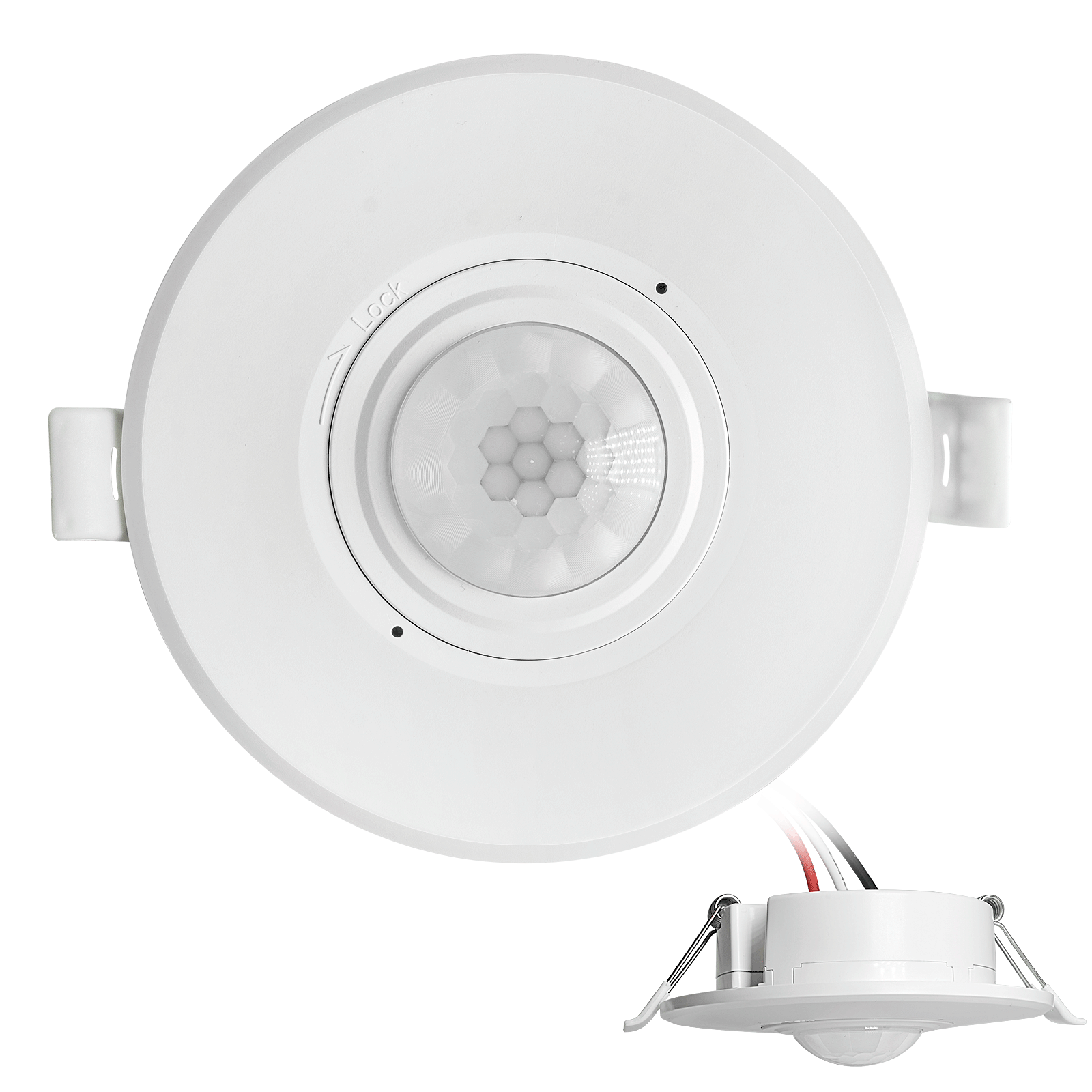
- Niskonapięciowy prądu stałego (DC) przełącznik z czujnikiem ruchu PIR do montażu podtynkowego w suficie
- Wejście 12 VDC / 24 VDC w zakresie 10–30 VDC
- Maksymalny prąd roboczy 10A z regulacją opóźnienia czasowego, progu natężenia światła (Lux) oraz czułości
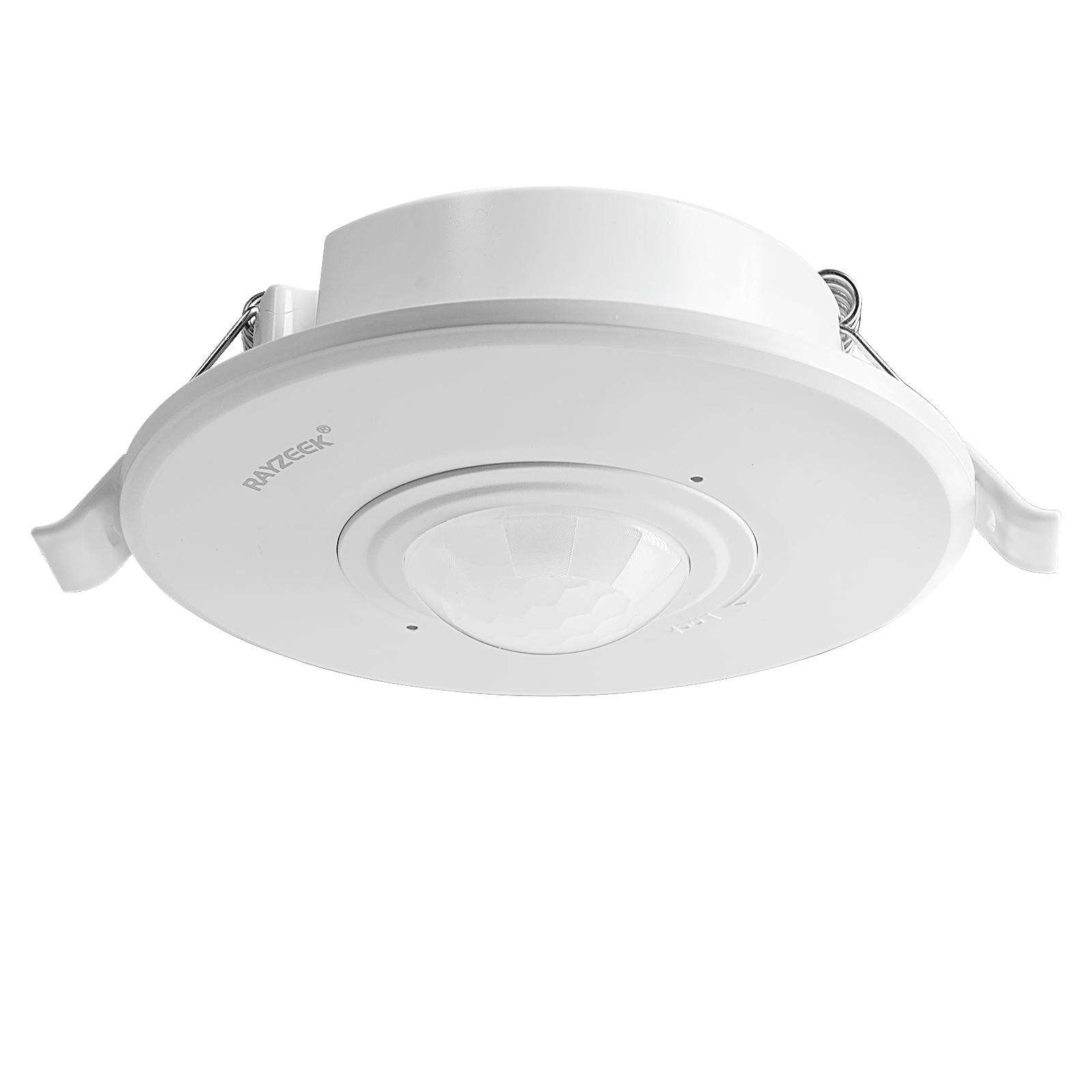
- Przełącznik z czujnikiem ruchu PIR o wyższym obciążeniu, do montażu podtynkowego w suficie
- Zasilanie sieciowe 100-265 VAC, model 10A
- Detekcja w promieniu 360 stopni z regulacją opóźnienia czasowego, progu natężenia światła (Lux) oraz czułości
- Przełącznik z czujnikiem ruchu PIR do montażu podtynkowego w suficie
- Zasilanie sieciowe 100-265 VAC, model 5A
- Detekcja w promieniu 360 stopni z regulacją opóźnienia czasowego, progu natężenia światła (Lux) oraz czułości
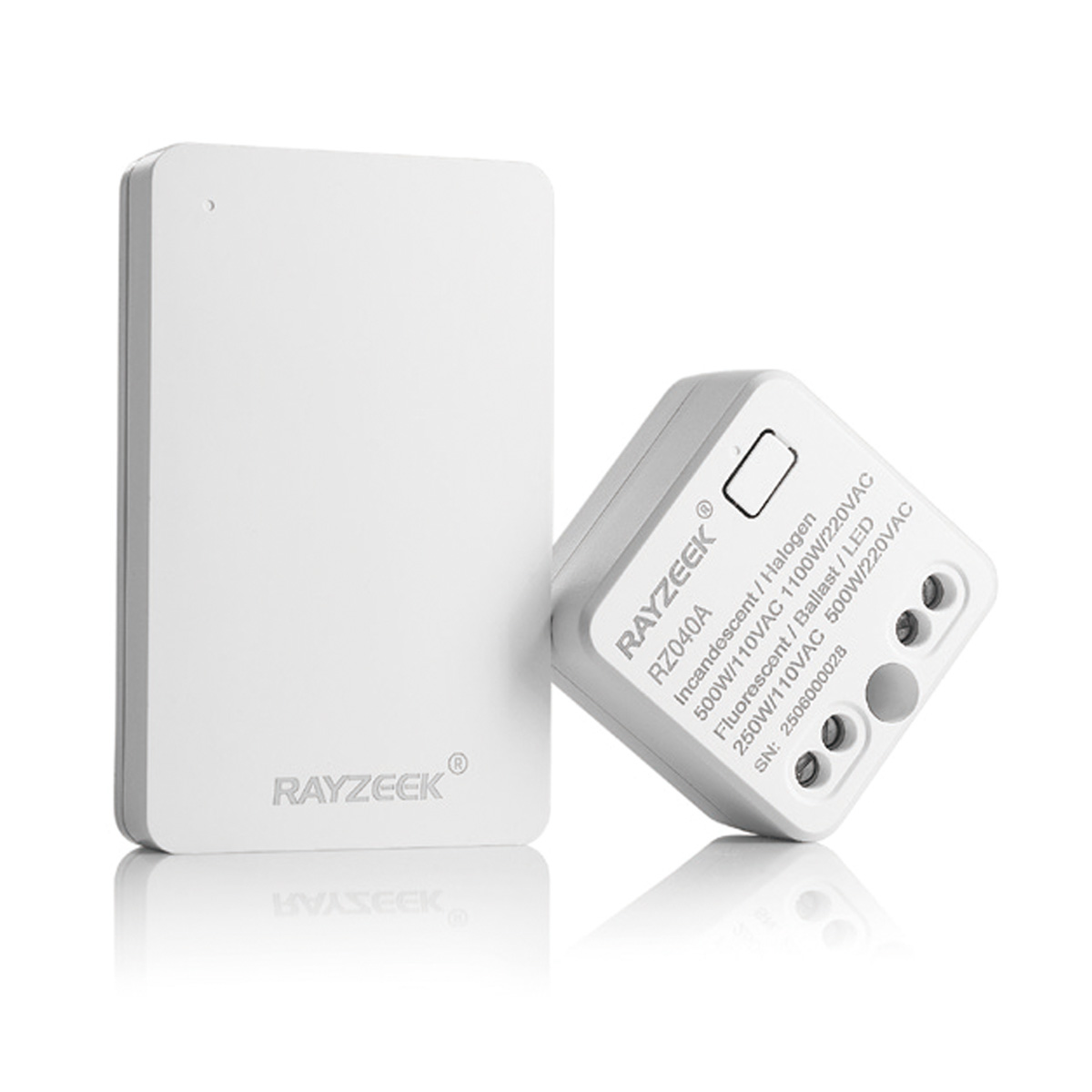
- Zestaw bezprzewodowego przełącznika i odbiornika do wewnętrznego sterowania oświetleniem WŁ./WYŁ.
- Odbiornik 100-230VAC, 50/60Hz o prądzie znamionowym 5A
- Przełącznik bezprzewodowy zasilany baterią CR2032 z komunikacją 2.4GHz
- Tryb obecności (Auto-ON/Auto-OFF)
- 12–24V DC (10–30VDC), do 10A
- Zasięg 360°, średnica wykrywania 8–12 m
- Opóźnienie czasowe 15 s–30 min
- Czujnik światła Wył./15/25/35 Lux
- Wysoka/Niska czułość
- Automatyczny tryb obecności (Auto-ON/Auto-OFF)
- 100–265V AC, 10A (wymagany przewód neutralny)
- Zasięg 360°; średnica wykrywania 8–12 m
- Opóźnienie czasowe 15 s–30 min; Lux WYŁ./15/25/35; Czułość Wysoka/Niska
- Automatyczny tryb obecności (Auto-ON/Auto-OFF)
- 100–265V AC, 5A (wymagany przewód neutralny)
- Zasięg 360°; średnica wykrywania 8–12 m
- Opóźnienie czasowe 15 s–30 min; Lux WYŁ./15/25/35; Czułość Wysoka/Niska
- Learning capabilities: Many smart thermostats can learn your schedule and preferences, automatically adjusting temperatures without manual input.
- Remote access: Control your home’s temperature from anywhere using a smartphone app.
- Energy usage reports: Get insights into your energy consumption patterns to help you make informed decisions about your settings.
- Integration with other smart home devices: Some models can be controlled through voice assistants like Alexa or Google Home.
- Weather-based adjustments: Certain smart thermostats can adjust based on local weather data, optimizing comfort and efficiency.
Programmable vs. Smart Thermostats
Smart thermostats generally provide more advanced features and greater flexibility. However, they also tend to be more expensive. Programmable thermostats are typically more cost-effective and can be an excellent choice for those with stable routines. The best choice depends on your specific needs, budget, and how much control you want over your home’s heating system.
Extending Smart Savings to Your Air Conditioner
While programmable and smart thermostats are excellent for central heating systems, many households rely on window or split air conditioning units, especially during warmer months. Have you ever left a room, only to realize hours later that you forgot to turn off the AC? It’s a common oversight that can lead to significant energy waste. Fortunately, there’s a smart solution designed specifically for these situations: the RZ050 Air Conditioner Motion Sensor.
Szukasz energooszczędnych rozwiązań aktywowanych ruchem?
Skontaktuj się z nami w sprawie czujników ruchu PIR, energooszczędnych produktów aktywowanych ruchem, przełączników z czujnikiem ruchu oraz komercyjnych rozwiązań typu Occupancy/Vacancy.
This innovative device brings the automation and energy-saving benefits of smart thermostats to your AC unit. The RZ050 uses advanced motion-sensing technology to detect when a room is unoccupied. After a customizable time delay (from 15 minutes to 2 hours), it automatically sends an “off” signal to your AC unit, ensuring it doesn’t run unnecessarily. This intelligent automation can help you save up to 20-50% on your AC-related energy bills.
The RZ050 is incredibly easy to install thanks to its wireless, battery-powered design. Simply stick or fix it on a wall within the same room as your AC, and it’s ready to go. It learns the “off” command from your existing AC remote, making it compatible with most remote-controlled split AC units. Plus, it features a convenient Night Mode that prevents the AC from turning off while you’re sleeping, ensuring a comfortable night’s rest. You can enjoy a cool room without the worry of waking up to a sudden temperature change.
Imagine the peace of mind knowing that your AC will always turn off when you leave a room, even if you forget. With the RZ050, you can enjoy the comfort of air conditioning without the guilt of wasted energy or high electricity bills. It’s a simple yet powerful way to make your home more energy-efficient and your life a little easier.
RZ050 Air Conditioner Motion Sensor Controller
Automatically turn off your AC when you leave the room and save energy effortlessly.
- Automatically turns off AC when the room is empty, saving up to 20-50% on energy bills.
- Easy DIY installation with wireless, battery-powered design.
- Night mode ensures uninterrupted sleep by preventing the AC from turning off at night.
Common Mistakes to Avoid When Setting Your Thermostat in Winter
To ensure you’re getting the most out of your thermostat settings, avoid these common mistakes:
- Not gradually adjusting to winter settings: Suddenly dropping your thermostat to a much lower temperature can be uncomfortable and may lead to resistance from household members. Instead, lower the temperature gradually over a few weeks to allow everyone to acclimate.
- Setting the temperature too high or too low: Cranking up the heat excessively wastes energy and can lead to discomfort. Conversely, setting it too low might cause discomfort and risk frozen pipes. Aim for a balance that provides comfort while minimizing energy use.
- Not considering winter humidity: Dry winter air can make your home feel cooler than it actually is. Using a humidifier can help you feel comfortable at lower temperature settings.
- Forgetting to adjust the thermostat when leaving: Many homeowners forget to lower the temperature when they leave the house, leading to unnecessary energy use. Use a programmable thermostat or make it a habit to adjust the settings before leaving.
- Overusing space heaters: While space heaters can provide targeted warmth, they’re generally less efficient than a properly set central heating system. Use them sparingly and as a supplement rather than a primary heat source.
Additional Tips for Maximizing Winter Energy Savings
Beyond optimal thermostat settings, there are several other strategies you can employ to enhance your winter energy savings:
- Seal windows and doors: Use weatherstripping or caulking to prevent warm air from escaping and cold air from entering.
- Utilize ceiling fans: Run ceiling fans clockwise on a low setting to push warm air down and distribute heat more evenly.
- Manage curtains and blinds: Open curtains during the day to let in natural sunlight and warmth, and close them at night to reduce heat loss.
- Maintain your HVAC system: Regular filter changes, duct cleaning, and professional inspections can keep your system running efficiently.
- Add extra insulation: Particularly in the attic, additional insulation can significantly reduce heat loss.
- Dress warmly: Wearing layers indoors allows you to feel comfortable at lower thermostat settings.
- Use a humidifier: Adding moisture to the air can make lower temperatures feel more comfortable.
- Lower water heater temperature: Setting your water heater to 120°F can reduce energy consumption without sacrificing comfort.
- Use LED light bulbs: These energy-efficient bulbs produce less heat and use less electricity than traditional incandescent bulbs.
Optimal Thermostat Placement for Accurate Readings
The location of your thermostat can significantly impact its accuracy and, consequently, your home’s comfort and energy efficiency. Here are some guidelines for optimal placement:
Best Placement
- Install the thermostat on an interior wall in a central location, ideally in a room where you spend the most time.
- Position it about 52-60 inches above the floor for the most accurate readings.
- Ensure it’s away from direct sunlight, drafts, doorways, and windows.
- In multi-story homes, place the thermostat on the first floor to get the best average temperature reading.
Areas to Avoid
- Direct sunlight: This can cause false high-temperature readings.
- Above air vents: Proximity to vents can lead to inaccurate temperature sensing.
- Kitchens: Temperature fluctuations from cooking can affect readings.
- Hallways: These areas often have different temperatures than main living spaces.
- Near doors or windows: Drafts can interfere with accurate temperature sensing.
- On exterior walls: These are more susceptible to outdoor temperature fluctuations.
Importance of Heating System Maintenance for Efficiency
Regular maintenance of your heating system is crucial for maintaining its efficiency and ensuring it can meet your desired thermostat settings. Here are some key maintenance tasks:
- Annual professional service: Schedule a furnace check-up every fall before the heating season begins.
- Regular filter changes: Replace or clean filters every 30-60 days, or as recommended by the manufacturer.
- Keep vents unobstructed: Ensure furniture or curtains aren’t blocking airflow from vents.
- Trim outdoor vegetation: Keep shrubs and plants away from outdoor heating units to ensure proper airflow.
- Seal and insulate ducts: This can improve your heating system’s efficiency by up to 20%.
- Check for loose connections: Tighten any loose electrical connections during maintenance.
- Lubricate moving parts: This reduces friction and helps your system run more smoothly.
- Calibrate the thermostat: Ensure your thermostat is reading temperatures accurately.