
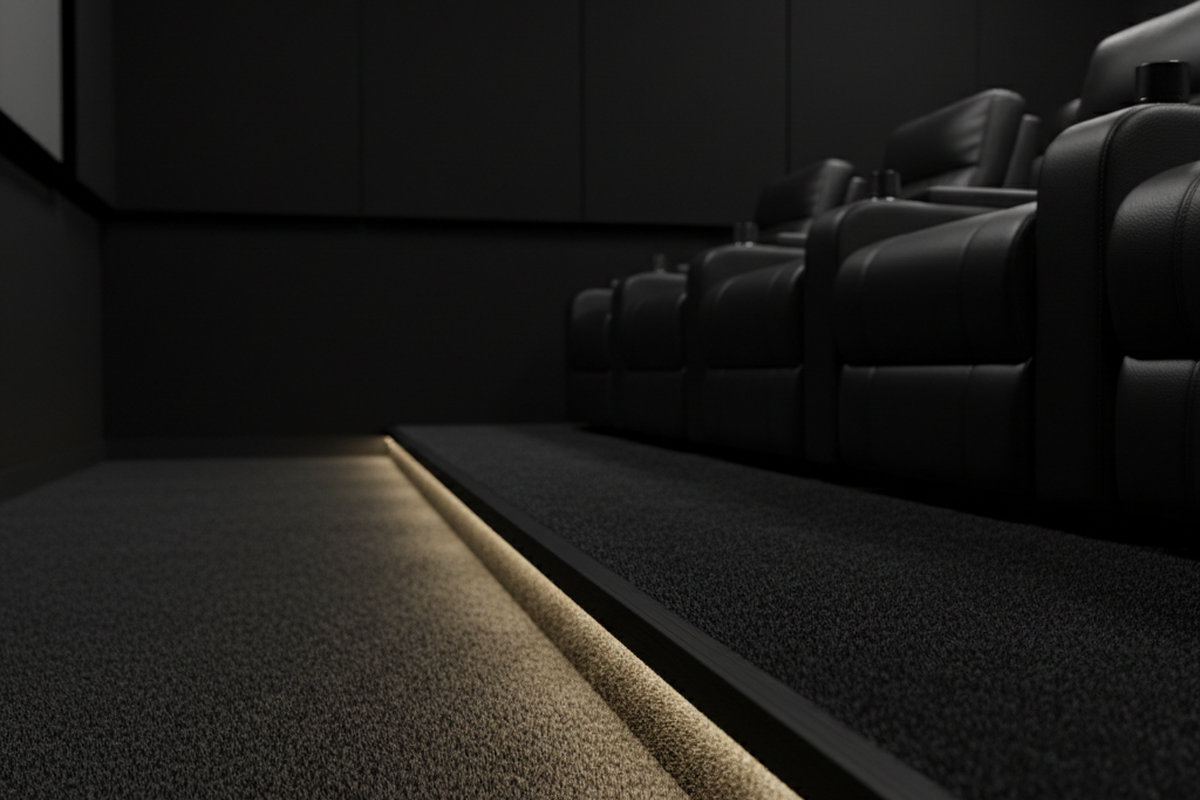
想要建造一個「黑盒子」的念頭完全可以理解。當你花了數萬港元購買一部擁有頂級黑位表現的 JVC 或 Sony 投影機,或者投資了一部能完全融入牆壁的 OLED 電視,你最不希望看到的就是一縷雜散的光線破壞了畫面。你的本能會告訴你要將牆壁髹上啞黑色、封死窗戶,並消除每一個光源。
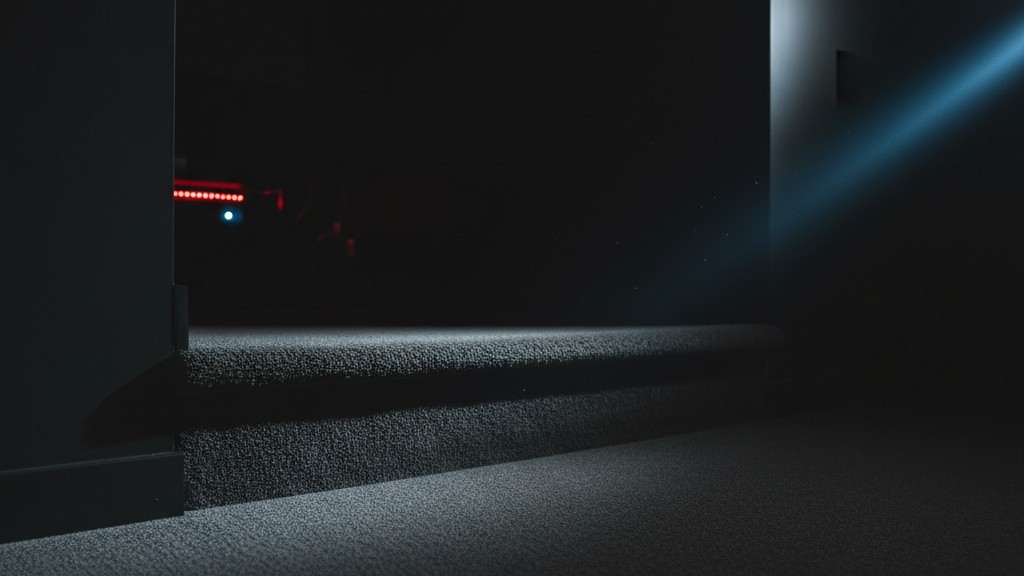
然而,一個完全黑暗的房間,同時也是一個完全危險的房間。
家庭影院設計中存在著一條特定的責任曲線,大多數發燒友都會忽略它,直到為時已晚。這通常會發生在首映會或超級碗派對上,當一位年長的客人或分心的朋友在漆黑的房間裡起身去添飲時。他們錯過了 18 吋地台的邊緣,或者被隨意擺放的腳踏絆倒。結果是手腕骨折、飲品倒在價值五位數的擴音機上,或者至少是一陣慌亂,破壞了所有人的沉浸感。一個專用的影音室並不以追求全黑為目標,它需要的是對光線的精準管理。你正在建造一部用於觀賞的機器,而這部機器對安全協定的要求,絕對不亞於對對比度的要求。
感應器的謬誤
現代影音室最常見的錯誤就是誤用自動化感應器。在走廊或儲物室中,佔用感應器(偵測到動態時自動開燈)是一種便利。然而,若將同一個感應器放在家庭影院中,它就會變成一個宿敵。
想像一下這個畫面:電影正進入高潮,全場一片寂靜,燈光已調暗至零。一位客人動了動身體想伸展一下手臂,或者家中的愛犬從走廊踱步進來。突然間,動態感應器被觸發,整個房間瞬間被 100% 的亮度淹沒。投影畫面變得一片蒼白,氣氛被破壞殆盡,觀眾也被刺眼的燈光弄得睜不開眼。佔用感應器(自動開啟)在注重聆聽或觀賞體驗的環境中根本沒有立足之地。
影音室的正確邏輯是 空置 模式:手動開啟、自動關閉。
在這種配置下,你進入房間時必須親自按下按鈕來開啟燈光。這能確保房間在你希望保持黑暗時維持黑暗。感應器依然存在,但它純粹扮演着管家的角色;它會等到房間空置了一段設定的時間(例如 30 分鐘)後才切斷電源。這樣既能防止「整晚開着燈」的情況發生,又不會冒着觸發「超級碗事件」的風險——即達陣慶祝動作觸發了強烈照明。
有些人可能會主張在這裡使用語音控制——大喊「Hey Google,開燈」以避免尋找開關。但語音控制是一種干擾,它破壞了房間的靜音底線。對着智能音箱吼叫指令帶來的是麻煩,而不是奢華感。只有寧靜、具觸感的按鈕操作,才是唯一尊重螢幕內容的互動方式。
導航幾何學
一旦掌控了頂頂燈,你就必須處理地面問題。人類的眼睛在適應了黑暗場景並放大瞳孔後,對對比度會變得極其敏感。一個標準的嵌入式筒燈,即使調暗至 1%,感覺也會像一束射燈。解決方案是將光源移到視線水平以下。
正在尋找動態感應節能解決方案?
歡迎聯絡我們以獲取完整的 PIR 動態感應器、動態感應節能產品、動態感應器開關以及有人/無人商用解決方案。
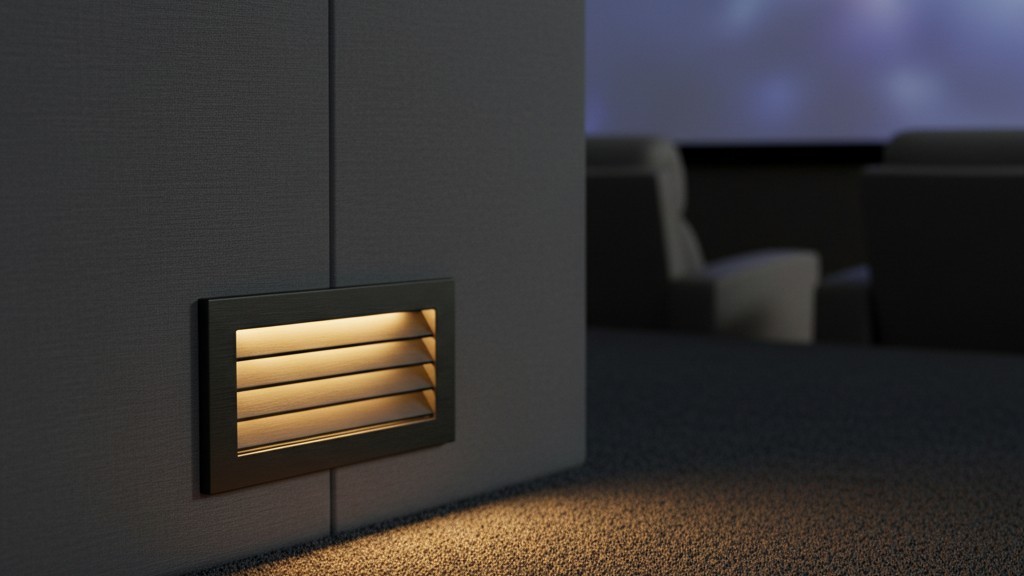
梯級燈和路徑照明並非裝飾,它們是安全基礎設施。法例規定商業戲院必須安裝它們是有原因的,而這個原因同樣適用於你的地庫。其目標是照亮地台的踏面或通往門口的路線,而不會將任何光線照射到螢幕表面。
這需要使用帶遮光罩的燈具。你需要使用「百葉窗式」的面板,將光線嚴格導向下方,在光束向上反彈之前將其截斷。如果你在跑道地台的邊緣下方使用 LED 燈帶,則必須將其安裝在帶有擴散鏡片的鋁槽內。如果沒有擴散片,地面上的反射就會呈現出一個個獨立的光點——即「珍珠鏈」效應——這會令人分心且顯得粗糙。燈光應該是一片柔和的泛光,而不是一系列的點光源。
你不能單憑直覺來猜測這些位置。你必須親自走動體驗。模擬一下「去拿爆谷」的情境:調暗燈光,等待五分鐘讓瞳孔放大,然後從主座位走到門口。留意你的腳步在哪裡產生了猶豫,那裡就是需要安裝燈光的地方。
觸控指揮
在黑暗的房間裡,觸控螢幕就如同一支電筒。
您可能也感興趣

- 吸頂式 PIR 佔位感應器,帶乾接點繼電器輸出
- 12/24VDC 或 12/24VAC 低電壓供電
- 用於 EMS、HVAC 和建築控制輸入的 COM、NO 和 NC 隔離繼電器接點

- 低電壓直流嵌入式吸頂微波移動感應器開關
- 12 VDC / 24 VDC 輸入,範圍為 10-30 VDC
- 10A 最大工作電流,具備可調延時、光控閾值(Lux)和靈敏度
- 高負載嵌入式吸頂微波移動感應器開關
- 100-265 VAC 線電壓輸入,10A 機型
- 5.8 GHz 微波感應,具備可調延時、光控閾值(Lux)和靈敏度
- 嵌入式吸頂微波移動感應器開關
- 100-265 VAC 線電壓輸入,5A 機型
- 5.8 GHz 微波感應,具備可調延時、光控閾值(Lux)和靈敏度
- 適用於 220V 電源的吸頂式 RZ037 PIR 佔位感應調光器
- 3A 最大工作電流,額定負載為 660W
- LUX 按鈕控制光感開/關和用戶設定的調光亮度
- 適用於 110V 電源的吸頂式 RZ037 PIR 佔位感應調光器
- 3A 最大工作電流,額定負載為 330W
- LUX 按鈕控制光感開/關和用戶設定的調光亮度

- 低壓直流吸頂式微波感應開關
- 12 VDC / 24 VDC 輸入,範圍為 10-30 VDC
- 10A 最大工作電流,具備可調延時、光控閾值(Lux)和靈敏度
- 高負載吸頂式微波感應開關
- 100-265 VAC 線電壓輸入,10A 機型
- 5.8 GHz 微波感應,具備可調延時、光控閾值(Lux)和靈敏度
- 吸頂式微波感應開關
- 100-265 VAC 線電壓輸入,5A 機型
- 5.8 GHz 微波感應,具備可調延時、光控閾值(Lux)和靈敏度

- 低壓直流嵌入式吸頂 PIR 紅外線感應開關
- 12 VDC / 24 VDC 輸入,範圍為 10-30 VDC
- 最大工作電流 10A,具備可調延時、光控閾值(Lux)及靈敏度

- 高負載嵌入式吸頂 PIR 紅外線感應開關
- 100-265 VAC 線電壓輸入,10A 機型
- 360度偵測,具備可調延時、光控閾值(Lux)及靈敏度
- 嵌入式吸頂 PIR 紅外線感應開關
- 100-265 VAC 線電壓輸入,5A 機型
- 360度偵測,具備可調延時、光控閾值(Lux)及靈敏度

- 用於室內開關燈控制的無線開關與接收器套裝
- 100-230VAC, 50/60Hz 接收器,額定電流 5A
- 採用 CR2032 電池供電的無線開關,支援 2.4GHz 通訊
- 佔位偵測 (自動開啟/自動關閉)
- 12–24V DC (10–30VDC),最高 10A
- 360° 全方位覆蓋,直徑 8–12 米
- 延時 15 秒–30 分鐘
- 光敏傳感器 關閉/15/25/35 Lux
- 高/低靈敏度
- 自動開啟/自動關閉佔位模式
- 100–265V AC, 10A (需接零線)
- 360° 全方位覆蓋;偵測直徑 8–12 米
- 延時 15 秒–30 分鐘;光控 關閉/15/25/35;靈敏度 高/低
- 自動開啟/自動關閉佔位模式
- 100–265V AC, 5A (需要零線)
- 360° 全方位覆蓋;偵測直徑 8–12 米
- 延時 15 秒–30 分鐘;光控 關閉/15/25/35;靈敏度 高/低
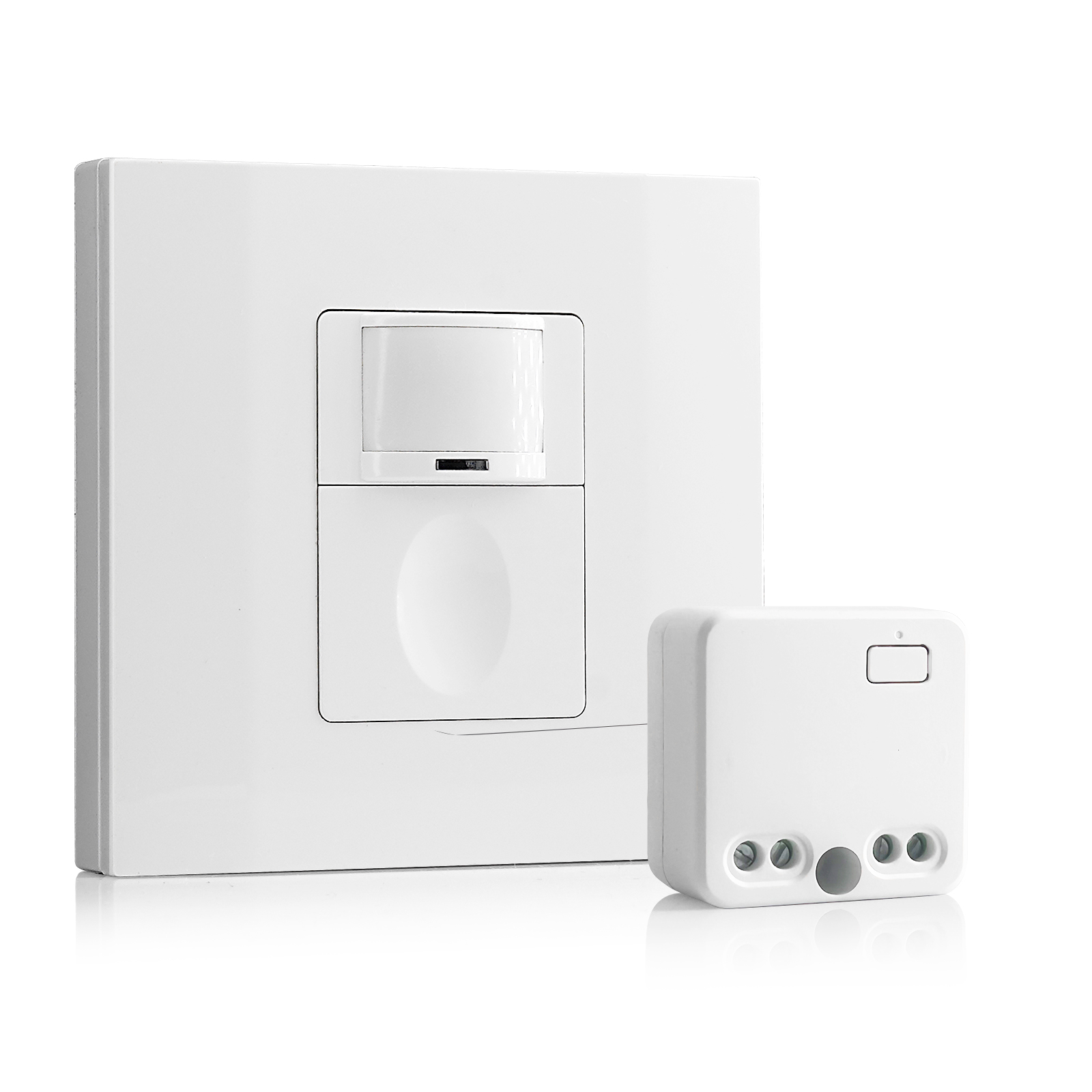
- 100V-230VAC
- 傳輸距離:高達 20m
- 無線動態感應器
- 有線控制
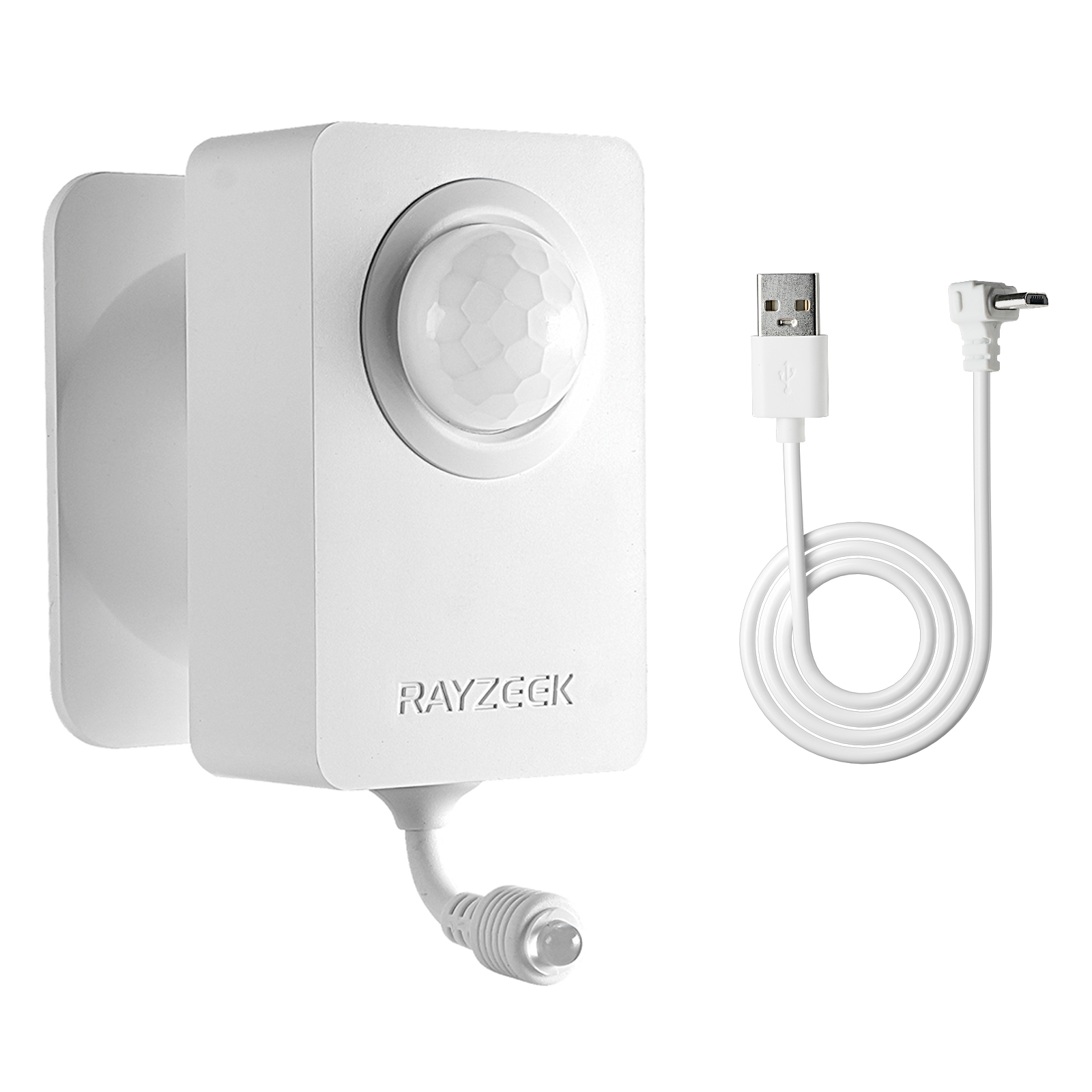
- 電壓:2x AAA 電池 / 5V DC (Micro USB)
- 晝夜模式
- 延時:15分鐘、30分鐘、1小時(預設)、2小時
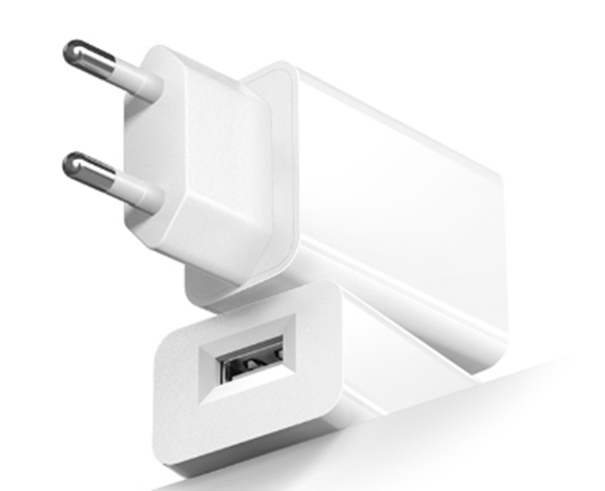
- 歐規插頭電源適配器
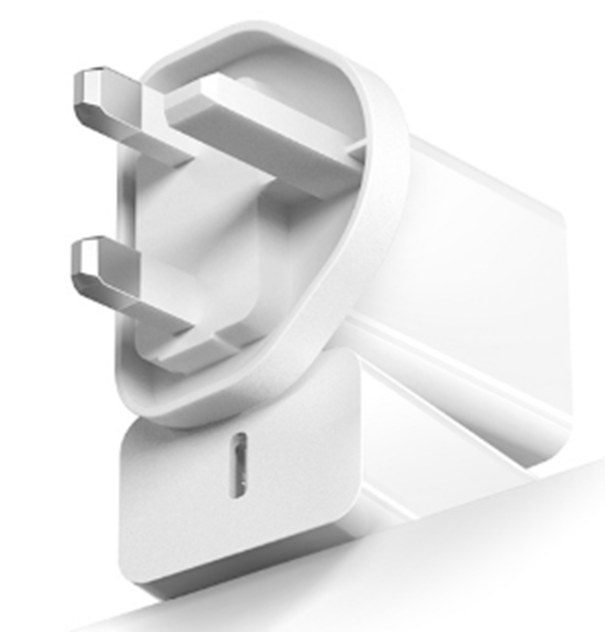
- 英規插頭電源適配器
We have drifted toward controlling everything with iPads and smartphones, but unlocking a phone in a theater is a mistake. The screen lights up your face, distracting everyone behind you, and the blue light forces your irises to constrict, ruining your night vision for the next ten minutes. Furthermore, a touchscreen offers no topography. You cannot find the “Pause” or “Volume” button by feel; you have to look at it.
Muscle memory requires physical buttons. A dedicated remote with hard buttons (like a Savant Pro or a Control4 Neeo) allows you to navigate by feel. You should be able to pause the movie, raise the lights, or adjust the volume without ever taking your eyes off the screen. If you rely on an app-based control system, you force yourself to disengage from the movie every time you need to make an adjustment.
The Uninvited Photons
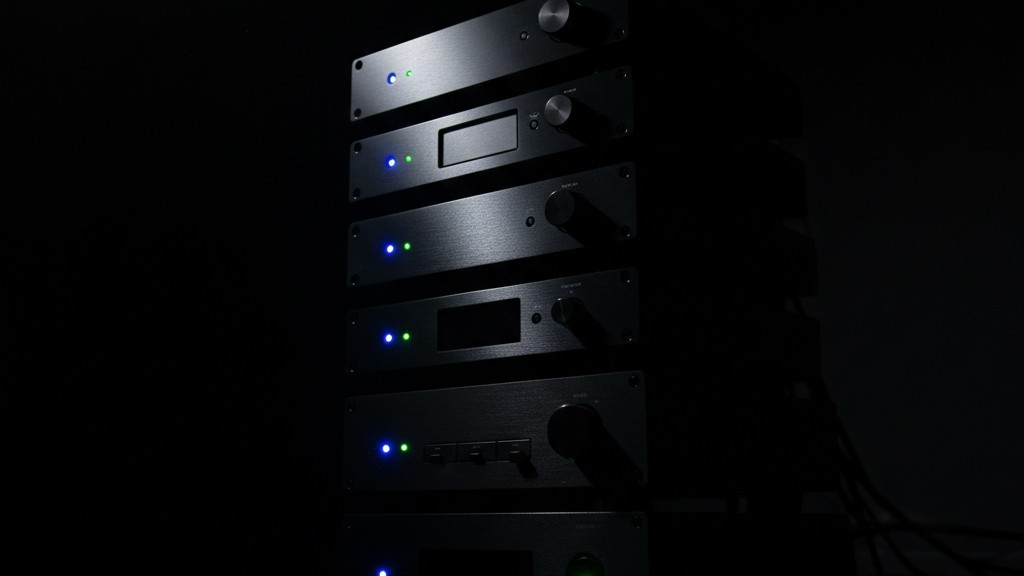
You have handled the overheads and the path lights. Now you must hunt down the light pollution you didn’t install.
Modern AV gear is covered in status LEDs. Subwoofers have bright blue power indicators; smoke detectors have blinking green “all clear” lights; power strips have glowing orange rockers. In a normal living room, these are invisible. In a light-controlled theater, they are laser beams. A single blue LED on a subwoofer can cast a visible shadow on the screen and ruin the black levels of a $10,000 projector.
Perform an “Immersion Audit.” Turn off every light in the room and sit there for five minutes. As your eyes adjust, the constellations of standby lights will reveal themselves. The solution is low-tech but essential: LightDims stickers or simple gaffer tape. Cover every non-essential LED. For smoke detectors, check your local regulations and manufacturer guidelines—often you can tape over the LED without obstructing the sensor intake, but you must be certain. Do not let a fifty-cent diode fight your high-contrast screen.
從 Rayzeek 動態感應器系列產品中尋找靈感。
找不到您想要的產品?別擔心。總有其他方法可以解決您的問題。也許我們的系列產品可以幫到您。
The Logic of the Pause
The difference between a disjointed system and a cohesive integration is often found in the “Pause” button.
In a poorly programmed room, hitting pause just stops the movie. You are left in the dark, fumbling for a drink. In a properly integrated system, the “Pause” state is a lighting scene. When the movie stops, the lights should not snap on; they should ramp up over 3 to 4 seconds to a dim “intermission” level—perhaps 15% or 20%.
This transition is critical. An instant snap to brightness is painful. A slow fade allows the eye to adjust. It provides just enough light to see the popcorn bowl or check a phone without breaking the atmosphere. When you press play, the lights should fade back to zero (or your safety baseline) over the same duration. This “ramp rate” is a variable that separates professional lighting systems like Lutron RadioRA3 or Homeworks from standard consumer smart bulbs. The transition itself is part of the experience.
Infrastructure Reality
Then there is the backbone of the system. There is a temptation to retrofit these rooms with Wi-Fi based smart bulbs because they are cheap and easy to install.
Resist this.
Wi-Fi bulbs are notorious for their “power loss recovery” behavior. If your router reboots during a movie, or if the power flickers, many consumer bulbs default to “On” and “100% Brightness” as a safety measure. Imagine the router resetting in the middle of a tense thriller, and suddenly the ceiling explodes into interrogation-room white light. It is jarring and unprofessional.
Furthermore, a lighting system that relies on the cloud is a lighting system that will eventually lag. When you press a button, the lights should react instantly. If the signal has to go to a server and back, you introduce latency. In a theater, timing is everything. Stick to hardwired switches or local-control protocols (like Lutron’s Clear Connect or Zigbee-based systems with a local hub) that operate independently of your internet connection.
The perfect theater isn’t just about the picture on the screen. It is about the absence of distraction and the presence of safety. It is a room that anticipates your movement, respects your vision, and never, ever blinds you by mistake.







