
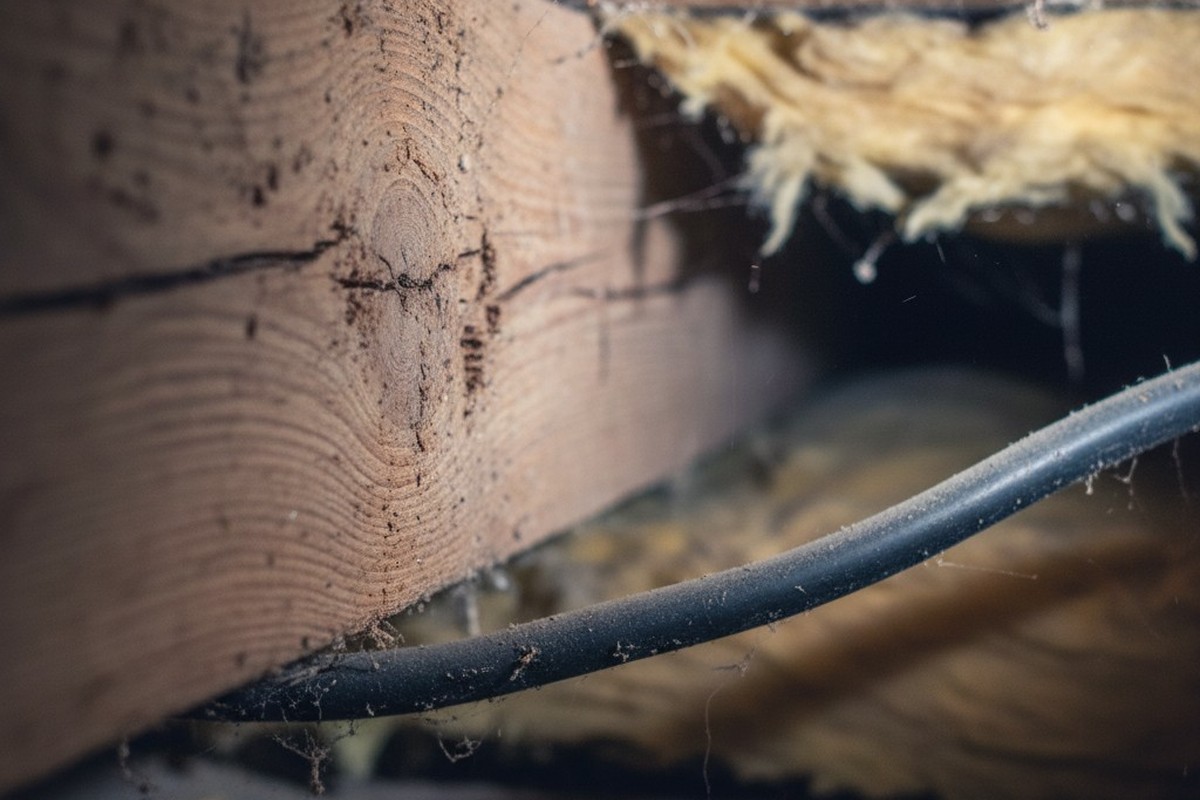
Підпілля — це не просто приміщення. Це біологічна зона, яка активно сприяє руйнуванню будівельних матеріалів. Коли ви відкриваєте люк доступу, вас зазвичай зустрічає запах вологої землі, візуальний хаос відвислої ізоляції та — у разі невдачі — абсолютна темрява.
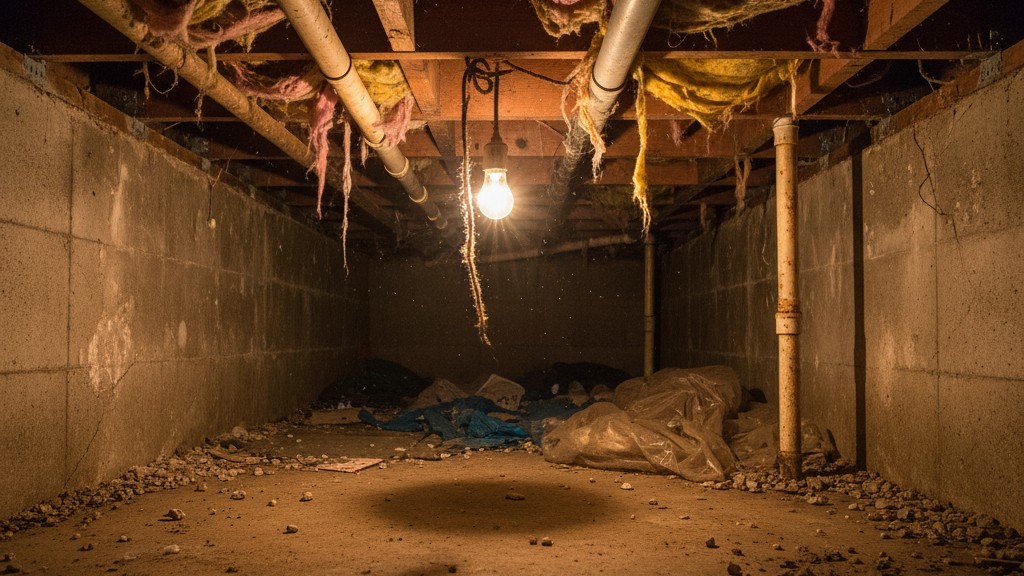
У таких приміщеннях існує специфічний, небезпечний фактор збою. Це не руйнування конструкції чи затоплення, а людська забудькуватість. Стандартний клавішний вимикач, встановлений у темному кутку або всередині шафи, повністю покладається на дисциплінованість людини, яка залишає підпілля. Практика показує, що люди часто припускаються помилок. Ми бачили, як у підвалах Портленда лампи розжарювання потужністю 100 Вт залишалися ввімкненими роками, повільно перетворюючи ялинову балку над ними на деревне вугілля. І навпаки, інспектори сантехніки відмовляються входити в приміщення, тому що лампа перегоріла три роки тому, і ніхто цього не помітив, поки не почалося протікання.
Рішення полягає не в кращому чек-листі, а в тому, щоб повністю виключити людський фактор. Для вологого, занедбаного середовища підпіль у Тихоокеанському Північно-Заході вимикач із датчиком руху Rayzeek RZ021 став прагматичним стандартом для модернізації. Це не найпривабливіший пристрій на ринку, але він вирішує завдання надійності та мінімізації повторних викликів краще за дорогі альтернативи.
Реалії апаратного забезпечення: чому перемагають “прості” датчики
У коридорі з кондиціонуванням можна використовувати Lutron Maestro або високотехнологічний світлорегулятор із підтримкою Wi-Fi. Ці пристрої відкалібровані для стабільної температури та чистого живлення. У підпіллі ви маєте справу з високою вологістю, перепадами температур від заморозків до спеки та часто з нестабільною напругою в мережі.
Можливо, вас зацікавить

- Напруга: 2 батарейки AAA
- Режим День/Ніч
- Затримка часу: 15 хв, 30 хв, 1 год (за замовчуванням), 2 год

- Стелярний PIR-датчик присутності з виходом реле типу «сухий контакт»
- Низьковольтне живлення 12/24 В постійного струму або 12/24 В змінного струму
- Ізольовані контакти реле COM, NO та NC для систем управління будівлями (EMS), опалення, вентиляції та кондиціонування (HVAC)

- Низьковольтний врізний стельовий мікрохвильовий вимикач із датчиком руху постійного струму
- Вхід 12 В / 24 В постійного струму з діапазоном 10–30 В постійного струму
- Максимальний робочий струм 10A з регульованою затримкою часу, порогом Lux і чутливістю
- Врізний стельовий мікрохвильовий вимикач із датчиком руху для підвищеного навантаження
- Вхідна мережева напруга 100-265 VAC, модель 10A
- Мікрохвильове виявлення 5.8 GHz з регульованою затримкою часу, порогом Lux і чутливістю
- Врізний стельовий мікрохвильовий вимикач із датчиком руху
- Вхідна мережева напруга 100-265 VAC, модель 5A
- Мікрохвильове виявлення 5.8 GHz з регульованою затримкою часу, порогом Lux і чутливістю
- Стельовий димер із PIR-датчиком присутності RZ037 для живлення 220V
- Максимальний робочий струм 3A із номінальним навантаженням 660W
- Кнопка LUX керує увімкненням/вимкненням датчика освітленості та налаштованою користувачем яскравістю димування
- Стельовий PIR-датчик присутній з димером RZ037 для живлення 110V
- Максимальний робочий струм 3A із номінальним навантаженням 330W
- Кнопка LUX керує увімкненням/вимкненням датчика освітленості та налаштованою користувачем яскравістю димування

- Низьковольтний стельовий мікрохвильовий датчик руху постійного струму
- Вхід 12 В / 24 В постійного струму з діапазоном 10–30 В постійного струму
- Максимальний робочий струм 10A з регульованою затримкою часу, порогом Lux і чутливістю
- Стельовий мікрохвильовий датчик руху для підвищеного навантаження
- Вхідна мережева напруга 100-265 VAC, модель 10A
- Мікрохвильове виявлення 5.8 GHz з регульованою затримкою часу, порогом Lux і чутливістю
- Стельовий мікрохвильовий датчик руху
- Вхідна мережева напруга 100-265 VAC, модель 5A
- Мікрохвильове виявлення 5.8 GHz з регульованою затримкою часу, порогом Lux і чутливістю

- Низьковольтний врізний стельовий PIR-датчик руху постійного струму
- Вхід 12 В / 24 В постійного струму з діапазоном 10–30 В постійного струму
- Максимальний робочий струм 10A з регульованою затримкою часу, порогом Lux та чутливістю

- Врізний стельовий PIR-датчик руху для підвищеного навантаження
- Вхідна мережева напруга 100-265 VAC, модель 10A
- Детекція на 360 градусів з регульованою затримкою часу, порогом Lux та чутливістю
- Врізний стельовий вимикач із PIR-датчиком руху
- Вхідна мережева напруга 100-265 VAC, модель 5A
- Детекція на 360 градусів з регульованою затримкою часу, порогом Lux та чутливістю

- Комплект бездротового вимикача та приймача для внутрішнього керування освітленням (УВІМК/ВИМК)
- Приймач 100-230VAC, 50/60Hz із номінальним струмом 5A
- Бездротовий вимикач із живленням від CR2032 та зв'язком 2.4GHz
- Режим присутності (Auto-ON/Auto-OFF)
- 12–24V DC (10–30VDC), до 10A
- Зона охоплення 360°, діаметр 8–12 m
- Затримка часу 15 s–30 min
- Датчик освітленості Off/15/25/35 Lux
- Висока/низька чутливість
- Режим присутності Auto-ON/Auto-OFF (автоматичне увімкнення/вимкнення)
- 100–265V AC, 10A (необхідна нейтраль)
- Зона охоплення 360°; діаметр виявлення 8–12 м
- Затримка часу 15 s–30 min; Lux OFF/15/25/35; чутливість High/Low
- Режим присутності Auto-ON/Auto-OFF (автоматичне увімкнення/вимкнення)
- 100–265V AC, 5A (необхідна нейтраль)
- Зона охоплення 360°; діаметр виявлення 8–12 м
- Затримка часу 15 s–30 min; Lux OFF/15/25/35; чутливість High/Low
The Rayzeek RZ021 stands out because it is remarkably load agnostic. Crawl spaces are often lit by a mishmash of fixtures—an old porcelain keyless fixture here, a cheap LED shop light there, maybe a fluorescent strip left over from 1990. Many modern sensors flicker or buzz when faced with inductive loads like old ballasts or cheap LED drivers. In bench tests and field retrofits, the Rayzeek tends to handle this electrical soup without the “ghost switching” that plagues more sensitive units.
Then there’s the “Pilot Light” switch—the ones with the little red neon glow when the light is on. Old-school sparkies love these. The theory is that the red light warns you the crawl space lights are burning. The reality? Homeowners ignore red lights just as easily as they ignore toggle switches. A motion sensor (PIR) does not ask for permission or attention. It simply detects heat signatures and shuts down when they leave.
The “Door Swing” Placement Strategy
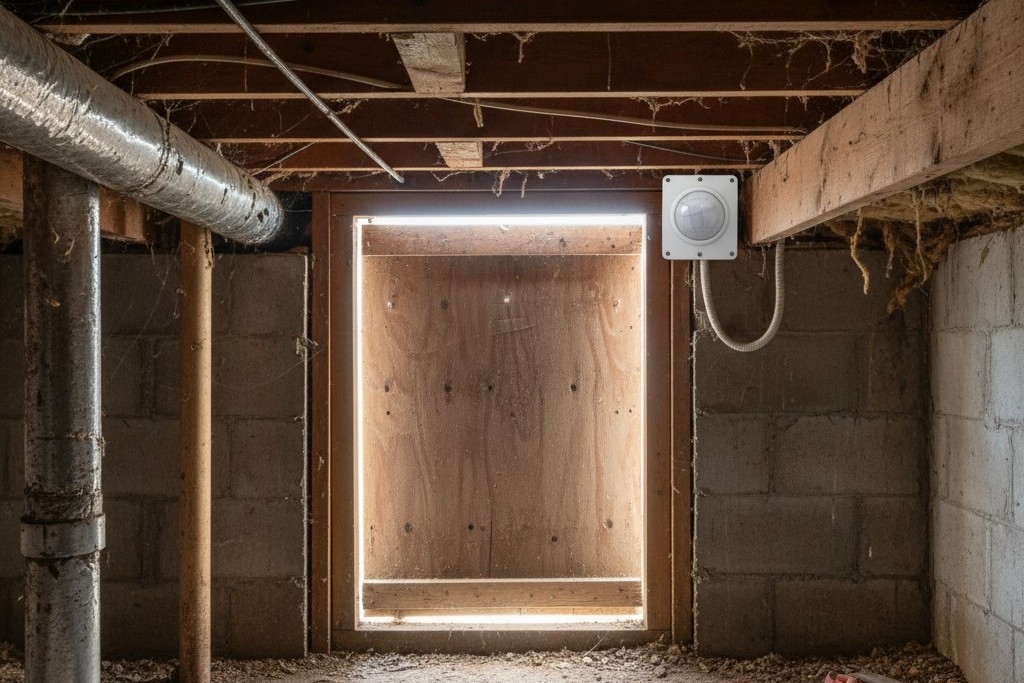
A motion sensor is only as good as its line of sight. Passive Infrared (PIR) technology works by detecting the temperature differential between a moving body and the background. If the sensor is mounted behind a stack of R-30 insulation or a foil-wrapped HVAC duct, it doesn’t exist.
The placement rule for crawl spaces is strict: The sensor must see the hatch open.
When you are crawling on your belly through mud, holding a channel lock in one hand and a flashlight in the other, you do not have a free hand to fumble for a switch. The light must trigger the moment the access door cracks open. This usually means mounting the switch box high on the rim joist, facing the opening directly.
If the crawl space is an L-shape or has massive obstructions like a furnace unit in the center, a single sensor at the door may not cover the back corners. In those cases, the sensor acts as the “entry/exit” safety, ensuring you can at least get in and out without relying on a battery-powered stick light.
Installation: The Neutral Wire Non-Negotiable
Before anyone strips a wire, the breaker must be off. That is the baseline. But the real hurdle in retrofitting a Rayzeek—or any modern occupancy sensor—is the wiring architecture.
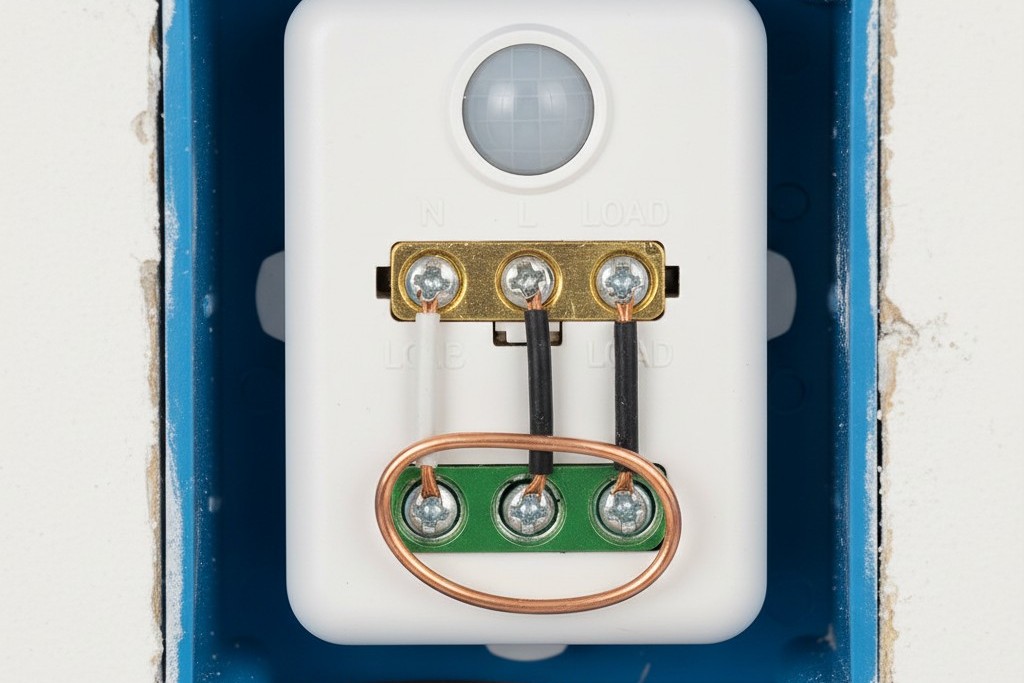
The RZ021 requires a Neutral wire (usually white). This is non-negotiable. The sensor is a small computer that needs a complete circuit to power its internal brain, even when the light is off.
In many homes built before the 1980s, electricians ran what is known as a “switch loop.” They sent power to the light fixture first, then dropped a single cable down to the switch. That cable has a hot and a switched leg, but no neutral. If you open your existing switch box and see only two wires (plus a bare copper ground), you cannot install this sensor without pulling new wire.
Do not try to cheat by tying the neutral screw to the ground wire. That creates a safety hazard and violates NEC 210.70 and about a dozen other code articles. If the neutral isn’t there, you are pulling new Romex.
We also see a lot of confusion regarding “Smart Home” integration here. People want to use a Philips Hue bulb or a Wi-Fi switch so they can check the status on their phone. This is a mistake. Wi-Fi signals struggle to penetrate subfloors, hardwood, and foil vapor barriers. You will end up with a “Device Offline” notification and a dark crawl space. The Rayzeek is “dumb”—it has no app, no Wi-Fi, and no firmware updates. That is exactly what you want in a dirt hole.
Шукаєте енергозбережні рішення з датчиками руху?
Зв'яжіться з нами, щоб отримати повний асортимент інфрачервоних (PIR) датчиків руху, енергозбережних продуктів, що активуються рухом, вимикачів із датчиками руху, а також комерційних рішень для контролю присутності та відсутності (Occupancy/Vacancy).
Configuration: The 15-Minute Rule
Out of the box, these sensors are often set to “Test” mode (5–15 seconds) or a very short duration. This is a trap.
Imagine you are a plumber repairing a cracked ABS stack in the back corner. You are lying still, gluing a fitting. You are not moving enough to trigger the PIR sensor. If the timer is set to 1 minute, the lights go out. Now you are in pitch blackness, surrounded by spiders and pipe glue, waving your arms to trigger the sensor 20 feet away.
Set the time delay dial to 30 minutes.
Надихайтеся портфоліо датчиків руху Rayzeek.
Не знайшли те, що шукаєте? Не хвилюйтеся. Завжди є альтернативні способи розв'язання ваших завдань. Можливо, одне з наших портфоліо стане вам у пригоді.
There is a small dial under the faceplate cover, usually adjustable with a precision flathead driver. Crank it up. You aren’t installing this device to save twelve cents of electricity while you are working; you’re doing it to ensure the lights turn off after you leave. If the light stays on for 29 minutes after you exit, that is acceptable. If it turns off while you are inspecting a foundation crack, that is a safety failure.
A Note on “Easy” Alternatives
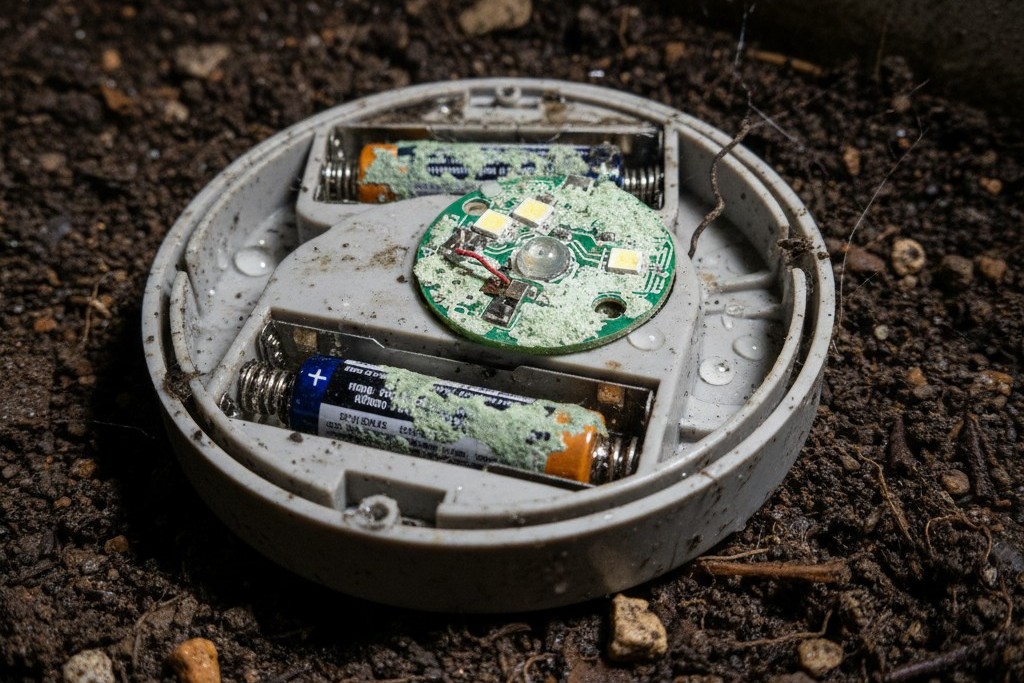
There is always a temptation to bypass wiring altogether. We see it constantly: homeowners sticking battery-powered “puck lights” or solar garden lights into the crawl space.
This is false economy. Batteries in a crawl space are subjected to damp, cold conditions that drain them rapidly. Alkaline batteries leak; lithium batteries die in the freeze. When you actually need to go down there—usually during a crisis like a leak or a freeze—the batteries will be dead. You will be left relying on a portable flashlight, which limits your peripheral vision and makes navigating over sewage pipes dangerous.
A hardwired fixture with a Rayzeek sensor uses the house’s power. It does not sleep, it does not corrode like a AA battery contact, and it does not care if it’s 20 degrees Fahrenheit. It is a permanent infrastructure upgrade, not a temporary patch.
The crawl space is a part of the house that demands respect. It doesn’t need to be pretty, but it must work. By removing the manual switch and replacing it with a properly placed, load-agnostic sensor, you remove the human error that leads to wasted energy and fire risks. You ensure that the next time someone has to crawl into the dark, the house is ready for them.







