

You may not know what a PIR motion sensor is, but you must have experienced the convenience motion sensor can bring to you in real life. Remember when you walk in the hallway or the restroom in your office buildings, the light will automatically turn on for you? That’s the magic of the PIR motion sensor.
If you want to bring magic to your home life, here is a guide to help you choose the best PIR motion sensors.
Sumário
What is a PIR Motion Sensor?
A PIR(passive infrared) motion sensor is an electronic sensor that passively measures infrared light emitted from objects in its field of view.
As PIR motion sensors are widely used in PIR technology based motion detectors, the term PIR motion sensor is commonly referred to as the motion sensor detector/switch rather than the motion sensor electronic component itself.
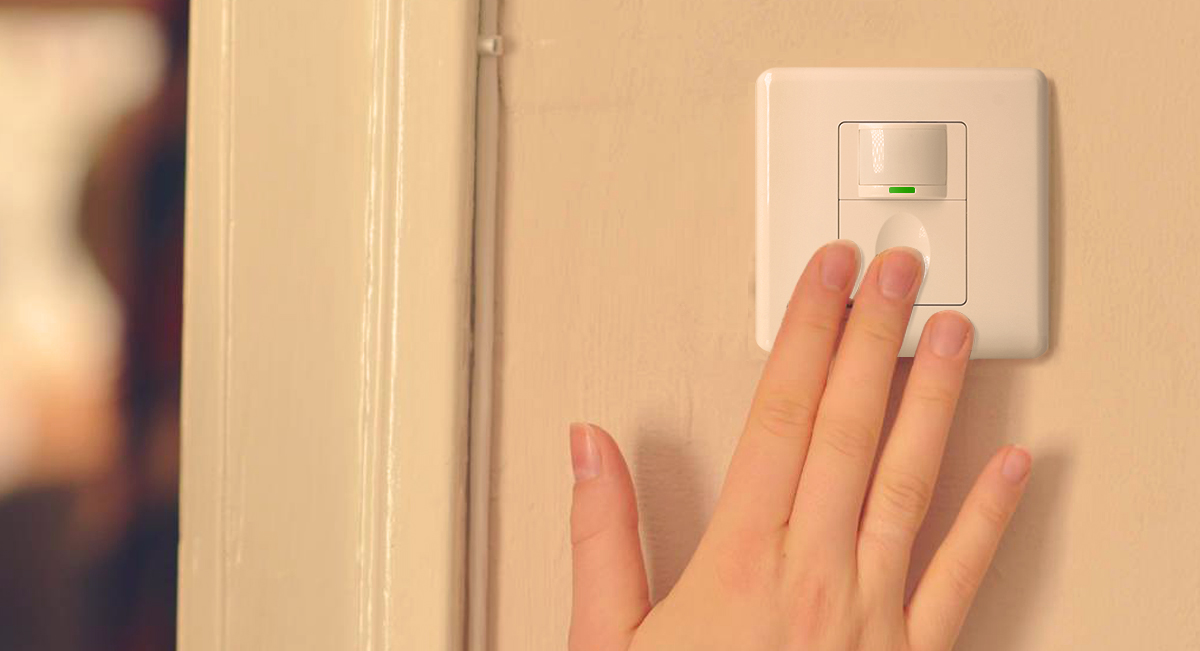
PIR motion sensors, in most cases, work as an automatic light switch that turns on the light when motion is detected and turns it off while you leave. Using a interruptor com sensor de movimento can significantly save energy and electric bills while adding more comfort and convenience to your home life.
Inspire-se com os portfólios de sensores de movimento da Rayzeek.
Não encontrou o que procura? Não se preocupe. Sempre existem formas alternativas de resolver seus problemas. Talvez um de nossos portfólios possa ajudar.
Things to Consider When Choosing Home Motion Sensors
We listed some major factors to consider that can help homeowners to choose the ideal motion sensors for their homes.
Choose Functions that You Need
Motion sensors mainly include two working modes: the auto on/auto off occupancy mode and the manual on/ auto off vacancy mode.
Simply put:
- Occupancy mode(auto on/auto off) turns the light on and off automatically with more convenience. You don’t have to mind about the lighting at all.
- Vacancy mode(manual on/auto off) requires you to manually turn on the light and automatically turn it off while you leave. Compared to occupancy mode, vacancy mode could save more energy and keep the lights always off with no light false-on caused by motions.
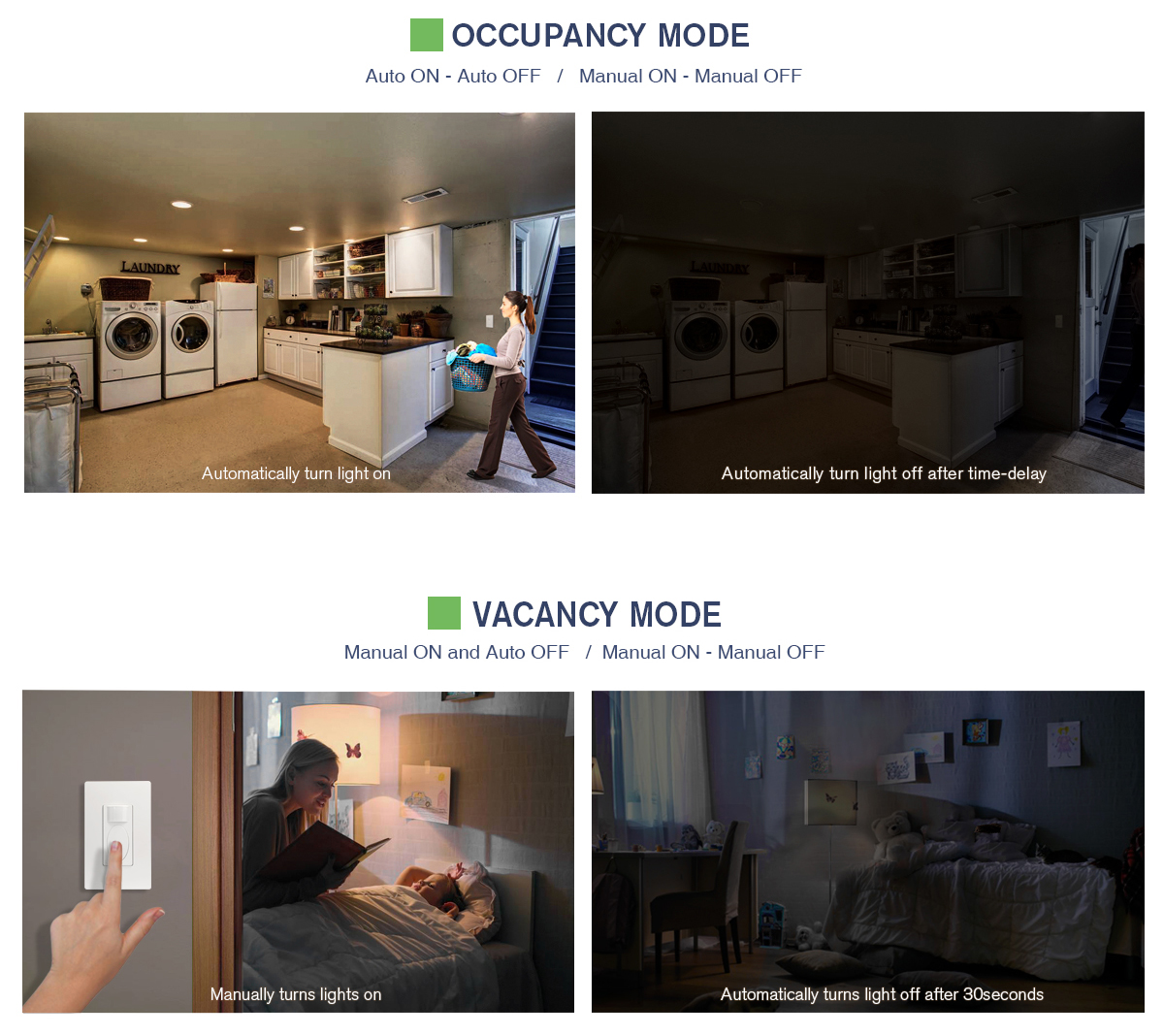
While most motion sensors offer an integrity that combines the two modes into one, allowing you to switch modes freely for different applications and scenarios. There are certain types of motion sensors that are labeled as either an sensor de presença or a vacancy sensor only, meaning the function is singular and cannot be changed.
For home usage, there are certain places more suitable for occupancy modes like bathrooms and garages. Places like master and kid bedrooms can be installed with vacancy sensors where you don’t want the light to turn on while in a good sleeping.
Or, simply choose a 2-in-1 motion sensor that you can change working mode any time you need.
Mind the Installations
The installation is very easy. DIYers can replace and install motion sensors with only a screwdriver in under 15 minutes. But before choosing your ideal motion sensors, take a look at your light switch wallbox to see if there is a neutral wire or not.
Você Também Pode Se Interessar Por

- Tensão: 2 Pilhas AAA
- Modo Dia/Noite
- Atraso de tempo: 15min, 30min, 1h(padrão), 2h

- Sensor de ocupação PIR para montagem no teto com saída de relé de contato seco
- Alimentação de baixa tensão de 12/24VDC ou 12/24VAC
- Contatos de relé isolados COM, NO e NC para entradas de EMS, HVAC e controle predial

- Interruptor sensor de movimento de micro-ondas embutido no teto em baixa tensão CC
- Entrada de 12 VDC / 24 VDC com faixa de 10-30 VDC
- Corrente máxima de trabalho de 10A com tempo de retardo, limite Lux e sensibilidade ajustáveis
- Interruptor sensor de movimento de micro-ondas embutido no teto para maior carga
- Entrada de tensão de rede de 100-265 VAC, modelo 10A
- Detecção de micro-ondas de 5,8 GHz com tempo de atraso, limite de Lux e sensibilidade ajustáveis
- Interruptor de sensor de movimento de micro-ondas embutido para teto
- Entrada de tensão de rede de 100-265 VAC, modelo 5A
- Detecção de micro-ondas de 5,8 GHz com tempo de atraso, limite de Lux e sensibilidade ajustáveis
- Dimmer de sensor de presença PIR para teto RZ037 para alimentação de 220V
- Corrente máxima de trabalho de 3A com carga nominal de 660W
- O botão LUX controla o Ligar/Desligar do sensor de luz e o brilho de dimerização definido pelo usuário
- Dimmer de sensor de presença PIR para teto RZ037 para alimentação de 110V
- Corrente máxima de trabalho de 3A com carga nominal de 330W
- O botão LUX controla o Ligar/Desligar do sensor de luz e o brilho de dimerização definido pelo usuário

- Interruptor de sensor de movimento de micro-ondas para teto em baixa tensão CC
- Entrada de 12 VDC / 24 VDC com faixa de 10-30 VDC
- Corrente máxima de trabalho de 10A com tempo de retardo, limite Lux e sensibilidade ajustáveis
- Interruptor de sensor de movimento de micro-ondas para teto de maior carga
- Entrada de tensão de rede de 100-265 VAC, modelo 10A
- Detecção de micro-ondas de 5,8 GHz com tempo de atraso, limite de Lux e sensibilidade ajustáveis
- Interruptor com sensor de movimento por micro-ondas para montagem no teto
- Entrada de tensão de rede de 100-265 VAC, modelo 5A
- Detecção de micro-ondas de 5,8 GHz com tempo de atraso, limite de Lux e sensibilidade ajustáveis

- Interruptor com sensor de movimento PIR de teto embutido CC de baixa tensão
- Entrada de 12 VDC / 24 VDC com faixa de 10-30 VDC
- Corrente máxima de trabalho de 10A com tempo de atraso, limite de Lux e sensibilidade ajustáveis

- Interruptor com sensor de movimento PIR de teto embutido para maior carga
- Entrada de tensão de rede de 100-265 VAC, modelo 10A
- Detecção de 360 graus com tempo de atraso, limite de Lux e sensibilidade ajustáveis
- Interruptor com sensor de movimento PIR de teto embutido
- Entrada de tensão de rede de 100-265 VAC, modelo 5A
- Detecção de 360 graus com tempo de atraso, limite de Lux e sensibilidade ajustáveis

- Kit de receptor e interruptor sem fio para controle de iluminação LIGA/DESLIGA em ambientes internos
- Receptor de 100-230VAC, 50/60Hz com corrente nominal de 5A
- Interruptor sem fio alimentado por CR2032 com comunicação de 2,4 GHz
- Ocupação (LIGA automático/DESLIGA automático)
- 12–24V CC (10–30VDC), até 10A
- Cobertura de 360°, 8–12 m de diâmetro
- Temporização: 15 s–30 min
- Sensor de luz: Desligado/15/25/35 Lux
- Sensibilidade Alta/Baixa
- Modo de ocupação Liga-Automático/Desliga-Automático
- 100–265V AC, 10A (neutro obrigatório)
- Cobertura de 360°; diâmetro de detecção de 8–12 m
- Temporização: 15 s–30 min; Lux DESLIGADO/15/25/35; Sensibilidade Alta/Baixa
- Modo de ocupação Liga-Automático/Desliga-Automático
- 100–265V AC, 5A (neutro obrigatório)
- Cobertura de 360°; diâmetro de detecção de 8–12 m
- Temporização: 15 s–30 min; Lux DESLIGADO/15/25/35; Sensibilidade Alta/Baixa
Most PIR motion sensors require a neutral wire for the PIR sensor to work individually for detecting infrared and motions. If you already have a neutral wire in your wall box, you can choose most motion sensors on the market as they provide a neutral wire.
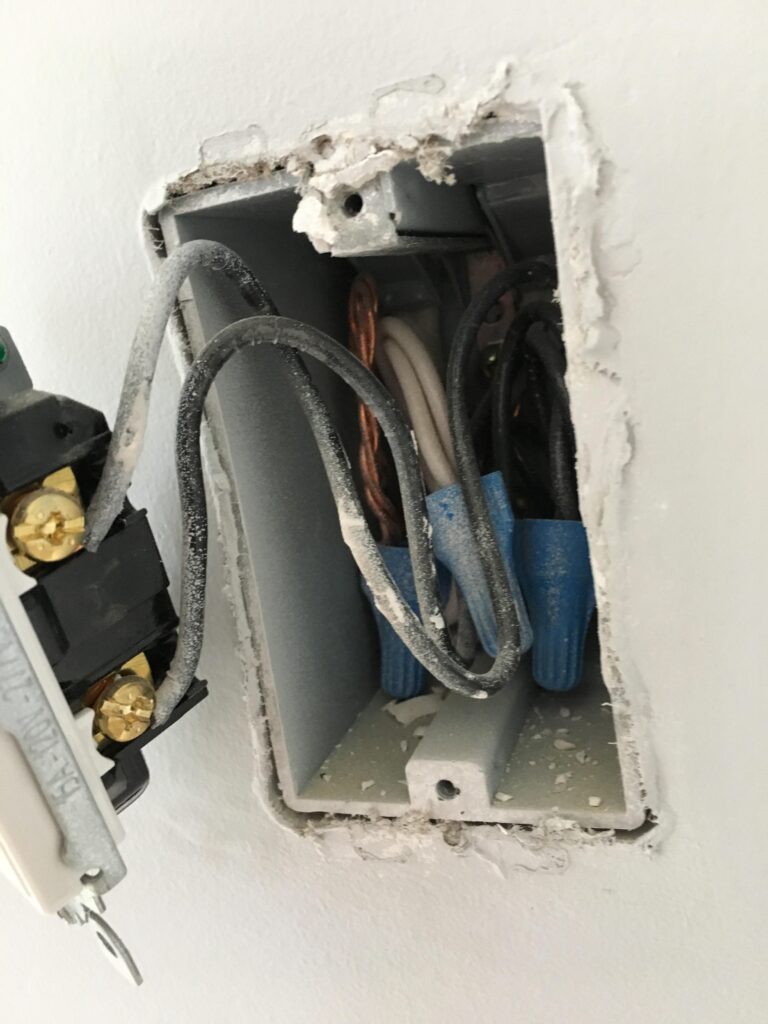
If you find no neutral wire but only a ground wire, don’t worry. You can still enjoy the convenience of motion sensor switches with the help of ground wire type motion sensors.
These types of motion sensors are specially made for homes that do not have a neutral wire. They work with a ground wire instead of the standard neutral wire. When choosing these types of motion sensors, go with sensors that are labeled with “ground required” or “ground wire required”.
Design Matters
A well-designed product can improve your home’s comfort and convenience in all aspects. The ideal product should not only provide reliable functions but also fit your home’s overall decoration. Unlike commercial buildings that look for function over design, if the product cannot make your home look nicer than before, then it’s not a good product.
When choosing motion sensors for your home, look for these design factors that might make a difference.
Color
We decorate our homes with diverse designs and colors. Every home is different and unique. You can choose to match the color of the motion sensor to your wall color. But sometimes, matching colors is not a bright idea as it’s hard to locate the switch. A classic white color sensor switch is always a wise choice, and they match almost every color.
Procurando soluções de economia de energia ativadas por movimento?
Entre em contato conosco para sensores de movimento PIR completos, produtos de economia de energia ativados por movimento, interruptores com sensor de movimento e soluções comerciais de Presença/Ausência (Occupancy/Vacancy).
Shape
If your home is a minimal-designed style, you can choose a square corner sensor switch to look fresh and lean. If your home is decorated with rich elements, you can choose a round corner switch that adds more warmth.
Function
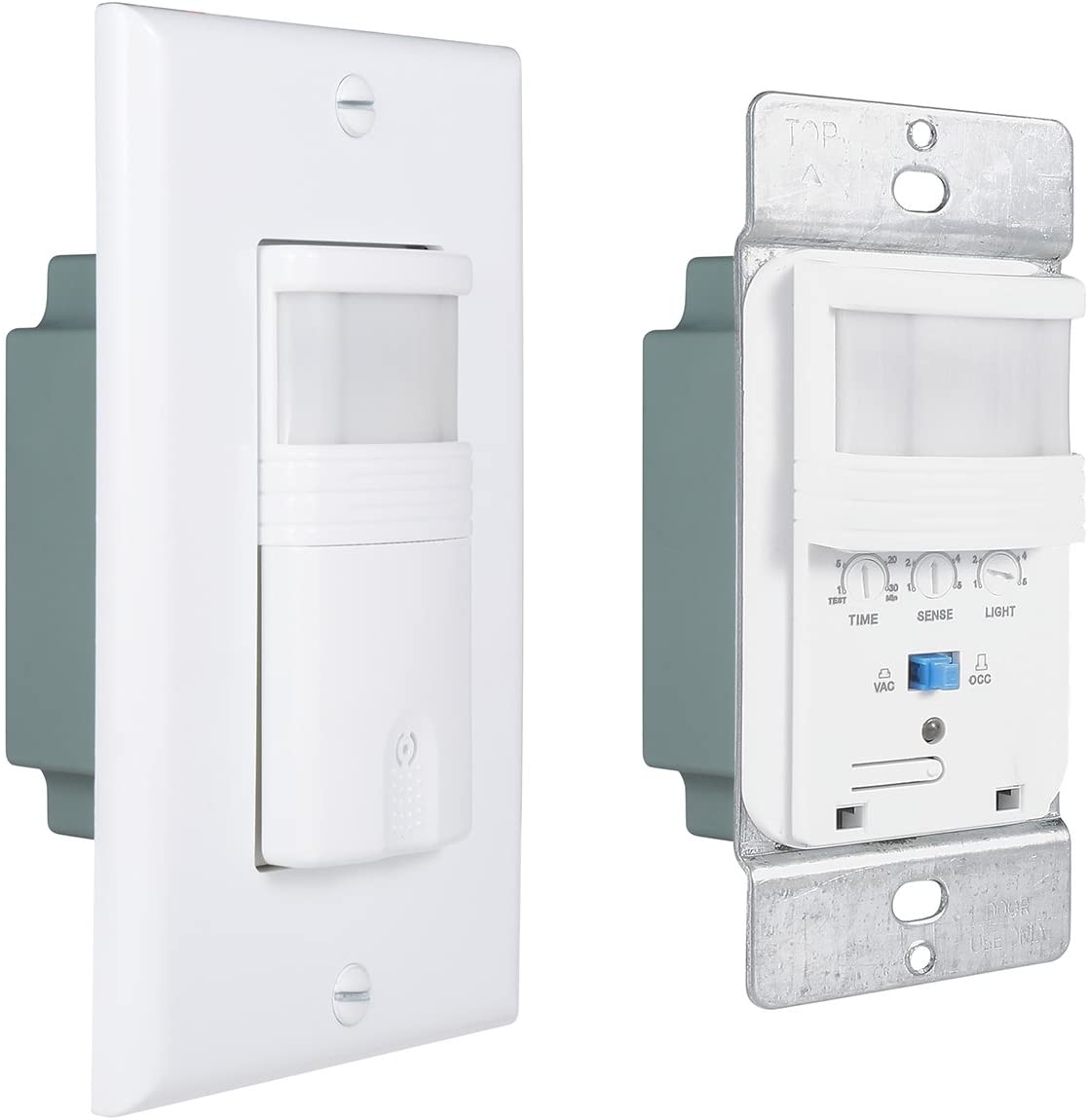
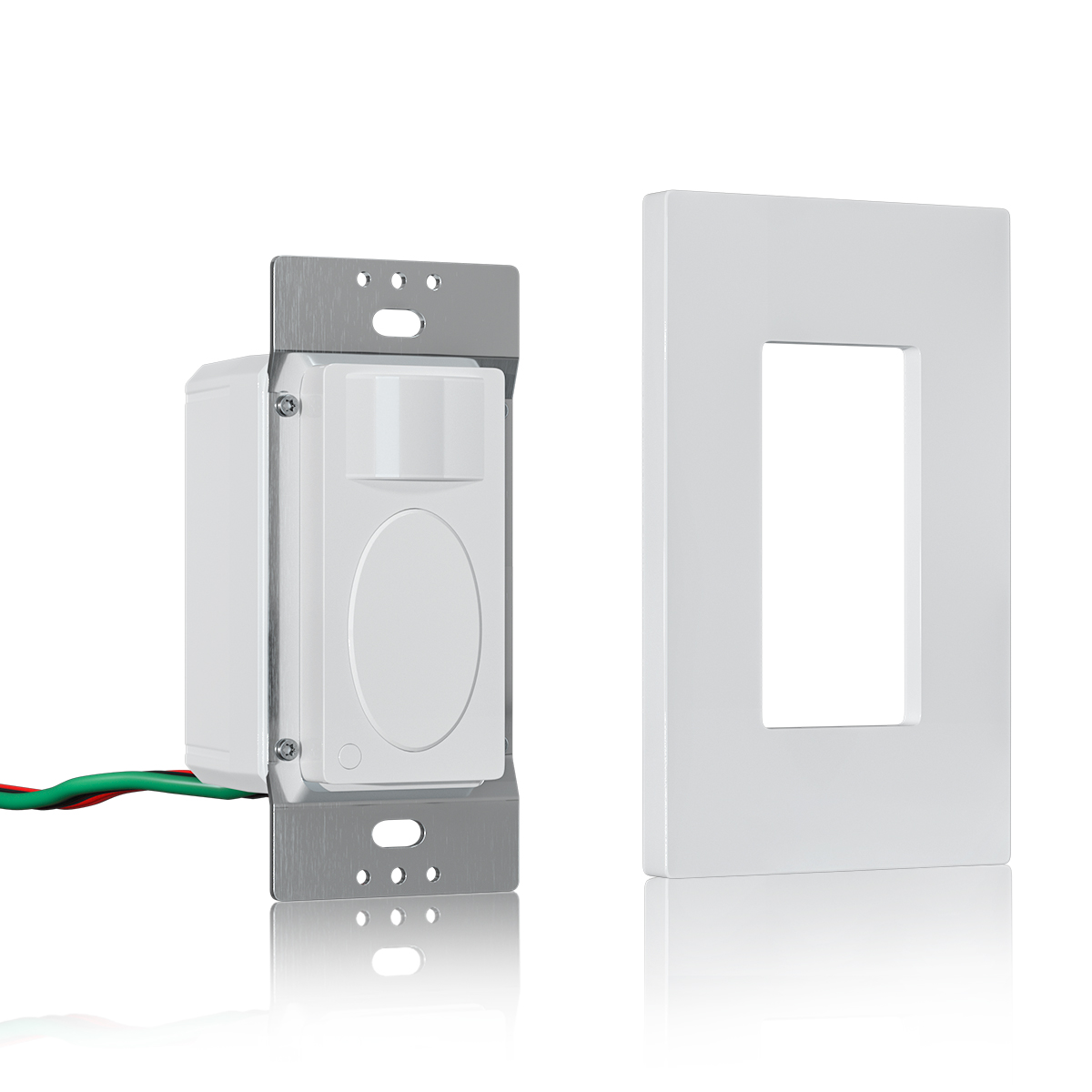
Setting the function is not a one-time process. We might need to adjust mode frequently in daily usages, like adjusting to a longer 30 min time delay for kids to take a shower in the bathroom and change it back to 1 minute after shower. The convenience of how to adjust mode and setting is definitely one major thing to look at. While some sensors are designed with dials inside the cover plate, you need to uncover the plate first and use tools to adjust settings. It’s more convenient to choose a PIR motion sensor that is designed with touch-only operations by pressing buttons on the panel.
Conclusão
There is no motion sensor that suits all homes, but there is definitely one that suits you best.
Following the general guidelines above can help you find your ideal motion sensors.
It’s never too late to replace your mechanical light switch with a PIR motion sensor switch to embrace to green and energy-saving lifestyle. And it saves electric bills, a lot!







