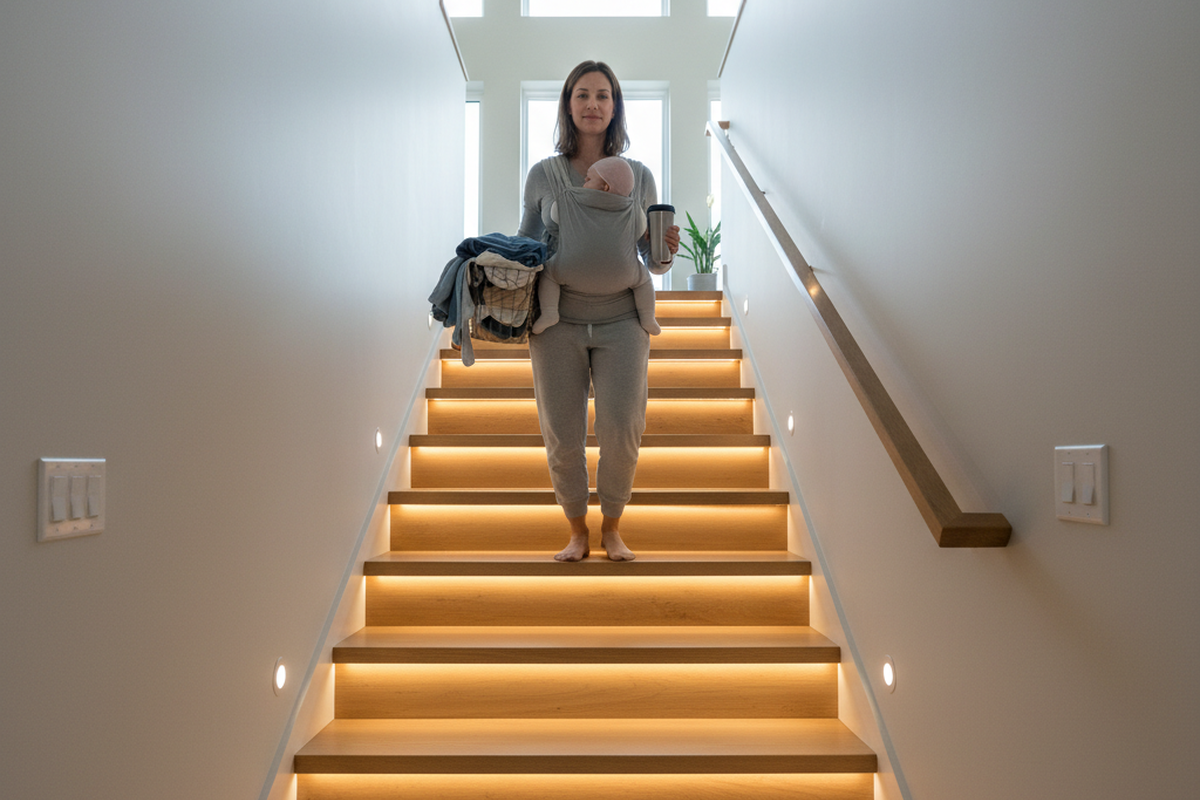
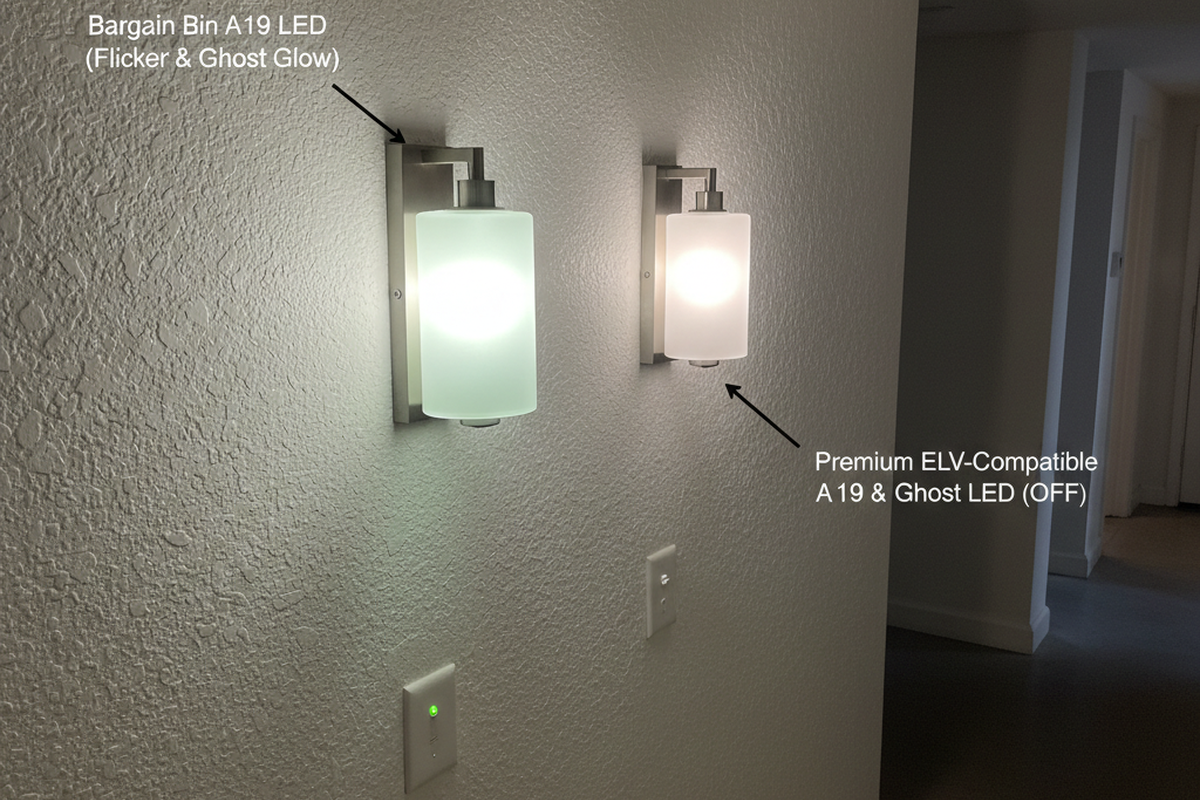
En lugar de intentar colocar una bombilla CFL en cada casquillo, los propietarios informados e interesados en la eficiencia energética siguen cada vez más una estrategia más matizada: elegir la tecnología adecuada para cada aplicación con el fin de ofrecer un rendimiento óptimo y un ahorro energético rentable.
Comprender la terminología de la iluminación
La forma más familiar (pero quizás la menos útil) de comparar las bombillas entre sí es la potencia en vatios, que indica cuánto consumo eléctrico hay pero no dice nada sobre cuánta luz proporcionarán las bombillas ni si le gustará la calidad de su luz. Otros términos clave incluyen:
Equivalencia en vatios
La mayoría de las bombillas de bajo consumo afirman una equivalencia en vatios, a menudo en texto destacado y en negrita en la parte superior del paquete. ¡Ignore esto! El gobierno federal optó por no regular cómo los fabricantes calculan y notifican la equivalencia en vatios, por lo que las afirmaciones de los productos varían enormemente y a menudo son engañosas. Es más inteligente comprar basándose en el flujo luminoso medido.
Lúmenes
Los lúmenes son la medida de la cantidad absoluta de luz que proporciona una bombilla. Una esfera integradora es una herramienta de medición que se utiliza para este fin. Primero captura la emisión de luz total de la bombilla en todas las direcciones a través de todas las diferentes longitudes de onda de la luz. A continuación, pondera los valores resultantes para reflejar la sensibilidad del ojo humano a cada longitud de onda, sumando todos los valores ponderados para ofrecer una medida general de la emisión de luz “útil”. Las bombillas tenues pueden proporcionar solo alrededor de 200 lúmenes, mientras que las muy brillantes pueden proporcionar 2500 lúmenes o más.
Eficiencia
Si una tecnología de iluminación puede proporcionar más lúmenes de luz por vatio de potencia consumida, se considera más eficiente energéticamente. Los lúmenes por vatio son el factor de mérito de la eficiencia, pero esto casi nunca aparece en el etiquetado o embalaje del producto, por lo que debe calcularlo a partir de los valores proporcionados por separado.
Por ejemplo, supongamos que una bombilla incandescente estándar de 60 W tiene una clasificación de 750 lúmenes; eso equivale a 12,5 lúmenes por vatio. Compare esto con una fluorescente compacta de 14 W clasificada en 900 lúmenes; eso equivale a 64,3 lúmenes por vatio. Las eficiencias pueden oscilar desde tan solo 5 hasta más de 100 lúmenes por vatio, según la tecnología que elija y la cantidad de luz que necesite.
Vida útil
La vida útil ahora se informa en años en las etiquetas de los productos y asume tres horas de funcionamiento al día (un poco por encima del uso típico según los estudios de las empresas de servicios públicos). Además, recuerde que la diferencia entre una vida útil proyectada de 20 años y 25 años en dos productos probablemente no sea significativa, dadas las incertidumbres en el proceso de pruebas de vida útil acelerada y el grado en que los nuevos productos de iluminación continuarán mejorando de aquí a entonces. Desde un punto de vista práctico, la garantía que ofrece un fabricante es más útil: los productos de mayor calidad suelen ofrecer una garantía de 10 años.
Índice de reproducción cromática (CRI)
El índice de reproducción cromática (CRI) le indica con qué precisión una bombilla reproduce un subconjunto particular de colores (principalmente tonos pastel). Los expertos en iluminación suelen recomendar un CRI de 80 o superior, pero existe un debate en la comunidad de la iluminación sobre las ventajas de pagar más por productos con un CRI superior a 90; la mayoría de los usuarios no perciben la diferencia en condiciones de iluminación doméstica típicas.
Temperatura de color correlacionada
La temperatura de color correlacionada (CCT; expresada en Kelvin, K) indica qué tan “cálida” o “fría” parece la luz de una bombilla. Los usuarios residenciales suelen preferir CCT cálidas (aproximadamente 2700 K) similares a las de las bombillas incandescentes, o de 3000 K (similares a las halógenas). En el rango de 4000 K a 6000 K, la luz resultante puede parecer azulada. Es común que las personas que viven en zonas muy soleadas y tropicales prefieran bombillas con CCT más altas, dada su mayor similitud con la luz diurna o la luz solar del mediodía.
Etiqueta Energy Star
La etiqueta Energy Star aparece en productos de bajo consumo que ofrecen un buen rendimiento en la mayoría de los atributos enumerados anteriormente. Sin embargo, miles de modelos cumplen actualmente con los requisitos, por lo que debe ser más selectivo para encontrar los de mejor rendimiento. Tenga en cuenta también que muchos productos de iluminación de bajo consumo nuevos se introducen en el mercado unos meses antes de haber completado las pruebas de vida útil acelerada suficientes para obtener la etiqueta Energy Star. El fabricante cambiará el embalaje más adelante para reflejar la recepción de dicha certificación, pero el producto dentro del paquete suele ser el mismo que el que se vendía unos meses antes sin el logotipo. Esto significa que los modelos más recientes introducidos sin el logotipo Energy Star pueden ser ocasionalmente más eficientes y asequibles que los modelos más antiguos que sí están etiquetados.
A menudo se puede encontrar información más especializada en los paquetes de los productos o en los sitios web de los fabricantes, como el ángulo de apertura del haz y la intensidad luminosa central para lámparas reflectoras, la compatibilidad con reguladores de intensidad comunes, etc. Si va a comprar una gran cantidad de bombillas eficientes, consulte las opiniones en línea para encontrar productos que hayan sido consistentemente populares entre otros usuarios, o compre en un minorista que le permita devolver los productos para obtener un reembolso si no está satisfecho con su rendimiento.
Quizás le interese

- Tensión: 2 pilas AAA
- Modo Día/Noche
- Temporización: 15 min, 30 min, 1 h (por defecto), 2 h
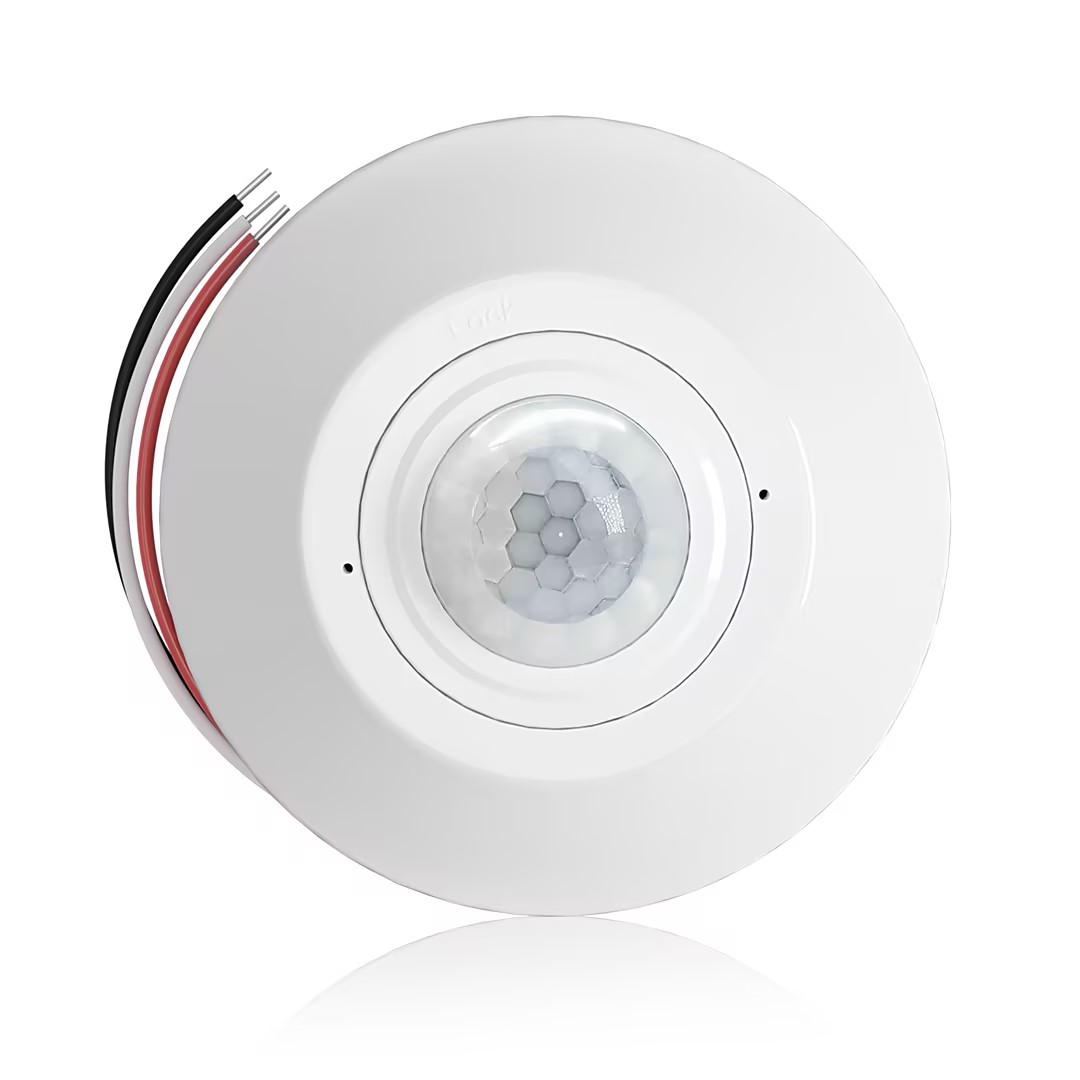
- Sensor de presencia PIR para montaje en techo con salida de relé de contacto seco
- Alimentación de baja tensión de 12/24VDC o 12/24VAC
- Contactos de relé aislados COM, NO y NC para entradas de EMS, HVAC y control de edificios
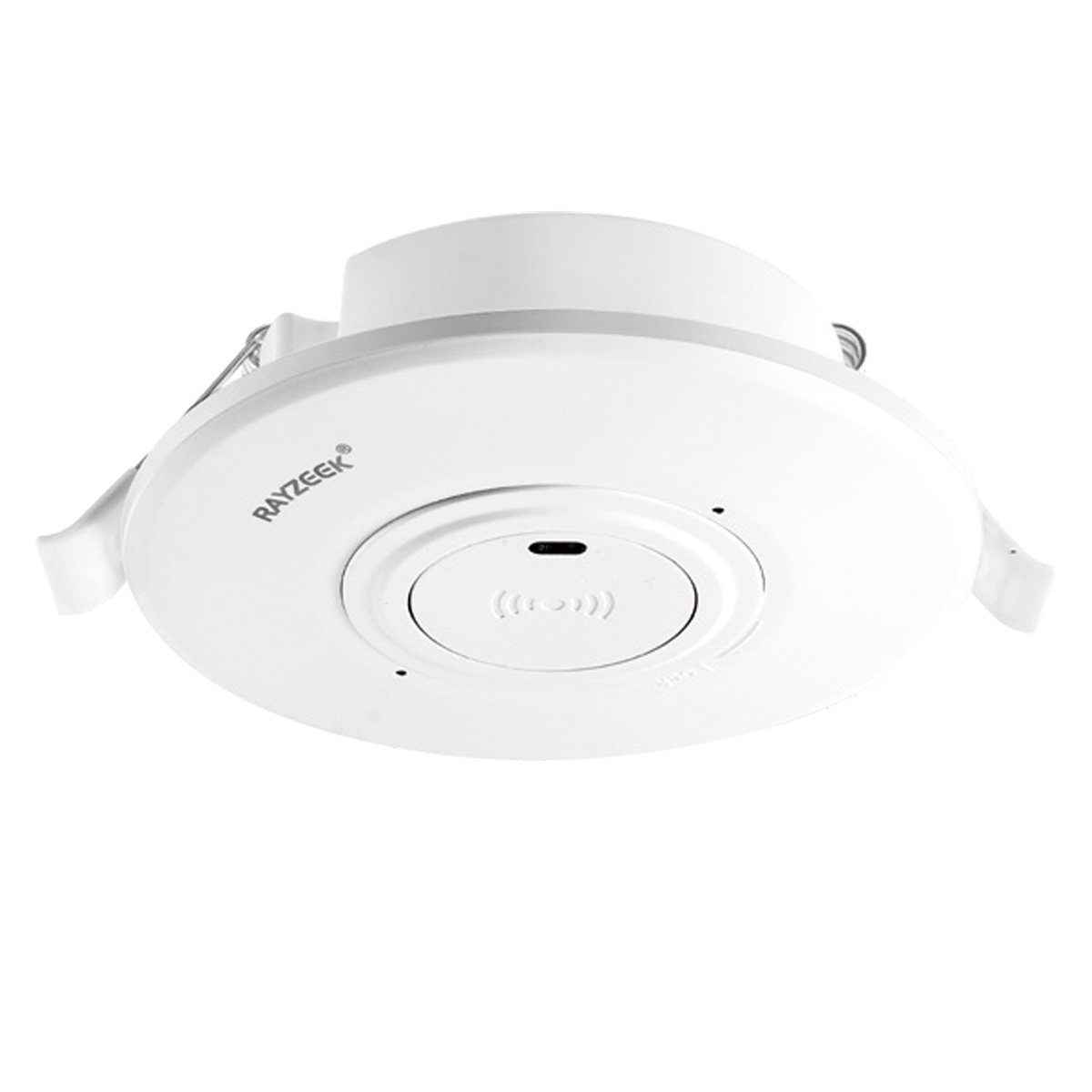
- Interruptor con sensor de movimiento por microondas empotrable en techo de baja tensión DC
- Entrada de 12 VDC / 24 VDC con rango de 10-30 VDC
- Corriente de funcionamiento máxima de 10A con retardo de tiempo, umbral de Lux y sensibilidad ajustables
- Interruptor con sensor de movimiento por microondas empotrable en techo para cargas más elevadas
- Entrada de tensión de red de 100-265 VAC, modelo de 10A
- Detección por microondas de 5,8 GHz con temporizador, umbral Lux y sensibilidad ajustables
- Interruptor con sensor de movimiento por microondas empotrable para techo
- Entrada de tensión de red de 100-265 VAC, modelo de 5A
- Detección por microondas de 5,8 GHz con temporizador, umbral Lux y sensibilidad ajustables
- Regulador con sensor de presencia PIR RZ037 de techo para alimentación de 220V
- Corriente de funcionamiento máxima de 3A con carga nominal de 660W
- El botón LUX controla el encendido/apagado del sensor de luz y la regulación de brillo ajustada por el usuario
- Regulador con sensor de presencia PIR RZ037 de techo para alimentación de 110V
- Corriente de funcionamiento máxima de 3A con carga nominal de 330W
- El botón LUX controla el encendido/apagado del sensor de luz y la regulación de brillo ajustada por el usuario
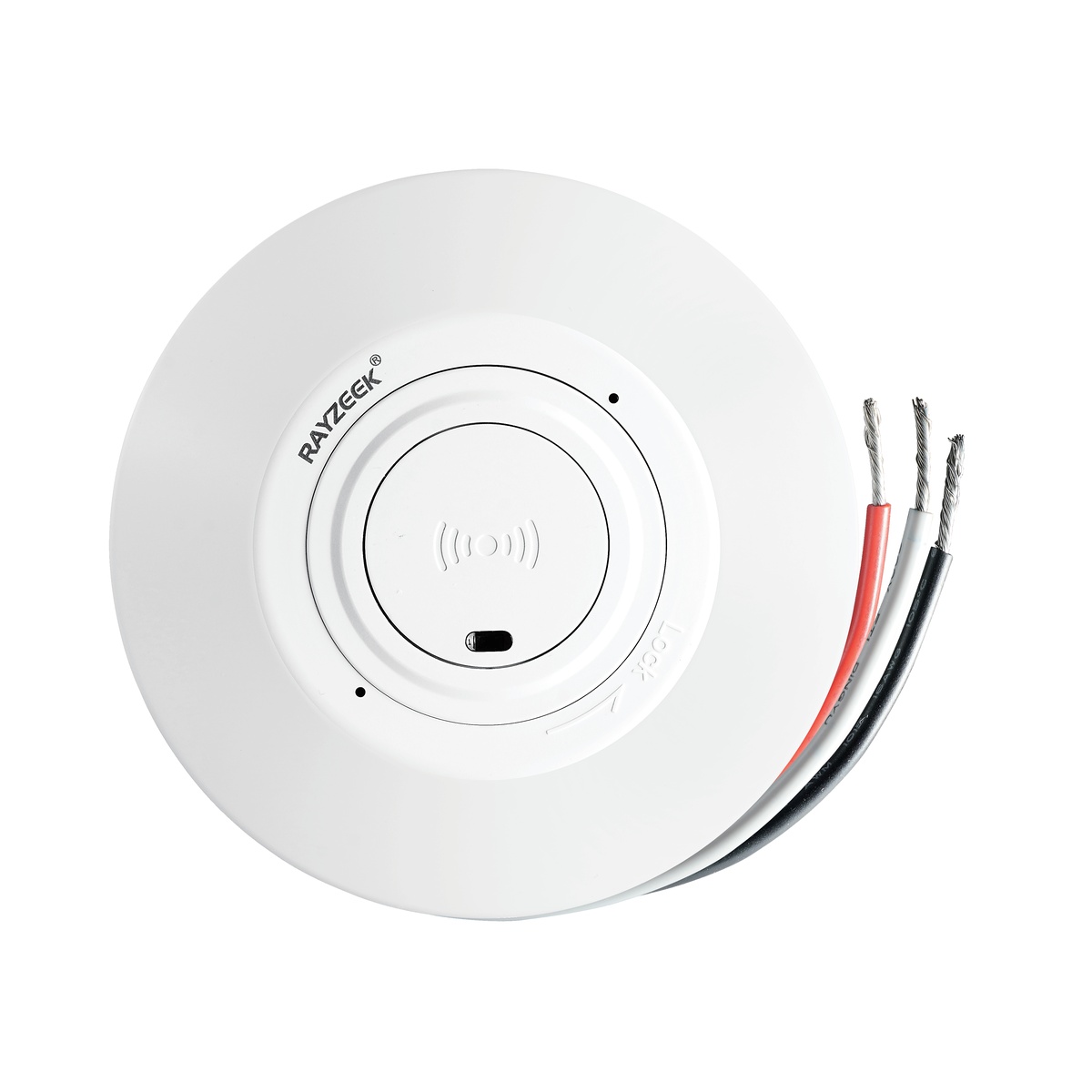
- Interruptor con sensor de movimiento por microondas de techo para CC de bajo voltaje
- Entrada de 12 VDC / 24 VDC con rango de 10-30 VDC
- Corriente de funcionamiento máxima de 10A con retardo de tiempo, umbral de Lux y sensibilidad ajustables
- Interruptor con sensor de movimiento por microondas de techo para mayor carga
- Entrada de tensión de red de 100-265 VAC, modelo de 10A
- Detección por microondas de 5,8 GHz con temporizador, umbral Lux y sensibilidad ajustables
- Interruptor con sensor de movimiento por microondas de techo
- Entrada de tensión de red de 100-265 VAC, modelo de 5A
- Detección por microondas de 5,8 GHz con temporizador, umbral Lux y sensibilidad ajustables
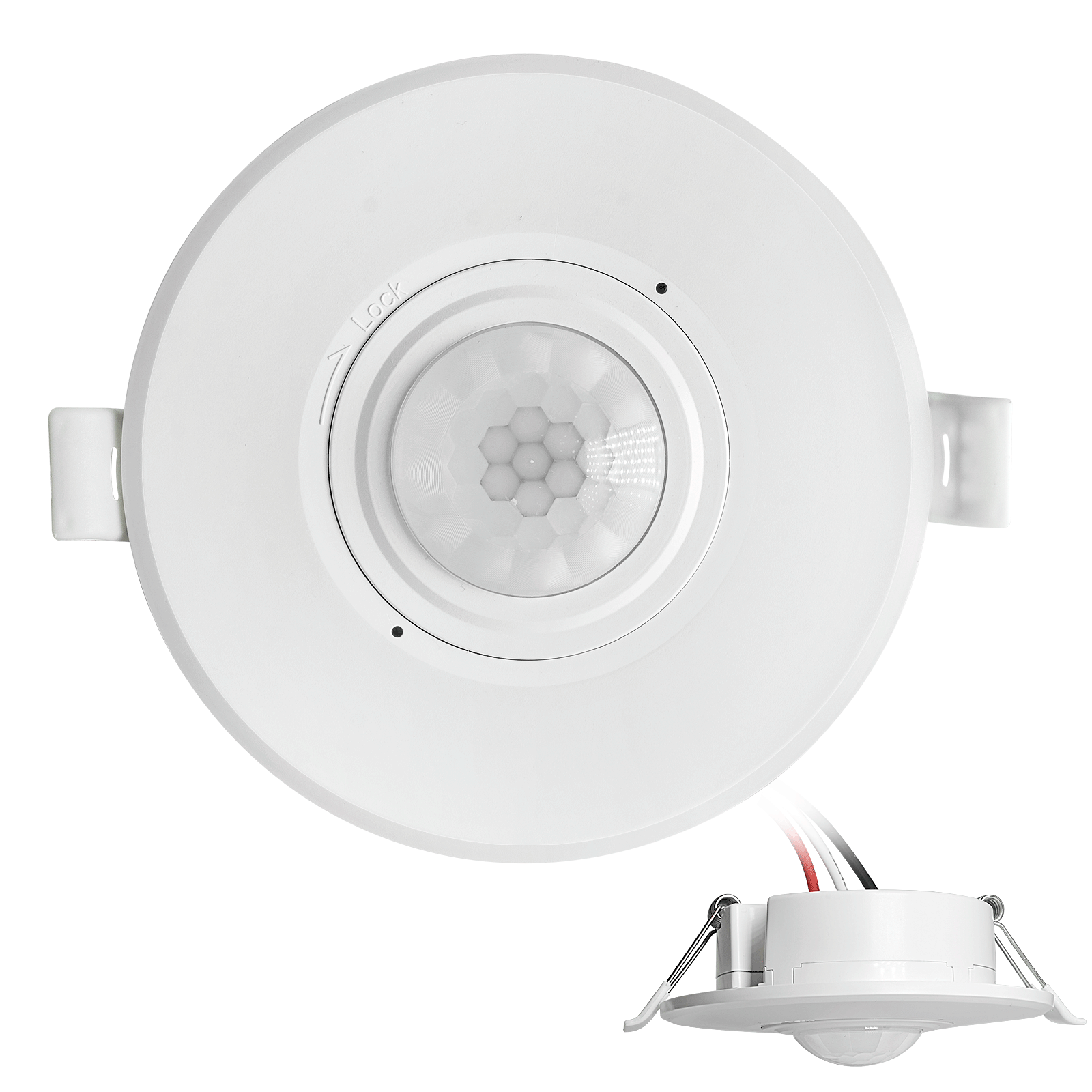
- Interruptor con sensor de movimiento PIR para montaje empotrable en techo de CC de bajo voltaje
- Entrada de 12 VDC / 24 VDC con rango de 10-30 VDC
- Corriente máxima de trabajo de 10 A con tiempo de retardo, umbral de luxes y sensibilidad ajustables
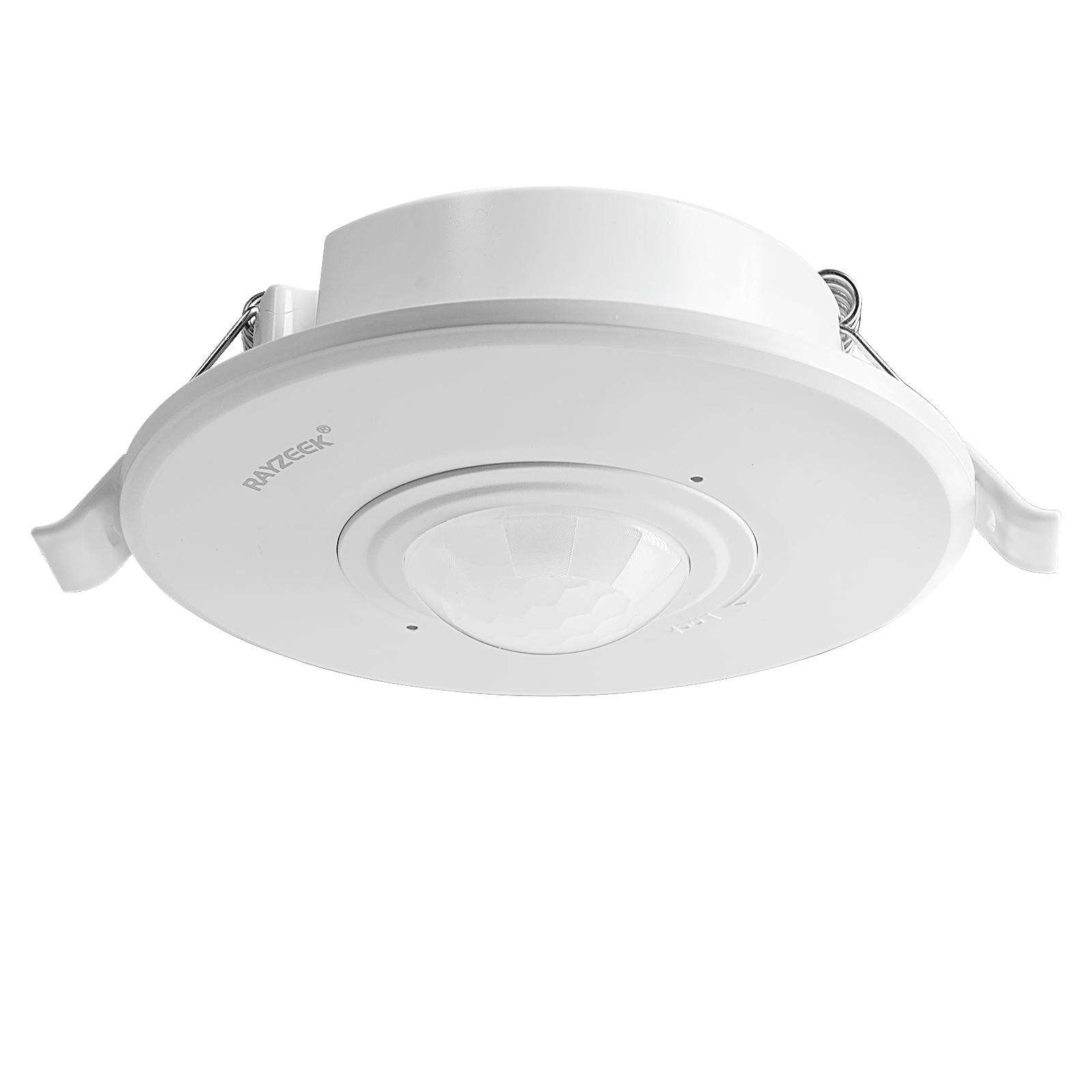
- Interruptor con sensor de movimiento PIR empotrable en techo para mayor carga
- Entrada de tensión de red de 100-265 VAC, modelo de 10A
- Detección de 360 grados con tiempo de retardo, umbral de luxes y sensibilidad ajustables
- Interruptor con sensor de movimiento PIR empotrable en techo
- Entrada de tensión de red de 100-265 VAC, modelo de 5A
- Detección de 360 grados con tiempo de retardo, umbral de luxes y sensibilidad ajustables
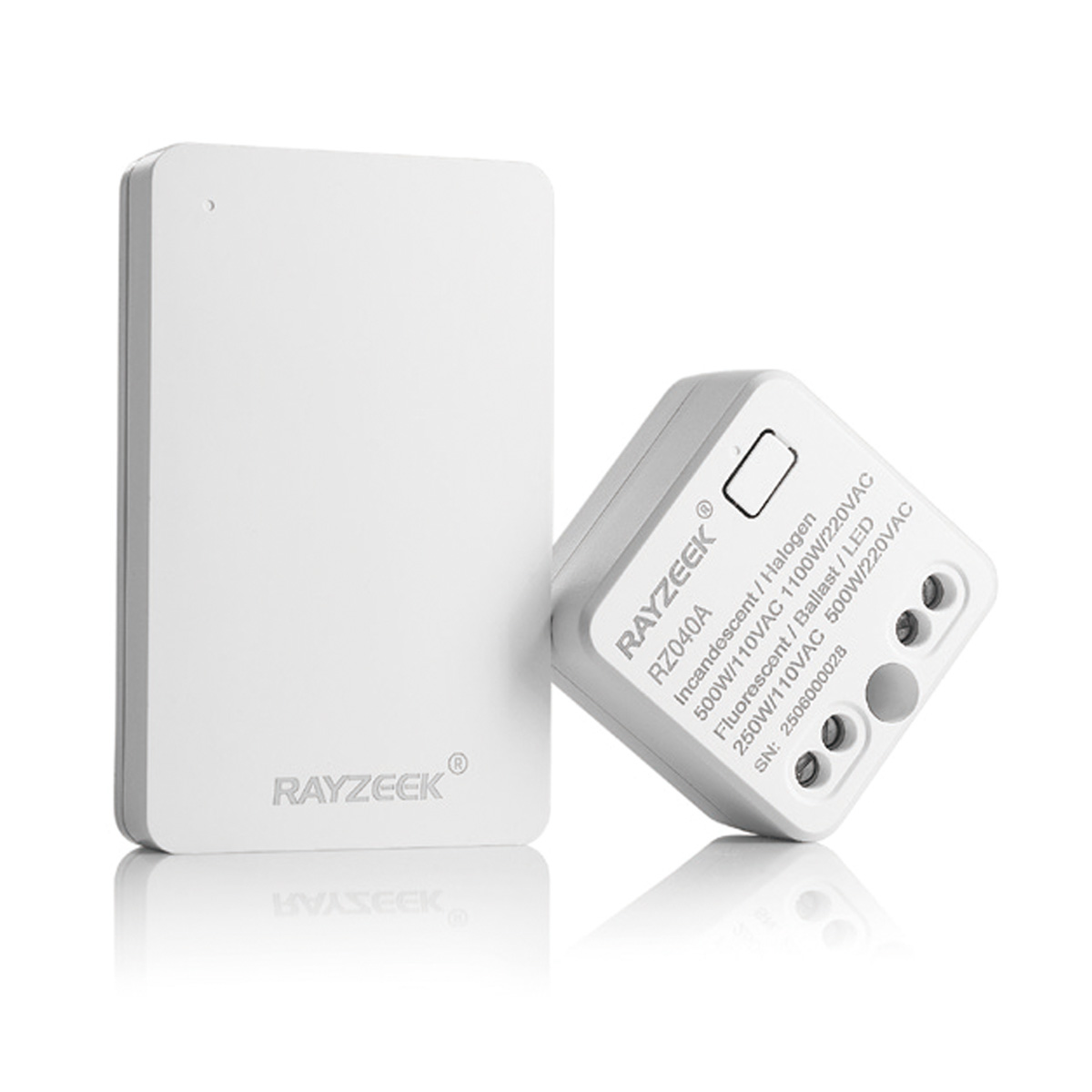
- Kit de emisor inalámbrico y receptor para el control de iluminación de encendido/apagado en interiores
- Receptor de 100-230 V CA, 50/60 Hz con corriente nominal de 5 A
- Interruptor inalámbrico alimentado por CR2032 con comunicación de 2,4 GHz
- Presencia (encendido automático/apagado automático)
- 12–24 V CC (10–30 V CC), hasta 10 A
- Cobertura de 360°, 8–12 m de diámetro
- Tiempo de retardo de 15 s a 30 min
- Sensor de luz Desactivado/15/25/35 Lux
- Sensibilidad alta/baja
- Modo de presencia con encendido/apagado automático
- 100–265V CA, 10A (requiere neutro)
- Cobertura de 360°; diámetro de detección de 8–12 m
- Temporización: 15 s–30 min; Lux OFF/15/25/35; Sensibilidad Alta/Baja
- Modo de presencia con encendido/apagado automático
- 100–265V CA, 5A (requiere neutro)
- Cobertura de 360°; diámetro de detección de 8–12 m
- Temporización: 15 s–30 min; Lux OFF/15/25/35; Sensibilidad Alta/Baja
Lighting Technologies
Incandescent Bulbs
Incandescent bulbs employ a thin tungsten filament that conducts enough electricity to glow white hot. Although this technology is more than 100 years old now, it has received only a few upgrades since Thomas Edison’s original invention. However, incandescents remain widely available on the market, but most are now filled with halogen gas to allow them to comply with federal energy-efficiency standards. Unfortunately, many manufacturers are meeting the new power limits by making their lamps dimmer. So it takes careful label reading and comparison-shopping to get a true replacement. Use the “Incandescent Replacements” table to ensure that the halogens you buy are just as bright as the old incandescent you are replacing.
For example, if the new halogen bulb you are considering claims to replace a 75 W incandescent but only provides 900 lumens, it’s really more like a 60 W incandescent—and won’t give you enough light. General Electric sells a Reveal halogen bulb that claims to replace a standard 100 W incandescent using only 72 W, but it only provides 1,120 lumens. It is barely bright enough to replace a standard 75 W bulb, yielding almost no energy savings!
Many types of halogen bulbs cut power use by 25% to 30% but often cut light output substantially as well, barely improving efficiency. Modified-spectrum halogens (the bulbs’ glass has a bluish-purple hue) are the worst offenders—avoid them. When buying halogens, look for infrared-reflective (IR) models with special low-e coatings that bounce heat back onto the filament while letting visible light pass through. This allows the best incandescents to deliver more lumens per watt.
The old-fashioned incandescent lamps that remain legal to sell without halogen gas largely fall into particular niche product categories like three-way, vibration-resistant, and extremely bright (more than 2,600 lumens). Avoid these products as well—there are more efficient choices.
A new, promising incandescent technology potentially doubles the efficiency and life of standard incandescents by using IR coatings to reflect bulb heat back to the filament, which makes it even brighter. These bulbs may achieve a remarkable 32 to 37 lumens per watt, compared to the 7 to 18 lumens per watt seen with typical incandescent bulbs. CFLs and LEDs are still more efficient than these new incandescents, but can cost more and have subtle differences in color quality.
Compact Fluorescent Lightbulbs (CFLs)
Compact fluorescent lightbulbs (CFLs) are widely available in a range of sizes, prices, and light levels. They have miniaturized the technology found in typical linear fluorescent lamps, bending the tube into a small amount of space. Thousands of models are now Energy Star qualified, and many utilities provide rebates for them.
Although they were once the only affordable energy-efficient lighting option, they come with caveats. CFLs do a reasonable job of rendering many colors, but they don’t render all colors well—and that’s easily noticed by people with particularly sensitive vision. Others have concerns about how to avoid mercury exposure if they get broken and how to safely dispose of them. (Note that most analyses have found this to be secondary to their other environmental benefits, since their energy savings results in mitigating much greater mercury emissions from fossil-fuel power plants.)
CFLs are also not usually dimmable, and can overheat in enclosed fixtures. This helps to explain why they are broadly used in some homes but rarely in all of a home’s light fixtures.
CFLs typically operate at about 50 to 70 lumens per watt and will run for about 8,000 to 18,000 hours before burning out. While they offer a low-cost way to save on lighting energy, they are increasingly being displaced by their better-performing cousins—LEDs.
Light-Emitting Diodes (LEDs)
Light-emitting diodes (LEDs) are quickly gaining ground as the most energy-efficient lighting technology. Although early LED models were bulky, expensive, and not very bright, those products have yielded to a new generation of quality products that use 10% to 30% less energy than CFLs, are easier to dim, and last far longer.
¿Busca soluciones de ahorro de energía activadas por movimiento?
Póngase en contacto con nosotros para obtener sensores de movimiento PIR completos, productos de ahorro de energía activados por movimiento, interruptores con sensor de movimiento y soluciones comerciales de presencia/vacancia.
LEDs once operated in a similar efficiency range to CFLs, but can now achieve 85 lumens per watt across a wide range of light output levels, and best-in-class LED designs are headed to 100 lumens per watt—and beyond.
The difference in color quality among incandescents, CFLs, and LEDs can be seen in the spectral distributions graph, which shows how much of the light from each source falls within each wavelength of the visible spectrum and compares that to the human eye’s sensitivity to each of those wavelengths (dotted curve). Note that incandescents (halogens) and LEDs both offer a continuous spectrum of colors, but incandescents tend to be dominant in the reds and fairly limited at the blue end of the spectrum. LEDs are often the reverse. CFLs, on the other hand, only emit light within certain portions of the visible spectrum, so they can disappoint some users who are particularly sensitive to subtle color differences.
Matching Bulb to Application
Most home applications call for omnidirectional sources of light. “General service” bulbs work well in many kinds of table and floor lamps, enclosed globes, pendant fixtures, and other types of narrow light fixtures that mount close to the ceiling or wall. LEDs are a great option, but make sure they are truly omnidirectional. Many older models that have a snow-cone appearance shine most of their light upward.
Most down-lights are designed to accommodate particular reflector lamp shapes and sizes. PAR (parabolic aluminized reflector) lamps work best in deep ceiling cans and R (reflector) lamps work better in shallow ones. The diameter of the opening tells you what size of the bulb to purchase. If the opening is a little less than 5 inches in diameter, a PAR 38 works well (the 38 refers to 38-eighths of an inch in diameter, or 4.75 inches). PAR 30 or PAR 20 bulbs tend to work better in smaller openings. Bulged reflector (BR) bulbs will also fit in the same ceiling cans but tend to have very poor efficiencies, in part because their reflectors do not do as good of a job at gathering and aiming the light. The reflector lamp technology you choose is also application-specific. In general, CFL reflectors are not a good choice—their light is too diffuse. The most efficient halogen technologies can be a reasonably good choice, particularly IR halogens. LEDs are the most efficient choice, though still a bit expensive. Their directionality and dimming capability give them some natural advantages in this application, and their long lifetimes (20,000 hours or more) can be a plus, given the relative inconvenience of reaching and replacing many down-lights.
A wide variety of specialized lighting applications are not commonly served by the three major lighting technology types. If you want to distribute light uniformly over a very broad area, for example, it’s hard to beat linear fluorescent lamps for affordability and for even light distribution. Some manufacturers have begun producing linear LED “tubes” that can be inserted in place of these fluorescent lamps, but most still struggle to compete with the uniformity of linear fluorescent lighting at a reasonable cost. Linear fluorescent tubes that were 1.5 inches in diameter (T12s) have now given way to 1-inch-diameter lamps (T8s) and even 5/8-inch-diameter lamps (T5s), for improved efficiency and performance.
Inspírese con los portafolios de sensores de movimiento Rayzeek.
¿No encuentra lo que busca? No se preocupe. Siempre existen formas alternativas de resolver sus problemas. Quizá alguno de nuestros portafolios pueda ayudarle.
Efficient Lighting for Efficient Homes
Using the most efficient lightbulbs is especially important in zero net-energy (ZNE) homes or off-grid homes powered by renewable energy systems. The extra energy saved by using LEDs compared to CFLs, for example, is also cost-effective when compared to more PV modules and equipment for meeting the larger overall loads.
LEDs also offer a wider range of color choices than CFLs, making them a more seamless integration with passive solar homes that rely largely on daylighting. For instance, using LEDs with a CCT between 3,000 K and 3,500 K in rooms with good natural light will help keep the light color more similar as the lights come on in the evening. Likewise, some LEDs shift their color temperature as they are dimmed, making them a good match with solar homes that get flooded with “warm” temperature sunlight at sunrise and sunset.
A Vivid ZNE House Example with Purposeful Lighting
For example, a ZNE house uses LEDs in almost every fixture, inside and outside. Linear T5/fluorescent lighting is used in the laundry room and master closet, and pin-based CFLs are used in one ceiling fan. Incandescent lamps are used in only a handful of aesthetically critical applications like the red glass and seashell mosaic pendant lamps over the kitchen island, the fully dimmable dining room fixture, and the small, wall-mounted reading lamps next to the bed, where the extra warmth of the light’s appearance is worth the energy-efficiency trade-off. Human brains interpret red light—similar to the light from a flame or a sunset—as a cue to go to sleep. By contrast, our brains interpret blue light from CFLs or most LEDs—similar to the light from a TV, computer monitor, or cell phone—as a cue to wake up.
While the lighting in most homes can consume 1,200 to 1,800 kWh per year or about 15% of total electricity use, the estimated lighting energy use is only about 400 kWh per year. The light source used most widely in the house was the Cree screw-based 800-lumen LED, purchased for $10 to $13 apiece. The owners also relied heavily on a new type of Sylvania LED down-light that surface-mounts directly to electrical junction boxes in new construction, eliminating the need for a down-light fixture or its penetration through the insulation. These fully dimmable products were about $35 apiece, and distribute the light very evenly and unobtrusively into the room. High-quality Soraa LED MR-16 bulbs are used in low-voltage track light fixtures.
Besides its energy savings, their energy-efficient lighting looks warm and welcoming. On a public tour of the house last spring, the most common remark the owners heard from visitors was how pleasant and attractive the lighting was.
Don’t Forget Motion Sensors and Switches
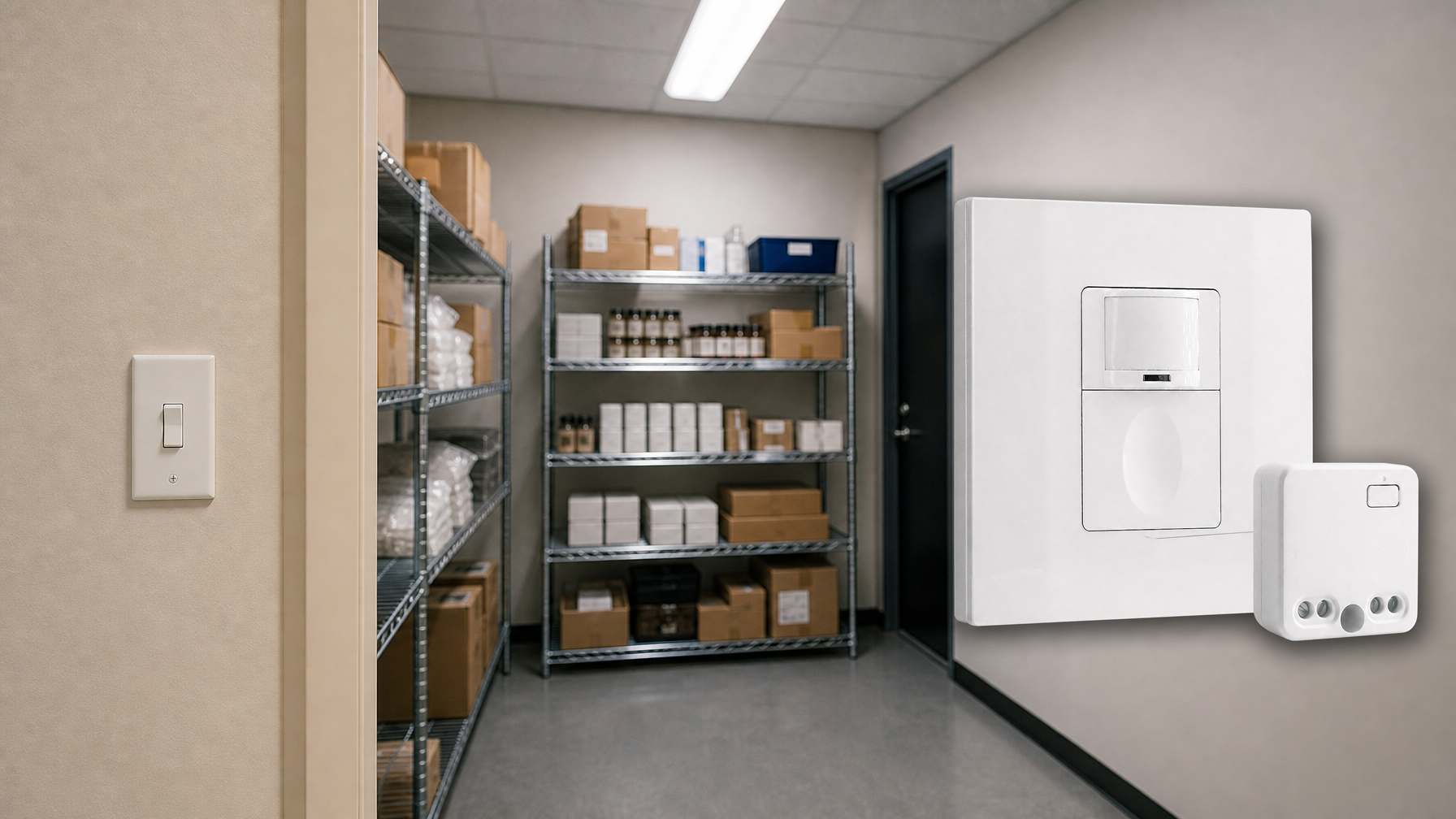
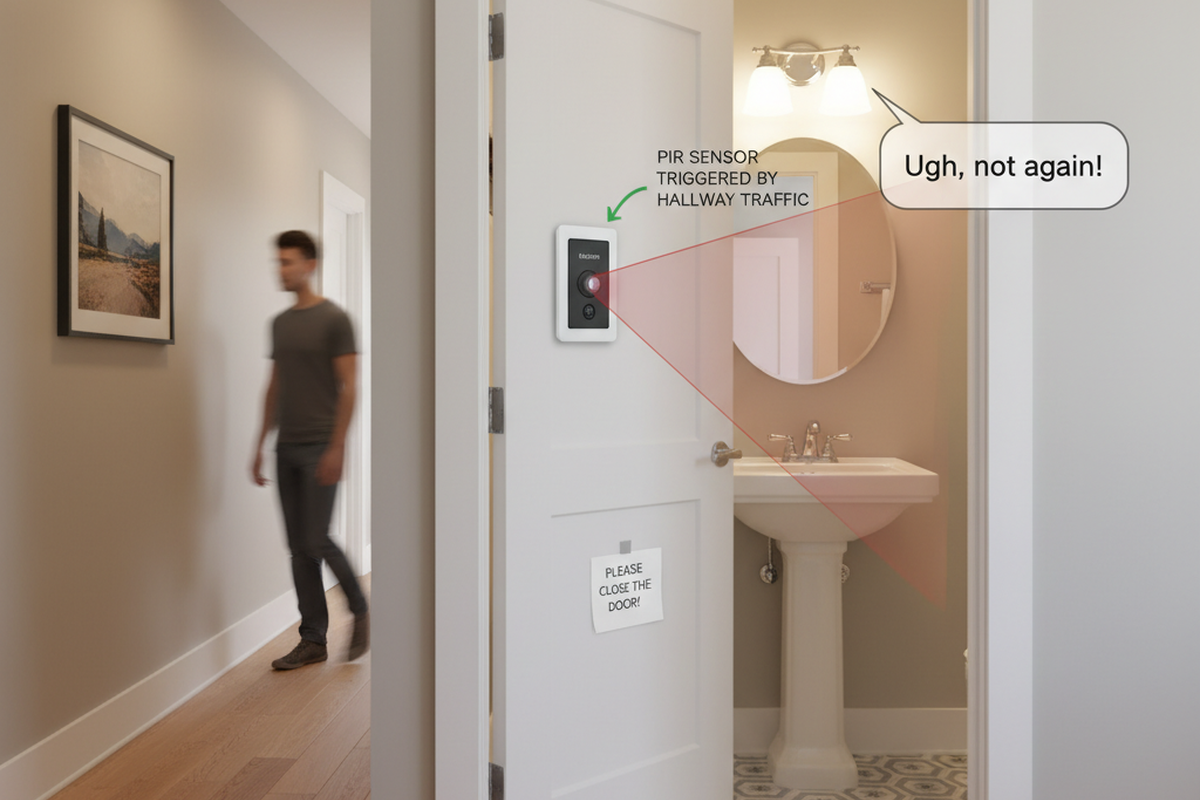
Motion sensors and motion sensor light switches can be a great way to save energy on lighting in the home. These devices detect movement in a room and automatically turn lights on when someone enters and off again when the room is empty. This can be especially useful in rooms that are not used constantly, such as bathrooms, hallways, and laundry rooms.
Motion sensor light switches are easy to install and can be used with any type of lightbulb, including energy-efficient LEDs. They work by using passive infrared (PIR) technology to detect heat and movement in a room. When the sensor detects motion, it sends a signal to the switch to turn the lights on. After a set period of time with no motion detected, the switch will automatically turn the lights off again.
Using motion sensor light switches can help to reduce energy waste from lights being left on unnecessarily. They can also add convenience, as there is no need to manually turn lights on and off when entering or leaving a room. Additionally, they can provide added safety and security, as lights will automatically come on when someone enters a dark room or outdoor area.
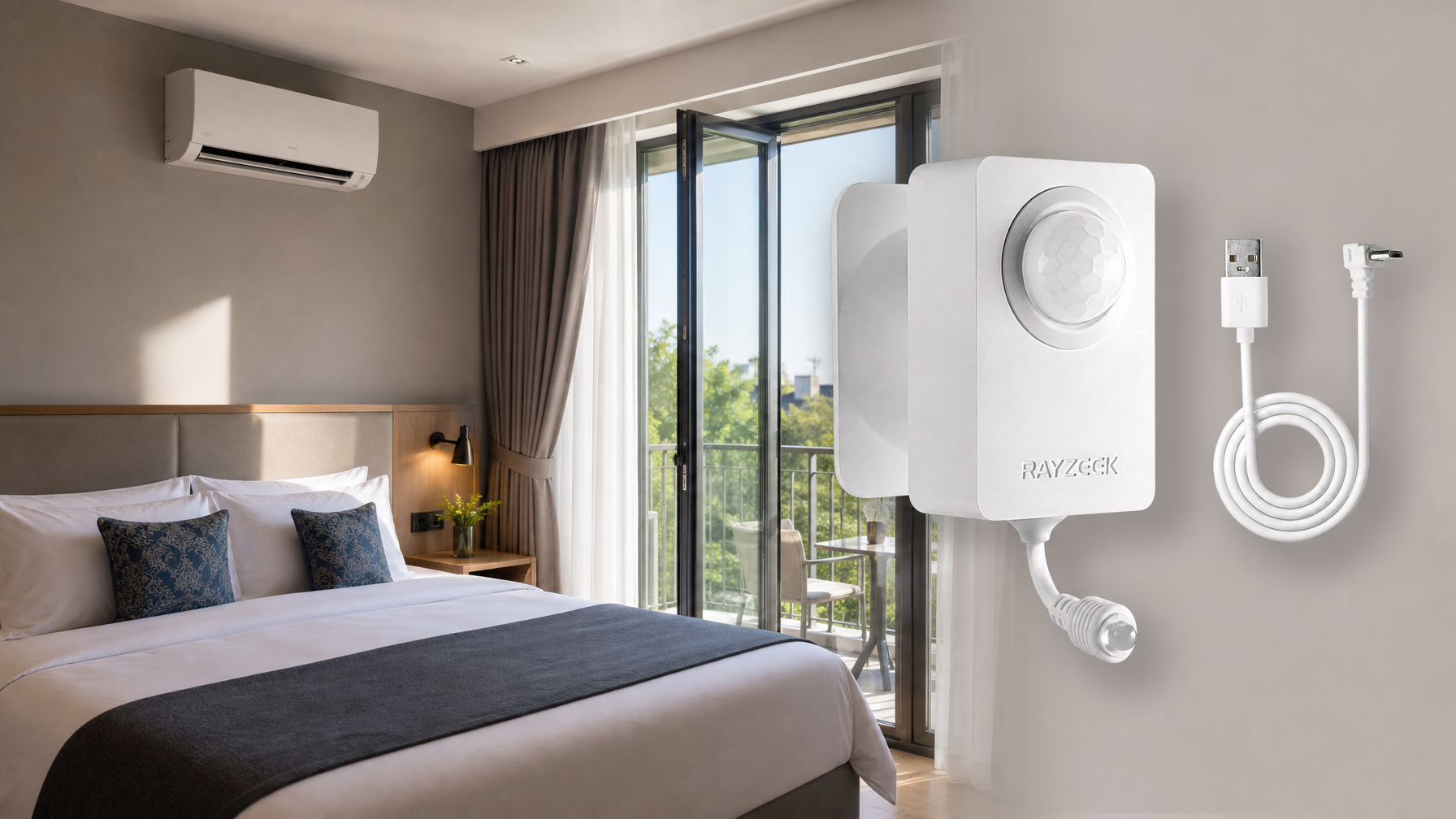
There are also standalone motion sensors that can be used to control lighting. These sensors can be placed in strategic locations around the home, such as near entryways or in rooms that are not used frequently. They can be connected to a smart home system, allowing for remote control and automation of lighting.
We should never forget that a lightbulb’s primary purpose is to provide excellent light. No matter how much energy they save, they will never gain widespread acceptance unless they light up a room attractively as well.