Lo más peligroso de un baño de tipo Jack y Jill no es el azulejo resbaladizo ni la ausencia de pestillo en la puerta opuesta. Es el interruptor de la luz. En concreto, el interruptor basculante estándar que se enciende a las 2:00 h, inundando el espacio compartido con una luminosidad de espectro de luz diurna de 5000K, y que luego se deja encendido toda la noche.
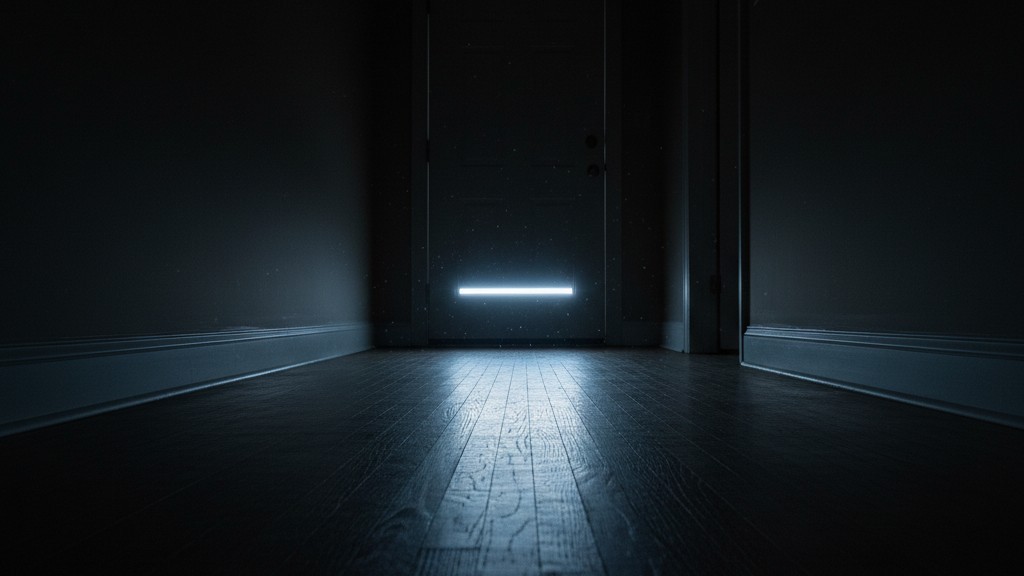
La luz se filtra por debajo de los marcos de las puertas. Despierta al hermano que está en la habitación contigua y altera el ritmo circadiano del infractor. Las discusiones no surgen por motivos de territorio, sino por la falta de sueño.
Esta dinámica se observa constantemente en las casas de estilo colonial de dos plantas y en las viviendas de nueva construcción en las afueras, donde el baño compartido es lo habitual. Los padres llaman a los electricistas para “reparar el cableado” porque los niños se pelean, pero, por lo general, el cableado no presenta ningún problema. La interfaz es el problema. La reacción natural es instalar un sensor de movimiento para garantizar que las luces se apaguen después de de que los niños salgan. Es un buen criterio. Sin embargo, la mayoría de la gente —e incluso muchos contratistas generales— compra el sensor equivocado o configura el sensor adecuado de forma errónea. Instalan un interruptor que enciende las luces de forma automática. En un baño, eso representa un error táctico.
La ética de la automatización: vacancia frente a ocupación
Existe una diferencia fundamental en el control de la iluminación que la mayoría de los propietarios pasa por alto hasta que es demasiado tarde: la distinción entre Modo de ocupación (Encendido automático / Apagado automático) y Modo de vacancia (Encendido manual / Apagado automático). La publicidad de los dispositivos para el hogar inteligente promociona el modo de ocupación como el colmo del confort: ”¡Comodidad sin usar las manos!”, “¡No vuelva a tocar un interruptor sucio!”.”
En un baño compartido por adolescentes en horario de descanso, el modo de ocupación constituye un acto de agresión.
Ocurre todas las noches: un niño entra al baño medio dormido para usar el inodoro. Si el sensor está configurado en Ocupación (Encendido automático), el relé se activa en el momento en que cruza el umbral, encendiendo las luces del lavabo a la máxima potencia. Las pupilas se contraen, la producción de melatonina se interrumpe y la persona queda completamente despierta. Lo que es peor, si la sensibilidad del sensor está ajustada demasiado alta —como suele venir de fábrica—, el gato de la familia que entra a las 3:00 h desencadena el mismo espectáculo luminoso. No conviene contar con un sistema de iluminación que pueda ser activado por un golden retriever.
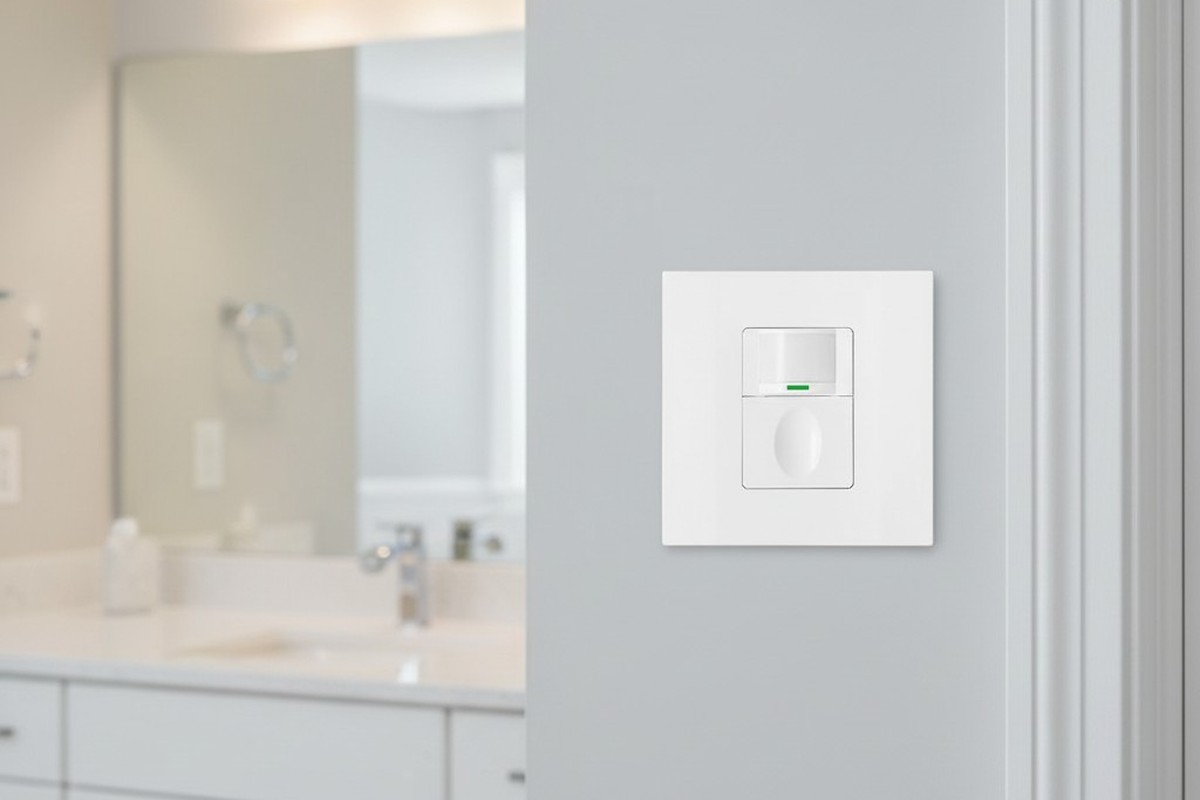
La única configuración ética para un baño residencial es Modo de vacancia. Esto obliga al usuario a pulsar físicamente el botón para encender la luz. Este pequeño punto de fricción resulta crucial; permite que un usuario adormilado entre en la estancia y use el inodoro a oscuras (o con la luz de una lámpara de noche) sin activar las luces principales del techo. La automatización solo interviene durante el ciclo de después de apagado. Si se enciende la luz, el sensor detecta cuando no hay nadie y corta la corriente cinco minutos después. El problema de las “luces que se quedan encendidas” queda resuelto, preservando la tranquilidad de la casa a oscuras.
El hardware: por qué el Rayzeek se adapta a las reformas de modernización
If money were no object, you would install a Lutron Maestro system in every room. The plastics are nicer, the tactile feel of the button is premium, and the warranty support is legendary. But a Lutron sensor kit for a 3-way application (where two switches control one light) can run upwards of $60 to $80 per bathroom. When you are retrofitting a four-bathroom house, that math gets ugly fast.
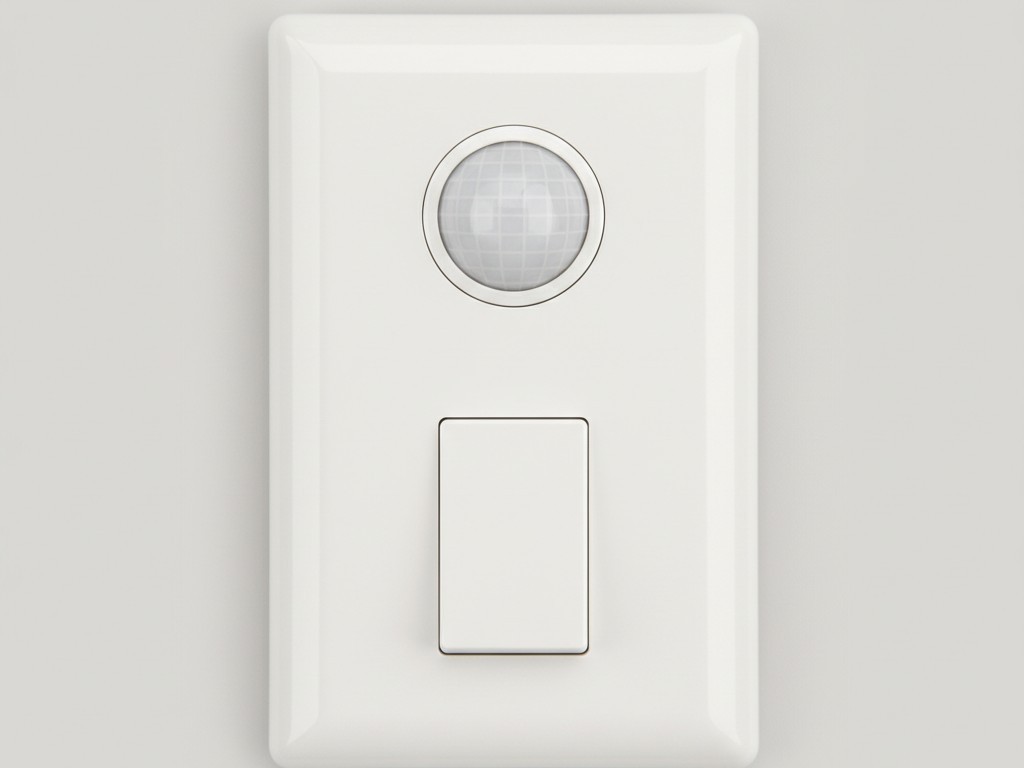
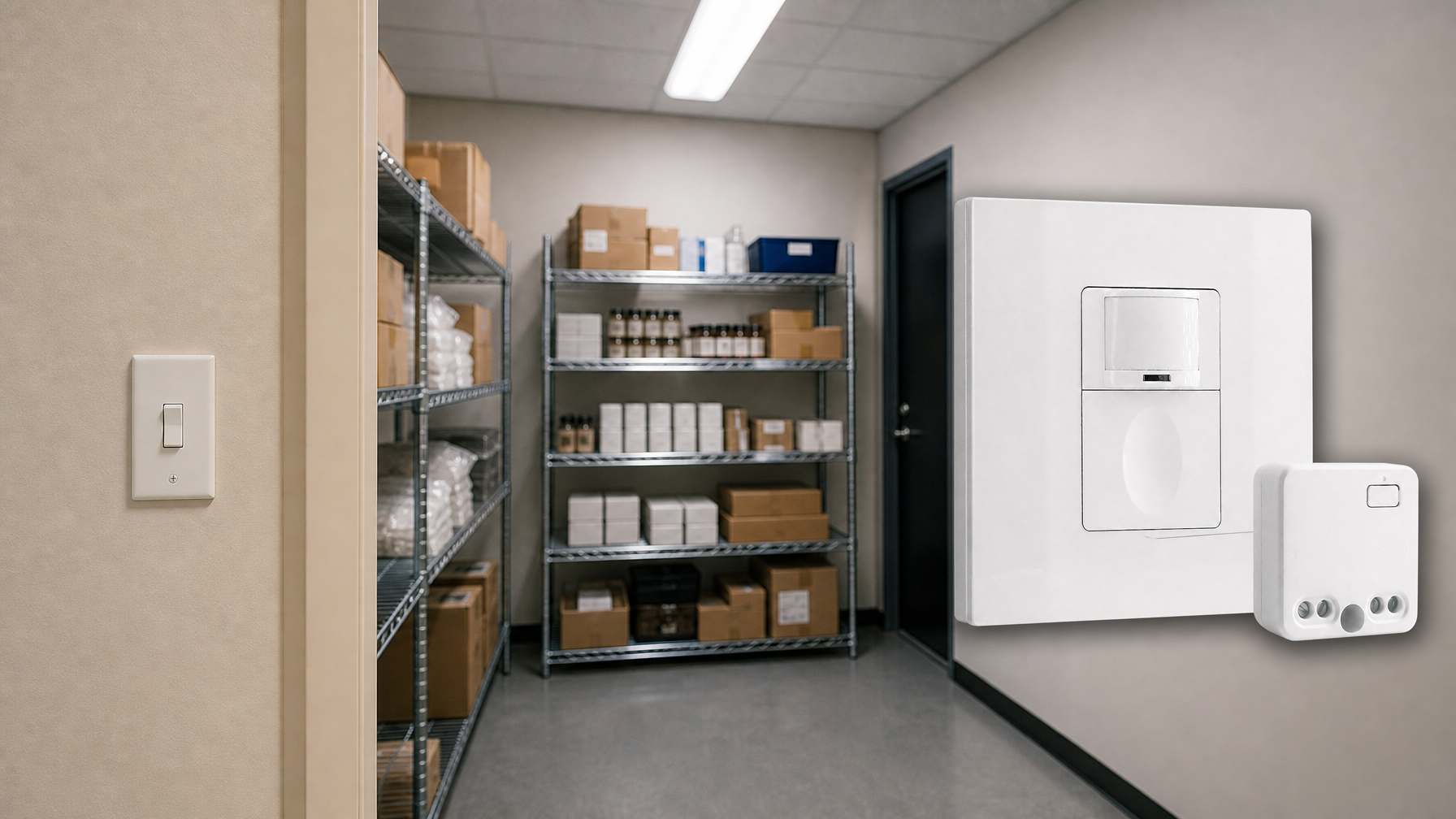
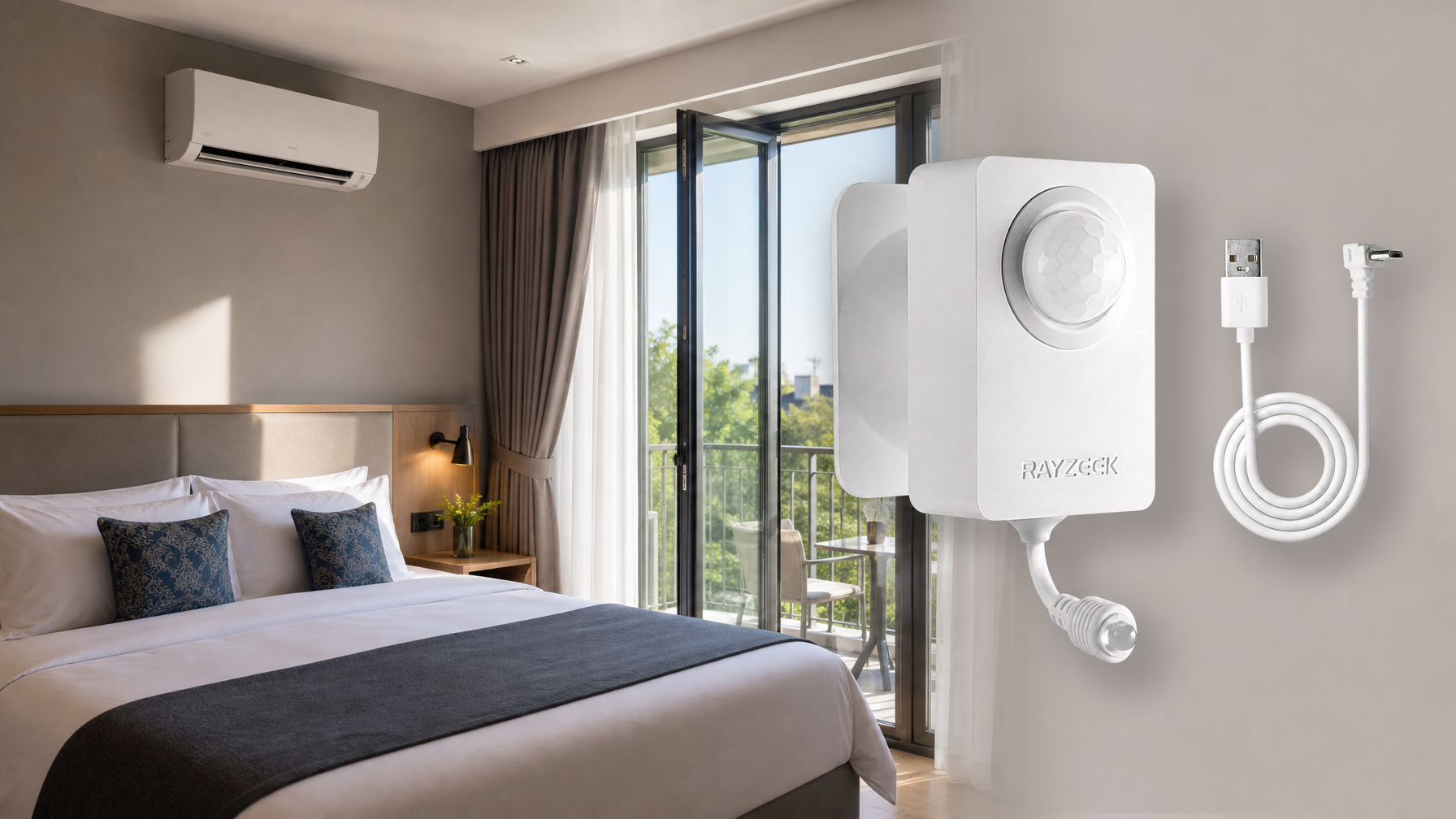
For the “Good Enough” retrofit, the Rayzeek RZ023 series has cornered the market. It offers about 90% of the performance for roughly 60% of the price—you’re looking at a price point closer to $35 for a 3-way kit. In a high-end custom build where the client is scrutinizing the bevel of the faceplate, stick with Lutron. But for a Jack-and-Jill bathroom used by kids who will likely draw on the walls with marker eventually, Rayzeek is the pragmatic choice.
A note on “Smart” integration: You will be tempted to buy a Wi-Fi enabled switch that connects to Alexa or a phone app. Resist this. A bathroom light switch should not require a firmware update. It should not fail because your router needs rebooting. You want a “dumb” sensor that relies on Passive Infrared (PIR) detection and a physical relay. It needs to work every single time, instantly, for the next ten years. Keep the Wi-Fi in the living room.
The Wiring Gauntlet: Surviving the 3-Way Setup
This is where the project usually falls apart. A Jack-and-Jill bathroom almost always has a 3-way switch setup: one switch at each door, controlling the same vanity light. Standard mechanical switches are forgiving; you can sometimes muddle through the wiring and get them to work. Motion sensors are not. They require precise identification of the circuit flow.
Quizás le interese

- Tensión: 2 pilas AAA
- Modo Día/Noche
- Temporización: 15 min, 30 min, 1 h (por defecto), 2 h
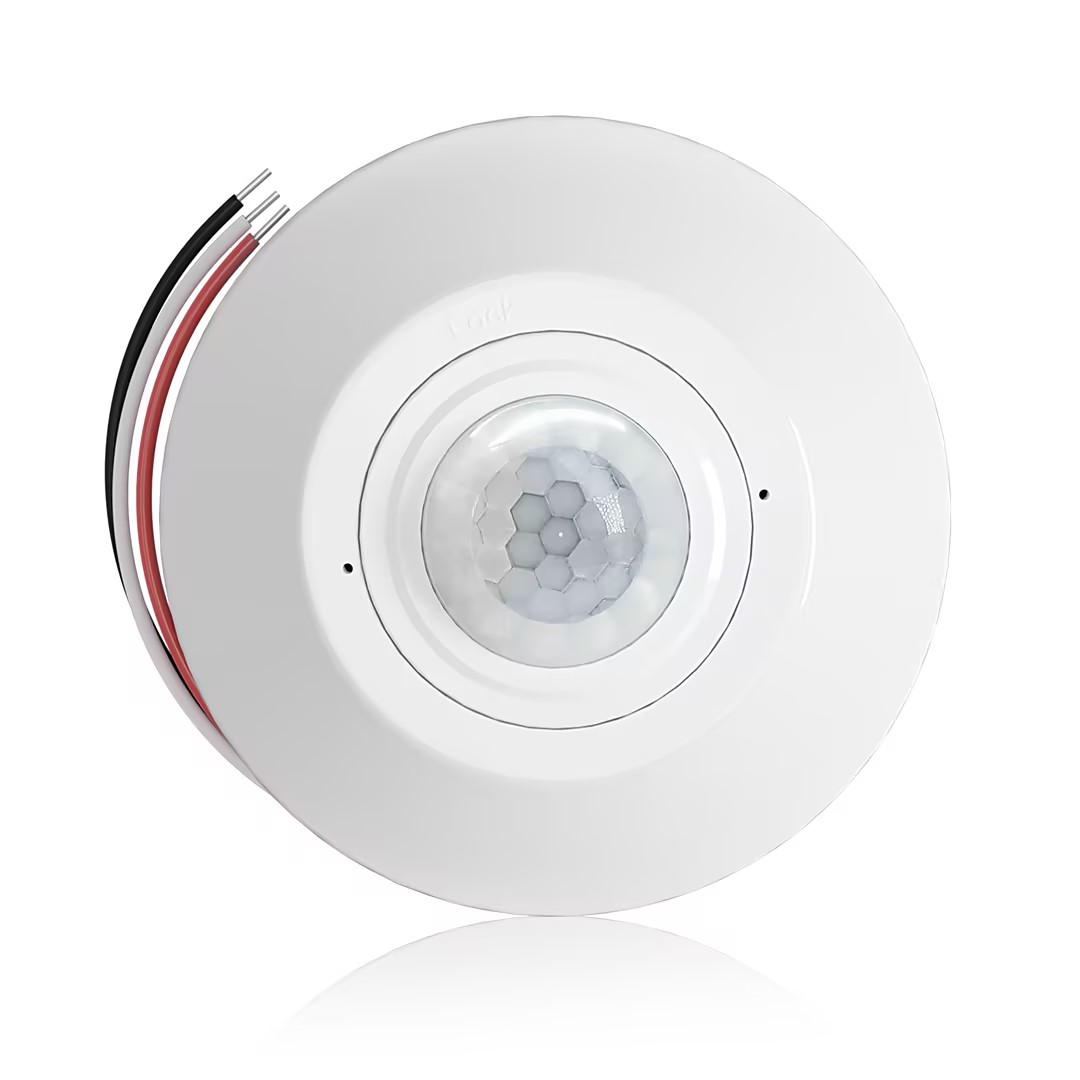
- Sensor de presencia PIR para montaje en techo con salida de relé de contacto seco
- Alimentación de baja tensión de 12/24VDC o 12/24VAC
- Contactos de relé aislados COM, NO y NC para entradas de EMS, HVAC y control de edificios
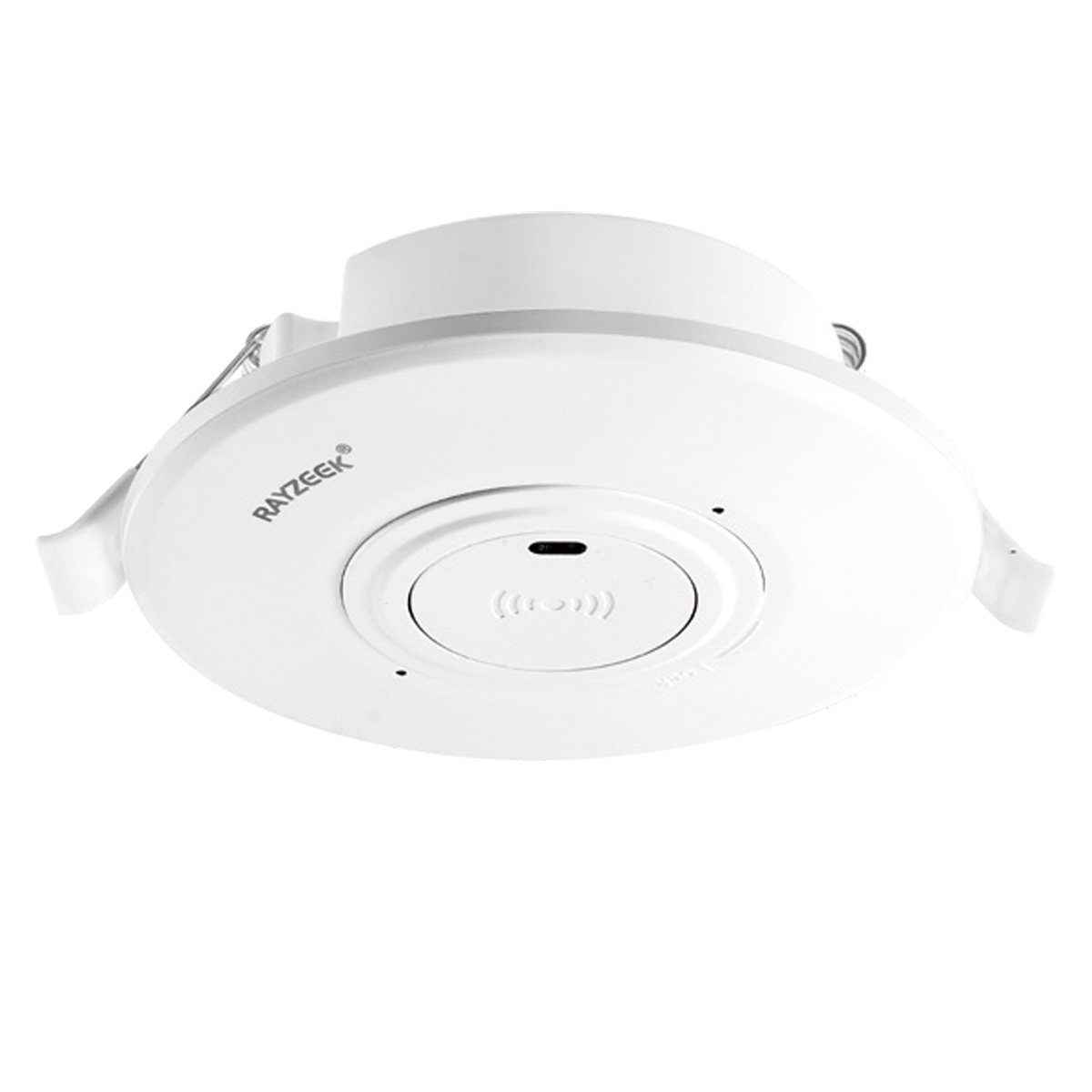
- Interruptor con sensor de movimiento por microondas empotrable en techo de baja tensión DC
- Entrada de 12 VDC / 24 VDC con rango de 10-30 VDC
- Corriente de funcionamiento máxima de 10A con retardo de tiempo, umbral de Lux y sensibilidad ajustables
- Interruptor con sensor de movimiento por microondas empotrable en techo para cargas más elevadas
- Entrada de tensión de red de 100-265 VAC, modelo de 10A
- Detección por microondas de 5,8 GHz con temporizador, umbral Lux y sensibilidad ajustables
- Interruptor con sensor de movimiento por microondas empotrable para techo
- Entrada de tensión de red de 100-265 VAC, modelo de 5A
- Detección por microondas de 5,8 GHz con temporizador, umbral Lux y sensibilidad ajustables
- Regulador con sensor de presencia PIR RZ037 de techo para alimentación de 220V
- Corriente de funcionamiento máxima de 3A con carga nominal de 660W
- El botón LUX controla el encendido/apagado del sensor de luz y la regulación de brillo ajustada por el usuario
- Regulador con sensor de presencia PIR RZ037 de techo para alimentación de 110V
- Corriente de funcionamiento máxima de 3A con carga nominal de 330W
- El botón LUX controla el encendido/apagado del sensor de luz y la regulación de brillo ajustada por el usuario
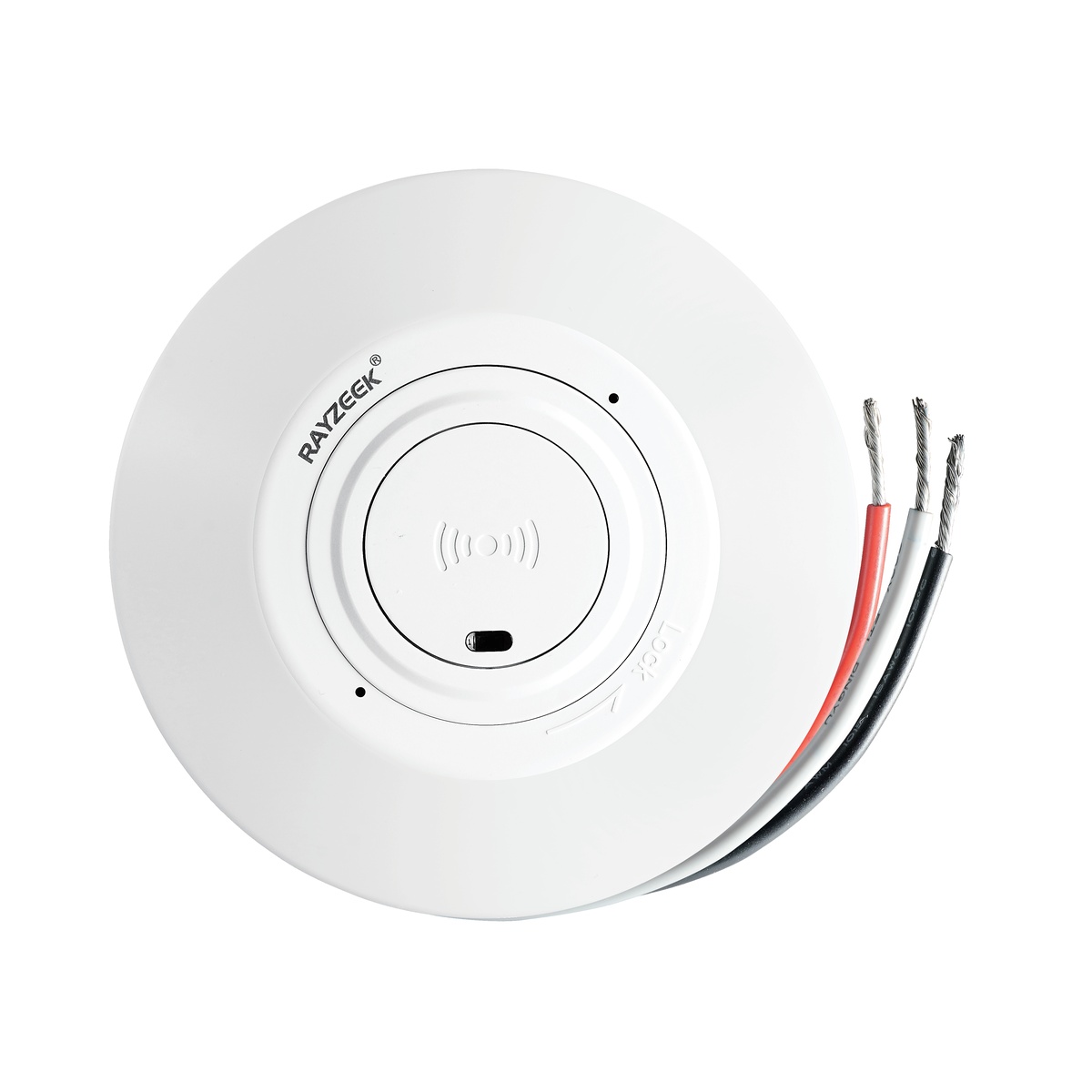
- Interruptor con sensor de movimiento por microondas de techo para CC de bajo voltaje
- Entrada de 12 VDC / 24 VDC con rango de 10-30 VDC
- Corriente de funcionamiento máxima de 10A con retardo de tiempo, umbral de Lux y sensibilidad ajustables
- Interruptor con sensor de movimiento por microondas de techo para mayor carga
- Entrada de tensión de red de 100-265 VAC, modelo de 10A
- Detección por microondas de 5,8 GHz con temporizador, umbral Lux y sensibilidad ajustables
- Interruptor con sensor de movimiento por microondas de techo
- Entrada de tensión de red de 100-265 VAC, modelo de 5A
- Detección por microondas de 5,8 GHz con temporizador, umbral Lux y sensibilidad ajustables
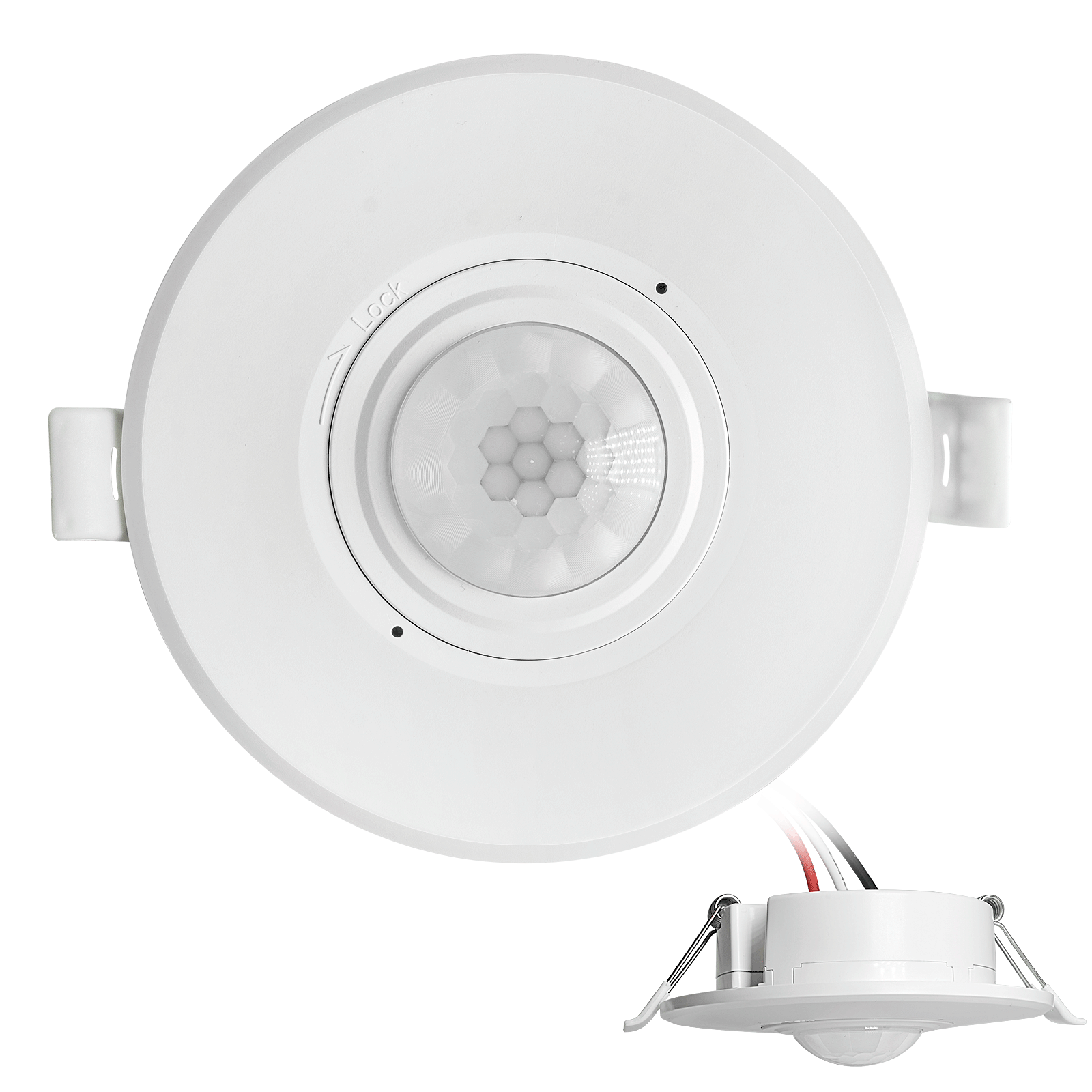
- Interruptor con sensor de movimiento PIR para montaje empotrable en techo de CC de bajo voltaje
- Entrada de 12 VDC / 24 VDC con rango de 10-30 VDC
- Corriente máxima de trabajo de 10 A con tiempo de retardo, umbral de luxes y sensibilidad ajustables
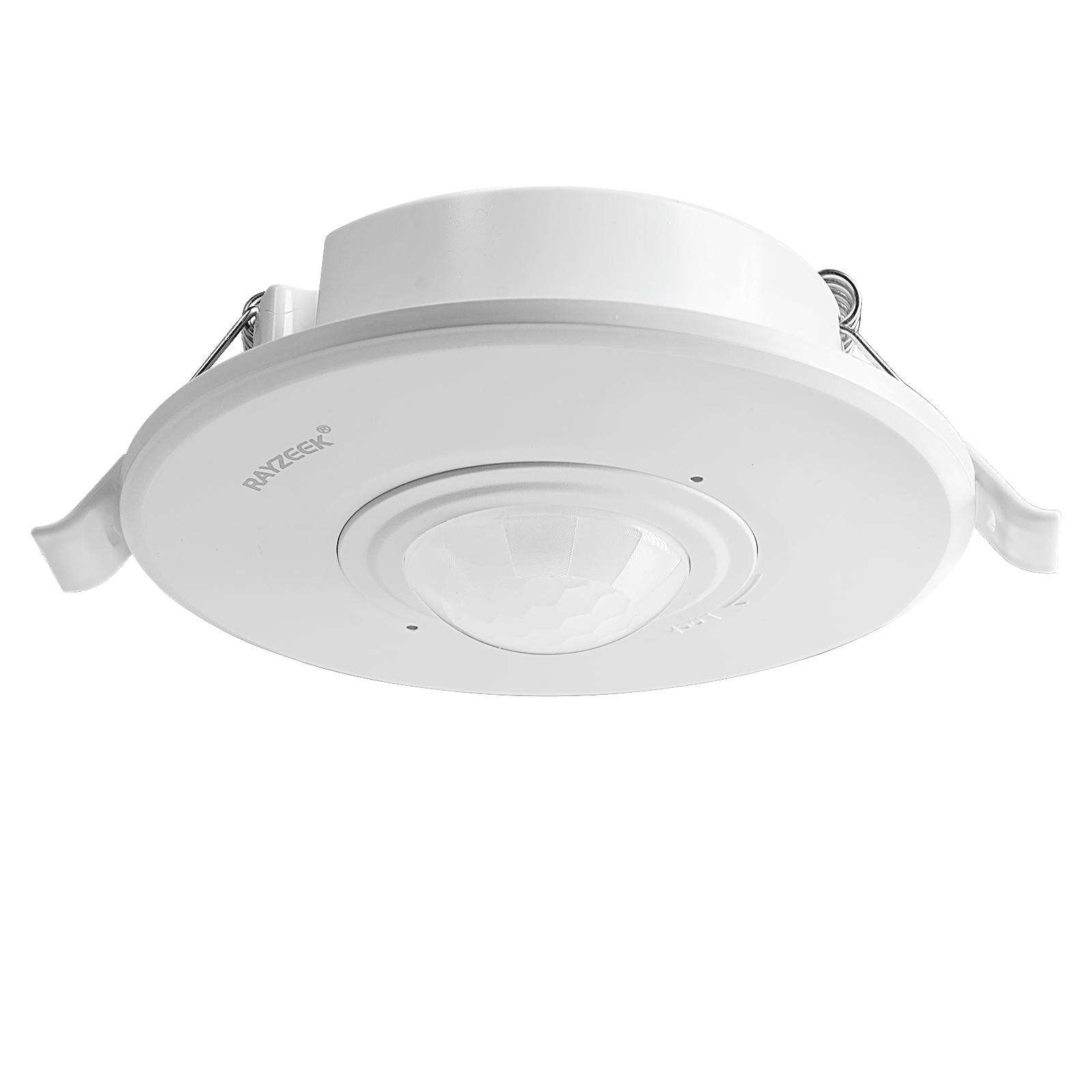
- Interruptor con sensor de movimiento PIR empotrable en techo para mayor carga
- Entrada de tensión de red de 100-265 VAC, modelo de 10A
- Detección de 360 grados con tiempo de retardo, umbral de luxes y sensibilidad ajustables
- Interruptor con sensor de movimiento PIR empotrable en techo
- Entrada de tensión de red de 100-265 VAC, modelo de 5A
- Detección de 360 grados con tiempo de retardo, umbral de luxes y sensibilidad ajustables
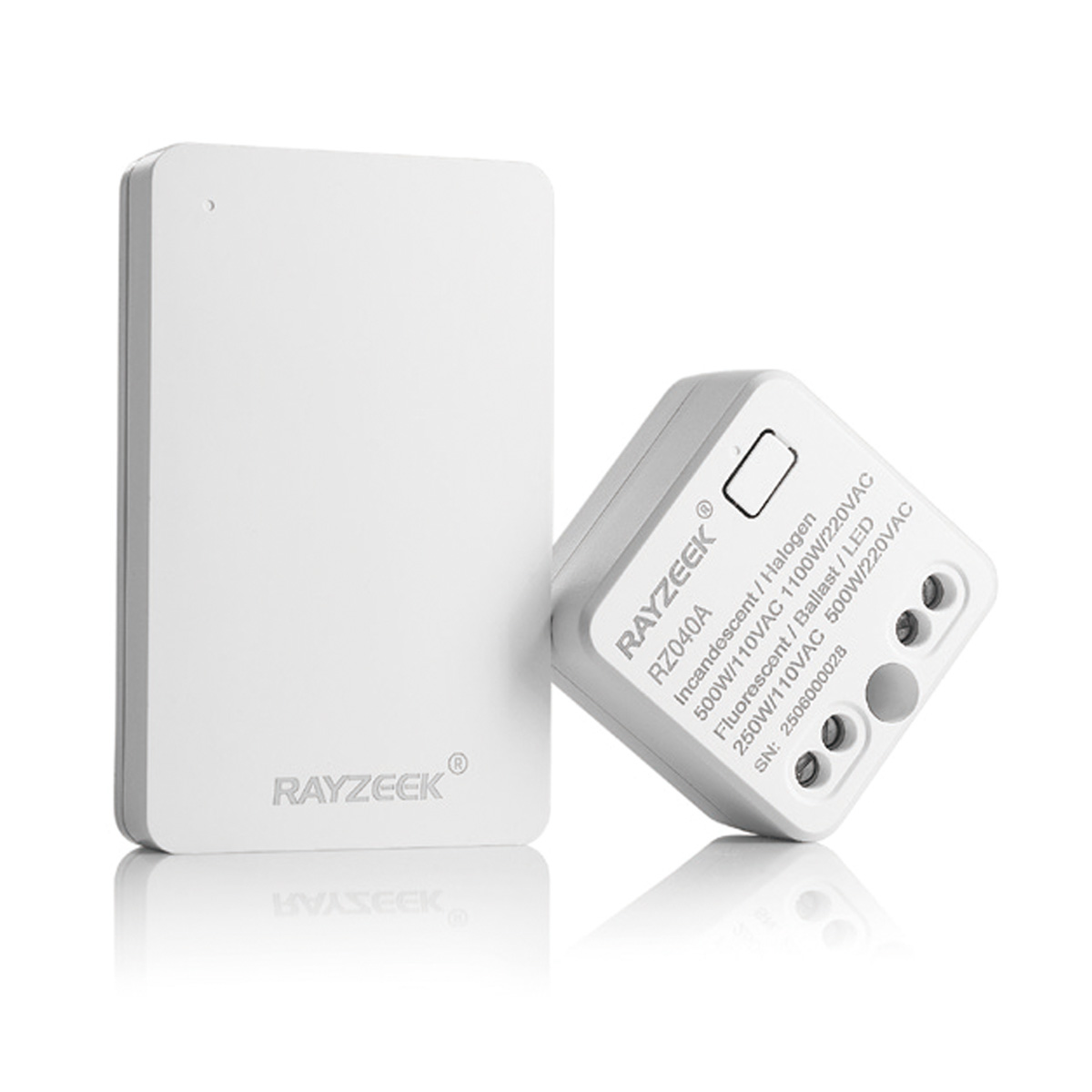
- Kit de emisor inalámbrico y receptor para el control de iluminación de encendido/apagado en interiores
- Receptor de 100-230 V CA, 50/60 Hz con corriente nominal de 5 A
- Interruptor inalámbrico alimentado por CR2032 con comunicación de 2,4 GHz
- Presencia (encendido automático/apagado automático)
- 12–24 V CC (10–30 V CC), hasta 10 A
- Cobertura de 360°, 8–12 m de diámetro
- Tiempo de retardo de 15 s a 30 min
- Sensor de luz Desactivado/15/25/35 Lux
- Sensibilidad alta/baja
- Modo de presencia con encendido/apagado automático
- 100–265V CA, 10A (requiere neutro)
- Cobertura de 360°; diámetro de detección de 8–12 m
- Temporización: 15 s–30 min; Lux OFF/15/25/35; Sensibilidad Alta/Baja
- Modo de presencia con encendido/apagado automático
- 100–265V CA, 5A (requiere neutro)
- Cobertura de 360°; diámetro de detección de 8–12 m
- Temporización: 15 s–30 min; Lux OFF/15/25/35; Sensibilidad Alta/Baja
The Master and The Slave
You cannot simply buy two standard motion sensors and install them at both doors. If you do, they will fight each other. When one sensor triggers, it sends voltage down the line that the other sensor isn’t expecting, often tripping the internal breaker or popping the device entirely. This is the “Two-Door Dilemma” that fills up DIY forums on Sunday nights.
You must use a specific 3-Way Kit containing a Master Unit and a Slave (or Auxiliary) Unit. The Master unit houses the actual sensor brain and the high-voltage relay. The Slave unit is just a remote trigger that tells the Master “Hey, I saw movement.”
The Traveler Wire Trap
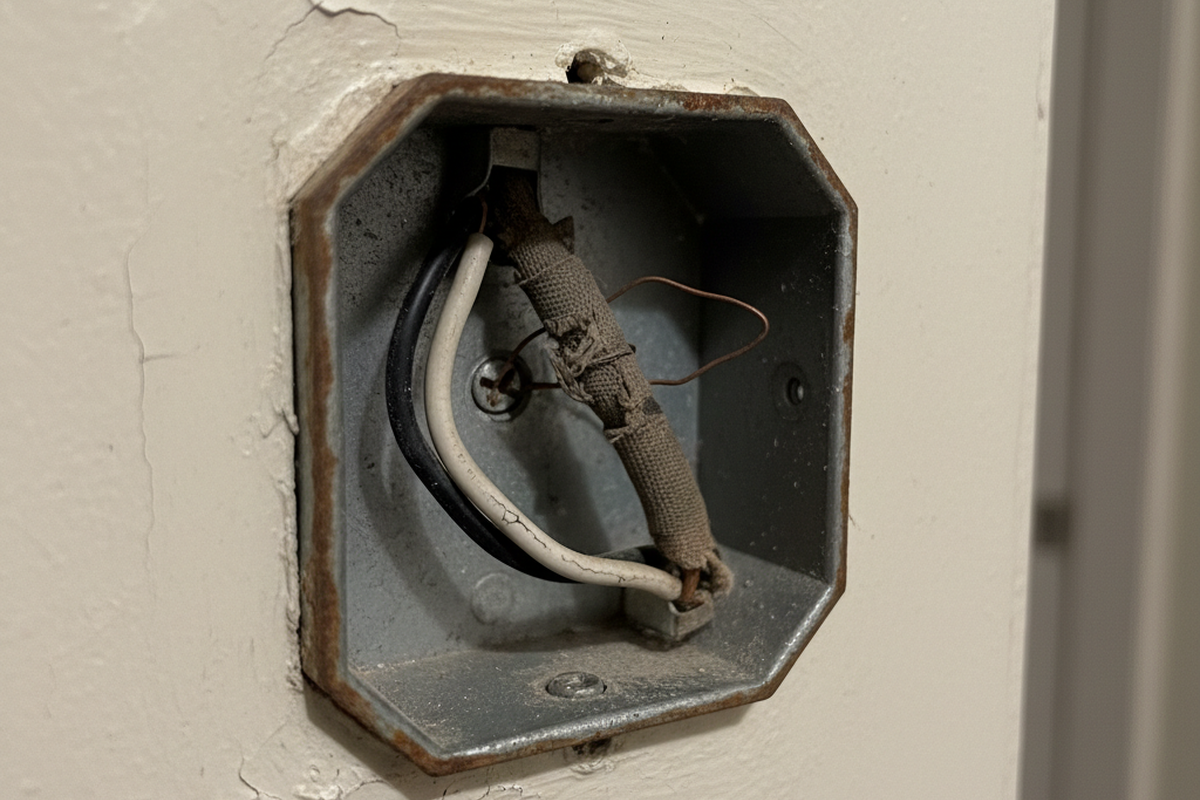
In a standard 3-way setup, you have “Traveler” wires running between the two switch boxes. These are often red, but in older houses, they might be any color the original electrician had in his truck. Do not trust the wire colors. You need to use a multimeter to identify three specific wires:
Inspírese con los portafolios de sensores de movimiento Rayzeek.
¿No encuentra lo que busca? No se preocupe. Siempre existen formas alternativas de resolver sus problemas. Quizá alguno de nuestros portafolios pueda ayudarle.
- The Line: The wire bringing fresh power from the breaker panel (usually in only one of the two boxes).
- The Load: The wire going up to the light fixture (usually in the other box).
- The Travelers: The wires connecting the two boxes.
The Rayzeek RZ023 kit uses the existing traveler wires to communicate between the Master and Slave. However, unlike a mechanical switch, the Master unit needs a constant power source to keep its internal brain alive.
The Non-Negotiable Neutral
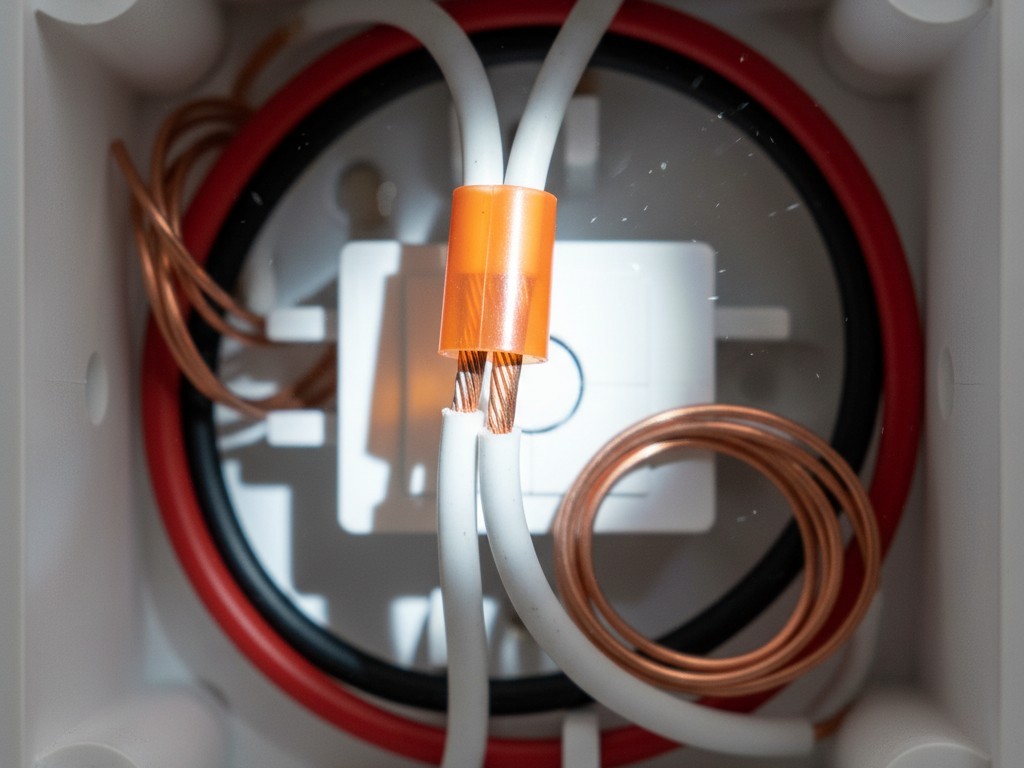
This brings us to the most critical failure point: the Neutral Wire.
Many older “No-Neutral Required” sensors work by trickling a tiny amount of electricity through the light bulb itself to complete the circuit to ground. This was fine when we all used 60-watt incandescent bulbs; the filament acted as a resistor and nobody noticed.
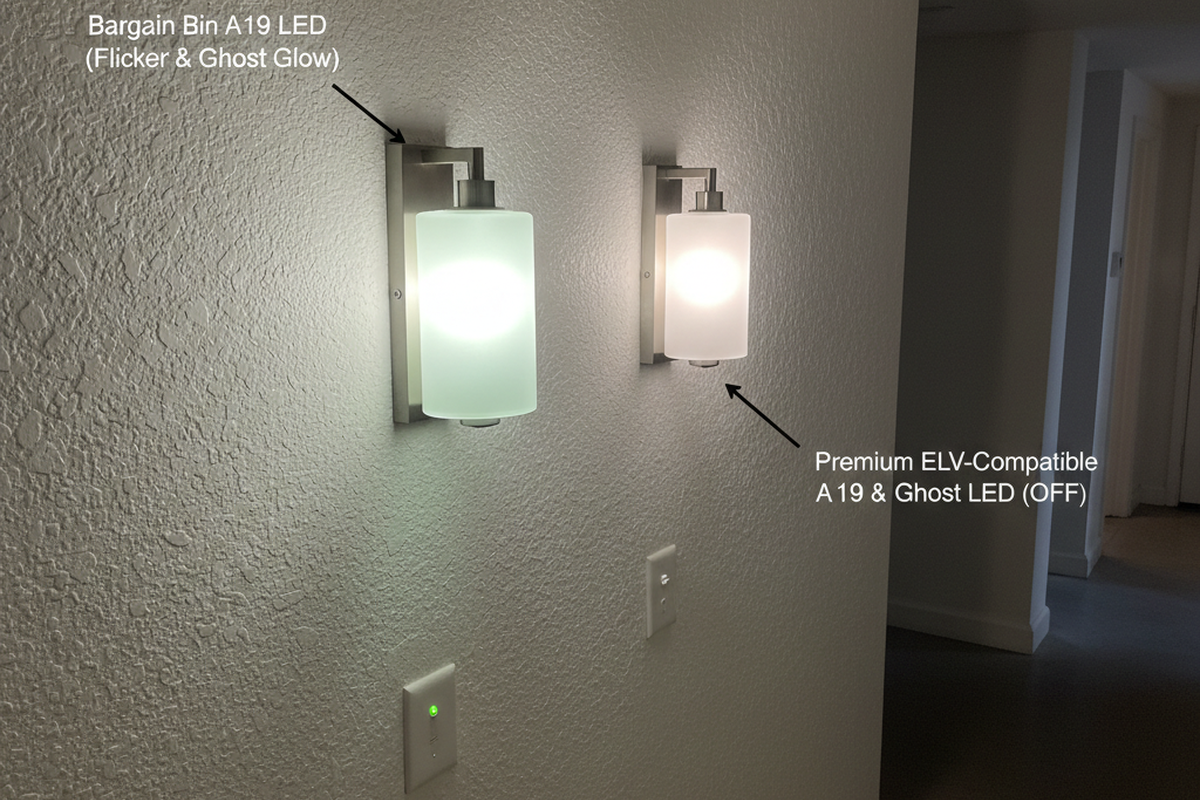
With modern LED bulbs, this “leakage current” is a disaster. The tiny trickle of electricity charges up the capacitor in the base of the LED bulb. When the capacitor gets full, it discharges—flash. Then it charges again. Flash. This is the “Ghost in the LED.” You will see the bathroom lights strobing faintly every 45 seconds, even when the switch is off.
To avoid this, you must use a sensor that requires a Neutral wire (usually the bundle of white wires tucked in the back of the box). The Rayzeek units need this hard path to ground so they can power their internal electronics without sending current through your expensive LED vanity bulbs. If your switch box does not have a neutral bundle, you are essentially out of luck for a reliable sensor installation without pulling new wire.
Note on Uncertainty: Be careful when reading the wiring diagrams included in the box. Rayzeek has revised their pigtail wire colors between the V1 and V2 models. Sometimes the traveler is Red, sometimes it is Black. Always read the paper insert that came with the specific unit you are holding, rather than relying on a PDF you found from three years ago.
Troubleshooting the Ghost
Even with a neutral wire, you may occasionally encounter a bulb that refuses to cooperate. Some builder-grade LEDs have such poor internal driver isolation that they will flicker if there is any electronics on the line. Before you tear the switch out of the wall, try swapping the bulb for a higher-quality brand like Cree or Philips. Often, the problem is the $2 bulb, not the $35 switch.
Also, be aware of what you are switching. These sensors are rated for Lighting Loads (resistive or capacitive). They are not always rated for Motor Loads (inductive). If you are trying to put this sensor on the exhaust fan to make it run automatically, stop. You need a switch rated for motors, or better yet, a humidity sensor. Putting a lighting sensor on a fan motor can fuse the relay contacts together, leaving the fan running permanently until you kill the breaker.
Final Configuration
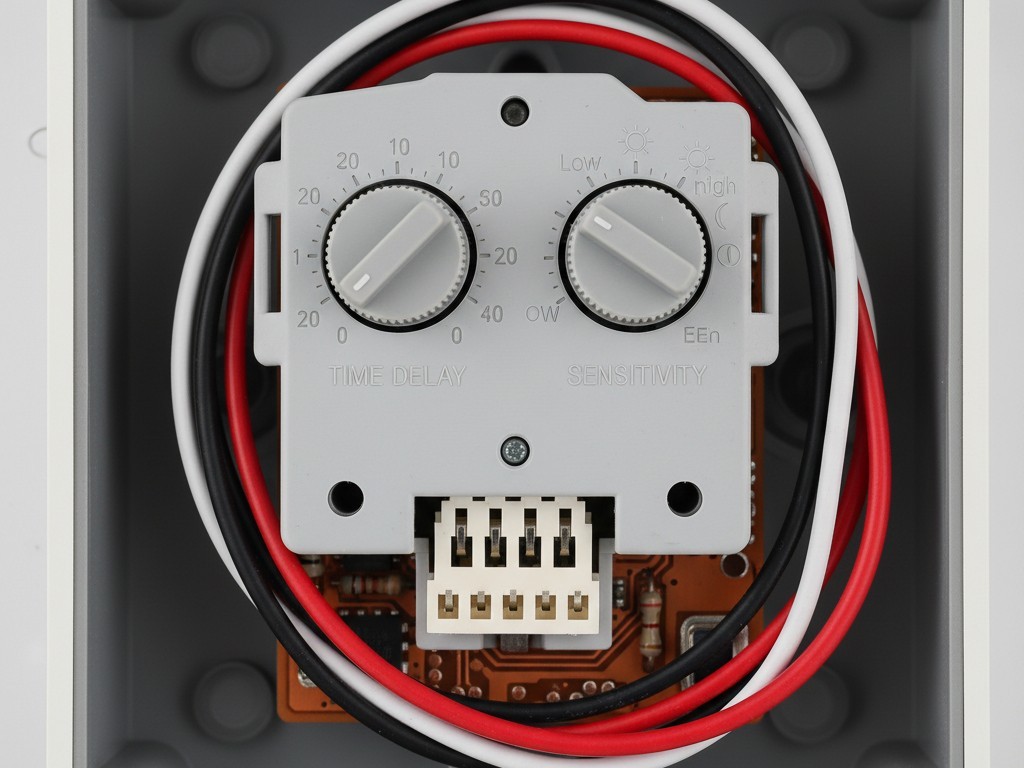
Once the unit is wired and the faceplate is screwed on—do not overtighten, or you will crack the plastic—you have two dials to adjust.
First is the Temporización. Set this to 5 minutes. Anything less (like 1 minute) and the lights will go out while your child is brushing their teeth. Anything more (like 30 minutes) defeats the purpose of saving energy.
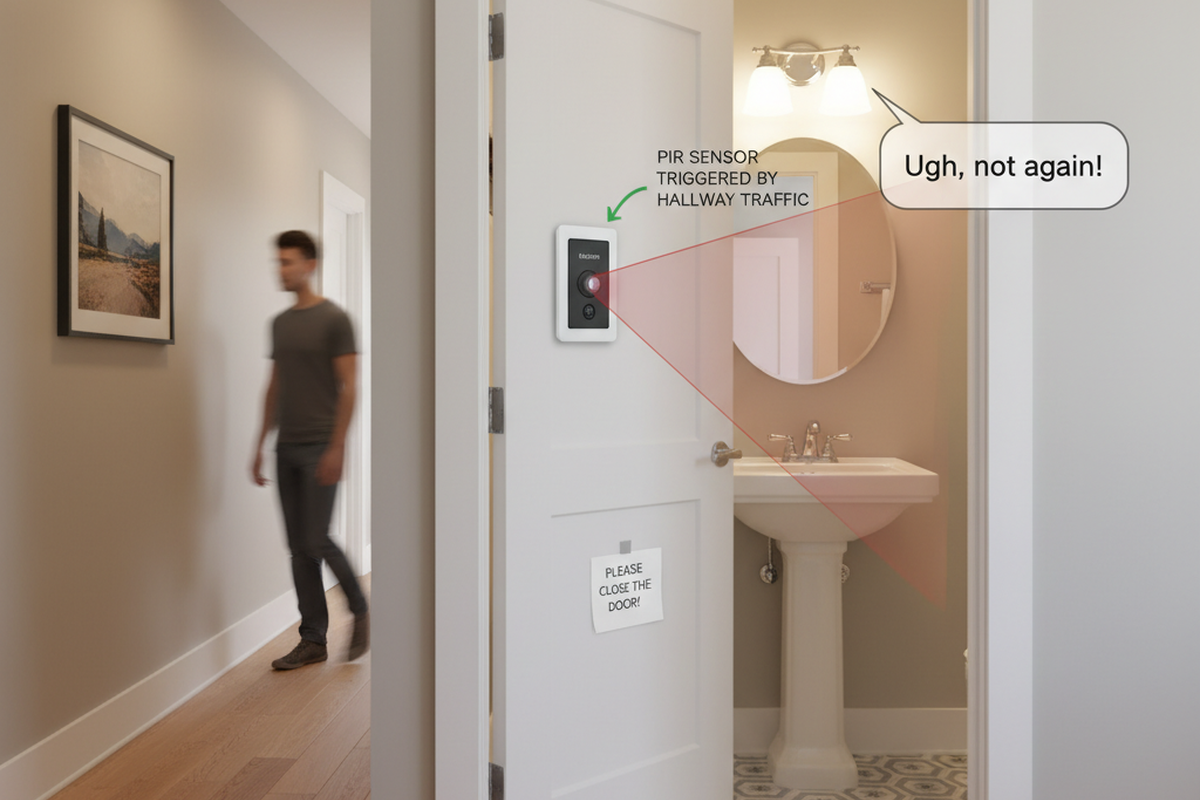
Second is the Sensibilidad. Dial this down to about 70%. If you leave it at 100%, the sensor will pick up motion in the hallway every time the door is left ajar. You want the sensor to only care about people actually dentro the bathroom.
¿Busca soluciones de ahorro de energía activadas por movimiento?
Póngase en contacto con nosotros para obtener sensores de movimiento PIR completos, productos de ahorro de energía activados por movimiento, interruptores con sensor de movimiento y soluciones comerciales de presencia/vacancia.
There is a common complaint known as the “Shower Wave.” If the shower is recessed or has a thick curtain, the sensor cannot see the person inside. The lights go out mid-shampoo. The user has to stick a soapy hand out of the curtain and wave it around to re-trigger the sensor. This is annoying, but preferrable to the alternative of the lights staying on for hours. If this happens frequently, bump the timeout to 15 minutes, which is usually enough time to finish a shower.
You aren’t building a “smart” bathroom; you’re building a peaceful one. By forcing the manual-on (Vacancy) and automating the off, you remove the friction of remembering to flip the switch, without introducing the friction of being blinded at 2 AM. That is a trade-off worth $35 and an hour of wiring.