Was ist ein Spiegelreflektor
A mirror reflector is a light-directing system based on reflecting surfaces. It is a type of reflecting surface that is highly polished and typically made in the shape of a parabola. The main purpose of a mirror reflector is to concentrate and direct light from a light source placed at its focal point.
Mirror reflectors have several key characteristics that determine their performance. The first is reflectance, which refers to the ability of the reflector to reflect light. Mirror reflectors are designed to have high reflectance, allowing them to efficiently redirect light in a desired direction. The second characteristic is spread, which describes the distribution of the reflected light. Different types of mirror reflectors have different spread patterns, depending on their shape and curvature.
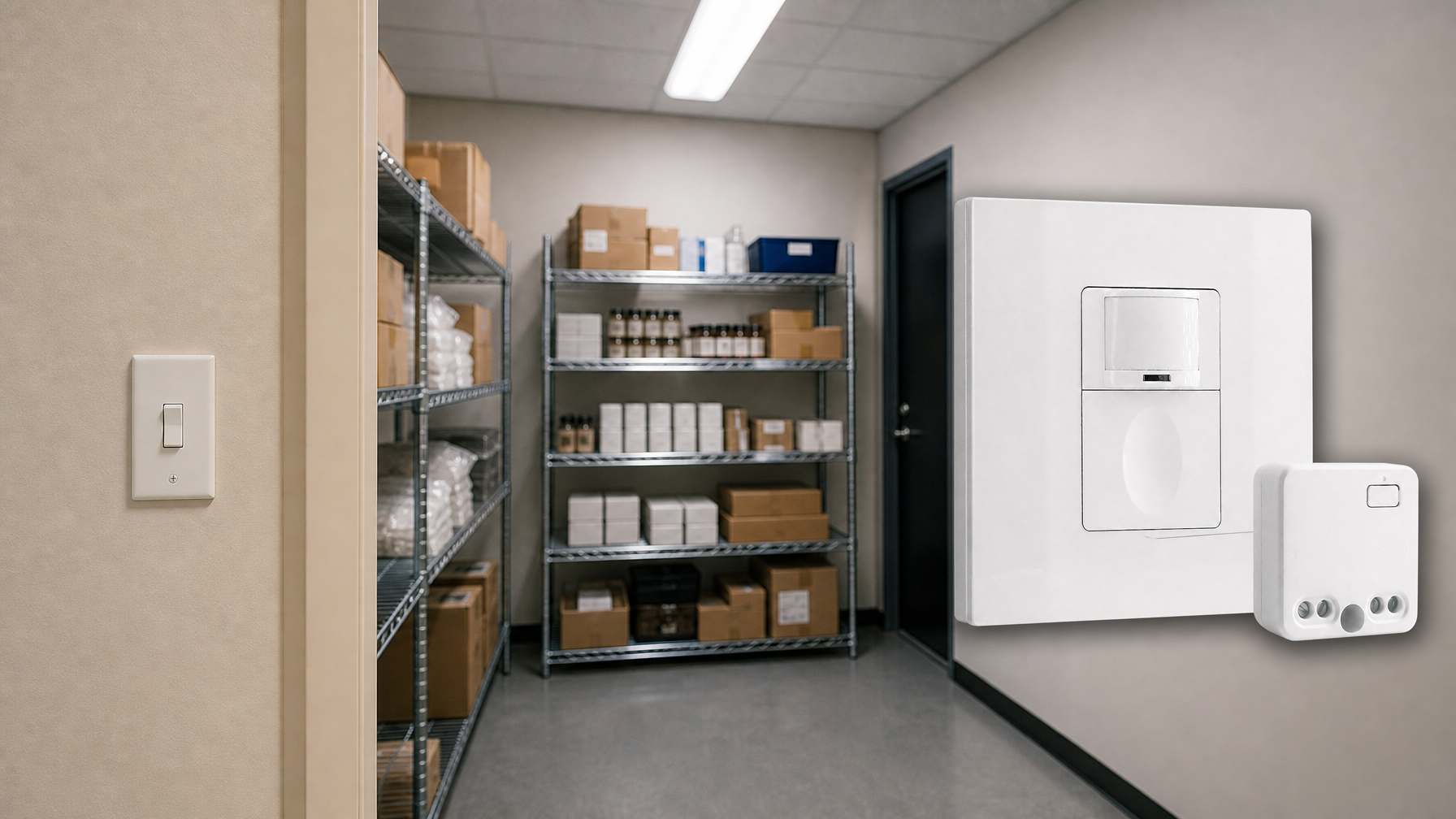
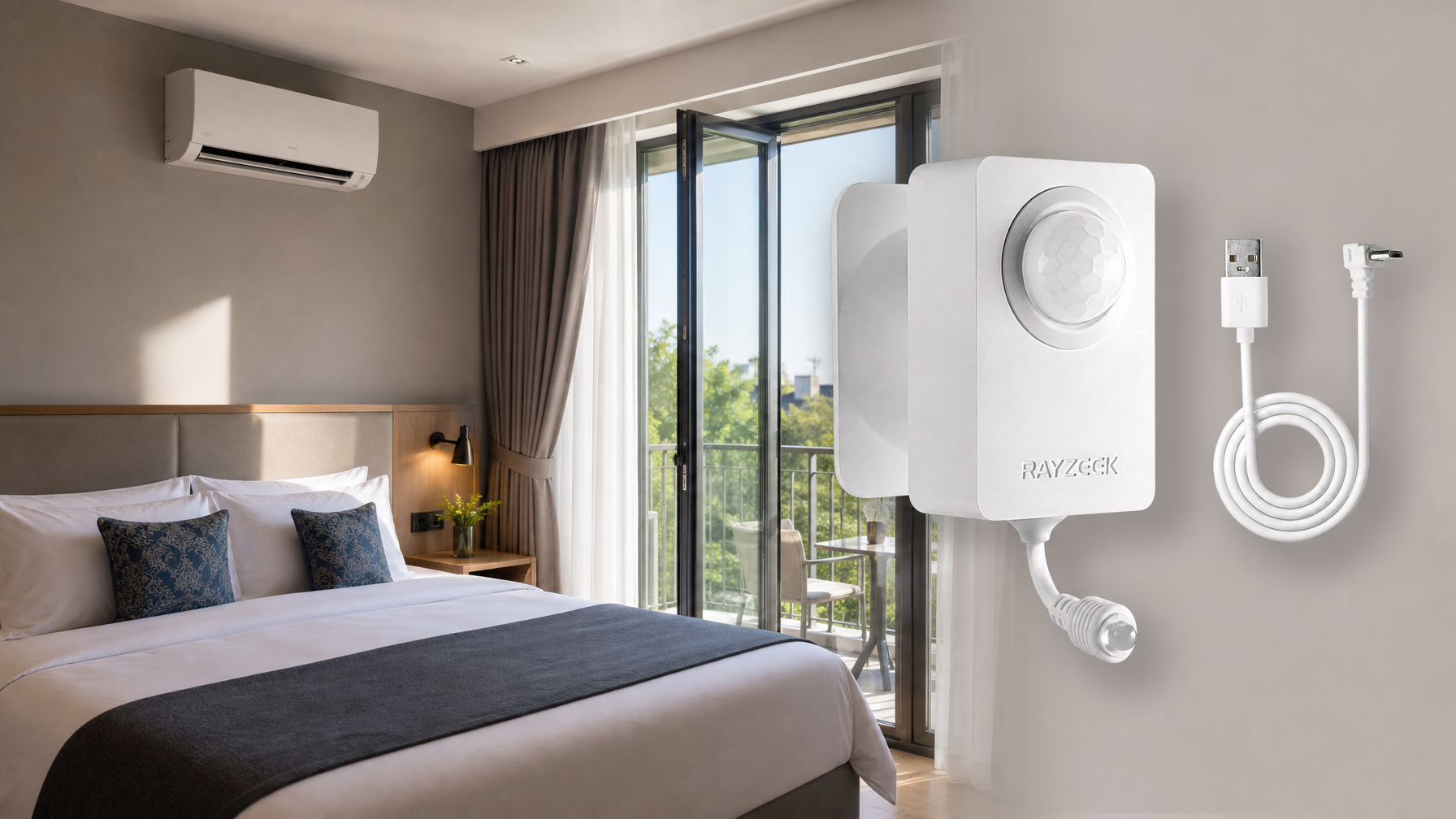
Lassen Sie sich von den Rayzeek Bewegungssensor-Portfolios inspirieren.
Nicht das Richtige gefunden? Keine Sorge. Es gibt immer alternative Wege, Ihre Anforderungen zu erfüllen. Vielleicht kann eines unserer Portfolios helfen.
There are three basic types of mirror reflectors: concave, convex, and parabolic. Each type has its own unique characteristics. Concave mirror reflectors are curved inward and are typically used to align light from a source located at the focal point into a parallel beam. Convex mirror reflectors, on the other hand, are curved outward and reflect light back to the focal point. Parabolic mirror reflectors are shaped like a parabola and are designed to concentrate and direct light in a specific direction.
Suchen Sie nach bewegungsgesteuerten Energiesparlösungen?
Kontaktieren Sie uns für komplette PIR-Bewegungssensoren, bewegungsgesteuerte Energiesparprodukte, Bewegungsmelderschalter sowie gewerbliche Präsenz-/Präsenzabwesenheitslösungen.
Mirror reflectors are not able to capture and direct all of the light from the light source. Some light may escape from around the edge of the reflector, resulting in a loss of efficiency. Additionally, the manufacturing process of mirror reflectors can be complex, involving the shaping of metal surfaces and the application of reflective coatings.
Häufig gestellte Fragen
Welche Reflektorart wird am häufigsten verwendet?
Runde Reflektoren sind der am häufigsten verwendete Reflektortyp. Sie werden besonders in der Porträtfotografie bevorzugt, da sie schöne, runde Lichtreflexe in den Augen der abgebildeten Person erzeugen. Rechteckige Reflektoren eignen sich dagegen besser für größere Motive, die eine umfangreichere Ausleuchtung erfordern.
Welche Art von Reflektor kann zu Hause verwendet werden?
Zuhause kann eine Vielzahl von Reflektoren eingesetzt werden, darunter Lichtreflektoren, die typischerweise breit, flach und silberfarben sind. Fotografen entscheiden sich jedoch manchmal auch für weiße oder goldene Reflektoren. Faltbare Lichtreflektoren sind im Fotofachhandel oder online erhältlich. Alternativ lässt sich aus Karton und Aluminiumfolie ein eigener Reflektor herstellen.
Was ist ein perfekter Reflektor?
Eine perfekte Reflexion erfolgt sowohl für die elektrischen als auch für die magnetischen Moden, die spektral getrennt sind. Infolgedessen liegt die Reflexionsphase der elektrischen Mode nahe bei 180°, ähnlich wie bei einem metallischen Spiegel. Die Reflexionsphase der magnetischen Mode liegt hingegen nahe bei null.
Do I Need a Light Reflector
Reflectors can be beneficial in situations where you have a single, directional light source but require additional lighting. They are particularly useful when dealing with harsh sunlight and shadows, as they help to even out the lighting on your subject and minimize shadows.
How Do I Choose a Light Reflector
A solid white reflector will create a gentle and diffused light. On the other hand, a reflector with a silver side will reflect a greater amount of light compared to the white side, resulting in a stronger and more intense light. Similarly, a gold reflector, similar to the silver one, will add a warm and glowing effect to the subject.
What Do Different Color Reflectors Mean
Each color of reflector serves a specific purpose. The guidelines are straightforward. White reflectors are positioned alongside white traffic lines, while yellow reflectors are placed along yellow traffic lines. Red reflectors indicate to drivers that they are traveling in the wrong direction on a one-way ramp or that they should not enter.
What Colors Do Not Reflect Light
Black and white objects are the two extremes of colored objects. Black objects absorb all the light that is shined on them, resulting in no reflected light and the absence of color, which appears as black. On the other hand, white objects reflect all the wavelengths of light, leading to the perception of white light.
What Color Reflects the Most Light
Pure white is the most reflective color and has a reflectance value of 100 on the scale. It does not absorb light or warmth. Colors with a reflectance value below 50 on the LRV scale will absorb more light than they reflect.
What Color Makes a Room Look Brighter
Go for lighter shades of grey and blue to create a brighter atmosphere in the room. If you prefer a warmer feel, consider using light terracotta or yellow paint colors, as they can add brightness and warmth to a dark space. However, it is important to avoid overcrowding the room with brown furniture, as this can make the overall design overwhelming.