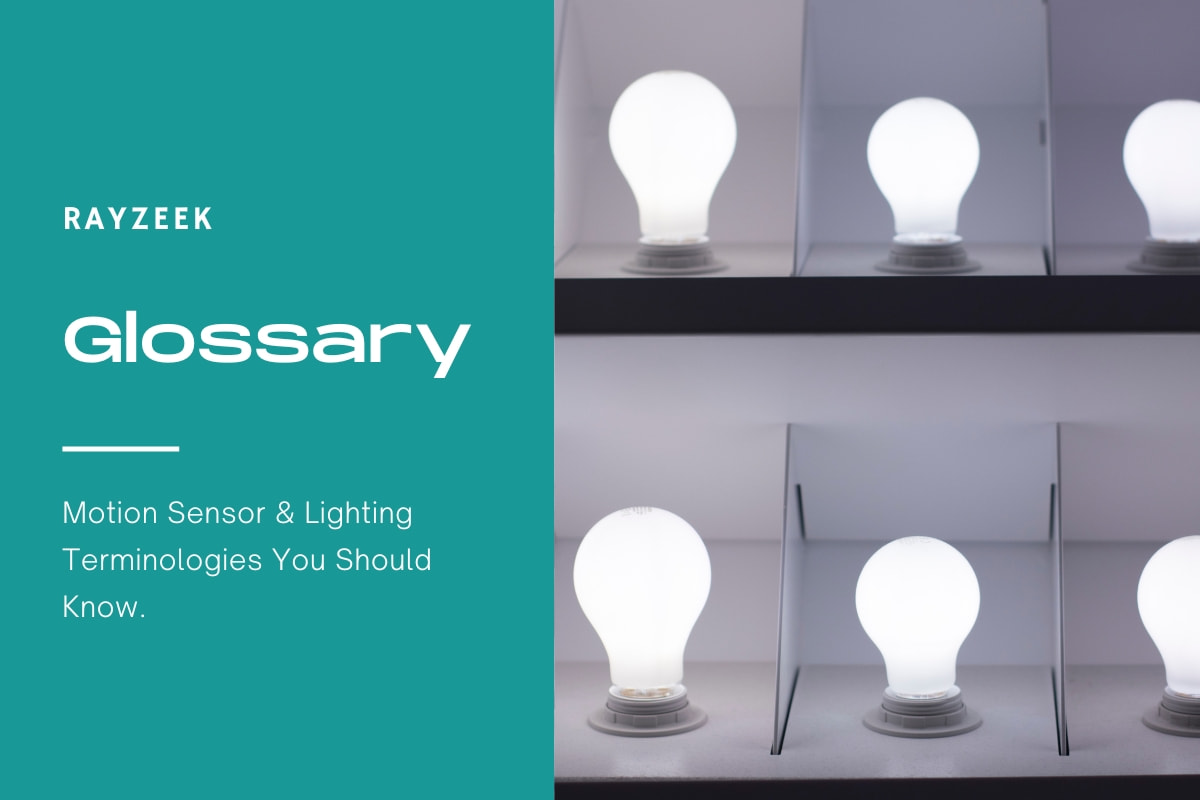
What is Discomfort Glare
Discomfort glare is the visual discomfort experienced when individuals are exposed to light sources or luminaires that have a higher luminance than their eyes can adapt to. This type of glare can cause immediate discomfort or become apparent over time. Several factors influence the degree of discomfort glare, including the luminance and size of the glare source, the background luminance against which the glare source is viewed, and the position of the glare source in relation to the line of sight.
To mitigate discomfort glare in lighting planning, you need to consider the relationship between a luminaire’s luminance and the background luminance. Open luminaires, especially those designed for compact and intensive light sources with high luminous flux, often contribute to discomfort glare. This can be caused by the light source itself or a mirror image in polished reflectors or working materials. To reduce discomfort glare, it is recommended to use matt reflectors and large-area luminaires.
Das könnte Sie auch interessieren

- Spannung: 2 AAA-Batterien
- Tag-/Nachtmodus
- Ausschaltverzögerung: 15min, 30min, 1h (Standard), 2h
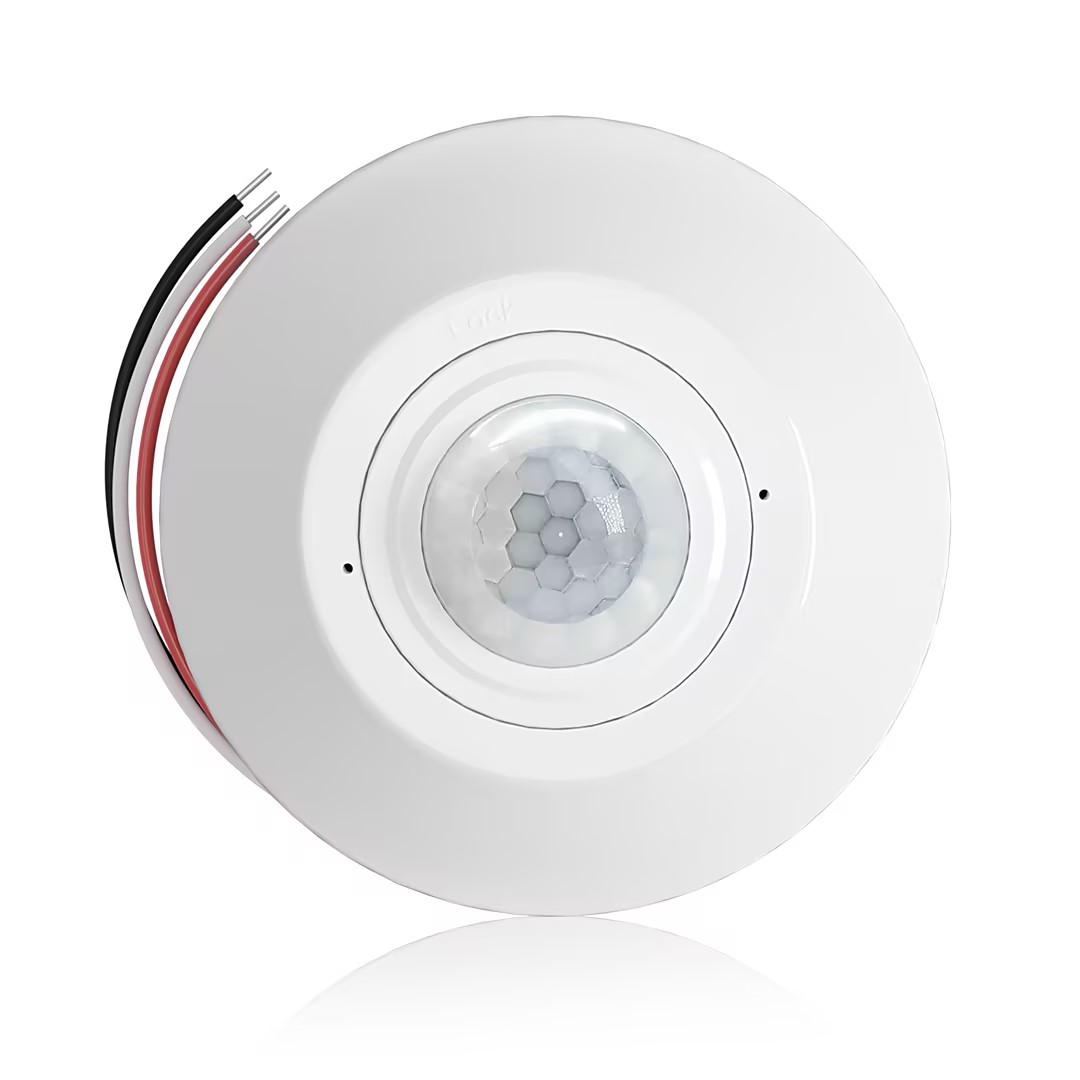
- Deckenmontierter PIR-Präsenzmelder mit potenzielfreiem Relaisausgang
- 12/24VDC oder 12/24VAC Niederspannungsversorgung
- Isolierte Relaiskontakte (COM, NO und NC) für EMS-, HVAC- und Gebäudesteuerungs-Eingänge
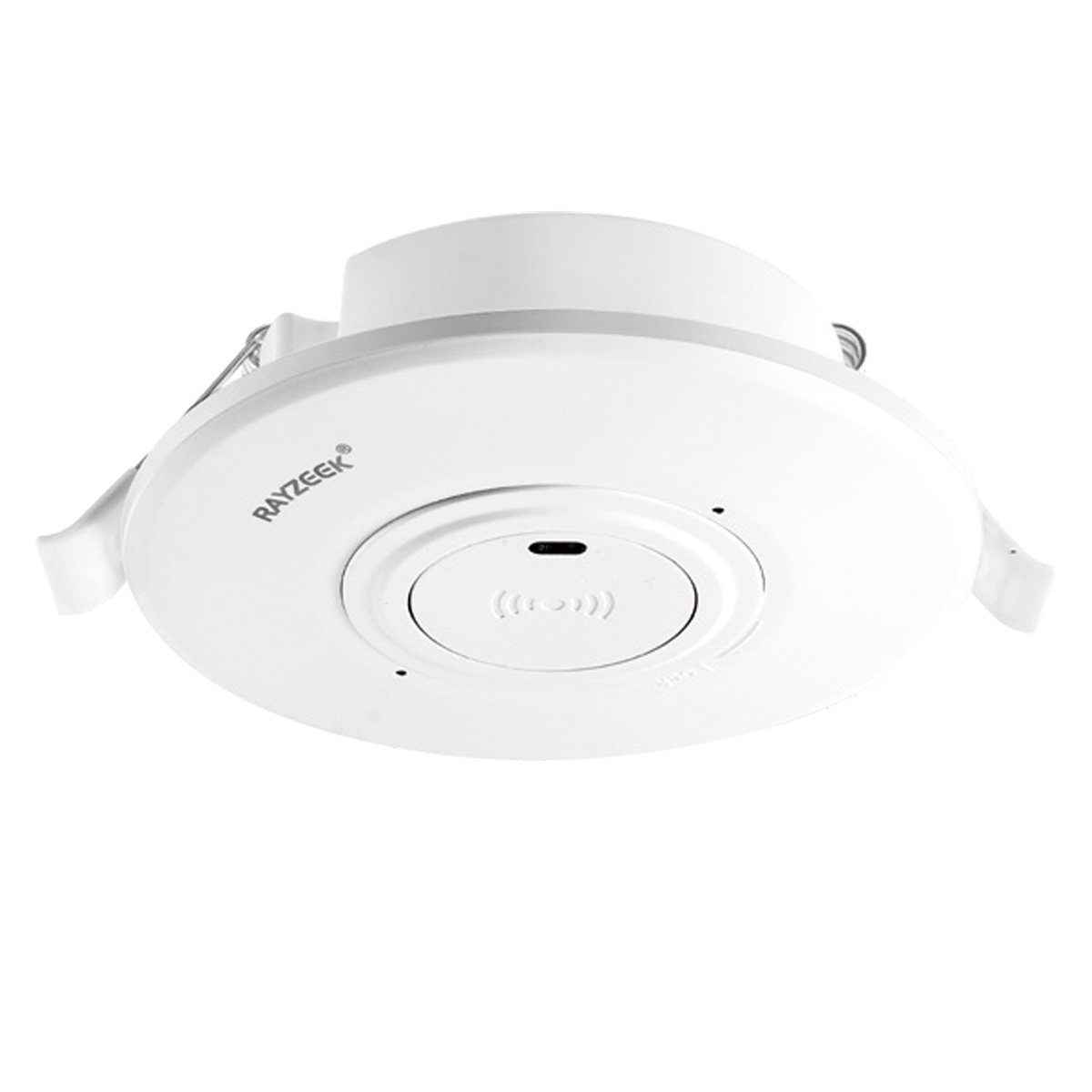
- Niederspannungs-DC-Mikrowellen-Bewegungssensorschalter für den Deckeneinbau
- 12 VDC / 24 VDC Eingang mit 10–30 VDC Bereich
- 10A max. Arbeitsstrom mit einstellbarer Zeitverzögerung, Lux-Schwelle und Empfindlichkeit
- Decken-Mikrowellen-Bewegungssensorschalter für den Einbau für höhere Lasten
- 100–265 VAC Netzspannungseingang, 10A-Modell
- 5,8-GHz-Mikrowellenerfassung mit einstellbarer Zeitverzögerung, Lux-Schwelle und Empfindlichkeit
- Unterputz-Mikrowellen-Bewegungssensorschalter für die Deckenmontage
- 100–265 VAC Netzspannungseingang, 5A-Modell
- 5,8-GHz-Mikrowellenerfassung mit einstellbarer Zeitverzögerung, Lux-Schwelle und Empfindlichkeit
- PIR-Präsenzsensor-Dimmer RZ037 für Deckenmontage und 220V-Stromversorgung
- 3A maximaler Betriebsstrom mit 660W Nennlast
- LUX-Taste steuert Lichtsensor-EIN/AUS sowie benutzerdefinierte Dimmhelligkeit
- PIR-Präsenzsensor-Dimmer RZ037 für Deckenmontage und 110V-Stromversorgung
- 3A maximaler Betriebsstrom mit 330W Nennlast
- LUX-Taste steuert Lichtsensor-EIN/AUS sowie benutzerdefinierte Dimmhelligkeit
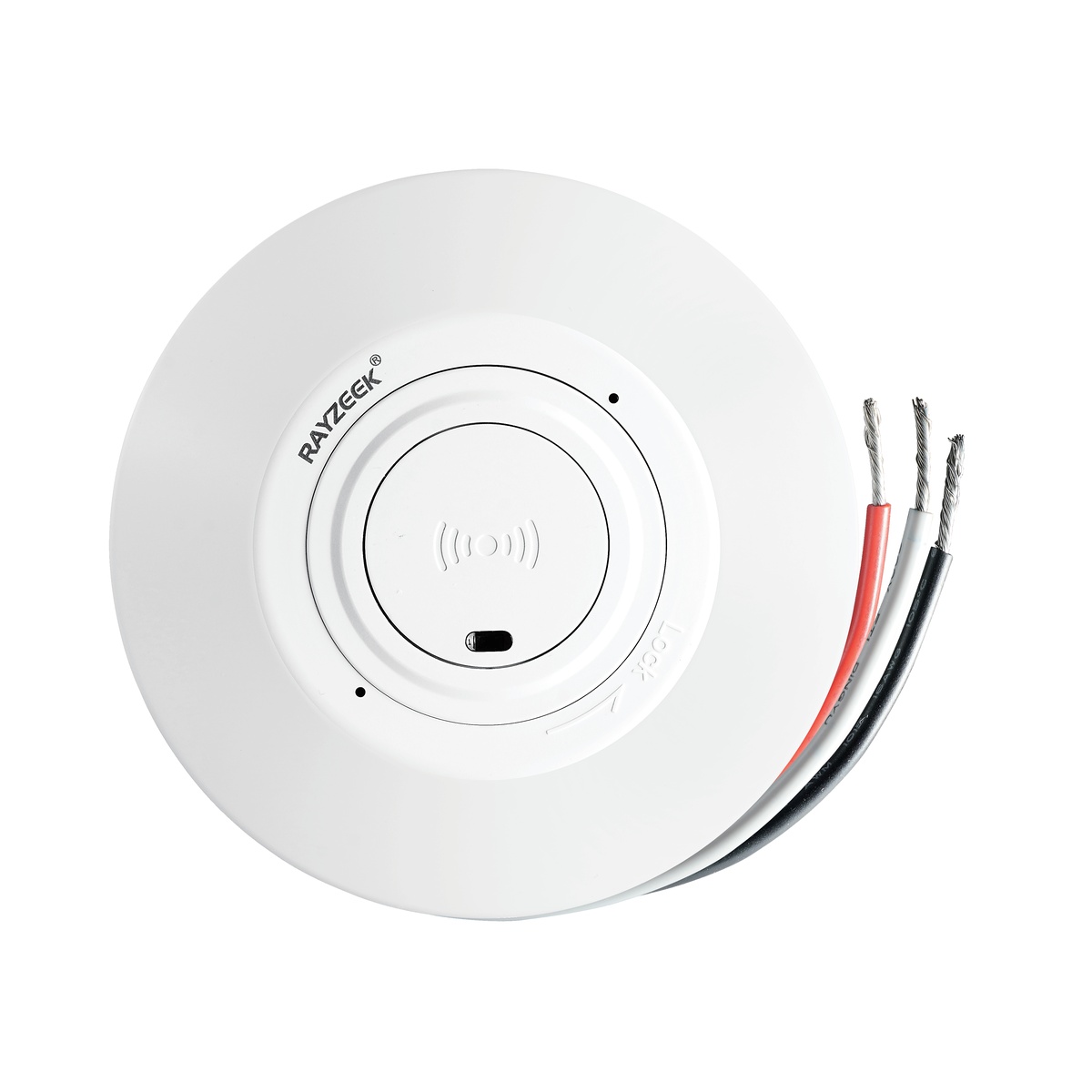
- Niederspannungs-DC-Mikrowellen-Bewegungssensorschalter für die Deckenmontage
- 12 VDC / 24 VDC Eingang mit 10–30 VDC Bereich
- 10A max. Arbeitsstrom mit einstellbarer Zeitverzögerung, Lux-Schwelle und Empfindlichkeit
- Decken-Mikrowellen-Bewegungssensorschalter für höhere Lasten
- 100–265 VAC Netzspannungseingang, 10A-Modell
- 5,8-GHz-Mikrowellenerfassung mit einstellbarer Zeitverzögerung, Lux-Schwelle und Empfindlichkeit
- Mikrowellen-Bewegungssensorschalter für die Deckenmontage
- 100–265 VAC Netzspannungseingang, 5A-Modell
- 5,8-GHz-Mikrowellenerfassung mit einstellbarer Zeitverzögerung, Lux-Schwelle und Empfindlichkeit
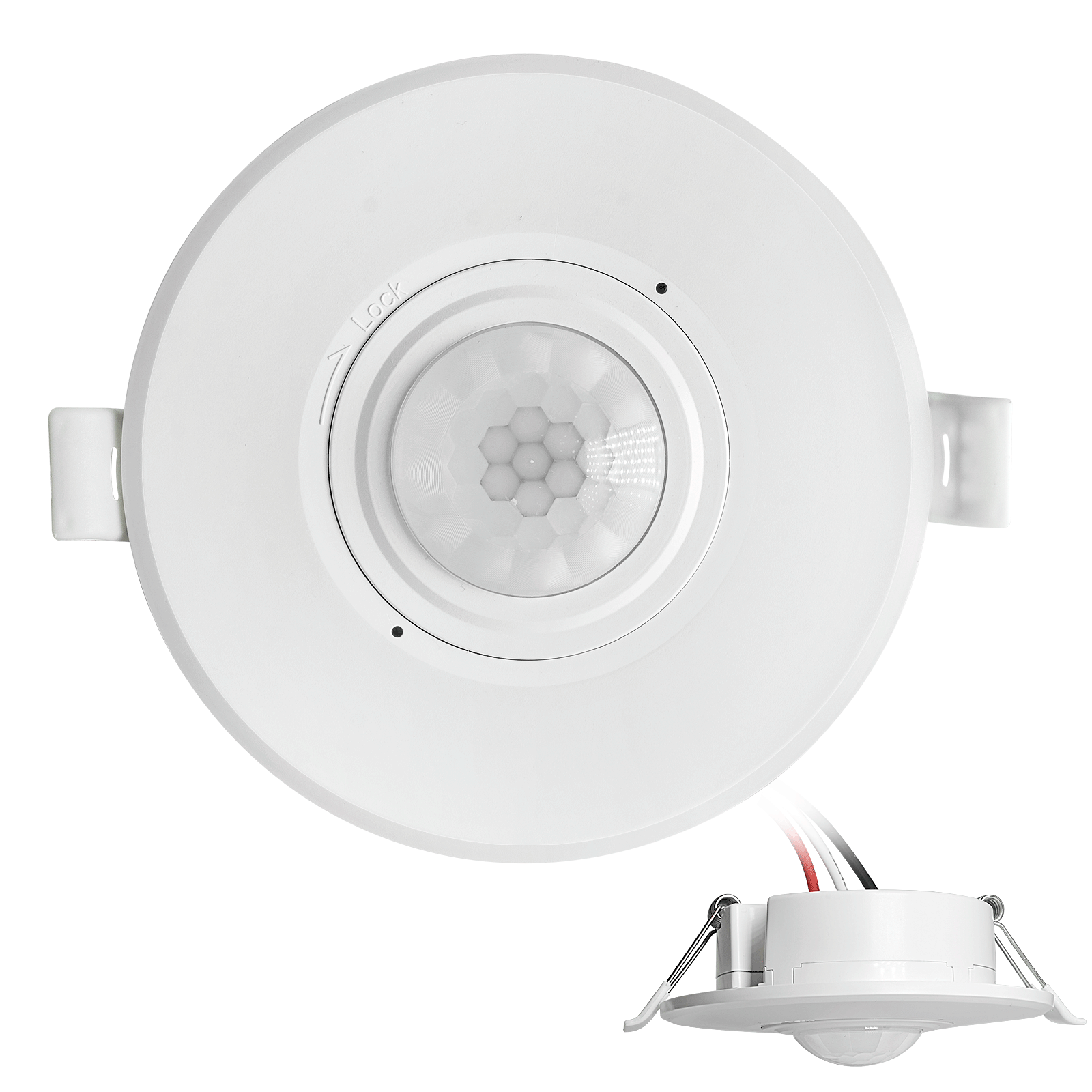
- Niederspannungs-DC-Unterputz-PIR-Bewegungssensorschalter für die Deckenmontage
- 12 VDC / 24 VDC Eingang mit 10–30 VDC Bereich
- Maximaler Betriebsstrom 10A mit einstellbarer Zeitverzögerung, Lux-Schwelle und Empfindlichkeit
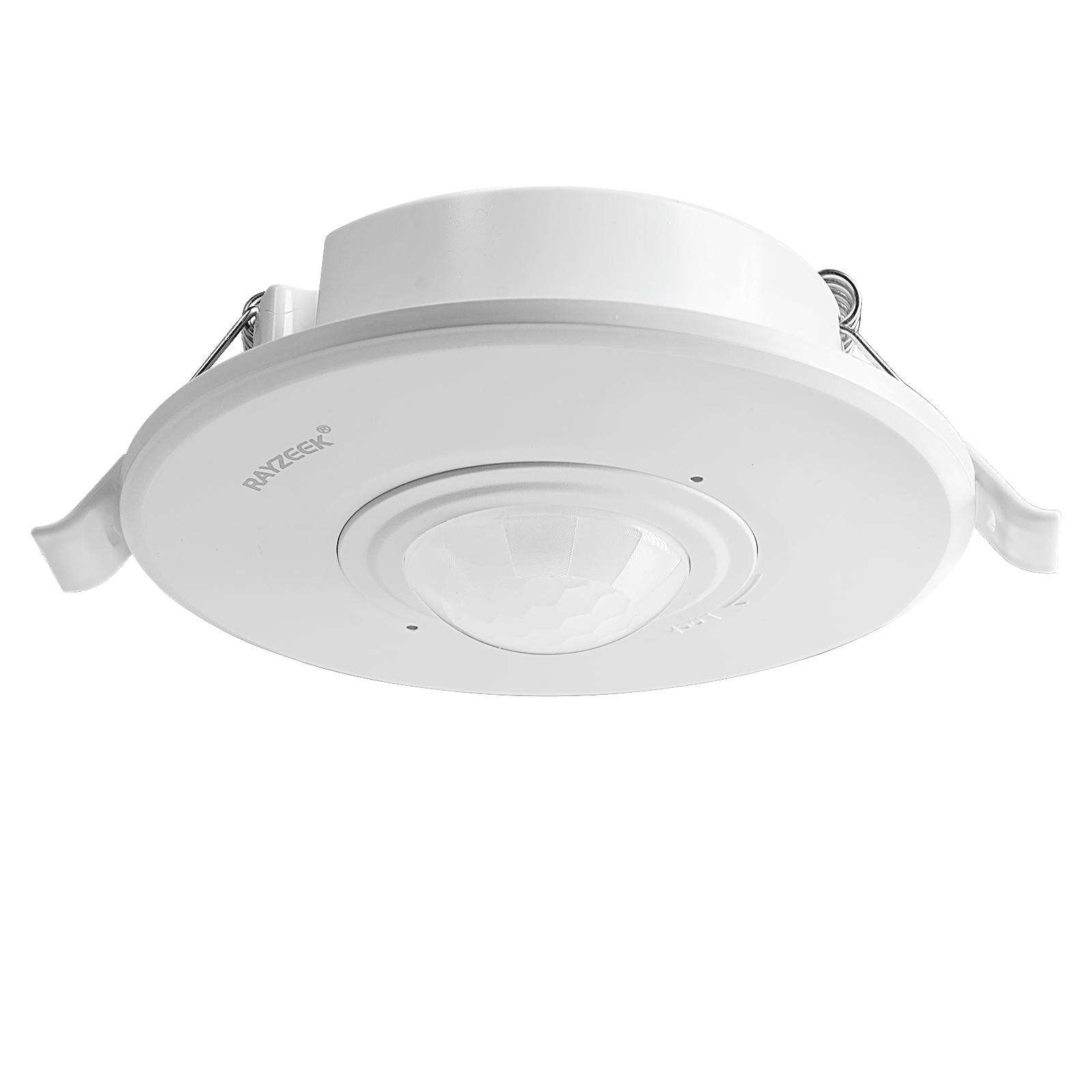
- PIR-Bewegungssensorschalter für Deckeneinbau für höhere Lasten
- 100–265 VAC Netzspannungseingang, 10A-Modell
- 360-Grad-Erfassung mit einstellbarer Ausschaltverzögerung, Lux-Schwelle und Empfindlichkeit
- PIR-Bewegungssensorschalter für Deckeneinbau
- 100–265 VAC Netzspannungseingang, 5A-Modell
- 360-Grad-Erfassung mit einstellbarer Ausschaltverzögerung, Lux-Schwelle und Empfindlichkeit
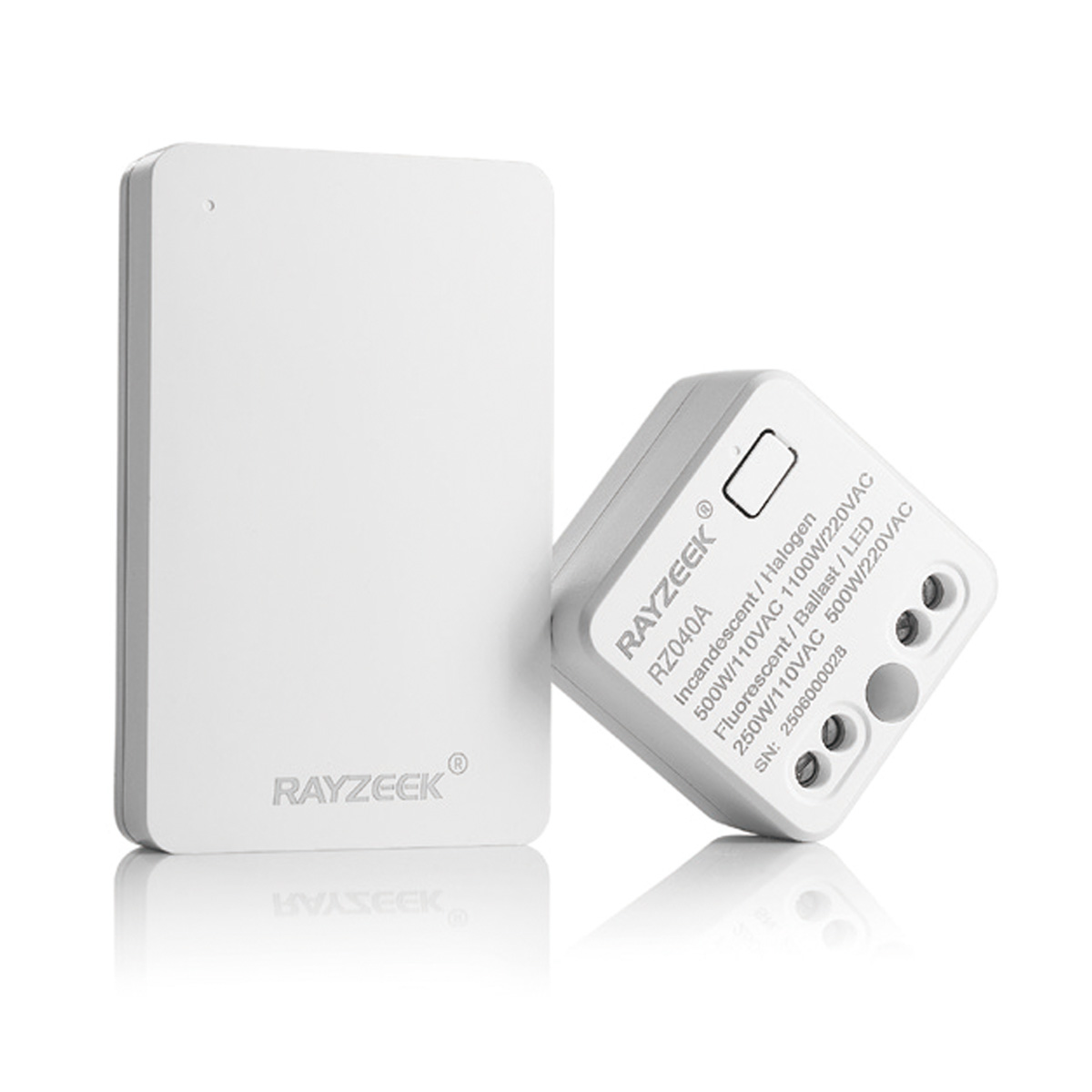
- Funk-Schalter- und Empfänger-Set zur Ein/Aus-Lichtsteuerung im Innenbereich
- 100-230VAC, 50/60Hz Empfänger mit 5A Nennstrom
- CR2032-betriebener Funkschalter mit 2,4GHz-Kommunikation
- Präsenzmodus (Auto-EIN/Auto-AUS)
- 12–24V DC (10–30VDC), bis zu 10A
- 360°-Erfassungsbereich, 8–12 m Durchmesser
- Ausschaltverzögerung 15 s–30 Min.
- Lichtsensor Aus/15/25/35 Lux
- Hohe/Niedrige Empfindlichkeit
- Auto-EIN/Auto-AUS Präsenzmodus
- 100–265V AC, 10A (Neutralleiter erforderlich)
- 360°-Erfassungsbereich; 8–12 m Erfassungsdurchmesser
- Ausschaltverzögerung 15 s–30 min; Lux AUS/15/25/35; Empfindlichkeit Hoch/Niedrig
- Auto-EIN/Auto-AUS Präsenzmodus
- 100–265V AC, 5A (Neutralleiter erforderlich)
- 360°-Erfassungsbereich; 8–12 m Erfassungsdurchmesser
- Ausschaltverzögerung 15 s–30 min; Lux AUS/15/25/35; Empfindlichkeit Hoch/Niedrig
In addition, increasing the luminosity on the room walls and ceiling can help minimize discomfort glare. This can be achieved by equipping luminaires with a certain amount of uplight, installing luminaires closer to the room’s walls, or separately lighting the walls. However, excessively bright walls in relation to the vision object can lead to adaptation problems. Therefore, the luminosity of room surfaces should be adjusted according to the visual conditions and limited in accordance with the provided instructions on luminance distribution and limitations.
Suchen Sie nach bewegungsgesteuerten Energiesparlösungen?
Kontaktieren Sie uns für komplette PIR-Bewegungssensoren, bewegungsgesteuerte Energiesparprodukte, Bewegungsmelderschalter sowie gewerbliche Präsenz-/Präsenzabwesenheitslösungen.
Häufig gestellte Fragen
How Do You Prevent Glare in Lighting Design
Avoid using shiny metals and metallic paints in lighting design. Additionally, ensure that television sets and computer monitors are positioned away from light sources that can cause reflected glare. To prevent glare, it is also recommended to incorporate multiple layers of light in the space, including ambient light, task lights, and a subtle touch of accent lighting, as long as the accents do not create direct glare.
Warum ist Blendung nachts so störend
Nächtliche Blendung ist ein Problem, da sie sowohl durch helle als auch durch schwache Lichter verursacht wird. Beim Versuch, etwas in Gegenwart eines hellen Lichts zu erkennen, kann dies dazu führen, dass die Augen zusammengekneift werden und tränen. Auf der anderen Seite kann eine schwache Beleuchtung das Sehvermögen beeinträchtigen, indem sie den Kontrast von Bildern verringert.
Welcher Glühlampentyp reduziert Blendung
Als energieeffizienteste verfügbare Option sind LED-Lampen und -Leuchten äußerst effektiv bei der Reduzierung von Blendung und der Verbesserung der visuellen Klarheit in einem Raum.
What Is the Difference Between Discomfort Glare and Disability Glare
Discomfort Glare is the term used to describe the feeling of discomfort caused by excessive brightness, such as when standing on a snow field under bright sunlight. On the other hand, Disability Glare refers to a situation where visibility of a specific object is reduced due to the presence of a light source in a different area.
Why Do I See Starbursts Around Lights
Starbursts around lights, which are characterized by concentric rays or fine filaments radiating from bright sources, can be attributed to refractive abnormalities in the eye. These starbursts are particularly noticeable during nighttime and can be associated with eye conditions like cataracts or corneal swelling, as well as potential complications arising from eye surgery.
Warum stört Blendung meine Augen?
Blendung kann Ihre Augen stören, da sie Unbehagen verursachen und Ihre Sicht beeinträchtigen kann. Bei Blendung streut das Licht im Inneren Ihres Auges, wodurch es schwierig wird, scharfe Bilder zu erkennen. Es ist wichtig zu beachten, dass das Abschirmen oder Unterdrücken von Blendung den Kontrastverlust tatsächlich verschlimmern kann, insbesondere in dunklen statt in hellen Umgebungen.
What Is Difference Between Light and Glare
Glare occurs when light is excessively bright, resulting in decreased visibility rather than improved visibility. Additionally, glare can occur due to specific vision issues that cause the light entering the eye to scatter instead of being properly focused.
Do LED Lights Cause Glare
LED lights have the potential to cause glare and hinder visibility. However, selecting the appropriate LED light can effectively minimize this issue and greatly enhance visibility.