
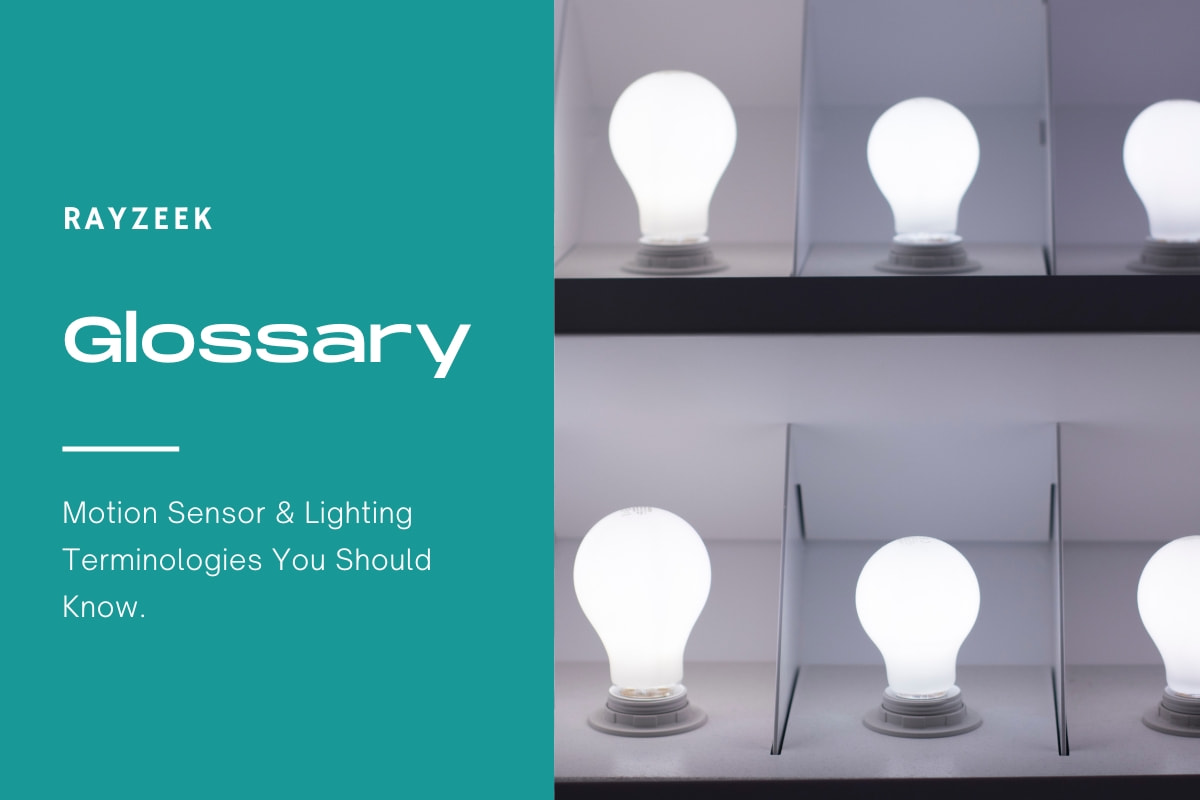
What is Discomfort Glare
Discomfort glare is the visual discomfort experienced when individuals are exposed to light sources or luminaires that have a higher luminance than their eyes can adapt to. This type of glare can cause immediate discomfort or become apparent over time. Several factors influence the degree of discomfort glare, including the luminance and size of the glare source, the background luminance against which the glare source is viewed, and the position of the glare source in relation to the line of sight.
To mitigate discomfort glare in lighting planning, you need to consider the relationship between a luminaire’s luminance and the background luminance. Open luminaires, especially those designed for compact and intensive light sources with high luminous flux, often contribute to discomfort glare. This can be caused by the light source itself or a mirror image in polished reflectors or working materials. To reduce discomfort glare, it is recommended to use matt reflectors and large-area luminaires.
Poderá Também Estar Interessado Em

- Tensão: 2 pilhas AAA
- Modo Dia/Noite
- Temporização: 15min, 30min, 1h(padrão), 2h

- Sensor de presença PIR para montagem no teto com saída de relé de contacto seco
- Alimentação de baixa tensão de 12/24VDC ou 12/24VAC
- Contactos de relé isolados COM, NO e NC para entradas de controlo de edifícios, HVAC e EMS

- Interruptor com sensor de movimento por micro-ondas encastrável no teto de baixa tensão DC
- Entrada de 12 VDC / 24 VDC com intervalo de 10-30 VDC
- Corrente máxima de trabalho de 10A com temporizador, limiar Lux e sensibilidade ajustáveis
- Interruptor com sensor de movimento de micro-ondas encastrável no teto para cargas mais elevadas
- Entrada de tensão de linha de 100-265 VAC, modelo de 10A
- Deteção por micro-ondas a 5,8 GHz com temporizador, limiar Lux e sensibilidade ajustáveis
- Interruptor com sensor de movimento de micro-ondas encastrável no teto
- Entrada de tensão de linha de 100-265 VAC, modelo de 5A
- Deteção por micro-ondas a 5,8 GHz com temporizador, limiar Lux e sensibilidade ajustáveis
- Dimmer com sensor de presença PIR RZ037 de montagem no teto para alimentação de 220V
- Corrente máxima de funcionamento de 3A com carga nominal de 660W
- O botão LUX controla o sensor de luz ON/OFF e o brilho de regulação definido pelo utilizador
- Dimmer com sensor de presença PIR RZ037 de montagem no teto para alimentação de 110V
- Corrente máxima de funcionamento de 3A com carga nominal de 330W
- O botão LUX controla o sensor de luz ON/OFF e o brilho de regulação definido pelo utilizador

- Interruptor com sensor de movimento por micro-ondas de montagem no teto em DC de baixa tensão
- Entrada de 12 VDC / 24 VDC com intervalo de 10-30 VDC
- Corrente máxima de trabalho de 10A com temporizador, limiar Lux e sensibilidade ajustáveis
- Interruptor de sensor de movimento por micro-ondas para montagem no teto para cargas mais elevadas
- Entrada de tensão de linha de 100-265 VAC, modelo de 10A
- Deteção por micro-ondas a 5,8 GHz com temporizador, limiar Lux e sensibilidade ajustáveis
- Interruptor de sensor de movimento por micro-ondas para montagem no teto
- Entrada de tensão de linha de 100-265 VAC, modelo de 5A
- Deteção por micro-ondas a 5,8 GHz com temporizador, limiar Lux e sensibilidade ajustáveis

- Interruptor de sensor de movimento PIR para montagem de embutir no teto em CC de baixa tensão
- Entrada de 12 VDC / 24 VDC com intervalo de 10-30 VDC
- Corrente máxima de trabalho de 10A com temporizador, limiar Lux e sensibilidade ajustáveis

- Interruptor de sensor de movimento PIR para montagem de embutir no teto para cargas mais elevadas
- Entrada de tensão de linha de 100-265 VAC, modelo de 10A
- Deteção de 360 graus com temporizador, limiar Lux e sensibilidade ajustáveis
- Interruptor de sensor de movimento PIR para montagem de embutir no teto
- Entrada de tensão de linha de 100-265 VAC, modelo de 5A
- Deteção de 360 graus com temporizador, limiar Lux e sensibilidade ajustáveis

- Kit de interruptor sem fios e recetor para controlo de iluminação interior ON/OFF
- Recetor de 100-230VAC, 50/60Hz com corrente nominal de 5A
- Interruptor sem fios alimentado a pilha CR2032 com comunicação a 2.4GHz
- Ocupação (Ligado automático/Desligado automático)
- 12–24V DC (10–30VDC), até 10A
- Cobertura de 360°, diâmetro de 8–12 m
- Temporização de 15 s–30 min
- Sensor de luz Desligado/15/25/35 Lux
- Sensibilidade Alta/Baixa
- Modo de presença Ligado Automático/Desligado Automático
- 100–265V AC, 10A (neutro necessário)
- Cobertura de 360°; diâmetro de deteção de 8–12 m
- Temporização de 15 s–30 min; Lux Desligado/15/25/35; Sensibilidade Alta/Baixa
- Modo de presença Ligado Automático/Desligado Automático
- 100–265V AC, 5A (neutro necessário)
- Cobertura de 360°; diâmetro de deteção de 8–12 m
- Temporização de 15 s–30 min; Lux Desligado/15/25/35; Sensibilidade Alta/Baixa
In addition, increasing the luminosity on the room walls and ceiling can help minimize discomfort glare. This can be achieved by equipping luminaires with a certain amount of uplight, installing luminaires closer to the room’s walls, or separately lighting the walls. However, excessively bright walls in relation to the vision object can lead to adaptation problems. Therefore, the luminosity of room surfaces should be adjusted according to the visual conditions and limited in accordance with the provided instructions on luminance distribution and limitations.
Procura Soluções de Poupança de Energia Ativadas por Movimento?
Contacte-nos para soluções completas de sensores de movimento PIR, produtos de poupança de energia ativados por movimento, interruptores com sensor de movimento e soluções comerciais de ocupação/vacância.
Perguntas frequentes
How Do You Prevent Glare in Lighting Design
Avoid using shiny metals and metallic paints in lighting design. Additionally, ensure that television sets and computer monitors are positioned away from light sources that can cause reflected glare. To prevent glare, it is also recommended to incorporate multiple layers of light in the space, including ambient light, task lights, and a subtle touch of accent lighting, as long as the accents do not create direct glare.
Why Is Glare So Bad at Night
Nighttime glare is a problem because it is caused by both bright and dim lights. When trying to see something in the presence of a bright light, it can cause the eyes to squint and become teary. On the other hand, dim lighting can impair vision by reducing the contrast of images.
Que Tipo de Lâmpada Reduz o Encandeamento
Sendo a opção energeticamente mais eficiente disponível, as lâmpadas e luminárias LED são altamente eficazes na redução do encandeamento e na melhoria da clareza visual num espaço.
What Is the Difference Between Discomfort Glare and Disability Glare
Discomfort Glare is the term used to describe the feeling of discomfort caused by excessive brightness, such as when standing on a snow field under bright sunlight. On the other hand, Disability Glare refers to a situation where visibility of a specific object is reduced due to the presence of a light source in a different area.
Why Do I See Starbursts Around Lights
Starbursts around lights, which are characterized by concentric rays or fine filaments radiating from bright sources, can be attributed to refractive abnormalities in the eye. These starbursts are particularly noticeable during nighttime and can be associated with eye conditions like cataracts or corneal swelling, as well as potential complications arising from eye surgery.
Porque é que o encadeamento incomoda os meus olhos
O encadeamento pode ser incomodativo para os seus olhos porque pode causar desconforto e afetar a sua visão. Quando existe encadeamento, a luz dispersa-se no interior do seu olho, dificultando a visualização de imagens nítidas. É importante notar que o encadeamento incapacitante pode, na realidade, agravar a perda de contraste, especialmente em ambientes de fraca luminosidade e não em ambientes muito iluminados.
What Is Difference Between Light and Glare
Glare occurs when light is excessively bright, resulting in decreased visibility rather than improved visibility. Additionally, glare can occur due to specific vision issues that cause the light entering the eye to scatter instead of being properly focused.
Do LED Lights Cause Glare
LED lights have the potential to cause glare and hinder visibility. However, selecting the appropriate LED light can effectively minimize this issue and greatly enhance visibility.







