
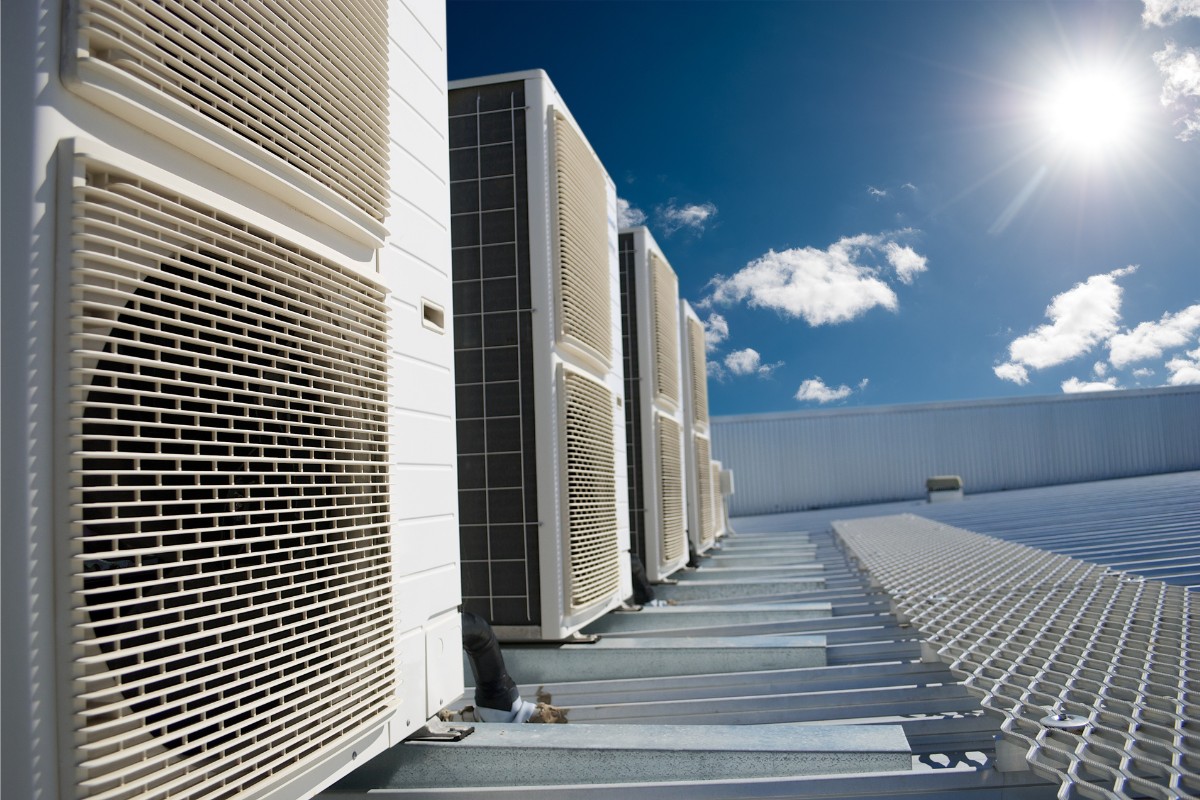
Japans Umgang mit Vorschriften für Klimaanlagen ist ein faszinierendes Fallbeispiel für die Abstimmung von Energieeffizienz, Umweltschutz und dem Komfort seiner Bürger. Angesichts seiner hohen Bevölkerungsdichte und des Engagements zur Reduzierung des CO2-Fußabdrucks hat Japan einige der weltweit strengsten Bestimmungen für Klimaanlagen eingeführt. Doch worin genau bestehen diese Vorschriften, und wie wirken sie sich auf Einwohner, Hersteller sowie die Umwelt aus? Nachfolgend werden die Einzelheiten des japanischen Ansatzes zur Kühlung näher beleuchtet.
Warum reguliert Japan Klimaanlagen so streng?
Die besonderen Rahmenbedingungen Japans liefern eine überzeugende Begründung für die strengen Vorschriften bei Klimaanlagen. In einem Land mit einer mehr als 13-mal höheren Bevölkerungsdichte als die Vereinigten Staaten, in dem die Sommer bekanntlich heiß und schwül sind, stellen Klimaanlagen nicht bloß einen Luxus dar, sondern eine Notwendigkeit. Dieser flächendeckende Einsatz geht jedoch mit einem erheblichen Energieverbrauch und entsprechenden Umweltauswirkungen einher.
Japans begrenzte heimische Energieressourcen erfordern einen starken Fokus auf Energieeinsparung. Insbesondere in den Spitzensommermonaten tragen Klimaanlagen erheblich zur Stromnachfrage bei. Durch die Regulierung ihrer Effizienz zielt Japan darauf ab, diese Belastung des Stromnetzes zu minimieren. Darüber hinaus bilden diese Bestimmungen einen Eckpfeiler der breiter angelegten japanischen Energiepolitik und stehen im Einklang mit internationalen Abkommen zur Erreichung ehrgeiziger Ziele bei Energieeffizienz und CO2-Reduzierung. Das Engagement des Landes für diese Ziele ist nicht nur Teil der nationalen Politik, sondern spiegelt auch seine Rolle in der globalen Umweltverantwortung wider.
Über den Energieverbrauch hinaus adressieren die Vorschriften auch Umweltbelange wie Treibhausgasemissionen und den Ozonabbau, die weitgehend mit den in Klimaanlagen verwendeten Kältemitteln zusammenhängen. Zudem stellt die Lärmbelastung durch Klimageräte in dicht besiedelten städtischen Gebieten ein wichtiges Thema dar, was zu spezifischen Lärmschutzbestimmungen geführt hat.
Der rechtliche Rahmen: Wichtige Gesetze zur Regelung von Klimaanlagen
Der Regulierungsansatz Japans basiert auf dem Fundament mehrerer wesentlicher Gesetze. Das Gesetz zur rationellen Energienutzung (Energieeinsparungsgesetz) bildet den Eckpfeiler und legt Energieeffizienzstandards für ein breites Spektrum von Haushaltsgeräten fest, einschließlich Klimaanlagen. Dieses Gesetz führte das wegweisende “Top Runner-Programm” ein, ein einzigartiges System, das später erläutert wird, und legt Mindestenergieeffizienzstandards (MEPS) fest.
Das könnte Sie auch interessieren

- Spannung: 2 AAA-Batterien
- Tag-/Nachtmodus
- Ausschaltverzögerung: 15min, 30min, 1h (Standard), 2h

- Deckenmontierter PIR-Präsenzmelder mit potenzielfreiem Relaisausgang
- 12/24VDC oder 12/24VAC Niederspannungsversorgung
- Isolierte Relaiskontakte (COM, NO und NC) für EMS-, HVAC- und Gebäudesteuerungs-Eingänge

- Niederspannungs-DC-Mikrowellen-Bewegungssensorschalter für den Deckeneinbau
- 12 VDC / 24 VDC Eingang mit 10–30 VDC Bereich
- 10A max. Arbeitsstrom mit einstellbarer Zeitverzögerung, Lux-Schwelle und Empfindlichkeit
- Decken-Mikrowellen-Bewegungssensorschalter für den Einbau für höhere Lasten
- 100–265 VAC Netzspannungseingang, 10A-Modell
- 5,8-GHz-Mikrowellenerfassung mit einstellbarer Zeitverzögerung, Lux-Schwelle und Empfindlichkeit
- Unterputz-Mikrowellen-Bewegungssensorschalter für die Deckenmontage
- 100–265 VAC Netzspannungseingang, 5A-Modell
- 5,8-GHz-Mikrowellenerfassung mit einstellbarer Zeitverzögerung, Lux-Schwelle und Empfindlichkeit
- PIR-Präsenzsensor-Dimmer RZ037 für Deckenmontage und 220V-Stromversorgung
- 3A maximaler Betriebsstrom mit 660W Nennlast
- LUX-Taste steuert Lichtsensor-EIN/AUS sowie benutzerdefinierte Dimmhelligkeit
- PIR-Präsenzsensor-Dimmer RZ037 für Deckenmontage und 110V-Stromversorgung
- 3A maximaler Betriebsstrom mit 330W Nennlast
- LUX-Taste steuert Lichtsensor-EIN/AUS sowie benutzerdefinierte Dimmhelligkeit

- Niederspannungs-DC-Mikrowellen-Bewegungssensorschalter für die Deckenmontage
- 12 VDC / 24 VDC Eingang mit 10–30 VDC Bereich
- 10A max. Arbeitsstrom mit einstellbarer Zeitverzögerung, Lux-Schwelle und Empfindlichkeit
- Decken-Mikrowellen-Bewegungssensorschalter für höhere Lasten
- 100–265 VAC Netzspannungseingang, 10A-Modell
- 5,8-GHz-Mikrowellenerfassung mit einstellbarer Zeitverzögerung, Lux-Schwelle und Empfindlichkeit
- Mikrowellen-Bewegungssensorschalter für die Deckenmontage
- 100–265 VAC Netzspannungseingang, 5A-Modell
- 5,8-GHz-Mikrowellenerfassung mit einstellbarer Zeitverzögerung, Lux-Schwelle und Empfindlichkeit

- Niederspannungs-DC-Unterputz-PIR-Bewegungssensorschalter für die Deckenmontage
- 12 VDC / 24 VDC Eingang mit 10–30 VDC Bereich
- Maximaler Betriebsstrom 10A mit einstellbarer Zeitverzögerung, Lux-Schwelle und Empfindlichkeit

- PIR-Bewegungssensorschalter für Deckeneinbau für höhere Lasten
- 100–265 VAC Netzspannungseingang, 10A-Modell
- 360-Grad-Erfassung mit einstellbarer Ausschaltverzögerung, Lux-Schwelle und Empfindlichkeit
- PIR-Bewegungssensorschalter für Deckeneinbau
- 100–265 VAC Netzspannungseingang, 5A-Modell
- 360-Grad-Erfassung mit einstellbarer Ausschaltverzögerung, Lux-Schwelle und Empfindlichkeit

- Funk-Schalter- und Empfänger-Set zur Ein/Aus-Lichtsteuerung im Innenbereich
- 100-230VAC, 50/60Hz Empfänger mit 5A Nennstrom
- CR2032-betriebener Funkschalter mit 2,4GHz-Kommunikation
- Präsenzmodus (Auto-EIN/Auto-AUS)
- 12–24V DC (10–30VDC), bis zu 10A
- 360°-Erfassungsbereich, 8–12 m Durchmesser
- Ausschaltverzögerung 15 s–30 Min.
- Lichtsensor Aus/15/25/35 Lux
- Hohe/Niedrige Empfindlichkeit
- Auto-EIN/Auto-AUS Präsenzmodus
- 100–265V AC, 10A (Neutralleiter erforderlich)
- 360°-Erfassungsbereich; 8–12 m Erfassungsdurchmesser
- Ausschaltverzögerung 15 s–30 min; Lux AUS/15/25/35; Empfindlichkeit Hoch/Niedrig
- Auto-EIN/Auto-AUS Präsenzmodus
- 100–265V AC, 5A (Neutralleiter erforderlich)
- 360°-Erfassungsbereich; 8–12 m Erfassungsdurchmesser
- Ausschaltverzögerung 15 s–30 min; Lux AUS/15/25/35; Empfindlichkeit Hoch/Niedrig
Ein weiteres wichtiges Gesetz ist das Gesetz zur Förderung der Beschaffung umweltfreundlicher Güter und Dienstleistungen durch den Staat und andere Einrichtungen (Gesetz über die umweltfreundliche Öffentliche Beschaffung). Diese Gesetzgebung hält Regierungsbehörden dazu an, energieeffiziente Produkte, einschließlich Klimaanlagen, zu beschaffen und schafft dadurch einen Markt für umweltfreundlichere Technologien.
Um den Umweltauswirkungen von Kältemitteln zu begegnen, regelt das Gesetz zur Sicherstellung der Durchführung der Rückgewinnung und Vernichtung von Fluorkohlenwasserstoffen bei bestimmten Produkten (Gesetz zur Rückgewinnung und Vernichtung von Fluorkohlenwasserstoffen) die Verwendung von Fluorkohlenwasserstoffen mit dem Ziel, den Ozonabbau und die globale Erwärmung zu verhindern.
Über diese spezifischen Gesetze hinaus legt das Lärmschutzgesetz Standards für zulässige Lärmpegel aus verschiedenen Quellen fest, einschließlich Klimaanlagen, um sicherzustellen, dass deren Betrieb die Ruhe nicht übermäßig stört. Schließlich regelt das Building Standards Act contains provisions related to the installation of air conditioners, ensuring they are integrated into buildings safely and efficiently.
What Types of Air Conditioners are Regulated?
The regulations apply to a wide range of air conditioning systems commonly used in Japan:
- Room air conditioners (RACs): These are the most prevalent type, found in most homes and small offices. They typically consist of a single indoor unit connected to an outdoor unit.
- Packaged air conditioners (PACs): These larger units are designed for commercial buildings and offer higher cooling capacities.
- Variable refrigerant flow (VRF) systems: These sophisticated systems allow for independent cooling of multiple rooms using a single outdoor unit, offering flexibility and energy efficiency.
It’s important to note that different regulations may apply depending on the type and capacity of the air conditioner.
Energy Efficiency Standards: Pushing the Boundaries of Innovation
Japan’s energy efficiency standards for air conditioners are renowned for being among the most stringent globally. These standards are not static; they are designed to evolve, pushing manufacturers to constantly innovate and improve the efficiency of their products.
The Top Runner Program: A Race to the Top
Have you ever wondered how a country can effectively drive innovation in energy efficiency? Japan’s answer is the Top Runner Program. Unlike traditional regulatory approaches that set a fixed standard, the Top Runner Program takes a dynamic approach. It sets the energy efficiency standard based on the most energy-efficient product currently available on the market.
This creates a continuous “race to the top,” where manufacturers are challenged to meet or exceed the current best-in-class efficiency within a specified timeframe. While this program has been lauded for driving significant improvements in air conditioner efficiency, it’s not without its critics. Some argue that it favors larger manufacturers with greater R&D resources, potentially creating challenges for smaller companies. The long-term effectiveness of the program in achieving sustained energy savings is also a subject of ongoing debate.
Understanding SEER, COP, and APF: Measuring Efficiency
To understand the specifics of these standards, we need to familiarize ourselves with a few key metrics:
- Seasonal Energy Efficiency Ratio (SEER): This metric measures the cooling efficiency of an air conditioner over an entire cooling season, providing a more realistic picture of performance under varying conditions.
- Coefficient of Performance (COP): This measures the ratio of cooling output to energy input at a specific operating condition, offering a snapshot of efficiency at a particular moment.
- Annual Performance Factor (APF): Japan uses APF as its primary metric for evaluating air conditioner energy efficiency. APF provides a comprehensive measure of overall energy efficiency over a year, considering both cooling and heating performance.
Japan’s regulations set minimum APF requirements that vary depending on the type and capacity of the air conditioner. For instance, as of 2023, split-type non-ducted air conditioners with a cooling capacity of up to 4.0 kW must have a minimum APF of 5.8. These standards are constantly evolving, driven by technological advancements. The rapid development of inverter technology, for example, has significantly improved air conditioner efficiency, requiring regular updates to the standards to keep pace with innovation.
Air Conditioner Labeling: Empowering Consumers
To help consumers navigate these standards, air conditioners sold in Japan must carry energy efficiency labels. These labels display the APF value and other relevant information, such as the star rating system. More stars indicate higher energy efficiency, making it easier for consumers to compare models and make informed purchasing decisions.
Refrigerant Regulations: Protecting the Ozone Layer and Combating Climate Change
Beyond energy efficiency, Japan places significant emphasis on regulating the types of refrigerants used in air conditioners. This is driven by a commitment to international agreements aimed at phasing out ozone-depleting substances and reducing greenhouse gas emissions.
Navigating the World of Refrigerants
The world of refrigerants is complex, with various types offering different environmental profiles. Here’s a look at the main categories:
- Hydrofluorocarbons (HFCs): These have been the most common refrigerants in recent years. However, many HFCs have a high global warming potential (GWP), meaning they trap significant heat in the atmosphere. One commonly used HFC, R-32 (difluoromethane), has a lower GWP than older refrigerants like R-410A and is increasingly adopted in new air conditioners in Japan.
- Hydrofluoroolefins (HFOs): These are newer refrigerants with a much lower GWP than HFCs. Japan is actively promoting the adoption of HFOs as a more environmentally friendly alternative. R-1234yf, for example, is an HFO gaining traction as a replacement for R-134a in automotive air conditioning and is finding its way into some stationary applications.
- Natural refrigerants: This category includes substances like carbon dioxide (CO2), ammonia (NH3), and hydrocarbons (e.g., propane). They boast very low or zero GWP but may present other challenges related to safety or performance.
Phasing Out High-GWP Refrigerants
Japan has a clear schedule for phasing out the use of high-GWP refrigerants, in accordance with the Kigali Amendment to the Montreal Protocol. This schedule sets specific targets for reducing the production and consumption of HFCs over time. For instance, Japan aims to reduce HFC consumption by 85% by 2036 compared to the baseline years (2011-2013). These regulations demonstrate Japan’s commitment to fulfilling its obligations under the Montreal Protocol and contributing to global efforts to combat climate change.
Responsible Refrigerant Handling
The Fluorocarbons Recovery and Destruction Law mandates the proper recovery and destruction of refrigerants from air conditioners at the end of their life. This is crucial to prevent the release of these harmful substances into the atmosphere. Only certified technicians are authorized to perform refrigerant recovery, ensuring it’s done safely and effectively. The law also regulates the handling and transportation of refrigerants to minimize leaks and emissions throughout their lifecycle.
Installation and Operational Considerations: Beyond the Unit Itself
Meeting energy efficiency and refrigerant standards is just one part of the equation. To be legally used in Japan, air conditioners must also comply with specific installation and operational requirements.
Size Restrictions: An Indirect Approach
While there isn’t a strict “size” limit on air conditioners in Japan, their cooling capacity is indirectly regulated through energy efficiency standards. Larger units naturally consume more energy, making it more challenging to meet the stringent APF requirements. Moreover, building codes and local ordinances may impose restrictions on the size and placement of outdoor units, particularly in densely populated areas where space is at a premium.
Noise Regulations: Keeping the Peace
The Noise Regulation Law sets maximum permissible noise levels for air conditioners, recognizing that excessive noise can be a significant nuisance, especially in residential areas. These limits vary depending on the time of day and the area’s designated noise zone. For example, in a residential area, an air conditioner should not exceed 45 dB(A) during the daytime and 40 dB(A) at night. Manufacturers employ various noise reduction technologies, such as inverter compressors and sound-dampening materials, to ensure their products comply with these regulations.
Installation Requirements: Ensuring Safety and Efficiency
Proper installation is paramount to ensure safe operation, optimal performance, and compliance with regulations. Air conditioners must be installed by qualified technicians who are familiar with Japanese regulations and standards. These requirements may include:
Suchen Sie nach bewegungsgesteuerten Energiesparlösungen?
Kontaktieren Sie uns für komplette PIR-Bewegungssensoren, bewegungsgesteuerte Energiesparprodukte, Bewegungsmelderschalter sowie gewerbliche Präsenz-/Präsenzabwesenheitslösungen.
- Ensuring proper spacing and ventilation for outdoor units to allow for efficient heat dissipation.
- Securely mounting units to prevent vibration and noise.
- Implementing proper electrical wiring and grounding to ensure safety.
- Using correct refrigerant piping and insulation to maintain efficiency.
Building codes may also have specific requirements for installations in multi-story buildings or near windows, further emphasizing the importance of professional installation.
Legal Aspects and Enforcement: Ensuring Compliance
Using a non-compliant air conditioner in Japan can result in penalties and enforcement actions. Let’s take a closer look at the legal framework.
Obtaining Permits: When Are They Required?
Permits may be required for the installation of large air conditioners, particularly in commercial buildings or for complex VRF systems. The permit application process typically involves submitting technical specifications, installation plans, and noise assessment reports to the local government. The specific requirements vary depending on the municipality and the type of building.
Penalties for Non-Compliance: From Warnings to Fines
Penalties for using a non-compliant air conditioner can range from warnings and fines to orders to remove the unit. The severity of the penalty depends on the nature of the violation and whether it’s a first-time offense. For instance, using an air conditioner that exceeds the noise limits may result in a fine of up to ¥50,000. Failure to comply with refrigerant recovery regulations can lead to more severe consequences, including fines of up to ¥500,000 and even imprisonment for up to one year.
Enforcement Mechanisms: Inspections and Complaints
Local governments are responsible for enforcing air conditioner regulations. Inspections may be conducted to verify compliance with energy efficiency standards, noise limits, and installation requirements. Complaints from neighbors about noise or other issues can also trigger inspections. At the national level, the Ministry of Economy, Trade and Industry (METI) and the Ministry of the Environment (MOE) oversee the implementation of the regulations. While comprehensive data on enforcement is not readily available, reports suggest that enforcement is generally strict, particularly in urban areas. The number of inspections and penalties issued varies by municipality.
Lassen Sie sich von den Rayzeek Bewegungssensor-Portfolios inspirieren.
Nicht das Richtige gefunden? Keine Sorge. Es gibt immer alternative Wege, Ihre Anforderungen zu erfüllen. Vielleicht kann eines unserer Portfolios helfen.
Alternatives to Large Air Conditioners: Exploring Other Options
Given the regulations and potential costs associated with large air conditioners, several alternatives are commonly used in Japan:
- Smaller, high-efficiency units: Using multiple smaller units instead of one large unit can provide similar cooling capacity while meeting energy efficiency standards.
- Inverter air conditioners: These units can adjust their cooling capacity based on the room temperature, resulting in energy savings and quieter operation.
- Central air conditioning systems: These are more common in newer buildings and can be more energy-efficient than individual units. However, they may not be feasible for retrofitting older buildings.
- Ceiling fans: These can help circulate air and create a cooling effect, reducing the need for air conditioning.
- Natural ventilation: Opening windows and using cross-ventilation can provide cooling during milder weather.
- Traditional methods: Using “sudare” (bamboo blinds) or “uchimizu” (sprinkling water on the ground) can help reduce indoor temperatures.
In addition to these options, innovative solutions like the RZ050 Air Conditioner Motion Sensor are emerging to enhance energy efficiency further. This smart device automatically turns off your air conditioner when a room is unoccupied, preventing energy waste from AC units left running unnecessarily. It’s a perfect complement to smaller, high-efficiency units and inverter air conditioners, maximizing their energy-saving potential. It’s particularly useful for the most common split-type wall-mounted air conditioners in Japanese homes and offices.
The RZ050 not only helps you save up to 50% on your energy bills but also contributes to a more sustainable lifestyle by reducing your carbon footprint. With its easy DIY installation, you can effortlessly enhance your existing AC system without the need for professional help, making it a cost-effective solution for both homeowners and businesses. Worried about the AC turning off while you sleep? The RZ050’s night mode ensures uninterrupted comfort during the night. This clever feature utilizes a light sensor to differentiate between day and night, guaranteeing the AC stays on when you need it most.
RZ050 Air Conditioner Motion Sensor
Maximize Your AC’s Energy Efficiency and Savings.
- Automatically turns off AC when the room is empty, saving up to 50% on energy bills.
- Compatible with most split AC units, including the common type in Japanese homes.
- Easy DIY installation: Wireless, battery-powered, and installs in minutes.
- Night mode: ensures the AC stays on for a comfortable sleep.
Cost of Air Conditioner Installation in Japan
The cost of installing an air conditioner in Japan can vary widely. Factors influencing the cost include the type and capacity of the unit, the complexity of the installation, and regional labor costs. On average, installing a standard split-type air conditioner can range from ¥30,000 to ¥100,000. Larger units or more complex installations, such as those requiring ductwork or specialized mounting, can cost significantly more. Additional costs may include the removal and disposal of old units, electrical work, and permit fees.
Most Common Types of Air Conditioners in Japan
Split-type wall-mounted air conditioners are the most prevalent type in Japanese homes and small offices. These units consist of an indoor unit mounted on a wall and an outdoor unit connected by refrigerant piping. They are popular due to their relatively low cost, ease of installation, and energy efficiency. Window-type air conditioners are less common but still used in some older buildings or smaller rooms. Floor-standing units are sometimes used in larger rooms or commercial spaces. Cassette-type units, which are installed in the ceiling, are also found in commercial settings and some modern homes.
Government Incentives: Encouraging Energy Efficiency
The Japanese government offers various incentives to promote the adoption of energy-efficient air conditioners. These can include subsidies, tax credits, and low-interest loans. For example, the “Energy-Saving Home Appliance Replacement Promotion Subsidy” program provides subsidies to households that replace old air conditioners with new, energy-efficient models. The specific incentives and eligibility criteria vary depending on the region and the program. Local governments may also offer their own incentive programs, further encouraging consumers to choose energy-efficient options.
Regulations for Renters vs. Homeowners: Navigating Responsibilities
Both renters and homeowners are subject to air conditioner regulations in Japan. However, the responsibility for ensuring compliance may differ. Homeowners are generally responsible for selecting and installing compliant air conditioners in their properties. Renters, on the other hand, typically need to obtain permission from their landlords before installing or replacing air conditioners. Landlords may have specific requirements or restrictions regarding the type and installation of air conditioners in their rental properties. Lease agreements may specify who is responsible for the maintenance and repair of air conditioners. In some cases, rental properties may come with pre-installed air conditioners, and the landlord is responsible for ensuring their compliance with regulations.
Research on Alternative Cooling Technologies: Looking to the Future
Japan is actively researching and developing alternative cooling technologies to reduce reliance on conventional air conditioning. This research is driven by the desire to further improve energy efficiency and reduce environmental impact. Some of the key areas of research include:
- Radiant cooling systems: These systems use chilled water circulated through panels or pipes to cool surfaces and absorb heat from the room.
- Desiccant cooling systems: These systems use materials that absorb moisture from the air to provide cooling.
- Absorption and adsorption chillers: These technologies use heat sources, such as solar energy or waste heat, to drive the cooling process.
- Ground source heat pumps: These systems utilize the stable temperature of the earth to provide both heating and cooling.
- Phase change materials: These materials can store and release large amounts of heat during melting and solidification, providing a way to regulate indoor temperatures.
Research institutions and companies in Japan are exploring these and other innovative cooling technologies, paving the way for a more sustainable future. The regulations have encouraged consumers to prioritize energy efficiency when purchasing air conditioners, leading to increased demand for inverter models and other advanced technologies.







