
A motion sensor is an exercise in trust. We install these small, unblinking eyes in the corners of our rooms and grant them the authority to distinguish the mundane from the menacing. They are meant to be silent sentinels, yet for any home with a pet, they often become a source of profound frustration, a digital boy who cries wolf every time the dog stretches in a sunbeam. This leads to a search for a technological fix, a device marketed with the reassuring label of “pet-immune.”
But the promise of pet immunity is more complicated than the packaging suggests. It raises a question that goes beyond simple technology, touching on the very nature of how we ask machines to interpret the chaotic, living spaces we inhabit. The choice is not merely between a standard sensor and a better one, but between different philosophies of seeing.
A Deliberate Blindness
The distinction between a standard motion sensor and its pet-immune counterpart has almost nothing to do with a leap in technological intelligence. At their core, both are Passive Infrared, or PIR, sensors. They are simple, passive observers, watching for the rapid temperature shifts caused by a warm body moving through a space. A standard sensor is an equal-opportunity detector; it sees the thermal signature of a six-pound cat with the same urgency as that of a 180-pound human. It reports a change, and that is all.
A pet-immune sensor achieves its status not through superior intellect, but through a carefully engineered ignorance. It is designed to be more discerning by filtering what it sees. This is not a single mechanism, but a conspiracy of two.
First is the geometry of its lens, the segmented plastic face that divides a room into invisible zones. The lens on a pet-immune model is shaped to create a blind spot near the floor, a sort of designated “pet alley” where an animal can move without tripping a beam. The second mechanism is a more skeptical processing logic. The sensor’s internal programming can be set to demand a larger thermal event, or to require that a heat source crosses multiple detection zones in quick succession before it deems the event worthy of an alarm. The advertised weight limit, “ignores pets up to 40 lbs,” is a convenient fiction. The sensor, in truth, weighs nothing. It is merely calibrated to ignore a thermal signature below a certain size and complexity, a threshold for which a forty-pound dog is a useful, if imprecise, proxy.
This deliberate filtering, however, introduces a subtle but critical trade-off. In making a sensor less prone to crying wolf, you also make it slightly less perceptive overall. It might be a fraction of a second slower to notice a genuine intruder, or it could, in theory, be defeated by one moving with unnatural slowness. For most, this is a worthy compromise. A security system disabled out of sheer annoyance at false alarms offers no protection at all. A reliable system, even a slightly less sensitive one, is infinitely more valuable.
When Geometry Fails
The effectiveness of this engineered blindness depends entirely on a pet’s willingness to respect its boundaries. For a dog that spends its life on the floor, the system works beautifully. Even a large dog, one that technically exceeds the marketing weight limit, remains within the sensor’s lower blind spot, its movements rendered invisible.
The entire concept collapses, however, with the introduction of a cat.
您可能也感興趣

- 吸頂式 PIR 佔位感應器,帶乾接點繼電器輸出
- 12/24VDC 或 12/24VAC 低電壓供電
- 用於 EMS、HVAC 和建築控制輸入的 COM、NO 和 NC 隔離繼電器接點

- 低電壓直流嵌入式吸頂微波移動感應器開關
- 12 VDC / 24 VDC 輸入,範圍為 10-30 VDC
- 10A 最大工作電流,具備可調延時、光控閾值(Lux)和靈敏度
- 高負載嵌入式吸頂微波移動感應器開關
- 100-265 VAC 線電壓輸入,10A 機型
- 5.8 GHz 微波感應,具備可調延時、光控閾值(Lux)和靈敏度
- 嵌入式吸頂微波移動感應器開關
- 100-265 VAC 線電壓輸入,5A 機型
- 5.8 GHz 微波感應,具備可調延時、光控閾值(Lux)和靈敏度
- 適用於 220V 電源的吸頂式 RZ037 PIR 佔位感應調光器
- 3A 最大工作電流,額定負載為 660W
- LUX 按鈕控制光感開/關和用戶設定的調光亮度
- 適用於 110V 電源的吸頂式 RZ037 PIR 佔位感應調光器
- 3A 最大工作電流,額定負載為 330W
- LUX 按鈕控制光感開/關和用戶設定的調光亮度

- 低壓直流吸頂式微波感應開關
- 12 VDC / 24 VDC 輸入,範圍為 10-30 VDC
- 10A 最大工作電流,具備可調延時、光控閾值(Lux)和靈敏度
- 高負載吸頂式微波感應開關
- 100-265 VAC 線電壓輸入,10A 機型
- 5.8 GHz 微波感應,具備可調延時、光控閾值(Lux)和靈敏度
- 吸頂式微波感應開關
- 100-265 VAC 線電壓輸入,5A 機型
- 5.8 GHz 微波感應,具備可調延時、光控閾值(Lux)和靈敏度

- 低壓直流嵌入式吸頂 PIR 紅外線感應開關
- 12 VDC / 24 VDC 輸入,範圍為 10-30 VDC
- 最大工作電流 10A,具備可調延時、光控閾值(Lux)及靈敏度

- 高負載嵌入式吸頂 PIR 紅外線感應開關
- 100-265 VAC 線電壓輸入,10A 機型
- 360度偵測,具備可調延時、光控閾值(Lux)及靈敏度
- 嵌入式吸頂 PIR 紅外線感應開關
- 100-265 VAC 線電壓輸入,5A 機型
- 360度偵測,具備可調延時、光控閾值(Lux)及靈敏度

- 用於室內開關燈控制的無線開關與接收器套裝
- 100-230VAC, 50/60Hz 接收器,額定電流 5A
- 採用 CR2032 電池供電的無線開關,支援 2.4GHz 通訊
- 佔位偵測 (自動開啟/自動關閉)
- 12–24V DC (10–30VDC),最高 10A
- 360° 全方位覆蓋,直徑 8–12 米
- 延時 15 秒–30 分鐘
- 光敏傳感器 關閉/15/25/35 Lux
- 高/低靈敏度
- 自動開啟/自動關閉佔位模式
- 100–265V AC, 10A (需接零線)
- 360° 全方位覆蓋;偵測直徑 8–12 米
- 延時 15 秒–30 分鐘;光控 關閉/15/25/35;靈敏度 高/低
- 自動開啟/自動關閉佔位模式
- 100–265V AC, 5A (需要零線)
- 360° 全方位覆蓋;偵測直徑 8–12 米
- 延時 15 秒–30 分鐘;光控 關閉/15/25/35;靈敏度 高/低
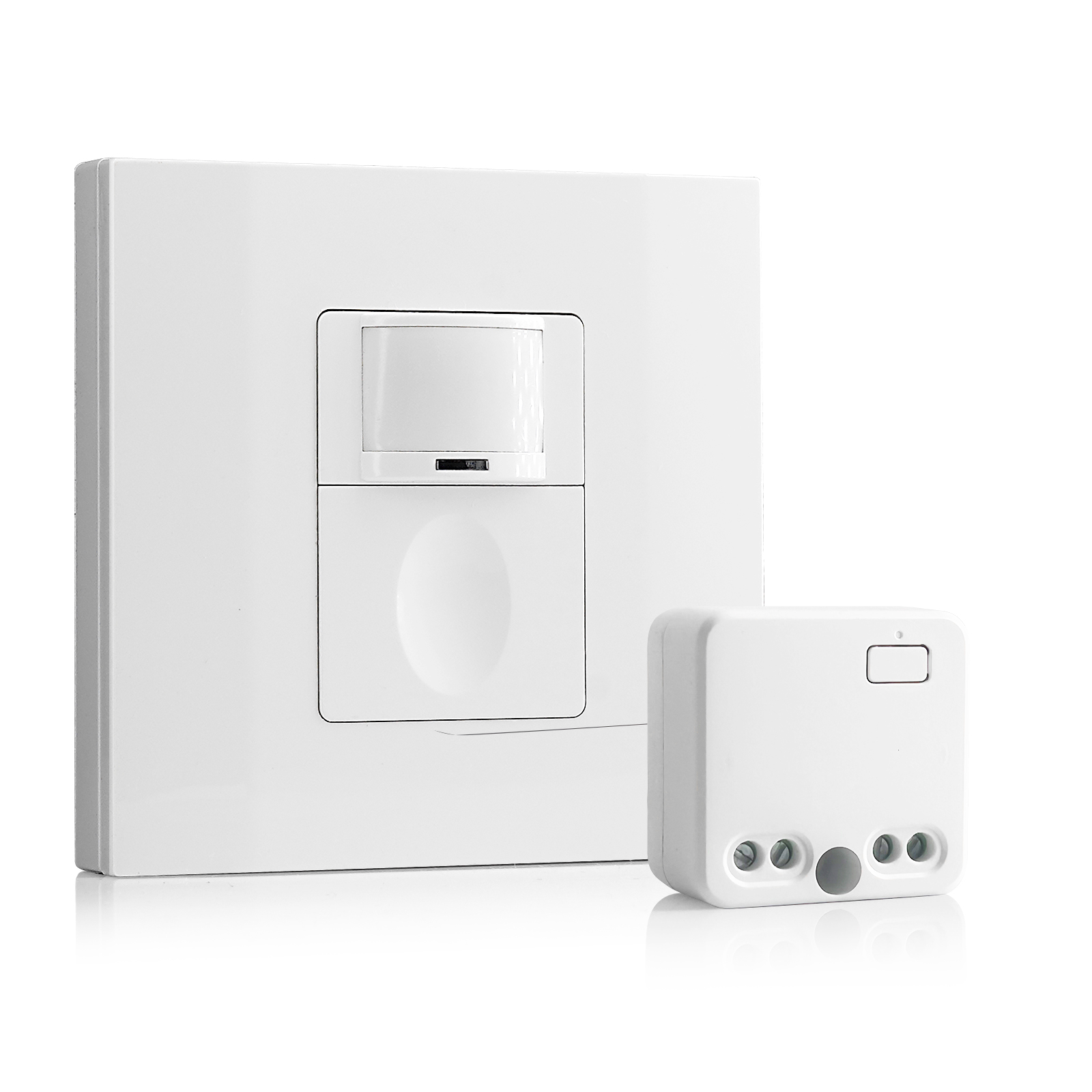
- 100V-230VAC
- 傳輸距離:高達 20m
- 無線動態感應器
- 有線控制
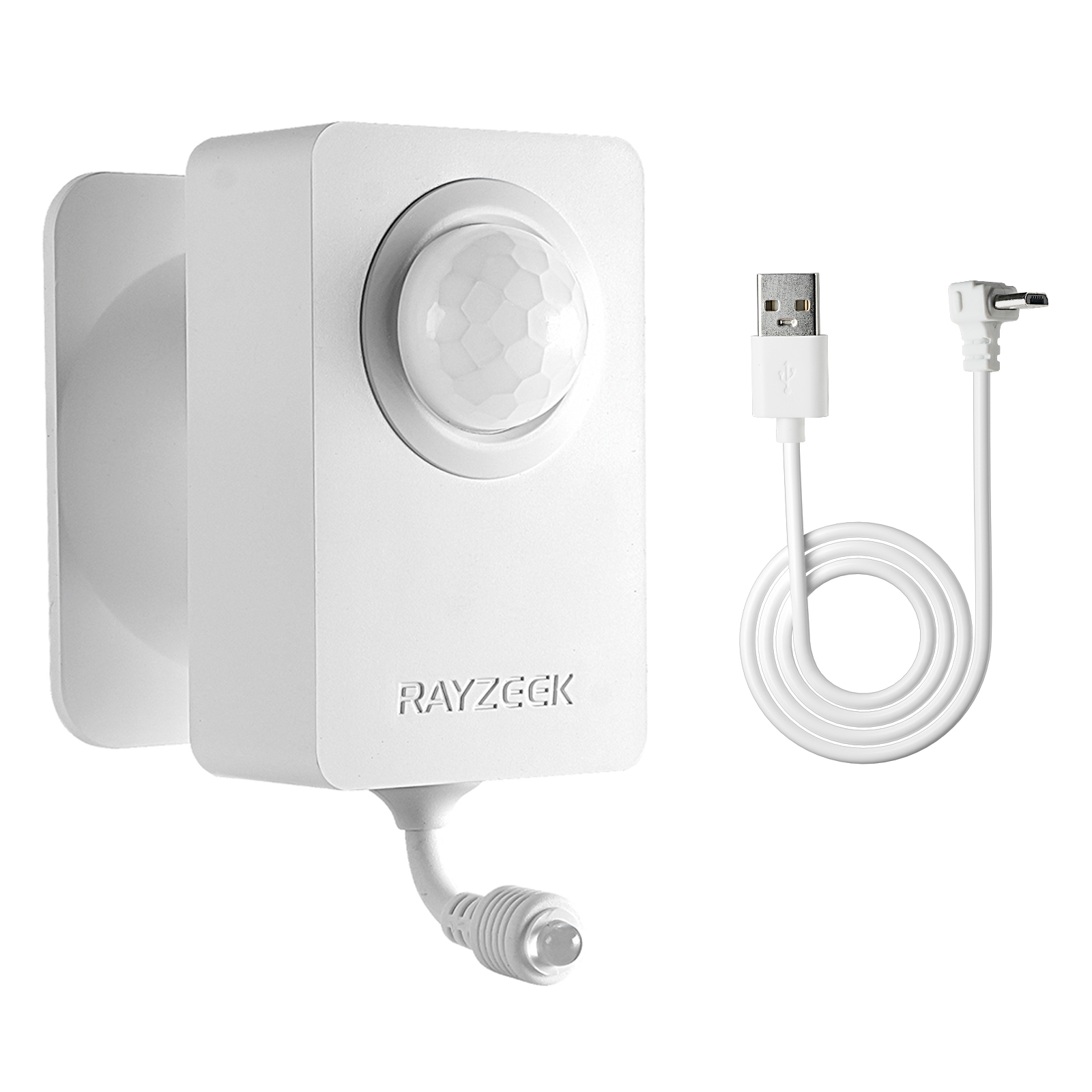
- 電壓:2x AAA 電池 / 5V DC (Micro USB)
- 晝夜模式
- 延時:15分鐘、30分鐘、1小時(預設)、2小時
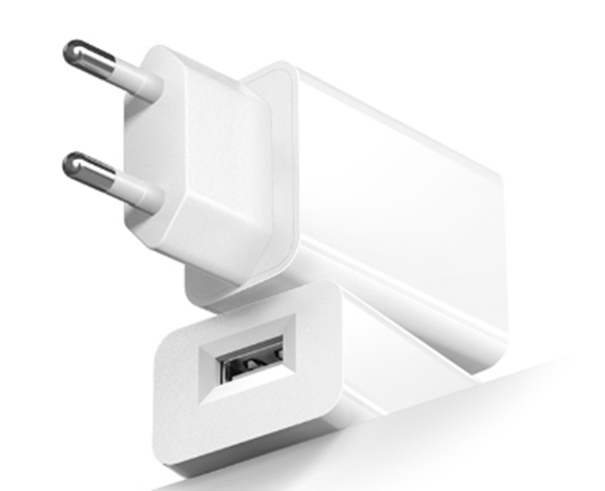
- 歐規插頭電源適配器
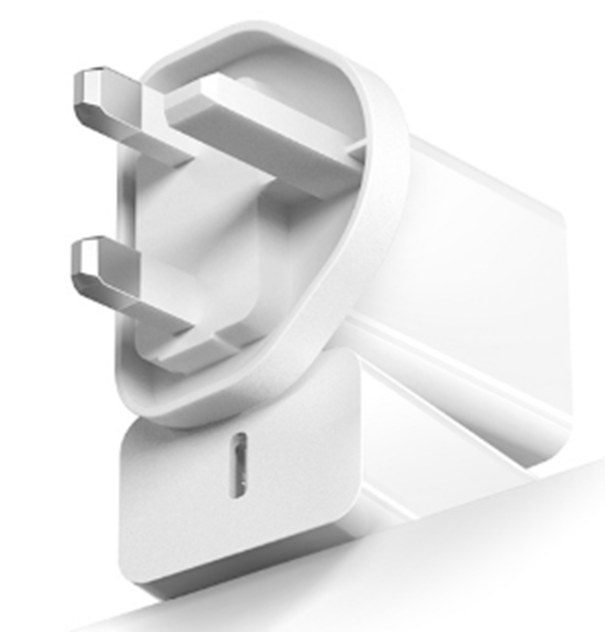
- 英規插頭電源適配器
A cat treats a room not as a floor plan but as a three-dimensional landscape of opportunity. The back of the sofa, a bookshelf, the top of the kitchen cabinets—these are not just furniture, but vantage points. The moment a cat leaps from the floor, it exits the carefully constructed “pet alley” and enters the upper detection zones where the sensor is fully active. To the unblinking eye in the corner, the cat’s small, warm body is now indistinguishable from any other intruder. The same failure occurs when multiple small pets play together, their combined heat signatures merging into a single, larger event that crosses the sensor’s trigger threshold. This is how homeowners find themselves chasing phantom alarms, unable to reconcile the sensor’s alerts with an empty room.
從 Rayzeek 動態感應器系列產品中尋找靈感。
找不到您想要的產品?別擔心。總有其他方法可以解決您的問題。也許我們的系列產品可以幫到您。
The problem, then, is not a faulty sensor but a flawed premise. The technology assumes a world of two-dimensional movement that simply does not exist in many modern homes. When faced with this reality, particularly in a home ruled by a climbing cat, the solution is not a better filter. It is a different kind of sensor altogether.
Requiring a Second Opinion
For these more challenging environments, the most robust solution is a device that operates on a principle of verification: the dual-technology sensor. These units house two distinct technologies, a standard PIR sensor and a Microwave (MW) sensor, and require both to agree that something is amiss before sounding an alarm.
The PIR component functions as it always does, watching for a moving heat signature. The Microwave component, meanwhile, actively fills the room with a field of high-frequency radio waves and looks for disturbances caused by a moving object, much like a radar system. This dual-verification model is exceptionally good at dismissing the false positives that plague simpler systems. A sunbeam warming the floor will trip the PIR, but since nothing is physically moving, the microwave sensor remains silent. A cat climbing a bookshelf has the body heat to trigger the PIR, but its small mass is often insufficient to create a significant disturbance in the microwave field.
An alarm sounds only when the two senses concur, when the device detects both a signature of heat and a signature of mass in motion. This leap in reliability comes with a corresponding leap in cost, often two or three times that of a standard PIR sensor. But it represents a fundamental shift from trying to make a single sense less sensitive to demanding corroboration from a second, entirely different one.
The Invisible Currents of a Room
Even the most sophisticated sensor can be defeated by its environment. The final layer of reliability comes from understanding that a room is not an empty, static box. It is a space filled with invisible forces that can fool a machine designed to detect thermal change.
Poor placement is the most common culprit. Aiming a sensor at a staircase, for instance, provides a pet with a perfect ramp out of the lower immune zone and into the upper field of view. Likewise, installing a unit with a clear line of sight to a cat tree or a favorite sofa is an invitation for failure.
Beyond the physical layout, a room has its own thermal weather. A blast of hot air from an HVAC vent, a plume of cold air from an air conditioner, or a shaft of sunlight moving across the floor can all create the kind of rapid temperature shifts a PIR sensor is built to detect. The sensor, lacking context, interprets this environmental noise as an intruder. In very hot climates, where the ambient room temperature can approach that of the human body, the sensor’s ability to distinguish a person from the background diminishes, reducing its effective range.
正在尋找動態感應節能解決方案?
歡迎聯絡我們以獲取完整的 PIR 動態感應器、動態感應節能產品、動態感應器開關以及有人/無人商用解決方案。
For these situations, many professional-grade sensors offer a final, manual override: a set of internal jumpers that control the “pulse count.” Setting this to a higher number forces the sensor to be more patient, requiring it to see movement across several detection zones before it will act. It is the last line of defense, a human hand reaching into the machine to dial back its paranoia and attune it to the unique, and often unpredictable, rhythm of the home it guards.







