

Motion sensor technology has advanced so much that today you can program your home alarm in a way that your pets won’t activate it, but intruders will. Installing a motion sensor is an excellent way to protect your property and your loved ones.
However, like any system, it has its flaws. In this article, we will explore the pros and cons of motion sensors in detail. After reading this, you’ll be able to decide if this technology is what your home needs, or if you should consider a different system.
Advantages of Motion Sensors
No Need for Contact
The motion sensor alarms come in various shapes and sizes, but the principle behind all these systems is essentially the same: they detect movement in their vicinity. This is a significant advantage when you compare them to other types of alarms, such as hardwired systems, which require the intruder to make physical contact to get activated. But how can you be sure that the burglar will choose to go through the window? What if you are missing a spot? Motion sensors are widely implemented in home security because they can detect virtually any movement, ensuring a broader coverage.
Cost-Effectiveness
Motion sensor technology is more affordable than you might think. Plus, it is relatively simple to install. In any case, going out or going to sleep knowing for certain that your home is safe is priceless. The cost-effectiveness of motion sensors makes them an attractive option for many homeowners looking to enhance their security without breaking the bank.
Disadvantages of Motion Sensors
Dead Zones
Sometimes metallic surfaces can interfere with the detector, as metal is one of the few materials it can’t penetrate. However, there is a solution! If you opt for a microwave motion sensor, consider pairing it with an infrared sensor, which is sensitive to lateral movement. This combination can significantly reduce dead zones, leaving burglars with nowhere to hide.
您可能也感興趣

- 吸頂式 PIR 佔位感應器,帶乾接點繼電器輸出
- 12/24VDC 或 12/24VAC 低電壓供電
- 用於 EMS、HVAC 和建築控制輸入的 COM、NO 和 NC 隔離繼電器接點

- 低電壓直流嵌入式吸頂微波移動感應器開關
- 12 VDC / 24 VDC 輸入,範圍為 10-30 VDC
- 10A 最大工作電流,具備可調延時、光控閾值(Lux)和靈敏度
- 高負載嵌入式吸頂微波移動感應器開關
- 100-265 VAC 線電壓輸入,10A 機型
- 5.8 GHz 微波感應,具備可調延時、光控閾值(Lux)和靈敏度
- 嵌入式吸頂微波移動感應器開關
- 100-265 VAC 線電壓輸入,5A 機型
- 5.8 GHz 微波感應,具備可調延時、光控閾值(Lux)和靈敏度
- 適用於 220V 電源的吸頂式 RZ037 PIR 佔位感應調光器
- 3A 最大工作電流,額定負載為 660W
- LUX 按鈕控制光感開/關和用戶設定的調光亮度
- 適用於 110V 電源的吸頂式 RZ037 PIR 佔位感應調光器
- 3A 最大工作電流,額定負載為 330W
- LUX 按鈕控制光感開/關和用戶設定的調光亮度

- 低壓直流吸頂式微波感應開關
- 12 VDC / 24 VDC 輸入,範圍為 10-30 VDC
- 10A 最大工作電流,具備可調延時、光控閾值(Lux)和靈敏度
- 高負載吸頂式微波感應開關
- 100-265 VAC 線電壓輸入,10A 機型
- 5.8 GHz 微波感應,具備可調延時、光控閾值(Lux)和靈敏度
- 吸頂式微波感應開關
- 100-265 VAC 線電壓輸入,5A 機型
- 5.8 GHz 微波感應,具備可調延時、光控閾值(Lux)和靈敏度

- 低壓直流嵌入式吸頂 PIR 紅外線感應開關
- 12 VDC / 24 VDC 輸入,範圍為 10-30 VDC
- 最大工作電流 10A,具備可調延時、光控閾值(Lux)及靈敏度

- 高負載嵌入式吸頂 PIR 紅外線感應開關
- 100-265 VAC 線電壓輸入,10A 機型
- 360度偵測,具備可調延時、光控閾值(Lux)及靈敏度
- 嵌入式吸頂 PIR 紅外線感應開關
- 100-265 VAC 線電壓輸入,5A 機型
- 360度偵測,具備可調延時、光控閾值(Lux)及靈敏度

- 用於室內開關燈控制的無線開關與接收器套裝
- 100-230VAC, 50/60Hz 接收器,額定電流 5A
- 採用 CR2032 電池供電的無線開關,支援 2.4GHz 通訊
- 佔位偵測 (自動開啟/自動關閉)
- 12–24V DC (10–30VDC),最高 10A
- 360° 全方位覆蓋,直徑 8–12 米
- 延時 15 秒–30 分鐘
- 光敏傳感器 關閉/15/25/35 Lux
- 高/低靈敏度
- 自動開啟/自動關閉佔位模式
- 100–265V AC, 10A (需接零線)
- 360° 全方位覆蓋;偵測直徑 8–12 米
- 延時 15 秒–30 分鐘;光控 關閉/15/25/35;靈敏度 高/低
- 自動開啟/自動關閉佔位模式
- 100–265V AC, 5A (需要零線)
- 360° 全方位覆蓋;偵測直徑 8–12 米
- 延時 15 秒–30 分鐘;光控 關閉/15/25/35;靈敏度 高/低
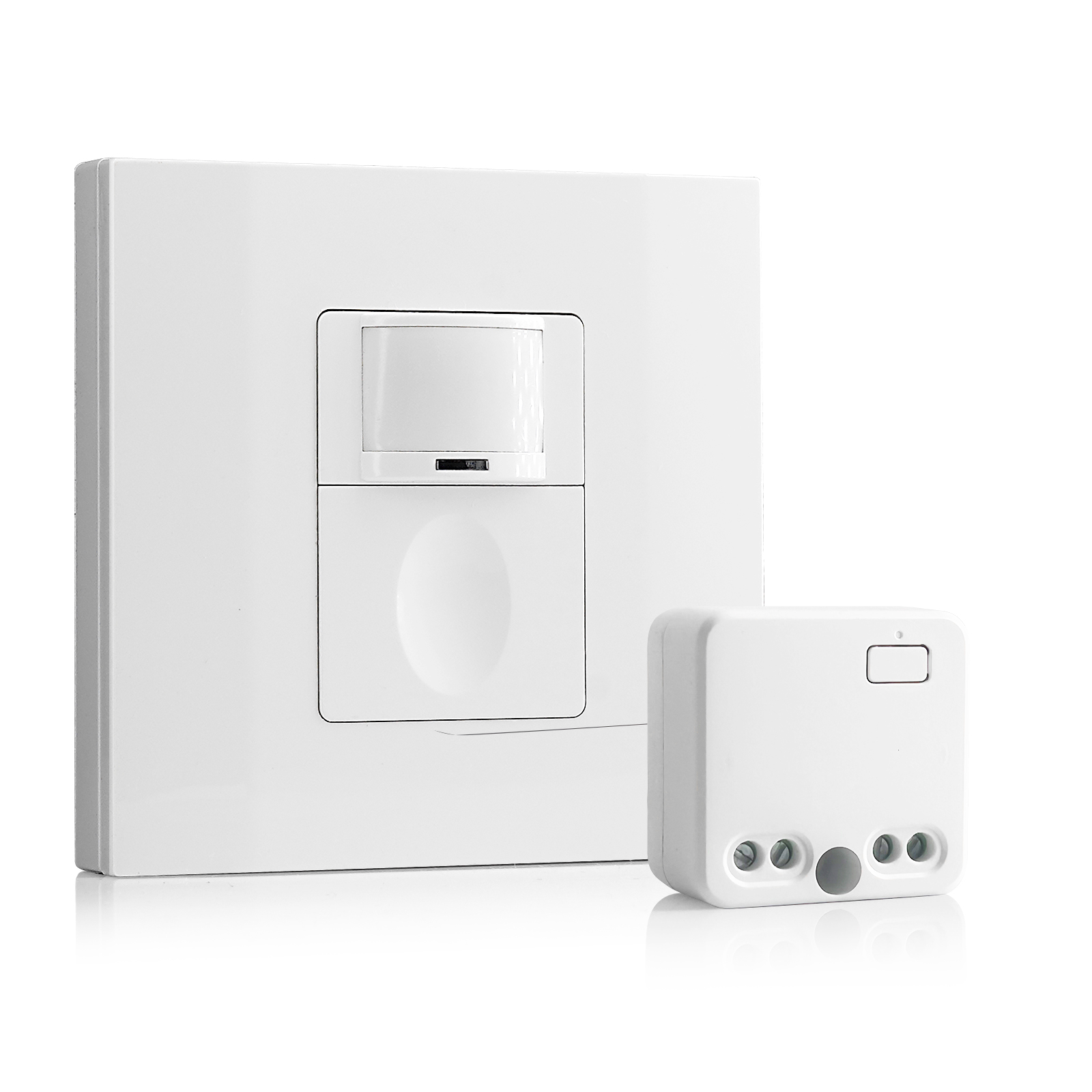
- 100V-230VAC
- 傳輸距離:高達 20m
- 無線動態感應器
- 有線控制
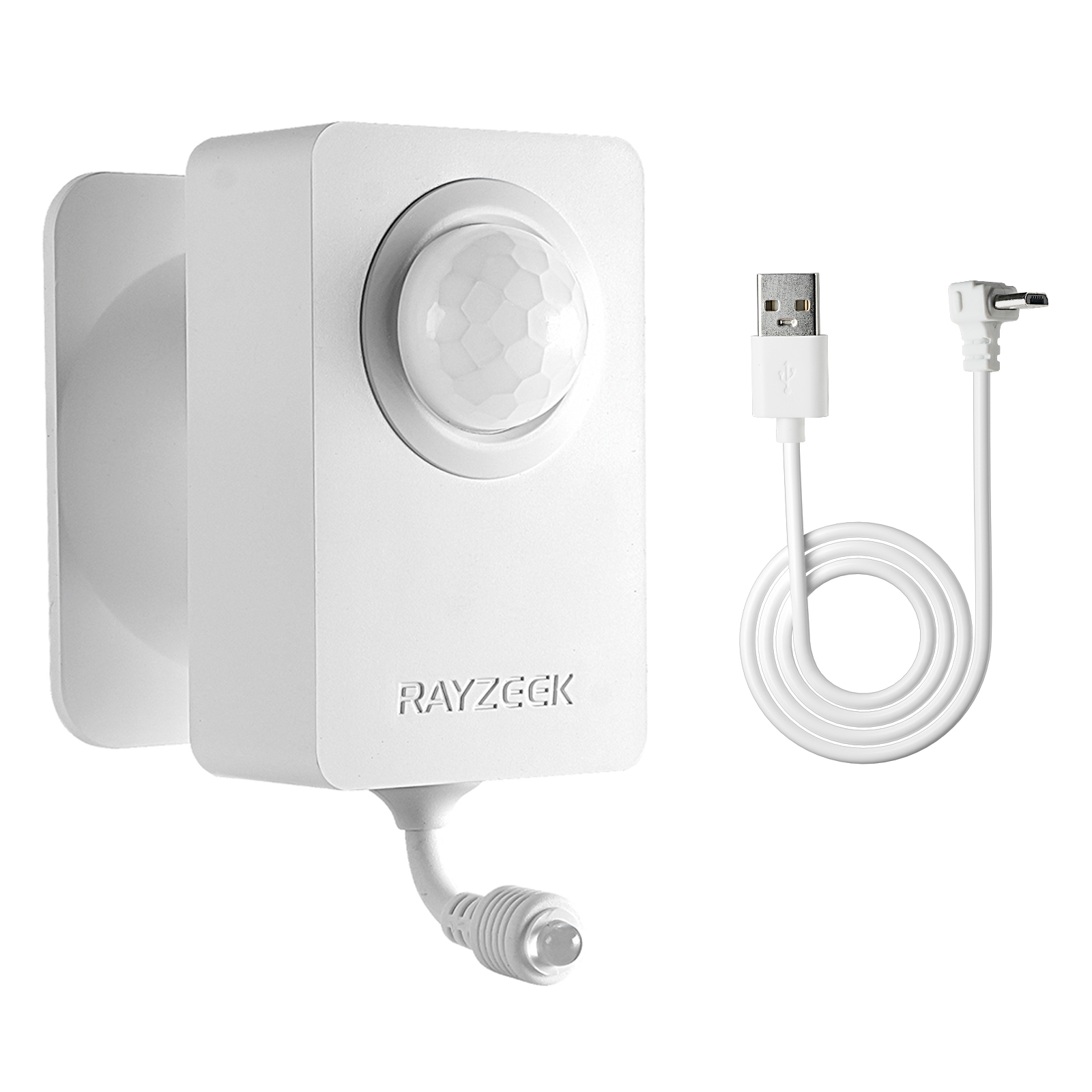
- 電壓:2x AAA 電池 / 5V DC (Micro USB)
- 晝夜模式
- 延時:15分鐘、30分鐘、1小時(預設)、2小時
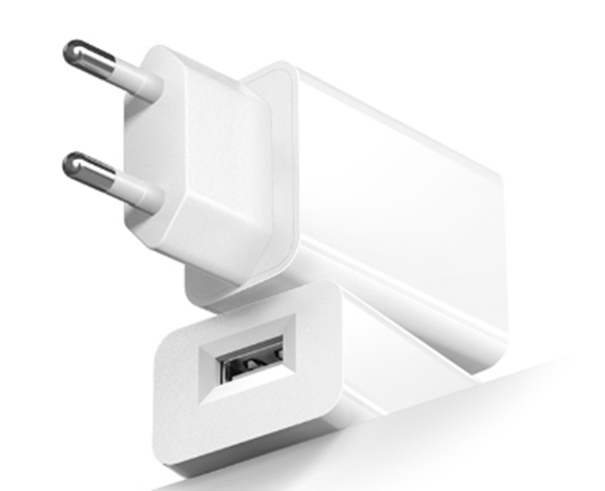
- 歐規插頭電源適配器
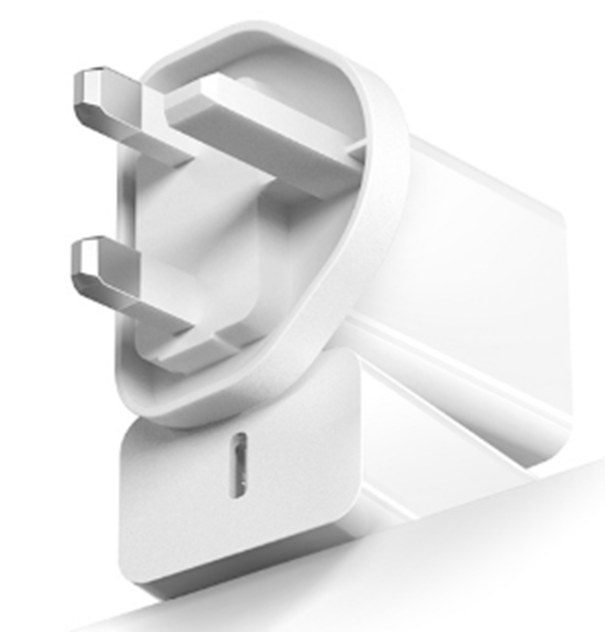
- 英規插頭電源適配器
Unwanted Activations
A highly sensitive detector can be triggered by minor disturbances such as a gust of wind outside, or even fluorescent lights, which emit certain particles that can interfere with the motion sensor. Additionally, if you forget to confine your pet, it can lead to false alarms, which can be quite disturbing! To mitigate these issues, it’s advisable to adjust the sensitivity settings of your motion sensor or choose models specifically designed to filter out everyday movements.
Comparison with Other Security Systems
Motion sensors offer distinct advantages over other security systems like CCTV cameras, door/window sensors, or glass break detectors. Unlike CCTV systems, which require constant monitoring or recording, motion sensors provide immediate alerts and require less maintenance. They are also less invasive compared to installing multiple sensors on windows or doors throughout your home. Discussing how motion sensors can integrate with smart home systems reveals their capability to work in conjunction with other technologies, providing a comprehensive security solution that can be managed remotely.
正在尋找動態感應節能解決方案?
歡迎聯絡我們以獲取完整的 PIR 動態感應器、動態感應節能產品、動態感應器開關以及有人/無人商用解決方案。
Installation and Maintenance
Installing motion sensors is generally straightforward, and many homeowners can undertake this task themselves. The average cost for motion sensors is quite reasonable, and they do not typically require frequent maintenance. However, homeowners might need to perform regular checks to ensure they are functioning correctly and to replace batteries as needed. Troubleshooting common issues like false alarms or sensor malfunctions can often be resolved by referring to the user manual or consulting with a professional.
Legal and Privacy Considerations
When implementing motion sensors, homeowners might have to consider the legal implications, especially regarding privacy. In some jurisdictions, there may be regulations governing the use of surveillance equipment, including motion sensors that record video or audio. It’s important to ensure that your home security system complies with local laws to avoid any legal issues. Additionally, ethical concerns such as surveillance or data collection should be addressed by choosing products from manufacturers who prioritize user privacy and data security.
If after reading this you are still uncertain whether you should install motion lights, cameras or alarms as part of your home security system, the best thing you can do is ask the experts. They will be able to tell which kind of motion sensor, or any other system, is the most suitable for your home security needs.







