
What is Correlated Color Temperature (CCT)
Correlated Color Temperature (CCT) is a term used to describe the color appearance of light emitted by a light source. It is measured in degrees Kelvin (K) and provides a quantitative measure of the perceived “warmth” or “coolness” of the light. The CCT value is determined by comparing the color of the light source to the color emitted by a theoretical blackbody radiator at a specific temperature.
Надихайтеся лінійками датчиків руху Rayzeek.
Не знайшли те, що шукали? Не хвилюйтеся. Завжди є альтернативні способи вирішення ваших завдань. Можливо, одна з наших лінійок зможе допомогти.
When selecting lighting, CCT is critical as it can greatly influence the ambiance and mood of a space. Higher CCT values indicate cooler or more blueish hues, while lower CCT values indicate warmer or more yellowish hues. For example, a higher CCT value may be preferred for task lighting or in areas where a cool and bright atmosphere is desired, such as offices or hospitals. Conversely, a lower CCT value may be more suitable for creating a warm and cozy atmosphere, such as in residential or hospitality settings.
CCT value does not directly reflect the actual spectral composition of the light emitted by non-blackbody sources. However, it serves as a useful reference for the perceived color of the light. LED lights offer flexibility in adjusting the CCT to meet specific requirements, allowing for customization of the desired light color.
Можливо, вас зацікавить

- Стельовий PIR-датчик присутністі з виходом сухого контакту реле
- Низьковольтне живлення 12/24VDC або 12/24VAC
- Ізольовані контакти реле COM, NO та NC для входів керування EMS, HVAC та будівлею

- Низьковольтний врізний стельовий мікрохвильовий вимикач із датчиком руху постійного струму
- Вхід 12 VDC / 24 VDC з діапазоном 10-30 VDC
- Максимальний робочий струм 10А з регульованою затримкою часу, порогом Lux та чутливістю
- Врізний стельовий мікрохвильовий вимикач із датчиком руху для вищого навантаження
- Лінійна вхідна напруга 100-265 VAC, модель на 10А
- Мікрохвильове виявлення 5.8 GHz з регульованою затримкою часу, порогом Lux та чутливістю
- Врізний стельовий мікрохвильовий вимикач із датчиком руху
- Лінійна вхідна напруга 100-265 VAC, модель на 5А
- Мікрохвильове виявлення 5.8 GHz з регульованою затримкою часу, порогом Lux та чутливістю
- Стельовий PIR-димер із датчиком присутності RZ037 для живлення 220V
- Максимальний робочий струм 3А з номінальним навантаженням 660W
- Кнопка LUX керує увімкненням/вимкненням датчика світла та встановленою користувачем яскравістю димування
- Стельовий PIR-димер із датчиком присутності RZ037 для живлення 110V
- Максимальний робочий струм 3А з номінальним навантаженням 330W
- Кнопка LUX керує увімкненням/вимкненням датчика світла та встановленою користувачем яскравістю димування

- Низьковольтний стельовий мікрохвильовий вимикач із датчиком руху постійного струму
- Вхід 12 VDC / 24 VDC з діапазоном 10-30 VDC
- Максимальний робочий струм 10А з регульованою затримкою часу, порогом Lux та чутливістю
- Стельовий мікрохвильовий вимикач із датчиком руху для вищого навантаження
- Лінійна вхідна напруга 100-265 VAC, модель на 10А
- Мікрохвильове виявлення 5.8 GHz з регульованою затримкою часу, порогом Lux та чутливістю
- Стельовий мікрохвильовий вимикач із датчиком руху
- Лінійна вхідна напруга 100-265 VAC, модель на 5А
- Мікрохвильове виявлення 5.8 GHz з регульованою затримкою часу, порогом Lux та чутливістю

- Низьковольтний врізний стельовий PIR-вимикач із датчиком руху постійного струму
- Вхід 12 VDC / 24 VDC з діапазоном 10-30 VDC
- Максимальний робочий струм 10А з регульованою затримкою часу, порогом Lux та чутливістю

- Врізний стельовий вимикач із PIR-датчиком руху для підвищеного навантаження
- Лінійна вхідна напруга 100-265 VAC, модель на 10А
- Виявлення на 360 градусів із регульованою затримкою часу, порогом освітленості Lux та чутливістю
- Врізний стельовий вимикач із PIR-датчиком руху
- Лінійна вхідна напруга 100-265 VAC, модель на 5А
- Виявлення на 360 градусів із регульованою затримкою часу, порогом освітленості Lux та чутливістю

- Комплект бездротового вимикача та приймача для внутрішнього керування увімкненням/вимкненням освітлення
- Приймач 100-230VAC, 50/60Hz із номінальним струмом 5A
- Бездротовий вимикач із живленням від CR2032 та зв'язком 2.4GHz
- Присутність (Auto-ON/Auto-OFF)
- 12–24V DC (10–30VDC), до 10A
- Покриття 360°, діаметр 8–12 м
- Затримка часу 15 с–30 хв
- Датчик світла Off/15/25/35 Lux
- Висока/низька чутливість
- Режим присутності Auto-ON/Auto-OFF
- 100–265V AC, 10A (потрібен нейтральний провід)
- Покриття 360°; діаметр виявлення 8–12 м
- Затримка часу 15 с–30 хв; Lux OFF/15/25/35; чутливість Висока/Низька
- Режим присутності Auto-ON/Auto-OFF
- 100–265V AC, 5A (потрібен нейтральний провід)
- Покриття 360°; діаметр виявлення 8–12 м
- Затримка часу 15 с–30 хв; Lux OFF/15/25/35; чутливість Висока/Низька
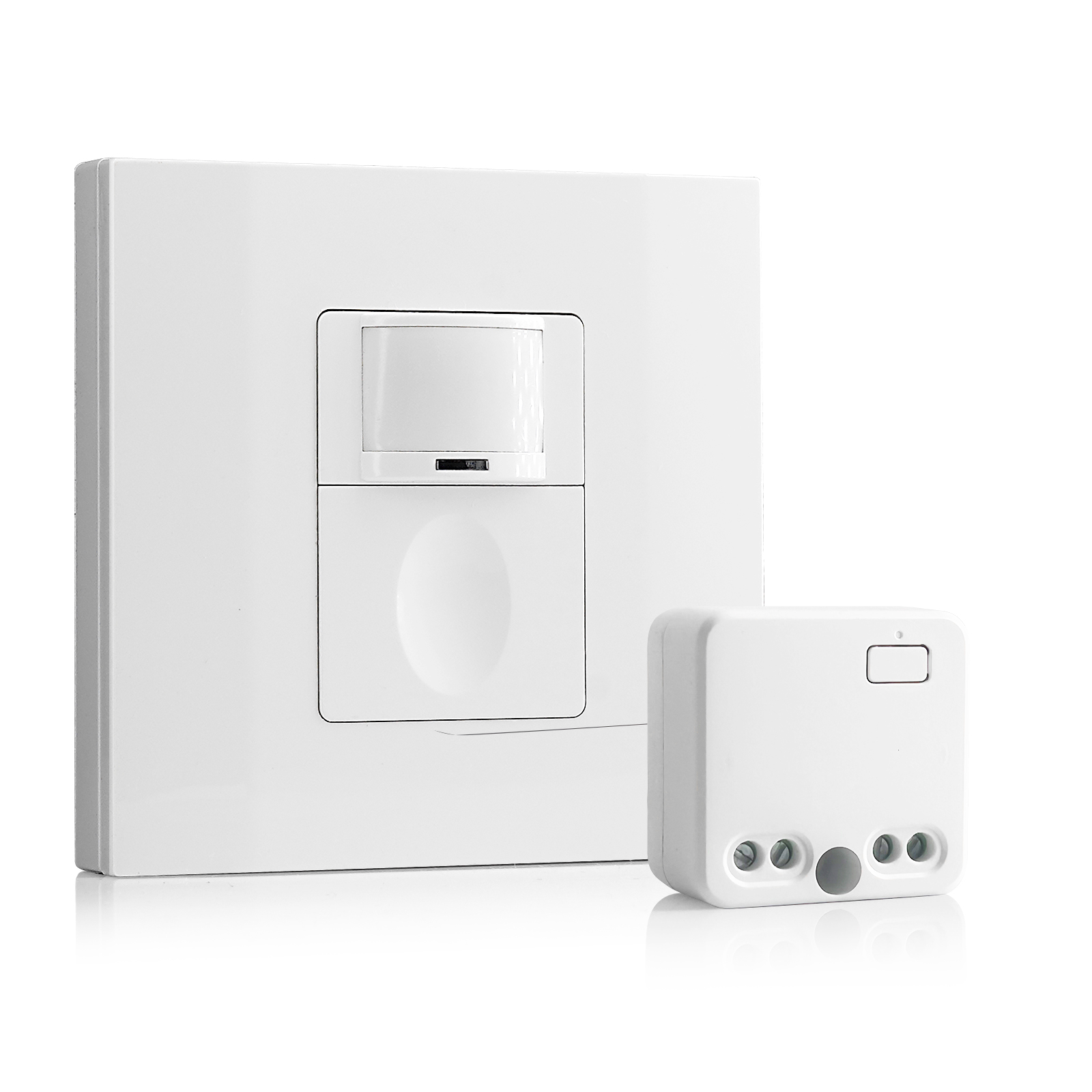
- 100V-230VAC
- Дальність передачі: до 20м
- Бездротовий датчик руху
- Дротове керування
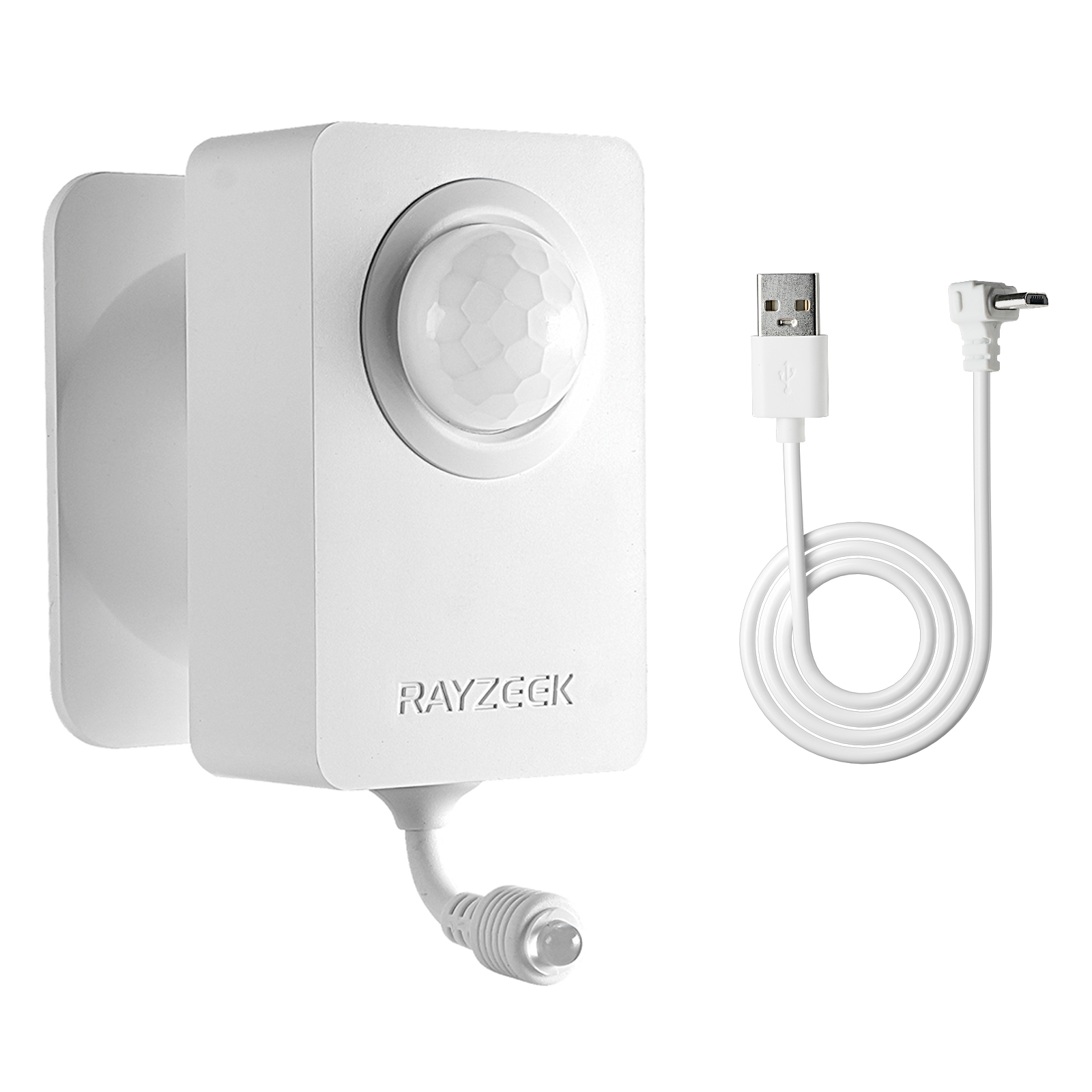
- Напруга: 2 батарейки AAA / 5В DC (Micro USB)
- Режим «День/Ніч»
- Затримка часу: 15 хв, 30 хв, 1 год (за замовчуванням), 2 год
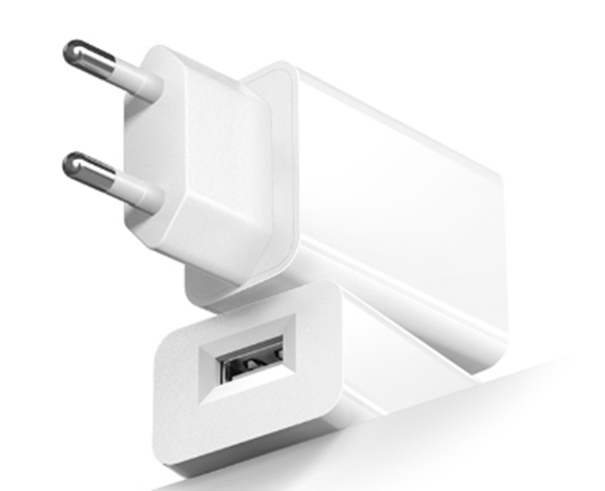
- Блок живлення з євровилкою (EU)
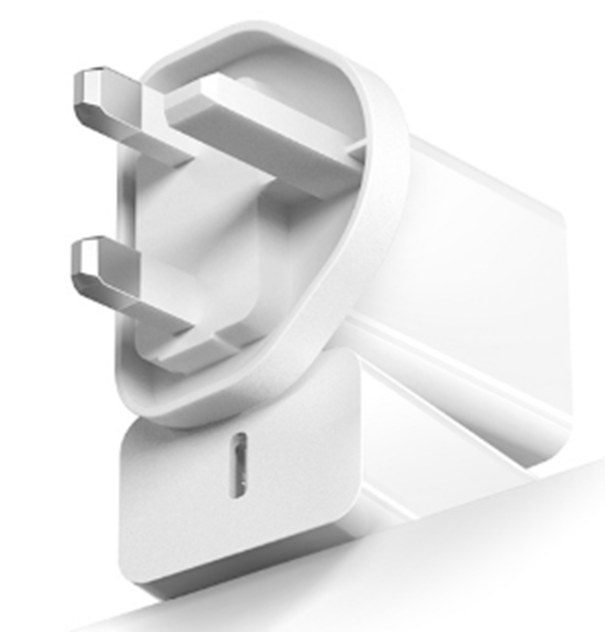
- Блок живлення з британською вилкою (UK)
Frequently Asked Questions
What LED Light Is Closest to Natural Light
UV-C LED lights are the LED lights that are closest to natural light.
Is 5000K LED Too Bright
5000K LED lighting is known for its bright and crisp quality. It provides excellent color contrast, making small details stand out. This type of lighting is particularly suitable for industrial spaces like factories, as well as environments where attention to detail is crucial, such as surgery and exam rooms.
What Light Bulb Is Closest to Natural Light
Halogen bulbs are a type of incandescent light bulb that closely mimics natural daylight, also known as “white light.” These bulbs provide a sharp and clear illumination, making colors appear more vibrant. Additionally, halogen bulbs can be easily dimmed to adjust the brightness according to your preference.
Is 3000K Too Yellow for Kitchen
Some individuals may find the yellow hue of light produced by an incandescent bulb unappealing. In certain areas that require focused attention, like the kitchen or classroom, it is advisable to use lighting with a higher color temperature. In this particular scenario, a color temperature of 3000K would be a more suitable choice.
Is 5000K Light Bad for Your Eyes
Above a color temperature of 5000K, such as in parking lots, industrial lighting, and other large outdoor venues, or in certain cases where high intensity lighting is required, it is not recommended to work for extended periods of time as it can be detrimental to the eyes.
What Is the Difference Between 4000K and 5000K CCT
4000K and 5000K CCT differ in their color tones. 4000K lights have a slightly warm color tone, while 5000K lights have a neutral white color with a hint of blue. It is important to note that beyond 5000K, the blue tint becomes more dominant in the light. Therefore, it is not recommended to use lights above 5000K for reading or working for extended periods of time.
What Is the CCT Range From 2700K to 6500K
The CCT range from 2700K to 6500K indicates the apparent “warmth” or “coolness” of the light. Light sources with lower CCT values (2700K to 3000K) emit light that appears “warm,” while light sources with higher CCT values (4000K to 6500K) emit light that appears “cool.”
What Is the Color Temperature of 3500K vs 4000K
3000-3500K: produces a soft white light that’s crisper than 2700K, similar to halogen lamps. 4000-4500K: emits a cool white light that is often preferred in kitchens, offices, workspaces, and vanities where tasks requiring attention to detail are performed.
What Is the Difference Between CCT 2700K and 3000K
3000K light is a slightly purer and more neutral white color compared to 2700K. It has a reduced yellow/orange hue, resulting in a crisper appearance. If you have any halogen bulbs, such as MR16 style spotlights, there is a high likelihood that they emit a 3000K light color.
What Is CCT of 4000K
CCT is measured in degrees Kelvin, with warm light typically around 2700K and progressing to neutral white at approximately 4000K, and cool white at 5000K or higher.
Does CCT Affect Lumens
Lumens are used to measure the overall brightness or output of a light source. Although the color temperature of a light does have a minor impact on the lumen output, resulting in approximately a 5% difference, it is not considered a significant factor in determining brightness.
What Is the CRI of Sunlight
Sunlight has a CRI of 100 because it accurately displays the true colors of objects. It serves as the benchmark for calculating CRI and is used to compare other light sources.
Do LED Lights Have CRI
In regards to CRI for LED lights, it is common for most LED lights to have a CRI score ranging from approximately 80 to 90+ on the chart. This leads to a brighter room with a more natural and accurate light output. Unlike fluorescent lighting, which can give off an unnatural appearance, LEDs are more suitable for indoor environments.
What Does 2700K Mean in Lighting
What is the significance of 2700K in lighting? 2700 degrees Kelvin represents the temperature at which the filament inside a conventional incandescent light bulb begins to emit light. This measurement is used to describe the slightly yellowish light bulbs that imitate the glow of candlelight.







