
What is Correlated Color Temperature (CCT)
Correlated Color Temperature (CCT) is a term used to describe the color appearance of light emitted by a light source. It is measured in degrees Kelvin (K) and provides a quantitative measure of the perceived “warmth” or “coolness” of the light. The CCT value is determined by comparing the color of the light source to the color emitted by a theoretical blackbody radiator at a specific temperature.
Rayzeek の人感センサーポートフォリオからヒントを見つけましょう。
お探しのものが見つかりませんか?ご安心ください。課題を解決する代替手段は常に存在します。当社の製品ポートフォリオがヒントになるかもしれません。
When selecting lighting, CCT is critical as it can greatly influence the ambiance and mood of a space. Higher CCT values indicate cooler or more blueish hues, while lower CCT values indicate warmer or more yellowish hues. For example, a higher CCT value may be preferred for task lighting or in areas where a cool and bright atmosphere is desired, such as offices or hospitals. Conversely, a lower CCT value may be more suitable for creating a warm and cozy atmosphere, such as in residential or hospitality settings.
CCT value does not directly reflect the actual spectral composition of the light emitted by non-blackbody sources. However, it serves as a useful reference for the perceived color of the light. LED lights offer flexibility in adjusting the CCT to meet specific requirements, allowing for customization of the desired light color.
こちらの製品もおすすめ

- 無電圧接点リレー出力を備えた天井取付型 PIR 占有・無人検知センサー
- 12/24VDC または 12/24VAC の低電圧電源
- EMS、HVAC、およびビル管理制御入力用の COM、NO、NC 絶縁リレー接点

- 低電圧 DC 天井埋込型 マイクロ波モーションセンサースイッチ
- 12 VDC / 24 VDC 入力(許容範囲:10-30 VDC)
- 最大動作電流 10A、調整可能なタイムディレイ、照度しきい値、および感度
- 高負荷対応 天井埋込型 マイクロ波モーションセンサースイッチ
- 100-265 VAC 商用電圧入力、10A モデル
- 5.8 GHz マイクロ波検知、調整可能なタイムディレイ、照度しきい値、および感度
- 天井埋込型 マイクロ波モーションセンサースイッチ
- 100-265 VAC 商用電圧入力、5A モデル
- 5.8 GHz マイクロ波検知、調整可能なタイムディレイ、照度しきい値、および感度
- 220V 電源用 天井取付型 RZ037 PIR 占有・無人検知センサー調光器
- 最大動作電流 3A、定格負荷 660W
- LUX ボタンによる調光センサーのオン/オフおよびユーザー設定の調光輝度制御
- 110V 電源用 天井取付型 RZ037 PIR 占有・無人検知センサー調光器
- 最大動作電流 3A、定格負荷 330W
- LUX ボタンによる調光センサーのオン/オフおよびユーザー設定の調光輝度制御

- 低電圧DC天井取付型マイクロ波動体検知センサースイッチ
- 12 VDC / 24 VDC 入力(許容範囲:10-30 VDC)
- 最大動作電流 10A、調整可能なタイムディレイ、照度しきい値、および感度
- 高負荷天井取付型マイクロ波動体検知センサースイッチ
- 100-265 VAC 商用電圧入力、10A モデル
- 5.8 GHz マイクロ波検知、調整可能なタイムディレイ、照度しきい値、および感度
- 天井取付型マイクロ波動体検知センサースイッチ
- 100-265 VAC 商用電圧入力、5A モデル
- 5.8 GHz マイクロ波検知、調整可能なタイムディレイ、照度しきい値、および感度

- 低電圧DC埋込型天井PIR動体検知センサースイッチ
- 12 VDC / 24 VDC 入力(許容範囲:10-30 VDC)
- 最大動作電流10A、調整可能なタイムディレイ、ルクス閾値、および感度設定

- 高負荷埋込型天井PIR動体検知センサースイッチ
- 100-265 VAC 商用電圧入力、10A モデル
- 360度検知、調整可能なタイムディレイ、ルクス閾値、および感度設定
- 埋込型天井PIR動体検知センサースイッチ
- 100-265 VAC 商用電圧入力、5A モデル
- 360度検知、調整可能なタイムディレイ、ルクス閾値、および感度設定

- 屋内用ON/OFF照明制御ワイヤレススイッチ&レシーバーキット
- 100-230VAC、50/60Hzレシーバー、定格電流5A
- CR2032電池駆動ワイヤレススイッチ、2.4GHz通信
- 在室(自動オン/自動オフ)
- 12–24V DC(10–30VDC)、最大10A
- 360°検知範囲、直径8–12 m
- タイムディレイ 15秒–30分
- 照度センサー オフ/15/25/35 Lux
- 高/低感度
- 自動オン/自動オフ在室モード
- 100–265V AC、10A(中性線が必要)
- 360°検知範囲、検知直径8–12 m
- タイムディレイ 15秒–30分、ルクス オフ/15/25/35、感度 高/低
- 自動オン/自動オフ在室モード
- 100–265V AC, 5A (中性線必須)
- 360°検知範囲、検知直径8–12 m
- タイムディレイ 15秒–30分、ルクス オフ/15/25/35、感度 高/低
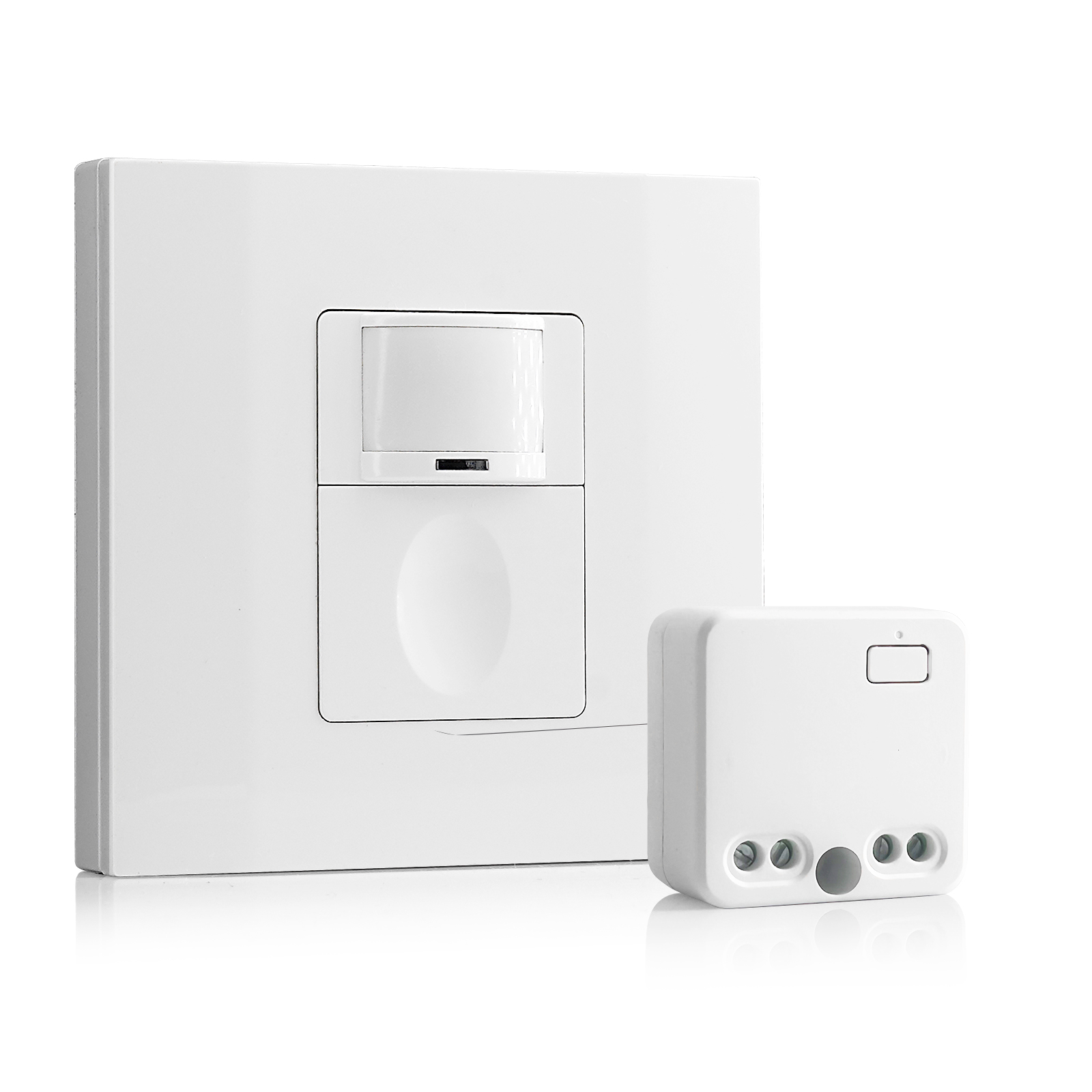
- 100V-230VAC
- 送信距離: 最大20m
- ワイヤレス動きセンサー
- 有線制御
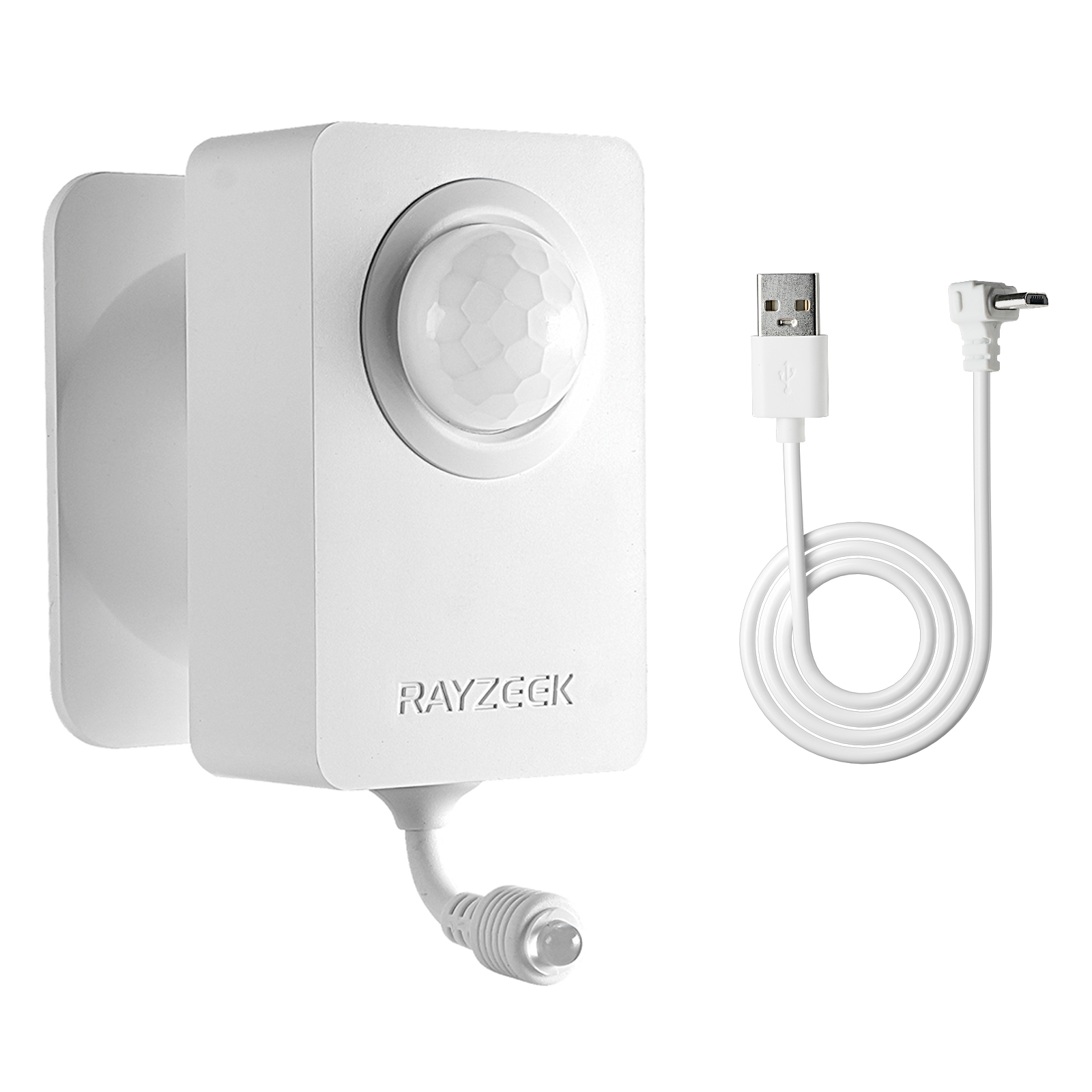
- 電圧: 単4電池×2本 / 5V DC (Micro USB)
- 昼/夜モード
- タイムディレイ: 15分、30分、1時間(デフォルト)、2時間
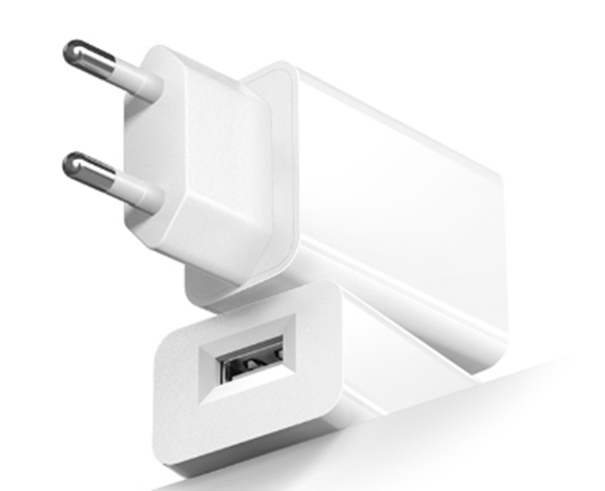
- EUプラグ電源アダプター
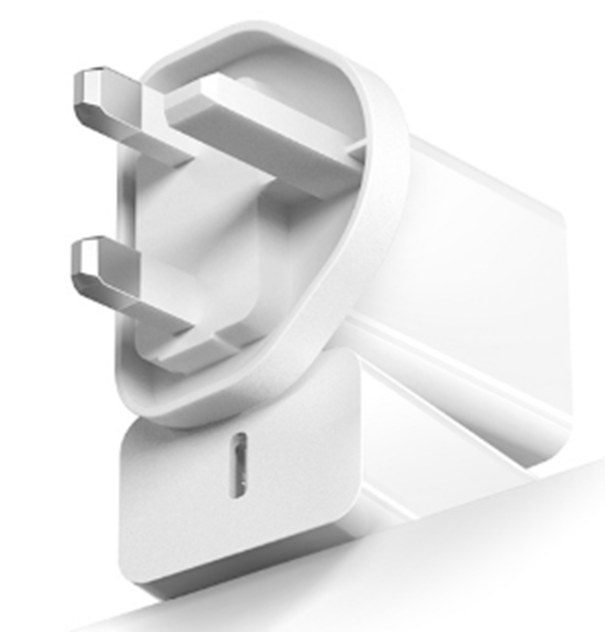
- UKプラグ電源アダプター
Frequently Asked Questions
What LED Light Is Closest to Natural Light
UV-C LED lights are the LED lights that are closest to natural light.
Is 5000K LED Too Bright
5000K LED lighting is known for its bright and crisp quality. It provides excellent color contrast, making small details stand out. This type of lighting is particularly suitable for industrial spaces like factories, as well as environments where attention to detail is crucial, such as surgery and exam rooms.
What Light Bulb Is Closest to Natural Light
Halogen bulbs are a type of incandescent light bulb that closely mimics natural daylight, also known as “white light.” These bulbs provide a sharp and clear illumination, making colors appear more vibrant. Additionally, halogen bulbs can be easily dimmed to adjust the brightness according to your preference.
Is 3000K Too Yellow for Kitchen
Some individuals may find the yellow hue of light produced by an incandescent bulb unappealing. In certain areas that require focused attention, like the kitchen or classroom, it is advisable to use lighting with a higher color temperature. In this particular scenario, a color temperature of 3000K would be a more suitable choice.
Is 5000K Light Bad for Your Eyes
Above a color temperature of 5000K, such as in parking lots, industrial lighting, and other large outdoor venues, or in certain cases where high intensity lighting is required, it is not recommended to work for extended periods of time as it can be detrimental to the eyes.
What Is the Difference Between 4000K and 5000K CCT
4000K and 5000K CCT differ in their color tones. 4000K lights have a slightly warm color tone, while 5000K lights have a neutral white color with a hint of blue. It is important to note that beyond 5000K, the blue tint becomes more dominant in the light. Therefore, it is not recommended to use lights above 5000K for reading or working for extended periods of time.
What Is the CCT Range From 2700K to 6500K
The CCT range from 2700K to 6500K indicates the apparent “warmth” or “coolness” of the light. Light sources with lower CCT values (2700K to 3000K) emit light that appears “warm,” while light sources with higher CCT values (4000K to 6500K) emit light that appears “cool.”
What Is the Color Temperature of 3500K vs 4000K
3000-3500K: produces a soft white light that’s crisper than 2700K, similar to halogen lamps. 4000-4500K: emits a cool white light that is often preferred in kitchens, offices, workspaces, and vanities where tasks requiring attention to detail are performed.
What Is the Difference Between CCT 2700K and 3000K
3000K light is a slightly purer and more neutral white color compared to 2700K. It has a reduced yellow/orange hue, resulting in a crisper appearance. If you have any halogen bulbs, such as MR16 style spotlights, there is a high likelihood that they emit a 3000K light color.
What Is CCT of 4000K
CCT is measured in degrees Kelvin, with warm light typically around 2700K and progressing to neutral white at approximately 4000K, and cool white at 5000K or higher.
Does CCT Affect Lumens
Lumens are used to measure the overall brightness or output of a light source. Although the color temperature of a light does have a minor impact on the lumen output, resulting in approximately a 5% difference, it is not considered a significant factor in determining brightness.
What Is the CRI of Sunlight
Sunlight has a CRI of 100 because it accurately displays the true colors of objects. It serves as the benchmark for calculating CRI and is used to compare other light sources.
Do LED Lights Have CRI
In regards to CRI for LED lights, it is common for most LED lights to have a CRI score ranging from approximately 80 to 90+ on the chart. This leads to a brighter room with a more natural and accurate light output. Unlike fluorescent lighting, which can give off an unnatural appearance, LEDs are more suitable for indoor environments.
What Does 2700K Mean in Lighting
What is the significance of 2700K in lighting? 2700 degrees Kelvin represents the temperature at which the filament inside a conventional incandescent light bulb begins to emit light. This measurement is used to describe the slightly yellowish light bulbs that imitate the glow of candlelight.







