
What is Correlated Color Temperature (CCT)
Correlated Color Temperature (CCT) is a term used to describe the color appearance of light emitted by a light source. It is measured in degrees Kelvin (K) and provides a quantitative measure of the perceived “warmth” or “coolness” of the light. The CCT value is determined by comparing the color of the light source to the color emitted by a theoretical blackbody radiator at a specific temperature.
Laissez-vous inspirer par les gammes de capteurs de mouvement Rayzeek.
Vous ne trouvez pas ce que vous cherchez ? Ne vous inquiétez pas. Il existe toujours d'autres solutions pour résoudre vos problèmes. L'une de nos gammes de produits pourra peut-être vous aider.
When selecting lighting, CCT is critical as it can greatly influence the ambiance and mood of a space. Higher CCT values indicate cooler or more blueish hues, while lower CCT values indicate warmer or more yellowish hues. For example, a higher CCT value may be preferred for task lighting or in areas where a cool and bright atmosphere is desired, such as offices or hospitals. Conversely, a lower CCT value may be more suitable for creating a warm and cozy atmosphere, such as in residential or hospitality settings.
CCT value does not directly reflect the actual spectral composition of the light emitted by non-blackbody sources. However, it serves as a useful reference for the perceived color of the light. LED lights offer flexibility in adjusting the CCT to meet specific requirements, allowing for customization of the desired light color.
Ces produits pourraient vous intéresser

- Détecteur de présence PIR pour montage au plafond avec sortie relais à contact sec
- Alimentation basse tension 12/24VDC ou 12/24VAC
- Contacts de relais isolés COM, NO et NC pour les entrées de gestion technique des bâtiments (GTB), de CVC et de contrôle des bâtiments

- Interrupteur détecteur de mouvement à micro-ondes basse tension DC encastrable au plafond
- Entrée 12 VDC / 24 VDC avec une plage de 10-30 VDC
- Courant de fonctionnement max de 10A avec temporisation, seuil Lux et sensibilité réglables
- Interrupteur détecteur de mouvement à micro-ondes encastrable au plafond pour charges plus élevées
- Entrée de tension secteur 100-265 VAC, modèle 10A
- Détection micro-ondes 5,8 GHz avec temporisation, seuil Lux et sensibilité réglables
- Interrupteur détecteur de mouvement à micro-ondes encastrable au plafond
- Entrée de tension secteur 100-265 VAC, modèle 5A
- Détection micro-ondes 5,8 GHz avec temporisation, seuil Lux et sensibilité réglables
- Variateur détecteur de présence PIR RZ037 pour montage au plafond pour alimentation 220V
- Courant de fonctionnement maximum de 3A avec charge nominale de 660W
- Le bouton LUX contrôle l'activation/désactivation du capteur de lumière et la luminosité de variation définie par l'utilisateur
- Variateur détecteur de présence PIR RZ037 pour montage au plafond pour alimentation 110V
- Courant de fonctionnement maximum de 3A avec charge nominale de 330W
- Le bouton LUX contrôle l'activation/désactivation du capteur de lumière et la luminosité de variation définie par l'utilisateur

- Interrupteur de détecteur de mouvement à micro-ondes pour montage au plafond, CC basse tension
- Entrée 12 VDC / 24 VDC avec une plage de 10-30 VDC
- Courant de fonctionnement max de 10A avec temporisation, seuil Lux et sensibilité réglables
- Interrupteur de détecteur de mouvement à micro-ondes pour montage au plafond à charge plus élevée
- Entrée de tension secteur 100-265 VAC, modèle 10A
- Détection micro-ondes 5,8 GHz avec temporisation, seuil Lux et sensibilité réglables
- Interrupteur de détecteur de mouvement à micro-ondes pour montage au plafond
- Entrée de tension secteur 100-265 VAC, modèle 5A
- Détection micro-ondes 5,8 GHz avec temporisation, seuil Lux et sensibilité réglables

- Interrupteur de détecteur de mouvement PIR encastré au plafond, CC basse tension
- Entrée 12 VDC / 24 VDC avec une plage de 10-30 VDC
- Courant de fonctionnement max. 10A avec temporisation, seuil Lux et sensibilité réglables

- Interrupteur de détecteur de mouvement PIR encastré au plafond à charge plus élevée
- Entrée de tension secteur 100-265 VAC, modèle 10A
- Détection à 360 degrés avec temporisation, seuil Lux et sensibilité réglables
- Interrupteur de détecteur de mouvement PIR encastré au plafond
- Entrée de tension secteur 100-265 VAC, modèle 5A
- Détection à 360 degrés avec temporisation, seuil Lux et sensibilité réglables

- Kit d'interrupteur et récepteur sans fil pour le contrôle de l'éclairage intérieur ON/OFF
- Récepteur 100-230VAC, 50/60Hz avec courant nominal de 5A
- Interrupteur sans fil alimenté par pile CR2032 avec communication 2.4GHz
- Mode d'occupation (Auto-ON/Auto-OFF)
- 12–24V DC (10–30VDC), jusqu'à 10A
- Couverture à 360°, diamètre de 8–12 m
- Temporisation de 15 s à 30 min
- Capteur de lumière Désactivé/15/25/35 Lux
- Sensibilité Haute/Basse
- Mode d'occupation Auto-ON/Auto-OFF
- 100–265V AC, 10A (neutre requis)
- Couverture à 360° ; diamètre de détection de 8–12 m
- Temporisation de 15 s à 30 min ; Lux DÉSACTIVÉ/15/25/35 ; Sensibilité Haute/Basse
- Mode d'occupation Auto-ON/Auto-OFF
- 100–265V AC, 5A (neutre requis)
- Couverture à 360° ; diamètre de détection de 8–12 m
- Temporisation de 15 s à 30 min ; Lux DÉSACTIVÉ/15/25/35 ; Sensibilité Haute/Basse
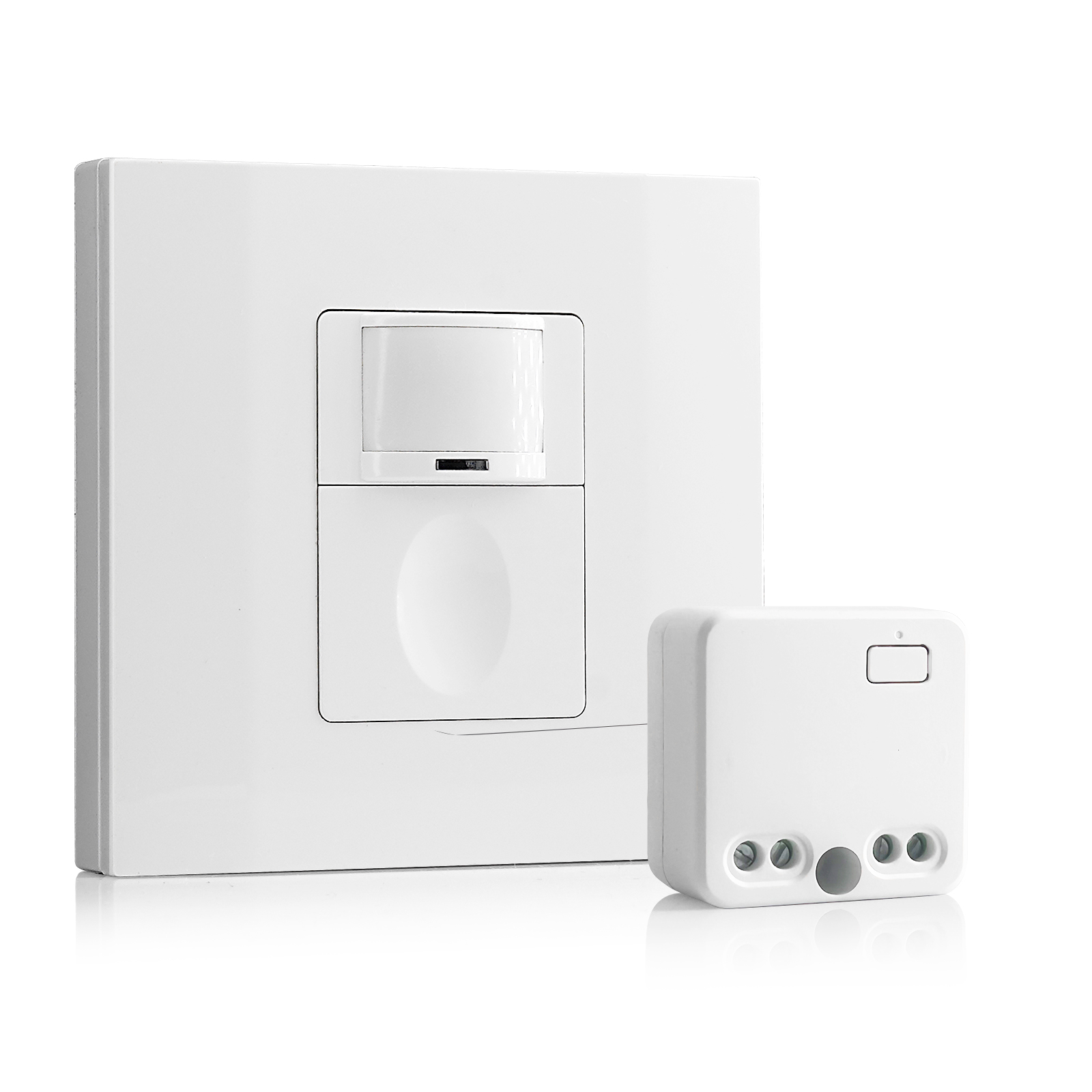
- 100V-230VAC
- Distance de transmission : jusqu'à 20m
- Détecteur de mouvement sans fil
- Contrôle filaire
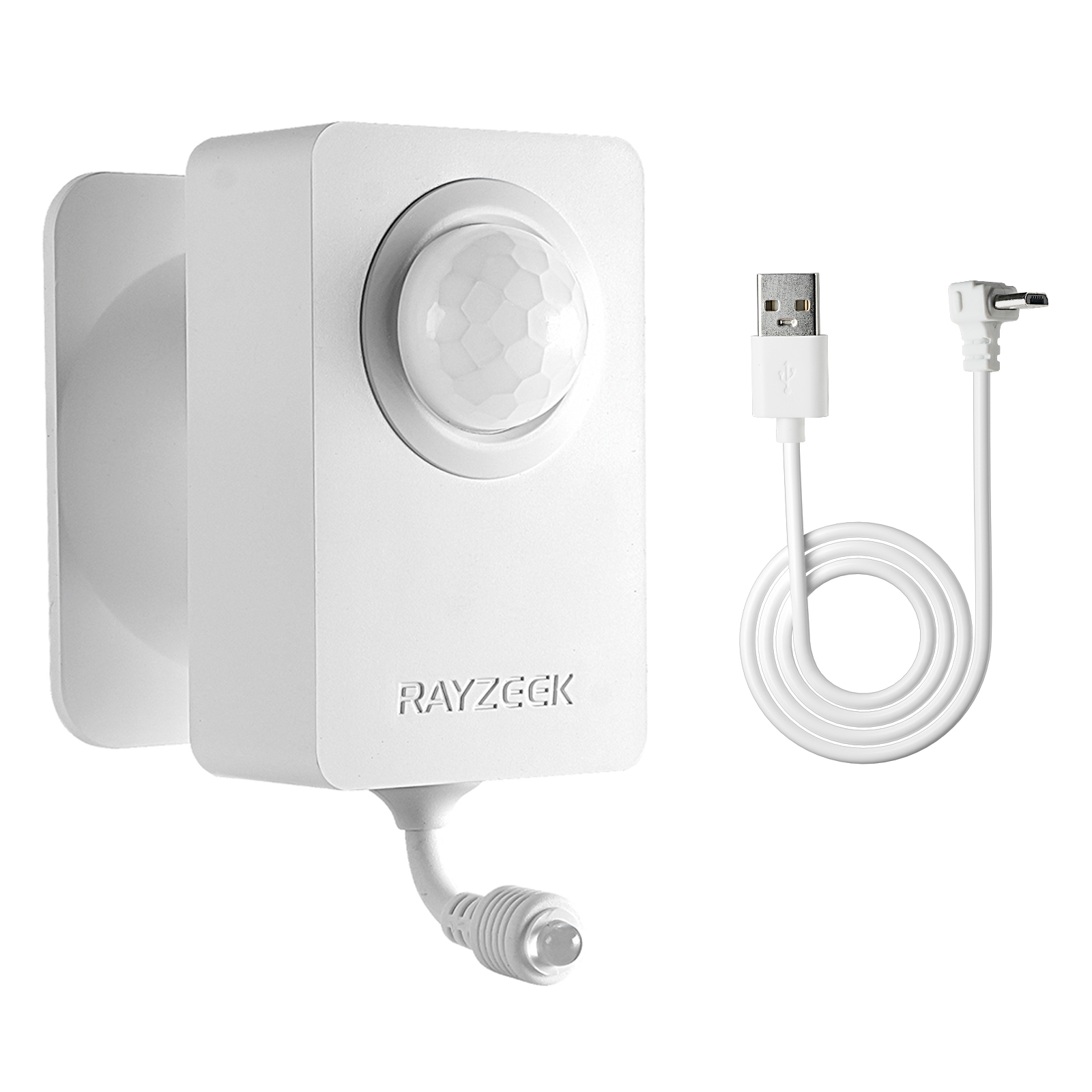
- Tension : 2x piles AAA / 5V DC (Micro USB)
- Mode Jour/Nuit
- Temporisation : 15min, 30min, 1h (par défaut), 2h
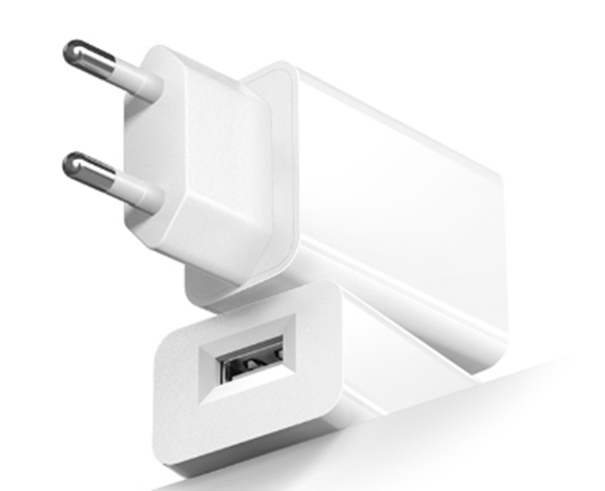
- Adaptateur secteur prise UE
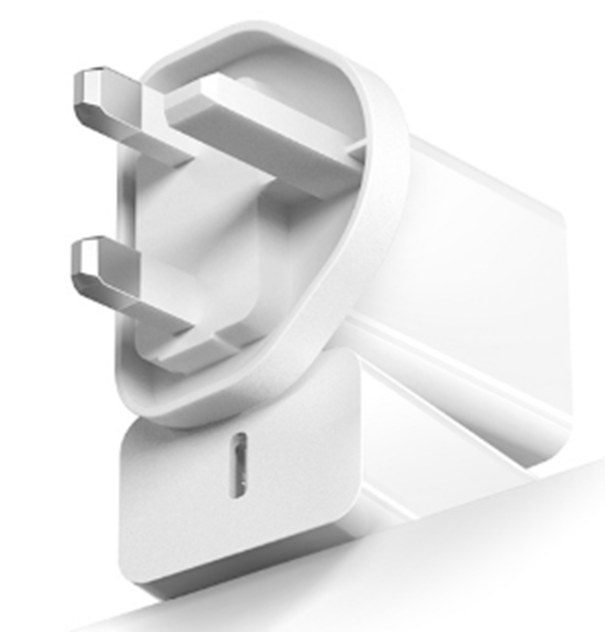
- Adaptateur secteur prise UK
Frequently Asked Questions
What LED Light Is Closest to Natural Light
UV-C LED lights are the LED lights that are closest to natural light.
Is 5000K LED Too Bright
5000K LED lighting is known for its bright and crisp quality. It provides excellent color contrast, making small details stand out. This type of lighting is particularly suitable for industrial spaces like factories, as well as environments where attention to detail is crucial, such as surgery and exam rooms.
What Light Bulb Is Closest to Natural Light
Halogen bulbs are a type of incandescent light bulb that closely mimics natural daylight, also known as “white light.” These bulbs provide a sharp and clear illumination, making colors appear more vibrant. Additionally, halogen bulbs can be easily dimmed to adjust the brightness according to your preference.
Is 3000K Too Yellow for Kitchen
Some individuals may find the yellow hue of light produced by an incandescent bulb unappealing. In certain areas that require focused attention, like the kitchen or classroom, it is advisable to use lighting with a higher color temperature. In this particular scenario, a color temperature of 3000K would be a more suitable choice.
Is 5000K Light Bad for Your Eyes
Above a color temperature of 5000K, such as in parking lots, industrial lighting, and other large outdoor venues, or in certain cases where high intensity lighting is required, it is not recommended to work for extended periods of time as it can be detrimental to the eyes.
What Is the Difference Between 4000K and 5000K CCT
4000K and 5000K CCT differ in their color tones. 4000K lights have a slightly warm color tone, while 5000K lights have a neutral white color with a hint of blue. It is important to note that beyond 5000K, the blue tint becomes more dominant in the light. Therefore, it is not recommended to use lights above 5000K for reading or working for extended periods of time.
What Is the CCT Range From 2700K to 6500K
The CCT range from 2700K to 6500K indicates the apparent “warmth” or “coolness” of the light. Light sources with lower CCT values (2700K to 3000K) emit light that appears “warm,” while light sources with higher CCT values (4000K to 6500K) emit light that appears “cool.”
What Is the Color Temperature of 3500K vs 4000K
3000-3500K: produces a soft white light that’s crisper than 2700K, similar to halogen lamps. 4000-4500K: emits a cool white light that is often preferred in kitchens, offices, workspaces, and vanities where tasks requiring attention to detail are performed.
What Is the Difference Between CCT 2700K and 3000K
3000K light is a slightly purer and more neutral white color compared to 2700K. It has a reduced yellow/orange hue, resulting in a crisper appearance. If you have any halogen bulbs, such as MR16 style spotlights, there is a high likelihood that they emit a 3000K light color.
What Is CCT of 4000K
CCT is measured in degrees Kelvin, with warm light typically around 2700K and progressing to neutral white at approximately 4000K, and cool white at 5000K or higher.
Does CCT Affect Lumens
Lumens are used to measure the overall brightness or output of a light source. Although the color temperature of a light does have a minor impact on the lumen output, resulting in approximately a 5% difference, it is not considered a significant factor in determining brightness.
What Is the CRI of Sunlight
Sunlight has a CRI of 100 because it accurately displays the true colors of objects. It serves as the benchmark for calculating CRI and is used to compare other light sources.
Do LED Lights Have CRI
In regards to CRI for LED lights, it is common for most LED lights to have a CRI score ranging from approximately 80 to 90+ on the chart. This leads to a brighter room with a more natural and accurate light output. Unlike fluorescent lighting, which can give off an unnatural appearance, LEDs are more suitable for indoor environments.
What Does 2700K Mean in Lighting
What is the significance of 2700K in lighting? 2700 degrees Kelvin represents the temperature at which the filament inside a conventional incandescent light bulb begins to emit light. This measurement is used to describe the slightly yellowish light bulbs that imitate the glow of candlelight.







