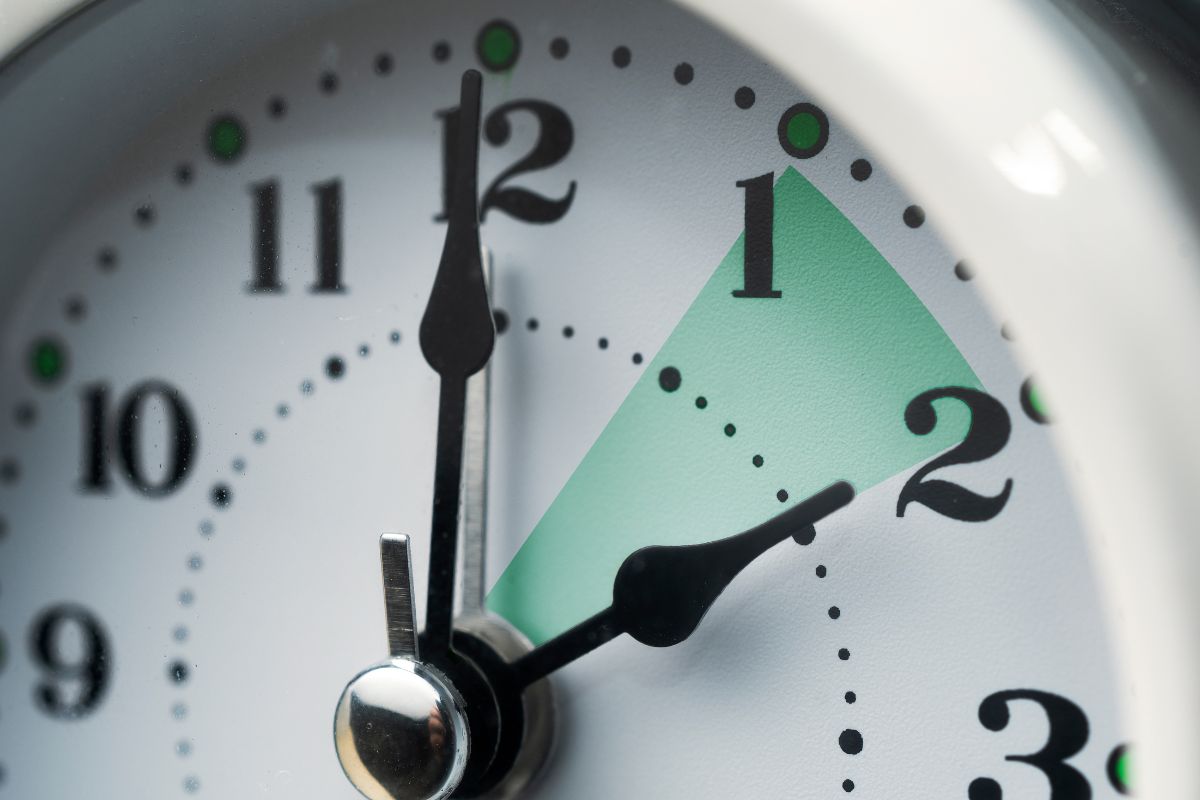
เวลาออมแสง หรือที่มักเรียกกันว่า DST คือระบบที่มีการปรับเวลาตามนาฬิกาเป็นการชั่วคราว โดยทั่วไปคือปรับเร็วขึ้นหนึ่งชั่วโมงในช่วงบางเดือนของปี เคยสงสัยหรือไม่ว่าเป้าหมายของระบบนี้คืออะไร บทความนี้จะสำรวจเป้าหมายแรกเริ่มของ DST วิธีการที่ DST กันแน่? ส่งผลกระทบต่อการใช้พลังงาน รวมถึงผลกระทบในวงกว้างต่อชีวิตประจำวัน โดยจะเจาะลึกประวัติศาสตร์ของ DST ดูเหตุผลที่มีการนำมาใช้ในครั้งแรก ทฤษฎีเบื้องหลังที่คาดว่าจะช่วยประหยัดพลังงาน และความเป็นจริงของประสิทธิภาพในการใช้งานในปัจจุบัน เป็นเรื่องน่าสนใจที่พบว่ามีประเทศต่างๆ ทั่วโลกเพียงประมาณ 40% เท่านั้นที่ใช้ DST ในรูปแบบใดรูปแบบหนึ่ง การใช้งานที่จำกัดนี้แสดงให้เห็นอย่างชัดเจนว่าการถือปฏิบัติ DST มีความแตกต่างกันอย่างมากในแต่ละท้องถิ่น และยังชี้ให้เห็นว่ายังคงมีการถกเถียงกันอย่างมากว่าระบบนี้มีประสิทธิภาพและเกิดประโยชน์จริงหรือไม่.
วัตถุประสงค์ของบทความนี้คือการให้ความเข้าใจที่ชัดเจนและครอบคลุมเกี่ยวกับผลกระทบของเวลาออมแสงที่มีต่อการใช้พลังงาน โดยจะนำเสนอข้อมูลที่ลึกซึ้งยิ่งกว่าคำอธิบายพื้นฐานและชี้แจงความเข้าใจผิดทั่วไปเกี่ยวกับประเด็นที่ว่าระบบนี้ช่วยประหยัดพลังงานได้จริงหรือไม่.
เวลาออมแสง (Daylight Saving Time) คืออะไร
แท้จริงแล้ว อะไรคือ ความหมายของ เวลาออมแสง หรือ DST โดยพื้นฐานแล้ว ระบบนี้คือการปรับหมุนนาฬิกาให้เร็วขึ้น โดยทั่วไปคือหนึ่งชั่วโมง ในช่วงบางเดือนของปี โดยส่วนใหญ่จะพบการใช้ DST ในเขตอบอุ่น ซึ่งเป็นบริเวณที่มีความแตกต่างของจำนวนชั่วโมงแสงแดดระหว่างฤดูกาลอย่างชัดเจน สำหรับผู้ที่อาศัยอยู่ใกล้เส้นศูนย์สูตร ซึ่งมีแสงแดดสม่ำเสมอตลอดทั้งปี DST จะไม่มีความจำเป็น นอกจากนี้อาจมีข้อสงสัยว่าเหตุใดจึงปรับเพียงหนึ่งชั่วโมง คำตอบคือ การปรับเวลาหนึ่งชั่วโมงถือว่าเพียงพอที่จะสร้างความเปลี่ยนแปลงต่อช่วงเวลาที่มีแสงแดดโดยไม่ส่งผลกระทบต่อนาฬิกาชีวภาพหรือกิจวัตรประจำวันมากเกินไป แม้เคยมีการทดลองปรับเวลามากกว่านี้ แต่ก็ไม่เป็นที่นิยมอย่างแพร่หลาย และข้อสำคัญที่ควรคำนึงถึงคือ DST ไม่ใช่การปรับเวลาถาวร แต่เป็นการเปลี่ยนแปลงชั่วคราว และจะมีการปรับเวลากลับสู่เวลามาตรฐานในช่วงปลายปี.
สำหรับเวลามาตรฐาน (Standard Time) สามารถพิจารณาได้ว่าเป็น เวลา “ปกติ” ของภูมิภาคหนึ่งๆ ซึ่งอ้างอิงตามตำแหน่งของดวงอาทิตย์ ในขณะที่เวลาออมแสงคือเวลาที่ได้รับการปรับแต่งขึ้น โดยทั่วไปจะเร็วกว่าเวลามาตรฐานหนึ่งชั่วโมง การปรับเวลานี้มีความสัมพันธ์กับเขตเวลา (Time Zones) โดยเขตเวลาคือพื้นที่ที่ใช้เวลามาตรฐานเดียวกันทั้งหมด เมื่อเข้าสู่ช่วง DST พื้นที่ใน ทั้ง เขตเวลาจะเลื่อนเวลาไปพร้อมกัน ตัวอย่างเช่น เวลามาตรฐานตะวันออก (EST) จะเปลี่ยนเป็น เวลาออมแสงตะวันออก (EDT) ในช่วง DST.
มีหลักการจำง่ายๆ สำหรับการปรับหมุนนาฬิกา คือ “Spring Forward, Fall Back” ในฤดูใบไม้ผลิ ซึ่งมักเป็นเดือนมีนาคมสำหรับซีกโลกเหนือ จะมีการปรับหมุนนาฬิกาไป ข้างหน้า หนึ่งชั่วโมง จากนั้นในฤดูใบไม้ร่วง ซึ่งมักเป็นเดือนพฤศจิกายนในซีกโลกเหนือ จะมีการปรับหมุนนาฬิกา ย้อนกลับ หนึ่งชั่วโมง สำหรับผู้มีอำนาจกำหนดวันเริ่มต้นและสิ้นสุดของ DST นั้น จะเป็นไปตามที่กฎหมายกำหนด ซึ่งอาจมีความแตกต่างกันค่อนข้างมากในแต่ละประเทศ หรือแม้กระทั่งระหว่างภูมิภาคต่างๆ ภายในประเทศเดียวกัน นอกจากนี้ ไม่ใช่ทุกประเทศที่ใช้ DST โดยหลายประเทศ โดยเฉพาะประเทศที่อยู่ใกล้เส้นศูนย์สูตร จะไม่มีการใช้ระบบนี้ เนื่องจากบริเวณใกล้เส้นศูนย์สูตร การเอียงของแกนโลกจะไม่ส่งผลกระทบต่อจำนวนชั่วโมงแสงแดดมากนัก การเปลี่ยนแปลงตามฤดูกาลที่ DST พยายามจัดการจึงไม่ใช่อุปสรรคในบริเวณดังกล่าว.
เหตุผลดั้งเดิมในการใช้เวลาออมแสง
เมื่อย้อนกลับไปในยุคที่ไฟฟ้ายังไม่แพร่หลาย ในยุคนั้น แสงแดดคือแหล่งแสงสว่างหลักสำหรับการดำเนินกิจกรรมเกือบทั้งหมด ต่อมาในช่วงต้นคริสต์ศตวรรษที่ 1900 ระหว่างสงครามโลกครั้งที่ 1 (ค.ศ. 1914-1918) ผู้คนเริ่มตระหนักถึงความสำคัญของการอนุรักษ์พลังงาน แม้ระบบไฟฟ้าจะเริ่มได้รับความนิยมมากขึ้น แต่การส่องสว่างยังคงใช้พลังงานในปริมาณ มหาศาล หลอดไฟที่ใช้ในยุคนั้นส่วนใหญ่เป็นหลอดแบบมีไส้ (Incandescent light bulbs) ซึ่งมีประสิทธิภาพต่ำมากเมื่อเทียบกับเทคโนโลยีการส่องสว่างในปัจจุบัน.
สงครามโลกครั้งที่ 1 ส่งผลให้ทรัพยากรต่างๆ โดยเฉพาะเชื้อเพลิง มีอยู่อย่างจำกัดและจำเป็นต้องประหยัดไว้สำหรับภารกิจทางสงคราม ประเทศเยอรมนีเป็นหนึ่งในประเทศแรกๆ ที่เริ่มนำเวลาออมแสง (DST) มาใช้อย่างจริงจังในปี ค.ศ. 1916 เพื่อประหยัดเชื้อเพลิง (ส่วนใหญ่ในยุคนั้นคือถ่านหิน) สำหรับสงคราม การที่เยอรมนีเป็นผู้นำแนวคิดนี้มาใช้ ส่งผลให้ประเทศอื่นๆ ที่เข้าร่วมสงคราม เช่น สหราชอาณาจักรและสหรัฐอเมริกา เริ่มปรับใช้ DST เพื่อประหยัดทรัพยากรเช่นกัน ดังนั้น ระบบ DST จึงถูก คิดค้นขึ้น ในช่วงสงครามโลกครั้งที่ 1 หรือไม่? ในความเป็นจริงแล้ว แนวคิด ของการปรับเลื่อนนาฬิกาเพื่อให้ใช้ประโยชน์จากแสงแดดได้คุ้มค่าที่สุดนั้นมีมาเป็นเวลานานแล้ว ตัวอย่างเช่น เบนจามิน แฟรงคลิน ได้เคยเสนอแนวคิดที่มีลักษณะคล้ายคลึงกัน แม้ว่าข้อเสนอของเขาจะมีเจตนาเชิงล้อเลียนมากกว่าก็ตาม แต่สงครามโลกครั้งที่ 1 คือปัจจัยสำคัญที่ผลักดันให้มีการเริ่มใช้ระบบ DST กันอย่างแพร่หลาย แนวคิดในยุคก่อนหน้านั้นแม้จะมีหลักการที่ใกล้เคียงกัน แต่ไม่ได้มุ่งเน้นที่การประหยัดพลังงานเหมือนกับระบบ DST ในช่วงสงคราม ตัวอย่างเช่น ข้อเสนอของแฟรงคลินปรากฏอยู่ในความเรียงเชิงขบขัน และเน้นไปที่การประหยัดค่าใช้จ่ายจากการใช้แสงอาทิตย์แทนแสงสังเคราะห์.
ในช่วงต้นคริสต์ศตวรรษที่ 1900 ระบบแสงสว่างคิดเป็นสัดส่วน ที่สูงกว่า การใช้พลังงานในครัวเรือนปัจจุบันอย่างมาก สัดส่วนดังกล่าวสูงกว่ามากเพียงใด? ระบบแสงสว่างอาจครองสัดส่วนการใช้พลังงานส่วนใหญ่ของบ้าน บางครั้งยังมากกว่าพลังงานที่ใช้ในการทำความร้อน (ในบางเขตภูมิอากาศ) หรือเครื่องใช้ไฟฟ้าในยุคแรกเริ่ม สัดส่วนที่แน่นอนแตกต่างกันไปตามสถานที่และรูปแบบการดำเนินชีวิต แต่ระบบแสงสว่างจัดเป็นปัจจัยหลักในการใช้พลังงานอย่างแน่นอน.
หลักการเบื้องหลังระบบ DST คือการปรับหมุนนาฬิกาไปข้างหน้า เพื่อให้ประชาชนได้รับแสงแดดในช่วงเย็นเพิ่มขึ้นหนึ่งชั่วโมง การปรับเลื่อนนาฬิกานี้ ซึ่งเรียกว่าเวลาออมแสง (Daylight Saving Time) มีวัตถุประสงค์เพื่อลดความจำเป็นในการใช้แสงสังเคราะห์ อันจะนำไปสู่การประหยัดพลังงาน อย่างไรก็ตาม แนวคิดนี้อิงอยู่บนงานวิจัยทางวิทยาศาสตร์ในยุคนั้นหรือไม่? คำตอบน่าจะไม่อู่บนฐานดังกล่าว เหตุผลในยุคแรกน่าจะอิงจากการสังเกตและสิ่งที่ดูมีเหตุผลตามสามัญสำนึก มากกว่าการศึกษาวิจัยทางวิทยาศาสตร์โดยละเอียด วัตถุประสงค์หลักคือการตอบสนองความจำเป็นเฉพาะหน้าของภารกิจทางสงคราม.
กลไกการประหยัดพลังงานของระบบ DST
ขอทำความเข้าใจให้ชัดเจนว่า ระบบ DST ไม่ได้เป็นการ สร้าง แสงแดดให้เพิ่มขึ้น แต่นำแสงแดดที่มีอยู่เดิมมาจัดสรรใหม่ภายในกรอบเวลา 24 ชั่วโมง เป้าหมายทั้งหมดคือการปรับชั่วโมงที่มีแสงแดดให้สอดคล้องกับช่วงเวลาที่ประชาชนตื่นอยู่ โดยเฉพาะในช่วงเย็น.
ดังนั้นระบบ DST มีกลไกการทำงาน ตามที่สันนิษฐานไว้ อย่างไร? เริ่มต้นจากการปรับหมุนนาฬิกาไปข้างหน้าหนึ่งชั่วโมง ซึ่งเป็นหลักการสำคัญของเวลาออมแสง ข้อสมมติฐานคือประชาชนมักมีกิจกรรมมากกว่าเมื่อภายนอกยังคงมีแสงแดด ดังนั้น เมื่อมีแสงแดดในช่วงเย็นเพิ่มขึ้น ประชาชน ควรจะ มีความต้องการใช้แสงสังเคราะห์น้อยลง แต่แนวคิดทั้งหมดนี้ตั้งอยู่บนข้อสันนิษฐานบางประการ ประการแรก สันนิษฐานว่าคนส่วนใหญ่มีกิจวัตรประจำวันที่ค่อนข้างแน่นอน โดยช่วงเวลาส่วนใหญ่ของการตื่นนอนเกิดขึ้นในช่วงเย็น ประการที่สอง สันนิษฐานว่าประชาชนจะใช้ประโยชน์จากแสงแดดที่เพิ่มขึ้นสำหรับกิจกรรมที่ปกติแล้วต้องเปิดไฟ ระบบ DST จำเป็นต้องให้ทุกคนมีตารางเวลาเหมือนกันจึงจะเกิดผลหรือไม่? ไม่จำเป็น เนื่องจากระบบนี้ขึ้นอยู่กับรูปแบบประจำวันโดย เฉลี่ย ของประชากร สิทธิผลของระบบ DST ขึ้นอยู่กับว่ารูปแบบเฉลี่ยเหล่านั้นสอดคล้องกับช่วงเวลาแสงแดดที่ถูกปรับเลื่อนไปมากน้อยเพียงใด.
We humans are naturally more active during the day, and that’s largely due to our biology, specifically something called our circadian rhythm. What is that? Well, think of it as our internal biological clock. It’s a process that runs inside us, regulating our sleep-wake cycle and other bodily functions over about a 24-hour period. Light exposure plays a huge role here, with daylight telling us to wake up and darkness telling us it’s time to sleep. So, how does this relate to our “biological clock”? The circadian rhythm ความหมายของ that biological clock, and it’s heavily influenced by light.
รับแรงบันดาลใจจากกลุ่มผลิตภัณฑ์เซนเซอร์ตรวจจับความเคลื่อนไหว Rayzeek.
ยังไม่พบสิ่งที่ต้องการใช่หรือไม่? ไม่ต้องกังวล เพราะยังมีแนวทางอื่นในการแก้ปัญหาของคุณเสมอ บางทีหนึ่งในกลุ่มผลิตภัณฑ์ของเราอาจช่วยคุณได้.
The main way DST is supposed to save energy is by reducing how much we use electric lights. Are there any other ways it might help? Well, while lighting is the big one, some people used to think it might also cut down on heating use. But that’s less clear and really depends on the climate.
Does DST Actually Save Energy?
Things have changed a lot since DST was first introduced back in the early 1900s. Our lifestyles and how we use energy are completely different now. What are the biggest changes? Well, we’re using way more appliances, electronics, and air conditioning. Plus, our work lives have changed, with more people working shifts or working from home. All of this has really shaken up our energy consumption patterns.
So, does DST กันแน่? save energy? Well, studies on this topic have been all over the place. Some show small savings, others show no real difference, and some even suggest that it might increase energy use. For example, a 2008 study by the US Department of Energy found that extending DST by four weeks in 2007 saved about 0.5% of electricity during those weeks. But other studies, especially in areas where air conditioning is common, have found no significant savings or even a slight increase in energy use. Studies in Australia and some European countries have also had mixed results, often depending on how the study was done and what time period was looked at. To give you an idea of how small these savings might be, think about switching from old-fashioned incandescent light bulbs to LEDs (light-emitting diodes). While DST might save you a tiny bit of energy in some places, using LED lighting can cut your lighting energy use by 75% or more! This really shows how important it is to focus on energy-saving measures that we know work. Why are the results so different from study to study? It’s because of things like different study methods, climates, cultures, and the specific time periods that were examined. So, what’s the general feeling about all this? While not everyone agrees, many recent studies suggest that DST saves very little, if any, energy in today’s world.
Where you live and the climate you experience can also affect how well DST works. For example, if you live in a place with really long summer days, DST might not make much of a difference. And if you live in a hot climate, you might actually end up using more energy because of air conditioning. While most studies these days show that DST doesn’t save much energy, there might be some exceptions in certain regions with specific climates and less need for air conditioning. But even then, the savings are usually pretty small and might not be worth the trouble. So, instead of saying that DST never works, it’s probably more accurate to say that it usually doesn’t save a significant amount of energy.
Impact of Modern Technology and Lifestyles
Air conditioning is a huge energy hog, and we tend to crank it up the most in the evening. This can cancel out any energy savings we might get from using less lighting. How does air conditioning use change with DST? Well, that extra hour of daylight in the evening can make our homes hotter, which means we need to use even more air conditioning to stay cool. This is especially true if you live in a place with hot, humid weather.
Don’t forget about all those computers, TVs, and other gadgets we use! They’re constantly sucking up energy, no matter how much daylight there is. Does the time of day matter for how much we use these devices? Maybe a little. For example, people might watch more TV in the evening. But overall, the impact on energy use is probably smaller than what we see with lighting or air conditioning.
These days, more and more people are working non-traditional hours or working from home. This is blurring the lines between what we do during the day and what we do at night. How does this affect the whole idea behind DST? Well, the old assumption that most people are awake during the day and asleep at night just isn’t as true as it used to be. With more shift work, remote work, and the fact that we’re all connected 24/7, our energy use patterns are much more varied and less tied to the typical 9-to-5 workday.
Our energy use tends to go up and down throughout the day. We usually see peaks in the morning and evening, with a bit of a lull in the afternoon. And throughout the year, we generally use more energy in the summer (because of air conditioning) and in the winter (because of heating). So, how does DST play into all of this? Well, it can shift when we use the most energy, but it doesn’t necessarily reduce how ที่สูงกว่า energy we use overall. In some cases, it might even make things worse by making us run our air conditioners for longer in the evening.
Here’s something interesting to consider: the “rebound effect.” This means that if people think they’re saving energy, they might change their behavior in ways that cancel out those savings. For instance, if you feel like you’re saving energy because of the extra daylight, you might be less careful about turning off lights or other appliances. It’s a psychological thing: if we think we’re doing good in one area, we might loosen up in another.
Other Effects of Daylight Saving Time
It’s important to remember that DST affects more than just energy use. It can also have an impact on other parts of our lives.
กำลังมองหาโซลูชันประหยัดพลังงานทำงานตามการเคลื่อนไหวอยู่ใช่หรือไม่
ติดต่อเราเพื่อรับโซลูชันครบวงจรสำหรับ PIR motion sensor, ผลิตภัณฑ์ประหยัดพลังงานทำงานตามการเคลื่อนไหว, สวิตช์เซนเซอร์ตรวจจับการเคลื่อนไหว และโซลูชัน Occupancy/Vacancy สำหรับเชิงพาณิชย์.
That time shift that comes with DST can mess with our sleep patterns, and that can lead to some negative health effects. These can include a higher risk of heart attacks, strokes, and injuries at work, especially in the days right after we “spring forward.” The disrupted sleep can also make us less productive and affect our ability to think clearly. How big of a deal is this disruption? It really depends on the person and the time of year. Most people find the spring transition harder than the fall one, because we actually lose an hour of sleep in the spring.
Some studies have found that traffic accidents go up in the days after we switch to DST in the spring. This might be because people are more tired from losing that hour of sleep. But is this something that happens consistently? The evidence is mixed. Some studies show an increase, while others don’t find any real change. Things like tired drivers, poor visibility, and changes in traffic patterns can all play a role in accident rates.
Interestingly, some research suggests that DST might be linked to a drop in certain types of crime. This could be because more people are out and about in the evening. What kinds of crimes are most affected? Usually, it’s crimes that happen outdoors, like robbery and assault. More visibility and more people being outside during daylight hours can discourage criminals.
DST can also affect the economy. Some industries, like retail and tourism, might benefit from the extra daylight hours for shopping and recreation. But other industries, like agriculture, might face challenges because of changes in work schedules. And beyond the big picture, there are also costs associated with changing the clocks twice a year. We have to update computer systems, reprogram devices, and let everyone know about the changes. These costs might seem small for each of us, but they can add up across the entire economy. So, is there a net economic benefit or cost? It’s complicated and hard to say for sure. It probably depends on where you are and what industries are common in your area.
More daylight in the evening means more chances to get outside and enjoy outdoor activities. Does this lead to any real health benefits? Maybe, but it’s hard to say for sure. It’s tough to separate the impact of DST from other things that affect how active we are, like the weather, access to parks and recreation, and our own personal choices.
So, to sum it up, DST has some potential downsides, including messing with our sleep, harming our health, and possibly leading to more traffic accidents.
Even when the evidence shows that DST doesn’t save much energy, it can be hard to get rid of it. There are often political and economic forces at work, including lobbying from industries that like DST, such as retail and recreation. Changing a law takes political effort and can be surprisingly controversial, because people get used to things the way they are, even if it’s not the best way. We also have to think about international coordination, because changing DST in one area can affect nearby areas.
Even though DST might not save much energy, there are still reasons why some people want to keep it around. Some folks just like having more daylight in the evening, even if it doesn’t save energy. Certain industries, like retail and tourism, say that DST helps their businesses by giving people more daylight hours to shop and have fun. There are also arguments about public safety, with some claiming that DST reduces crime by making it easier to see outside in the evening. These reasons, while not about saving energy, are part of the ongoing discussion about DST.
คุณอาจสนใจ

- แรงดันไฟฟ้า: ถ่าน AAA 2 ก้อน
- โหมดกลางวัน/กลางคืน
- การหน่วงเวลา: 15 นาที, 30 นาที, 1 ชั่วโมง (ค่าเริ่มต้น), 2 ชั่วโมง
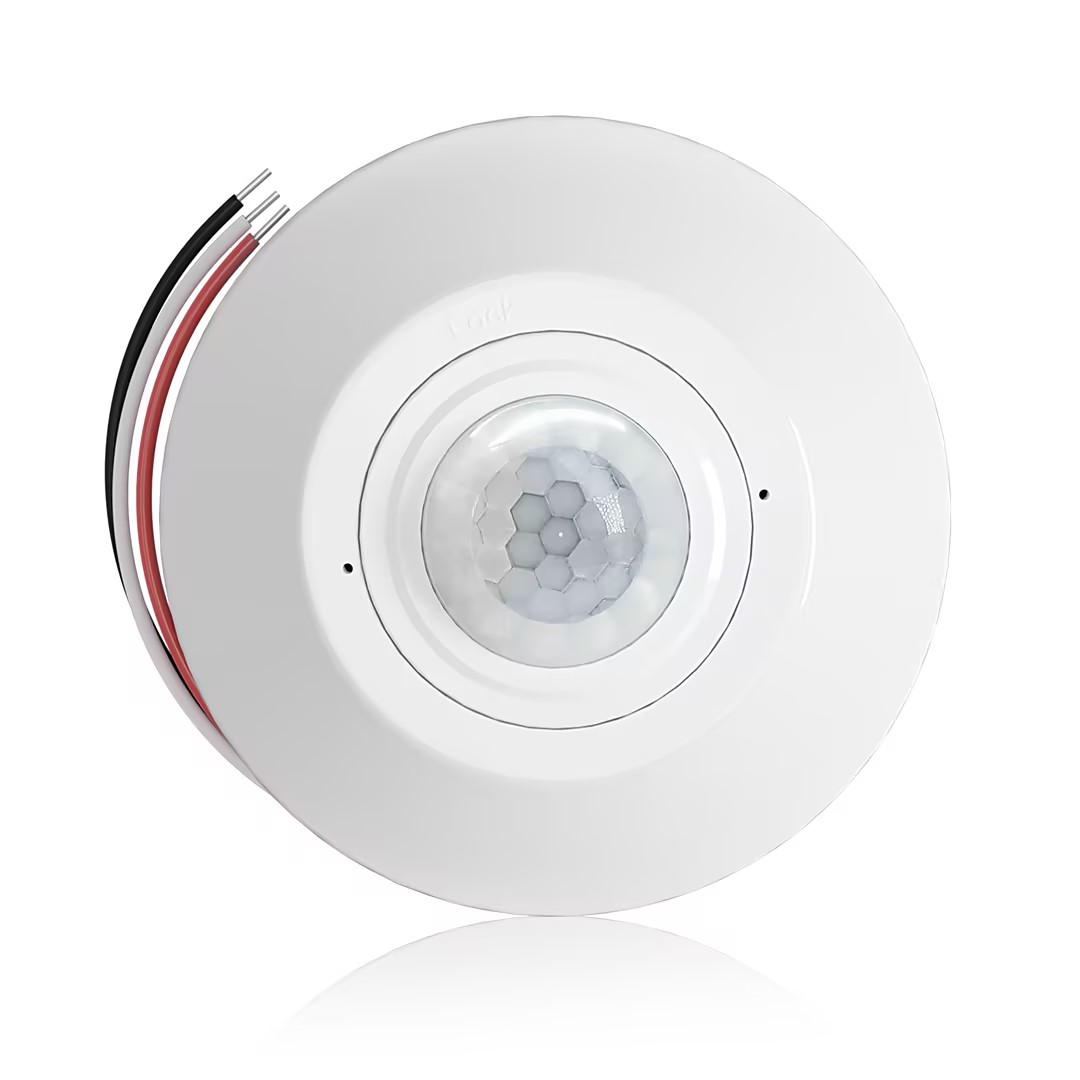
- เซนเซอร์ตรวจจับการถือครองห้อง PIR ติดตั้งบนเพดาน พร้อมเอาต์พุตรีเลย์หน้าสัมผัสแห้ง
- ระบบจ่ายไฟแรงดันต่ำ 12/24VDC หรือ 12/24VAC
- หน้าสัมผัสรีเลย์แบบแยก COM, NO และ NC สำหรับสัญญาณอินพุตของระบบ EMS, HVAC และระบบควบคุมอาคาร
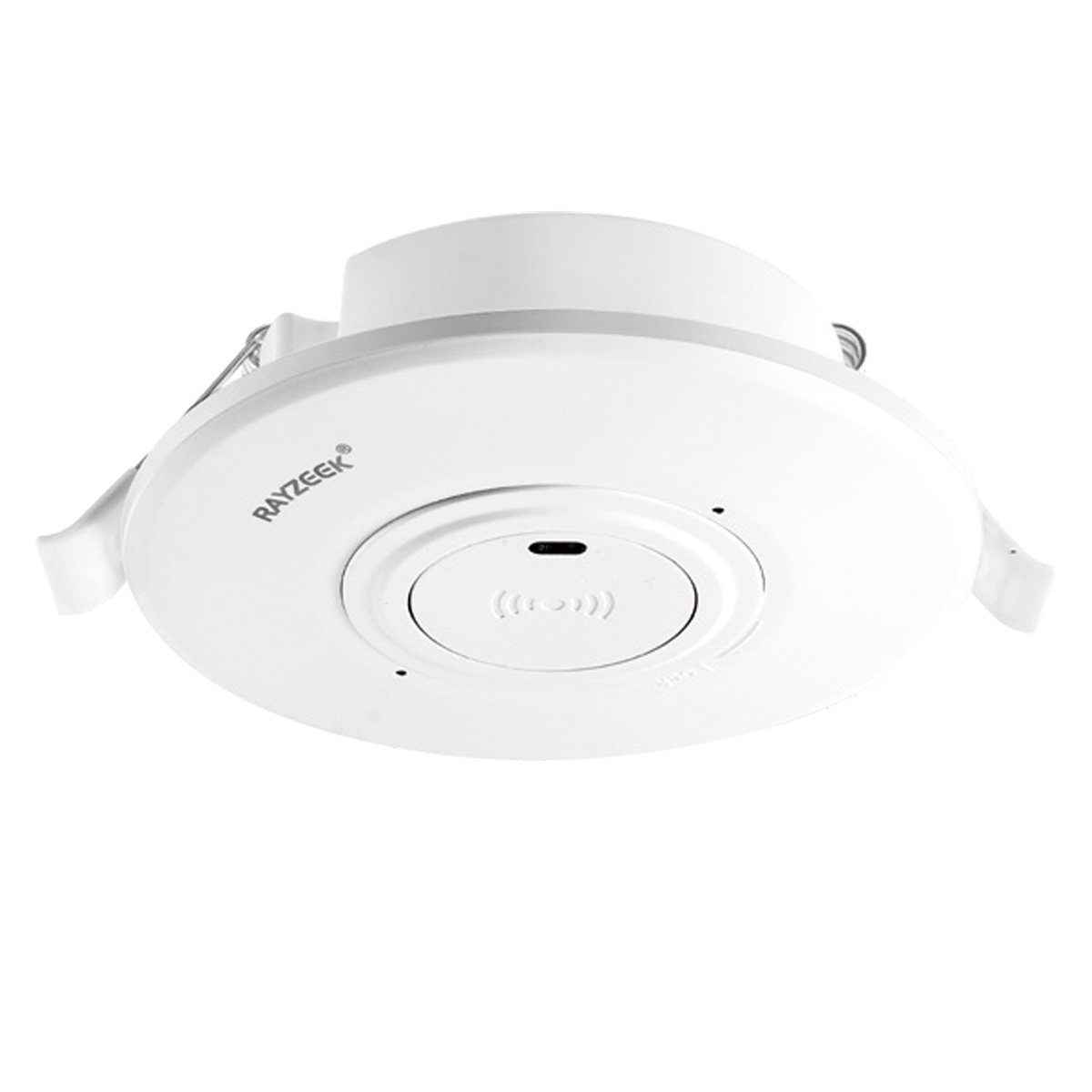
- สวิตช์เซนเซอร์ตรวจจับการเคลื่อนไหวด้วยไมโครเวฟแบบติดเพดานฝังฝ้า ไฟฟ้ากระแสตรงแรงดันต่ำ
- อินพุต 12 VDC / 24 VDC พร้อมช่วงรองรับ 10-30 VDC
- กระแสไฟฟ้าทำงานสูงสุด 10A พร้อมการปรับตั้งค่าเวลาหน่วง เกณฑ์ค่า Lux และความไวในการตรวจจับ
- สวิตช์เซนเซอร์ตรวจจับการเคลื่อนไหวด้วยไมโครเวฟแบบติดเพดานฝังฝ้า สำหรับโหลดสูง
- อินพุตแรงดันสาย 100-265 VAC รุ่น 10A
- ระบบตรวจจับด้วยไมโครเวฟความถี่ 5.8 GHz พร้อมการปรับตั้งค่าเวลาหน่วง เกณฑ์ค่า Lux และความไวในการตรวจจับ
- สวิตช์เซนเซอร์ตรวจจับการเคลื่อนไหวด้วยไมโครเวฟแบบติดเพดานฝังฝ้า
- อินพุตแรงดันสาย 100-265 VAC รุ่น 5A
- ระบบตรวจจับด้วยไมโครเวฟความถี่ 5.8 GHz พร้อมการปรับตั้งค่าเวลาหน่วง เกณฑ์ค่า Lux และความไวในการตรวจจับ
- สวิตช์หรี่ไฟเซนเซอร์ตรวจจับการเข้าใช้พื้นที่ระบบ PIR รุ่น RZ037 แบบติดเพดาน สำหรับระบบไฟฟ้า 220V
- กระแสไฟฟ้าทำงานสูงสุด 3A พร้อมโหลดพิกัด 660W
- ปุ่ม LUX ควบคุมการเปิด/ปิดเซนเซอร์แสง และความสว่างในการหรี่ไฟที่ผู้ใช้กำหนด
- สวิตช์หรี่ไฟเซนเซอร์ตรวจจับการเข้าใช้พื้นที่ระบบ PIR รุ่น RZ037 แบบติดเพดาน สำหรับระบบไฟฟ้า 110V
- กระแสไฟฟ้าทำงานสูงสุด 3A พร้อมโหลดพิกัด 330W
- ปุ่ม LUX ควบคุมการเปิด/ปิดเซนเซอร์แสง และความสว่างในการหรี่ไฟที่ผู้ใช้กำหนด
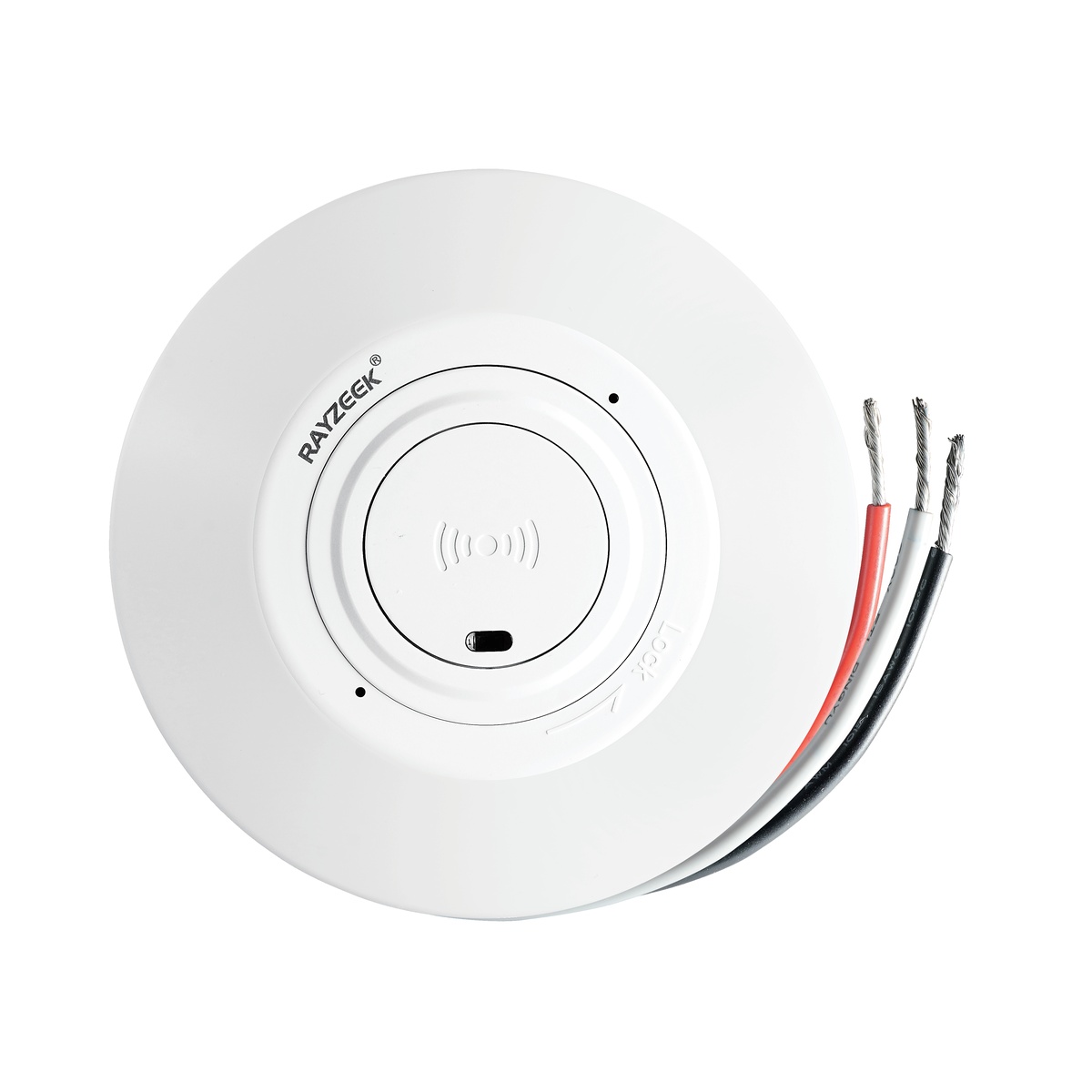
- สวิตช์เซนเซอร์ตรวจจับการเคลื่อนไหวด้วยไมโครเวฟแบบติดเพดาน ไฟฟ้ากระแสตรงแรงดันต่ำ
- อินพุต 12 VDC / 24 VDC พร้อมช่วงรองรับ 10-30 VDC
- กระแสไฟฟ้าทำงานสูงสุด 10A พร้อมการปรับตั้งค่าเวลาหน่วง เกณฑ์ค่า Lux และความไวในการตรวจจับ
- สวิตช์เซนเซอร์ตรวจจับความเคลื่อนไหวคลื่นไมโครเวฟแบบติดเพดาน รองรับโหลดสูง
- อินพุตแรงดันสาย 100-265 VAC รุ่น 10A
- ระบบตรวจจับด้วยไมโครเวฟความถี่ 5.8 GHz พร้อมการปรับตั้งค่าเวลาหน่วง เกณฑ์ค่า Lux และความไวในการตรวจจับ
- สวิตช์เซนเซอร์ตรวจจับความเคลื่อนไหวคลื่นไมโครเวฟแบบติดเพดาน
- อินพุตแรงดันสาย 100-265 VAC รุ่น 5A
- ระบบตรวจจับด้วยไมโครเวฟความถี่ 5.8 GHz พร้อมการปรับตั้งค่าเวลาหน่วง เกณฑ์ค่า Lux และความไวในการตรวจจับ
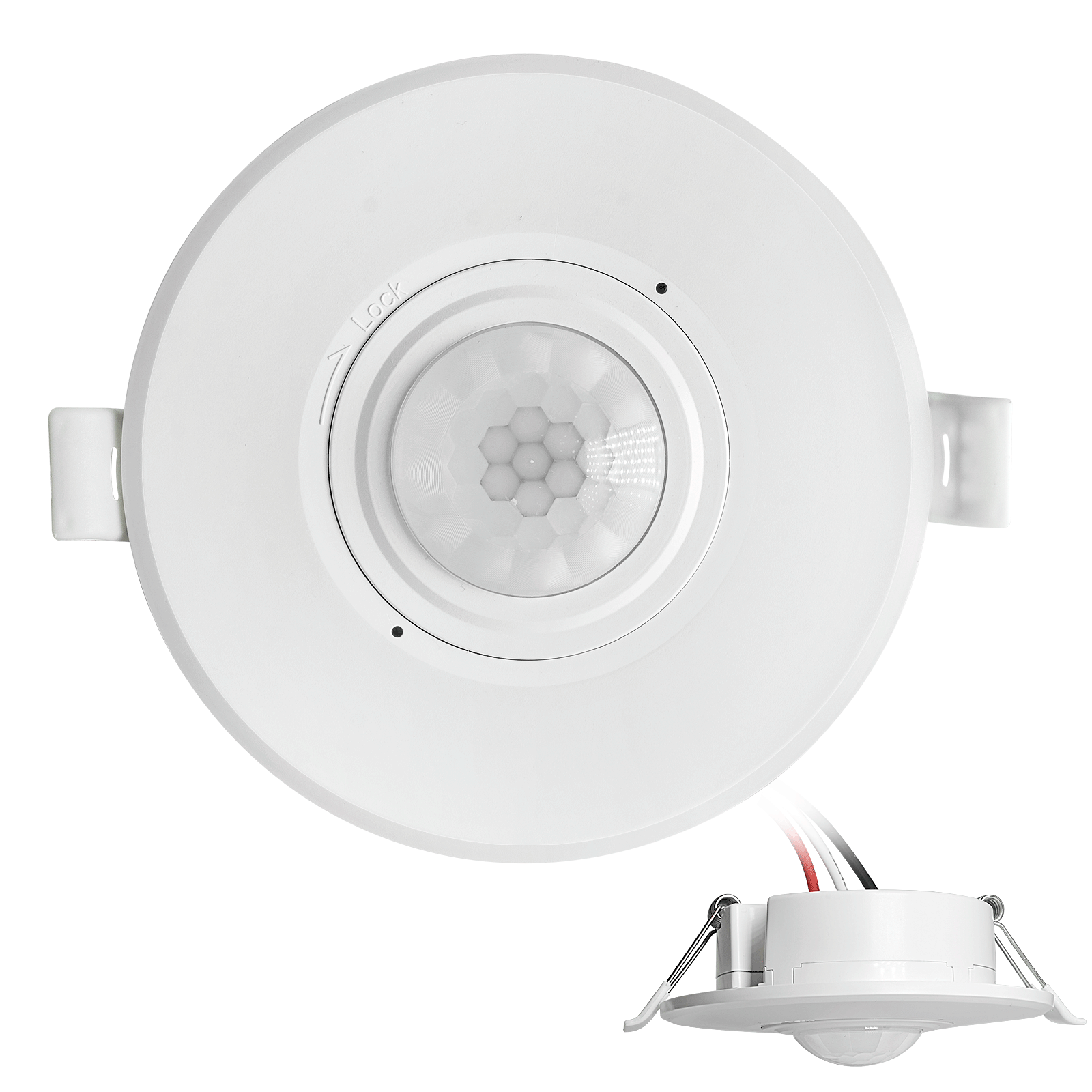
- สวิตช์เซนเซอร์ตรวจจับความเคลื่อนไหว PIR แบบฝังฝ้าเพดาน แรงดันไฟฟ้าต่ำ DC
- อินพุต 12 VDC / 24 VDC พร้อมช่วงรองรับ 10-30 VDC
- กระแสไฟฟ้าทำงานสูงสุด 10A พร้อมระบบปรับตั้งเวลาหน่วง ค่าความสว่าง Lux และความไวในการตรวจจับได้
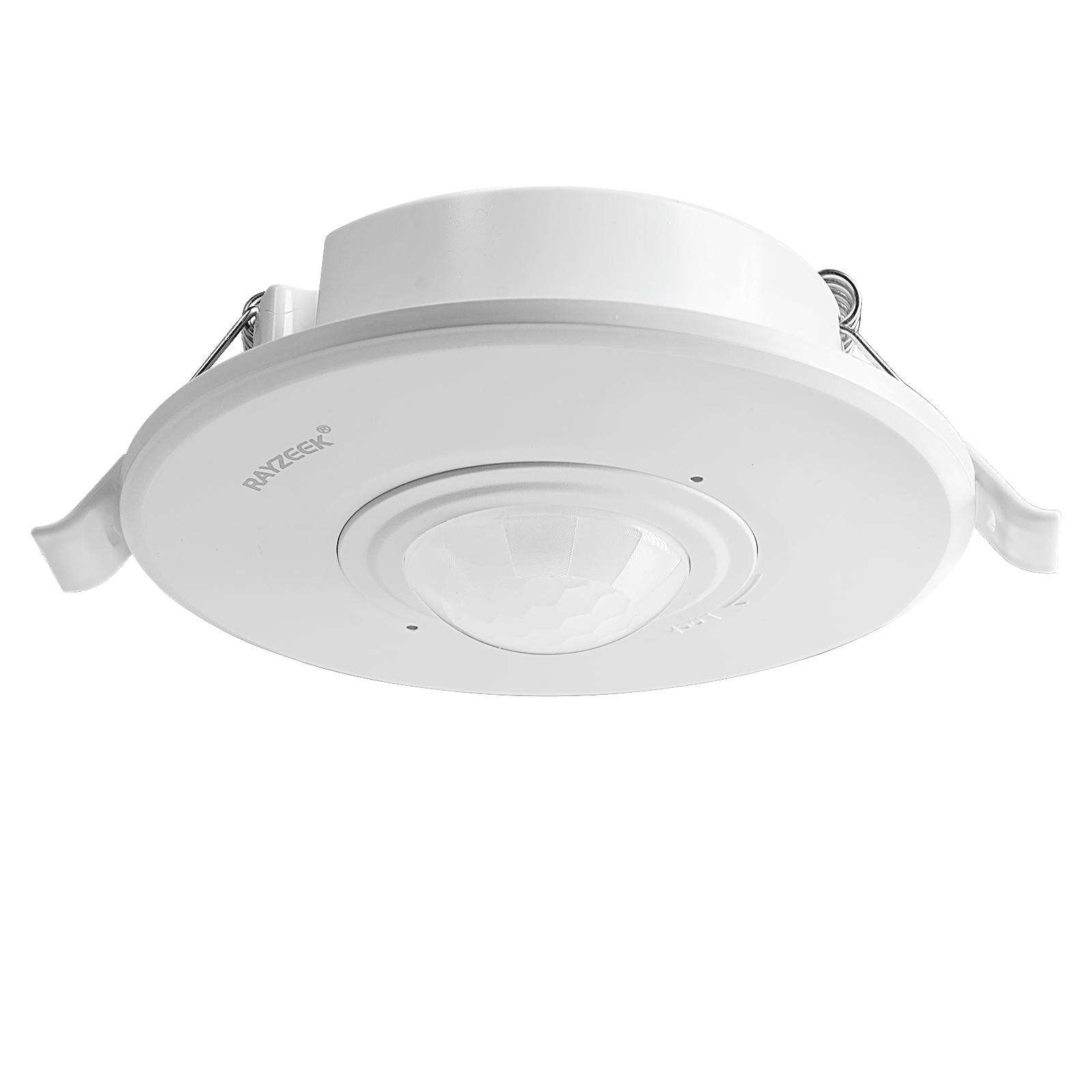
- สวิตช์เซนเซอร์ตรวจจับความเคลื่อนไหว PIR แบบฝังฝ้าเพดาน รองรับโหลดสูง
- อินพุตแรงดันสาย 100-265 VAC รุ่น 10A
- ระบบตรวจจับ 360 องศา พร้อมระบบปรับตั้งเวลาหน่วง ค่าความสว่าง Lux และความไวในการตรวจจับได้
- สวิตช์เซนเซอร์ตรวจจับความเคลื่อนไหว PIR แบบฝังฝ้าเพดาน
- อินพุตแรงดันสาย 100-265 VAC รุ่น 5A
- ระบบตรวจจับ 360 องศา พร้อมระบบปรับตั้งเวลาหน่วง ค่าความสว่าง Lux และความไวในการตรวจจับได้
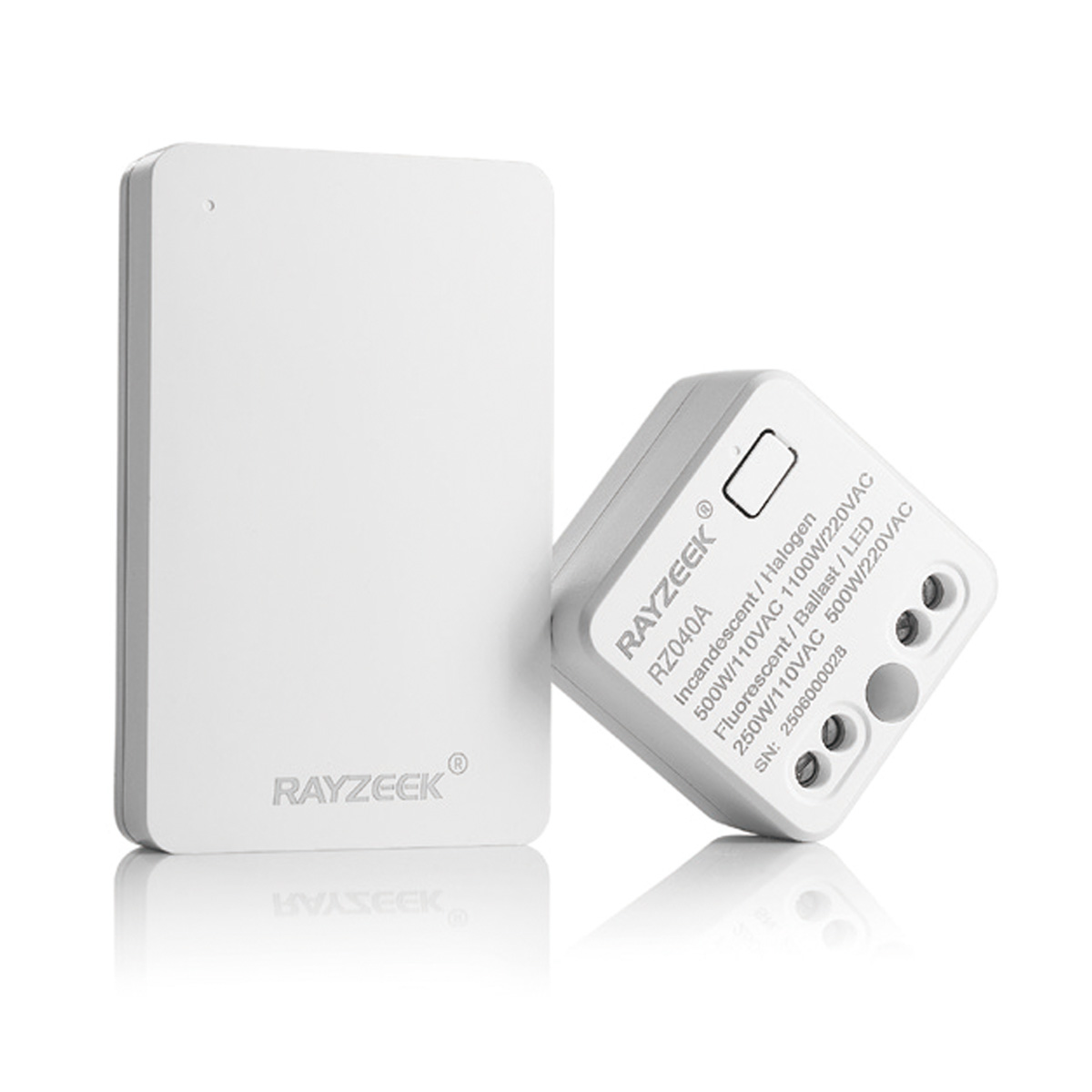
- ชุดสวิตช์ไร้สายและตัวรับสัญญาณสำหรับควบคุมการเปิด/ปิดไฟภายในอาคาร
- ตัวรับสัญญาณ 100-230VAC, 50/60Hz พิกัดกระแสไฟฟ้า 5A
- สวิตช์ไร้สายใช้พลังงานจากแบตเตอรี่ CR2032 พร้อมการสื่อสารผ่านความถี่ 2.4GHz
- ตรวจจับการใช้งาน (เปิดอัตโนมัติ/ปิดอัตโนมัติ)
- 12–24V DC (10–30VDC), สูงสุด 10A
- ครอบคลุม 360° เส้นผ่านศูนย์กลาง 8–12 ม.
- หน่วงเวลา 15 วินาที–30 นาที
- เซนเซอร์วัดแสง ปิด/15/25/35 Lux
- ความไวสูง/ต่ำ
- โหมดตรวจจับการใช้งาน เปิดอัตโนมัติ/ปิดอัตโนมัติ
- 100–265V AC, 10A (จำเป็นต้องมีสายสายนิวทรัล)
- ครอบคลุม 360°; เส้นผ่านศูนย์กลางการตรวจจับ 8–12 ม.
- หน่วงเวลา 15 วินาที–30 นาที; Lux ปิด/15/25/35; ความไวสูง/ต่ำ
- โหมดตรวจจับการใช้งาน เปิดอัตโนมัติ/ปิดอัตโนมัติ
- 100–265V AC, 5A (จำเป็นต้องมีสายสายนิวทรัล)
- ครอบคลุม 360°; เส้นผ่านศูนย์กลางการตรวจจับ 8–12 ม.
- หน่วงเวลา 15 วินาที–30 นาที; Lux ปิด/15/25/35; ความไวสูง/ต่ำ
Other Ways to Save Energy
If we really want to save energy, there are better ways to do it than relying on Daylight Saving Time.
One of the best ways to save energy is to switch to LED lighting. LEDs (light-emitting diodes) are way more efficient than those old incandescent bulbs. How much more efficient? Well, LEDs can use 75-80% less energy and last up to 25 times longer! This makes them a much more sustainable and cost-effective choice. Just how much energy can you save by switching to LEDs? Compared to incandescent bulbs, you’ll see a huge drop in energy use. Even compared to other types of lighting, LEDs come out on top in terms of energy savings.
Another great way to save energy is to use appliances that are highly energy-efficient. Look for appliances with the Energy Star label. What is Energy Star? It’s a program run by the U.S. Environmental Protection Agency (EPA) and the Department of Energy that certifies appliances that meet certain energy efficiency standards. If an appliance has the Energy Star label, it’s generally more energy-efficient than similar models without the label. What about the cost? Energy-efficient appliances might cost more upfront, but they’ll usually save you money on your energy bills over the long run.
For long-term energy savings, it’s essential to have stricter building codes that require energy-efficient construction and insulation. How well do these building codes work? Well, stricter codes can significantly reduce energy use in new buildings. They do this by requiring better insulation, energy-efficient windows, and other things that minimize energy loss. There are plenty of examples of successful building code implementations and how they’ve reduced energy use.
Smart grids can also help us save energy by making energy distribution more efficient and reducing waste. What’s a smart grid? It’s a system that uses digital technology to keep an eye on and manage the flow of electricity from power plants to our homes and businesses. This allows for two-way communication between the power company and its customers, so we can adjust energy use in real time. Smart grids can also make it easier to use renewable energy sources and make the power grid more reliable. They do this with sensors, automated controls, and advanced software that can detect and respond to changes in how we use energy. How does a smart grid actually work? It uses sensors to gather data, automated controls to make adjustments, and software to analyze the data and make decisions. All of this helps us save energy and use it more efficiently.
We can also save energy by changing our habits. Simple things like turning off lights when we leave a room and using public transportation can make a difference. But how well do those public awareness campaigns work? While they can definitely make people aware of the need to save energy, it’s often hard to get people to change their behavior for the long term. To really make a difference, we usually need a combination of education, incentives, and policy changes.
Let’s compare DST to these other energy-saving strategies. Which ones are likely to have the biggest impact? Well, based on what we know now, promoting energy efficiency through things like better lighting, appliances, and building codes is likely to be ที่สูงกว่า more effective than DST in reducing how much energy we use overall.
It’s important to see DST as just one small part of a much bigger picture when it comes to energy policy. While it was originally thought of as a major way to save energy, its role today is probably more symbolic than anything else. To really make a difference, we need a comprehensive approach that focuses on energy efficiency, renewable energy, and smart grid technologies. Focusing only on DST would take our attention away from these more effective strategies.
บทสรุป
In this article, we’ve taken a look at Daylight Saving Time (DST), starting with its original goal: to save energy by reducing our need for artificial light in the evenings. We then explored the complicated reality of how DST affects energy use today, noting the mixed results from studies and the impact of things like air conditioning and our changing lifestyles. Finally, we discussed how DST affects our health, safety, and the economy.
So, to wrap things up, while DST was first created to save energy, the evidence suggests that it doesn’t really do much in today’s world, if anything at all. Other ways to save energy, like using energy-efficient technologies and changing our habits, offer a much better chance of reducing how much energy we use.