
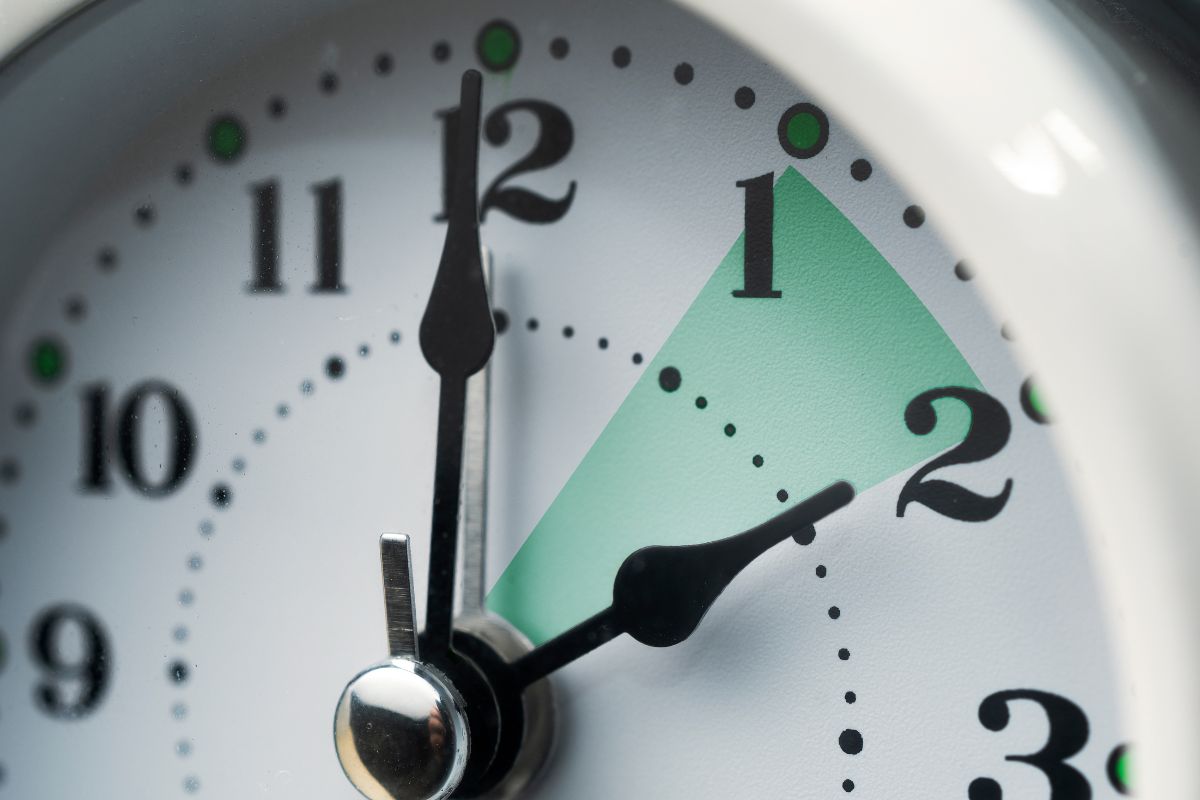
일광 절약 시간제(DST)는 특정 기간 동안 보통 시계를 1시간 앞당겨 조정하는 제도입니다. 이 제도의 목적이 무엇인지 궁금했던 적이 있으신가요? 본 문서에서는 일광 절약 시간제의 원래 도입 목적, 이것이 실제로 에너지 소비에 미치는 영향, 그리고 우리 삶 전반에 미치는 파급 효과를 살펴봅니다. 처음 도입된 배경, 에너지를 절약할 수 있을 것이라는 이론적 근거, 그리고 오늘날 실제 작동 방식과 효과를 다각도로 분석합니다. 흥미롭게도 전 세계 국가 중 약 40%만이 어떤 형태로든 DST를 시행하고 있습니다. 이러한 제한적인 시행은 지역별로 DST 운용 방식이 얼마나 크게 다른지 보여주며, 이 제도의 실질적인 유효성과 편익에 대해 여전히 많은 논쟁이 존재함을 시사합니다.
본 문서의 목표는 일광 절약 시간제가 에너지 사용에 미치는 영향에 대해 명확하고 상세한 이해를 제공하는 것입니다. 단순한 설명을 넘어 실제 에너지 절약 여부에 대한 흔한 오해를 바로잡고자 합니다.
일광 절약 시간제란 무엇인가?
그렇다면 일광 절약 시간제(DST)의 정확한 개념은 무엇일까요? DST는 연중 특정 기간 동안 시계를 보통 1시간 앞당기는 제도입니다. 주로 계절에 따른 일조량 차이가 큰 온대 지역에서 시행됩니다. 일년 내내 일조량이 비교적 일정하게 유지되는 적도 인근 지역에 거주하는 경우에는 DST를 도입할 필요성이 적습니다. 그렇다면 왜 1시간일까요? 1시간은 신체 시계나 일상생활의 루틴을 크게 해치지 않으면서도 일조 시간을 활용하기에 가장 적절한 변화폭이기 때문입니다. 더 큰 시간 조정을 시도한 사례도 있으나 일반적이지는 않습니다. 한 가지 중요한 점은 DST가 영구적인 제도가 아니라는 사실입니다. 이는 한시적인 조치이며, 연말이 되면 다시 표준시로 복귀합니다.
그렇다면 표준시란 무엇일까요? 표준시는 태양의 위치를 기준으로 설정된 해당 지역의 “기본” 시간입니다. 반면 일광 절약 시간제는 표준시보다 보통 1시간 빠른 조정된 시간입니다. 그렇다면 이것이 표준 시간대(Time Zone)와는 어떻게 연계될까요? 표준 시간대는 동일한 표준시를 공유하는 구역을 의미합니다. DST가 적용되면 해당 표준 시간대 전체가 함께 일괄 조정됩니다. 예를 들어 동부 표준시(EST)는 DST 적용 기간 동안 동부 일광 절약 시간(EDT)으로 전환됩니다.
시계를 어느 방향으로 돌려야 하는지 기억하기 쉬운 표현으로 “Spring Forward, Fall Back(봄에는 앞당기고, 가을에는 되돌린다)”이라는 문구가 있습니다. 북반구 기준으로 봄(보통 3월)에는 시계를 1시간 앞으로 조정합니다. 그리고 가을(보통 11월)에는 다시 1시간 뒤로 돌려놓습니다. 그렇다면 DST의 시작과 종료 시점은 누가 결정할까요? 이는 관련 법률에 따라 규정되며, 국가마다 혹은 동일 국가 내 지역에 따라서도 차이가 있습니다. 참고로 모든 국가가 DST를 시행하는 것은 아닙니다. 특히 적도 근처의 많은 국가들은 이 제도를 도입하지 않습니다. 적도 인근은 지구 자전축 기울기에 따른 일조량 변화가 적어, DST가 해결하고자 하는 계절적 일조 시간의 변동 문제가 거의 발생하지 않기 때문입니다.
일광 절약 시간제의 최초 도입 취지
전기가 대중화되기 이전의 시대를 상향해 보십시오. 당시에는 일광이 거의 모든 활동의 주요 광원이었습니다. 이제 제1차 세계 대전(1914년~1918년) 무렵인 1900년대 초반으로 이동해 보겠습니다. 당시는 에너지 절약의 중요성에 대한 인식이 시작되던 시기였습니다. 전깃불 보급이 확대되고 있었으나, 조명은 여전히 상당한 양의 에너지를 소모하고 있었습니다. lot of energy. What kind of lights were they using back then? Mostly incandescent light bulbs, which, compared to today’s lights, were really inefficient.
World War I meant that resources, especially fuel, were in short supply and needed to be saved for the war effort. Germany was one of the first to really embrace DST, back in 1916, to conserve fuel (mostly coal back then) for the war. Because Germany took the lead, other countries involved in the war, like the UK and the US, also started using DST as a way to save resources. So, was DST invented during World War I? Well, the idea of shifting clocks to make better use of daylight had been around for a while. Benjamin Franklin, for example, had suggested something similar, though his idea was more of a joke. But World War I is what really pushed people to start using DST widely. Those earlier ideas, while similar in concept, didn’t really focus on saving energy like the wartime DST did. Franklin’s suggestion, for instance, was in a funny essay and was more about the money you could save by using sunlight instead of artificial light.
Back in the early 1900s, lighting took up a much bigger chunk of a household’s energy than it does today. Just how much more? Well, lighting could account for a huge portion of a home’s total energy use, sometimes even more than heating (in certain climates) or those early electrical gadgets. The exact amount varied depending on where you lived and how you lived, but lighting was definitely a major player.
The idea behind DST was that by moving the clock forward, people would get an extra hour of daylight in the evening. This clock shift, called Daylight Saving Time, was supposed to cut down on the need for artificial light, which would then save energy. But was this based on any actual scientific research back then? Probably not. The early reasoning was likely based more on what people observed and what seemed logical, rather than on any detailed scientific studies. The main thing was to meet the immediate needs of the war effort.
How DST is Meant to Save Energy
Let’s be clear: DST doesn’t magically create more daylight. It just moves the daylight we already have around within the 24-hour day. The whole point is to line up those daylight hours with when we’re typically awake, especially in the evening.
So, how does DST supposedly work? Well, it starts with moving the clock forward an hour. Remember, that’s what Daylight Saving Time is all about. Now, the idea is that people tend to be more active when it’s light outside. So, with that extra daylight in the evening, people should need less artificial light. But this whole idea relies on a few assumptions. First, it assumes that most of us have pretty regular daily routines, with a good chunk of our waking hours happening in the evening. Second, it assumes that we’ll mostly use that extra daylight for things that would normally require us to turn on the lights. Does this mean everyone has to have the same schedule for DST to work? Not really, it’s more about the average daily patterns of a population. How well DST works really depends on how well those average patterns match up with the shifted daylight hours.
We humans are naturally more active during the day, and that’s largely due to our biology, specifically something called our circadian rhythm. What is that? Well, think of it as our internal biological clock. It’s a process that runs inside us, regulating our sleep-wake cycle and other bodily functions over about a 24-hour period. Light exposure plays a huge role here, with daylight telling us to wake up and darkness telling us it’s time to sleep. So, how does this relate to our “biological clock”? The circadian rhythm 무엇일까요? that biological clock, and it’s heavily influenced by light.
Rayzeek 모션 센서 포트폴리오에서 영감을 얻어보세요.
원하시는 제품을 찾지 못하셨나요? 걱정하지 마세요. 문제를 해결할 수 있는 대체 방법은 언제나 존재합니다. 당사의 포트폴리오 중 하나가 도움이 될 수 있습니다.
The main way DST is supposed to save energy is by reducing how much we use electric lights. Are there any other ways it might help? Well, while lighting is the big one, some people used to think it might also cut down on heating use. But that’s less clear and really depends on the climate.
Does DST Actually Save Energy?
Things have changed a lot since DST was first introduced back in the early 1900s. Our lifestyles and how we use energy are completely different now. What are the biggest changes? Well, we’re using way more appliances, electronics, and air conditioning. Plus, our work lives have changed, with more people working shifts or working from home. All of this has really shaken up our energy consumption patterns.
So, does DST 실제로 save energy? Well, studies on this topic have been all over the place. Some show small savings, others show no real difference, and some even suggest that it might increase energy use. For example, a 2008 study by the US Department of Energy found that extending DST by four weeks in 2007 saved about 0.5% of electricity during those weeks. But other studies, especially in areas where air conditioning is common, have found no significant savings or even a slight increase in energy use. Studies in Australia and some European countries have also had mixed results, often depending on how the study was done and what time period was looked at. To give you an idea of how small these savings might be, think about switching from old-fashioned incandescent light bulbs to LEDs (light-emitting diodes). While DST might save you a tiny bit of energy in some places, using LED lighting can cut your lighting energy use by 75% or more! This really shows how important it is to focus on energy-saving measures that we know work. Why are the results so different from study to study? It’s because of things like different study methods, climates, cultures, and the specific time periods that were examined. So, what’s the general feeling about all this? While not everyone agrees, many recent studies suggest that DST saves very little, if any, energy in today’s world.
Where you live and the climate you experience can also affect how well DST works. For example, if you live in a place with really long summer days, DST might not make much of a difference. And if you live in a hot climate, you might actually end up using 더 많은 energy because of air conditioning. While most studies these days show that DST doesn’t save much energy, there might be some exceptions in certain regions with specific climates and less need for air conditioning. But even then, the savings are usually pretty small and might not be worth the trouble. So, instead of saying that DST never works, it’s probably more accurate to say that it usually doesn’t save a significant amount of energy.
Impact of Modern Technology and Lifestyles
Air conditioning is a huge energy hog, and we tend to crank it up the most in the evening. This can cancel out any energy savings we might get from using less lighting. How does air conditioning use change with DST? Well, that extra hour of daylight in the evening can make our homes hotter, which means we need to use even 더 많은 air conditioning to stay cool. This is especially true if you live in a place with hot, humid weather.
Don’t forget about all those computers, TVs, and other gadgets we use! They’re constantly sucking up energy, no matter how much daylight there is. Does the time of day matter for how much we use these devices? Maybe a little. For example, people might watch more TV in the evening. But overall, the impact on energy use is probably smaller than what we see with lighting or air conditioning.
These days, more and more people are working non-traditional hours or working from home. This is blurring the lines between what we do during the day and what we do at night. How does this affect the whole idea behind DST? Well, the old assumption that most people are awake during the day and asleep at night just isn’t as true as it used to be. With more shift work, remote work, and the fact that we’re all connected 24/7, our energy use patterns are much more varied and less tied to the typical 9-to-5 workday.
Our energy use tends to go up and down throughout the day. We usually see peaks in the morning and evening, with a bit of a lull in the afternoon. And throughout the year, we generally use more energy in the summer (because of air conditioning) and in the winter (because of heating). So, how does DST play into all of this? Well, it can shift when we use the most energy, but it doesn’t necessarily reduce how much energy we use overall. In some cases, it might even make things worse by making us run our air conditioners for longer in the evening.
Here’s something interesting to consider: the “rebound effect.” This means that if people think they’re saving energy, they might change their behavior in ways that cancel out those savings. For instance, if you feel like you’re saving energy because of the extra daylight, you might be less careful about turning off lights or other appliances. It’s a psychological thing: if we think we’re doing good in one area, we might loosen up in another.
Other Effects of Daylight Saving Time
It’s important to remember that DST affects more than just energy use. It can also have an impact on other parts of our lives.
동작 감지 기반의 에너지 절감 솔루션을 찾고 계십니까?
PIR 동작 감지 센서, 동작 감지 에너지 절감 제품, 동작 감지 센서 스위치, 상업용 점유/부재(Occupancy/Vacancy) 감지 솔루션에 대해 문의해 주시기 바랍니다.
That time shift that comes with DST can mess with our sleep patterns, and that can lead to some negative health effects. These can include a higher risk of heart attacks, strokes, and injuries at work, especially in the days right after we “spring forward.” The disrupted sleep can also make us less productive and affect our ability to think clearly. How big of a deal is this disruption? It really depends on the person and the time of year. Most people find the spring transition harder than the fall one, because we actually lose an hour of sleep in the spring.
Some studies have found that traffic accidents go up in the days after we switch to DST in the spring. This might be because people are more tired from losing that hour of sleep. But is this something that happens consistently? The evidence is mixed. Some studies show an increase, while others don’t find any real change. Things like tired drivers, poor visibility, and changes in traffic patterns can all play a role in accident rates.
Interestingly, some research suggests that DST might be linked to a drop in certain types of crime. This could be because more people are out and about in the evening. What kinds of crimes are most affected? Usually, it’s crimes that happen outdoors, like robbery and assault. More visibility and more people being outside during daylight hours can discourage criminals.
DST can also affect the economy. Some industries, like retail and tourism, might benefit from the extra daylight hours for shopping and recreation. But other industries, like agriculture, might face challenges because of changes in work schedules. And beyond the big picture, there are also costs associated with changing the clocks twice a year. We have to update computer systems, reprogram devices, and let everyone know about the changes. These costs might seem small for each of us, but they can add up across the entire economy. So, is there a net economic benefit or cost? It’s complicated and hard to say for sure. It probably depends on where you are and what industries are common in your area.
More daylight in the evening means more chances to get outside and enjoy outdoor activities. Does this lead to any real health benefits? Maybe, but it’s hard to say for sure. It’s tough to separate the impact of DST from other things that affect how active we are, like the weather, access to parks and recreation, and our own personal choices.
So, to sum it up, DST has some potential downsides, including messing with our sleep, harming our health, and possibly leading to more traffic accidents.
Even when the evidence shows that DST doesn’t save much energy, it can be hard to get rid of it. There are often political and economic forces at work, including lobbying from industries that like DST, such as retail and recreation. Changing a law takes political effort and can be surprisingly controversial, because people get used to things the way they are, even if it’s not the best way. We also have to think about international coordination, because changing DST in one area can affect nearby areas.
Even though DST might not save much energy, there are still reasons why some people want to keep it around. Some folks just like having more daylight in the evening, even if it doesn’t save energy. Certain industries, like retail and tourism, say that DST helps their businesses by giving people more daylight hours to shop and have fun. There are also arguments about public safety, with some claiming that DST reduces crime by making it easier to see outside in the evening. These reasons, while not about saving energy, are part of the ongoing discussion about DST.
관심 있는 다른 제품

- 전압: AAA 배터리 2개
- 주간/야간 모드
- 시간 지연: 15분, 30분, 1시간(기본값), 2시간

- 무전압 접점 리레이 출력을 갖춘 천장 설치형 PIR 재실 감지 센서
- 12/24VDC 또는 12/24VAC 저전압 전원 공급
- EMS, HVAC 및 빌딩 제어 입력을 위한 COM, NO 및 NC 절연 리레이 접점

- 저전압 DC 매립형 천장 설치형 마이크로웨이브 모션 센서 스위치
- 10-30 VDC 범위를 지원하는 12 VDC / 24 VDC 입력
- 조절 가능한 지연 시간, Lux 임계값 및 감도 기능을 갖춘 최대 10A 동작 전류
- 고부하용 매립형 천장 설치형 마이크로웨이브 모션 센서 스위치
- 100-265 VAC 라인 전압 입력, 10A 모델
- 조절 가능한 지연 시간, Lux 임계값 및 감도를 갖춘 5.8 GHz 마이크로웨이브 감지
- 천장 매립형 마이크로웨이브 동작 감지 센서 스위치
- 100-265 VAC 라인 전압 입력, 5A 모델
- 조절 가능한 지연 시간, Lux 임계값 및 감도를 갖춘 5.8 GHz 마이크로웨이브 감지
- 220V 전원용 천장 부착형 RZ037 PIR 재실 감지 센서 디머
- 660W 정격 부하 및 최대 동작 전류 3A
- LUX 버튼으로 조도 센서 ON/OFF 및 사용자 설정 디밍 밝기 제어
- 110V 전원용 천장 부착형 RZ037 PIR 재실 감지 디머 스위치
- 330W 정격 부하 및 최대 동작 전류 3A
- LUX 버튼으로 조도 센서 ON/OFF 및 사용자 설정 디밍 밝기 제어

- 저전압 DC 천장 부착형 마이크로웨이브 동작 감지 센서 스위치
- 10-30 VDC 범위를 지원하는 12 VDC / 24 VDC 입력
- 조절 가능한 지연 시간, Lux 임계값 및 감도 기능을 갖춘 최대 10A 동작 전류
- 고부하용 천장 부착형 마이크로웨이브 동작 감지 센서 스위치
- 100-265 VAC 라인 전압 입력, 10A 모델
- 조절 가능한 지연 시간, Lux 임계값 및 감도를 갖춘 5.8 GHz 마이크로웨이브 감지
- 천장 부착형 마이크로웨이브 동작 감지 센서 스위치
- 100-265 VAC 라인 전압 입력, 5A 모델
- 조절 가능한 지연 시간, Lux 임계값 및 감도를 갖춘 5.8 GHz 마이크로웨이브 감지

- 저전압 DC 매립형 천장 PIR 동작 감지 센서 스위치
- 10-30 VDC 범위를 지원하는 12 VDC / 24 VDC 입력
- 시간 지연, 조도 임계값, 감도 조절이 가능한 최대 동작 전류 10A 제품

- 고부하용 매립형 천장 PIR 동작 감지 센서 스위치
- 100-265 VAC 라인 전압 입력, 10A 모델
- 시간 지연, 조도 임계값, 감도 조절이 가능한 360도 감지
- 매립형 천장 PIR 동작 감지 센서 스위치
- 100-265 VAC 라인 전압 입력, 5A 모델
- 시간 지연, 조도 임계값, 감도 조절이 가능한 360도 감지

- 실내 ON/OFF 조명 제어용 무선 스위치 및 수신기 키트
- 정격 전류 5A의 100-230VAC, 50/60Hz 수신기
- 2.4GHz 통신 방식의 CR2032 배터리 구동 무선 스위치
- 재실 모드(자동 ON/자동 OFF)
- 12–24V DC (10–30VDC), 최대 10A
- 360° 감지 범주, 직경 8–12m
- 시간 지연 15초–30분
- 조도 센서 Off/15/25/35 Lux
- 높음/낮음 감도
- 자동 ON/자동 OFF 재실 모드
- 100–265V AC, 10A (중성선 필요)
- 360° 감지 범위; 감지 직경 8–12m
- 시간 지연 15초–30분; 조도 OFF/15/25/35; 감도 높음/낮음
- 자동 ON/자동 OFF 재실 모드
- 100–265V AC, 5A (중성선 필요)
- 360° 감지 범위; 감지 직경 8–12m
- 시간 지연 15초–30분; 조도 OFF/15/25/35; 감도 높음/낮음
Other Ways to Save Energy
If we really want to save energy, there are better ways to do it than relying on Daylight Saving Time.
One of the best ways to save energy is to switch to LED lighting. LEDs (light-emitting diodes) are way more efficient than those old incandescent bulbs. How much more efficient? Well, LEDs can use 75-80% less energy and last up to 25 times longer! This makes them a much more sustainable and cost-effective choice. Just how much energy can you save by switching to LEDs? Compared to incandescent bulbs, you’ll see a huge drop in energy use. Even compared to other types of lighting, LEDs come out on top in terms of energy savings.
Another great way to save energy is to use appliances that are highly energy-efficient. Look for appliances with the Energy Star label. What is Energy Star? It’s a program run by the U.S. Environmental Protection Agency (EPA) and the Department of Energy that certifies appliances that meet certain energy efficiency standards. If an appliance has the Energy Star label, it’s generally more energy-efficient than similar models without the label. What about the cost? Energy-efficient appliances might cost more upfront, but they’ll usually save you money on your energy bills over the long run.
For long-term energy savings, it’s essential to have stricter building codes that require energy-efficient construction and insulation. How well do these building codes work? Well, stricter codes can significantly reduce energy use in new buildings. They do this by requiring better insulation, energy-efficient windows, and other things that minimize energy loss. There are plenty of examples of successful building code implementations and how they’ve reduced energy use.
Smart grids can also help us save energy by making energy distribution more efficient and reducing waste. What’s a smart grid? It’s a system that uses digital technology to keep an eye on and manage the flow of electricity from power plants to our homes and businesses. This allows for two-way communication between the power company and its customers, so we can adjust energy use in real time. Smart grids can also make it easier to use renewable energy sources and make the power grid more reliable. They do this with sensors, automated controls, and advanced software that can detect and respond to changes in how we use energy. How does a smart grid actually work? It uses sensors to gather data, automated controls to make adjustments, and software to analyze the data and make decisions. All of this helps us save energy and use it more efficiently.
We can also save energy by changing our habits. Simple things like turning off lights when we leave a room and using public transportation can make a difference. But how well do those public awareness campaigns work? While they can definitely make people aware of the need to save energy, it’s often hard to get people to change their behavior for the long term. To really make a difference, we usually need a combination of education, incentives, and policy changes.
Let’s compare DST to these other energy-saving strategies. Which ones are likely to have the biggest impact? Well, based on what we know now, promoting energy efficiency through things like better lighting, appliances, and building codes is likely to be much more effective than DST in reducing how much energy we use overall.
It’s important to see DST as just one small part of a much bigger picture when it comes to energy policy. While it was originally thought of as a major way to save energy, its role today is probably more symbolic than anything else. To really make a difference, we need a comprehensive approach that focuses on energy efficiency, renewable energy, and smart grid technologies. Focusing 유일한 on DST would take our attention away from these more effective strategies.
결론
In this article, we’ve taken a look at Daylight Saving Time (DST), starting with its original goal: to save energy by reducing our need for artificial light in the evenings. We then explored the complicated reality of how DST affects energy use today, noting the mixed results from studies and the impact of things like air conditioning and our changing lifestyles. Finally, we discussed how DST affects our health, safety, and the economy.
So, to wrap things up, while DST was first created to save energy, the evidence suggests that it doesn’t really do much in today’s world, if anything at all. Other ways to save energy, like using energy-efficient technologies and changing our habits, offer a much better chance of reducing how much energy we use.







