

Energy efficiency is the big buzzword these days, which means that many facility managers are looking for ways to reduce the energy usage of their facility. The first place many look is to facility lighting and maintenance solutions.
Making facility lighting more energy efficient seems like a simple enough task. Remove old, inefficient lights, and install new, energy efficient ones, right? Well, not exactly. This is known as one-for-one replacement, and while it will reduce your energy costs, it’s not actually the most efficient way to go about improving your facility’s lighting and maintenance solutions as a whole.
Instead, consider taking a more comprehensive approach that focuses not just on the lightbulbs themselves, but the lighting needs of the space, lighting design, and additional components that can reduce lighting energy usage. This is what planning for a lighting upgrade is all about.
Planning for Upgrades
So how does a facility manager go about planning for a lighting upgrade?
Look at the bigger picture.
How can a lighting upgrade do more than just reduce energy usage?
กำลังมองหาโซลูชันประหยัดพลังงานที่ทำงานด้วยการตรวจจับความเคลื่อนไหวอยู่ใช่ไหม?
ติดต่อเราเพื่อรับโซลูชันเชิงพาณิชย์สำหรับเซนเซอร์ตรวจจับความเคลื่อนไหว PIR แบบครบวงจร ผลิตภัณฑ์ประหยัดพลังงานที่ทำงานด้วยการตรวจจับความเคลื่อนไหว สวิตช์เซนเซอร์ตรวจจับความเคลื่อนไหว และระบบตรวจจับเมื่อมีคนอยู่/ห้องว่าง
Reduce maintenance needs
New lighting can reduce maintenance costs in the form of extending the lifespan of the bulbs. For example, LED lights can last up to 50,000 hours, which is significantly longer than traditional incandescent bulbs that typically last around 1,000 hours. This means less time and money spent on replacing bulbs.
Improving the quality of lighting
One of the biggest complaints that facility occupants have is that the quality of the lighting is poor and inhibits their productivity. For example, glare is a big problem in facilities as a result of too much downlighting. Poor color temperature can result in objects taking on unnatural appearances that are distracting. By upgrading to modern lighting solutions, such as LED panels with diffusers, you can provide a more comfortable and productive environment for occupants.
Modernize outdated systems
A lighting system that was designed when the facility was originally constructed may not meet the needs of the current occupants of the facility. For instance, an office space that was once used for paper-based tasks may now require more focused lighting for computer work. Upgrading to a modern lighting system can ensure that the lighting meets the current needs of the space.
Improve control systems
Lighting control systems include things like occupancy sensors and dimming systems, both of which can substantially reduce lighting usage while continuing to meet the needs of the occupants. Occupancy sensors can detect when a room is empty and automatically turn off the lights, while dimming systems allow for adjustable lighting levels based on the time of day or specific tasks. More on these later.
รับแรงบันดาลใจจากกลุ่มผลิตภัณฑ์เซนเซอร์ตรวจจับการเคลื่อนไหวของ Rayzeek
ยังไม่พบสิ่งที่คุณต้องการใช่ไหม? ไม่ต้องกังวล ยังมีวิธีอื่น ๆ อีกเสมอในการแก้ปัญหาของคุณ บางทีหนึ่งในกลุ่มผลิตภัณฑ์ของเราอาจช่วยคุณได้
Incorporating Motion Sensors and Occupancy Sensors
In addition to upgrading the lighting fixtures themselves, incorporating motion sensors and occupancy sensors can further enhance the energy efficiency of your facility. These sensors can detect when a space is unoccupied and automatically turn off the lights, reducing unnecessary energy consumption.
Motion sensors are particularly useful in areas with intermittent occupancy, such as hallways, stairwells, and restrooms. When someone enters the space, the motion sensor detects their presence and turns on the lights. After a set period of inactivity, the lights automatically turn off, saving energy when the space is not in use.
Occupancy sensors, on the other hand, are designed for spaces where people remain for longer periods, such as offices, conference rooms, and classrooms. These sensors detect both motion and heat, ensuring that the lights remain on as long as someone is present in the room. Once the space is vacated, the lights turn off after a predetermined delay, typically around 15-30 minutes.
By incorporating motion sensors and occupancy sensors into your lighting and maintenance solutions, you can significantly reduce energy waste and lower your facility’s overall energy costs.
The Benefits of Motion Sensor Switches
Motion sensor switches offer a convenient and efficient way to control lighting in your facility. These switches combine the functionality of a traditional light switch with the energy-saving benefits of a motion sensor.
คุณอาจจะสนใจใน

- เซนเซอร์ตรวจจับความเคลื่อนไหว PIR แบบติดเพดาน พร้อมเอาต์พุตรีเลย์ดรายคอนแทค
- แหล่งจ่ายไฟแรงดันต่ำ 12/24VDC หรือ 12/24VAC
- หน้าสัมผัสรีเลย์แบบแยกอิสระ COM, NO และ NC สำหรับสัญญาณอินพุตของ EMS, HVAC และการควบคุมอาคาร

- สวิตช์เซนเซอร์ตรวจจับความเคลื่อนไหวไมโครเวฟแบบฝังฝ้าเพดาน แรงดันต่ำ DC
- อินพุต 12 VDC / 24 VDC พร้อมช่วงรองรับ 10-30 VDC
- กระแสทำงานสูงสุด 10A พร้อมความสามารถในการปรับหน่วงเวลา, ค่าเกณฑ์ Lux และความไวในการตรวจจับ
- สวิตช์เซนเซอร์ตรวจจับความเคลื่อนไหวไมโครเวฟแบบฝังฝ้าเพดาน รองรับโหลดสูงพิเศษ
- อินพุตแรงดันไฟบ้าน 100-265 VAC, รุ่น 10A
- ระบบตรวจจับด้วยคลื่นไมโครเวฟ 5.8 GHz พร้อมความสามารถในการปรับหน่วงเวลา, ค่าเกณฑ์ Lux และความไวในการตรวจจับ
- สวิตช์เซนเซอร์ตรวจจับความเคลื่อนไหวไมโครเวฟแบบฝังฝ้าเพดาน
- อินพุตแรงดันไฟบ้าน 100-265 VAC, รุ่น 5A
- ระบบตรวจจับด้วยคลื่นไมโครเวฟ 5.8 GHz พร้อมความสามารถในการปรับหน่วงเวลา, ค่าเกณฑ์ Lux และความไวในการตรวจจับ
- สวิตช์หรี่ไฟเซนเซอร์ตรวจจับความเคลื่อนไหว RZ037 PIR แบบติดเพดาน สำหรับระบบไฟ 220V
- กระแสทำงานสูงสุด 3A พร้อมโหลดพิกัด 660W
- ปุ่ม LUX ควบคุมการเปิด/ปิดระบบเซนเซอร์แสง และควบคุมระดับความสว่างในการหรี่ไฟที่ผู้ใช้ตั้งค่าไว้
- สวิตช์หรี่ไฟเซนเซอร์ตรวจจับความเคลื่อนไหว RZ037 PIR แบบติดเพดาน สำหรับระบบไฟ 110V
- กระแสทำงานสูงสุด 3A พร้อมโหลดพิกัด 330W
- ปุ่ม LUX ควบคุมการเปิด/ปิดระบบเซนเซอร์แสง และควบคุมระดับความสว่างในการหรี่ไฟที่ผู้ใช้ตั้งค่าไว้

- สวิตช์เซนเซอร์ตรวจจับความเคลื่อนไหวระบบไมโครเวฟ แบบติดเพดาน ไฟฟ้ากระแสตรงแรงดันต่ำ
- อินพุต 12 VDC / 24 VDC พร้อมช่วงรองรับ 10-30 VDC
- กระแสทำงานสูงสุด 10A พร้อมความสามารถในการปรับหน่วงเวลา, ค่าเกณฑ์ Lux และความไวในการตรวจจับ
- สวิตช์เซนเซอร์ตรวจจับความเคลื่อนไหวระบบไมโครเวฟ แบบติดเพดาน รองรับโหลดสูง
- อินพุตแรงดันไฟบ้าน 100-265 VAC, รุ่น 10A
- ระบบตรวจจับด้วยคลื่นไมโครเวฟ 5.8 GHz พร้อมความสามารถในการปรับหน่วงเวลา, ค่าเกณฑ์ Lux และความไวในการตรวจจับ
- สวิตช์เซนเซอร์ตรวจจับความเคลื่อนไหวระบบไมโครเวฟ แบบติดเพดาน
- อินพุตแรงดันไฟบ้าน 100-265 VAC, รุ่น 5A
- ระบบตรวจจับด้วยคลื่นไมโครเวฟ 5.8 GHz พร้อมความสามารถในการปรับหน่วงเวลา, ค่าเกณฑ์ Lux และความไวในการตรวจจับ

- สวิตช์เซนเซอร์ตรวจจับความเคลื่อนไหว PIR แบบฝังฝ้าเพดาน ไฟฟ้ากระแสตรงแรงดันต่ำ
- อินพุต 12 VDC / 24 VDC พร้อมช่วงรองรับ 10-30 VDC
- กระแสไฟฟ้าทำงานสูงสุด 10A พร้อมระบบปรับตั้งเวลาหน่วง, ค่าความสว่าง (Lux), และความไวในการตรวจจับ

- สวิตช์เซนเซอร์ตรวจจับความเคลื่อนไหว PIR แบบฝังฝ้าเพดาน รองรับโหลดสูง
- อินพุตแรงดันไฟบ้าน 100-265 VAC, รุ่น 10A
- ตรวจจับรอบทิศทาง 360 องศา พร้อมระบบปรับตั้งเวลาหน่วง, ค่าความสว่าง (Lux), และความไวในการตรวจจับ
- สวิตช์เซนเซอร์ตรวจจับความเคลื่อนไหว PIR แบบฝังฝ้าเพดาน
- อินพุตแรงดันไฟบ้าน 100-265 VAC, รุ่น 5A
- ตรวจจับรอบทิศทาง 360 องศา พร้อมระบบปรับตั้งเวลาหน่วง, ค่าความสว่าง (Lux), และความไวในการตรวจจับ

- ชุดสวิตช์ไร้สายและตัวรับสัญญาณ สำหรับควบคุมการเปิด/ปิดไฟภายในอาคาร
- ตัวรับสัญญาณรองรับแรงดันไฟ 100-230VAC, 50/60Hz พิกัดกระแสไฟฟ้า 5A
- สวิตช์ไร้สายใช้พลังงานจากถ่าน CR2032 การสื่อสารผ่านคลื่นความถี่ 2.4GHz
- โหมดตรวจจับการใช้งานพื้นที่ (เปิดอัตโนมัติ/ปิดอัตโนมัติ)
- 12–24V DC (10–30VDC), สูงสุด 10A
- ครอบคลุมพื้นที่ 360°, เส้นผ่านศูนย์กลางการตรวจจับ 8–12 ม.
- เวลาหน่วง 15 วินาที – 30 นาที
- เซนเซอร์วัดแสง ปิด/15/25/35 Lux
- ความไวในการตรวจจับ สูง/ต่ำ
- โหมดตรวจจับการใช้งานพื้นที่ เปิดอัตโนมัติ/ปิดอัตโนมัติ
- 100–265V AC, 10A (จำเป็นต้องใช้สายนิวทรัล)
- ครอบคลุมพื้นที่ 360°; เส้นผ่านศูนย์กลางการตรวจจับ 8–12 ม.
- เวลาหน่วง 15 วินาที – 30 นาที; ค่า Lux ปิด/15/25/35; ความไวในการตรวจจับ สูง/ต่ำ
- โหมดตรวจจับการใช้งานพื้นที่ เปิดอัตโนมัติ/ปิดอัตโนมัติ
- 100–265V AC, 5A (จำเป็นต้องใช้สายสายนิวทรัล)
- ครอบคลุมพื้นที่ 360°; เส้นผ่านศูนย์กลางการตรวจจับ 8–12 ม.
- เวลาหน่วง 15 วินาที – 30 นาที; ค่า Lux ปิด/15/25/35; ความไวในการตรวจจับ สูง/ต่ำ
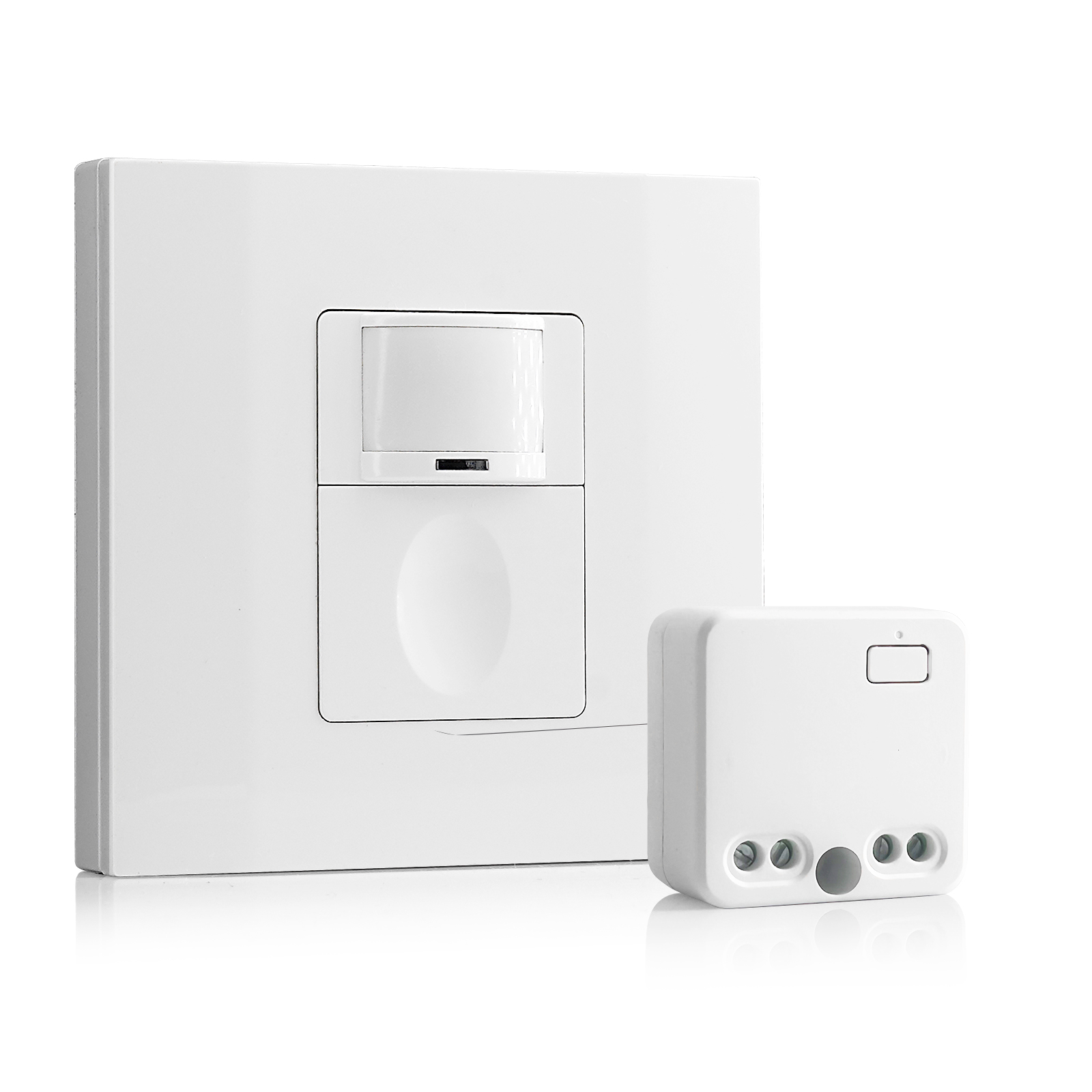
- 100V-230VAC
- ระยะการส่งสัญญาณ: สูงสุด 20 ม.
- เซนเซอร์ตรวจจับความเคลื่อนไหวแบบไร้สาย
- การควบคุมแบบเดินสาย
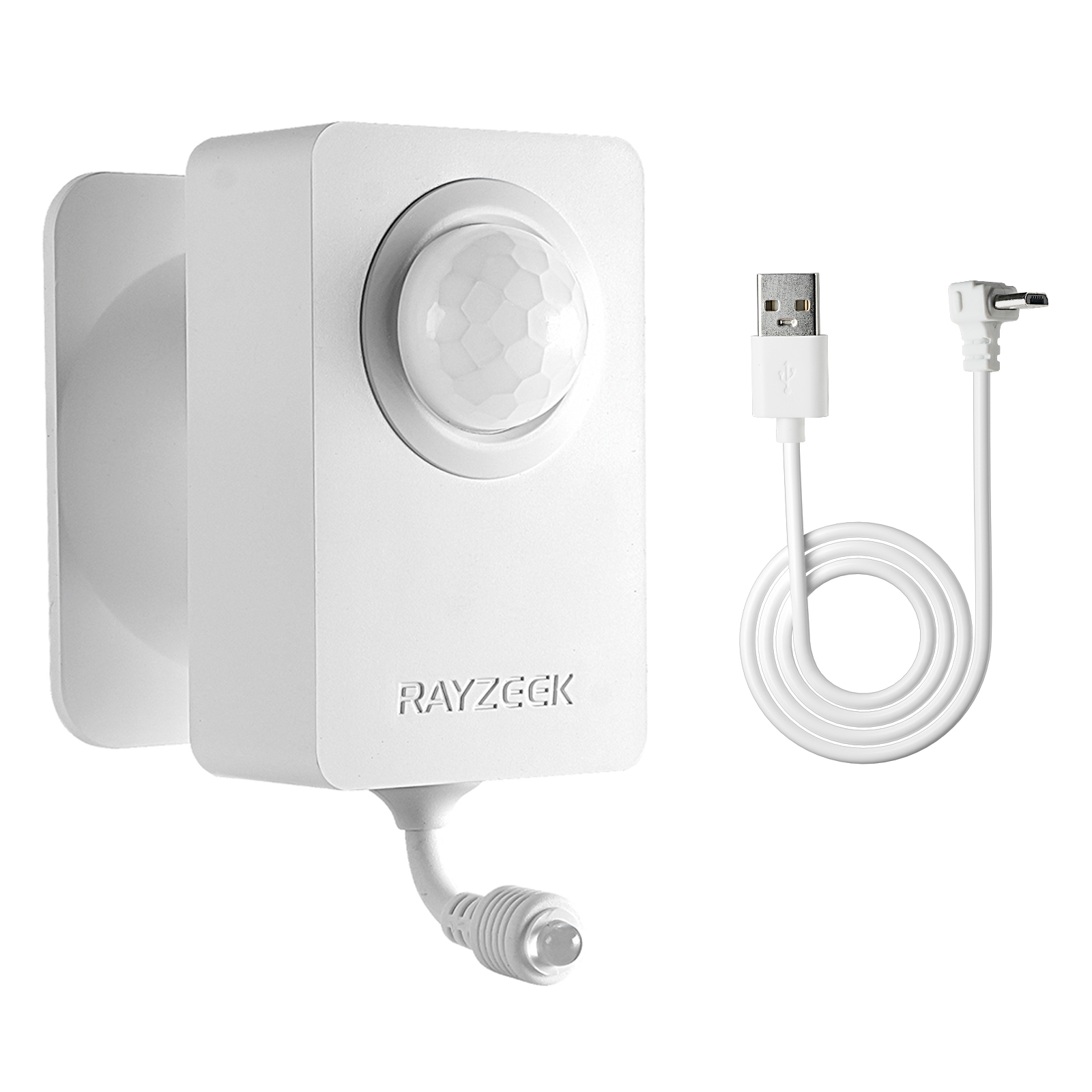
- แรงดันไฟฟ้า: แบตเตอรี่ AAA 2 ก้อน / 5V DC (Micro USB)
- โหมดกลางวัน/กลางคืน
- เวลาหน่วง: 15 นาที, 30 นาที, 1 ชม. (ค่าเริ่มต้น), 2 ชม.
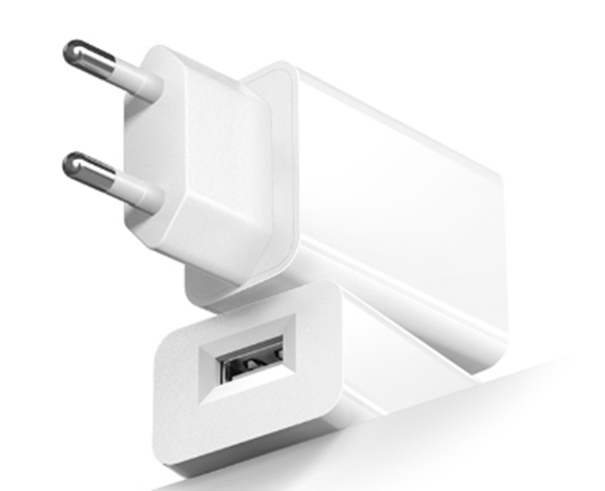
- อะแดปเตอร์แปลงไฟปลั๊กแบบ EU
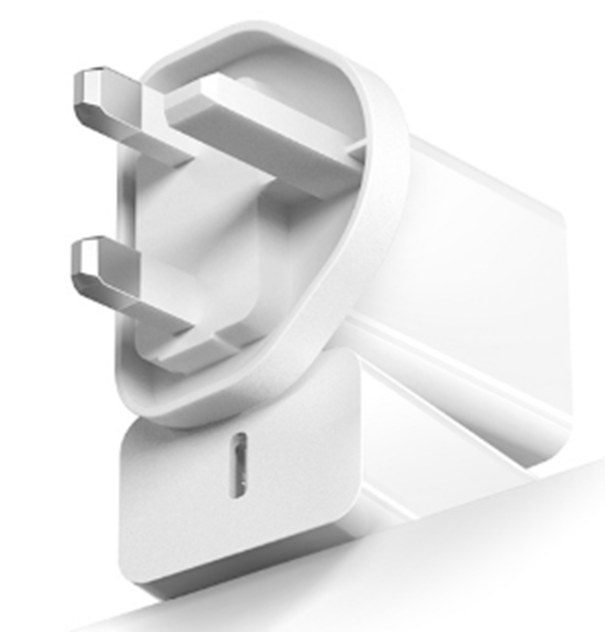
- อะแดปเตอร์แปลงไฟปลั๊กแบบ UK
When someone enters a room and manually turns on the lights using a motion sensor switch, the switch will keep the lights on as long as motion is detected. If no motion is detected for a set period, the switch will automatically turn the lights off, preventing energy waste from lights being left on unnecessarily.
Motion sensor switches are an excellent solution for spaces where lights are frequently left on, such as break rooms, storage areas, and utility rooms. By automating the process of turning lights off when a space is unoccupied, motion sensor switches can help you save energy and reduce your facility’s carbon footprint.
Conclusion
Planning for a comprehensive lighting and maintenance solutions upgrade involves more than just replacing old light bulbs with new, energy-efficient ones. By considering the lighting needs of your facility, improving the quality of lighting, modernizing outdated systems, and incorporating advanced control systems like motion sensors and occupancy sensors, you can maximize your energy savings and create a more comfortable and productive environment for your facility’s occupants.
Taking a comprehensive approach to your lighting and maintenance solutions upgrade maximizes your potential for ROI by going beyond energy efficiency.







