

Energy efficiency is the big buzzword these days, which means that many facility managers are looking for ways to reduce the energy usage of their facility. The first place many look is to facility lighting and maintenance solutions.
Making facility lighting more energy efficient seems like a simple enough task. Remove old, inefficient lights, and install new, energy efficient ones, right? Well, not exactly. This is known as one-for-one replacement, and while it will reduce your energy costs, it’s not actually the most efficient way to go about improving your facility’s lighting and maintenance solutions as a whole.
Instead, consider taking a more comprehensive approach that focuses not just on the lightbulbs themselves, but the lighting needs of the space, lighting design, and additional components that can reduce lighting energy usage. This is what planning for a lighting upgrade is all about.
Planning for Upgrades
So how does a facility manager go about planning for a lighting upgrade?
Look at the bigger picture.
How can a lighting upgrade do more than just reduce energy usage?
¿Busca soluciones de ahorro de energía activadas por movimiento?
Contáctenos para obtener sensores de movimiento PIR completos, productos de ahorro de energía activados por movimiento, interruptores con sensor de movimiento y soluciones comerciales de presencia/ausencia.
Reduce maintenance needs
New lighting can reduce maintenance costs in the form of extending the lifespan of the bulbs. For example, LED lights can last up to 50,000 hours, which is significantly longer than traditional incandescent bulbs that typically last around 1,000 hours. This means less time and money spent on replacing bulbs.
Improving the quality of lighting
One of the biggest complaints that facility occupants have is that the quality of the lighting is poor and inhibits their productivity. For example, glare is a big problem in facilities as a result of too much downlighting. Poor color temperature can result in objects taking on unnatural appearances that are distracting. By upgrading to modern lighting solutions, such as LED panels with diffusers, you can provide a more comfortable and productive environment for occupants.
Modernize outdated systems
A lighting system that was designed when the facility was originally constructed may not meet the needs of the current occupants of the facility. For instance, an office space that was once used for paper-based tasks may now require more focused lighting for computer work. Upgrading to a modern lighting system can ensure that the lighting meets the current needs of the space.
Improve control systems
Lighting control systems include things like occupancy sensors and dimming systems, both of which can substantially reduce lighting usage while continuing to meet the needs of the occupants. Occupancy sensors can detect when a room is empty and automatically turn off the lights, while dimming systems allow for adjustable lighting levels based on the time of day or specific tasks. More on these later.
Inspírese con los catálogos de sensores de movimiento de Rayzeek.
¿No encuentra lo que busca? No se preocupe. Siempre hay formas alternativas de resolver sus problemas. Quizás uno de nuestros catálogos pueda ayudarle.
Incorporating Motion Sensors and Occupancy Sensors
In addition to upgrading the lighting fixtures themselves, incorporating motion sensors and occupancy sensors can further enhance the energy efficiency of your facility. These sensors can detect when a space is unoccupied and automatically turn off the lights, reducing unnecessary energy consumption.
Motion sensors are particularly useful in areas with intermittent occupancy, such as hallways, stairwells, and restrooms. When someone enters the space, the motion sensor detects their presence and turns on the lights. After a set period of inactivity, the lights automatically turn off, saving energy when the space is not in use.
Occupancy sensors, on the other hand, are designed for spaces where people remain for longer periods, such as offices, conference rooms, and classrooms. These sensors detect both motion and heat, ensuring that the lights remain on as long as someone is present in the room. Once the space is vacated, the lights turn off after a predetermined delay, typically around 15-30 minutes.
By incorporating motion sensors and occupancy sensors into your lighting and maintenance solutions, you can significantly reduce energy waste and lower your facility’s overall energy costs.
The Benefits of Motion Sensor Switches
Motion sensor switches offer a convenient and efficient way to control lighting in your facility. These switches combine the functionality of a traditional light switch with the energy-saving benefits of a motion sensor.
Quizás le interese

- Sensor de presencia PIR para montaje en techo con salida de relé de contacto seco
- Alimentación de bajo voltaje de 12/24VDC o 12/24VAC
- Contactos de relé aislados COM, NO y NC para entradas de EMS, HVAC y control de edificios

- Interruptor sensor de movimiento por microondas empotrable en techo de bajo voltaje DC
- Entrada de 12 VDC / 24 VDC con rango de 10-30 VDC
- Corriente de funcionamiento máxima de 10A con retardo de tiempo, umbral de Lux y sensibilidad ajustables
- Interruptor sensor de movimiento por microondas empotrable en techo para cargas más altas
- Entrada de voltaje de línea de 100-265 VAC, modelo de 10A
- Detección por microondas de 5.8 GHz con retardo de tiempo, umbral de Lux y sensibilidad ajustables
- Interruptor sensor de movimiento por microondas empotrable en techo
- Entrada de voltaje de línea de 100-265 VAC, modelo de 5A
- Detección por microondas de 5.8 GHz con retardo de tiempo, umbral de Lux y sensibilidad ajustables
- Dimmer sensor de presencia PIR RZ037 para montaje en techo para alimentación de 220V
- Corriente de funcionamiento máxima de 3A con carga nominal de 660W
- El botón LUX controla el encendido/apagado del sensor de luz y el brillo de regulación establecido por el usuario
- Dimmer sensor de presencia PIR RZ037 para montaje en techo para alimentación de 110V
- Corriente de funcionamiento máxima de 3A con carga nominal de 330W
- El botón LUX controla el encendido/apagado del sensor de luz y el brillo de regulación establecido por el usuario

- Interruptor de sensor de movimiento por microondas de techo de CC de bajo voltaje
- Entrada de 12 VDC / 24 VDC con rango de 10-30 VDC
- Corriente de funcionamiento máxima de 10A con retardo de tiempo, umbral de Lux y sensibilidad ajustables
- Interruptor de sensor de movimiento por microondas de techo para cargas más altas
- Entrada de voltaje de línea de 100-265 VAC, modelo de 10A
- Detección por microondas de 5.8 GHz con retardo de tiempo, umbral de Lux y sensibilidad ajustables
- Interruptor de sensor de movimiento por microondas de techo
- Entrada de voltaje de línea de 100-265 VAC, modelo de 5A
- Detección por microondas de 5.8 GHz con retardo de tiempo, umbral de Lux y sensibilidad ajustables

- Interruptor de sensor de movimiento PIR de techo empotrado de CC de bajo voltaje
- Entrada de 12 VDC / 24 VDC con rango de 10-30 VDC
- Corriente de trabajo máxima de 10A con retardo de tiempo, umbral de Lux y sensibilidad ajustables

- Interruptor de sensor de movimiento PIR de techo empotrado para cargas más altas
- Entrada de voltaje de línea de 100-265 VAC, modelo de 10A
- Detección de 360 grados con retardo de tiempo, umbral de Lux y sensibilidad ajustables
- Interruptor de sensor de movimiento PIR de techo empotrado
- Entrada de voltaje de línea de 100-265 VAC, modelo de 5A
- Detección de 360 grados con retardo de tiempo, umbral de Lux y sensibilidad ajustables

- Kit de receptor e interruptor inalámbrico para control de iluminación de encendido/apagado en interiores
- Receptor de 100-230VAC, 50/60Hz con corriente nominal de 5A
- Interruptor inalámbrico alimentado por CR2032 con comunicación de 2.4GHz
- Presencia (Encendido automático/Apagado automático)
- 12–24V DC (10–30VDC), hasta 10A
- Cobertura de 360°, 8–12 m de diámetro
- Retardo de tiempo de 15 s–30 min
- Sensor de luz Apagado/15/25/35 Lux
- Sensibilidad Alta/Baja
- Modo de presencia de encendido automático/apagado automático
- 100–265V AC, 10A (requiere neutro)
- Cobertura de 360°; diámetro de detección de 8–12 m
- Retardo de tiempo de 15 s–30 min; Lux APAGADO/15/25/35; Sensibilidad Alta/Baja
- Modo de presencia de encendido automático/apagado automático
- 100–265V CA, 5A (se requiere neutro)
- Cobertura de 360°; diámetro de detección de 8–12 m
- Retardo de tiempo de 15 s–30 min; Lux APAGADO/15/25/35; Sensibilidad Alta/Baja
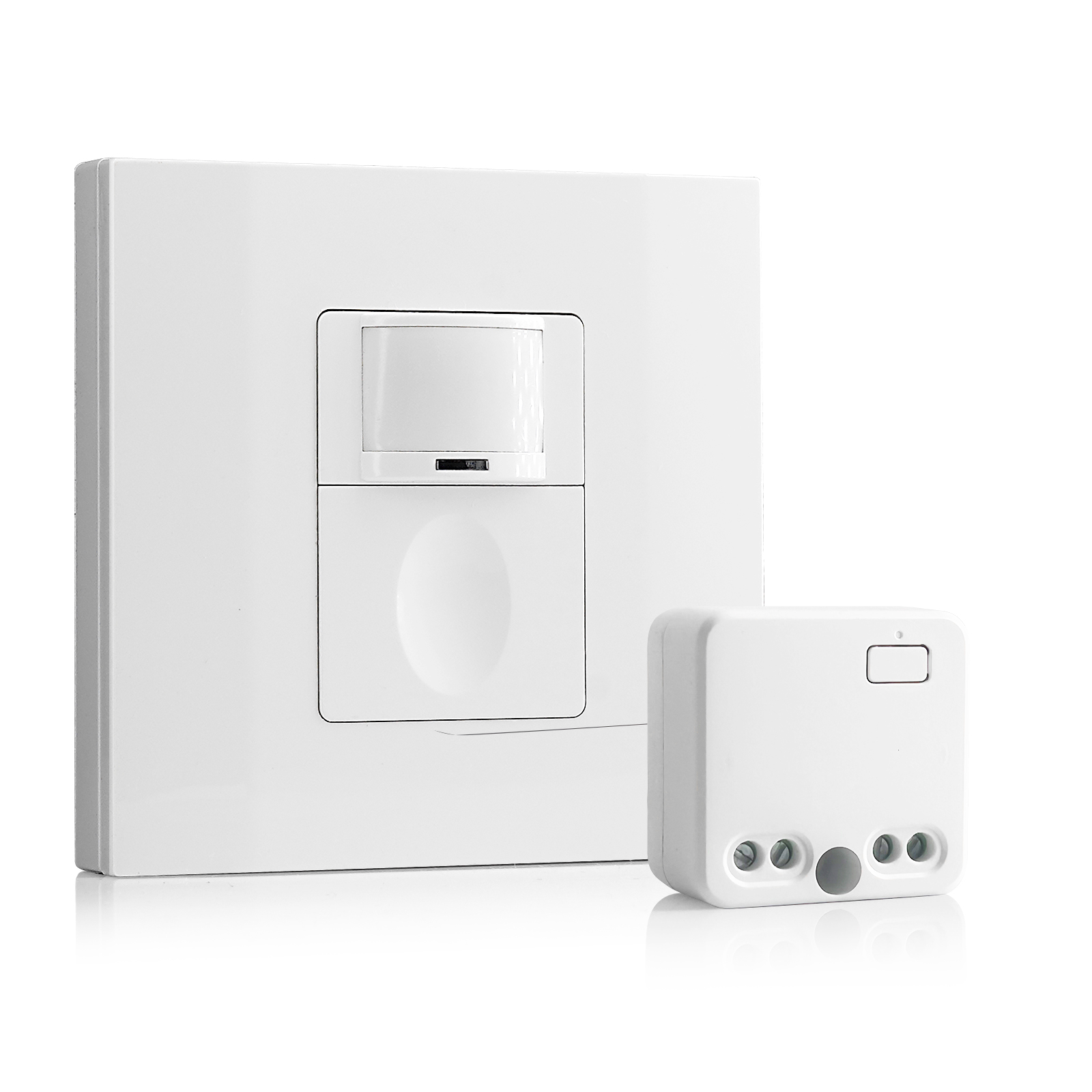
- 100V-230V CA
- Distancia de transmisión: hasta 20 m
- Sensor de movimiento inalámbrico
- Control cableado
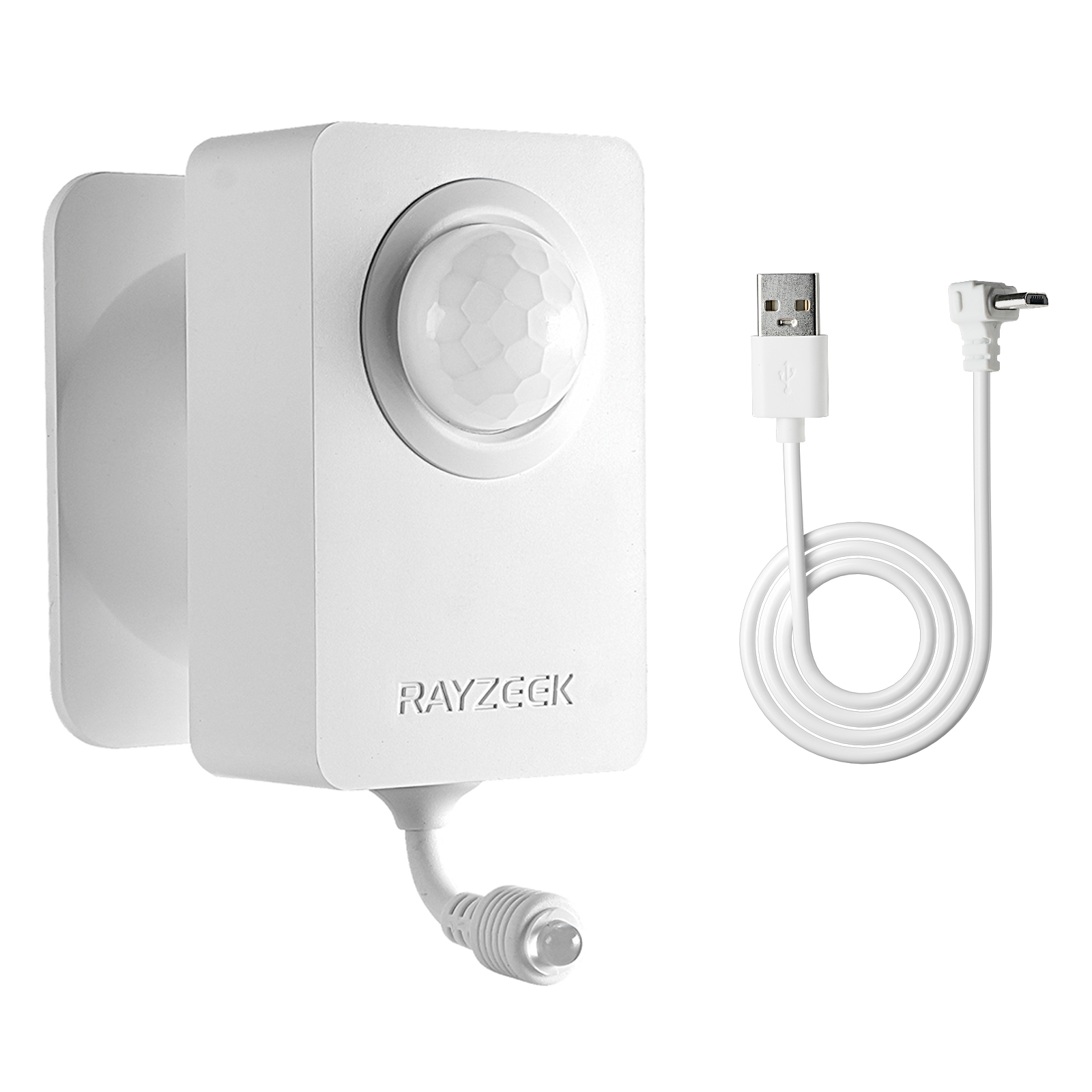
- Voltaje: 2 baterías AAA / 5V CC (Micro USB)
- Modo día/noche
- Tiempo de retardo: 15 min, 30 min, 1 h (por defecto), 2 h
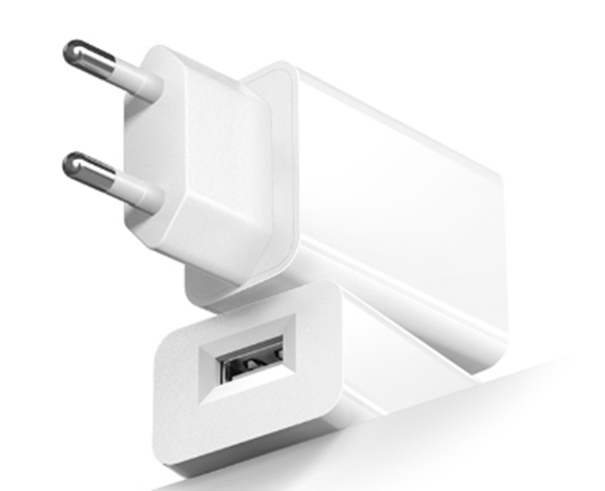
- Adaptador de corriente con enchufe de la UE
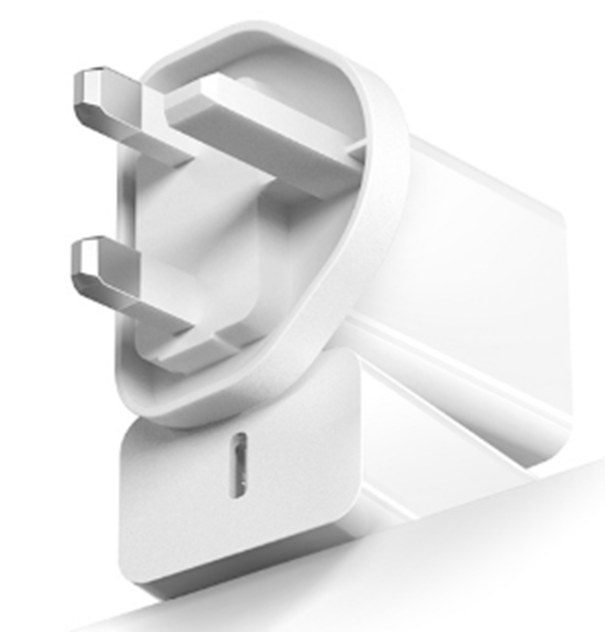
- Adaptador de corriente con enchufe del Reino Unido
When someone enters a room and manually turns on the lights using a motion sensor switch, the switch will keep the lights on as long as motion is detected. If no motion is detected for a set period, the switch will automatically turn the lights off, preventing energy waste from lights being left on unnecessarily.
Motion sensor switches are an excellent solution for spaces where lights are frequently left on, such as break rooms, storage areas, and utility rooms. By automating the process of turning lights off when a space is unoccupied, motion sensor switches can help you save energy and reduce your facility’s carbon footprint.
Conclusión
Planning for a comprehensive lighting and maintenance solutions upgrade involves more than just replacing old light bulbs with new, energy-efficient ones. By considering the lighting needs of your facility, improving the quality of lighting, modernizing outdated systems, and incorporating advanced control systems like motion sensors and occupancy sensors, you can maximize your energy savings and create a more comfortable and productive environment for your facility’s occupants.
Taking a comprehensive approach to your lighting and maintenance solutions upgrade maximizes your potential for ROI by going beyond energy efficiency.







