
What is Can Light
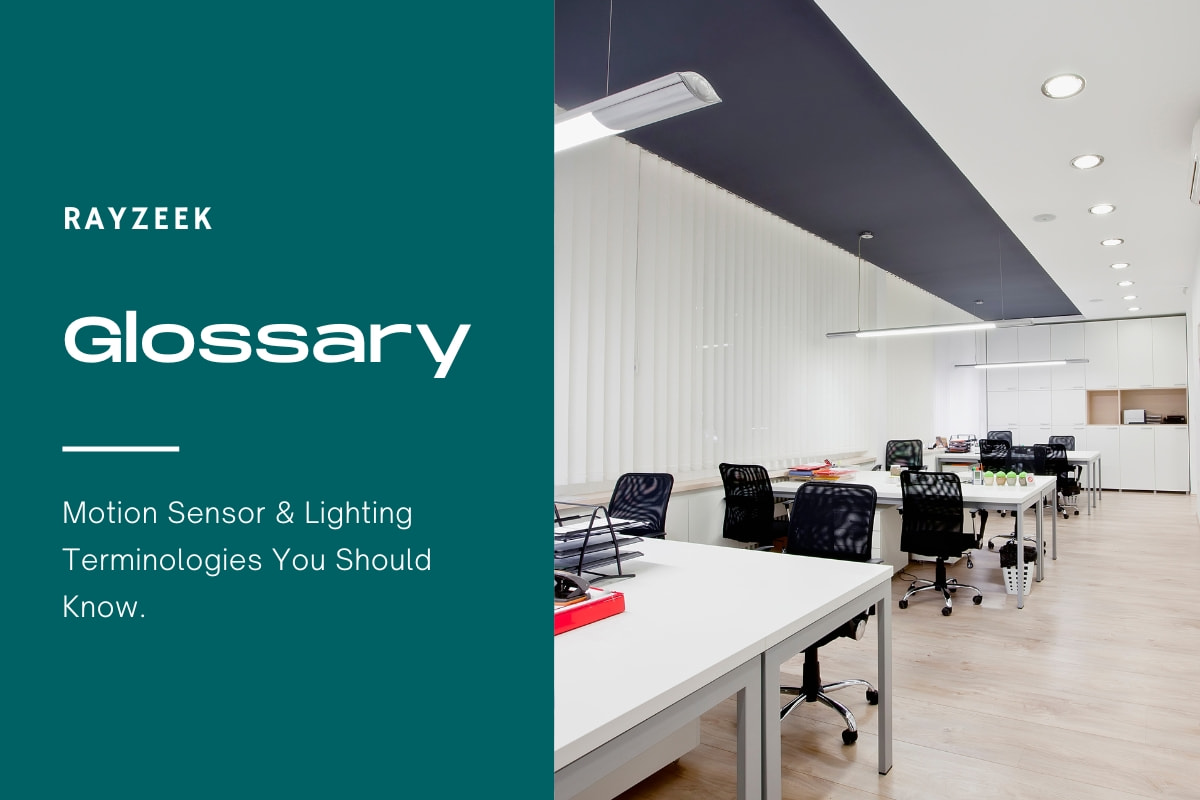
A can light, also known as a recessed light or downlight, is a type of lighting fixture that is installed into an opening in a ceiling. The name “can light” is derived from the cylindrical and metal housing in which the light is placed, resembling a can. This design allows the light to be recessed into the ceiling, creating a clean and seamless appearance.
Can lights offer several advantages in terms of functionality and aesthetics. The housing of the can light provides a protective enclosure for the bulb, shielding it from external elements. Additionally, the electrical wiring is concealed within the can structure, ensuring a neat and tidy installation. One notable feature of can lights is their ability to lie flush with the surface of the ceiling. This flush installation minimizes visual space and avoids cluttering the ceiling, making can lights particularly suitable for rooms that require multiple light sources. Furthermore, the absence of any hanging components, especially glass, makes can lights ideal for tight spaces like closets or areas where a swinging door may come close to the ceiling.
Procurando soluções de economia de energia ativadas por movimento?
Entre em contato conosco para sensores de movimento PIR completos, produtos de economia de energia ativados por movimento, interruptores com sensor de movimento e soluções comerciais de Presença/Ausência (Occupancy/Vacancy).
Can lights come in various sizes and can be customized with different trim styles, including baffle, lensed, reflector, wall-wash, and adjustable trims. The trim is the visible part of the can light and can be selected based on personal preference and lighting needs. Note that can lights can accommodate different types of light bulbs, including incandescent, halogen, fluorescent, or LED bulbs. However, the use of regular light bulbs may result in reduced brightness and lower energy efficiency compared to LED bulbs.
Você Também Pode Se Interessar Por

- Tensão: 2 Pilhas AAA
- Modo Dia/Noite
- Atraso de tempo: 15min, 30min, 1h(padrão), 2h

- Sensor de ocupação PIR para montagem no teto com saída de relé de contato seco
- Alimentação de baixa tensão de 12/24VDC ou 12/24VAC
- Contatos de relé isolados COM, NO e NC para entradas de EMS, HVAC e controle predial

- Interruptor sensor de movimento de micro-ondas embutido no teto em baixa tensão CC
- Entrada de 12 VDC / 24 VDC com faixa de 10-30 VDC
- Corrente máxima de trabalho de 10A com tempo de retardo, limite Lux e sensibilidade ajustáveis
- Interruptor sensor de movimento de micro-ondas embutido no teto para maior carga
- Entrada de tensão de rede de 100-265 VAC, modelo 10A
- Detecção de micro-ondas de 5,8 GHz com tempo de atraso, limite de Lux e sensibilidade ajustáveis
- Interruptor de sensor de movimento de micro-ondas embutido para teto
- Entrada de tensão de rede de 100-265 VAC, modelo 5A
- Detecção de micro-ondas de 5,8 GHz com tempo de atraso, limite de Lux e sensibilidade ajustáveis
- Dimmer de sensor de presença PIR para teto RZ037 para alimentação de 220V
- Corrente máxima de trabalho de 3A com carga nominal de 660W
- O botão LUX controla o Ligar/Desligar do sensor de luz e o brilho de dimerização definido pelo usuário
- Dimmer de sensor de presença PIR para teto RZ037 para alimentação de 110V
- Corrente máxima de trabalho de 3A com carga nominal de 330W
- O botão LUX controla o Ligar/Desligar do sensor de luz e o brilho de dimerização definido pelo usuário

- Interruptor de sensor de movimento de micro-ondas para teto em baixa tensão CC
- Entrada de 12 VDC / 24 VDC com faixa de 10-30 VDC
- Corrente máxima de trabalho de 10A com tempo de retardo, limite Lux e sensibilidade ajustáveis
- Interruptor de sensor de movimento de micro-ondas para teto de maior carga
- Entrada de tensão de rede de 100-265 VAC, modelo 10A
- Detecção de micro-ondas de 5,8 GHz com tempo de atraso, limite de Lux e sensibilidade ajustáveis
- Interruptor com sensor de movimento por micro-ondas para montagem no teto
- Entrada de tensão de rede de 100-265 VAC, modelo 5A
- Detecção de micro-ondas de 5,8 GHz com tempo de atraso, limite de Lux e sensibilidade ajustáveis

- Interruptor com sensor de movimento PIR de teto embutido CC de baixa tensão
- Entrada de 12 VDC / 24 VDC com faixa de 10-30 VDC
- Corrente máxima de trabalho de 10A com tempo de atraso, limite de Lux e sensibilidade ajustáveis

- Interruptor com sensor de movimento PIR de teto embutido para maior carga
- Entrada de tensão de rede de 100-265 VAC, modelo 10A
- Detecção de 360 graus com tempo de atraso, limite de Lux e sensibilidade ajustáveis
- Interruptor com sensor de movimento PIR de teto embutido
- Entrada de tensão de rede de 100-265 VAC, modelo 5A
- Detecção de 360 graus com tempo de atraso, limite de Lux e sensibilidade ajustáveis

- Kit de receptor e interruptor sem fio para controle de iluminação LIGA/DESLIGA em ambientes internos
- Receptor de 100-230VAC, 50/60Hz com corrente nominal de 5A
- Interruptor sem fio alimentado por CR2032 com comunicação de 2,4 GHz
- Ocupação (LIGA automático/DESLIGA automático)
- 12–24V CC (10–30VDC), até 10A
- Cobertura de 360°, 8–12 m de diâmetro
- Temporização: 15 s–30 min
- Sensor de luz: Desligado/15/25/35 Lux
- Sensibilidade Alta/Baixa
- Modo de ocupação Liga-Automático/Desliga-Automático
- 100–265V AC, 10A (neutro obrigatório)
- Cobertura de 360°; diâmetro de detecção de 8–12 m
- Temporização: 15 s–30 min; Lux DESLIGADO/15/25/35; Sensibilidade Alta/Baixa
- Modo de ocupação Liga-Automático/Desliga-Automático
- 100–265V AC, 5A (neutro obrigatório)
- Cobertura de 360°; diâmetro de detecção de 8–12 m
- Temporização: 15 s–30 min; Lux DESLIGADO/15/25/35; Sensibilidade Alta/Baixa
Perguntas Frequentes
What Is the Difference Between Can and Recessed Lights
Recessed Lighting Advantages
Both can and recessed lights offer their own set of benefits and drawbacks. Can lights are known for their durability and ease of installation, while recessed lights without cans are often preferred for their energy efficiency and ability to create a sleek, contemporary appearance.
Are LED Lights Better Than Can Lights
Whether you are considering recessed lights or canless recessed lights, opting for LED lights is undoubtedly the superior choice. When selecting an LED light, it is important to take into account various options. For instance, if you are looking to install warm lights in areas such as your kitchen, bathroom, or office, it is recommended to go for 3000K bulbs.
Can You Put Regular Light Bulbs in Can Lights
A recessed fixture with a medium screw base lamp holder can accommodate various types of light bulbs, including incandescent, fluorescent, halogen, or LED bulbs. However, it is important to note that there are fixtures with specific lamp holders that can only be used with certain types of bulbs, typically fluorescent or halogen.







