

What is Lamp Voltage
Lamp voltage is the specific electrical voltage required to power a lamp or light fixture. Lamps can operate at different voltages depending on their design and intended use. For example, the standard voltage in UK households is typically 230V. However, there are exceptions where certain types of lamps, such as recessed lights, operate at a lower voltage of 12V.
The voltage of a lamp determines the type of power supply needed to operate the lamp effectively. If a lamp operates at a different voltage than the standard household voltage, a transformer is required to convert the high voltage (e.g., 230V) to the lower voltage (e.g., 12V). This ensures that the power is converted correctly, allowing the lamp to function properly.
Zainspiruj się ofertą czujników ruchu Rayzeek.
Nie znajdujesz tego, czego szukasz? Nie martw się. Zawsze istnieją alternatywne sposoby na rozwiązanie Twoich problemów. Być może pomoże Ci jedna z naszych linii produktów.
Lamps operating at different voltages have their own advantages and disadvantages. For instance, 12V lights tend to have a longer lifespan because they operate on lower voltage. But, a disadvantage is that they can only work with a transformer. On the other hand, 230V lights do not require a transformer and can be directly installed into the mains. Additionally, 230V lights are compatible with a wider range of bulbs.
Może Cię również zainteresować

- Sufitowy czujnik obecności PIR z wyjściem przekaźnikowym bezpotencjałowym
- Niskonapięciowe zasilanie 12/24VDC lub 12/24VAC
- Izolowane styki przekaźnika COM, NO i NC dla wejść systemów EMS, HVAC i sterowania budynkiem

- Niskonapięciowy podtynkowy sufitowy mikrofalowy czujnik ruchu DC
- Wejście 12 VDC / 24 VDC z zakresem 10-30 VDC
- Maksymalny prąd roboczy 10A z regulowanym opóźnieniem czasowym, progiem Lux i czułością
- Podtynkowy sufitowy mikrofalowy czujnik ruchu do wyższych obciążeń
- Wejście napięcia sieciowego 100-265 VAC, model 10A
- Detekcja mikrofalowa 5.8 GHz z regulowanym opóźnieniem czasowym, progiem Lux i czułością
- Podtynkowy sufitowy mikrofalowy czujnik ruchu
- Wejście napięcia sieciowego 100-265 VAC, model 5A
- Detekcja mikrofalowa 5.8 GHz z regulowanym opóźnieniem czasowym, progiem Lux i czułością
- Sufitowy ściemniacz z czujnikiem obecności PIR RZ037 na napięcie 220V
- Maksymalny prąd roboczy 3A przy obciążeniu znamionowym 660W
- Przycisk LUX kontroluje WŁ./WYŁ. czujnika światła oraz ustawianą przez użytkownika jasność ściemniania
- Sufitowy ściemniacz z czujnikiem obecności PIR RZ037 na napięcie 110V
- Maksymalny prąd roboczy 3A przy obciążeniu znamionowym 330W
- Przycisk LUX kontroluje WŁ./WYŁ. czujnika światła oraz ustawianą przez użytkownika jasność ściemniania

- Niskonapięciowy sufitowy mikrofalowy czujnik ruchu DC
- Wejście 12 VDC / 24 VDC z zakresem 10-30 VDC
- Maksymalny prąd roboczy 10A z regulowanym opóźnieniem czasowym, progiem Lux i czułością
- Sufitowy mikrofalowy czujnik ruchu do wyższych obciążeń
- Wejście napięcia sieciowego 100-265 VAC, model 10A
- Detekcja mikrofalowa 5.8 GHz z regulowanym opóźnieniem czasowym, progiem Lux i czułością
- Sufitowy mikrofalowy czujnik ruchu
- Wejście napięcia sieciowego 100-265 VAC, model 5A
- Detekcja mikrofalowa 5.8 GHz z regulowanym opóźnieniem czasowym, progiem Lux i czułością

- Niskonapięciowy podtynkowy sufitowy czujnik ruchu PIR DC
- Wejście 12 VDC / 24 VDC z zakresem 10-30 VDC
- Maksymalny prąd roboczy 10A z regulowanym opóźnieniem czasowym, progiem luksów i czułością

- Podtynkowy sufitowy czujnik ruchu PIR do wyższych obciążeń
- Wejście napięcia sieciowego 100-265 VAC, model 10A
- Detekcja 360 stopni z regulowanym opóźnieniem czasowym, progiem luksów i czułością
- Podtynkowy sufitowy czujnik ruchu PIR
- Wejście napięcia sieciowego 100-265 VAC, model 5A
- Detekcja 360 stopni z regulowanym opóźnieniem czasowym, progiem luksów i czułością

- Zestaw bezprzewodowego włącznika i odbiornika do wewnętrznego sterowania oświetleniem WŁ/WYŁ
- Odbiornik 100-230VAC, 50/60Hz o prądzie znamionowym 5A
- Włącznik bezprzewodowy zasilany baterią CR2032 z komunikacją 2.4GHz
- Obecność (Auto-WŁ/Auto-WYŁ)
- 12–24V DC (10–30VDC), do 10A
- Zasięg 360°, średnica 8–12 m
- Opóźnienie czasowe 15 s–30 min
- Czujnik światła Wył/15/25/35 Lux
- Czułość Wysoka/Niska
- Tryb obecności Auto-WŁ/Auto-WYŁ
- 100–265V AC, 10A (wymagany przewód neutralny)
- Zasięg 360°; średnica detekcji 8–12 m
- Opóźnienie czasowe 15 s–30 min; Lux WYŁ/15/25/35; Czułość Wysoka/Niska
- Tryb obecności Auto-WŁ/Auto-WYŁ
- 100–265V AC, 5A (wymagany przewód neutralny)
- Zasięg 360°; średnica detekcji 8–12 m
- Opóźnienie czasowe 15 s–30 min; Lux WYŁ/15/25/35; Czułość Wysoka/Niska
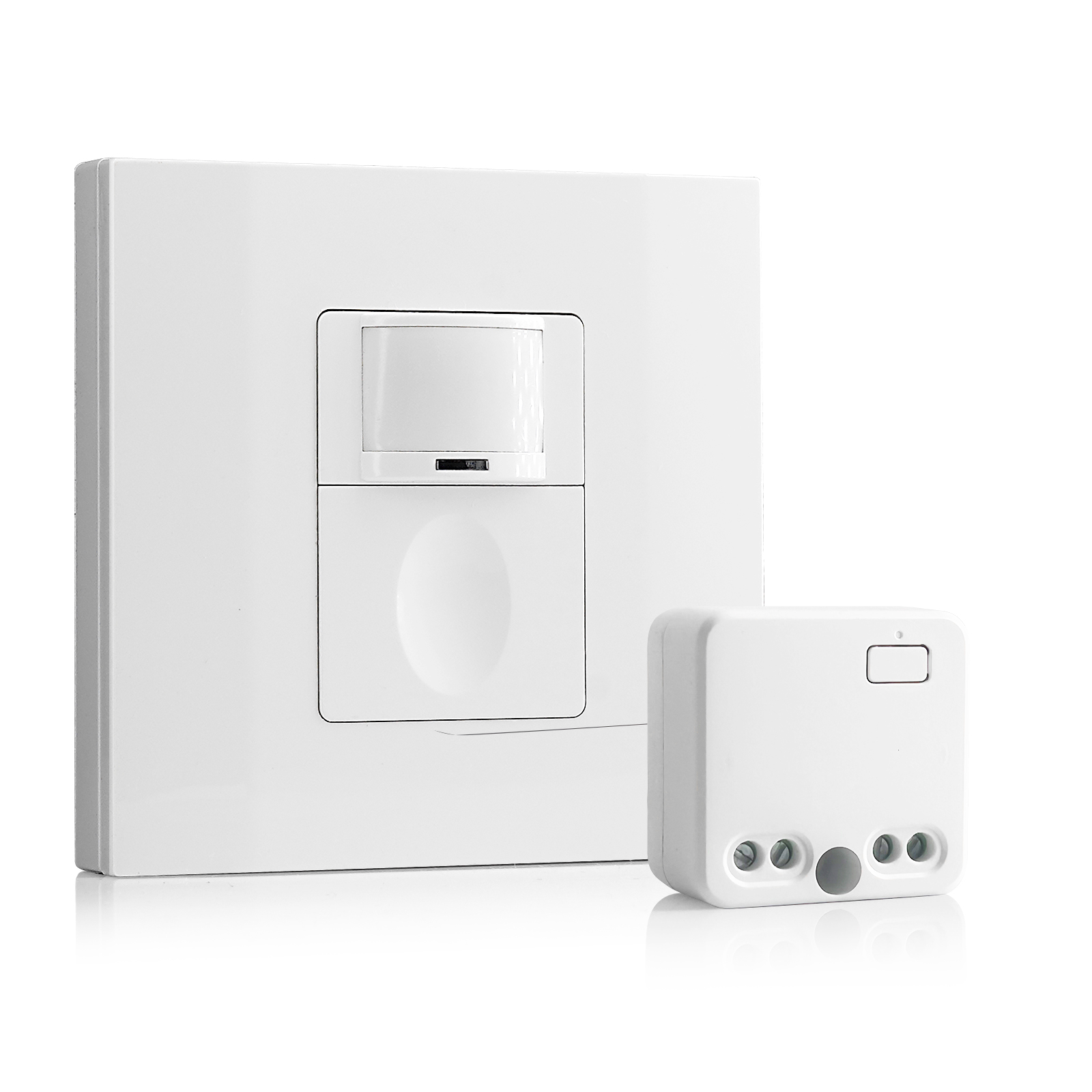
- 100V-230VAC
- Zasięg transmisji: do 20m
- Bezprzewodowy czujnik ruchu
- Sterowanie przewodowe
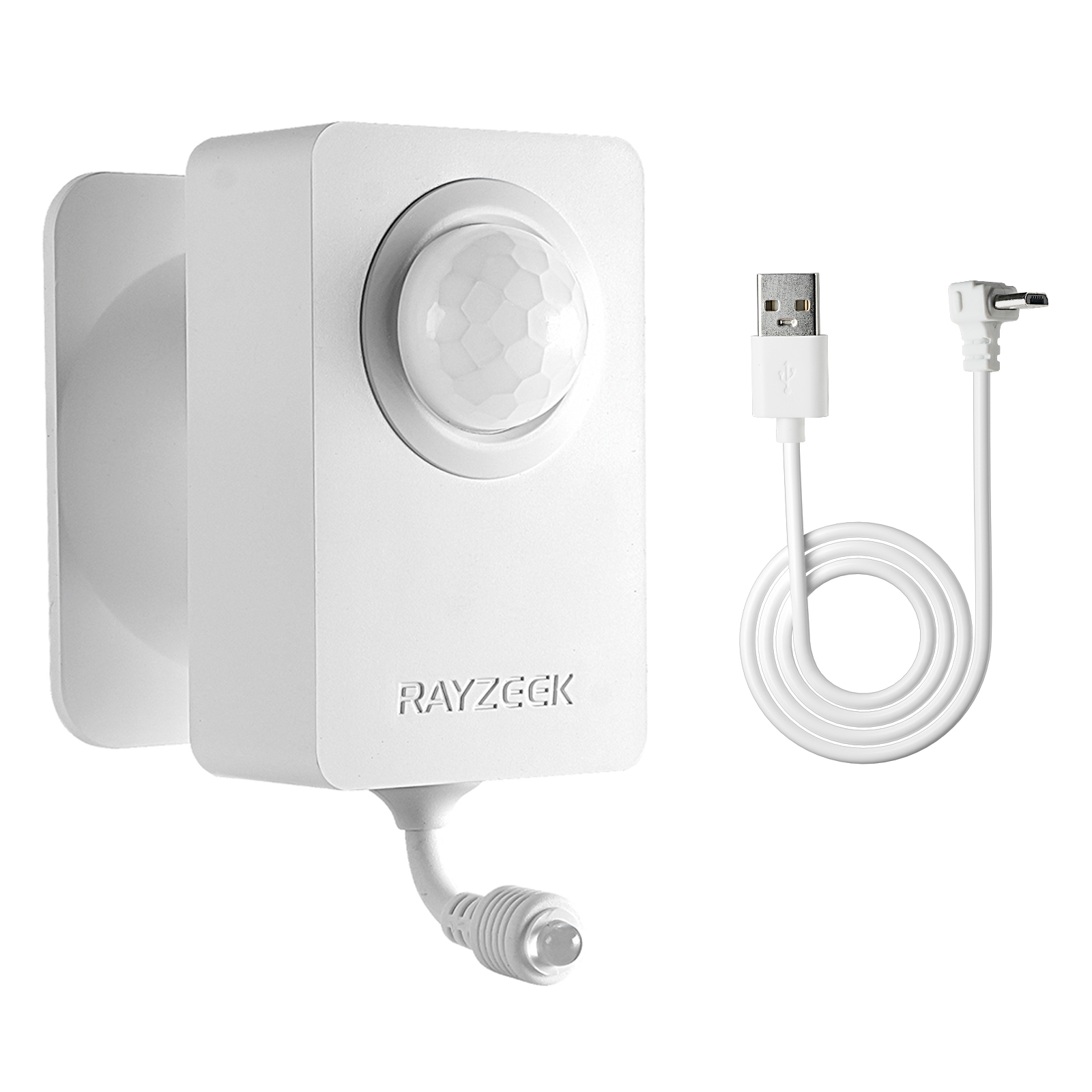
- Napięcie: 2x baterie AAA / 5V DC (Micro USB)
- Tryb dzień/noc
- Opóźnienie czasowe: 15min, 30min, 1h (domyślne), 2h
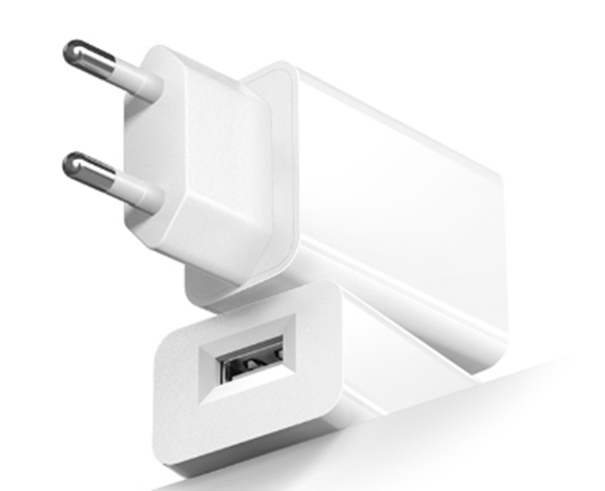
- Zasilacz sieciowy z wtyczką EU
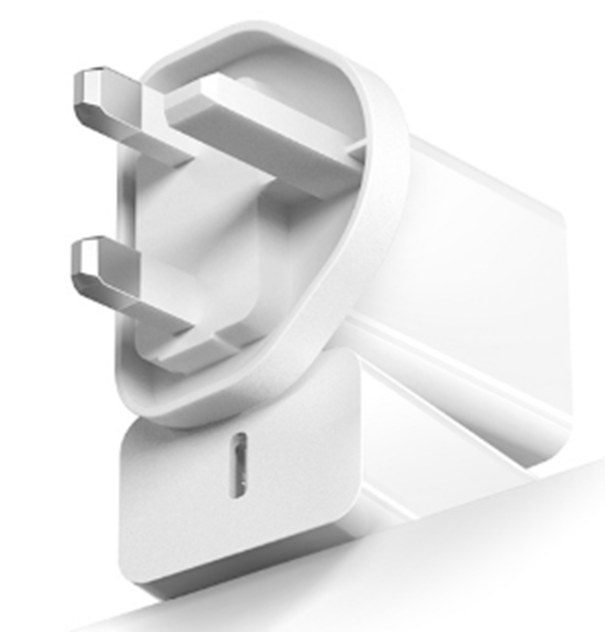
- Zasilacz sieciowy z wtyczką UK
Frequently Asked Questions
Will Higher Voltage Make LED Brighter
Adjusting the voltage of an LED will affect its brightness, as it directly impacts the current flowing through the LED. Increasing the voltage will result in a higher current, thus making the LED brighter.
What Is the Maximum Voltage Allowed for Typical Lighting in a House
The maximum voltage allowed for typical lighting in a house is prescribed by Rule 2-106. It states that the maximum voltage in dwelling units should not exceed 150 volts-to-ground.
What Is the Best Voltage for Lighting
For lighting in residential areas, 12V landscape lighting is the recommended and more commonly used option compared to 120V outdoor lighting. It is considered superior due to its safety in wet locations and its ease of installation, making it a preferred choice.
Does Higher Voltage Mean Brighter Light
Increasing the voltage of a bulb will result in a brighter light. Additionally, it is important to note that when a bulb in a series circuit is unscrewed, all bulbs in the circuit will go out. Furthermore, adding more bulbs to a series circuit will decrease the overall brightness of the bulbs. Lastly, in a series circuit, the voltage is evenly distributed among all of the bulbs.
How Do You Know if a Light Is Low Voltage
Low-voltage lights operate on a power supply that is less than 50 volts. These lights utilize transformers, which are often integrated into the fixtures, to decrease the voltage from the electrical system.







