

What is Lamp Voltage
Lamp voltage is the specific electrical voltage required to power a lamp or light fixture. Lamps can operate at different voltages depending on their design and intended use. For example, the standard voltage in UK households is typically 230V. However, there are exceptions where certain types of lamps, such as recessed lights, operate at a lower voltage of 12V.
The voltage of a lamp determines the type of power supply needed to operate the lamp effectively. If a lamp operates at a different voltage than the standard household voltage, a transformer is required to convert the high voltage (e.g., 230V) to the lower voltage (e.g., 12V). This ensures that the power is converted correctly, allowing the lamp to function properly.
Dapatkan Inspirasi dari Portofolio Sensor Gerakan Rayzeek.
Tidak menemukan apa yang Anda inginkan? Jangan khawatir. Selalu ada cara alternatif untuk menyelesaikan masalah Anda. Mungkin salah satu portofolio kami dapat membantu.
Lamps operating at different voltages have their own advantages and disadvantages. For instance, 12V lights tend to have a longer lifespan because they operate on lower voltage. But, a disadvantage is that they can only work with a transformer. On the other hand, 230V lights do not require a transformer and can be directly installed into the mains. Additionally, 230V lights are compatible with a wider range of bulbs.
Mungkin Anda Tertarik Dengan

- Ceiling-mounted PIR occupancy sensor dengan output dry-contact relay
- Suplai tegangan rendah 12/24VDC atau 12/24VAC
- Kontak relai terisolasi COM, NO, dan NC untuk input EMS, HVAC, dan kontrol gedung

- Low-voltage DC recessed ceiling-mounted microwave motion sensor switch
- Input 12 VDC / 24 VDC dengan rentang 10-30 VDC
- Arus kerja maks 10A dengan waktu tunda (time delay), ambang batas Lux, dan sensitivitas yang dapat disesuaikan
- Higher-load recessed ceiling-mounted microwave motion sensor switch
- Input tegangan jala-jala 100-265 VAC, model 10A
- Penginderaan gelombang mikro 5.8 GHz dengan waktu tunda (time delay), ambang batas Lux, dan sensitivitas yang dapat disesuaikan
- Recessed ceiling-mounted microwave motion sensor switch
- Input tegangan jala-jala 100-265 VAC, model 5A
- Penginderaan gelombang mikro 5.8 GHz dengan waktu tunda (time delay), ambang batas Lux, dan sensitivitas yang dapat disesuaikan
- Ceiling-mounted RZ037 PIR occupancy sensor dimmer untuk daya 220V
- Arus kerja maksimum 3A dengan beban pengenal 660W
- Tombol LUX mengontrol ON/OFF sensor cahaya dan kecerahan peredupan yang diatur pengguna
- Ceiling-mounted RZ037 PIR occupancy sensor dimmer untuk daya 110V
- Arus kerja maksimum 3A dengan beban pengenal 330W
- Tombol LUX mengontrol ON/OFF sensor cahaya dan kecerahan peredupan yang diatur pengguna

- Sakelar sensor gerak gelombang mikro plafon DC tegangan rendah
- Input 12 VDC / 24 VDC dengan rentang 10-30 VDC
- Arus kerja maks 10A dengan waktu tunda (time delay), ambang batas Lux, dan sensitivitas yang dapat disesuaikan
- Sakelar sensor gerak gelombang mikro plafon beban lebih tinggi
- Input tegangan jala-jala 100-265 VAC, model 10A
- Penginderaan gelombang mikro 5.8 GHz dengan waktu tunda (time delay), ambang batas Lux, dan sensitivitas yang dapat disesuaikan
- Sakelar sensor gerak gelombang mikro plafon
- Input tegangan jala-jala 100-265 VAC, model 5A
- Penginderaan gelombang mikro 5.8 GHz dengan waktu tunda (time delay), ambang batas Lux, dan sensitivitas yang dapat disesuaikan

- Sakelar sensor gerak PIR tanam plafon DC tegangan rendah
- Input 12 VDC / 24 VDC dengan rentang 10-30 VDC
- Arus kerja maks 10A dengan jeda waktu, ambang batas Lux, dan sensitivitas yang dapat disesuaikan

- Sakelar sensor gerak PIR tanam plafon beban lebih tinggi
- Input tegangan jala-jala 100-265 VAC, model 10A
- Deteksi 360 derajat dengan jeda waktu, ambang batas Lux, dan sensitivitas yang dapat disesuaikan
- Sakelar sensor gerak PIR tanam plafon
- Input tegangan jala-jala 100-265 VAC, model 5A
- Deteksi 360 derajat dengan jeda waktu, ambang batas Lux, dan sensitivitas yang dapat disesuaikan

- Kit penerima dan sakelar nirkabel untuk kontrol pencahayaan ON/OFF dalam ruangan
- Penerima 100-230VAC, 50/60Hz dengan arus nominal 5A
- Sakelar nirkabel bertenaga CR2032 dengan komunikasi 2.4GHz
- Okupansi (Auto-ON/Auto-OFF)
- 12–24V DC (10–30VDC), hingga 10A
- Cakupan 360°, diameter 8–12 m
- Jeda waktu 15 dtk–30 mnt
- Sensor cahaya Mati/15/25/35 Lux
- Sensitivitas Tinggi/Rendah
- Mode okupansi Auto-ON/Auto-OFF
- 100–265V AC, 10A (diperlukan kabel netral)
- Cakupan 360°; diameter deteksi 8–12 m
- Jeda waktu 15 dtk–30 mnt; Lux MATI/15/25/35; Sensitivitas Tinggi/Rendah
- Mode okupansi Auto-ON/Auto-OFF
- 100–265V AC, 5A (diperlukan kabel netral)
- Cakupan 360°; diameter deteksi 8–12 m
- Jeda waktu 15 dtk–30 mnt; Lux MATI/15/25/35; Sensitivitas Tinggi/Rendah
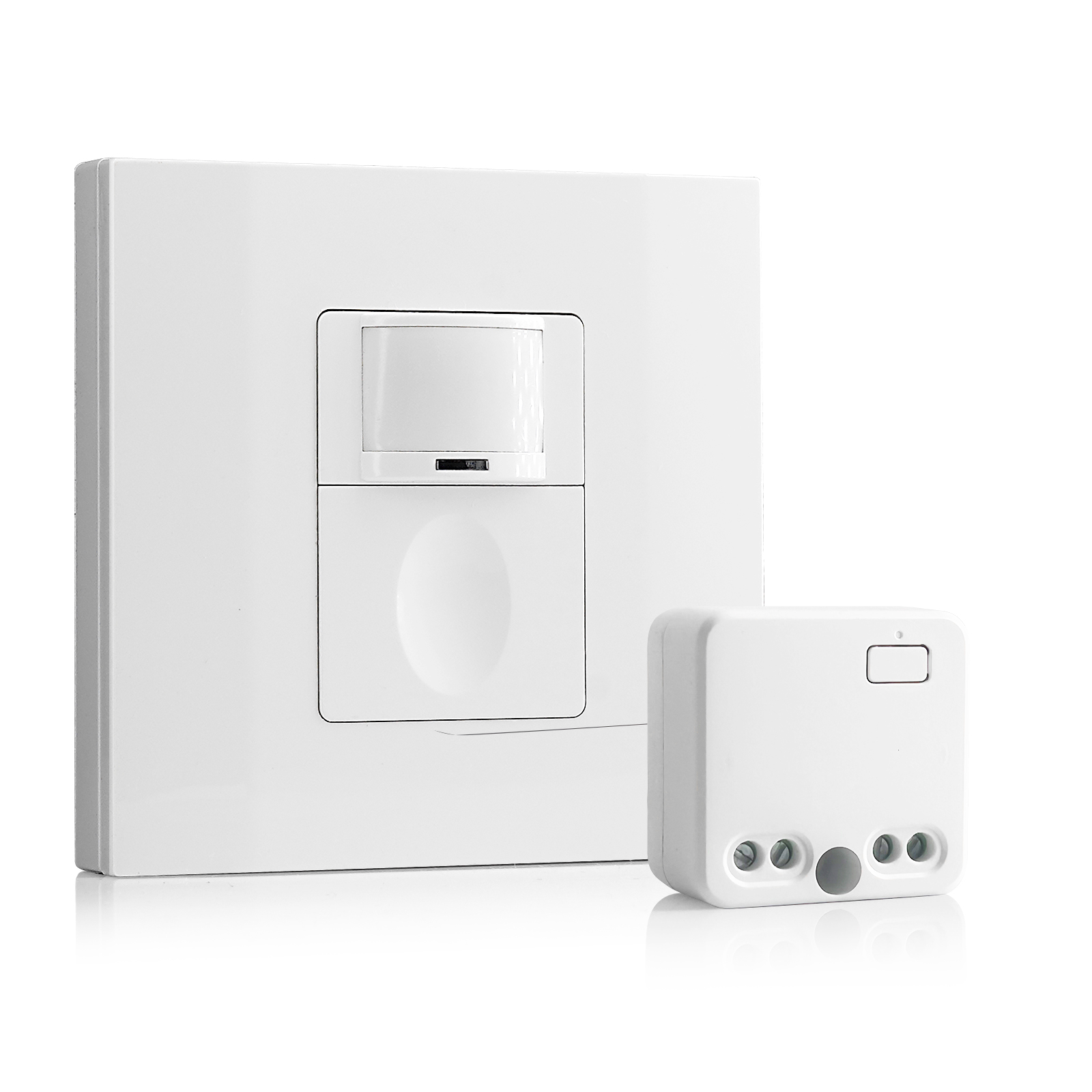
- 100V-230VAC
- Jarak Transmisi: hingga 20m
- Sensor gerak nirkabel
- Kontrol berkabel
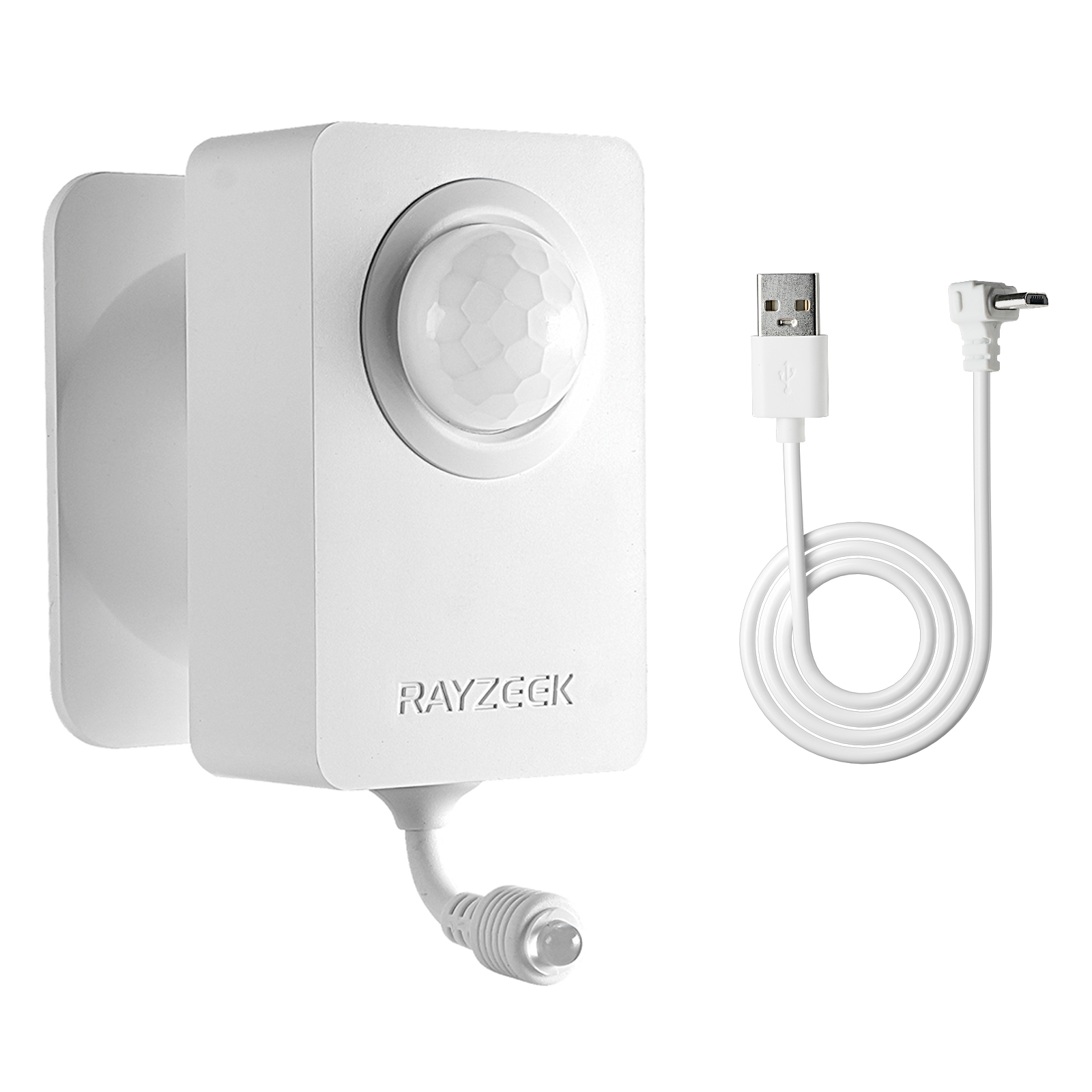
- Tegangan: 2x Baterai AAA / 5V DC (Micro USB)
- Mode Siang/Malam
- Jeda waktu: 15mnt, 30mnt, 1j (bawaan), 2j
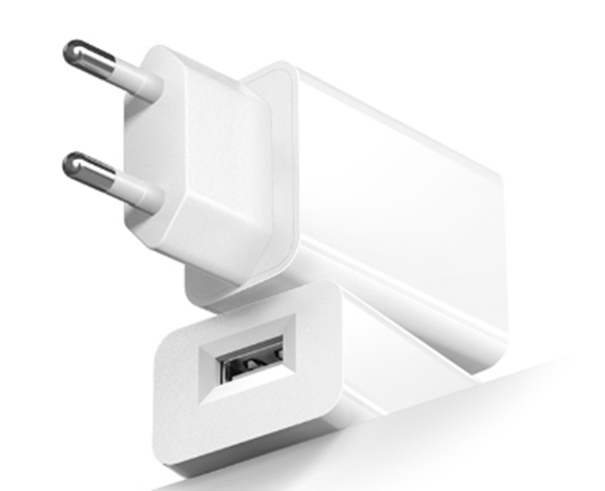
- Adaptor daya colokan UE
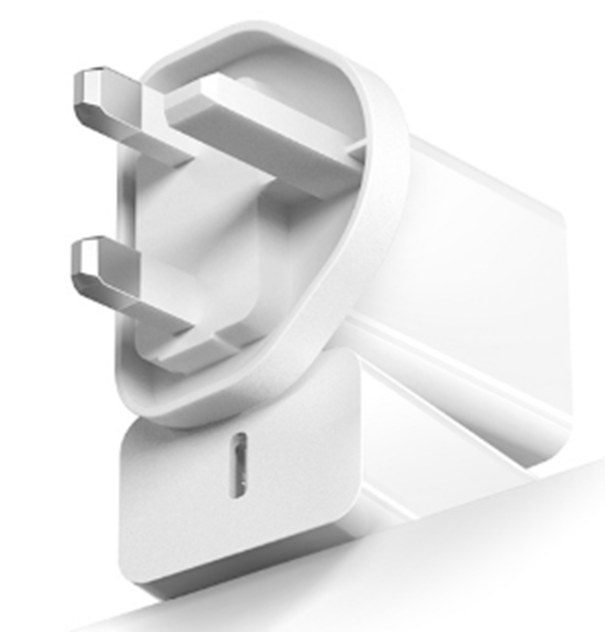
- Adaptor daya colokan Inggris
Frequently Asked Questions
Will Higher Voltage Make LED Brighter
Adjusting the voltage of an LED will affect its brightness, as it directly impacts the current flowing through the LED. Increasing the voltage will result in a higher current, thus making the LED brighter.
What Is the Maximum Voltage Allowed for Typical Lighting in a House
The maximum voltage allowed for typical lighting in a house is prescribed by Rule 2-106. It states that the maximum voltage in dwelling units should not exceed 150 volts-to-ground.
What Is the Best Voltage for Lighting
For lighting in residential areas, 12V landscape lighting is the recommended and more commonly used option compared to 120V outdoor lighting. It is considered superior due to its safety in wet locations and its ease of installation, making it a preferred choice.
Does Higher Voltage Mean Brighter Light
Increasing the voltage of a bulb will result in a brighter light. Additionally, it is important to note that when a bulb in a series circuit is unscrewed, all bulbs in the circuit will go out. Furthermore, adding more bulbs to a series circuit will decrease the overall brightness of the bulbs. Lastly, in a series circuit, the voltage is evenly distributed among all of the bulbs.
How Do You Know if a Light Is Low Voltage
Low-voltage lights operate on a power supply that is less than 50 volts. These lights utilize transformers, which are often integrated into the fixtures, to decrease the voltage from the electrical system.







