

What is Lamp Voltage
Lamp voltage is the specific electrical voltage required to power a lamp or light fixture. Lamps can operate at different voltages depending on their design and intended use. For example, the standard voltage in UK households is typically 230V. However, there are exceptions where certain types of lamps, such as recessed lights, operate at a lower voltage of 12V.
The voltage of a lamp determines the type of power supply needed to operate the lamp effectively. If a lamp operates at a different voltage than the standard household voltage, a transformer is required to convert the high voltage (e.g., 230V) to the lower voltage (e.g., 12V). This ensures that the power is converted correctly, allowing the lamp to function properly.
Lasciati ispirare dalla gamma di sensori di movimento Rayzeek.
Non trovi quello che cerchi? Non preoccuparti. Ci sono sempre modi alternativi per risolvere i tuoi problemi. Forse una delle nostre linee di prodotti può aiutarti.
Lamps operating at different voltages have their own advantages and disadvantages. For instance, 12V lights tend to have a longer lifespan because they operate on lower voltage. But, a disadvantage is that they can only work with a transformer. On the other hand, 230V lights do not require a transformer and can be directly installed into the mains. Additionally, 230V lights are compatible with a wider range of bulbs.
Forse ti interessa anche

- Sensore di presenza PIR da soffitto con uscita a relè con contatto pulito
- Alimentazione a bassa tensione 12/24VDC o 12/24VAC
- Contatti relè isolati COM, NO e NC per ingressi EMS, HVAC e controllo dell'edificio

- Interruttore con sensore di movimento a microonde da soffitto a incasso a bassa tensione DC
- Ingresso 12 VDC / 24 VDC con intervallo 10-30 VDC
- Corrente massima di lavoro 10A con ritardo temporale, soglia Lux e sensibilità regolabili
- Interruttore con sensore di movimento a microonde da soffitto a incasso per carichi più elevati
- Ingresso tensione di rete 100-265 VAC, modello da 10A
- Rilevamento a microonde a 5.8 GHz con ritardo temporale, soglia Lux e sensibilità regolabili
- Interruttore con sensore di movimento a microonde da soffitto a incasso
- Ingresso tensione di rete 100-265 VAC, modello da 5A
- Rilevamento a microonde a 5.8 GHz con ritardo temporale, soglia Lux e sensibilità regolabili
- Dimmer con sensore di presenza PIR da soffitto RZ037 per alimentazione a 220V
- Corrente massima di lavoro 3A con carico nominale di 660W
- Il pulsante LUX controlla l'accensione/spegnimento del sensore di luce e la luminosità di regolazione impostata dall'utente
- Dimmer con sensore di presenza PIR da soffitto RZ037 per alimentazione a 110V
- Corrente massima di lavoro 3A con carico nominale di 330W
- Il pulsante LUX controlla l'accensione/spegnimento del sensore di luce e la luminosità di regolazione impostata dall'utente

- Interruttore con sensore di movimento a microonde da soffitto a bassa tensione DC
- Ingresso 12 VDC / 24 VDC con intervallo 10-30 VDC
- Corrente massima di lavoro 10A con ritardo temporale, soglia Lux e sensibilità regolabili
- Interruttore con sensore di movimento a microonde da soffitto per carichi più elevati
- Ingresso tensione di rete 100-265 VAC, modello da 10A
- Rilevamento a microonde a 5.8 GHz con ritardo temporale, soglia Lux e sensibilità regolabili
- Interruttore con sensore di movimento a microonde da soffitto
- Ingresso tensione di rete 100-265 VAC, modello da 5A
- Rilevamento a microonde a 5.8 GHz con ritardo temporale, soglia Lux e sensibilità regolabili

- Interruttore con sensore di movimento PIR da soffitto a incasso a bassa tensione DC
- Ingresso 12 VDC / 24 VDC con intervallo 10-30 VDC
- Corrente massima di lavoro 10A con ritardo temporale, soglia Lux e sensibilità regolabili

- Interruttore con sensore di movimento PIR da soffitto a incasso per carichi più elevati
- Ingresso tensione di rete 100-265 VAC, modello da 10A
- Rilevamento a 360 gradi con ritardo, soglia Lux e sensibilità regolabili
- Interruttore con sensore di movimento PIR da soffitto a incasso
- Ingresso tensione di rete 100-265 VAC, modello da 5A
- Rilevamento a 360 gradi con ritardo, soglia Lux e sensibilità regolabili

- Kit interruttore e ricevitore wireless per il controllo dell'illuminazione ON/OFF per interni
- Ricevitore 100-230VAC, 50/60Hz con corrente nominale di 5A
- Interruttore wireless alimentato da CR2032 con comunicazione a 2.4GHz
- Presenza (Auto-ON/Auto-OFF)
- 12–24V DC (10–30VDC), fino a 10A
- Copertura a 360°, diametro 8–12 m
- Ritardo da 15 s a 30 min
- Sensore di luce Off/15/25/35 Lux
- Sensibilità Alta/Bassa
- Modalità presenza Auto-ON/Auto-OFF
- 100–265V AC, 10A (neutro richiesto)
- Copertura a 360°; diametro di rilevamento 8–12 m
- Ritardo 15 s–30 min; Lux OFF/15/25/35; Sensibilità Alta/Bassa
- Modalità presenza Auto-ON/Auto-OFF
- 100–265V AC, 5A (neutro richiesto)
- Copertura a 360°; diametro di rilevamento 8–12 m
- Ritardo 15 s–30 min; Lux OFF/15/25/35; Sensibilità Alta/Bassa
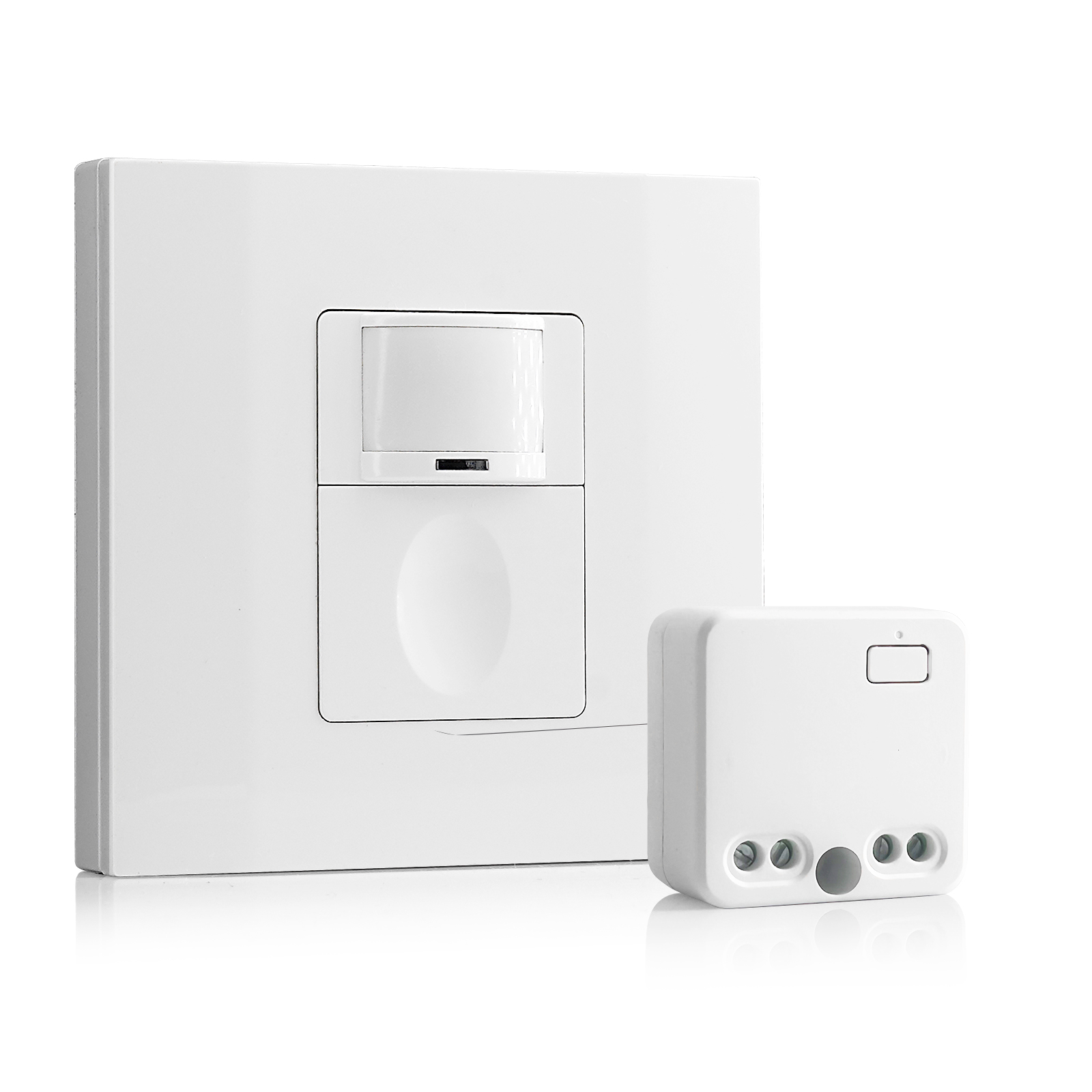
- 100V-230VAC
- Distanza di trasmissione: fino a 20m
- Sensore di movimento wireless
- Controllo cablato
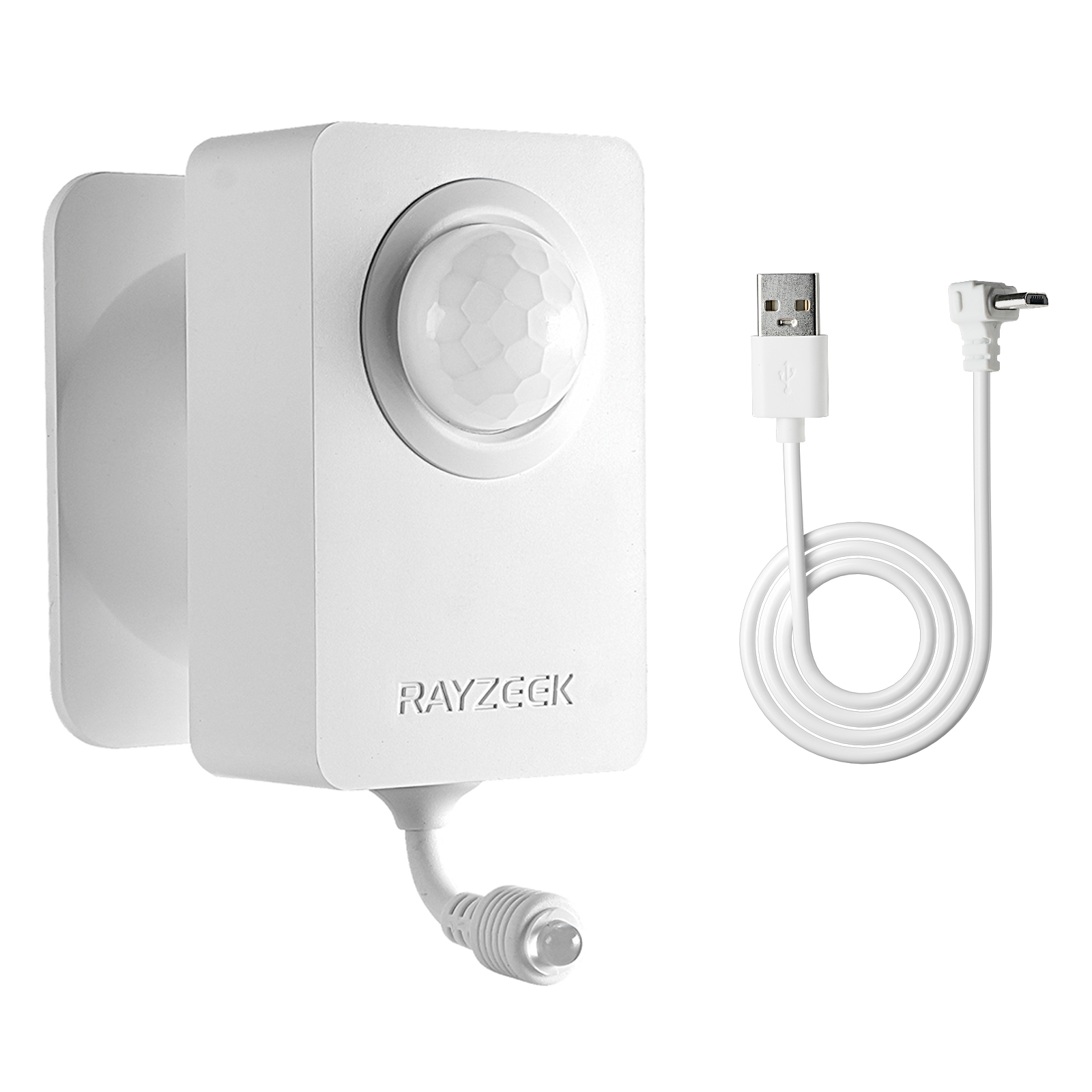
- Tensione: 2 batterie AAA / 5 V CC (Micro USB)
- Modalità Giorno/Notte
- Ritardo di spegnimento: 15 min, 30 min, 1 h (predefinito), 2 h
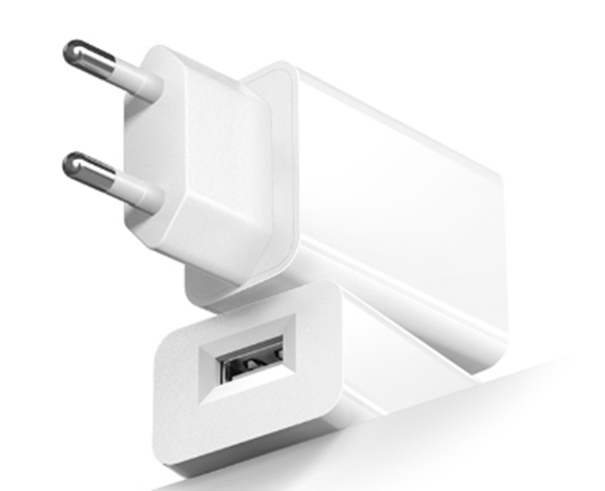
- Adattatore di alimentazione con spina UE
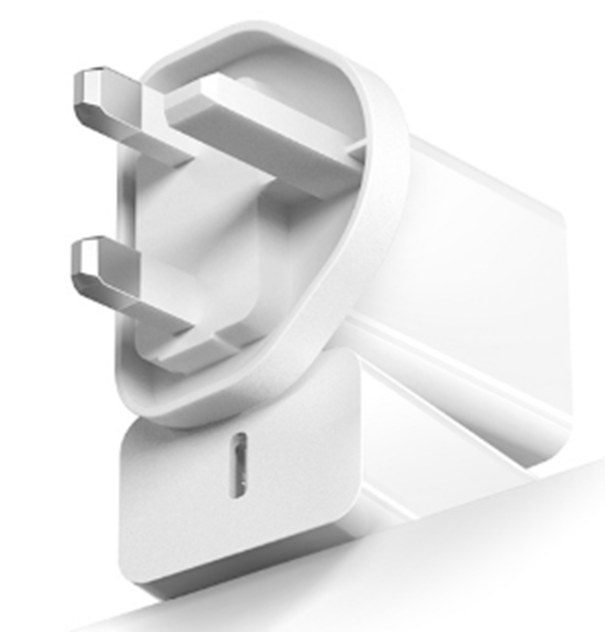
- Adattatore di alimentazione con spina per Regno Unito
Frequently Asked Questions
Will Higher Voltage Make LED Brighter
Adjusting the voltage of an LED will affect its brightness, as it directly impacts the current flowing through the LED. Increasing the voltage will result in a higher current, thus making the LED brighter.
What Is the Maximum Voltage Allowed for Typical Lighting in a House
The maximum voltage allowed for typical lighting in a house is prescribed by Rule 2-106. It states that the maximum voltage in dwelling units should not exceed 150 volts-to-ground.
What Is the Best Voltage for Lighting
For lighting in residential areas, 12V landscape lighting is the recommended and more commonly used option compared to 120V outdoor lighting. It is considered superior due to its safety in wet locations and its ease of installation, making it a preferred choice.
Does Higher Voltage Mean Brighter Light
Increasing the voltage of a bulb will result in a brighter light. Additionally, it is important to note that when a bulb in a series circuit is unscrewed, all bulbs in the circuit will go out. Furthermore, adding more bulbs to a series circuit will decrease the overall brightness of the bulbs. Lastly, in a series circuit, the voltage is evenly distributed among all of the bulbs.
How Do You Know if a Light Is Low Voltage
Low-voltage lights operate on a power supply that is less than 50 volts. These lights utilize transformers, which are often integrated into the fixtures, to decrease the voltage from the electrical system.







