

What is Fixture
A fixture is a complete lighting unit that encompasses various components necessary for the generation and control of light. It typically consists of a light source, such as a lamp or bulb, along with a reflector or lens to direct and distribute the light. Fixtures are designed to be installed or mounted in specific locations to provide illumination in various settings.
These lighting units serve both practical and decorative purposes. They can be used to illuminate areas that are not typically well-lit, enhancing safety by reducing the risk of accidents in dark spaces. Additionally, fixtures can be utilized as decorative elements in homes or buildings, adding aesthetic appeal to the overall design.
Zainspiruj się ofertą czujników ruchu Rayzeek.
Nie znajdujesz tego, czego szukasz? Nie martw się. Zawsze istnieją alternatywne sposoby na rozwiązanie Twoich problemów. Być może pomoże Ci jedna z naszych linii produktów.
There are different types of fixtures available in the market, including chandeliers, ceiling lights, wall lights, downlights, and floor lights. Each type is designed to cater to specific lighting requirements and preferences. Fixtures can vary in size, shape, and design, allowing for customization based on the desired lighting effect and aesthetic style.
Może Cię również zainteresować

- Sufitowy czujnik obecności PIR z wyjściem przekaźnikowym bezpotencjałowym
- Niskonapięciowe zasilanie 12/24VDC lub 12/24VAC
- Izolowane styki przekaźnika COM, NO i NC dla wejść systemów EMS, HVAC i sterowania budynkiem

- Niskonapięciowy podtynkowy sufitowy mikrofalowy czujnik ruchu DC
- Wejście 12 VDC / 24 VDC z zakresem 10-30 VDC
- Maksymalny prąd roboczy 10A z regulowanym opóźnieniem czasowym, progiem Lux i czułością
- Podtynkowy sufitowy mikrofalowy czujnik ruchu do wyższych obciążeń
- Wejście napięcia sieciowego 100-265 VAC, model 10A
- Detekcja mikrofalowa 5.8 GHz z regulowanym opóźnieniem czasowym, progiem Lux i czułością
- Podtynkowy sufitowy mikrofalowy czujnik ruchu
- Wejście napięcia sieciowego 100-265 VAC, model 5A
- Detekcja mikrofalowa 5.8 GHz z regulowanym opóźnieniem czasowym, progiem Lux i czułością
- Sufitowy ściemniacz z czujnikiem obecności PIR RZ037 na napięcie 220V
- Maksymalny prąd roboczy 3A przy obciążeniu znamionowym 660W
- Przycisk LUX kontroluje WŁ./WYŁ. czujnika światła oraz ustawianą przez użytkownika jasność ściemniania
- Sufitowy ściemniacz z czujnikiem obecności PIR RZ037 na napięcie 110V
- Maksymalny prąd roboczy 3A przy obciążeniu znamionowym 330W
- Przycisk LUX kontroluje WŁ./WYŁ. czujnika światła oraz ustawianą przez użytkownika jasność ściemniania

- Niskonapięciowy sufitowy mikrofalowy czujnik ruchu DC
- Wejście 12 VDC / 24 VDC z zakresem 10-30 VDC
- Maksymalny prąd roboczy 10A z regulowanym opóźnieniem czasowym, progiem Lux i czułością
- Sufitowy mikrofalowy czujnik ruchu do wyższych obciążeń
- Wejście napięcia sieciowego 100-265 VAC, model 10A
- Detekcja mikrofalowa 5.8 GHz z regulowanym opóźnieniem czasowym, progiem Lux i czułością
- Sufitowy mikrofalowy czujnik ruchu
- Wejście napięcia sieciowego 100-265 VAC, model 5A
- Detekcja mikrofalowa 5.8 GHz z regulowanym opóźnieniem czasowym, progiem Lux i czułością

- Niskonapięciowy podtynkowy sufitowy czujnik ruchu PIR DC
- Wejście 12 VDC / 24 VDC z zakresem 10-30 VDC
- Maksymalny prąd roboczy 10A z regulowanym opóźnieniem czasowym, progiem luksów i czułością

- Podtynkowy sufitowy czujnik ruchu PIR do wyższych obciążeń
- Wejście napięcia sieciowego 100-265 VAC, model 10A
- Detekcja 360 stopni z regulowanym opóźnieniem czasowym, progiem luksów i czułością
- Podtynkowy sufitowy czujnik ruchu PIR
- Wejście napięcia sieciowego 100-265 VAC, model 5A
- Detekcja 360 stopni z regulowanym opóźnieniem czasowym, progiem luksów i czułością

- Zestaw bezprzewodowego włącznika i odbiornika do wewnętrznego sterowania oświetleniem WŁ/WYŁ
- Odbiornik 100-230VAC, 50/60Hz o prądzie znamionowym 5A
- Włącznik bezprzewodowy zasilany baterią CR2032 z komunikacją 2.4GHz
- Obecność (Auto-WŁ/Auto-WYŁ)
- 12–24V DC (10–30VDC), do 10A
- Zasięg 360°, średnica 8–12 m
- Opóźnienie czasowe 15 s–30 min
- Czujnik światła Wył/15/25/35 Lux
- Czułość Wysoka/Niska
- Tryb obecności Auto-WŁ/Auto-WYŁ
- 100–265V AC, 10A (wymagany przewód neutralny)
- Zasięg 360°; średnica detekcji 8–12 m
- Opóźnienie czasowe 15 s–30 min; Lux WYŁ/15/25/35; Czułość Wysoka/Niska
- Tryb obecności Auto-WŁ/Auto-WYŁ
- 100–265V AC, 5A (wymagany przewód neutralny)
- Zasięg 360°; średnica detekcji 8–12 m
- Opóźnienie czasowe 15 s–30 min; Lux WYŁ/15/25/35; Czułość Wysoka/Niska
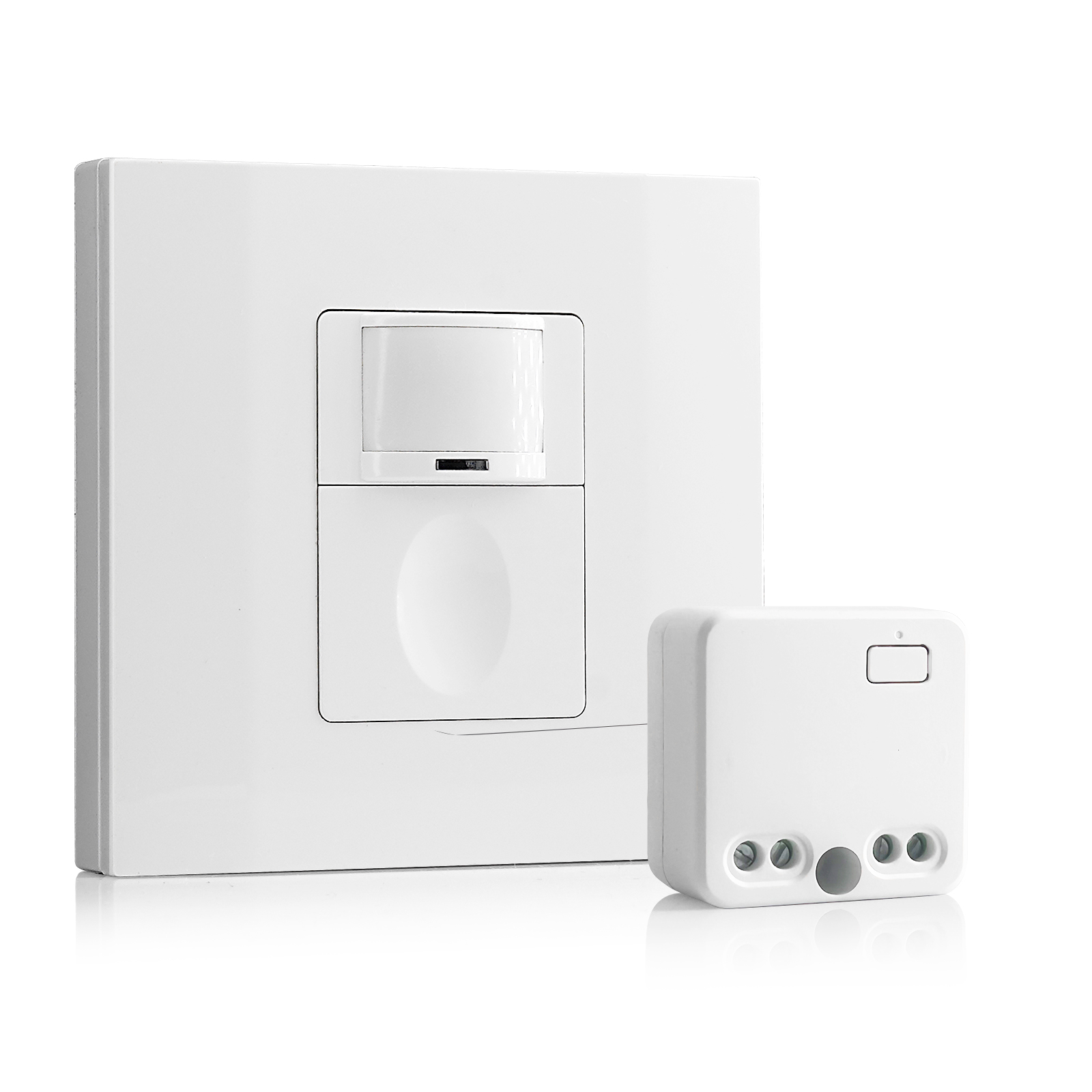
- 100V-230VAC
- Zasięg transmisji: do 20m
- Bezprzewodowy czujnik ruchu
- Sterowanie przewodowe
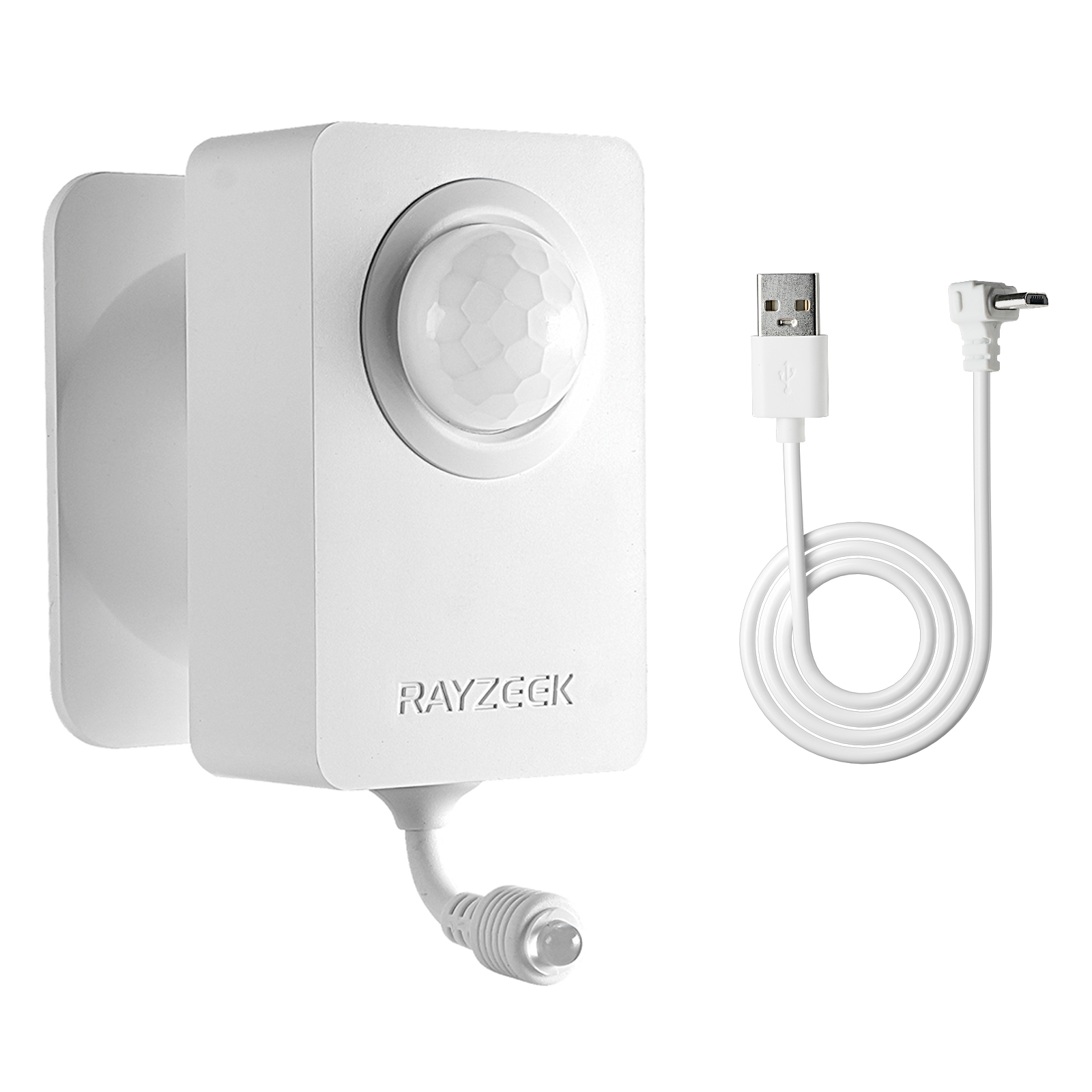
- Napięcie: 2x baterie AAA / 5V DC (Micro USB)
- Tryb dzień/noc
- Opóźnienie czasowe: 15min, 30min, 1h (domyślne), 2h
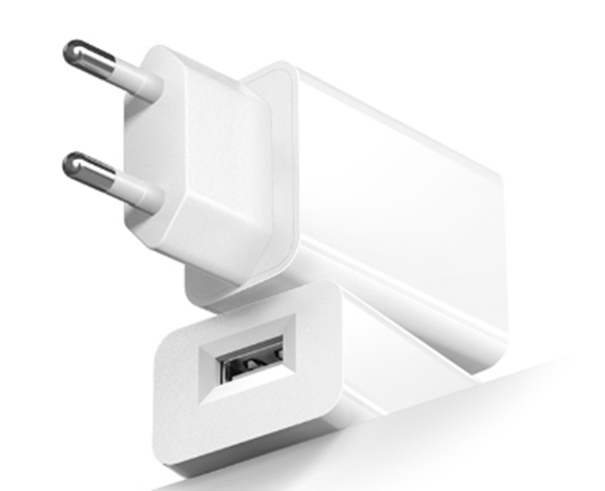
- Zasilacz sieciowy z wtyczką EU
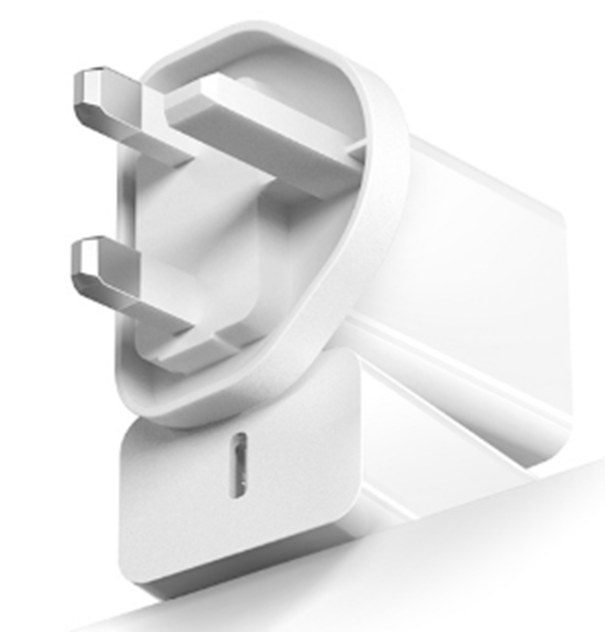
- Zasilacz sieciowy z wtyczką UK
The term “fixture” is often used interchangeably with “luminaire” in the lighting industry. Both terms refer to the complete lighting unit, encompassing the light source, reflector or lens, and other necessary components for mounting and controlling the light.
Frequently Asked Questions
What Are All Light Fixtures Called
Light fixtures, commonly referred to as luminaires, are available in various sizes, shapes, wattage, and other specifications.
What Are the Four Types of Lighting Fixtures
There are four primary categories of lighting fixtures – ambient, task, accent, and decorative.
What Is the Most Common Lighting Fixtures
The most common lighting fixtures in architecture are cove, soffit, and valance. These fixtures are integrated into the structure of the room. Cove lighting, for example, is positioned in a ledge, shelf, or recess on a high wall, and it directs the light towards the ceiling or upper wall.
What Is a Lighting Fixture
Lighting fixtures are used to illuminate spaces. They have both functional and decorative purposes, providing light in areas that are typically dark and adding aesthetic appeal to homes or buildings.
What Is Considered a Fixture in Electrical
Lights (fixtures) are electrical devices that contain bulbs (lamps) and connect them to the electrical supply. They are utilized for various applications in industrial, commercial, and residential settings. Key specifications to consider when selecting a light fixture include the intended use, the type of fixture, the bulb type, and the electrical requirements.
What Is Classified as a Fixture
A fixture in real estate refers to any item that is permanently affixed to a property using methods such as bolts, screws, nails, glue, cement, or other similar means. Examples of fixtures include chandeliers, ceiling fans, and window treatments. These items are typically considered part of the property and will be included in any real estate transaction.







