
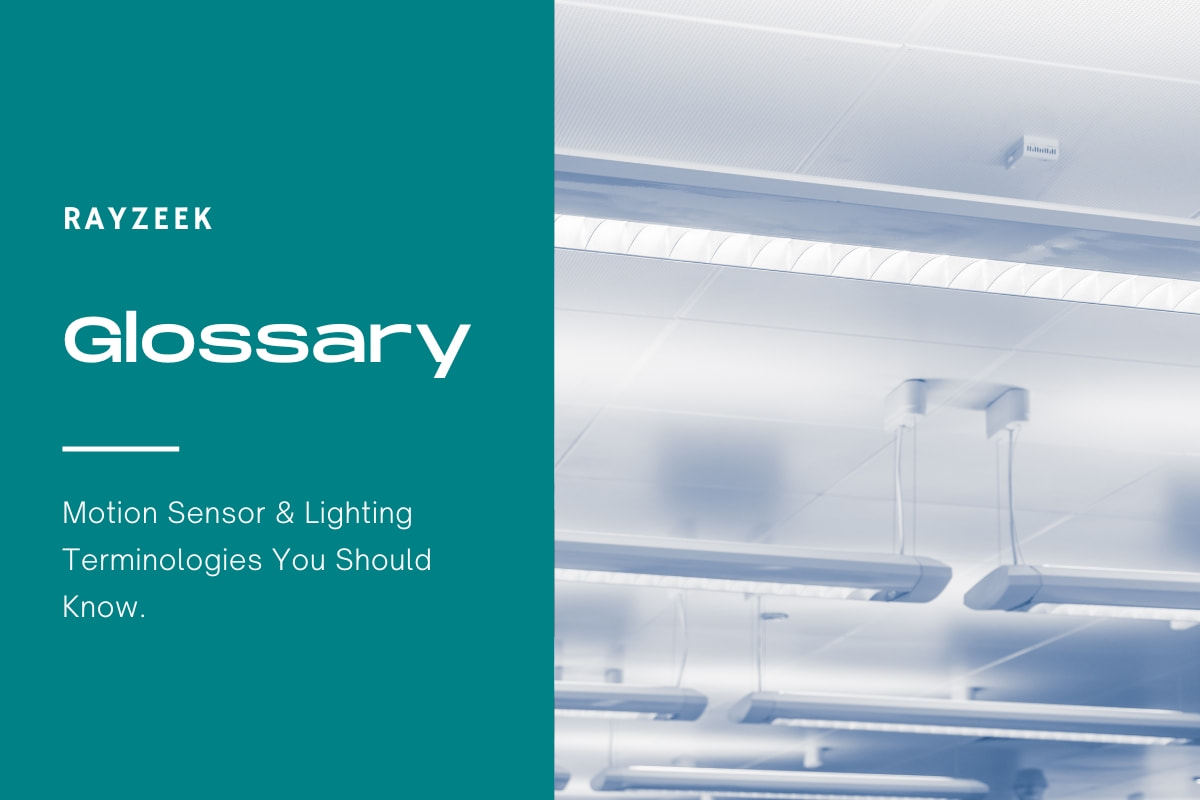
What is Fixture
A fixture is a complete lighting unit that encompasses various components necessary for the generation and control of light. It typically consists of a light source, such as a lamp or bulb, along with a reflector or lens to direct and distribute the light. Fixtures are designed to be installed or mounted in specific locations to provide illumination in various settings.
These lighting units serve both practical and decorative purposes. They can be used to illuminate areas that are not typically well-lit, enhancing safety by reducing the risk of accidents in dark spaces. Additionally, fixtures can be utilized as decorative elements in homes or buildings, adding aesthetic appeal to the overall design.
Lasciati ispirare dalla gamma di sensori di movimento Rayzeek.
Non trovi quello che cerchi? Non preoccuparti. Ci sono sempre modi alternativi per risolvere i tuoi problemi. Forse una delle nostre linee di prodotti può aiutarti.
There are different types of fixtures available in the market, including chandeliers, ceiling lights, wall lights, downlights, and floor lights. Each type is designed to cater to specific lighting requirements and preferences. Fixtures can vary in size, shape, and design, allowing for customization based on the desired lighting effect and aesthetic style.
Forse ti interessa anche

- Sensore di presenza PIR da soffitto con uscita a relè con contatto pulito
- Alimentazione a bassa tensione 12/24VDC o 12/24VAC
- Contatti relè isolati COM, NO e NC per ingressi EMS, HVAC e controllo dell'edificio

- Interruttore con sensore di movimento a microonde da soffitto a incasso a bassa tensione DC
- Ingresso 12 VDC / 24 VDC con intervallo 10-30 VDC
- Corrente massima di lavoro 10A con ritardo temporale, soglia Lux e sensibilità regolabili
- Interruttore con sensore di movimento a microonde da soffitto a incasso per carichi più elevati
- Ingresso tensione di rete 100-265 VAC, modello da 10A
- Rilevamento a microonde a 5.8 GHz con ritardo temporale, soglia Lux e sensibilità regolabili
- Interruttore con sensore di movimento a microonde da soffitto a incasso
- Ingresso tensione di rete 100-265 VAC, modello da 5A
- Rilevamento a microonde a 5.8 GHz con ritardo temporale, soglia Lux e sensibilità regolabili
- Dimmer con sensore di presenza PIR da soffitto RZ037 per alimentazione a 220V
- Corrente massima di lavoro 3A con carico nominale di 660W
- Il pulsante LUX controlla l'accensione/spegnimento del sensore di luce e la luminosità di regolazione impostata dall'utente
- Dimmer con sensore di presenza PIR da soffitto RZ037 per alimentazione a 110V
- Corrente massima di lavoro 3A con carico nominale di 330W
- Il pulsante LUX controlla l'accensione/spegnimento del sensore di luce e la luminosità di regolazione impostata dall'utente

- Interruttore con sensore di movimento a microonde da soffitto a bassa tensione DC
- Ingresso 12 VDC / 24 VDC con intervallo 10-30 VDC
- Corrente massima di lavoro 10A con ritardo temporale, soglia Lux e sensibilità regolabili
- Interruttore con sensore di movimento a microonde da soffitto per carichi più elevati
- Ingresso tensione di rete 100-265 VAC, modello da 10A
- Rilevamento a microonde a 5.8 GHz con ritardo temporale, soglia Lux e sensibilità regolabili
- Interruttore con sensore di movimento a microonde da soffitto
- Ingresso tensione di rete 100-265 VAC, modello da 5A
- Rilevamento a microonde a 5.8 GHz con ritardo temporale, soglia Lux e sensibilità regolabili

- Interruttore con sensore di movimento PIR da soffitto a incasso a bassa tensione DC
- Ingresso 12 VDC / 24 VDC con intervallo 10-30 VDC
- Corrente massima di lavoro 10A con ritardo temporale, soglia Lux e sensibilità regolabili

- Interruttore con sensore di movimento PIR da soffitto a incasso per carichi più elevati
- Ingresso tensione di rete 100-265 VAC, modello da 10A
- Rilevamento a 360 gradi con ritardo, soglia Lux e sensibilità regolabili
- Interruttore con sensore di movimento PIR da soffitto a incasso
- Ingresso tensione di rete 100-265 VAC, modello da 5A
- Rilevamento a 360 gradi con ritardo, soglia Lux e sensibilità regolabili

- Kit interruttore e ricevitore wireless per il controllo dell'illuminazione ON/OFF per interni
- Ricevitore 100-230VAC, 50/60Hz con corrente nominale di 5A
- Interruttore wireless alimentato da CR2032 con comunicazione a 2.4GHz
- Presenza (Auto-ON/Auto-OFF)
- 12–24V DC (10–30VDC), fino a 10A
- Copertura a 360°, diametro 8–12 m
- Ritardo da 15 s a 30 min
- Sensore di luce Off/15/25/35 Lux
- Sensibilità Alta/Bassa
- Modalità presenza Auto-ON/Auto-OFF
- 100–265V AC, 10A (neutro richiesto)
- Copertura a 360°; diametro di rilevamento 8–12 m
- Ritardo 15 s–30 min; Lux OFF/15/25/35; Sensibilità Alta/Bassa
- Modalità presenza Auto-ON/Auto-OFF
- 100–265V AC, 5A (neutro richiesto)
- Copertura a 360°; diametro di rilevamento 8–12 m
- Ritardo 15 s–30 min; Lux OFF/15/25/35; Sensibilità Alta/Bassa
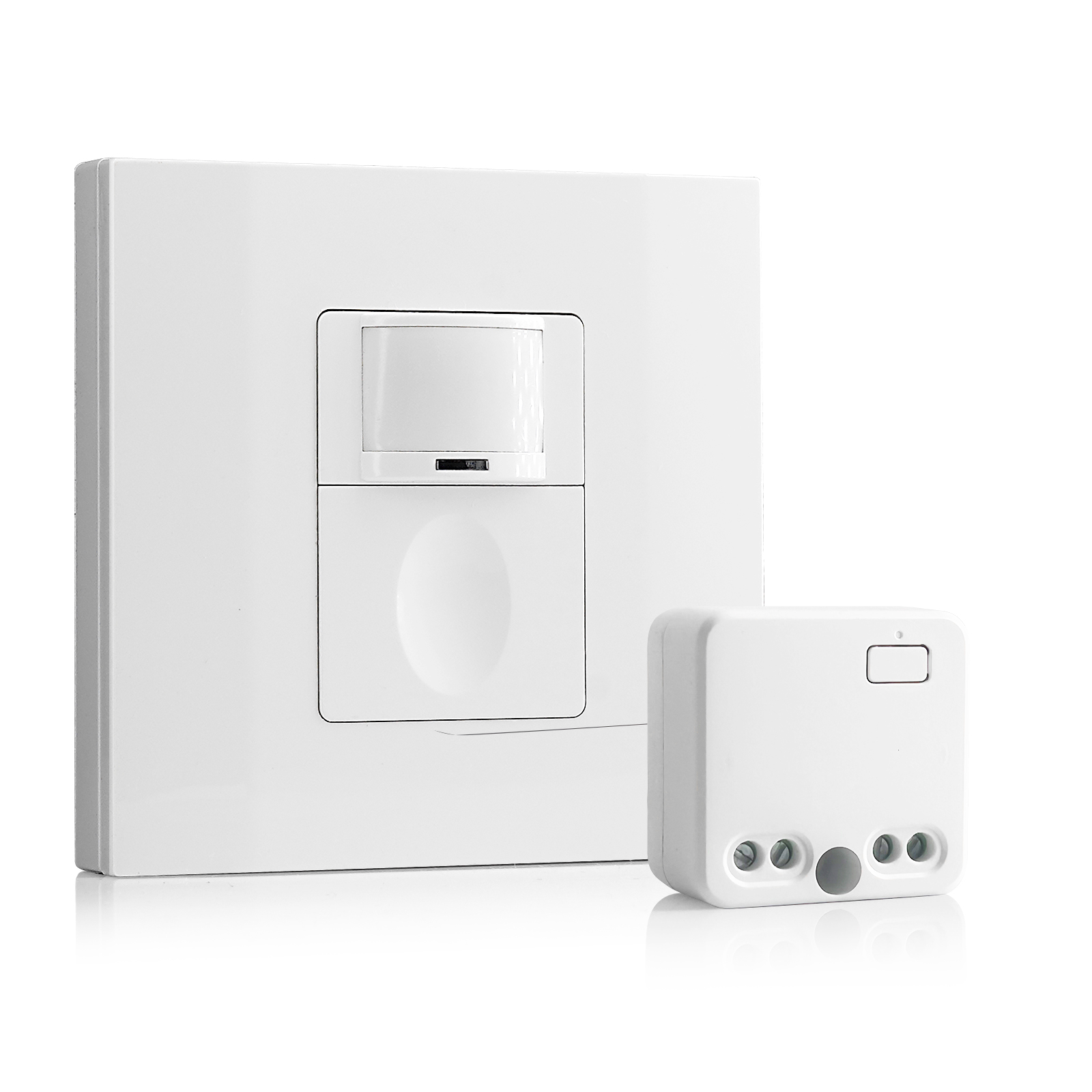
- 100V-230VAC
- Distanza di trasmissione: fino a 20m
- Sensore di movimento wireless
- Controllo cablato
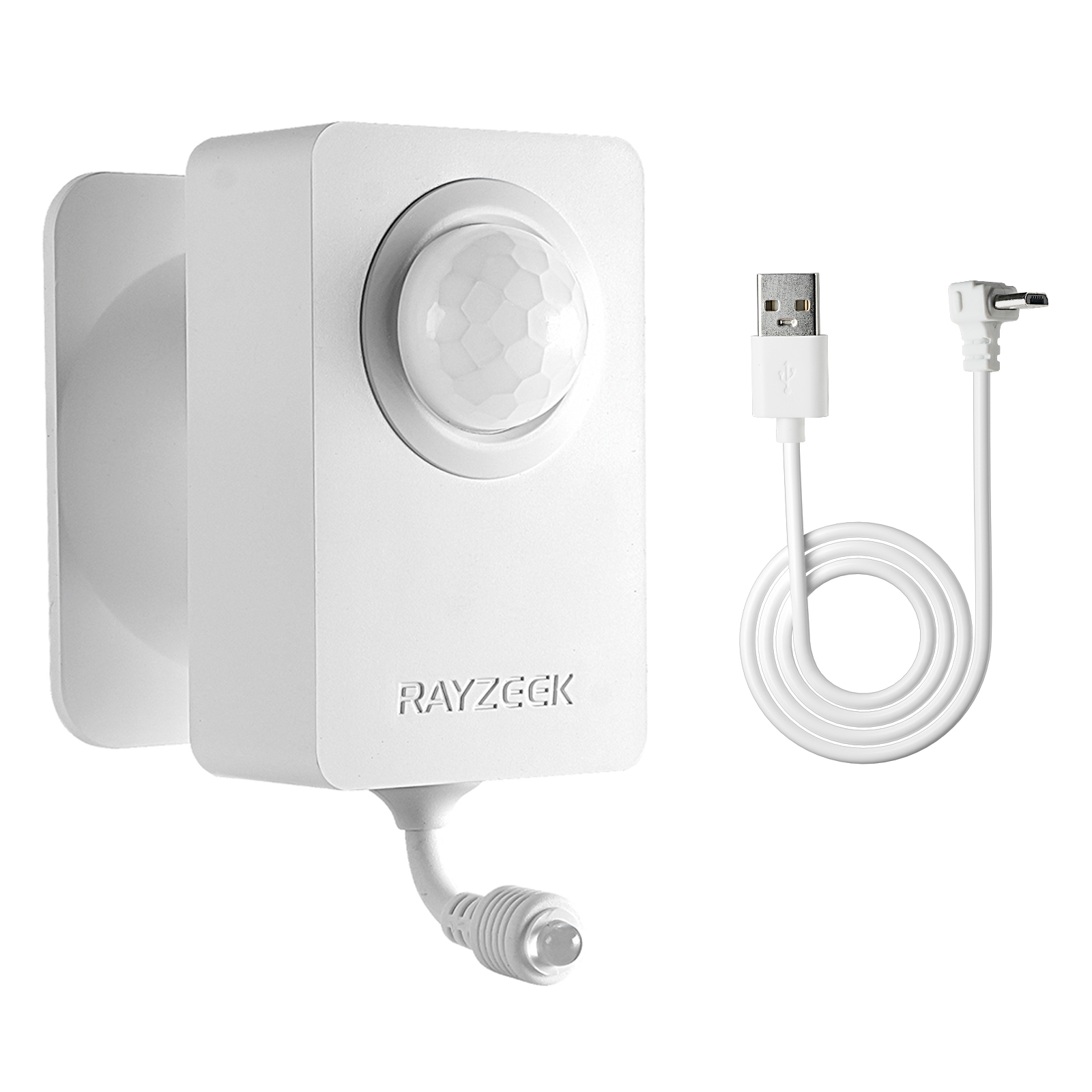
- Tensione: 2 batterie AAA / 5 V CC (Micro USB)
- Modalità Giorno/Notte
- Ritardo di spegnimento: 15 min, 30 min, 1 h (predefinito), 2 h
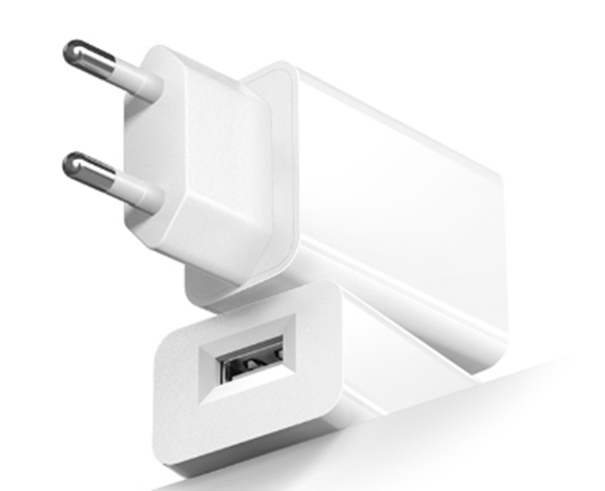
- Adattatore di alimentazione con spina UE
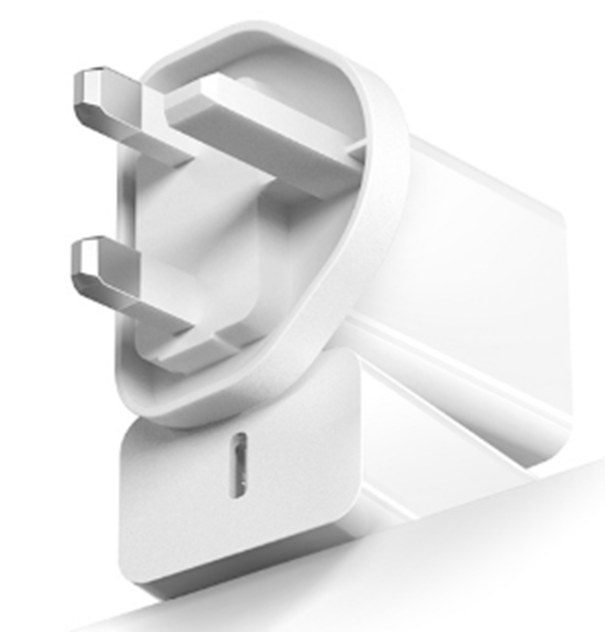
- Adattatore di alimentazione con spina per Regno Unito
The term “fixture” is often used interchangeably with “luminaire” in the lighting industry. Both terms refer to the complete lighting unit, encompassing the light source, reflector or lens, and other necessary components for mounting and controlling the light.
Frequently Asked Questions
What Are All Light Fixtures Called
Light fixtures, commonly referred to as luminaires, are available in various sizes, shapes, wattage, and other specifications.
What Are the Four Types of Lighting Fixtures
There are four primary categories of lighting fixtures – ambient, task, accent, and decorative.
What Is the Most Common Lighting Fixtures
The most common lighting fixtures in architecture are cove, soffit, and valance. These fixtures are integrated into the structure of the room. Cove lighting, for example, is positioned in a ledge, shelf, or recess on a high wall, and it directs the light towards the ceiling or upper wall.
What Is a Lighting Fixture
Lighting fixtures are used to illuminate spaces. They have both functional and decorative purposes, providing light in areas that are typically dark and adding aesthetic appeal to homes or buildings.
What Is Considered a Fixture in Electrical
Lights (fixtures) are electrical devices that contain bulbs (lamps) and connect them to the electrical supply. They are utilized for various applications in industrial, commercial, and residential settings. Key specifications to consider when selecting a light fixture include the intended use, the type of fixture, the bulb type, and the electrical requirements.
What Is Classified as a Fixture
A fixture in real estate refers to any item that is permanently affixed to a property using methods such as bolts, screws, nails, glue, cement, or other similar means. Examples of fixtures include chandeliers, ceiling fans, and window treatments. These items are typically considered part of the property and will be included in any real estate transaction.







