

What is Fixture
A fixture is a complete lighting unit that encompasses various components necessary for the generation and control of light. It typically consists of a light source, such as a lamp or bulb, along with a reflector or lens to direct and distribute the light. Fixtures are designed to be installed or mounted in specific locations to provide illumination in various settings.
These lighting units serve both practical and decorative purposes. They can be used to illuminate areas that are not typically well-lit, enhancing safety by reducing the risk of accidents in dark spaces. Additionally, fixtures can be utilized as decorative elements in homes or buildings, adding aesthetic appeal to the overall design.
Lassen Sie sich vom Rayzeek Bewegungssensor-Portfolio inspirieren.
Nicht das Richtige gefunden? Keine Sorge. Es gibt immer alternative Wege, Ihre Probleme zu lösen. Vielleicht kann eines unserer Portfolios helfen.
There are different types of fixtures available in the market, including chandeliers, ceiling lights, wall lights, downlights, and floor lights. Each type is designed to cater to specific lighting requirements and preferences. Fixtures can vary in size, shape, and design, allowing for customization based on the desired lighting effect and aesthetic style.
Das könnte Sie auch interessieren

- Deckenmontierter PIR-Präsenzmelder mit potenzialfreiem Relaisausgang
- 12/24VDC oder 12/24VAC Niederspannungsversorgung
- Isolierte COM-, NO- und NC-Relaiskontakte für EMS-, HLK- und Gebäudeleittechnik-Eingänge

- Niederspannungs-DC-Mikrowellen-Bewegungsmelderschalter für den Deckeneinbau
- 12 VDC / 24 VDC Eingang mit einem Bereich von 10-30 VDC
- 10A max. Arbeitsstrom mit einstellbarer Zeitverzögerung, Lux-Schwelle und Empfindlichkeit
- Mikrowellen-Bewegungsmelderschalter für Deckeneinbau für höhere Lasten
- 100-265 VAC Netzspannungseingang, 10A-Modell
- 5,8 GHz Mikrowellenerfassung mit einstellbarer Zeitverzögerung, Lux-Schwelle und Empfindlichkeit
- Mikrowellen-Bewegungsmelderschalter für den Deckeneinbau
- 100-265 VAC Netzspannungseingang, 5A-Modell
- 5,8 GHz Mikrowellenerfassung mit einstellbarer Zeitverzögerung, Lux-Schwelle und Empfindlichkeit
- Deckenmontierter RZ037 PIR-Präsenzmelder-Dimmer für 220V Stromversorgung
- 3A maximaler Arbeitsstrom mit 660W Nennlast
- LUX-Taste steuert Lichtsensor EIN/AUS und benutzerdefinierten Dimmwert
- Deckenmontierter RZ037 PIR-Präsenzmelder-Dimmer für 110V Stromversorgung
- 3A maximaler Arbeitsstrom mit 330W Nennlast
- LUX-Taste steuert Lichtsensor EIN/AUS und benutzerdefinierten Dimmwert

- Niederspannungs-Gleichstrom-Mikrowellen-Bewegungsmelderschalter für Deckenmontage
- 12 VDC / 24 VDC Eingang mit einem Bereich von 10-30 VDC
- 10A max. Arbeitsstrom mit einstellbarer Zeitverzögerung, Lux-Schwelle und Empfindlichkeit
- Mikrowellen-Bewegungsmelderschalter für Deckenmontage für höhere Lasten
- 100-265 VAC Netzspannungseingang, 10A-Modell
- 5,8 GHz Mikrowellenerfassung mit einstellbarer Zeitverzögerung, Lux-Schwelle und Empfindlichkeit
- Mikrowellen-Bewegungsmelderschalter für Deckenmontage
- 100-265 VAC Netzspannungseingang, 5A-Modell
- 5,8 GHz Mikrowellenerfassung mit einstellbarer Zeitverzögerung, Lux-Schwelle und Empfindlichkeit

- Niederspannungs-Gleichstrom-PIR-Bewegungsmelderschalter für Deckeneinbau
- 12 VDC / 24 VDC Eingang mit einem Bereich von 10-30 VDC
- Max. Arbeitsstrom 10A mit einstellbarer Zeitverzögerung, Lux-Schwelle und Empfindlichkeit

- PIR-Bewegungsmelderschalter für Deckeneinbau für höhere Lasten
- 100-265 VAC Netzspannungseingang, 10A-Modell
- 360-Grad-Erfassung mit einstellbarer Zeitverzögerung, Lux-Schwelle und Empfindlichkeit
- PIR-Bewegungsmelderschalter für Deckeneinbau
- 100-265 VAC Netzspannungseingang, 5A-Modell
- 360-Grad-Erfassung mit einstellbarer Zeitverzögerung, Lux-Schwelle und Empfindlichkeit

- Funkschalter- und Empfänger-Kit für die EIN/AUS-Beleuchtungssteuerung im Innenbereich
- 100-230VAC, 50/60Hz Empfänger mit 5A Nennstrom
- CR2032-betriebener Funkschalter mit 2.4GHz Kommunikation
- Präsenzmodus (Auto-EIN/Auto-AUS)
- 12–24V DC (10–30VDC), bis zu 10A
- 360° Erfassungsbereich, 8–12 m Durchmesser
- Zeitverzögerung 15 s–30 min
- Lichtsensor Aus/15/25/35 Lux
- Hohe/Niedrige Empfindlichkeit
- Auto-EIN/Auto-AUS-Präsenzmodus
- 100–265V AC, 10A (Neutralleiter erforderlich)
- 360° Erfassungsbereich; 8–12 m Erfassungsdurchmesser
- Zeitverzögerung 15 s–30 min; Lux AUS/15/25/35; Empfindlichkeit Hoch/Niedrig
- Auto-EIN/Auto-AUS-Präsenzmodus
- 100–265V AC, 5A (Neutralleiter erforderlich)
- 360° Erfassungsbereich; 8–12 m Erfassungsdurchmesser
- Zeitverzögerung 15 s–30 min; Lux AUS/15/25/35; Empfindlichkeit Hoch/Niedrig
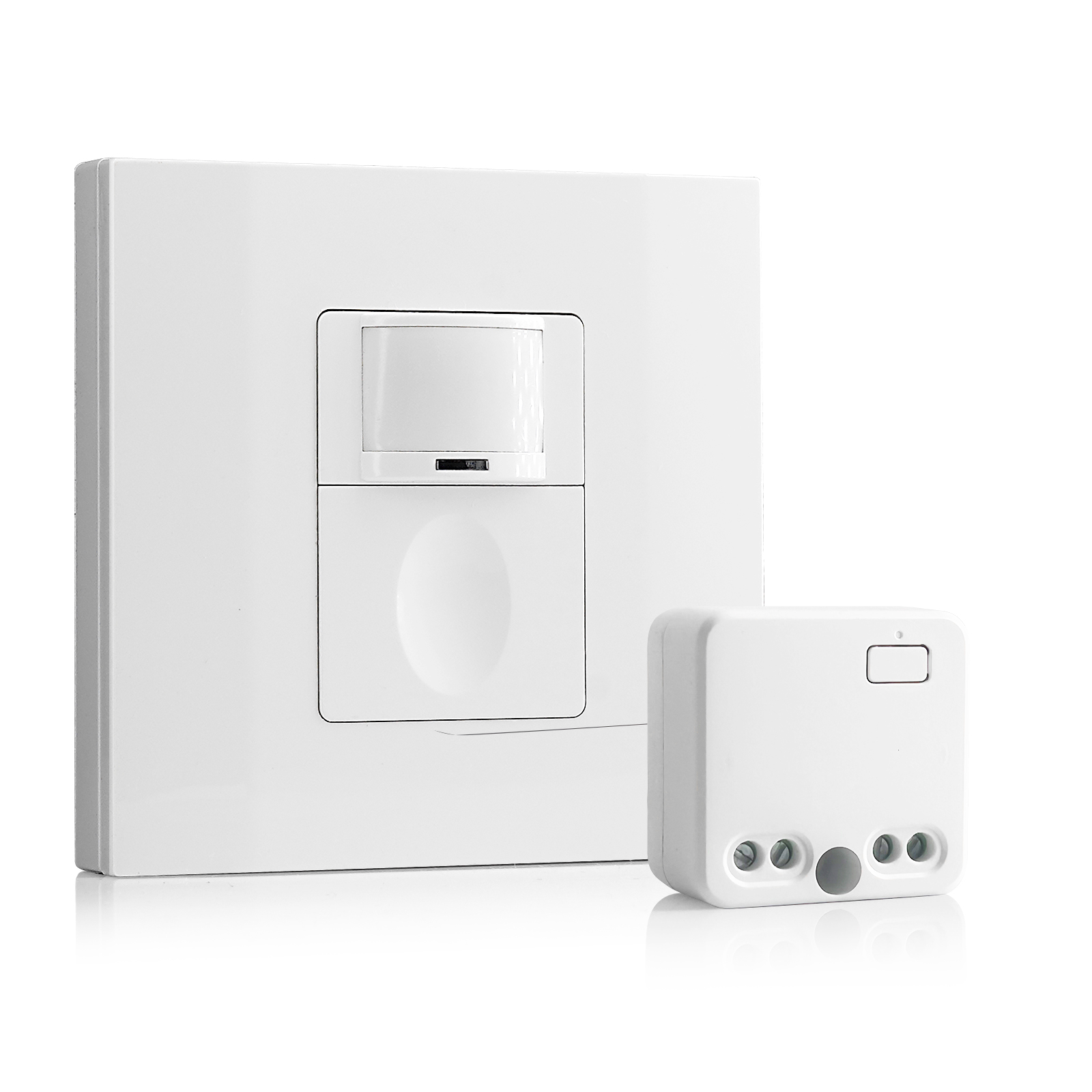
- 100V-230VAC
- Übertragungsreichweite: bis zu 20m
- Funk-Bewegungsmelder
- Kabelgebundene Steuerung
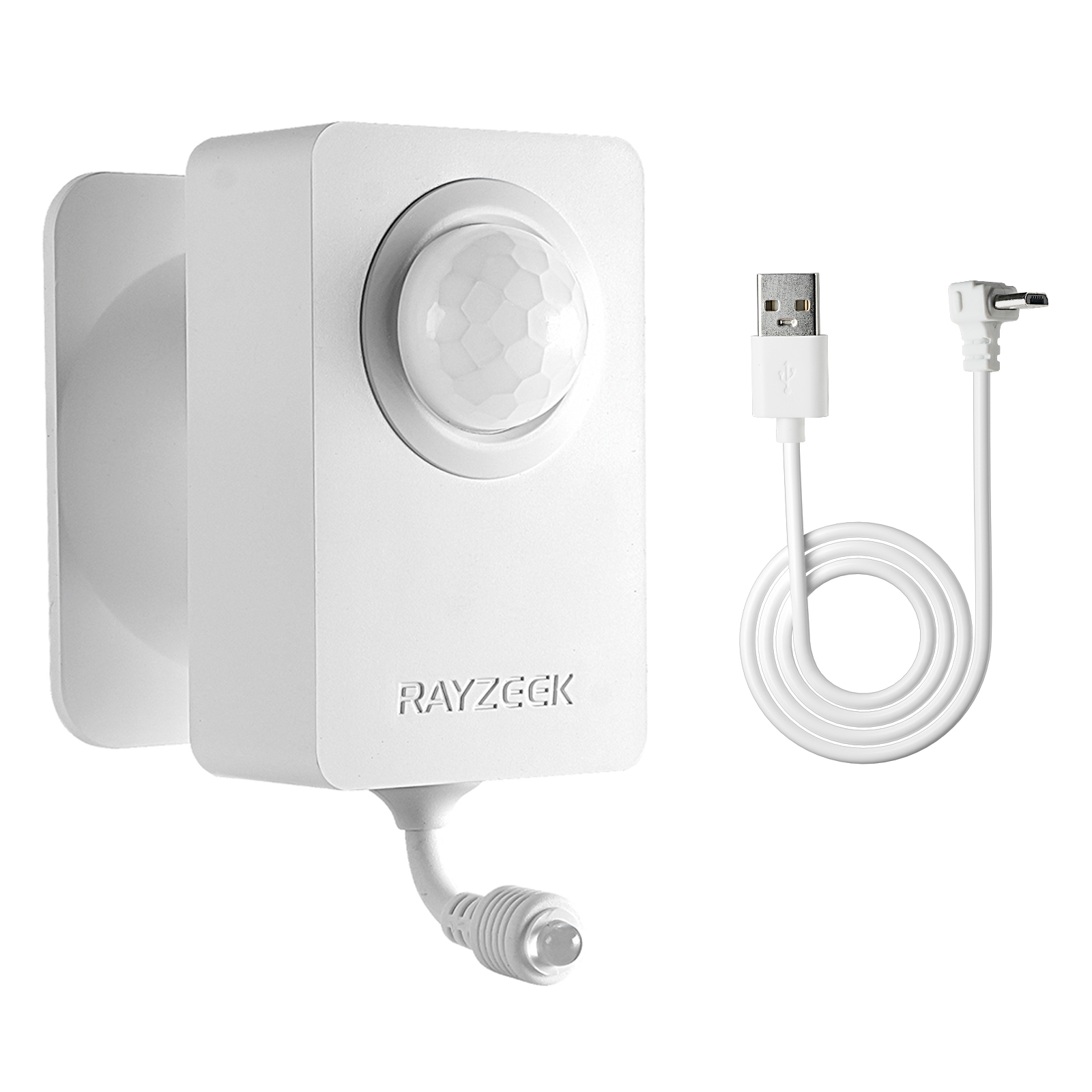
- Spannung: 2x AAA Batterien / 5V DC (Micro-USB)
- Tag-/Nachtmodus
- Ausschaltverzögerung: 15 Min., 30 Min., 1 Std. (Standard), 2 Std.
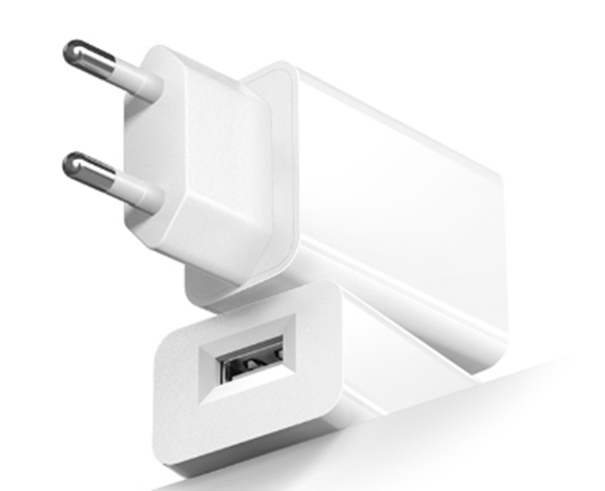
- EU-Stecker-Netzteil
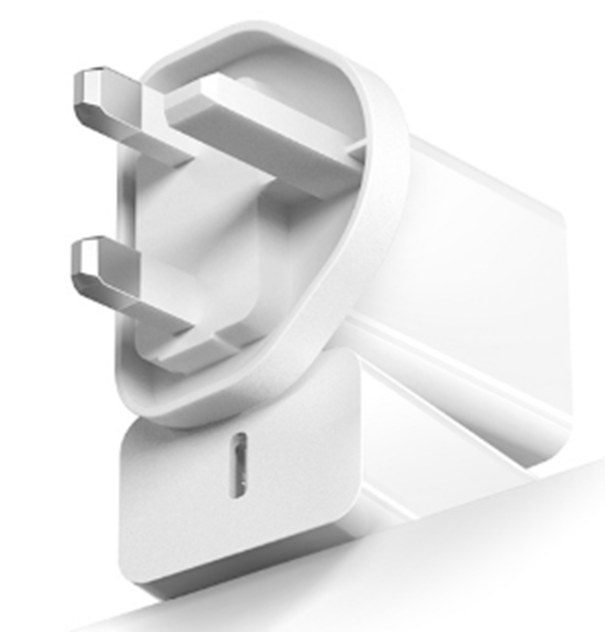
- UK-Stecker-Netzteil
The term “fixture” is often used interchangeably with “luminaire” in the lighting industry. Both terms refer to the complete lighting unit, encompassing the light source, reflector or lens, and other necessary components for mounting and controlling the light.
Frequently Asked Questions
What Are All Light Fixtures Called
Light fixtures, commonly referred to as luminaires, are available in various sizes, shapes, wattage, and other specifications.
What Are the Four Types of Lighting Fixtures
There are four primary categories of lighting fixtures – ambient, task, accent, and decorative.
What Is the Most Common Lighting Fixtures
The most common lighting fixtures in architecture are cove, soffit, and valance. These fixtures are integrated into the structure of the room. Cove lighting, for example, is positioned in a ledge, shelf, or recess on a high wall, and it directs the light towards the ceiling or upper wall.
What Is a Lighting Fixture
Lighting fixtures are used to illuminate spaces. They have both functional and decorative purposes, providing light in areas that are typically dark and adding aesthetic appeal to homes or buildings.
What Is Considered a Fixture in Electrical
Lights (fixtures) are electrical devices that contain bulbs (lamps) and connect them to the electrical supply. They are utilized for various applications in industrial, commercial, and residential settings. Key specifications to consider when selecting a light fixture include the intended use, the type of fixture, the bulb type, and the electrical requirements.
What Is Classified as a Fixture
A fixture in real estate refers to any item that is permanently affixed to a property using methods such as bolts, screws, nails, glue, cement, or other similar means. Examples of fixtures include chandeliers, ceiling fans, and window treatments. These items are typically considered part of the property and will be included in any real estate transaction.







