Pracownia artystyczna to miejsce skupienia i kreacji, ale często bywa nękana przez drobną, nieustanną uciążliwość. Światła włączają się w pustym pomieszczeniu, uruchamiane przez stygnący piec. Wentylator wyciągowy zaczyna głośno pracować nie dla człowieka, lecz z powodu rozedrganego od gorąca powietrza nad palnikiem. Narzędzie mające zapewnić wygodę staje się źródłem rozpraszania uwagi i marnowania energii. Czujnik ruchu, który miał być cichym pomocnikiem, wydaje się teraz działać według własnej woli.
Nie jest to objaw uszkodzenia czujnika. Działa on dokładnie tak, jak został zaprojektowany – wykrywa energię cieplną, do której retransmisji został stworzony. Problem polega na niedopasowaniu technologii do wyjątkowo wymagającego otoczenia; czujnik nie potrafi odróżnić sygnatury podczerwieni człowieka od silnych zakłóceń termicznych generowanych przez gorące wyposażenie. Przywrócenie ładu wymaga nowego podejścia — strategicznego rozmieszczenia, prostych modyfikacji oraz inteligentnych ustawień, które sprawią, że systemy aktywowane ruchem będą reagować na ludzi, a nie na rozżarzone piece.
Mrowienie w pracowni: Dlaczego ciepło myli czujniki ruchu
Rozwiązanie problemu fałszywych wzbudzeń zaczyna się od zrozumienia technologii. Większość czujników ruchu to urządzenia pasywnej podczerwieni (PIR). Nie są to kamery obserwujące ruch, lecz proste detektory ciepła zaprojektowane tak, aby reagować na jego zmiany.
Jak czujniki PIR widzą otoczenie
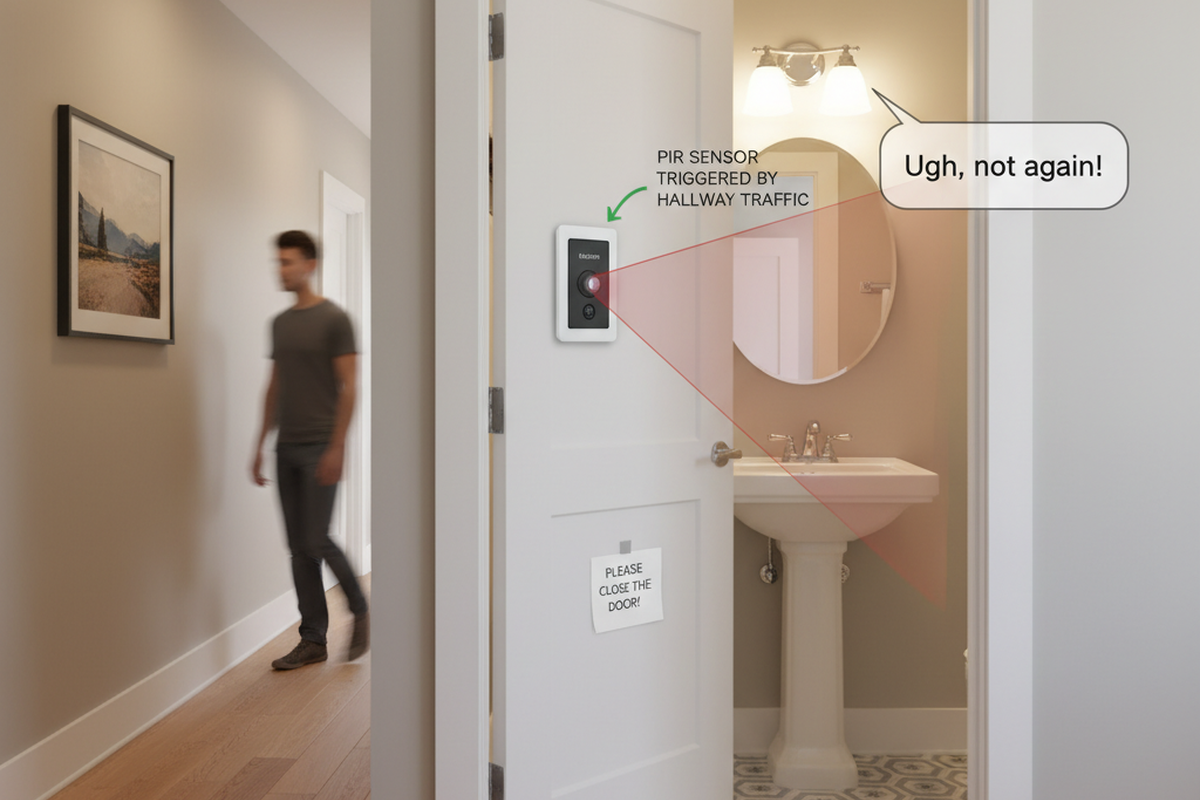
Czujnik PIR monitoruje otaczającą energię podczerwoną w swoim polu widzenia. Pole to jest podzielone na wiele stref detekcji przez wyprofilowaną soczewkę Fresnela — wielopłaszczyznową osłonę z tworzywa sztucznego widoczną z przodu. Dopóki energia podczerwona w tych strefach pozostaje stabilna, system pozostaje w stanie spoczynku. Aktywacja następuje tylko wtedy, gdy źródło ciepła, takie jak człowiek, przemieszcza się z jednej strefy do drugiej. Powoduje to gwałtowną różnicę w wykrywanym promieniowaniu, co czujnik interpretuje jako ruch.
Promieniowanie cieplne a prądy konwekcyjne
Pracownia artystyczna stwarza dwa główne źródła zakłóceń termicznych, które imitują sygnaturę cieplną człowieka. Pierwszym z nich jest promieniowanie cieplne, czyli intensywna energia podczerwona emitowana bezpośrednio z pieca, paleniska lub rozżarzonego kawałka szkła. Jeśli źródło to znajduje się w polu widzenia czujnika, jego ogromna i zmienna emisja termiczna z łatwością wywoła fałszywy alarm.
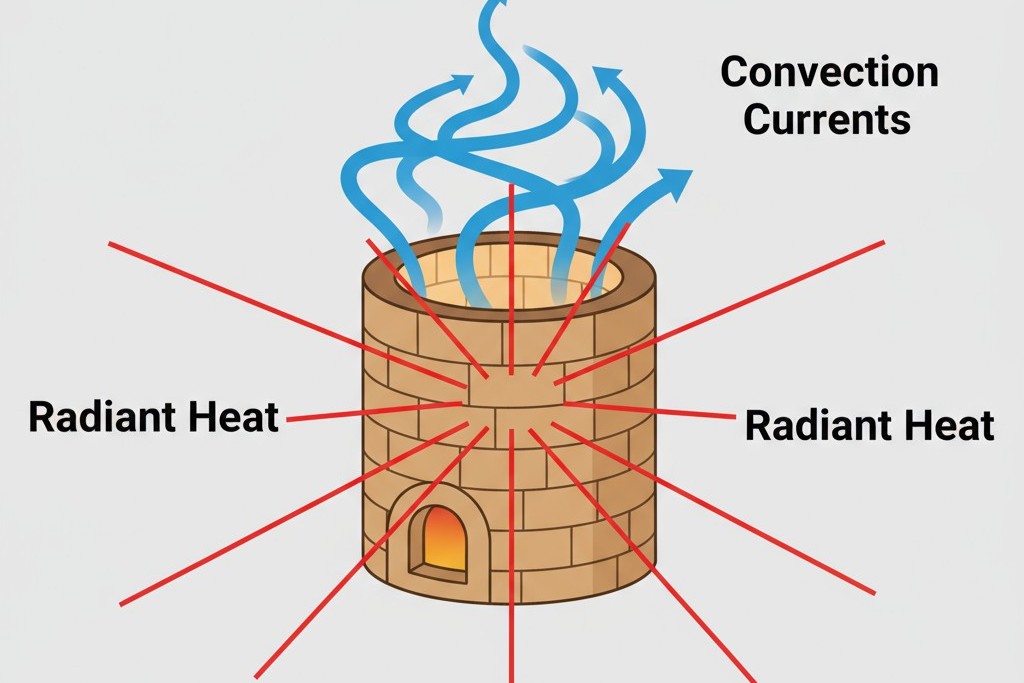
Drugim, bardziej subtelnym sprawcą jest konwekcja. Gorące urządzenia nagrzewają otaczające powietrze, które unosi się w postaci słupów i prądów. Te poruszające się kieszenie ciepłego powietrza przemieszczają się przez strefy detekcji czujnika, tworząc dokładnie taki rodzaj gwałtownej zmiany termicznej, do wykrywania której system został zbudowany. Dlatego czujnik może się aktywować długo po wyłączeniu palnika, gdy ciepło resztkowe cyrkuluje w przestrzeni, wprowadzając w błąd źle umieszczone urządzenie.
Strategia uników: Pierwsza zasada rozmieszczania czujników
Najskuteczniejsze narzędzie zapobiegające fałszywym aktywacjom wywołanym ciepłem nie znajduje się w ustawieniach czujnika, lecz w jego lokalizacji. Strategiczne rozmieszczenie stanowi pierwszą i najważniejszą zasadę.
Wyznacz strefy termiczne
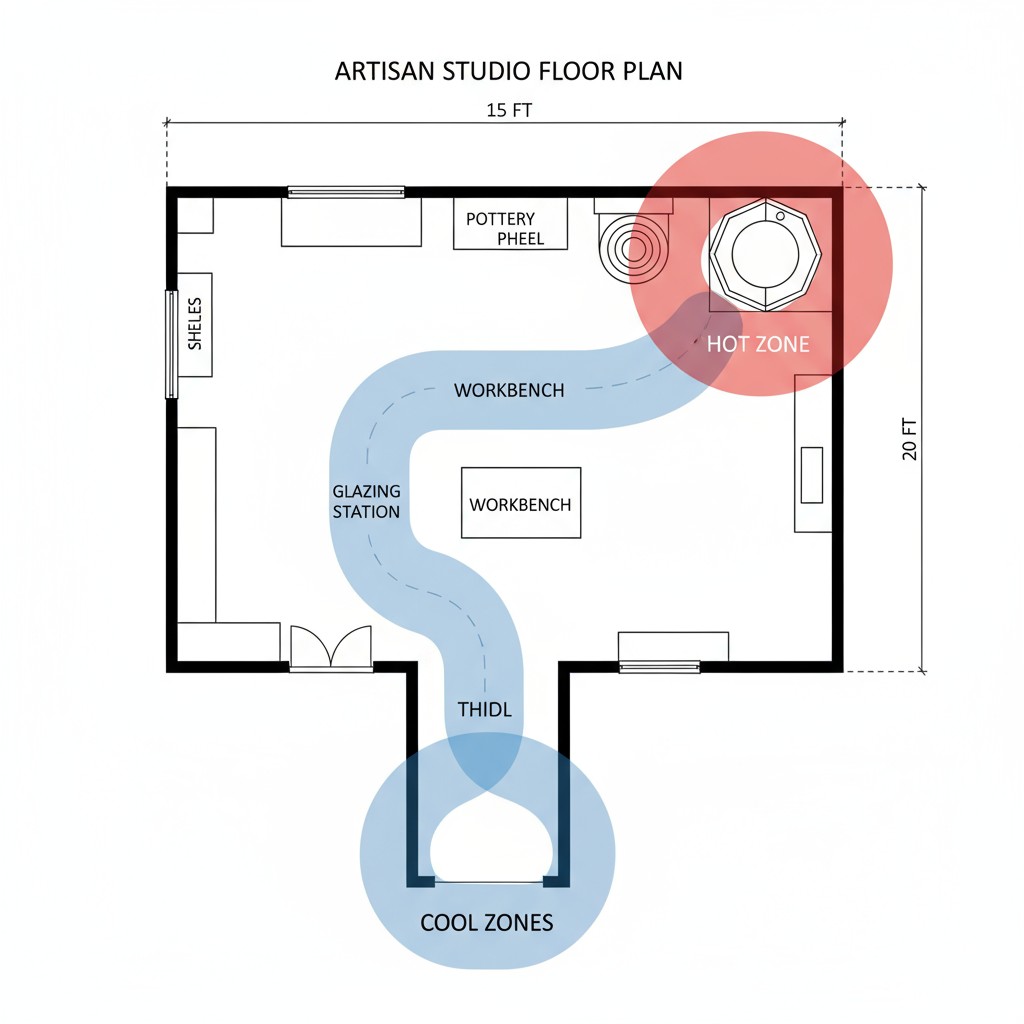
Begin by mentally mapping the studio into “hot” and “cool” zones. Hot zones include any area in the direct line of sight of kilns, forges, and glory holes, as well as the airspace directly above and around them where convection currents are strongest. Cool zones are the remaining areas: pathways, entrances, and workstations away from the heat. The goal is to position the sensor to cover only the cool zones where people actually move.
Zainspiruj się portfolio czujników ruchu Rayzeek.
Nie znajdujesz tego, czego szukasz? Bez obaw. Zawsze istnieją alternatywne sposoby rozwiązania Twoich problemów. Może jedno z naszych portfolio okaże się pomocne.
Mount High and Off-Axis
The most effective technique is to mount the sensor high on a wall or ceiling and aim it downward, carefully angled away from any hot zones. This high, off-axis position uses simple geometry to its advantage. It creates a field of view focused on the floor and walkways, leaving the equipment itself outside the detection pattern. By pointing the sensor away from the heat source, you severely limit its ability to “see” problematic radiation and convection.
Blinding the Sensor: Precision Control Through Lens Masking
In smaller or more complex studios, perfect placement might be impossible. A sensor may need to cover a pathway that runs near a kiln, making some overlap with a hot zone unavoidable. For this, a simple modification provides a surgical fix: lens masking.
Szukasz energooszczędnych rozwiązań aktywowanych ruchem?
Skontaktuj się z nami w sprawie czujników ruchu PIR, energooszczędnych produktów aktywowanych ruchem, przełączników z czujnikiem ruchu oraz komercyjnych rozwiązań typu Occupancy/Vacancy.
Identify the Problem Zones
With the sensor in its best possible position, determine which specific segments of its lens are “seeing” the heat source. You can often do this by watching the sensor’s trigger light in relation to your equipment’s heating and cooling cycles. When the kiln kicks on and the sensor trips, the part of the lens aimed in that direction is your target.
Apply the Mask
Once you’ve identified the problem segments, the fix is precise. Using a small piece of opaque material like electrical tape, create a blind spot on the inside of the Fresnel lens cover. This blocks infrared radiation from reaching the detector element behind that segment without interfering with the rest of the lens. You aren’t reducing the sensor’s overall sensitivity; you are surgically removing the problem area from its field of view.
Tuning for Patience: Why Conservative Settings Are Key
With placement and masking addressed, the final step is fine-tuning the sensor’s settings. In a thermally active environment, a patient, conservative sensor is better than a hypersensitive one. The goal is to ignore brief thermal events and respond only to the clear signature of a person.
Set Longer Timeouts
Many motion sensors have an adjustable time delay, which dictates how long the lights stay on after motion stops. A longer timeout of 15 to 30 minutes is ideal here. This conservative setting acts as a buffer, preventing the system from cycling on and off in response to transient convection currents or other momentary thermal spikes. It ensures the lights are on when the space is truly occupied, not just chasing thermal ghosts.
Reduce Sensitivity
Lowering the sensor’s sensitivity is another crucial adjustment. High sensitivity is designed for subtle movements, which in a studio makes it vulnerable to gentle air currents. By reducing sensitivity, you instruct the sensor to require a larger, more distinct thermal change before activating. This makes it far more likely to ignore the drift of warm air while still reliably detecting a person. It is a trade-off that favors reliability over hyper-reactivity.
Może Cię również zainteresować

- Napięcie: 2 baterie AAA
- Tryb Dzień/Noc
- Opóźnienie czasowe: 15min, 30min, 1h (domyślnie), 2h
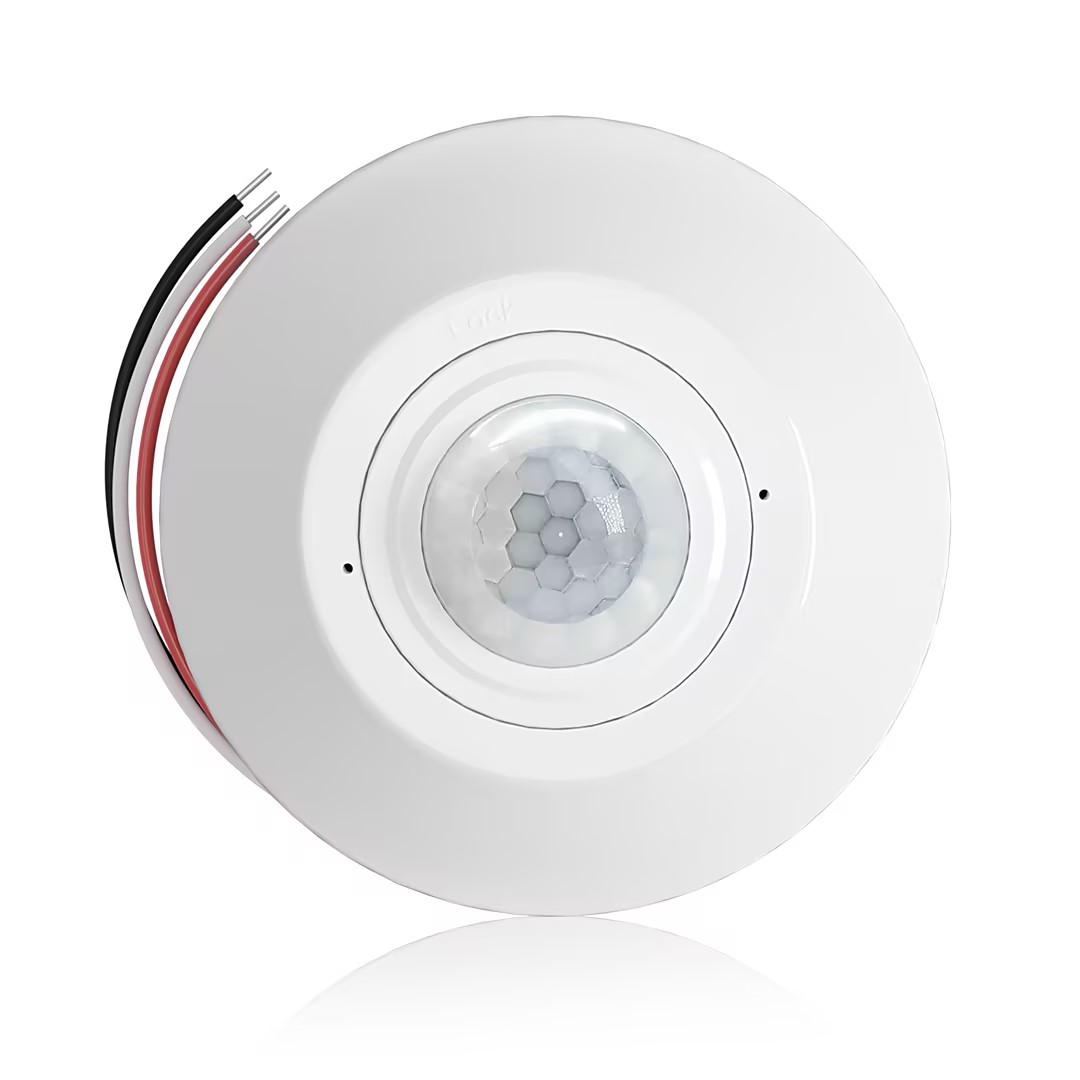
- Sufitowy czujnik obecności PIR z wyjściem przekaźnikowym bezpotencjałowym
- Zasilanie niskonapięciowe 12/24 VDC lub 12/24 VAC
- Izolowane styki przekaźnika COM, NO i NC dla wejść systemów EMS, HVAC i sterowania budynkiem
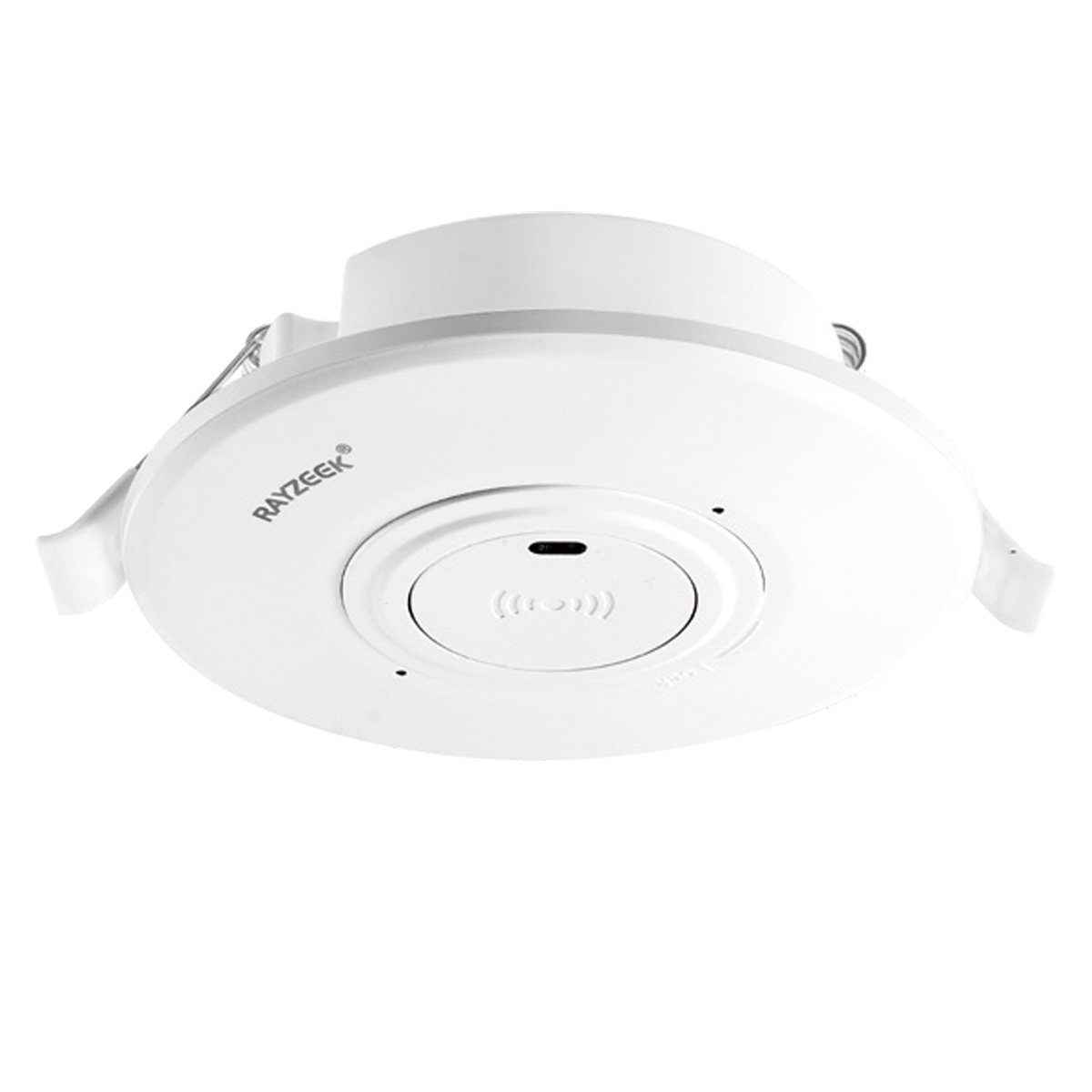
- Niskonapięciowy, podtynkowy sufitowy mikrofalowy czujnik ruchu DC
- Wejście 12 VDC / 24 VDC w zakresie 10–30 VDC
- Maksymalny prąd roboczy 10 A z regulowanym opóźnieniem czasowym, progiem Lux i czułością
- Mikrofalowy czujnik ruchu do montażu podtynkowego w suficie o podwyższonej obciążalności
- Zasilanie sieciowe 100-265 VAC, model 10A
- Detekcja mikrofalowa 5,8 GHz z regulowanym opóźnieniem czasowym, progiem Lux i czułością
- Mikrofalowy czujnik ruchu do montażu podtynkowego w suficie
- Zasilanie sieciowe 100-265 VAC, model 5A
- Detekcja mikrofalowa 5,8 GHz z regulowanym opóźnieniem czasowym, progiem Lux i czułością
- Sufitowy czujnik obecności PIR ze ściemniaczem RZ037 do zasilania 220V
- Maksymalny prąd roboczy 3A przy obciążeniu znamionowym 660W
- Przycisk LUX steruje włączeniem/wyłączeniem czujnika światła oraz ustawionym przez użytkownika poziomem jasności
- Sufitowy czujnik obecności PIR ze ściemniaczem RZ037 do zasilania 110V
- Maksymalny prąd roboczy 3A przy obciążeniu znamionowym 330W
- Przycisk LUX steruje włączeniem/wyłączeniem czujnika światła oraz ustawionym przez użytkownika poziomem jasności
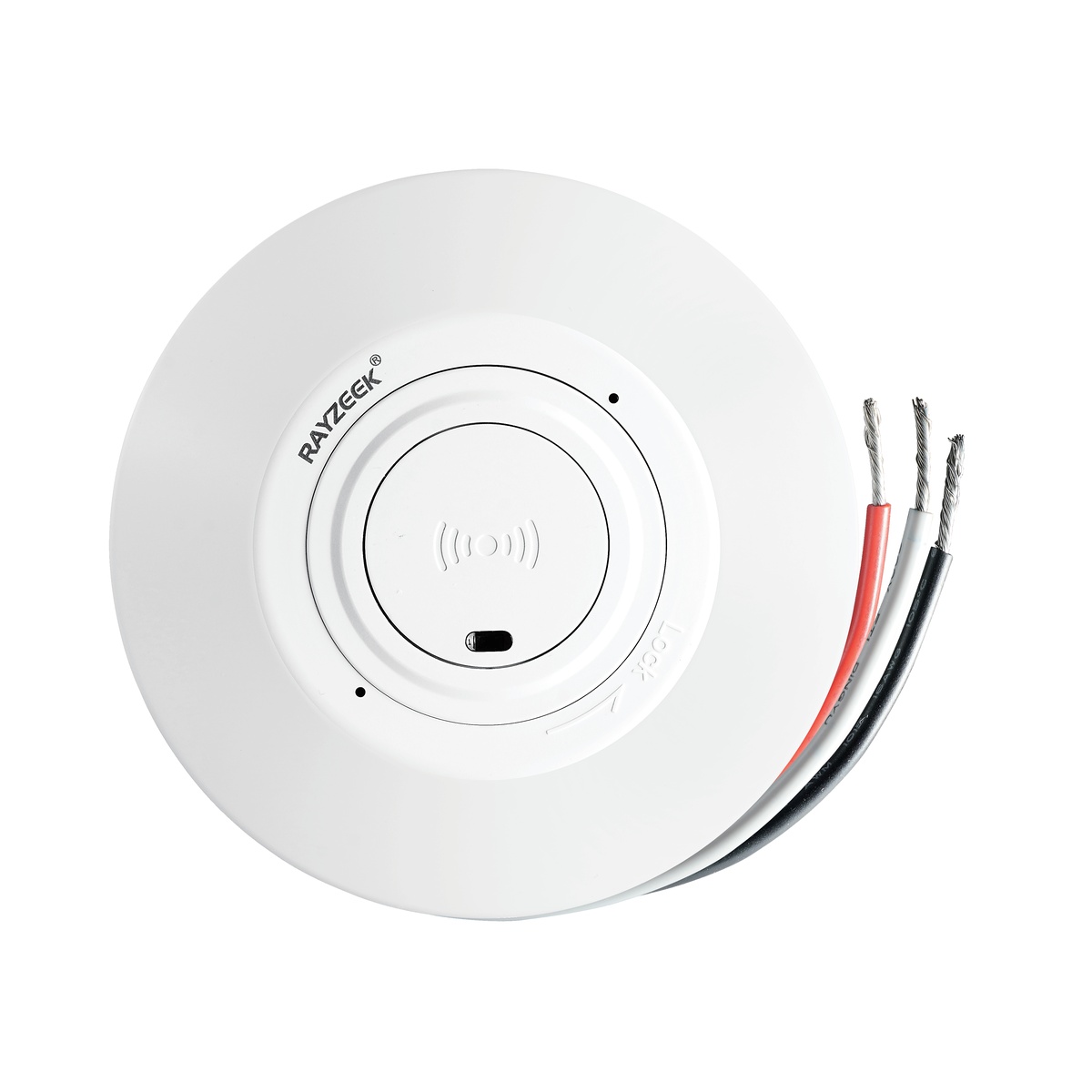
- Niskonapięciowy DC sufitowy mikrofalowy czujnik ruchu
- Wejście 12 VDC / 24 VDC w zakresie 10–30 VDC
- Maksymalny prąd roboczy 10 A z regulowanym opóźnieniem czasowym, progiem Lux i czułością
- Sufitowy mikrofalowy czujnik ruchu o podwyższonej obciążalności
- Zasilanie sieciowe 100-265 VAC, model 10A
- Detekcja mikrofalowa 5,8 GHz z regulowanym opóźnieniem czasowym, progiem Lux i czułością
- Sufitowy mikrofaliowy czujnik ruchu z przełącznikiem
- Zasilanie sieciowe 100-265 VAC, model 5A
- Detekcja mikrofalowa 5,8 GHz z regulowanym opóźnieniem czasowym, progiem Lux i czułością
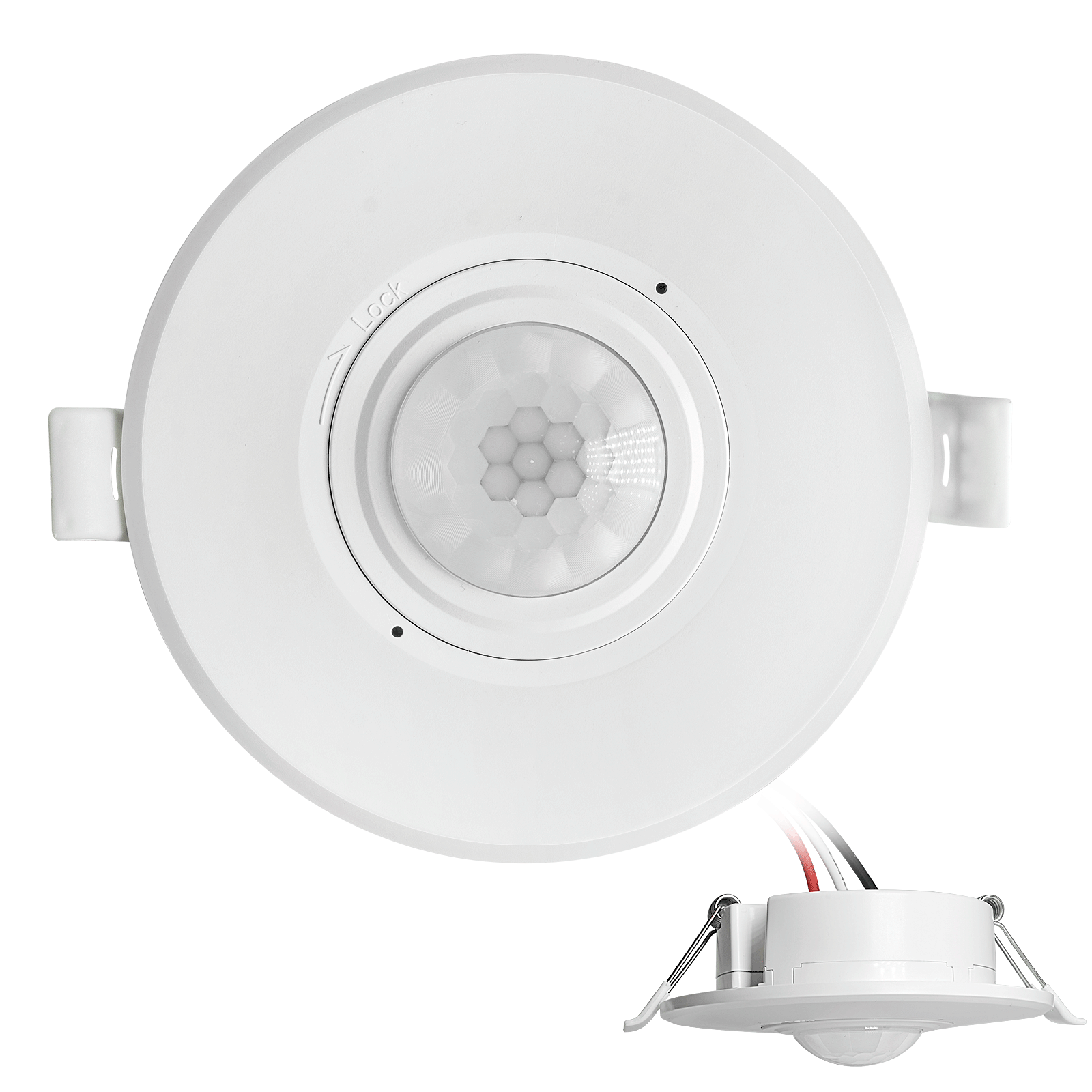
- Niskonapięciowy prądu stałego (DC) przełącznik z czujnikiem ruchu PIR do montażu podtynkowego w suficie
- Wejście 12 VDC / 24 VDC w zakresie 10–30 VDC
- Maksymalny prąd roboczy 10A z regulacją opóźnienia czasowego, progu natężenia światła (Lux) oraz czułości
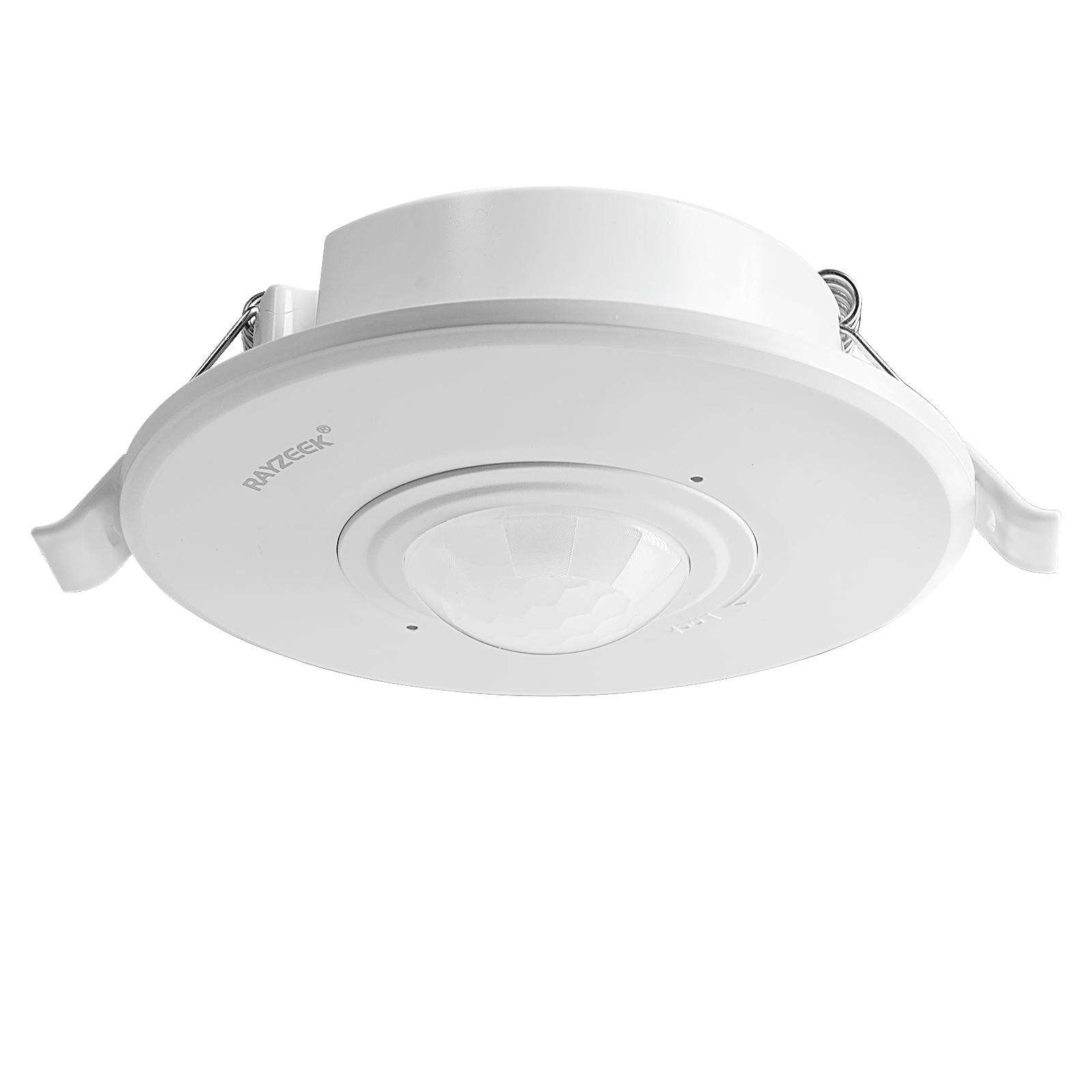
- Przełącznik z czujnikiem ruchu PIR o wyższym obciążeniu, do montażu podtynkowego w suficie
- Zasilanie sieciowe 100-265 VAC, model 10A
- Detekcja w promieniu 360 stopni z regulacją opóźnienia czasowego, progu natężenia światła (Lux) oraz czułości
- Przełącznik z czujnikiem ruchu PIR do montażu podtynkowego w suficie
- Zasilanie sieciowe 100-265 VAC, model 5A
- Detekcja w promieniu 360 stopni z regulacją opóźnienia czasowego, progu natężenia światła (Lux) oraz czułości
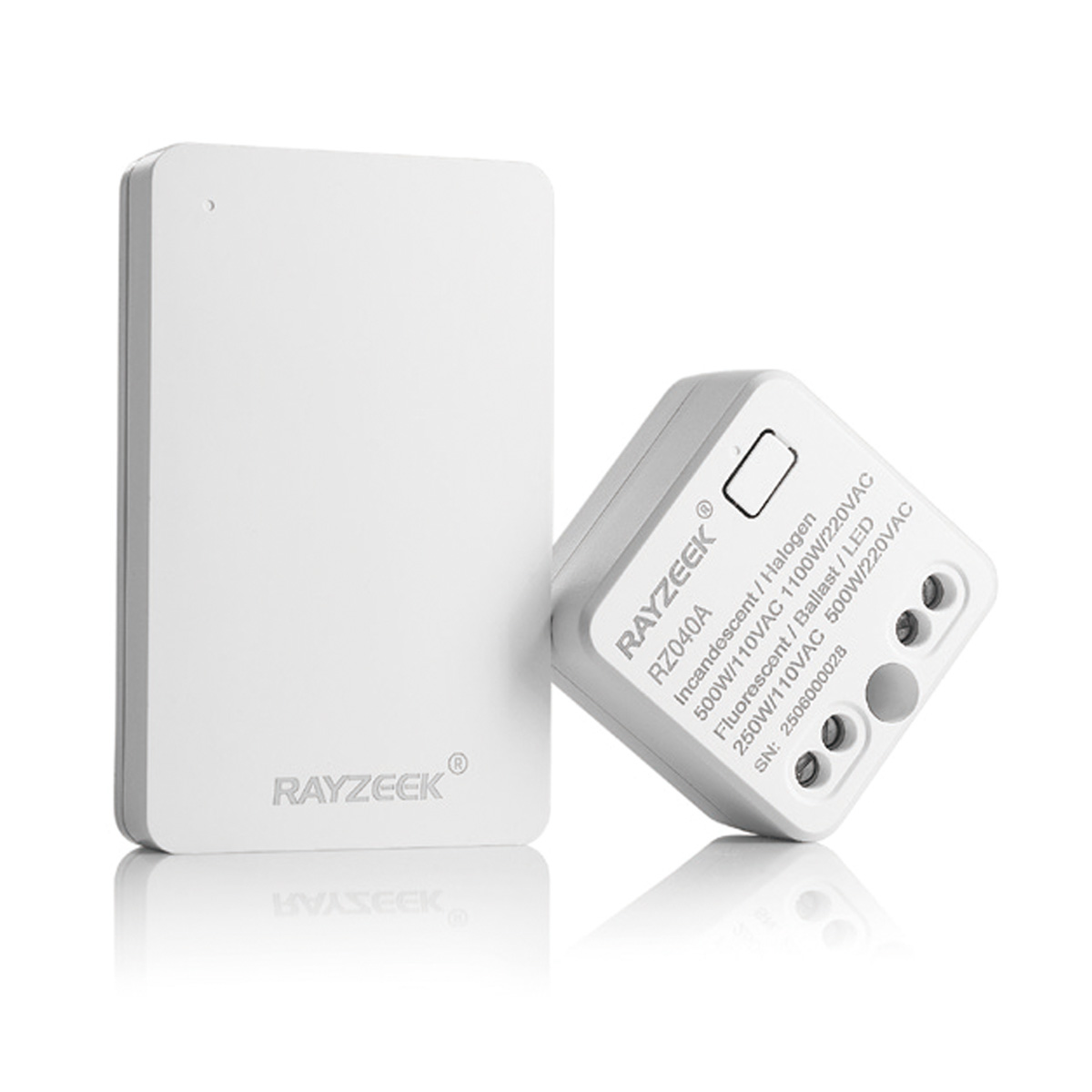
- Zestaw bezprzewodowego przełącznika i odbiornika do wewnętrznego sterowania oświetleniem WŁ./WYŁ.
- Odbiornik 100-230VAC, 50/60Hz o prądzie znamionowym 5A
- Przełącznik bezprzewodowy zasilany baterią CR2032 z komunikacją 2.4GHz
- Tryb obecności (Auto-ON/Auto-OFF)
- 12–24V DC (10–30VDC), do 10A
- Zasięg 360°, średnica wykrywania 8–12 m
- Opóźnienie czasowe 15 s–30 min
- Czujnik światła Wył./15/25/35 Lux
- Wysoka/Niska czułość
- Automatyczny tryb obecności (Auto-ON/Auto-OFF)
- 100–265V AC, 10A (wymagany przewód neutralny)
- Zasięg 360°; średnica wykrywania 8–12 m
- Opóźnienie czasowe 15 s–30 min; Lux WYŁ./15/25/35; Czułość Wysoka/Niska
- Automatyczny tryb obecności (Auto-ON/Auto-OFF)
- 100–265V AC, 5A (wymagany przewód neutralny)
- Zasięg 360°; średnica wykrywania 8–12 m
- Opóźnienie czasowe 15 s–30 min; Lux WYŁ./15/25/35; Czułość Wysoka/Niska
When PIR Is Not the Answer: Exploring Alternatives
For the most extreme environments, where high ambient temperatures or multiple heat sources make interference unavoidable, even a well-tuned PIR sensor can fail. In these cases, it’s time to look at other technologies.
Microwave Sensors
Microwave sensors operate on a completely different principle. They actively emit low-power microwaves and detect motion by analyzing the Doppler shift in the waves that bounce back from moving objects. Because this technology detects physical movement rather than heat, it is completely immune to radiant heat, convection currents, and temperature changes, making it an excellent choice for hot workshops.
Dual-Technology Sensors
The most robust solution for challenging spaces is a dual-technology sensor, which combines both PIR and microwave sensors in a single unit. To trigger, both technologies must detect motion simultaneously. This layer of confirmation provides the highest possible resistance to false alarms. A plume of hot air might fool the PIR, but it won’t fool the microwave. A vibrating machine might fool the microwave, but it won’t fool the PIR. Only a person, who is both warm and physically moving, can satisfy both conditions, ensuring the system responds only when it should.