
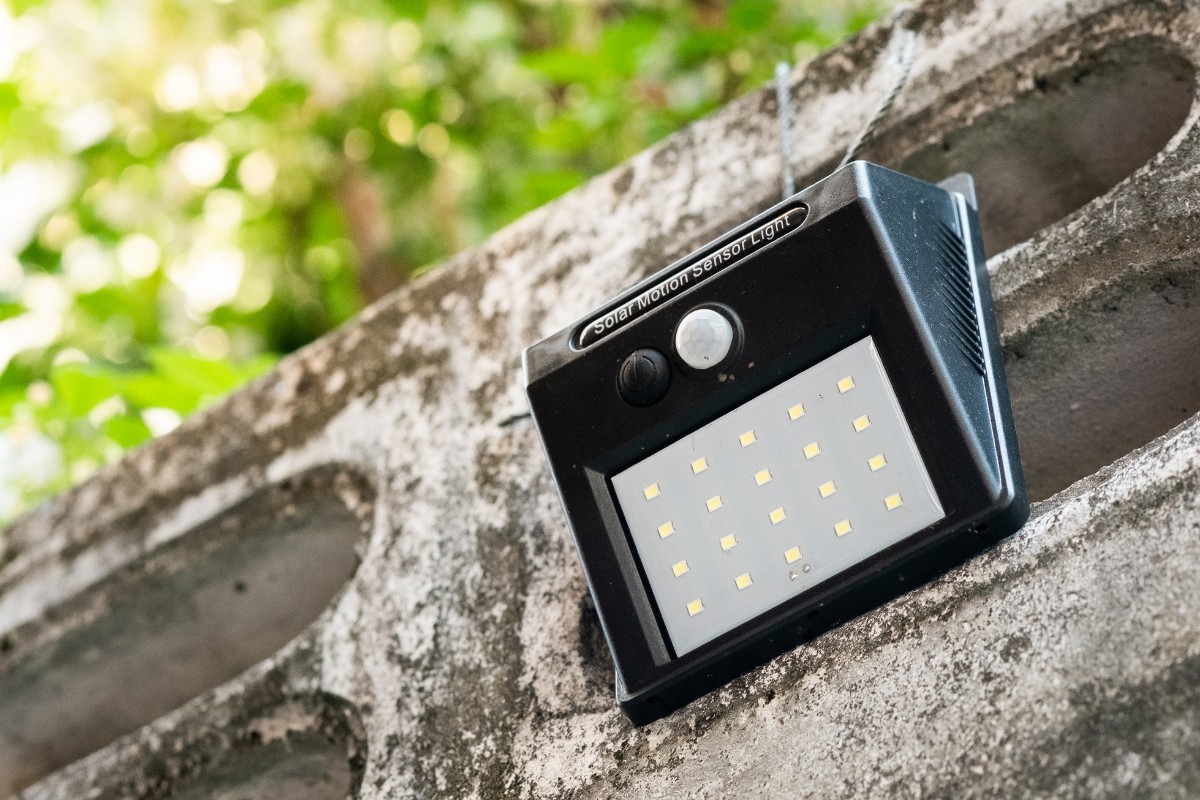
Making the decision to install a motion sensor light for your home or business can have many benefits. Aside from providing safety by lighting dark corners and walkways, the motion sensor activation can save you money on energy costs and maintenance. Many insurance companies may also offer you discounts on your policy for installing a motion sensor light.
There are many different models and styles available, and they are relatively inexpensive for the benefits they provide. If you are looking for a quality sensor light, certain factors you should consider in your search, such as ease of assembly and location position. Some lights are designed specifically to fit in tight corners or require being close to an outlet, while others are universal and can be placed anywhere.
Types of Motion Sensor Lights
Most sensor lights are available in three general styles: battery-operated, electronic, or solar-powered. Each style offers its own list of pros and cons depending on your specific needs.
Although some consumers prefer electric motion lights due to the maintenance expense of replacing batteries, many manufacturers have taken this into consideration, and the majority of consumers prefer solar-powered motion sensor lights over any style.
As any of the available motion sensor light reviews can tell you, homeowners and business owners alike have found a stronger sense of security after installing these lights on their property. They provide a hassle-free and automatic safety feature to any environment, preventing accidental falls and warding off intruders. They complement any home security system armed with video surveillance, giving you a clear shot of any burglar or intruder.
Solar-powered motion sensor lights not only reduce dependency on non-renewable energy sources but also offer significant environmental benefits. By harnessing solar energy, these lights minimize carbon footprints, making them an ideal choice for eco-conscious consumers. Additionally, solar lights require less frequent battery replacements, reducing waste and further enhancing their environmental friendliness.
Installation and Maintenance
Whether you are looking for additional protection to your security system or just want to provide some light in a dark area of your property, installing a motion sensor light over the wired track lighting systems can provide more than just the safety benefits and is worth the investment. It can save you time on maintenance, money on energy costs, and your insurance.
Może Cię również zainteresować

- Napięcie: 2 baterie AAA
- Tryb Dzień/Noc
- Opóźnienie czasowe: 15min, 30min, 1h (domyślnie), 2h

- Sufitowy czujnik obecności PIR z wyjściem przekaźnikowym bezpotencjałowym
- Zasilanie niskonapięciowe 12/24 VDC lub 12/24 VAC
- Izolowane styki przekaźnika COM, NO i NC dla wejść systemów EMS, HVAC i sterowania budynkiem

- Niskonapięciowy, podtynkowy sufitowy mikrofalowy czujnik ruchu DC
- Wejście 12 VDC / 24 VDC w zakresie 10–30 VDC
- Maksymalny prąd roboczy 10 A z regulowanym opóźnieniem czasowym, progiem Lux i czułością
- Mikrofalowy czujnik ruchu do montażu podtynkowego w suficie o podwyższonej obciążalności
- Zasilanie sieciowe 100-265 VAC, model 10A
- Detekcja mikrofalowa 5,8 GHz z regulowanym opóźnieniem czasowym, progiem Lux i czułością
- Mikrofalowy czujnik ruchu do montażu podtynkowego w suficie
- Zasilanie sieciowe 100-265 VAC, model 5A
- Detekcja mikrofalowa 5,8 GHz z regulowanym opóźnieniem czasowym, progiem Lux i czułością
- Sufitowy czujnik obecności PIR ze ściemniaczem RZ037 do zasilania 220V
- Maksymalny prąd roboczy 3A przy obciążeniu znamionowym 660W
- Przycisk LUX steruje włączeniem/wyłączeniem czujnika światła oraz ustawionym przez użytkownika poziomem jasności
- Sufitowy czujnik obecności PIR ze ściemniaczem RZ037 do zasilania 110V
- Maksymalny prąd roboczy 3A przy obciążeniu znamionowym 330W
- Przycisk LUX steruje włączeniem/wyłączeniem czujnika światła oraz ustawionym przez użytkownika poziomem jasności

- Niskonapięciowy DC sufitowy mikrofalowy czujnik ruchu
- Wejście 12 VDC / 24 VDC w zakresie 10–30 VDC
- Maksymalny prąd roboczy 10 A z regulowanym opóźnieniem czasowym, progiem Lux i czułością
- Sufitowy mikrofalowy czujnik ruchu o podwyższonej obciążalności
- Zasilanie sieciowe 100-265 VAC, model 10A
- Detekcja mikrofalowa 5,8 GHz z regulowanym opóźnieniem czasowym, progiem Lux i czułością
- Sufitowy mikrofaliowy czujnik ruchu z przełącznikiem
- Zasilanie sieciowe 100-265 VAC, model 5A
- Detekcja mikrofalowa 5,8 GHz z regulowanym opóźnieniem czasowym, progiem Lux i czułością

- Niskonapięciowy prądu stałego (DC) przełącznik z czujnikiem ruchu PIR do montażu podtynkowego w suficie
- Wejście 12 VDC / 24 VDC w zakresie 10–30 VDC
- Maksymalny prąd roboczy 10A z regulacją opóźnienia czasowego, progu natężenia światła (Lux) oraz czułości

- Przełącznik z czujnikiem ruchu PIR o wyższym obciążeniu, do montażu podtynkowego w suficie
- Zasilanie sieciowe 100-265 VAC, model 10A
- Detekcja w promieniu 360 stopni z regulacją opóźnienia czasowego, progu natężenia światła (Lux) oraz czułości
- Przełącznik z czujnikiem ruchu PIR do montażu podtynkowego w suficie
- Zasilanie sieciowe 100-265 VAC, model 5A
- Detekcja w promieniu 360 stopni z regulacją opóźnienia czasowego, progu natężenia światła (Lux) oraz czułości

- Zestaw bezprzewodowego przełącznika i odbiornika do wewnętrznego sterowania oświetleniem WŁ./WYŁ.
- Odbiornik 100-230VAC, 50/60Hz o prądzie znamionowym 5A
- Przełącznik bezprzewodowy zasilany baterią CR2032 z komunikacją 2.4GHz
- Tryb obecności (Auto-ON/Auto-OFF)
- 12–24V DC (10–30VDC), do 10A
- Zasięg 360°, średnica wykrywania 8–12 m
- Opóźnienie czasowe 15 s–30 min
- Czujnik światła Wył./15/25/35 Lux
- Wysoka/Niska czułość
- Automatyczny tryb obecności (Auto-ON/Auto-OFF)
- 100–265V AC, 10A (wymagany przewód neutralny)
- Zasięg 360°; średnica wykrywania 8–12 m
- Opóźnienie czasowe 15 s–30 min; Lux WYŁ./15/25/35; Czułość Wysoka/Niska
- Automatyczny tryb obecności (Auto-ON/Auto-OFF)
- 100–265V AC, 5A (wymagany przewód neutralny)
- Zasięg 360°; średnica wykrywania 8–12 m
- Opóźnienie czasowe 15 s–30 min; Lux WYŁ./15/25/35; Czułość Wysoka/Niska
The average basic sensor light can cost as low as $10 each and has a lifespan of up to five years, but we feel it is not beneficial to go for the cheapest option as you need some control over the sensitivity of the light, which the cheap ones do not have. We recommend going for a mid-range model, depending mainly on the weather conditions it sustains. Installing one for your home or business can be both a wise and economical choice.
Technological Features
Modern motion sensor lights come equipped with various technological advancements that enhance their functionality. Features such as adjustable sensitivity settings, connectivity to smart home systems, and integration with mobile apps allow users to customize their lighting systems according to their needs. These features not only improve the user experience but also enhance the security aspects of the lighting system.
Szukasz energooszczędnych rozwiązań aktywowanych ruchem?
Skontaktuj się z nami w sprawie czujników ruchu PIR, energooszczędnych produktów aktywowanych ruchem, przełączników z czujnikiem ruchu oraz komercyjnych rozwiązań typu Occupancy/Vacancy.
Maintenance and Durability
Understanding the maintenance requirements and durability of different types of motion sensor lights is crucial for making an informed decision. Generally, solar-powered lights require minimal maintenance, whereas battery-operated lights might need battery replacements periodically. The durability of these lights often depends on the material and build quality, with some models offering weather-resistant features that are ideal for harsh environmental conditions.
Considering these additional factors and features can ensure your investment in motion sensor lights meets all your safety, convenience, and environmental needs.







