
Achieve beautiful lighting and lower energy bills with the perfect light bulbs.
Spis treści
With an almost overwhelming amount of different light bulbs on the market, choosing the right light bulb for your light fitting or interior can be confusing. Our buyer’s guide aims to dispel the industry jargon and offer simple facts.
Light Bulb Terminology
Watts
This is a simple measure of electricity usage. Traditional incandescent bulbs typically come in 40, 60, or 100 watts. The light fitting should advise the maximum wattage bulb required, and you should never exceed this as excessive heat can cause fires.
It’s important to remember the wattage doesn’t always determine the light output. If you’re replacing an incandescent bulb with an energy-efficient bulb, the wattage will be greatly reduced. Typically a 7, 11, or 13 watts bulb will produce similar light output.
Lumens
The light output from a light bulb is measured in lumens. Modern light bulbs should state their lumen output to help you decide the correct light bulb for your room.
Life
Szukasz energooszczędnych rozwiązań aktywowanych ruchem?
Skontaktuj się z nami w sprawie czujników ruchu PIR, energooszczędnych produktów aktywowanych ruchem, przełączników z czujnikiem ruchu oraz komercyjnych rozwiązań typu Occupancy/Vacancy.
The average lifetime of a light bulb is measured in hours. All modern bulbs should have their average lifespan stated on their box. Traditional incandescent light bulbs typically have a life span of 750 hours, while energy-efficient CFL light bulbs have a longer life of 10,000 hours
Why Energy-Efficient Light Bulbs?
Compact fluorescent lamps offer many advantages over traditional incandescent light bulbs. They have a much longer lifespan and consume up to 75% less energy, with lighting responsible for around 30% of the average home’s energy bill, there is room to save a significant amount of money by switching over to CFL.
However, CFL light bulbs have their drawbacks too, they have been known to take up to several minutes to achieve their full brightness, and their light quality can be poor, producing stark clinical white light. The good news is most of these limitations have been resolved. The latest CFL light bulbs warm up within seconds and are available in a wide array of color temperatures with great color rendition.
It has been calculated if every person across the UK switched to energy-saving CFL lamps, we could reduce the amount of carbon dioxide released by 2.3 million tonnes every year, so with all these benefits, there isn’t any reason not to switch.
Types of Light Bulb
Incandescent Light Bulbs
These are the traditional bulbs which would have been found in every household across the country 20 years ago, they were invented over 100 years ago and work by passing electricity through a filament inside the bulb which produces light, and if you’ve ever touched one after it has been on for a while you will know it produces a lot of heat this makes them highly energy inefficient.
Depending on the light fitting lamps are available in a range of caps
Bayonet Cap (BC)
Edison Screw (ES)
Small Bayonet cap (SBC)
Small Edison Screw (SES)
Incandescent light bulbs are available in a range of wattages
40-watt = 450 lumens (average light output)
60-watt = 800 lumens (average light output)
75-watt = 1,100 lumens (average light output)
100-watt = 1,600 lumens (average light output)
150-watt = 2,600 lumens (average light output)
They are available in a range of styles. See the more common variants below
A-line
This is the classic light bulb shape and the most common type of bulb, and these come in a range of colors and finishes.
Reflector
Used in fittings that focus light on a specific subject like spotlights or recessed lights.
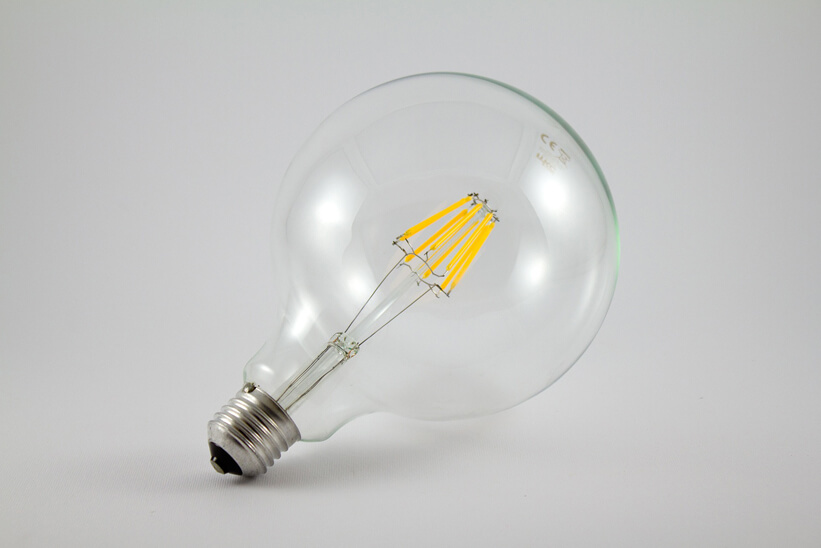
Globe lamp
Light is defused from the bulb, making them perfect for use in pendant lights and fitting that does not have a shade.
Torpedo lamp
Common in table lamps and wall sconces.
Compact Fluorescent Lights (CFL)
These energy-efficient lamps are becoming more and more common as the cost of bulbs continues to fall while the quality continues to improve. With the potential to make significant savings on your energy bills, if you haven’t switched over the CFL lights yet there really isn’t a reason to hold back.
CFL lamps are available across a range of wattages and require fewer watts to produce the same lumen output as a traditional light bulb
9 to 13 watt CFL = 450 lumens (average light output)
13 to 15 watt CFL = 800 lumens (average light output)
18 to 25 watt CFL = 1,100 lumens (average light output)
23 to 30 watt CFL = 1,600 lumens (average light output)
30 to 52 watt CFL = 2,600 lumens (average light output)
Energy-efficient lamps are available in a range of styles and most caps
A-line CFL
Styled on the classic light bulb, these can be swapped directly with existing incandescent light bulbs.
Zainspiruj się portfolio czujników ruchu Rayzeek.
Nie znajdujesz tego, czego szukasz? Bez obaw. Zawsze istnieją alternatywne sposoby rozwiązania Twoich problemów. Może jedno z naszych portfolio okaże się pomocne.
3-way CFL
Made specifically for table lamps.
Dimmable CFL
Works with existing dimmer circuits and lasts 13 longer than an incandescent light bulb.
Może Cię również zainteresować

- Napięcie: 2 baterie AAA
- Tryb Dzień/Noc
- Opóźnienie czasowe: 15min, 30min, 1h (domyślnie), 2h

- Sufitowy czujnik obecności PIR z wyjściem przekaźnikowym bezpotencjałowym
- Zasilanie niskonapięciowe 12/24 VDC lub 12/24 VAC
- Izolowane styki przekaźnika COM, NO i NC dla wejść systemów EMS, HVAC i sterowania budynkiem

- Niskonapięciowy, podtynkowy sufitowy mikrofalowy czujnik ruchu DC
- Wejście 12 VDC / 24 VDC w zakresie 10–30 VDC
- Maksymalny prąd roboczy 10 A z regulowanym opóźnieniem czasowym, progiem Lux i czułością
- Mikrofalowy czujnik ruchu do montażu podtynkowego w suficie o podwyższonej obciążalności
- Zasilanie sieciowe 100-265 VAC, model 10A
- Detekcja mikrofalowa 5,8 GHz z regulowanym opóźnieniem czasowym, progiem Lux i czułością
- Mikrofalowy czujnik ruchu do montażu podtynkowego w suficie
- Zasilanie sieciowe 100-265 VAC, model 5A
- Detekcja mikrofalowa 5,8 GHz z regulowanym opóźnieniem czasowym, progiem Lux i czułością
- Sufitowy czujnik obecności PIR ze ściemniaczem RZ037 do zasilania 220V
- Maksymalny prąd roboczy 3A przy obciążeniu znamionowym 660W
- Przycisk LUX steruje włączeniem/wyłączeniem czujnika światła oraz ustawionym przez użytkownika poziomem jasności
- Sufitowy czujnik obecności PIR ze ściemniaczem RZ037 do zasilania 110V
- Maksymalny prąd roboczy 3A przy obciążeniu znamionowym 330W
- Przycisk LUX steruje włączeniem/wyłączeniem czujnika światła oraz ustawionym przez użytkownika poziomem jasności

- Niskonapięciowy DC sufitowy mikrofalowy czujnik ruchu
- Wejście 12 VDC / 24 VDC w zakresie 10–30 VDC
- Maksymalny prąd roboczy 10 A z regulowanym opóźnieniem czasowym, progiem Lux i czułością
- Sufitowy mikrofalowy czujnik ruchu o podwyższonej obciążalności
- Zasilanie sieciowe 100-265 VAC, model 10A
- Detekcja mikrofalowa 5,8 GHz z regulowanym opóźnieniem czasowym, progiem Lux i czułością
- Sufitowy mikrofaliowy czujnik ruchu z przełącznikiem
- Zasilanie sieciowe 100-265 VAC, model 5A
- Detekcja mikrofalowa 5,8 GHz z regulowanym opóźnieniem czasowym, progiem Lux i czułością

- Niskonapięciowy prądu stałego (DC) przełącznik z czujnikiem ruchu PIR do montażu podtynkowego w suficie
- Wejście 12 VDC / 24 VDC w zakresie 10–30 VDC
- Maksymalny prąd roboczy 10A z regulacją opóźnienia czasowego, progu natężenia światła (Lux) oraz czułości

- Przełącznik z czujnikiem ruchu PIR o wyższym obciążeniu, do montażu podtynkowego w suficie
- Zasilanie sieciowe 100-265 VAC, model 10A
- Detekcja w promieniu 360 stopni z regulacją opóźnienia czasowego, progu natężenia światła (Lux) oraz czułości
- Przełącznik z czujnikiem ruchu PIR do montażu podtynkowego w suficie
- Zasilanie sieciowe 100-265 VAC, model 5A
- Detekcja w promieniu 360 stopni z regulacją opóźnienia czasowego, progu natężenia światła (Lux) oraz czułości

- Zestaw bezprzewodowego przełącznika i odbiornika do wewnętrznego sterowania oświetleniem WŁ./WYŁ.
- Odbiornik 100-230VAC, 50/60Hz o prądzie znamionowym 5A
- Przełącznik bezprzewodowy zasilany baterią CR2032 z komunikacją 2.4GHz
- Tryb obecności (Auto-ON/Auto-OFF)
- 12–24V DC (10–30VDC), do 10A
- Zasięg 360°, średnica wykrywania 8–12 m
- Opóźnienie czasowe 15 s–30 min
- Czujnik światła Wył./15/25/35 Lux
- Wysoka/Niska czułość
- Automatyczny tryb obecności (Auto-ON/Auto-OFF)
- 100–265V AC, 10A (wymagany przewód neutralny)
- Zasięg 360°; średnica wykrywania 8–12 m
- Opóźnienie czasowe 15 s–30 min; Lux WYŁ./15/25/35; Czułość Wysoka/Niska
- Automatyczny tryb obecności (Auto-ON/Auto-OFF)
- 100–265V AC, 5A (wymagany przewód neutralny)
- Zasięg 360°; średnica wykrywania 8–12 m
- Opóźnienie czasowe 15 s–30 min; Lux WYŁ./15/25/35; Czułość Wysoka/Niska
Spiral CFL
The compact spiral shape offers the greatest light distribution above other CFLs and lasts eight times longer than a traditional light bulb.
Halogen Lighting
Like incandescent light bulbs, halogen lights use a filament in a gas-filled capsule that is heated up using electrical current to produce light. Halogen lights however contain a larger more efficient filament and have halogen mixed into the gas in the capsule, the result is a bulb with a greater life span (up to 40%) and greater energy efficiency (10% – 20%).
The larger filament results in the light bulb operating at a much higher temperature, so parabolic reflectors deflect the heat from the lightbulb and focus the light on the subject. This makes halogen lights ideal for spotlights and recessed lighting.
Halogen lights are typically supplied at low voltage, they require a transformer to reduce the mains voltage from 240v down to 12v which increases the electrical current allowing the filament to glow brighter. The exception to this rule is the GU10 and GZ10 which operate directly of the mains power supply.
Low Voltage Halogen Lights – GU4 / GU5.3
Popular in homes and kitchens, low voltage lights produce a focused warm light, making them ideal for task lighting situations. They require a transformer to reduce the mains voltage down to a typical 12v.
The most common bulbs available are the GU4, which is commonly referred to as MR11 and MR8 (reflector diameter), and the GU5.3 is M50. These lamps can be found in a variety of fittings with a range of lighting angles and wattages.
Halogen Capsules – G4 / GY6.35 / G9
Capsules can be bought individually without a reflector casing, these are supplied to be installed in light fittings which come with light reflectors already incorporated into the design.
These are typically low voltage however the popular G9 capsule is designed to run directly from the mains power source, negating the need for an additional transformer.
LED Light Bulbs
Though not strictly ‘light bulbs’, light-emitting diodes are a fantastic replacement for traditional light bulbs. With typical energy costs only 10%-15% of traditional incandescent light bulbs, LED offers the potential to make tremendous savings on your energy bills.
Unlike other light bulbs on the market, LED lighting produces little to no heat which means they are incredibly safe to use in the house and above all run incredibly efficiently. Initially, prices for replacement bulbs were very high but more recently the costs have tumbled to super low price, an investment that will pay back dividends over the average ten-year LED lifespan.
LED lighting is now available in a wide range of styles to replace lightbulbs in most household light fittings
A-Line
This is the most common replacement LED bulb on the market, available in a variety of fixture caps it will fit most light fixtures.
Spotlights
These bulbs are built to replace most halogen lightbulbs on the market.
Floodlights
Easy to install with low power consumption, these are great for security and garden lighting.
Hopefully, our guide to light bulbs has answered any questions you may have.







