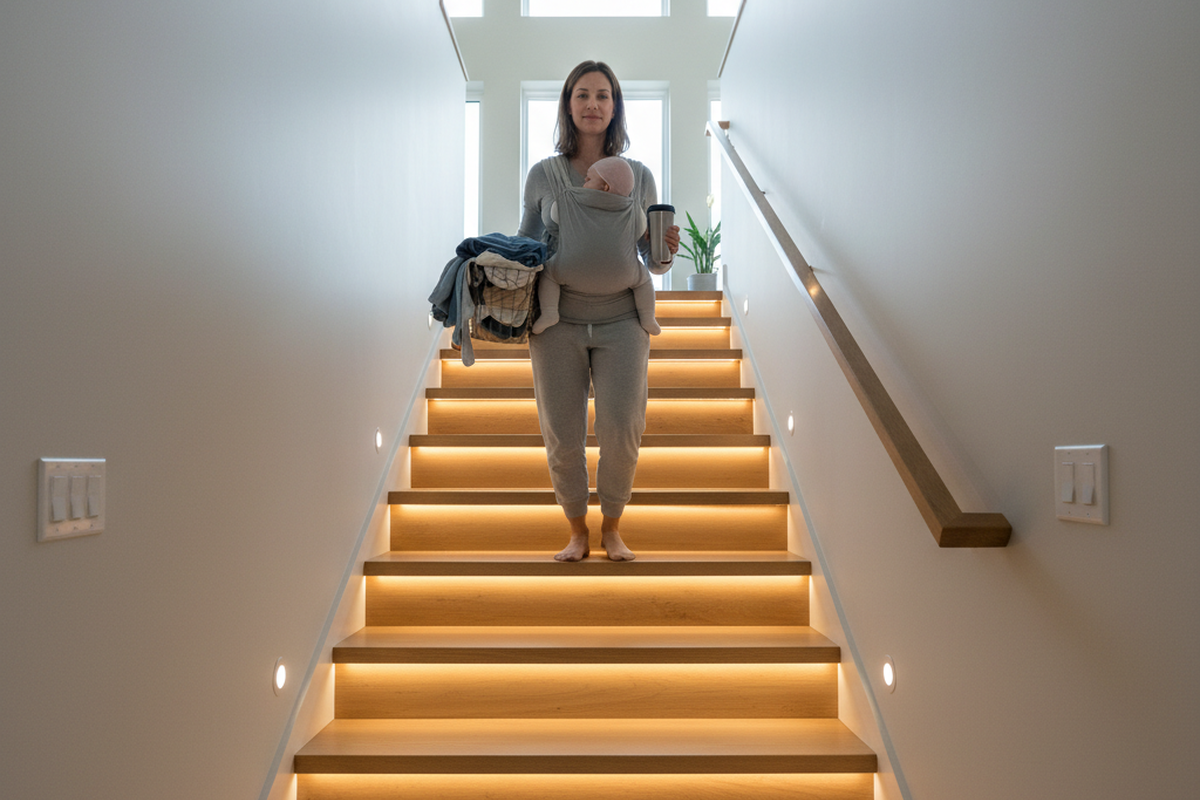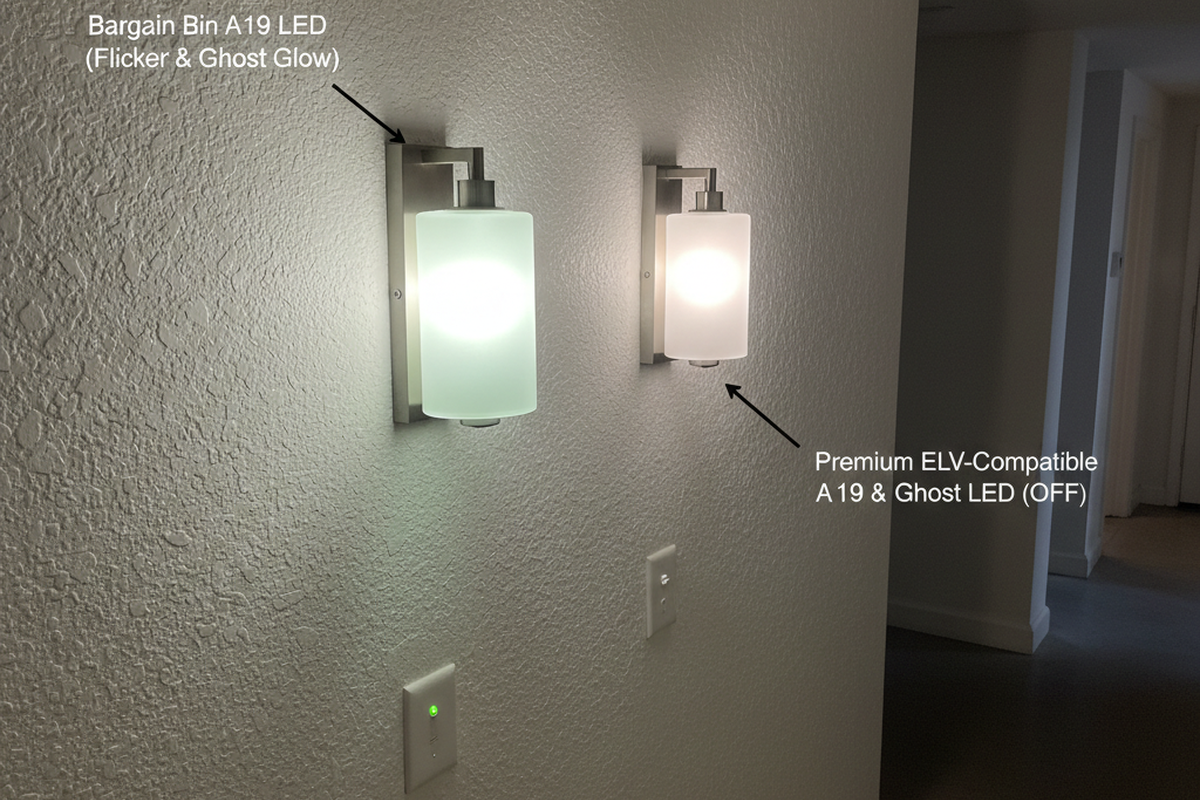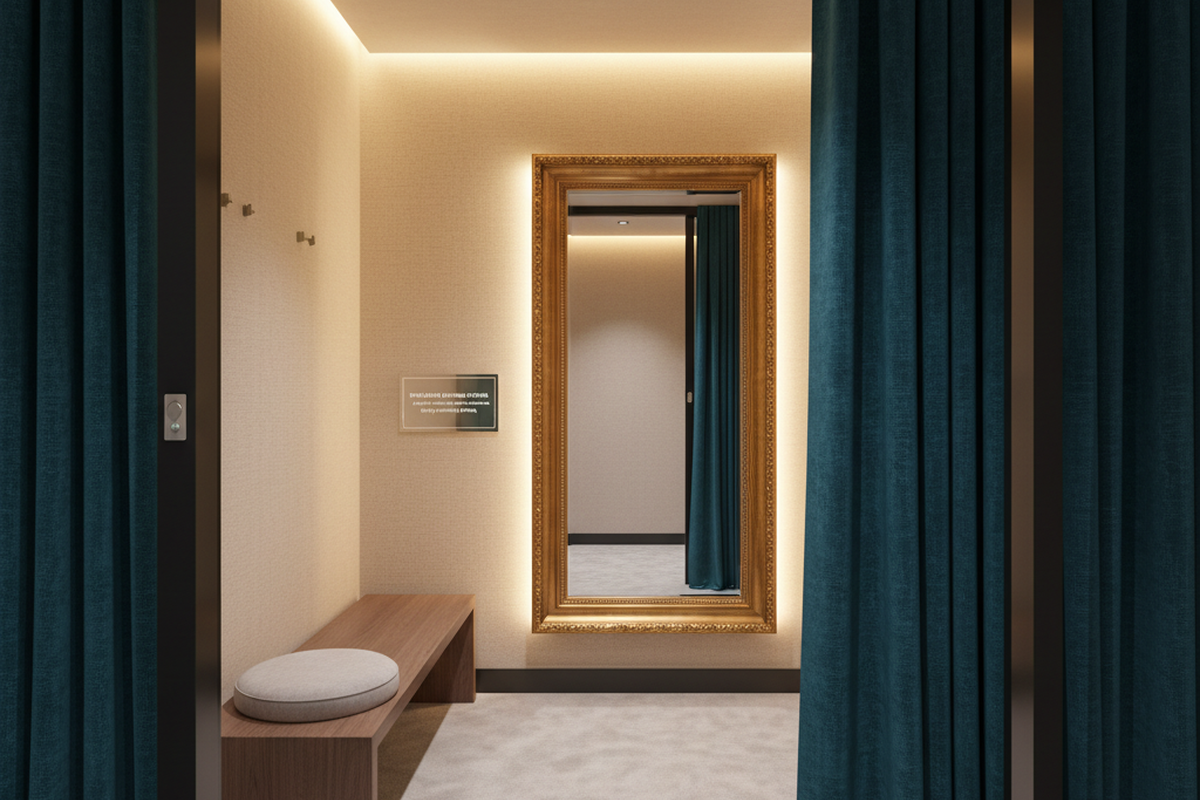
방 안의 부드러운 조명이 완벽한 분위기를 조성합니다. 열두 명의 사람들이 각자의 매트에 앉아 조용히 호흡을 맞추며 보기 드문 집단적 고요의 순간을 즐기고 있습니다. 그 순간, 딸깍하는 소리와 함께 방 전체가 어둠 속으로 빠져듭니다.
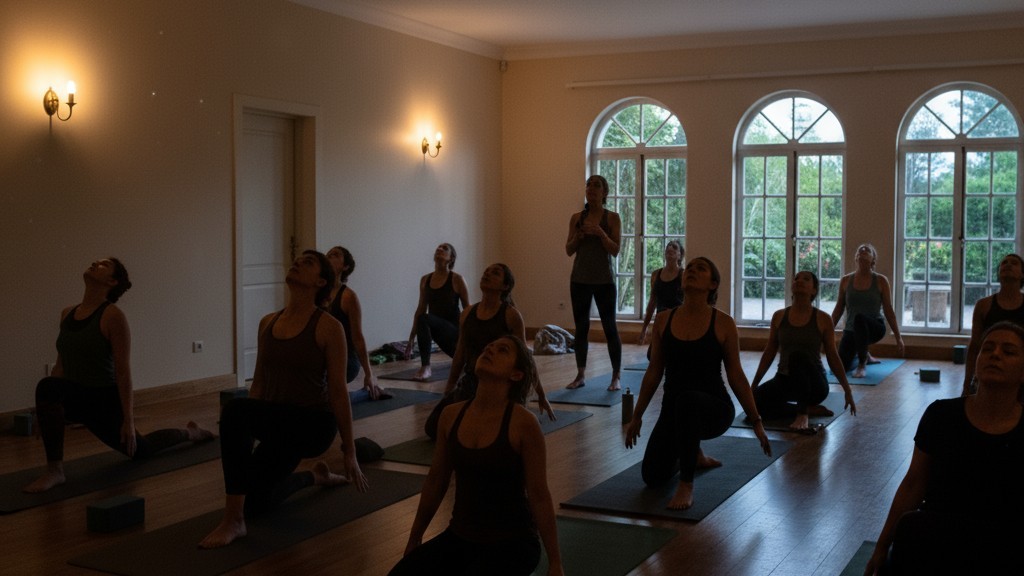
고요한 몰입이 깨집니다. 내면의 집중을 위해 마련된 공간에 외부 세계를 불쾌하게 상기시키는 완벽한 방해가 일어난 것입니다. 이는 장치의 고장이 아닙니다. 바로 상황 맥락 적용의 실패입니다. 사무실과 복도의 분주함에 맞춰 제작된 선의의 기술이 정적을 특징으로 하는 공간에 잘못 적용된 결과입니다.
The solution requires a new philosophy, not just a new product. It means moving from a reactive system that punishes stillness to an intentional one that supports it. With the right strategy—vacancy detection, longer timeouts, and intelligent placement—lighting can become a silent partner in tranquility, not a source of disruption.
정적의 역설: 표준 재실 감지 센서가 실패하는 이유
조용한 방에서 조명이 꺼질 때, 센서는 고장 난 것이 아니라 설계된 대로 정확하게 작동한 것입니다. 문제는 센서의 논리와 공간의 목적 사이에 근본적인 불일치가 있다는 점입니다. 가장 흔히 사용되는 재실 감지 센서는 사람의 존재 자체를 감지하도록 설계된 것이 아니라 변화를 감지하도록 설계되어 있습니다.
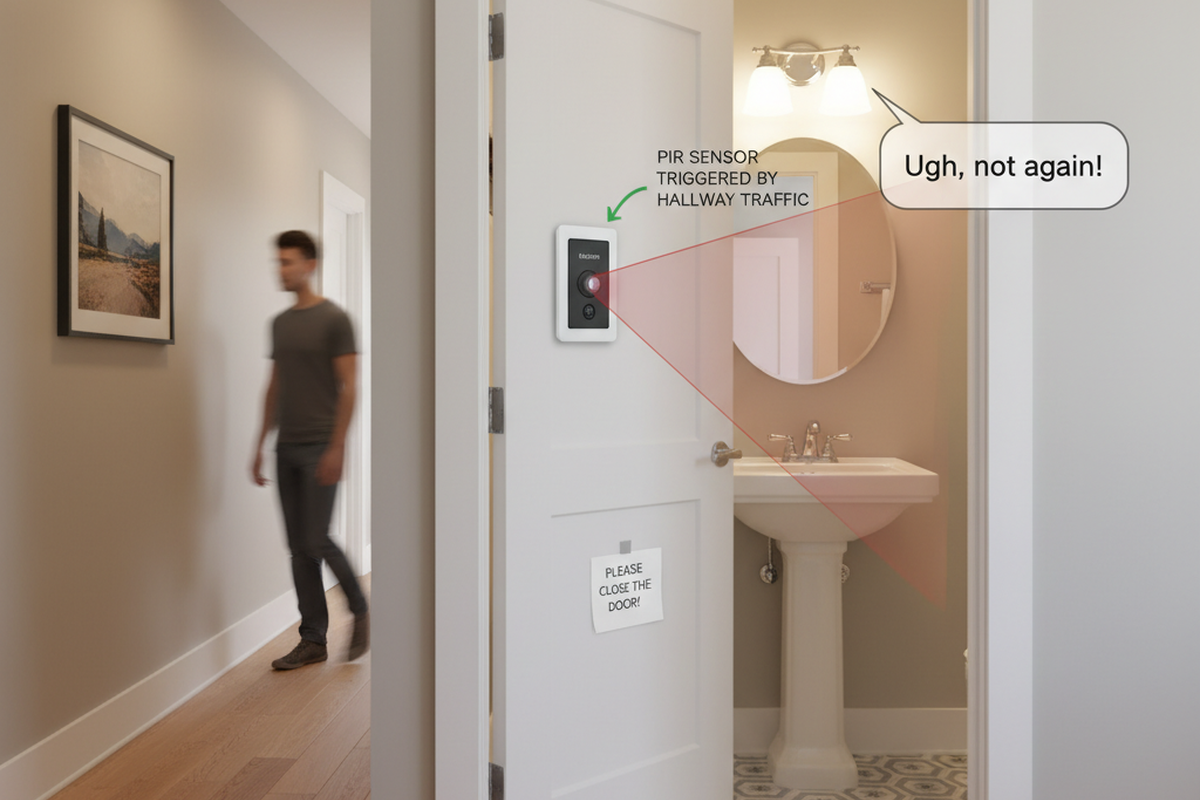
가장 흔한 유형인 수동 적외선(PIR) 센서는 실제로 사람을 보는 것이 아니라 열을 감지합니다. 센서는 감지 영역을 여러 구역으로 나누고 각 구역의 주변 열 에너지를 감시합니다. 인체 열이 한 구역에서 다른 구역으로 이동할 때 발생하는 차이를 센서는 움직임으로 인식합니다. 센서에게 움직임은 곧 재실을 의미합니다. 이러한 논리는 사람들이 끊임없이 움직이는 사무실이나 복도에서는 안정적으로 작동합니다.
하지만 요가나 명상 공간에서는 이러한 논리가 무너집니다. 자세를 유지하는 수강생이나 앉아서 명상하는 집단은 열 변화를 거의 만들어내지 않습니다. 느리고 신중한 호흡이나 미세한 자세 변화는 센서의 감지 임계값을 넘기에 너무 미미한 경우가 많습니다. 이러한 비활동 상태가 일정 시간 지속되면, 센서는 방이 비어 있다고 판단하고 공간의 주요 기능보다 왜곡된 에너지 절약 관념을 우선시하여 조명을 꺼버립니다.
존재의 재정의: 재실 모드에서 공실 모드로의 핵심적 전환
가장 효과적인 해결책은 센서의 핵심 작동 모드를 간단히 변경하는 것입니다. 대부분의 상업용 센서는 재실 감지 또는 공실 감지 모드로 설정할 수 있습니다. 두 명칭은 비슷하게 들리지만 작동 논리는 현저히 다르며, 올바른 모드를 선택하는 것이 평온한 공간을 조성하는 핵심입니다.
재실 모드: 자동화되어 있지만 방해를 유발하는 기본 설정
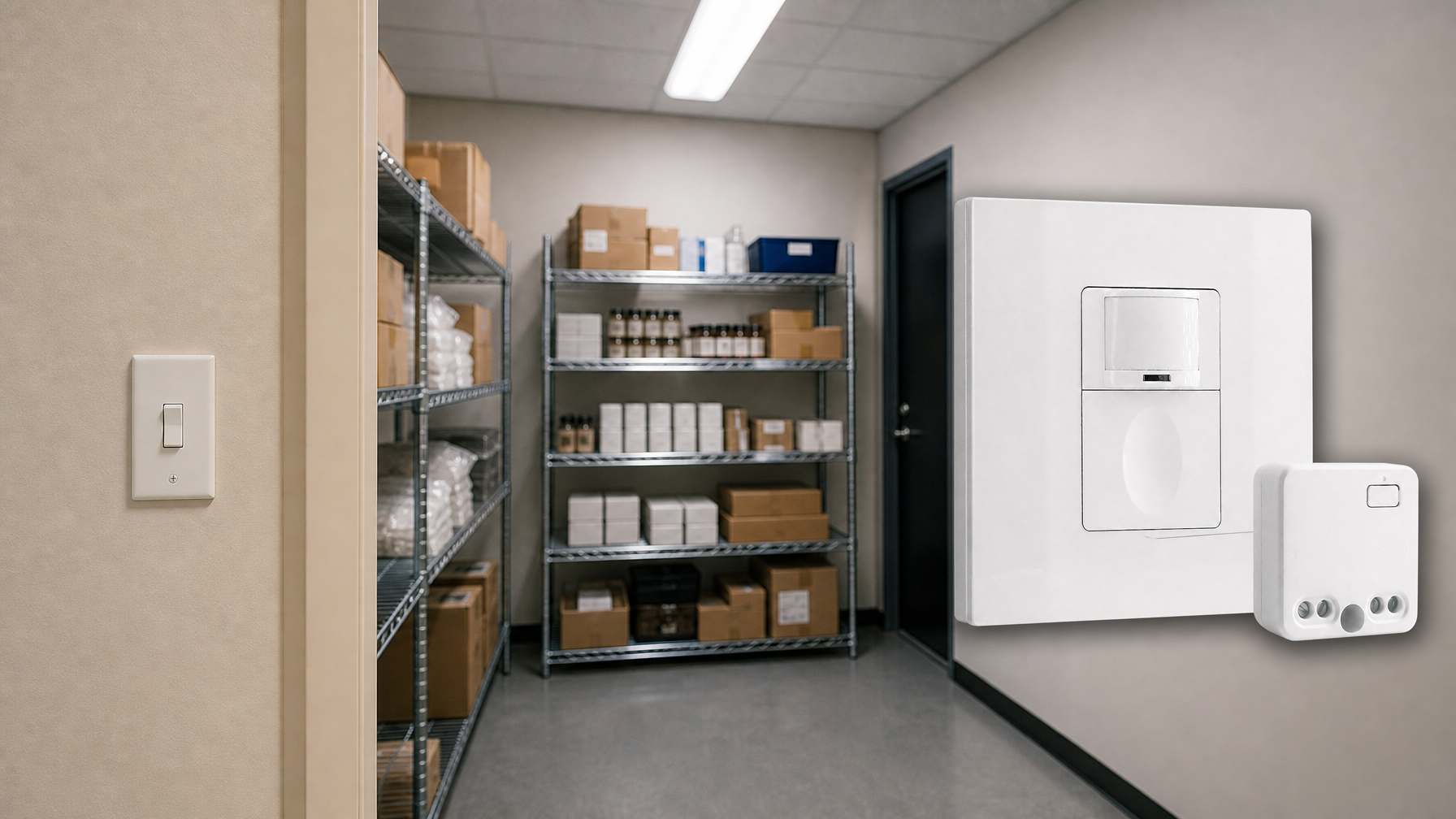
재실 모드는 완전히 자동화되어 있습니다. 센서가 움직임을 감지하면 조명을 자동으로 켜고, 일정 시간 동안 움직임이 감지되지 않으면 자동으로 꺼집니다. 이는 손대지 않고 에너지를 절약하는 기본 설정으로, 화장실이나 창고 같은 일시적 사용 공간에 적합합니다. 그러나 명상실에서는 자동 켜짐 기능이 자동 꺼짐만큼이나 방해가 될 수 있으며, 어둡게 유지되어야 할 공간에 갑자기 빛을 쏟아부을 수 있습니다.
공실 모드: 중단 없는 평온을 위한 의도적 제어
공실 모드(수동 켜짐/자동 꺼짐)는 제어 권한을 사용자에게 다시 부여합니다. 조명은 벽 스위치를 통해 수동으로 켜야 하며, 센서의 유일한 역할은 공간이 완전히 비어 있음을 확인한 후 자동으로 조명을 끄는 것입니다.
이 단순한 작동 논리의 전환이 근본적인 문제를 해결합니다. 강사나 첫 입장객이 의도적으로 조명을 켜서 세션을 시작합니다. 그 시점부터 센서의 카운트다운 타이머가 작동하지만, 조명이 켜지지 않거나 예상치 못하게 켜질 위험은 없습니다. 이 시스템은 세션 진행 중 환경 제어력을 유지하면서도 자동 꺼짐 기능을 통한 에너지 절약 효과를 그대로 제공합니다.
동작 감지 기반의 에너지 절감 솔루션을 찾고 계십니까?
PIR 동작 감지 센서, 동작 감지 에너지 절감 제품, 동작 감지 센서 스위치, 상업용 점유/부재(Occupancy/Vacancy) 감지 솔루션에 대해 문의해 주시기 바랍니다.
평온을 위한 보정: 시간 지연 연장 기법
센서를 공실 모드로 설정한 후 다음 단계는 시간 지연(Time Delay) 값을 보정하는 것입니다. 이 설정은 센서가 마지막 움직임을 감지한 후 조명을 끌 때까지 대기하는 시간을 결정합니다. 일반적인 사무실에서는 15분 지연이 흔하지만, 정적을 위한 공간에서는 이 시간이 너무 짧습니다.
짧은 시간 지연은 고요함이 길어질 때마다 암전의 위험을 초래하여 “카운트다운 불안감'을 유발합니다. 해결책은 기술을 사용 활동의 성격에 맞게 조정하는 것입니다.
가이드라인: 타임아웃 시간을 세션 진행 시간에 맞게 설정하십시오. For a room used for hour-long yoga classes or 30-minute meditations, the time delay should be set accordingly. A timeout of 30 to 60 minutes is a sensible starting point. This ensures that even if no motion is detected for most of the session, the lights will remain on. This preserves energy savings when the room is empty for hours, a far more effective and less intrusive approach to efficiency.
The Geometry of Awareness: Strategic Sensor Placement
Sensor placement is just as critical as its settings. A perfectly calibrated sensor is useless if a blind spot prevents it from seeing movement. The key is to map the sensor’s coverage pattern to the room’s usage, focusing on areas of likely, not constant, movement.
Monitor the Path of Movement, Not the Zone of Stillness
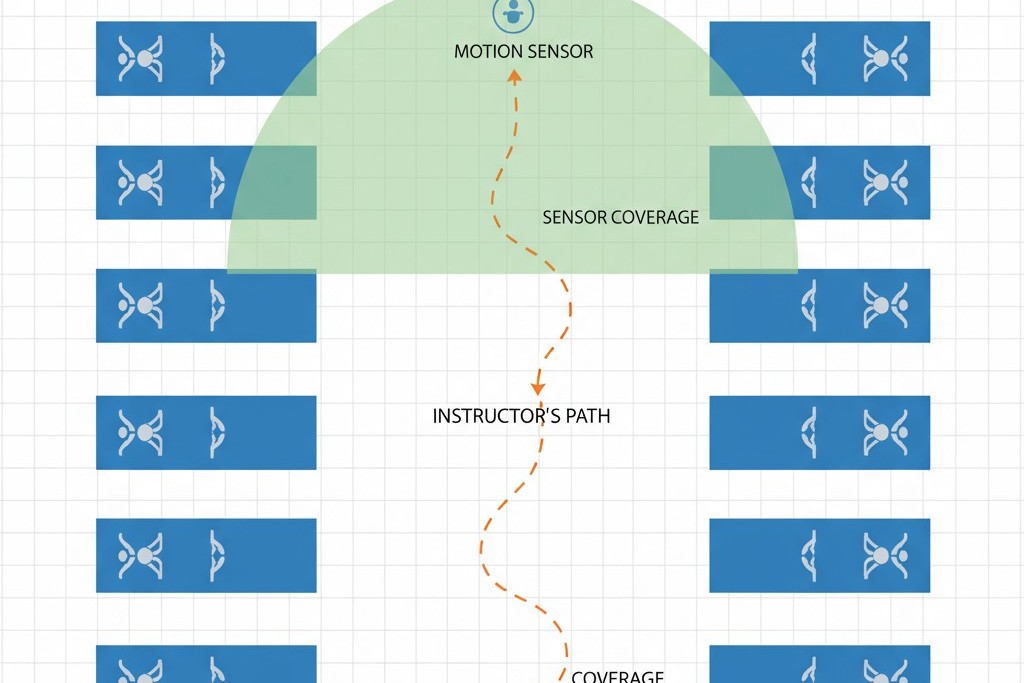
In a typical yoga class, students remain relatively stationary on their mats, while the instructor often moves around the room to demonstrate poses and provide adjustments. This creates a predictable path of movement. The sensor should be positioned with a clear, unobstructed view of this path. By focusing on the instructor’s area, the sensor is far more likely to get the periodic triggers needed to reset its timer, without needing to detect the subtle movements of twenty stationary people.
Rayzeek 모션 센서 포트폴리오에서 영감을 얻어보세요.
원하시는 제품을 찾지 못하셨나요? 걱정하지 마세요. 문제를 해결할 수 있는 대체 방법은 언제나 존재합니다. 당사의 포트폴리오 중 하나가 도움이 될 수 있습니다.
Wall Mount vs. Ceiling Mount
The choice between a wall-mounted or ceiling-mounted sensor depends on the room’s layout. A ceiling-mounted sensor provides a conical, 360-degree coverage pattern, making it excellent for monitoring the center of a large, open room where an instructor might roam. A wall-mounted sensor provides a fan-shaped pattern, better for smaller rooms where it can be aimed precisely at the instructor’s primary area or the main pathways. The goal is to ensure the most consistently active areas are the primary focus of the sensor’s view.
Selecting the Right Sensing Technology
While PIR is the most common, other technologies offer the increased sensitivity that can make all the difference in a challenging space.
Passive Infrared (PIR) sensors, as we’ve covered, detect motion via changes in heat. They are excellent for detecting major movements and are immune to false triggers from things like air vents, but they can be challenged by the minor motions in a quiet room.
Ultrasonic (US) sensors emit high-frequency sound waves and detect motion by sensing a shift in the returning waves. They are extremely sensitive to minor movements and can even “see” around corners. This sensitivity, however, makes them prone to false triggers from vibrations or airflow from HVAC systems.
Dual-Technology (Dual-Tech) sensors are the gold standard for these spaces. They combine both PIR and Ultrasonic technologies in a single unit, requiring both to agree the room is occupied. This dual-validation approach offers the high sensitivity of an ultrasonic sensor while using the PIR to guard against the false triggers that can plague it alone. For a yoga studio, reliability is paramount, making a dual-tech sensor the superior choice.
Harmonizing the Space: Advanced Scenarios
For spaces with multiple uses, lighting controls can offer more nuance than a simple on/off command.
Handling Dual-Use Spaces
If a room hosts quiet meditation in the morning and high-energy aerobics in the afternoon, a dual-tech sensor with adjustable sensitivity is ideal. The settings can be optimized to provide high sensitivity for the yoga class while remaining robust enough for more active periods. The core strategy of vacancy mode and a long time delay remains effective for both scenarios.
관심 있는 다른 제품

- 전압: AAA 배터리 2개
- 주간/야간 모드
- 시간 지연: 15분, 30분, 1시간(기본값), 2시간
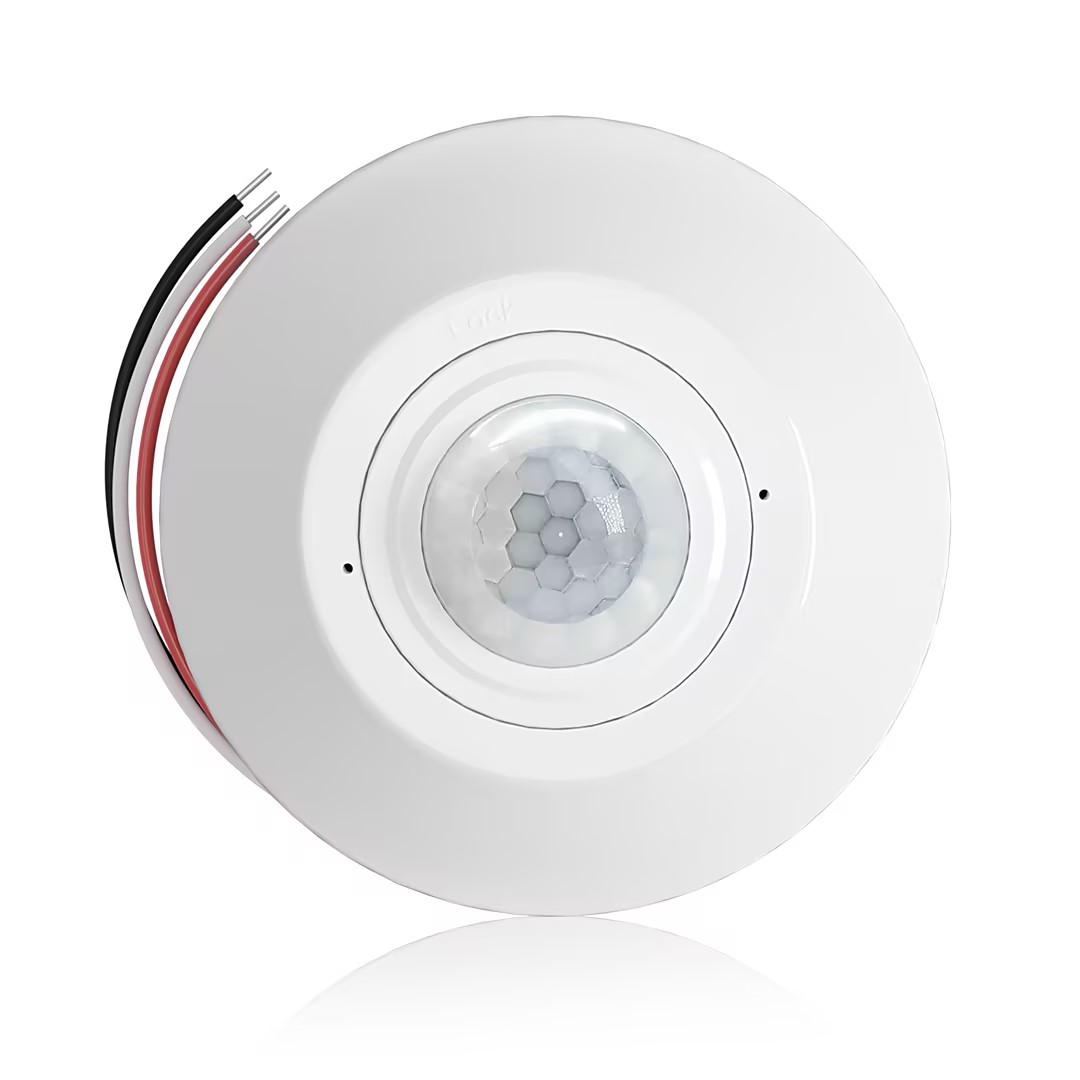
- 무전압 접점 리레이 출력을 갖춘 천장 설치형 PIR 재실 감지 센서
- 12/24VDC 또는 12/24VAC 저전압 전원 공급
- EMS, HVAC 및 빌딩 제어 입력을 위한 COM, NO 및 NC 절연 리레이 접점
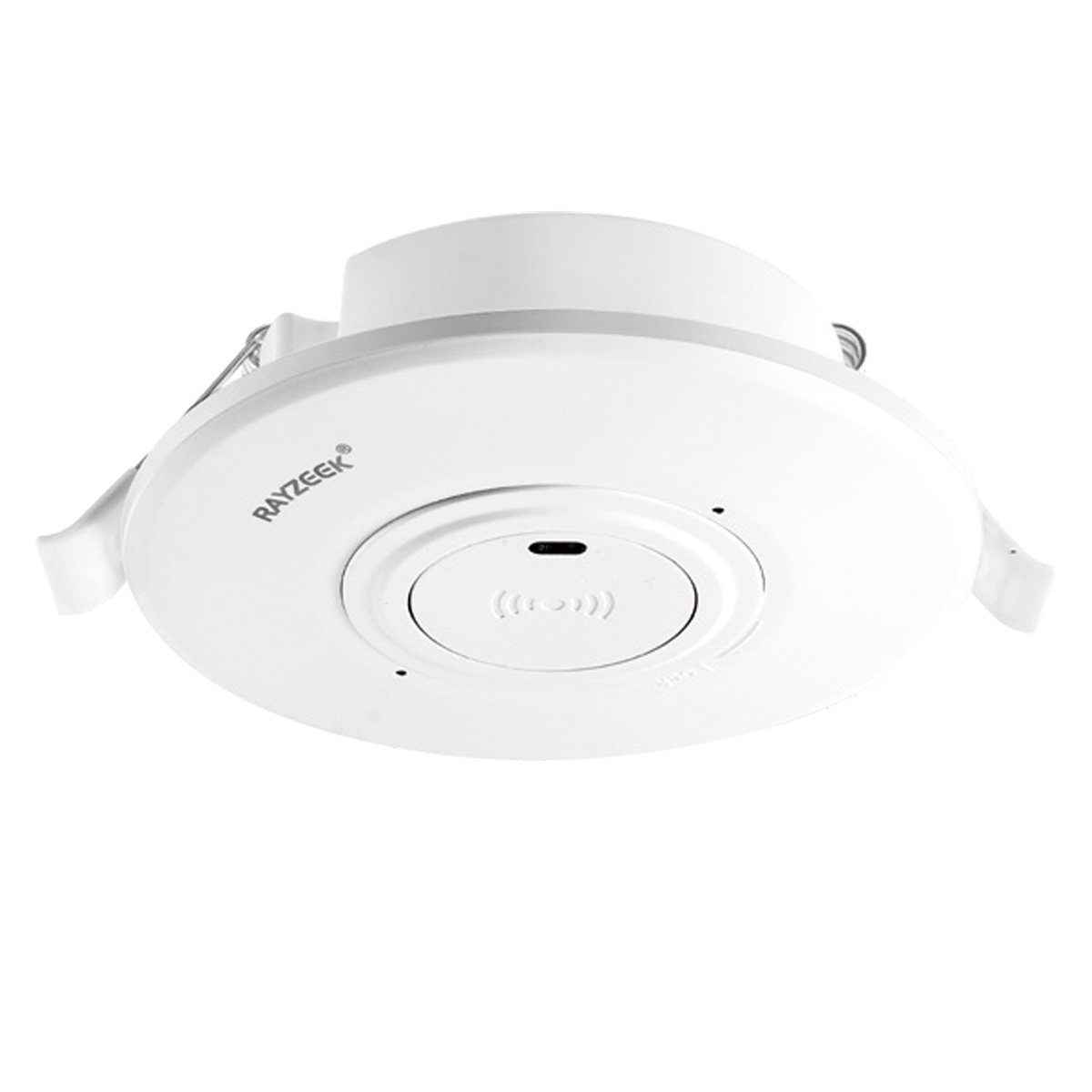
- 저전압 DC 매립형 천장 설치형 마이크로웨이브 모션 센서 스위치
- 10-30 VDC 범위를 지원하는 12 VDC / 24 VDC 입력
- 조절 가능한 지연 시간, Lux 임계값 및 감도 기능을 갖춘 최대 10A 동작 전류
- 고부하용 매립형 천장 설치형 마이크로웨이브 모션 센서 스위치
- 100-265 VAC 라인 전압 입력, 10A 모델
- 조절 가능한 지연 시간, Lux 임계값 및 감도를 갖춘 5.8 GHz 마이크로웨이브 감지
- 천장 매립형 마이크로웨이브 동작 감지 센서 스위치
- 100-265 VAC 라인 전압 입력, 5A 모델
- 조절 가능한 지연 시간, Lux 임계값 및 감도를 갖춘 5.8 GHz 마이크로웨이브 감지
- 220V 전원용 천장 부착형 RZ037 PIR 재실 감지 센서 디머
- 660W 정격 부하 및 최대 동작 전류 3A
- LUX 버튼으로 조도 센서 ON/OFF 및 사용자 설정 디밍 밝기 제어
- 110V 전원용 천장 부착형 RZ037 PIR 재실 감지 디머 스위치
- 330W 정격 부하 및 최대 동작 전류 3A
- LUX 버튼으로 조도 센서 ON/OFF 및 사용자 설정 디밍 밝기 제어
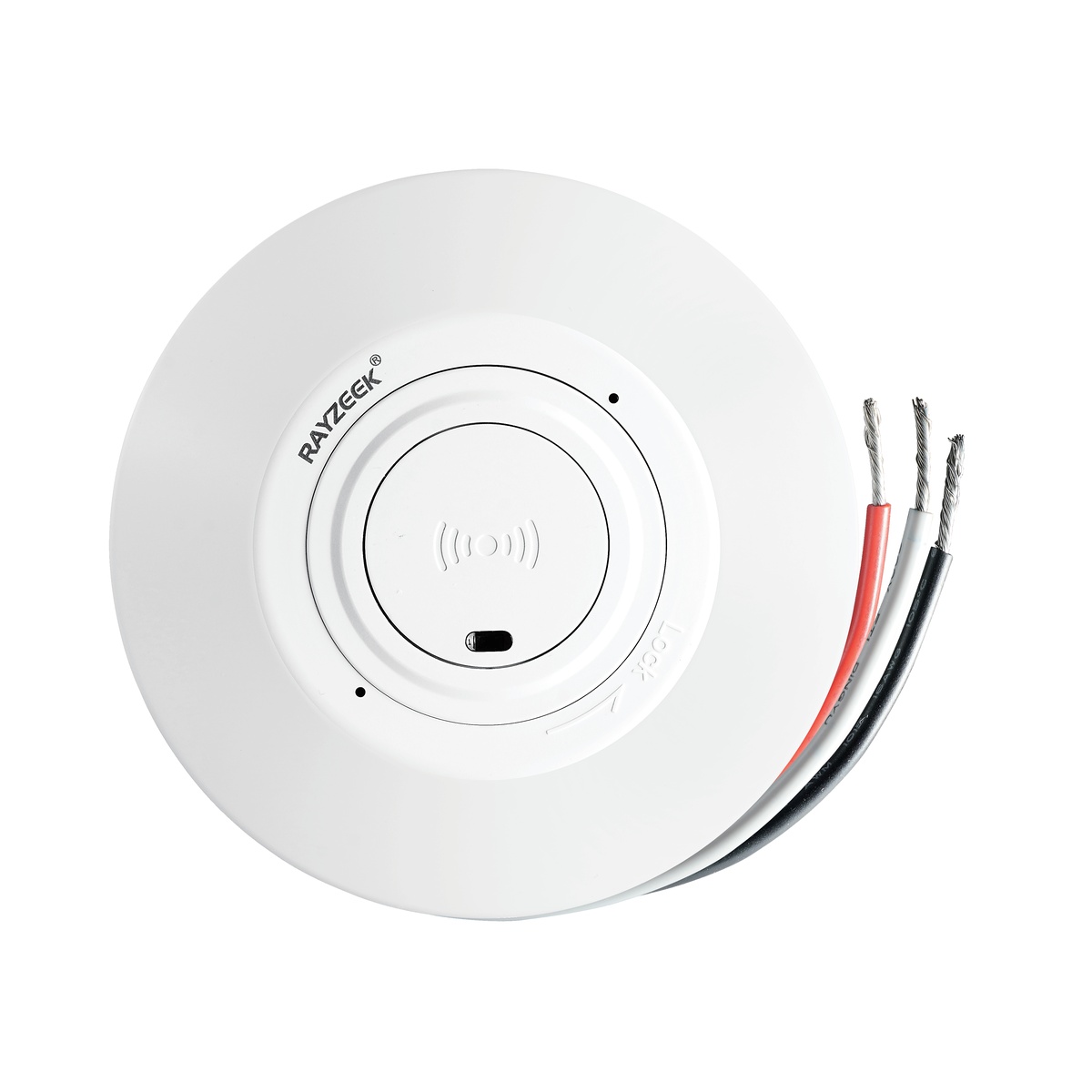
- 저전압 DC 천장 부착형 마이크로웨이브 동작 감지 센서 스위치
- 10-30 VDC 범위를 지원하는 12 VDC / 24 VDC 입력
- 조절 가능한 지연 시간, Lux 임계값 및 감도 기능을 갖춘 최대 10A 동작 전류
- 고부하용 천장 부착형 마이크로웨이브 동작 감지 센서 스위치
- 100-265 VAC 라인 전압 입력, 10A 모델
- 조절 가능한 지연 시간, Lux 임계값 및 감도를 갖춘 5.8 GHz 마이크로웨이브 감지
- 천장 부착형 마이크로웨이브 동작 감지 센서 스위치
- 100-265 VAC 라인 전압 입력, 5A 모델
- 조절 가능한 지연 시간, Lux 임계값 및 감도를 갖춘 5.8 GHz 마이크로웨이브 감지
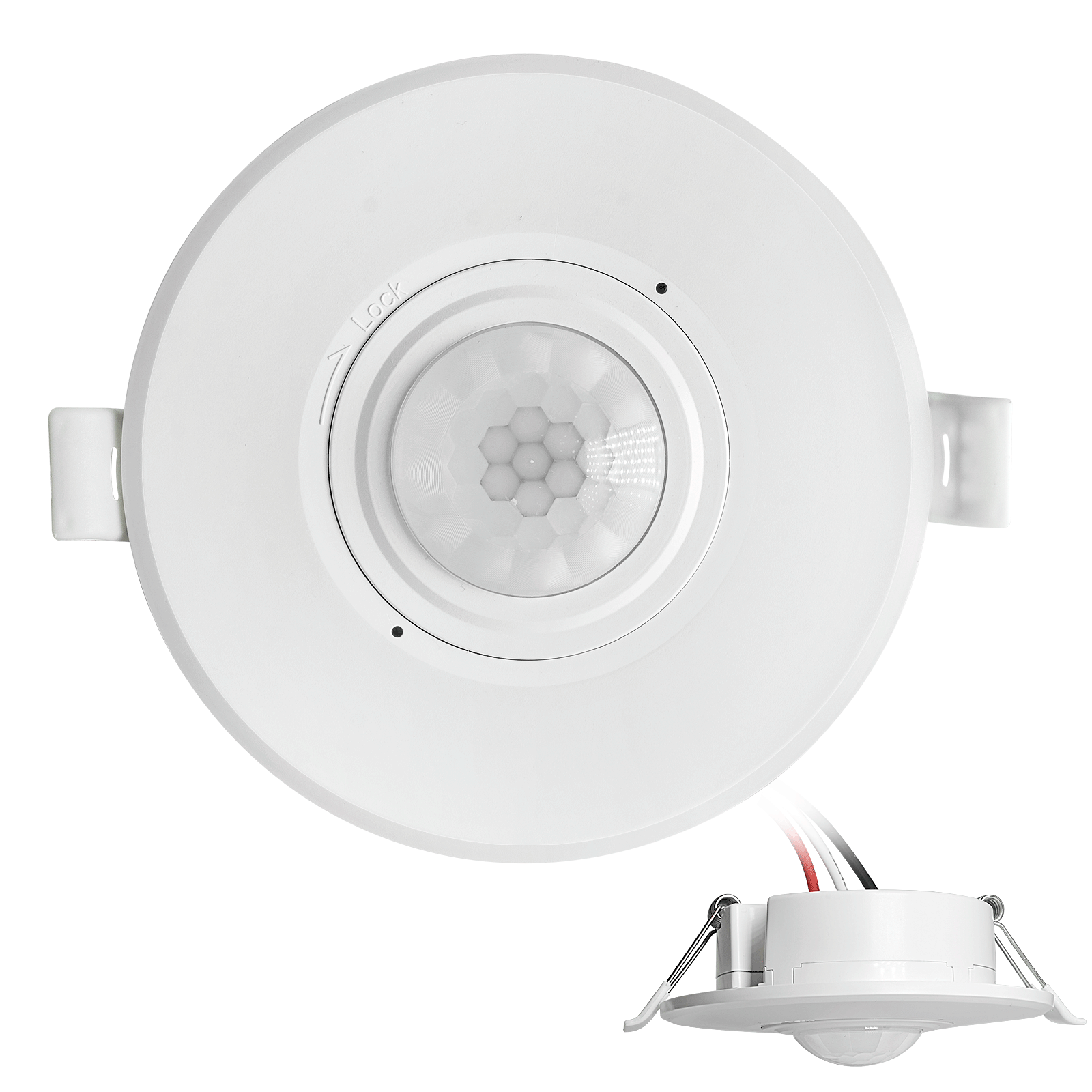
- 저전압 DC 매립형 천장 PIR 동작 감지 센서 스위치
- 10-30 VDC 범위를 지원하는 12 VDC / 24 VDC 입력
- 시간 지연, 조도 임계값, 감도 조절이 가능한 최대 동작 전류 10A 제품
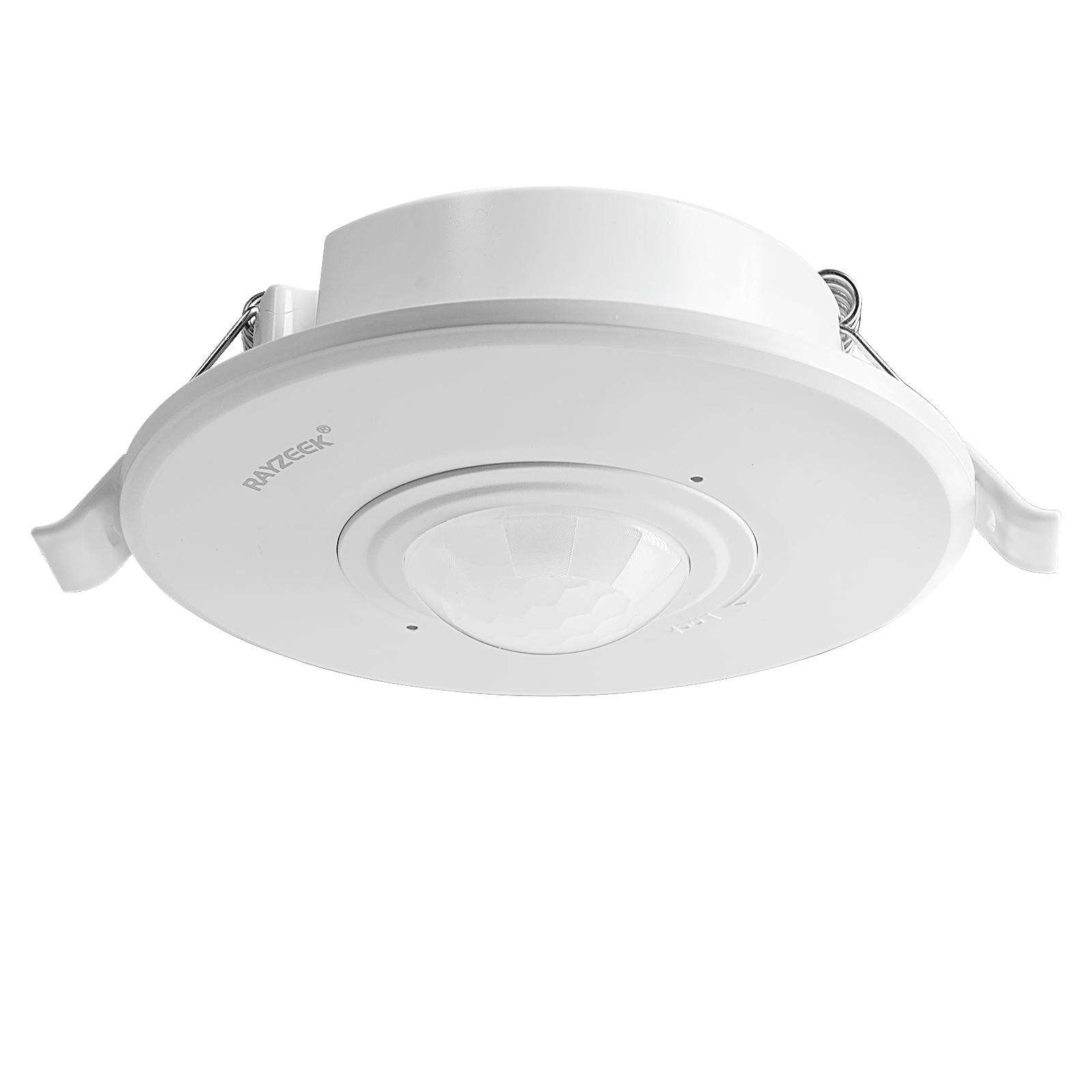
- 고부하용 매립형 천장 PIR 동작 감지 센서 스위치
- 100-265 VAC 라인 전압 입력, 10A 모델
- 시간 지연, 조도 임계값, 감도 조절이 가능한 360도 감지
- 매립형 천장 PIR 동작 감지 센서 스위치
- 100-265 VAC 라인 전압 입력, 5A 모델
- 시간 지연, 조도 임계값, 감도 조절이 가능한 360도 감지
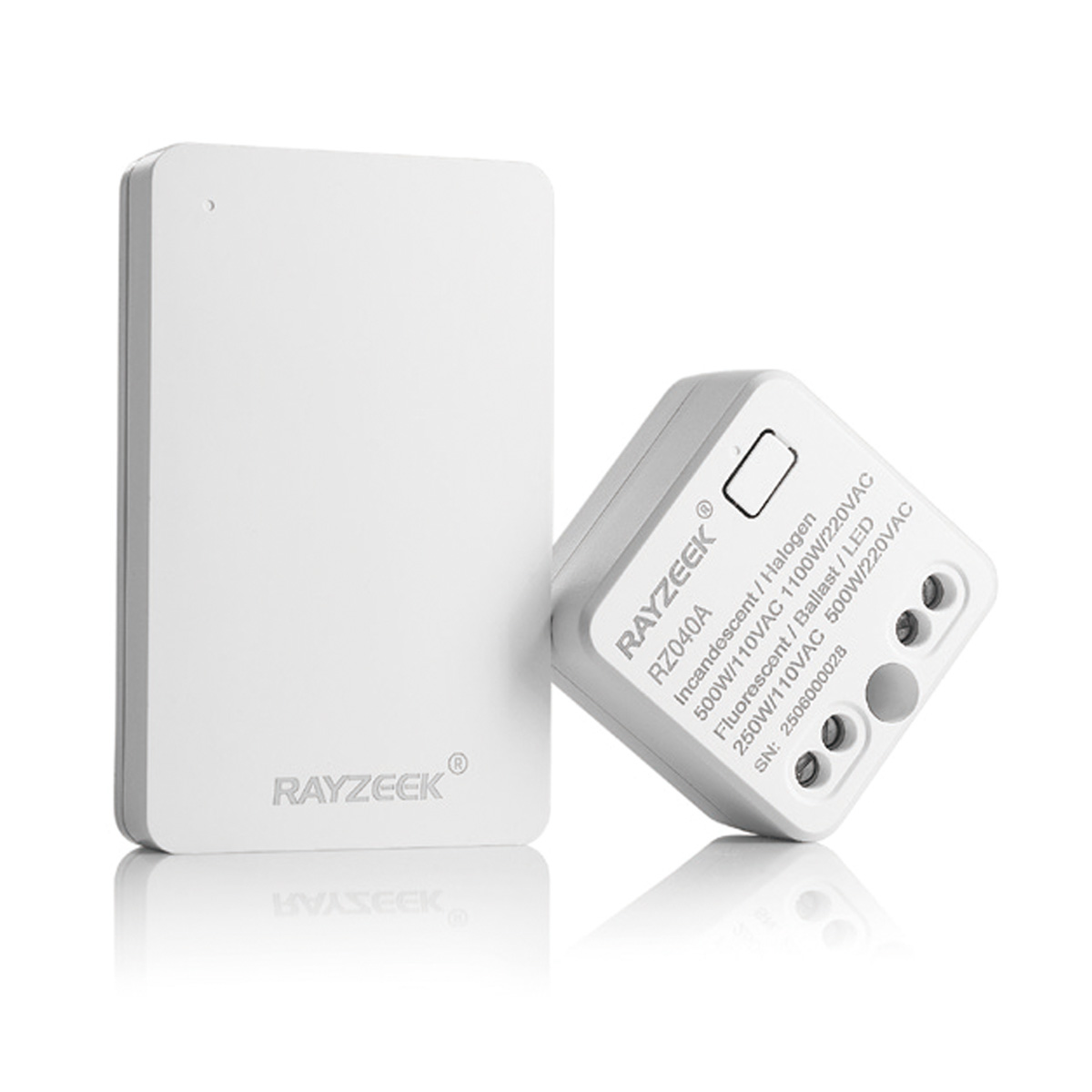
- 실내 ON/OFF 조명 제어용 무선 스위치 및 수신기 키트
- 정격 전류 5A의 100-230VAC, 50/60Hz 수신기
- 2.4GHz 통신 방식의 CR2032 배터리 구동 무선 스위치
- 재실 모드(자동 ON/자동 OFF)
- 12–24V DC (10–30VDC), 최대 10A
- 360° 감지 범주, 직경 8–12m
- 시간 지연 15초–30분
- 조도 센서 Off/15/25/35 Lux
- 높음/낮음 감도
- 자동 ON/자동 OFF 재실 모드
- 100–265V AC, 10A (중성선 필요)
- 360° 감지 범위; 감지 직경 8–12m
- 시간 지연 15초–30분; 조도 OFF/15/25/35; 감도 높음/낮음
- 자동 ON/자동 OFF 재실 모드
- 100–265V AC, 5A (중성선 필요)
- 360° 감지 범위; 감지 직경 8–12m
- 시간 지연 15초–30분; 조도 OFF/15/25/35; 감도 높음/낮음
Beyond On/Off: The Role of Integrated Dimming
For an even more refined experience, sensors can be integrated with dimming controls. This allows for a “fade-to-off” transition instead of an abrupt shutoff. A slow, 60-second fade provides a gentle visual cue that the lights are about to go out, giving someone still in the room ample time to make a small movement and reset the timer. This simple feature transforms the system from a blunt switch into a graceful, communicative part of the environment.