Che cos'è la lampadina T5
A T5 bulb is a type of fluorescent bulb characterized by its tubular shape and a diameter of 5/8ths of an inch or approximately 16mm. Unlike T8 and T12 bulbs, T5 bulbs are shorter in length, measuring around 46 inches. This distinction means that T5 bulbs do not fit standard fixtures designed for T8 and T12 bulbs without the use of a conversion kit.
Cerchi Soluzioni per il Risparmio Energetico Attivate dal Movimento?
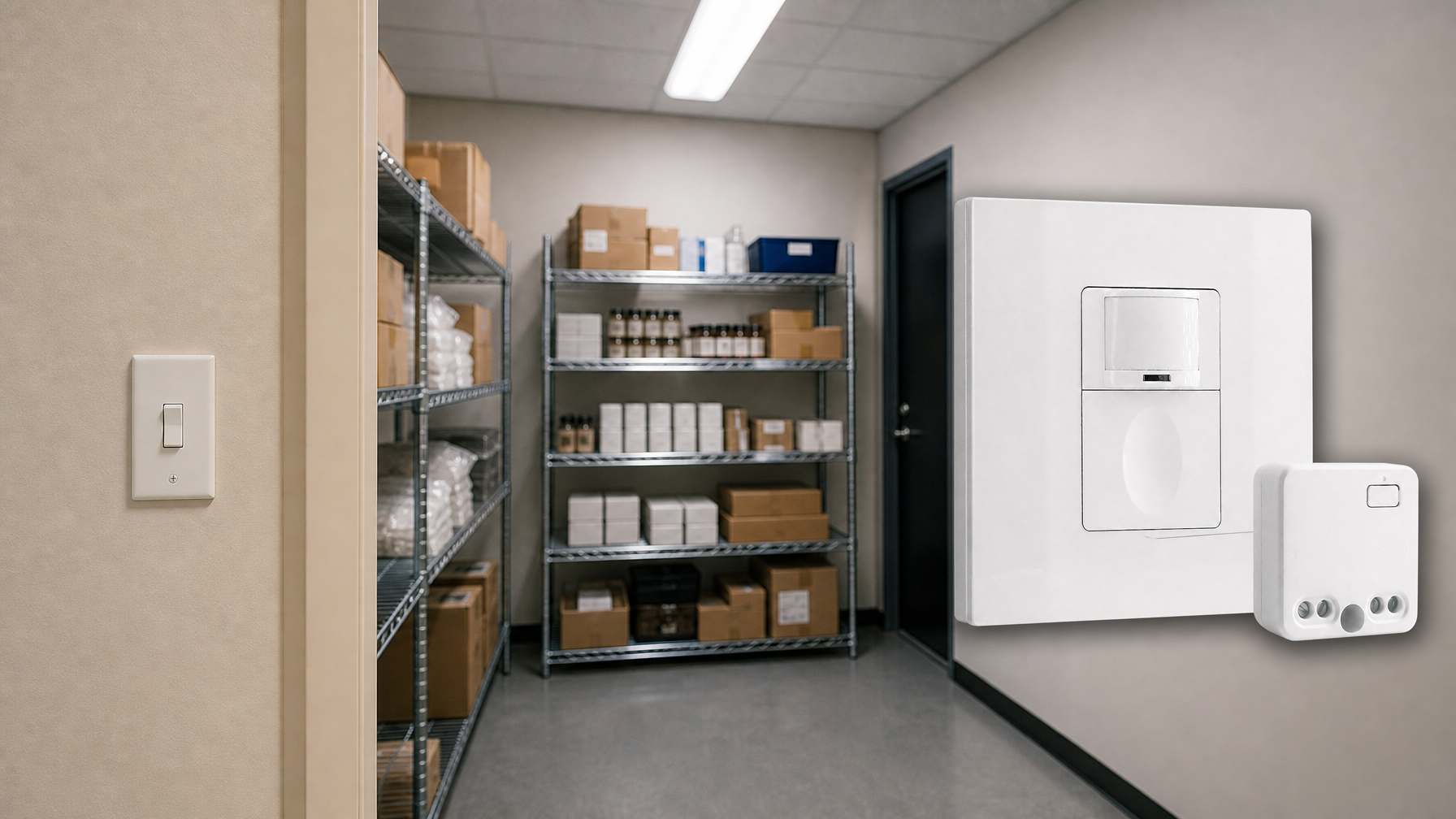
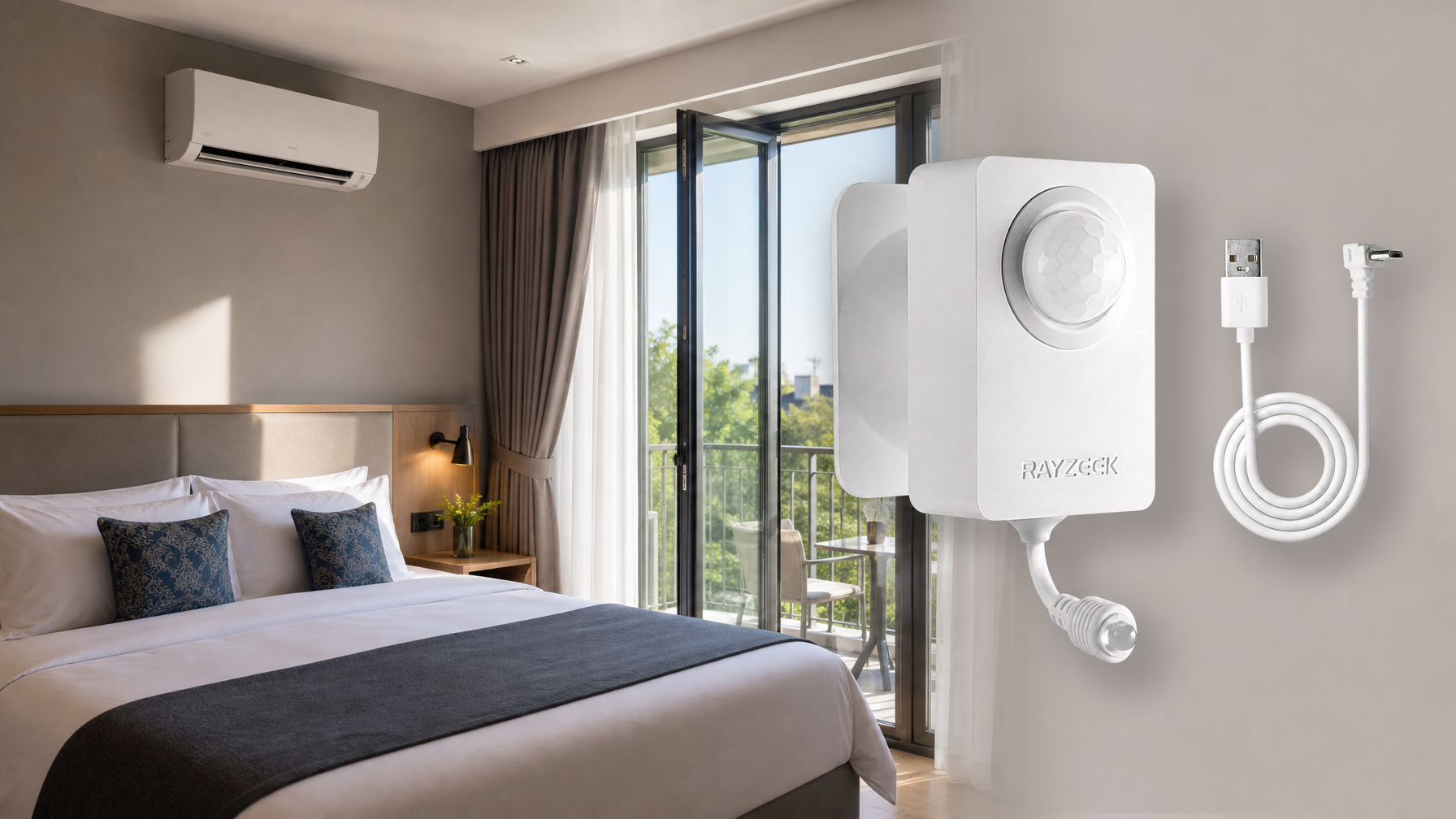
Contattaci per sensori di movimento PIR completi, prodotti per il risparmio energetico attivati dal movimento, interruttori con sensore di movimento e soluzioni commerciali di presenza/vacanza.
T5 bulbs are known for their energy efficiency. They consume less electricity while still providing a high-quality light output. T5 bulbs typically have an A-class energy efficiency rating, making them a cost-effective choice in terms of long-term energy savings. They are also known for their high Colour Rendering Index (CRI) and lumen output per watt. The CRI refers to the ability of a light source to accurately render colors compared to a natural light source. T5 bulbs are designed to provide a high CRI, making them suitable for applications where color accuracy is crucial, such as in retail stores or art galleries.
Domande frequenti
È possibile inserire un tubo T5 in un apparecchio per T8?
I tubi fluorescenti T5 non possono sostituire direttamente i tubi fluorescenti T8 all'interno di un apparecchio di illuminazione. Ciò è dovuto al fatto che sia la distanza tra i piedini (pin) sia i reattori (ballast) utilizzati per far funzionare i tubi presentano specifiche differenti. Analogamente, anche il contrario non è possibile.
What Is the Difference Between T5 and LED
LED fixtures have the advantage of being mercury-free, which makes them a more environmentally friendly option compared to T5 lamps when it comes to disposal. Additionally, LEDs are more efficient when dimmed and generally produce more lumens per watt, resulting in reduced energy consumption and lower energy costs.
È possibile sostituire un tubo T5 con uno a LED?
I tubi LED T5 sono facilmente reperibili per diverse modalità di funzionamento, tra cui Plug-and-Play, ad azionamento diretto (ballast bypass) o a funzionamento ibrido. I tubi Plug-and-Play possono essere installati agevolmente rimuovendo il tubo fluorescente esistente e inserendo il tubo a LED, in quanto risultano compatibili con i reattori già presenti.
Is T5 a LED Light
T5 LED tubes are compact LED light tubes designed to replace T5 fluorescent tubes. These LED tubes have the same fitting as fluorescent tubes, making it simple to install them in fixtures that originally used fluorescent tubes. T5 tubes have a G5 fitting and a diameter of 21mm.
What Is the Difference Between T12 T8 and T5
T12, T8, and T5 are all acronyms used to indicate the diameter of tubular lights. The T__ designation follows a standard measurement system where the number represents the diameter in 1/8ths of an inch. Therefore, a T5 tube has a diameter of 5/8ths of an inch, a T8 tube has a diameter of one inch (8/8ths), and a T12 tube has a diameter of one and a half inches (12/8ths).
Are T5 Bulbs Being Phased Out
T5 and T8 fluorescent tubes, as well as compact fluorescent tubes (CFL), will be gradually phased out in accordance with the European Commission’s ecodesign and RoHS directives. This phase-out process is set to be completed by 2023.
A cosa servono le lampade T5?
Le lampade per coltivazione T5 a singolo o doppio tubo sono indicate per svariati scopi, quali favorire la propagazione dei semi, nutrire talee e germogli e coltivare un piccolo orto di erbe aromatiche. Sebbene queste specifiche lampade fluorescenti T5 non emettano un'energia eccessiva, il loro rendimento contenuto risulta vantaggioso per la crescita delle piante più piccole.
Perché i tubi T5 sono così costosi?
I tubi fluorescenti T5 tendono ad avere un prezzo più elevato rispetto ad altre opzioni di illuminazione a causa della necessità di un reattore (ballast) per regolare la corrente. Ciononostante, il potenziale risparmio energetico compensa ampiamente il maggior costo di acquisto iniziale.