
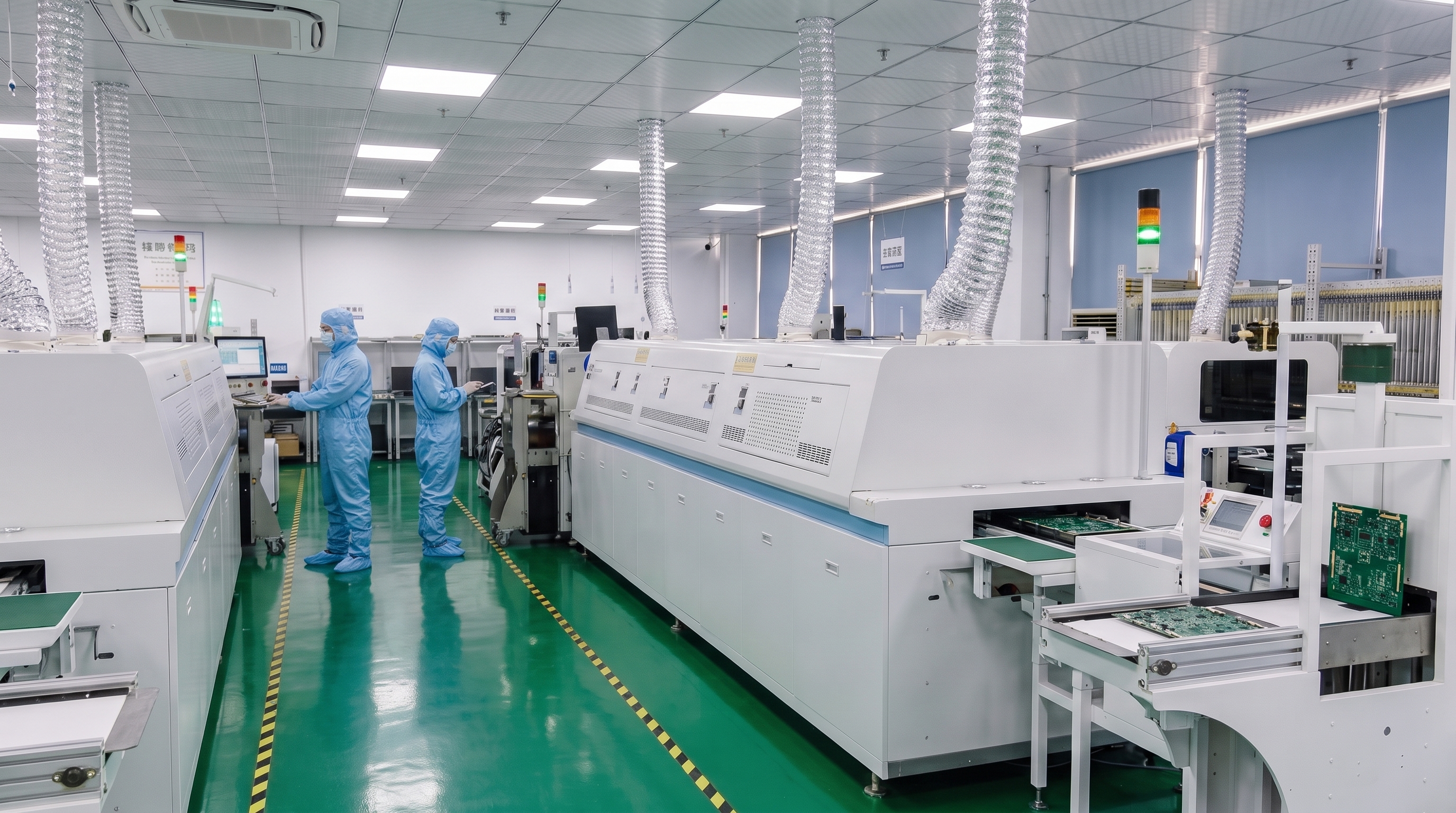
PCB Assembly Testing.
First-article review, optical inspection and functional checks. Know what your assembled boards will be checked for before they reach your team.
Defined checks.
Clear decisions.
PCB assembly inspection and functional testing connect manufacturing quality with the operating requirements selected for your board. Our scope includes first-article review, automated optical inspection (AOI), and electrical and functional checks agreed for the assembly order.
Your team should know what those checks establish before boards reach the bench or the product. We work with you to define the functions, setup, expected results and quantity to be checked. A working test procedure is a useful start; an early question about what needs checking is welcome too.

Define the Checks Before the Build.
A test request becomes useful when both sides understand the scope: which boards, which functions, the operating conditions and what counts as an acceptable result.
01
Functions & Quantity
Functions & Quantity
Identify the functions, outputs or electrical results that matter to acceptance. Then establish which boards receive each check: the specified units or an agreed sample. Checking every unit and covering every operating function are different decisions; the order needs a clear statement of both quantity and scope.
02
Setup, Connections & Operating Steps
Setup, Connections & Operating Steps
Share the wiring or pinout, supply requirements and relevant input or load conditions. Explain the actions to perform and the response expected at each step. Firmware or configuration can affect the result, so identify the version or settings relevant to the procedure.
03
Pass Conditions & Useful Records
Pass Conditions & Useful Records
Define an acceptable response or measurement limit for each selected check. If your team needs results with the order, specify the useful information: checks performed, status, measurements or the applicable procedure reference. Record availability and the handoff format need to be established for the build.
04
Equipment, Exceptions & Retesting
Equipment, Exceptions & Retesting
Bring any existing tools, cables, fixtures or reference hardware into the planning discussion. Establish what the setup needs and who supplies it. Agree how an unexpected or incomplete result will be reviewed, what decision is needed and when a retest is appropriate for the order.
Inspection and Testing With a Purpose.
Workmanship inspection and operating checks provide different information about an assembly. We connect the confirmed inspection methods and selected tests with the board and build requirements they are intended to verify.
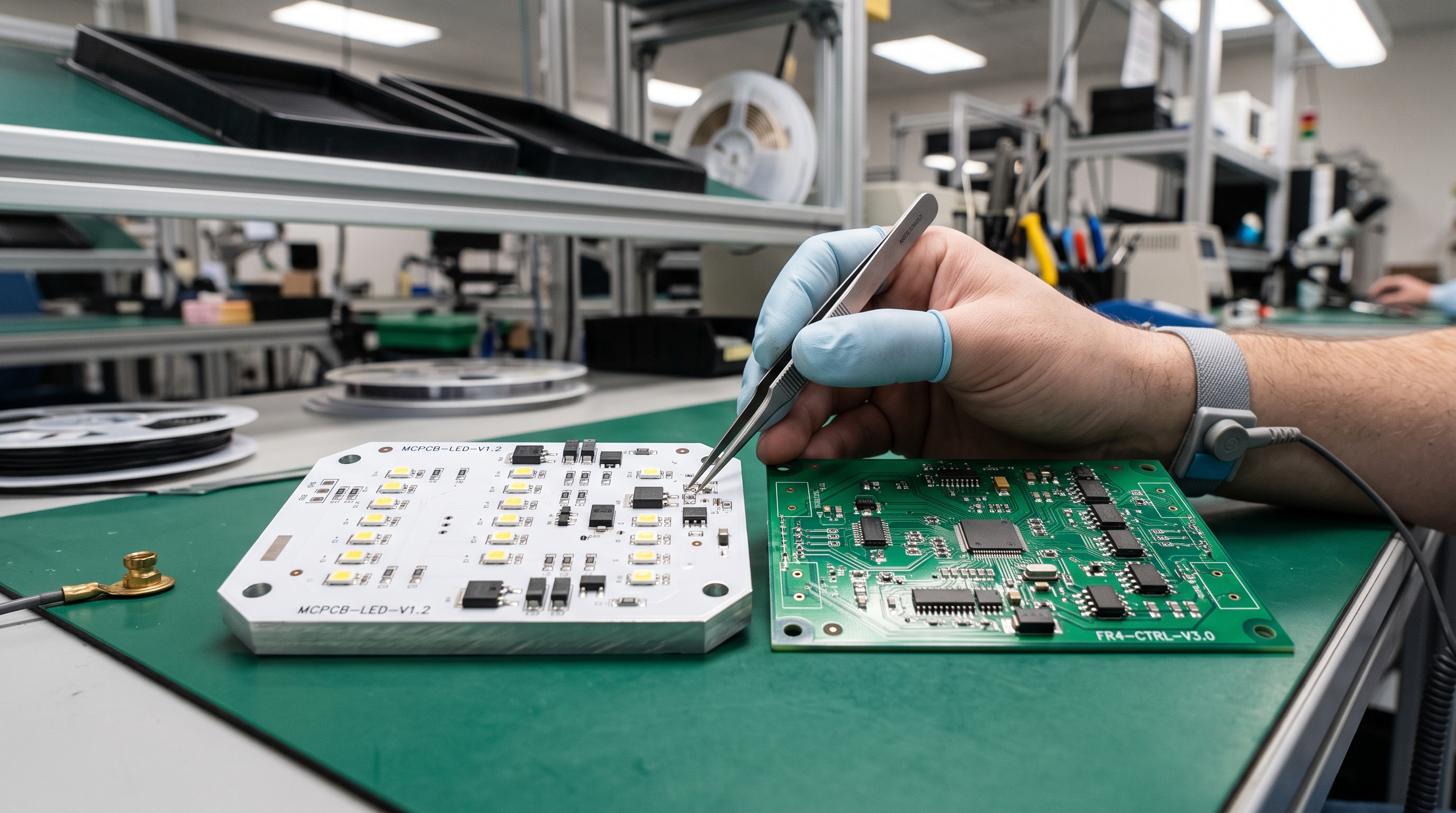
Checks for SMT Assembly
First-article review examines the initial physical assembly against the build information. Component identity, placement and orientation provide practical references for establishing the intended surface-mount assembly.
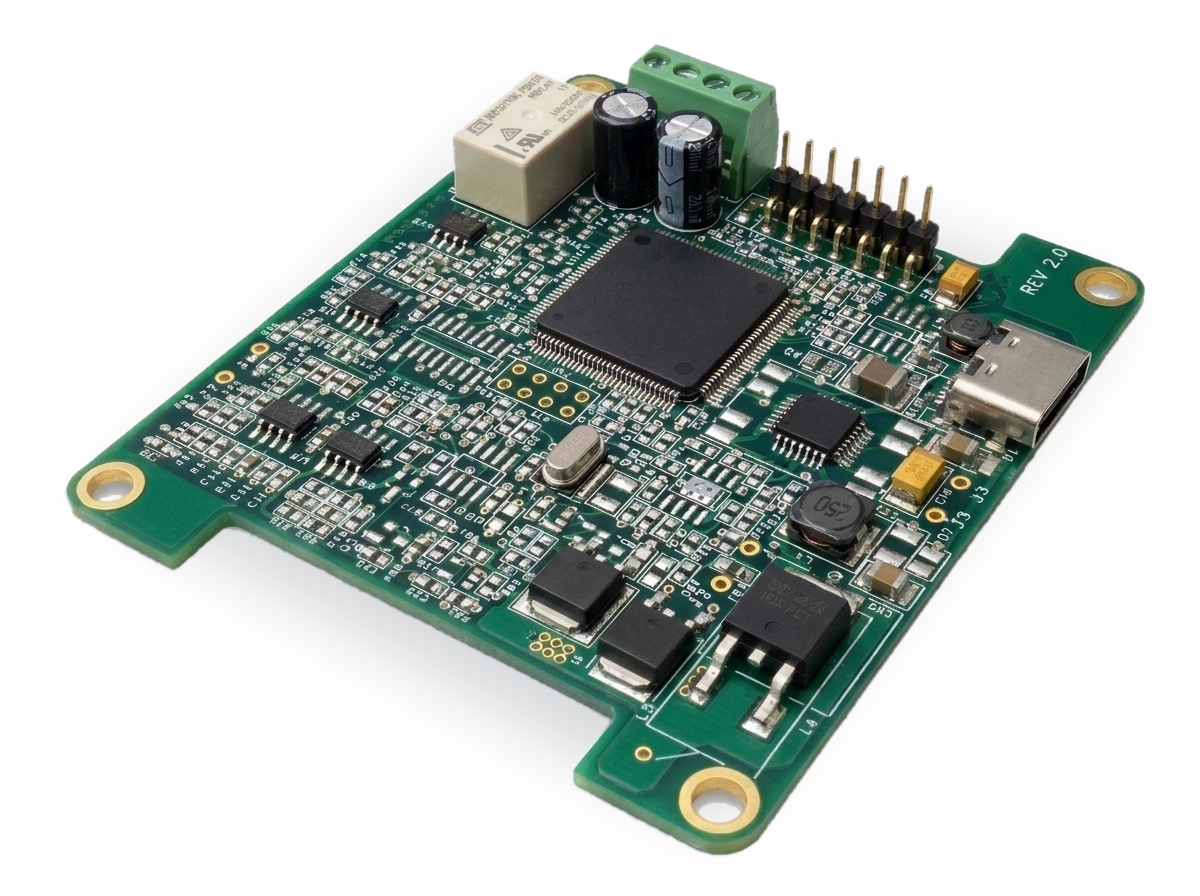
Board & Build Reference
The board revision and configuration identify what is being checked. Our assembly scope includes FR-4 and aluminum-core boards with single-sided component mounting, with requirements defined around the actual build.
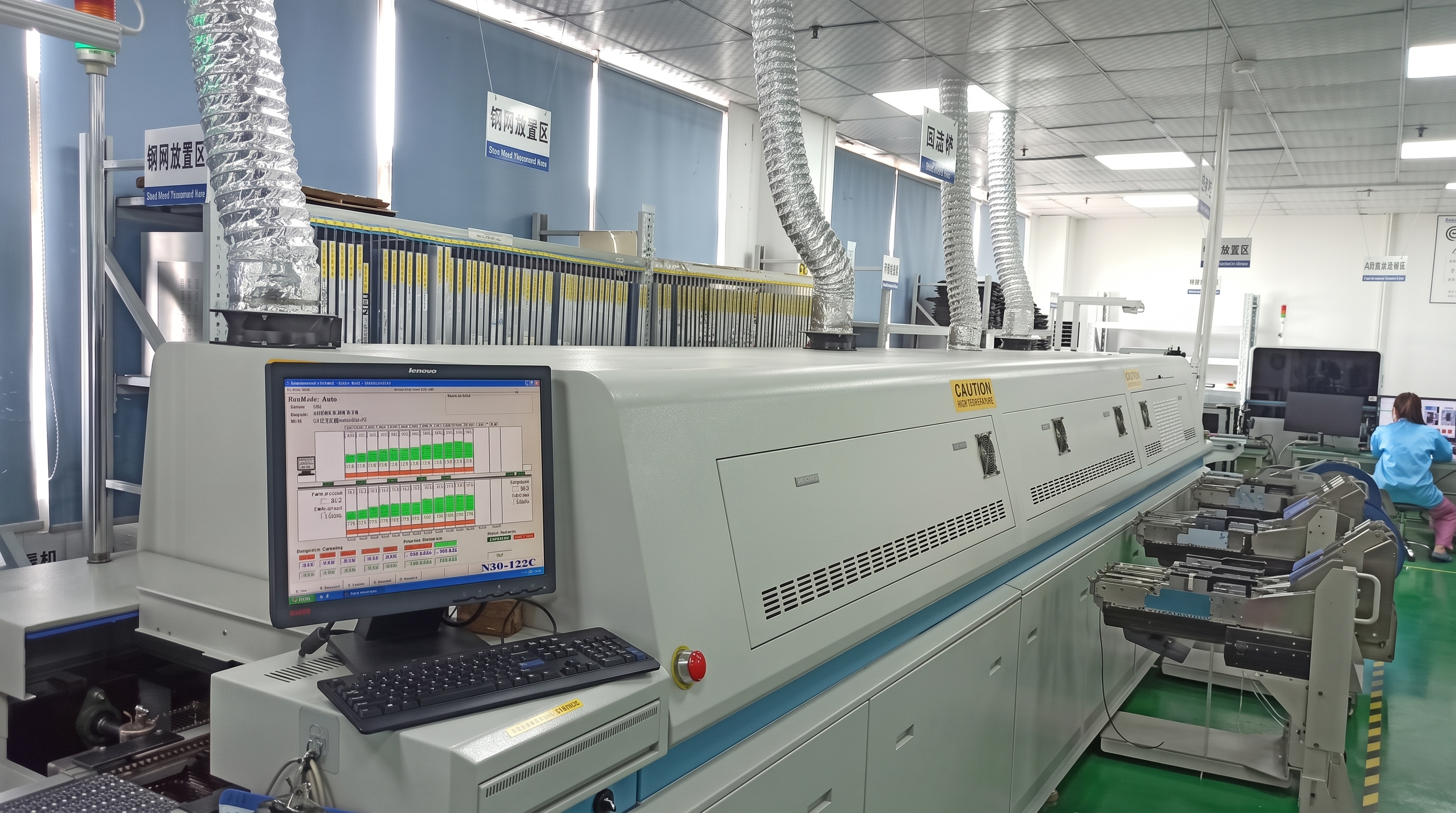
Solder Workmanship
Lead-free reflow forms the soldered surface-mount assembly. Optical inspection examines visible workmanship, connecting the physical soldering result with the requirements used to assess the build.
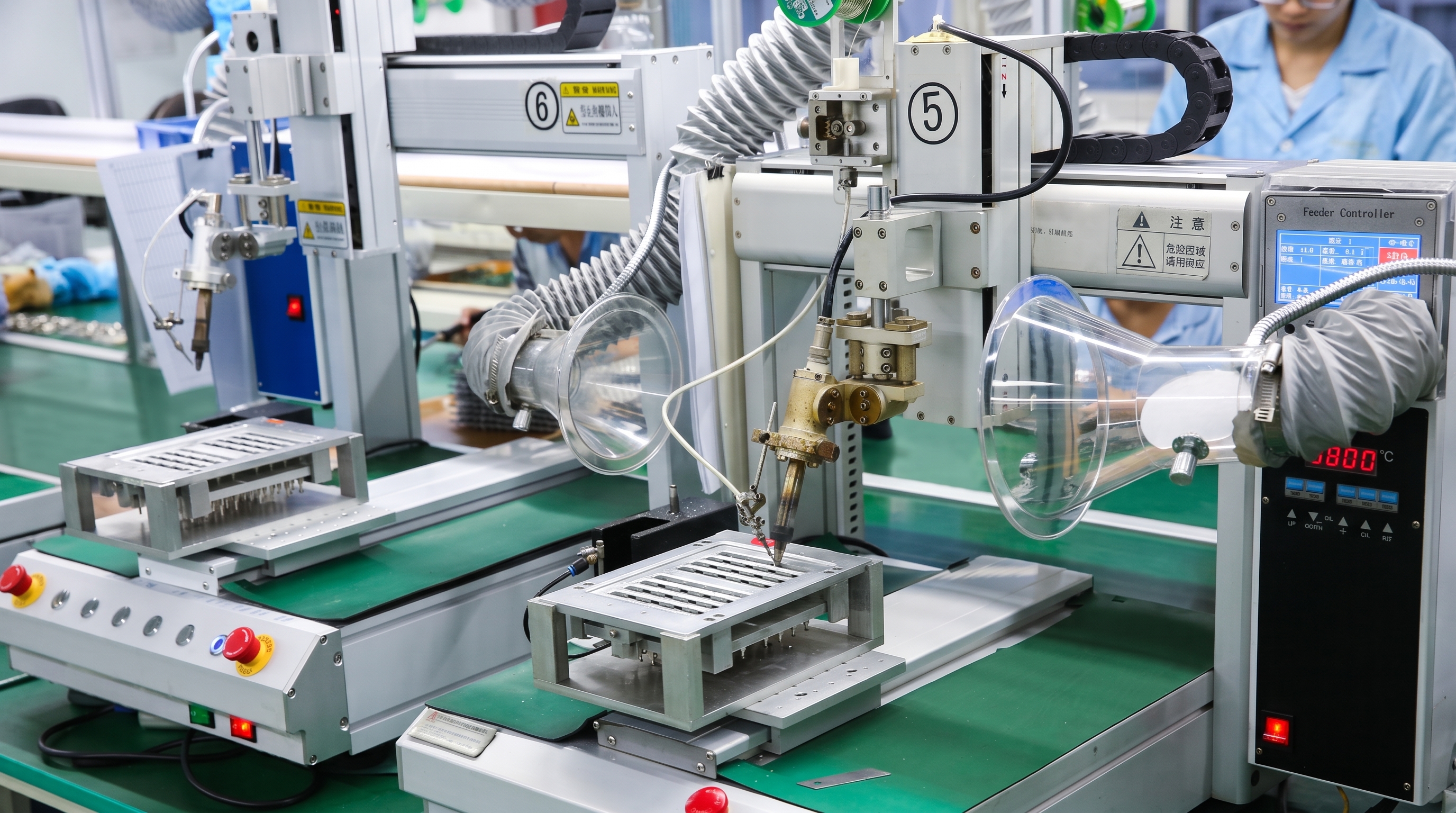
Through-Hole & Mixed Boards
Connectors, relays and other leaded parts can share a board with surface-mount circuitry. Their intended positions, orientation and visible joints form part of the assembly context for the applicable inspection.
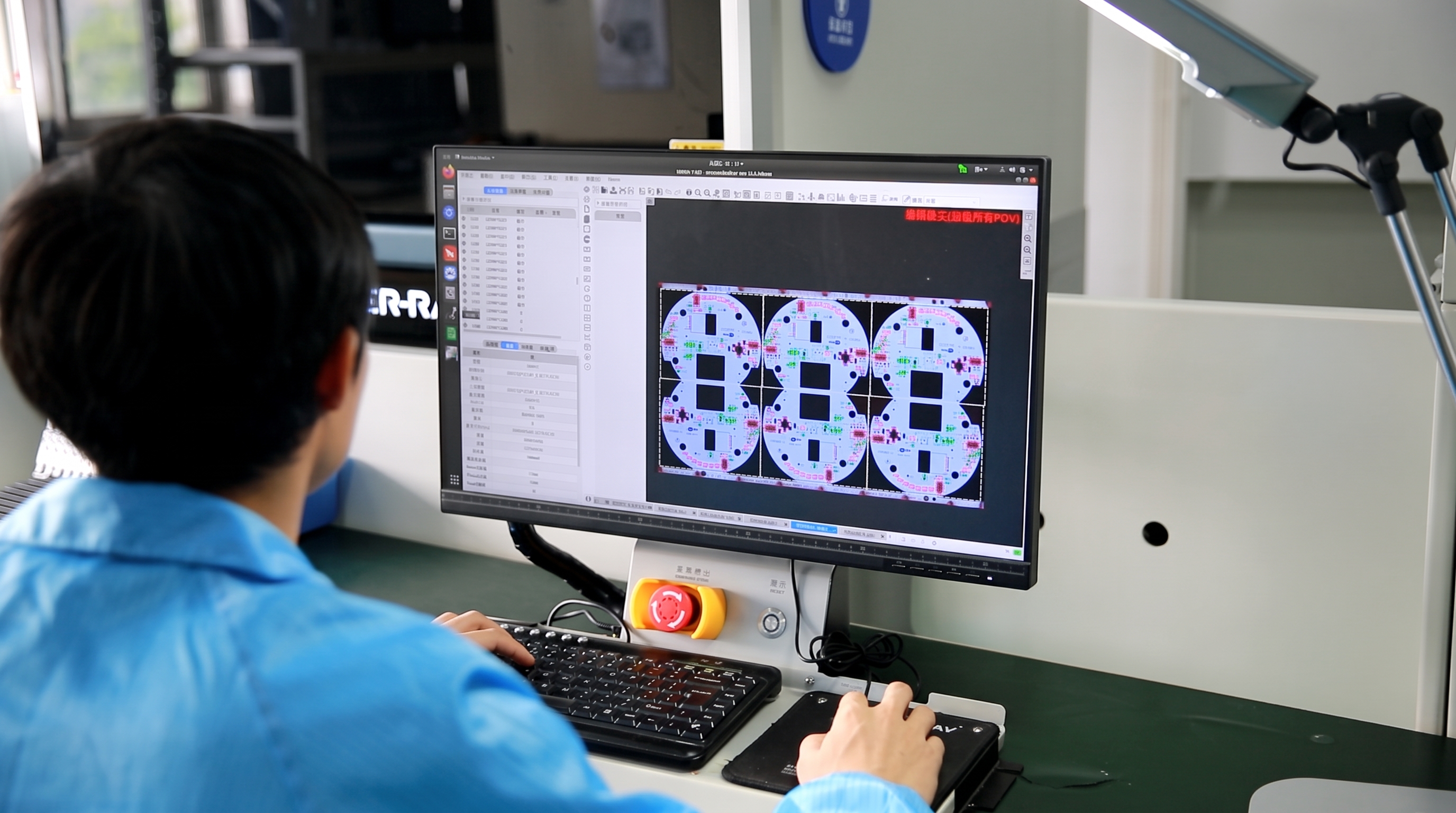
Automated Optical Inspection
AOI checks visible component placement, polarity and solder workmanship. These optical observations help assess how the board was assembled; the selected electrical and functional checks address its operating behaviour.
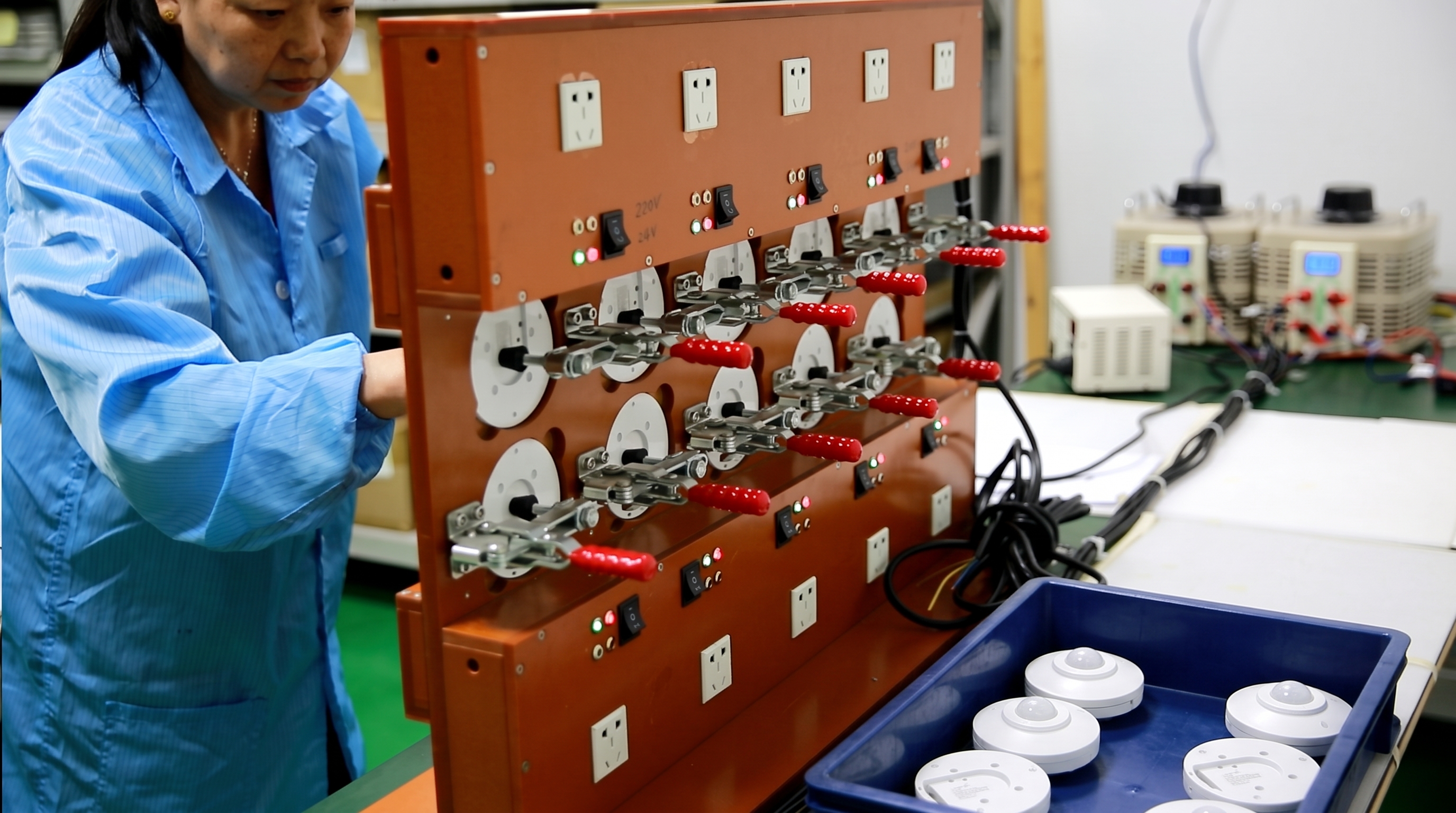
Electrical & Functional Checks
Electrical checks compare selected results with defined criteria. Functional testing follows operating steps and expected responses. The procedure, equipment needs and acceptance conditions are agreed around your board.
The Factory Behind the Checks.
Inspection belongs to the assembly it examines. See the production work that creates the physical board, followed by the initial review and inspection context behind the checking plan.

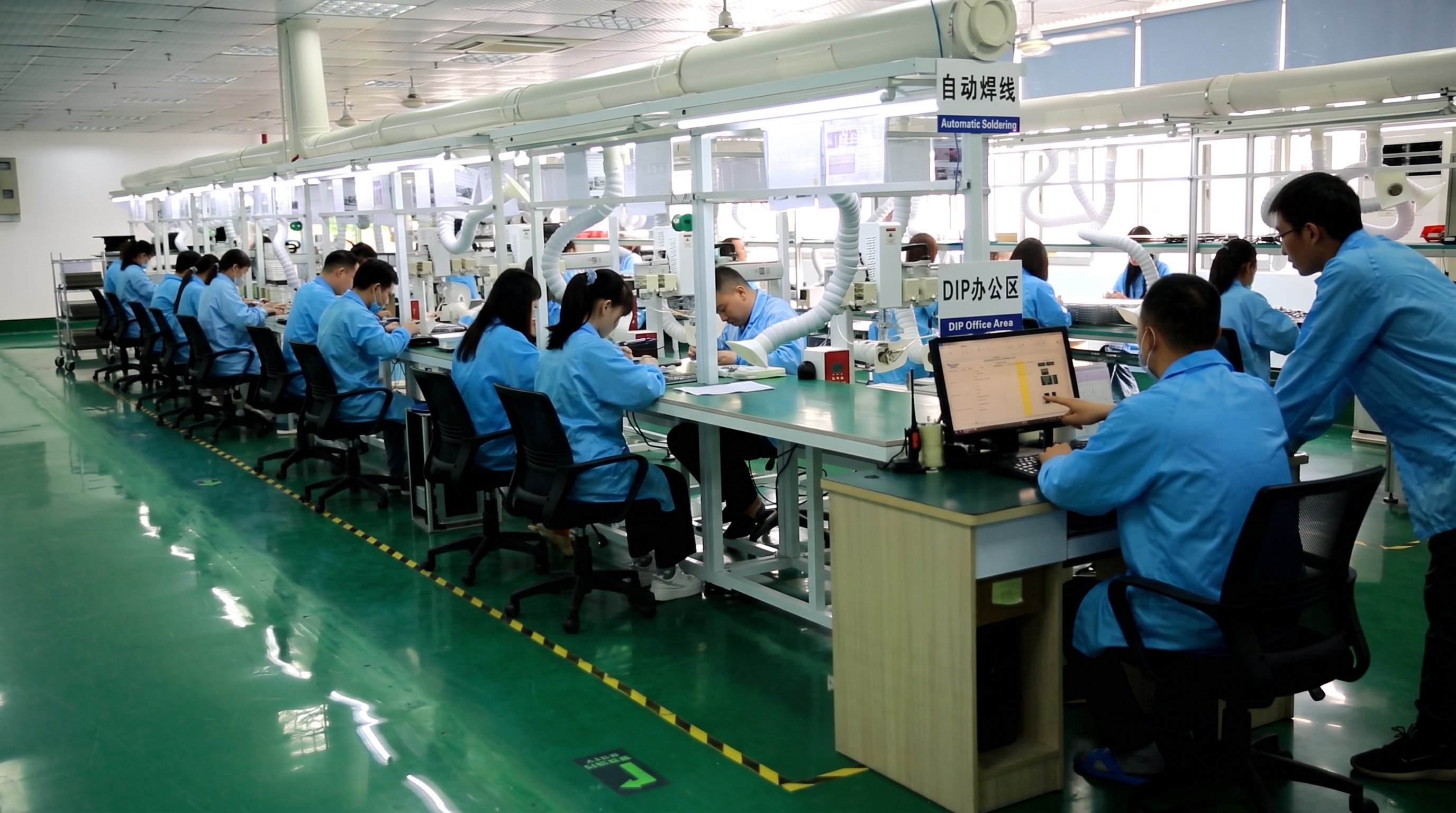
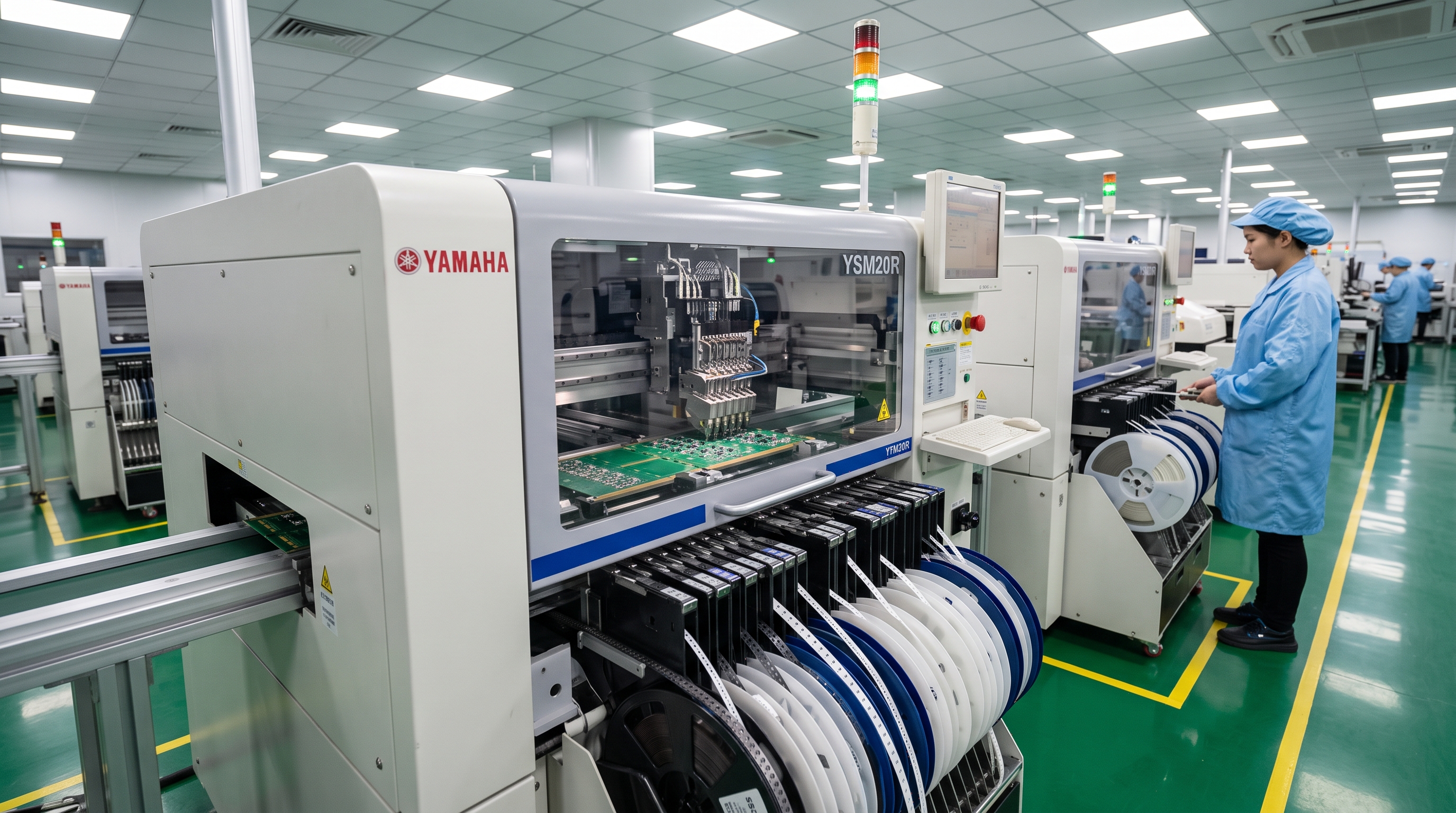
Surface-Mount Assembly Lines
The BOM, placement information and assembly instructions define the surface-mount build. They also give the initial assembly review a reference for the components and orientations intended on the board.
Perakitan Through-Hole & Campuran
Leaded components complete mixed assemblies alongside surface-mount parts. Connector positions, orientation and fitting instructions help describe the physical result required for the order.
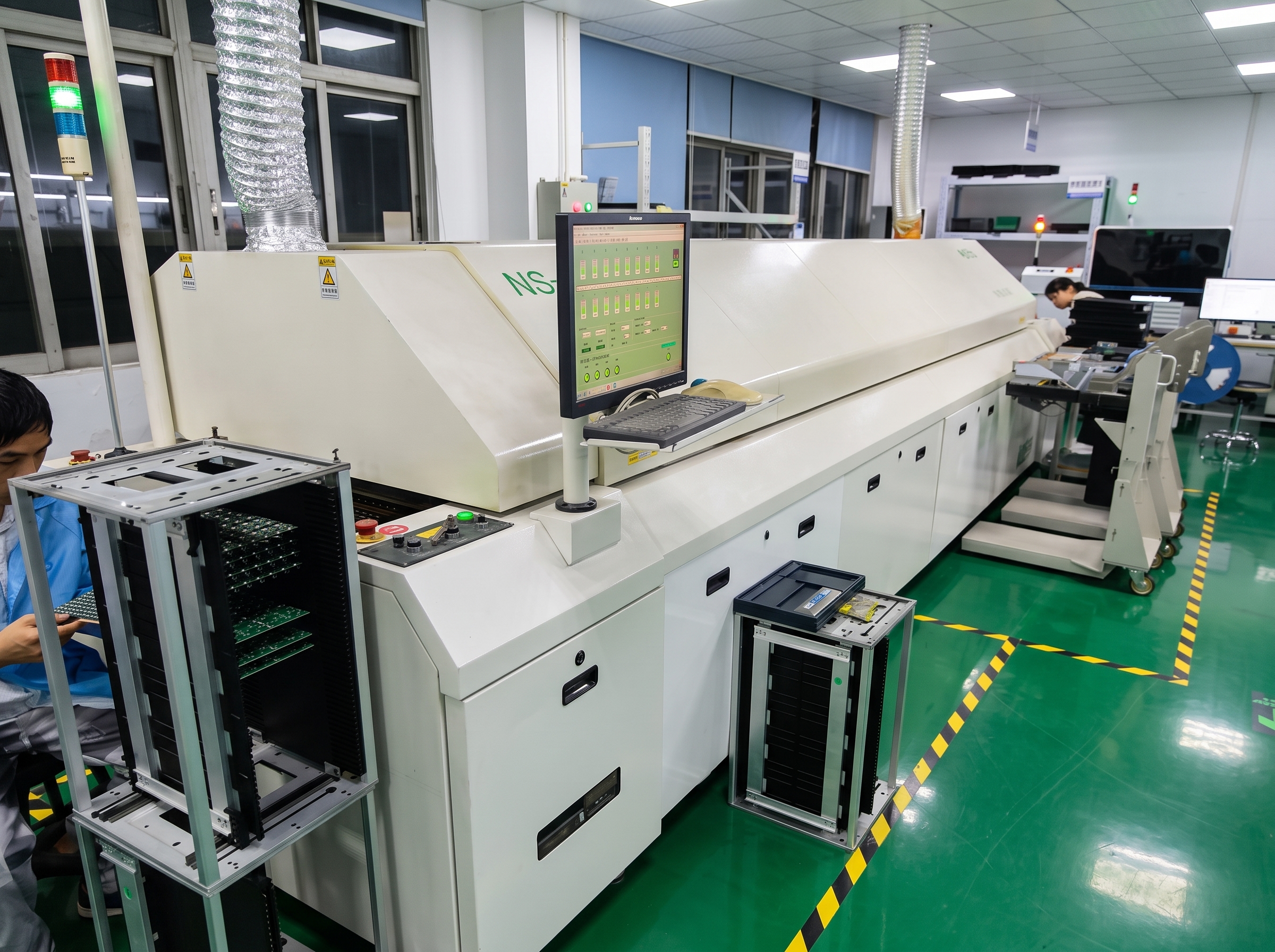
Lead-Free Reflow Soldering
After placement, surface-mount boards pass through lead-free reflow. The soldered assembly provides the physical workmanship examined by the applicable optical checks.
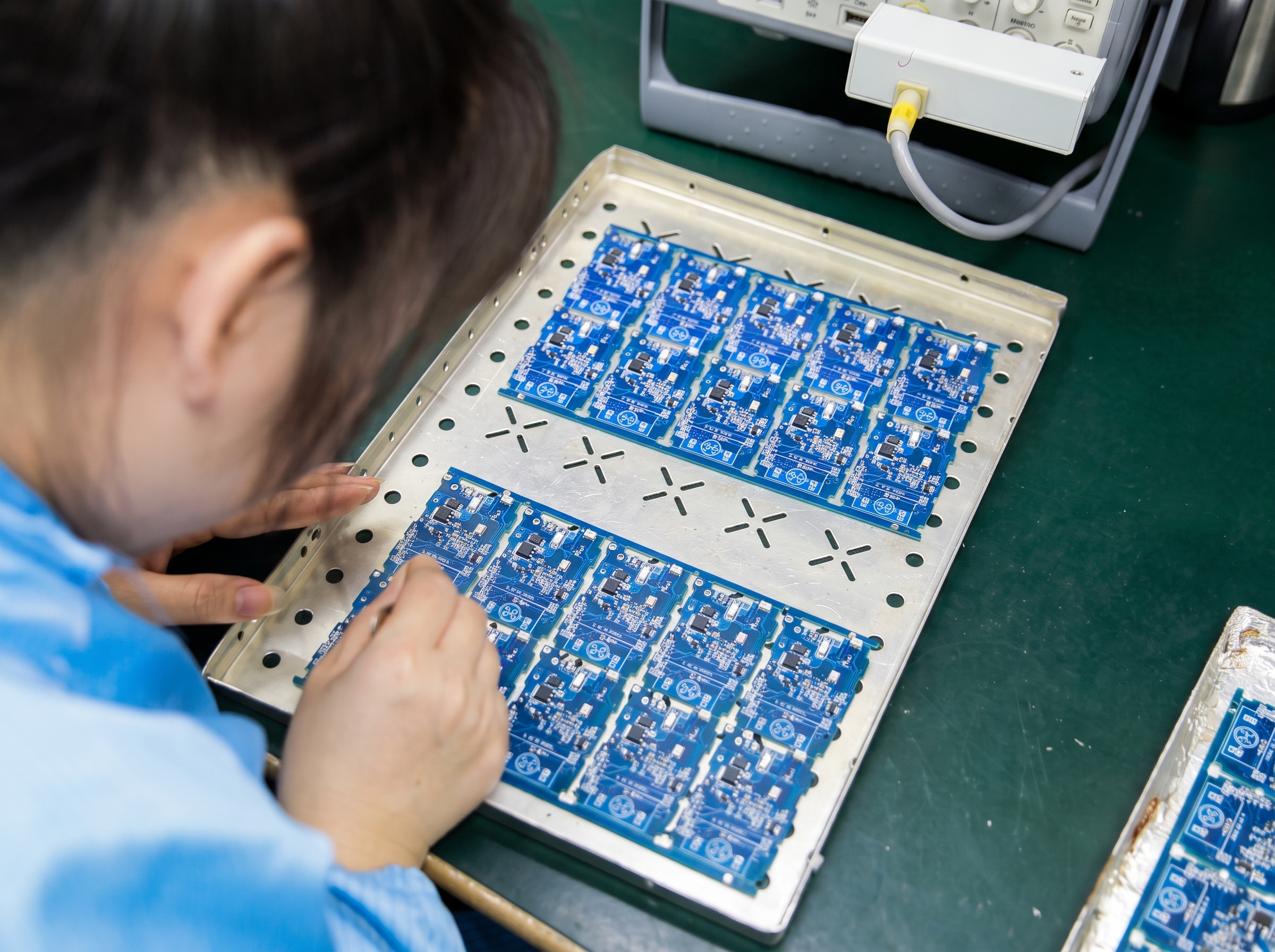
First-Article & Inspection Review
First-article review and optical inspection examine the initial assembly and visible workmanship against the build information. Electrical and functional checks follow the procedure and conditions defined for the order.
 Your quality requirements
 Assembly workmanship
 Component handling requirements
 Material documentation needs
 Board material requirements
 Your product conformity needs
 Your emissions test requirements
Checks Built Around Your Electronics.
Lighting, sensing and control electronics are familiar assembly areas for our factory. The functions and operating conditions to verify come from your board requirements, across these and other suitable product projects.
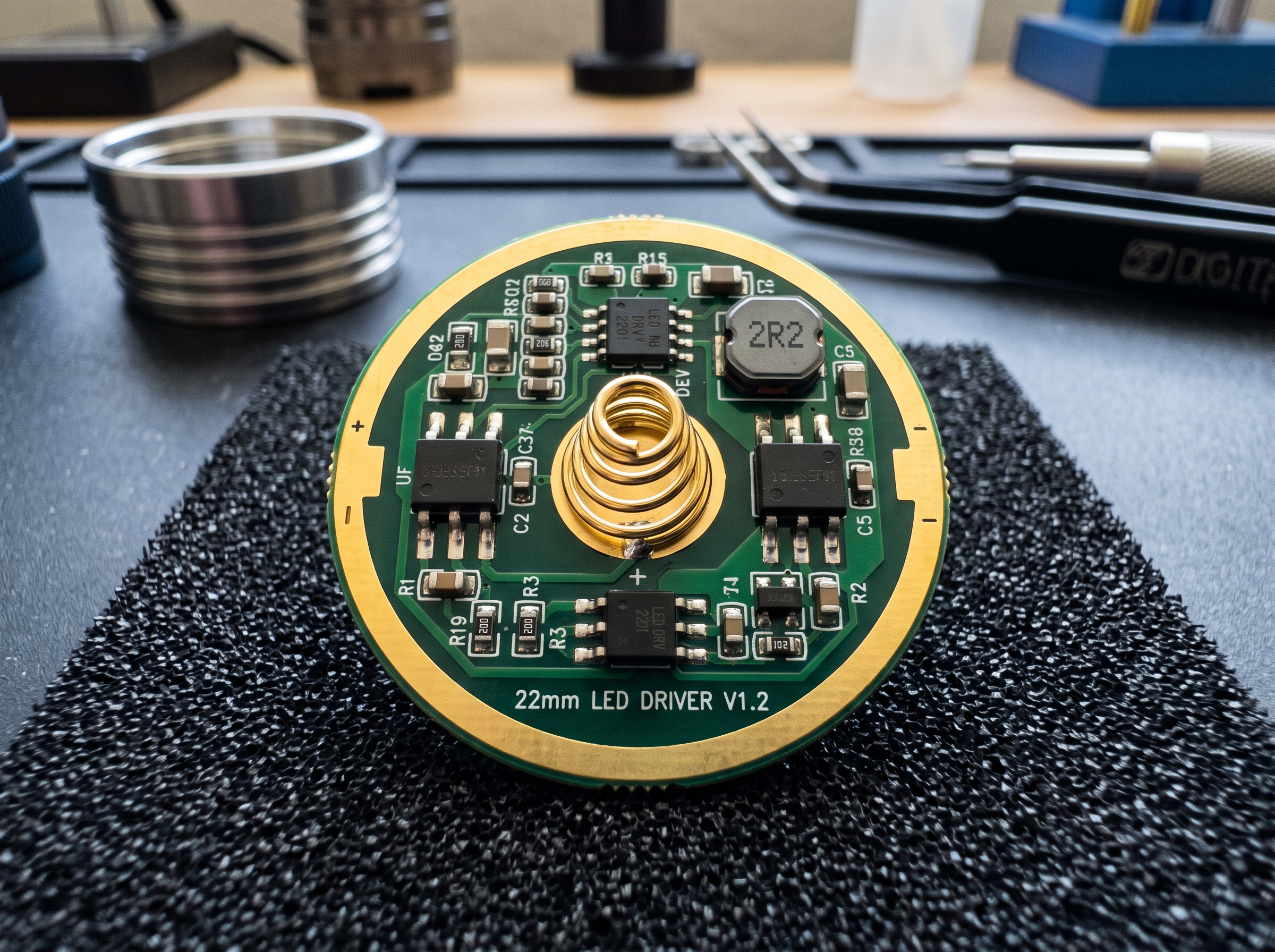
Portable Lighting Driver Boards
Flashlights · Headlamps · Tactical & Work Lights
Portable Lighting Driver Boards
Driver-board checks need the selected operating modes, supply conditions and intended responses. Share the procedure your team uses so its setup and applicability to the assembly order can be reviewed.
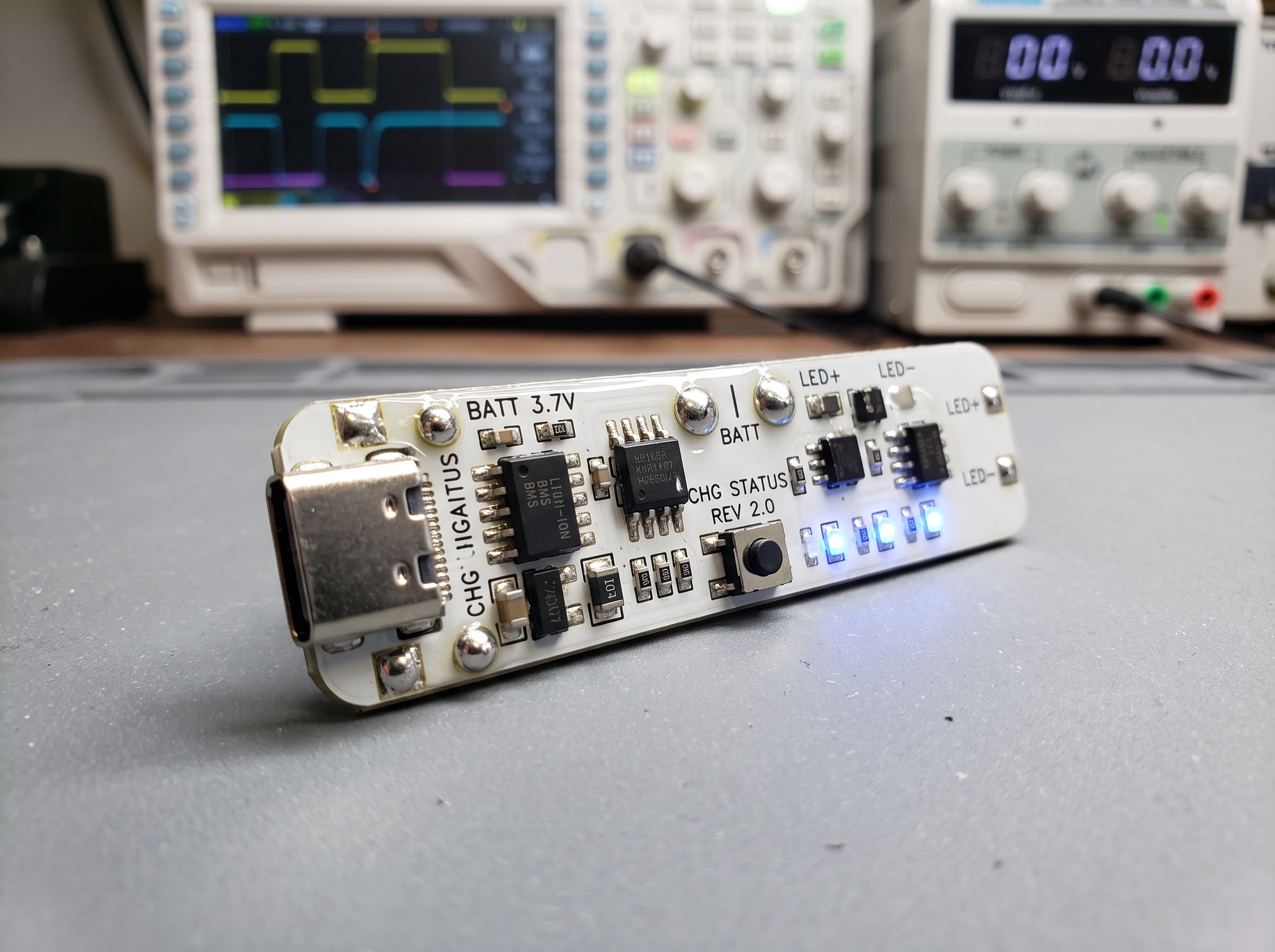
Battery & USB-C Charging Boards
Bicycle Lights · Portable Lanterns · Battery Packs
Battery & USB-C Charging Boards
Charging and battery-control boards need defined supply, connection and load conditions for the selected checks. Identify the electrical results and operating steps that matter to acceptance.
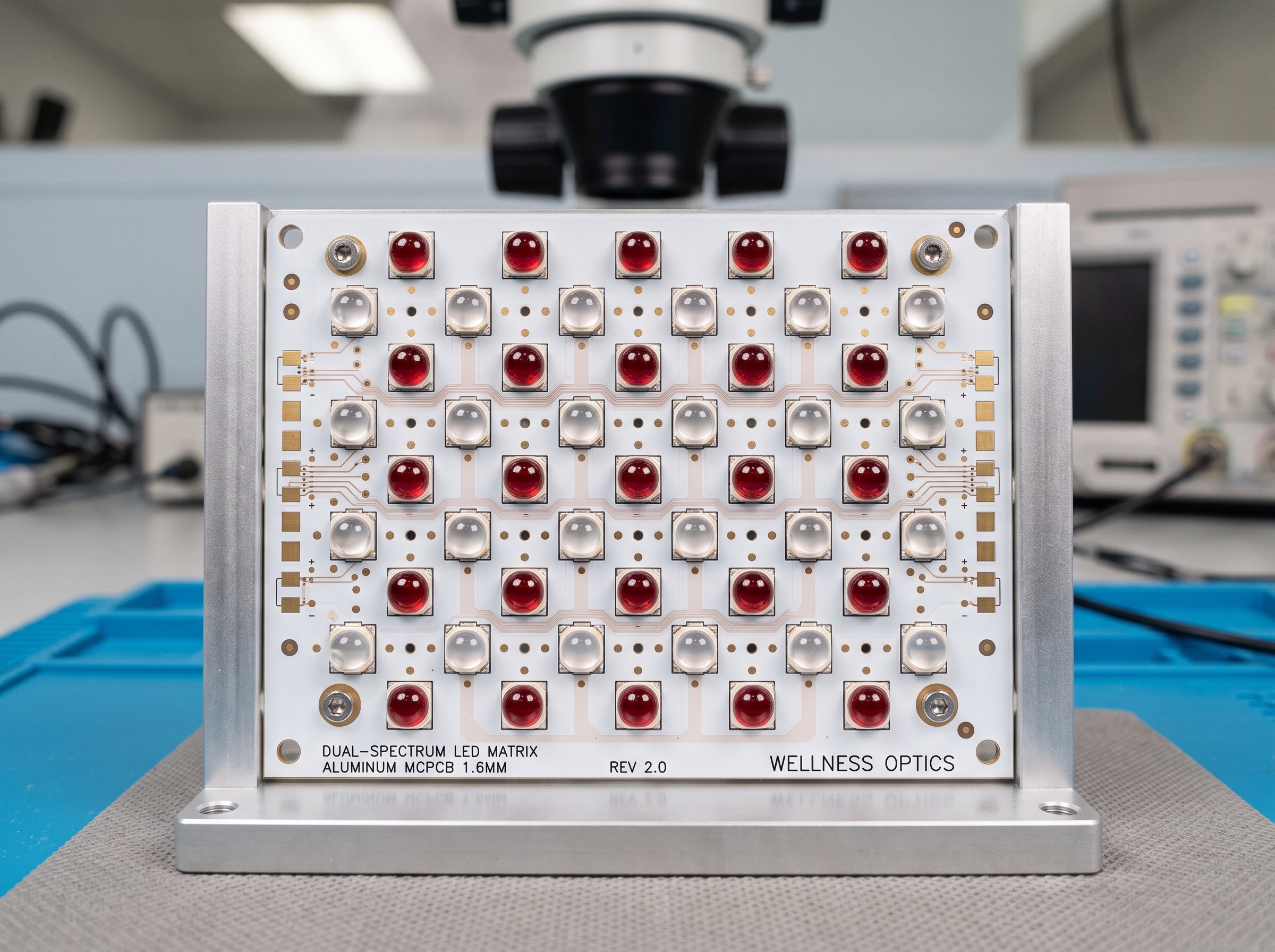
Beauty & Phototherapy LED Arrays
Red / NIR Masks · Therapy Panels · Handheld Applicators
Beauty & Phototherapy LED Arrays
For an assembled LED array, placement and workmanship are optical inspection subjects. Any selected operating check needs its own setup, expected response and acceptance conditions.
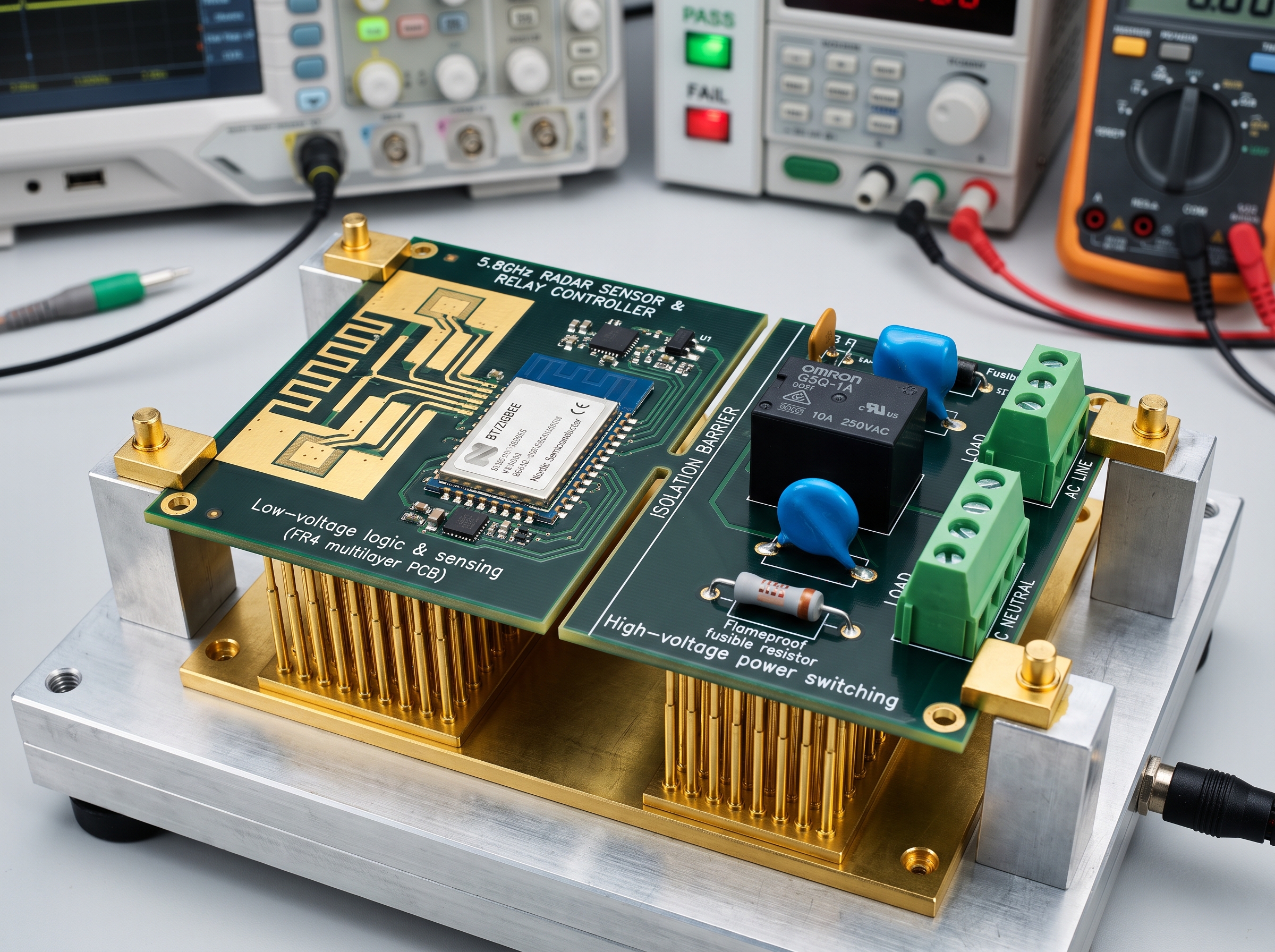
Occupancy Sensor & Control Boards
Wall Switches · Ceiling Detectors · Daylight Dimmers
Occupancy Sensor & Control Boards
Sensor and switching boards combine several operating functions. Define the inputs, outputs and conditions to check, keeping factory test coverage distinct from your team’s evaluation in the intended product.
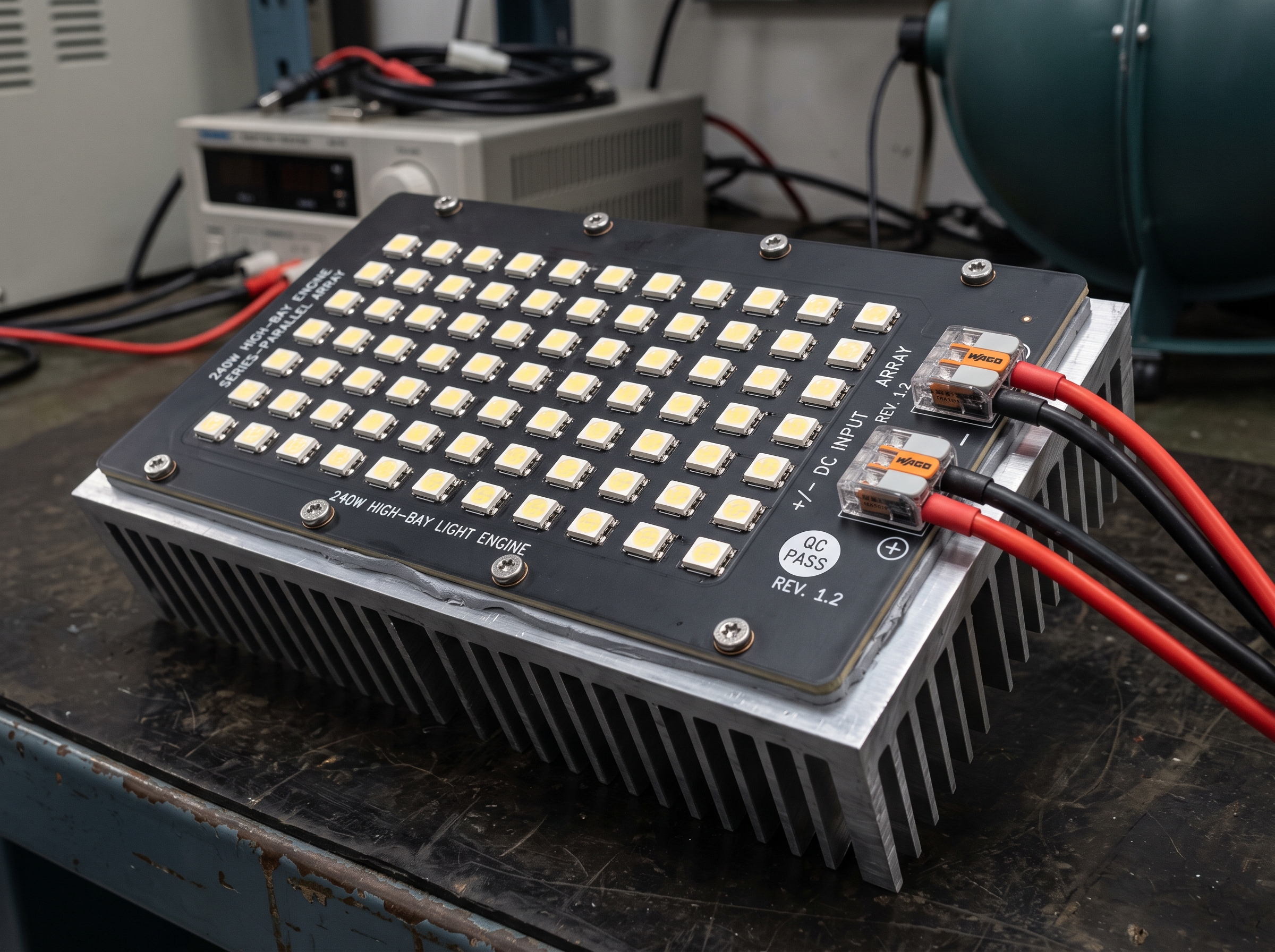
High-Power MCPCB Light Engines
High-Bay Luminaires · Floodlights · Grow Lights
High-Power MCPCB Light Engines
Board material, emitter layout and assembly requirements identify the light engine being checked. Specify any required electrical or operating checks with the relevant conditions and expected results.
From Requirements to Meaningful Checks.
Bring the intended behaviour into the build plan early. A clear procedure, setup and acceptance scope make the inspection and test request understandable before production begins.
Identify the Checks
Share the board revision, functions and existing instructions. Tell us which results your team needs from the assembly order.
Agree the Scope
Establish the procedure, operating conditions, quantity, equipment responsibilities and acceptance needs alongside the build plan.
Assemble & Check
Assembly inspection and the selected electrical or functional checks use the build information and procedure agreed for the order.
Review & Deliver
Resolve results that need a decision before dispatch. For a new design, your team’s product evaluation can inform the next build.
Manufacturing Discipline. Clear Expectations.
Long-term Fortune Global 500 supplier relationships and demanding customer audits are part of our factory’s experience. Your checking requirements are discussed within the practical context of the assembly order.
Long-term supplier to Fortune Global 500 customers.
Enterprise relationships sit alongside prototype, pilot and recurring production work. A clear understanding of the board and checking requirements matters at each stage.
Passed demanding supplier audits and customer reviews.
Demanding supplier audits have put our factory’s practices under customer review. Bring the acceptance and evidence requirements that matter to your order into the build discussion.
First-article, AOI, and defined functional checks.
Keep the meaning of the result clear. Optical inspection addresses visible workmanship; electrical and functional results relate to the selected procedure, operating conditions and acceptance criteria.
Long-term relationships.
Global brands.




Tell Us What
Needs Checking.
Bring your board information, the functions to verify and any existing test instructions. Tell us about the quantity, operating setup and evidence your team needs. We’ll help define the checking scope for your PCB assembly order, including the information and equipment questions to resolve before the build.
Start with the board
Identify the revision and the functions or workmanship requirements that matter.
Bring your procedure
Share available wiring, operating steps and expected results, even if details need clarifying.
Define the outcome
Establish the quantity, acceptance criteria and any result information required for the order.