
Application-Focused EMS · Sensing & Control Electronics
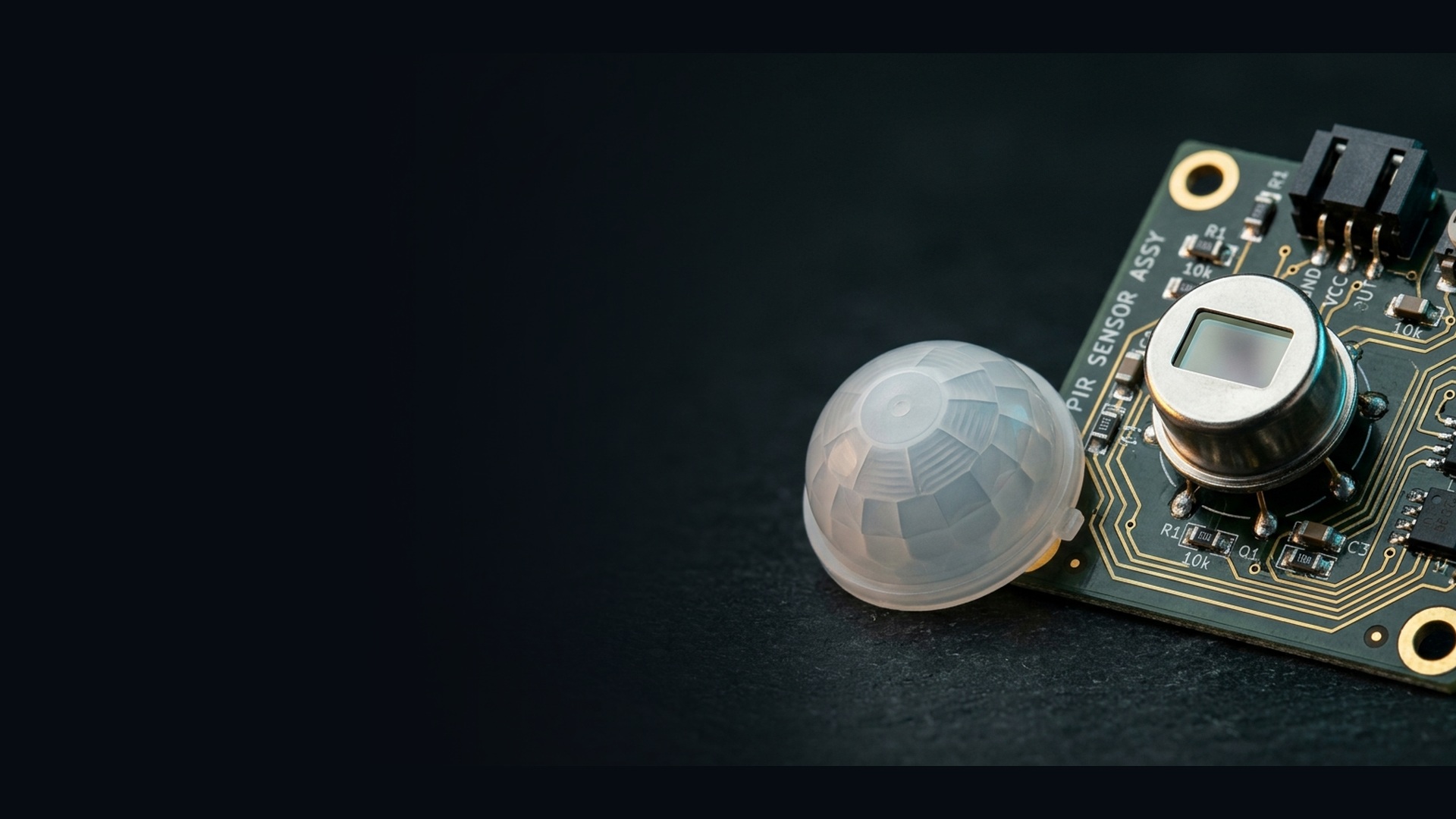
PIR & Motion Sensor
PCB Assembly.
Surface-mount, through-hole, and mixed assembly for passive infrared detector modules, occupancy control boards, and motion-activated switching electronics.
Built for sensing.
Ready for production.
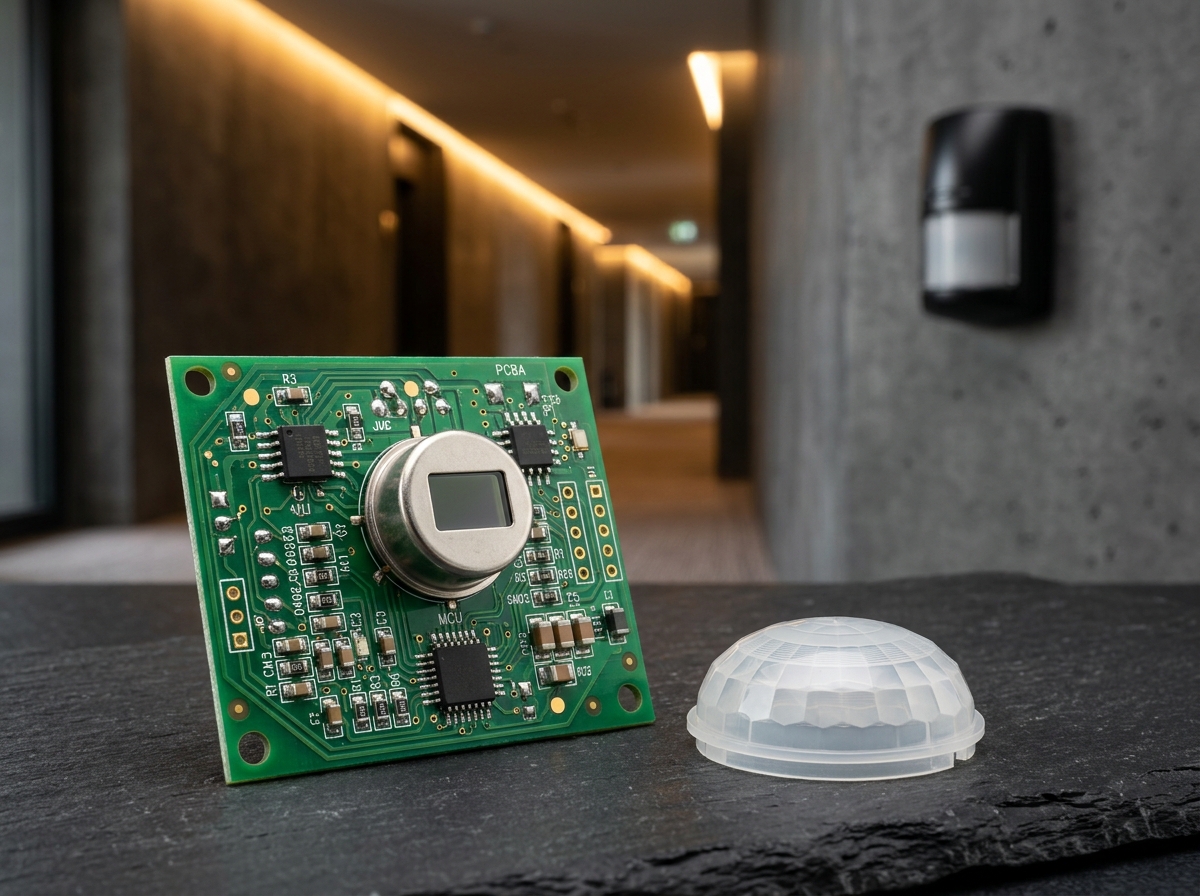
Assembling a PIR motion sensor module means pairing sensitive microvolt-level analog circuits with power regulation, microcontrollers, and switching components on a compact footprint. Because we regularly manufacture motion-sensing electronics alongside broader commercial builds, our production lines are already set up for the practical details that sensor boards demand.
Your hardware team works directly with our manufacturing engineers on sensor seating height, optical window protection, and mixed SMT/through-hole tolerances. Whether you are validating a first prototype sample or scaling a recurring production board, we review the files with you and keep every step straightforward.
Model Kerja & Kesesuaian Proyek
Configured Around Your
PIR Sensor Design.
From early detector board prototypes to recurring production runs, we align component sourcing, assembly, and testing around your files and bill of materials.
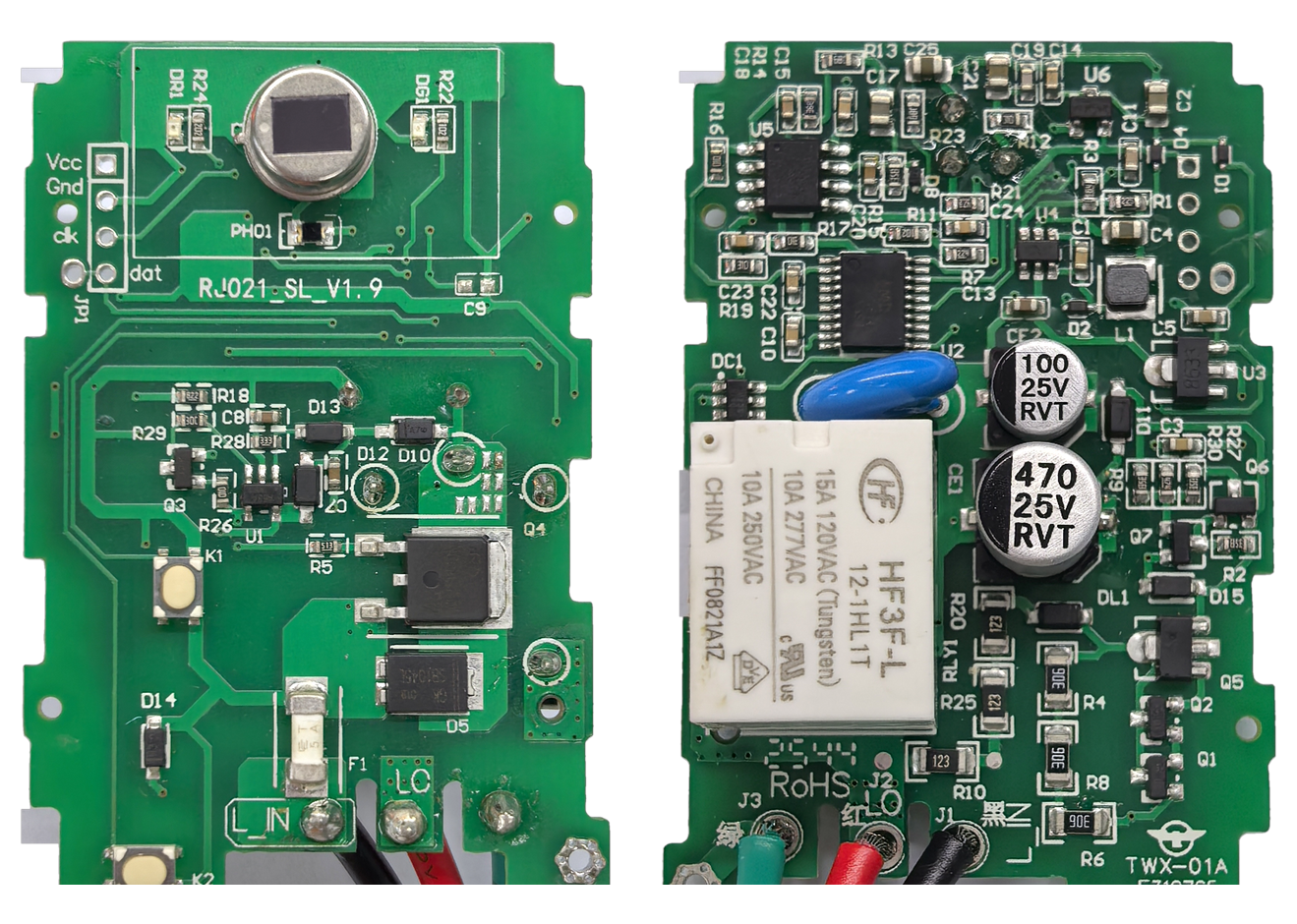
01Pyroelectric sensor
Sensor height follows the lens.
Seat the pyroelectric can to the customer’s specified datum and orientation. Keep its optical window clear through soldering, cleaning and handling.
Seating height · Window protection
02Ambient-light component
LIGHT-SENSING INTERFACE
Keep the light sensor exposed.
Place the ambient-light component in the specified position and polarity. Where lens or enclosure assembly is included, check the optical opening against the customer drawing.
Polarity · Optical clearance
03Signal & control section
MIXED-SIGNAL ASSEMBLY
Protect the analog signal path.
Populate the specified signal-conditioning and control components, then inspect polarity and solder joints. Use the agreed residue-control process around sensitive analog nodes.
Solder joints · Analog-node cleanliness
04Relay & power section
SWITCHING ASSEMBLY
Build the specified switching stage.
Fit the approved relay, protection parts and leads. Check joint formation, wire routing and the agreed actuation response against the build documentation.
Relay joints · Lead routing · Actuation
PIR Sensor Manufacturing Disciplines
PIR Module Production & Quality Capabilities
Our dedicated production lines combine high-speed SMT placement for sensitive analog front-ends, precision optical seating for pyroelectric cans, in-line AOI, and 100% live motion trigger test fixtures.

SMT for Sensor Front-End & MCU Control
High-speed pick-and-place lines populate delicate PIR analog front-end circuits—placing ultra-low-noise dual op-amps, embedded MCUs, LDO regulators, and precision 0603/0805 RC filtering networks with sub-mil placement accuracy.
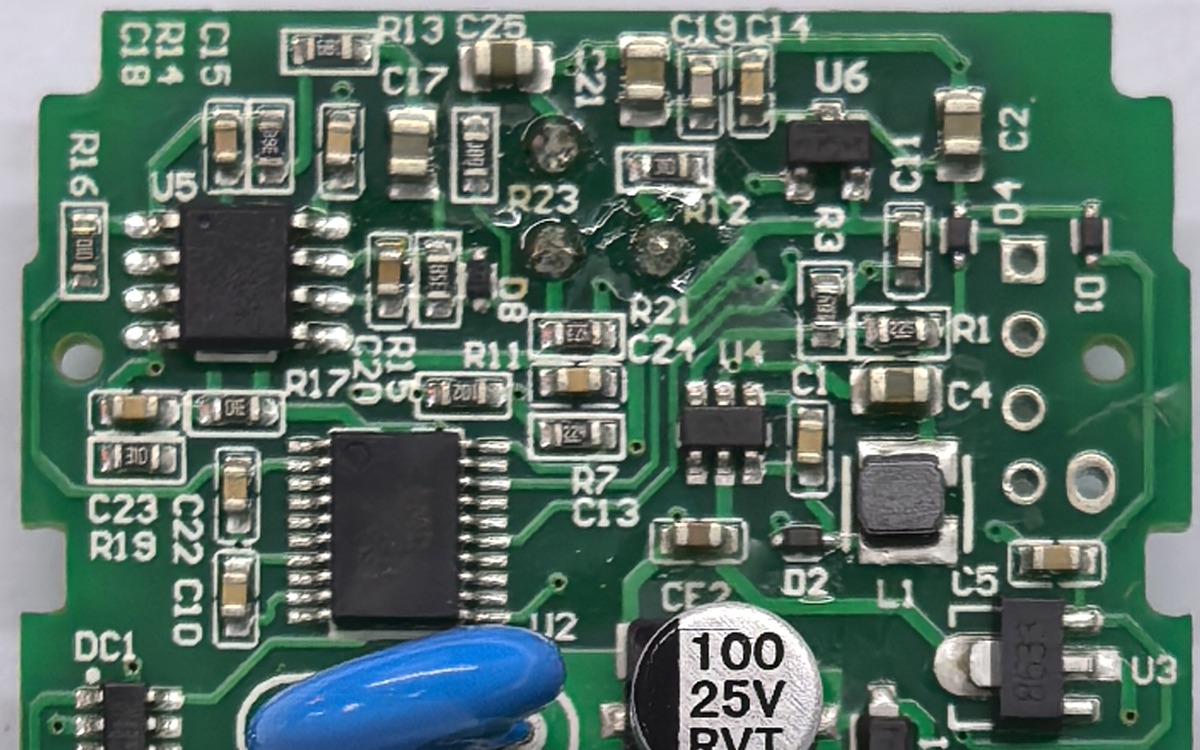
Calibrated Reflow for Pyroelectric Sensor Boards
Multi-zone reflow profiling calibrated for 2OZ heavy-copper planes alongside sensitive pyroelectric elements. Controlled ramp-rate and peak-temperature envelopes protect LiTaO3 crystal poling and hermetic window seals from thermal shock during lead-free reflow.
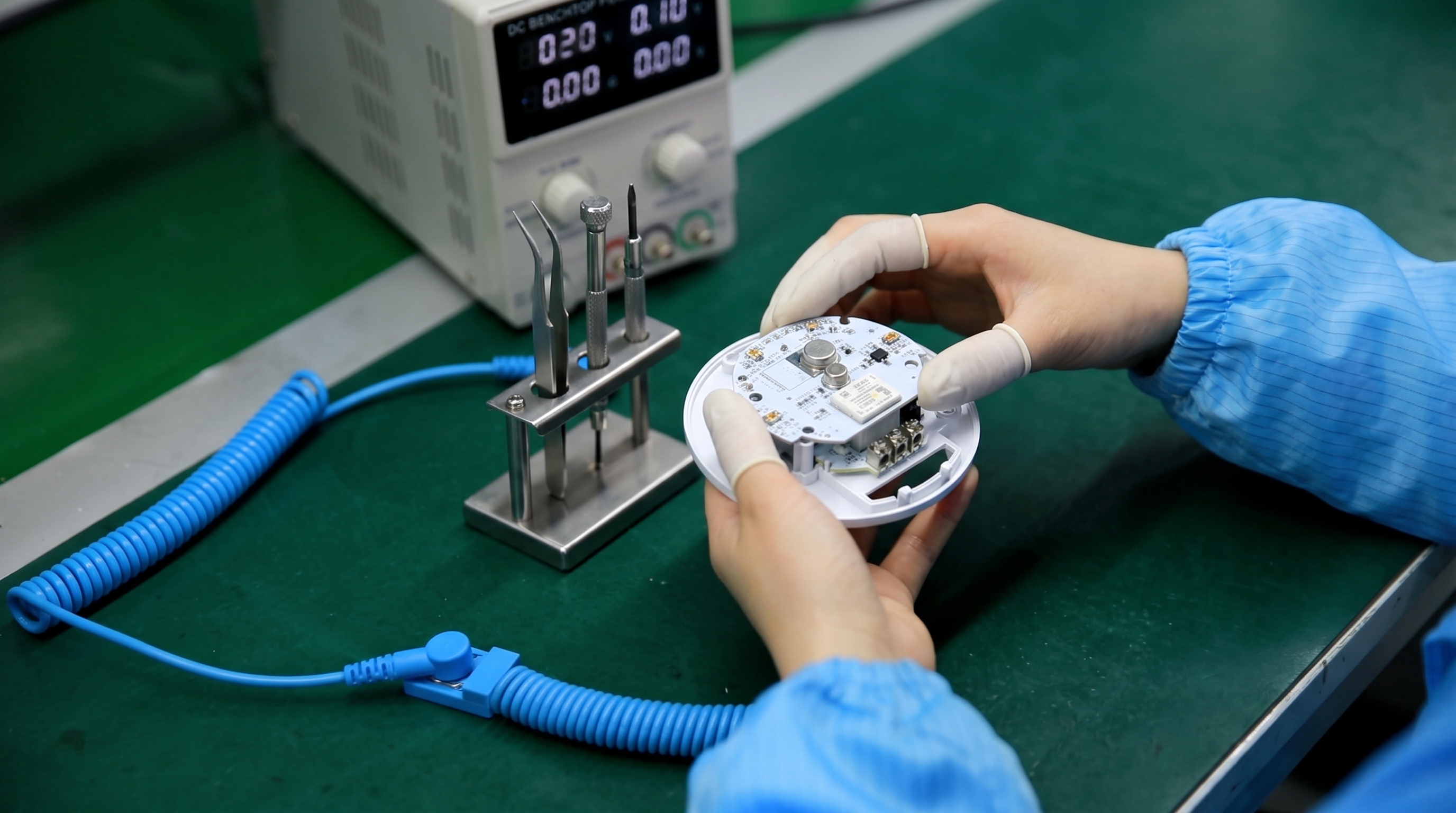
Pyroelectric Sensor Seating & DIP Integration
ESD-controlled conveyor workstations handle precision stand-off seating for TO-5 pyroelectric sensor cans, photocell lux sensors, 10A power relays, and MOV varistors under strict optical window cleanliness protocols.
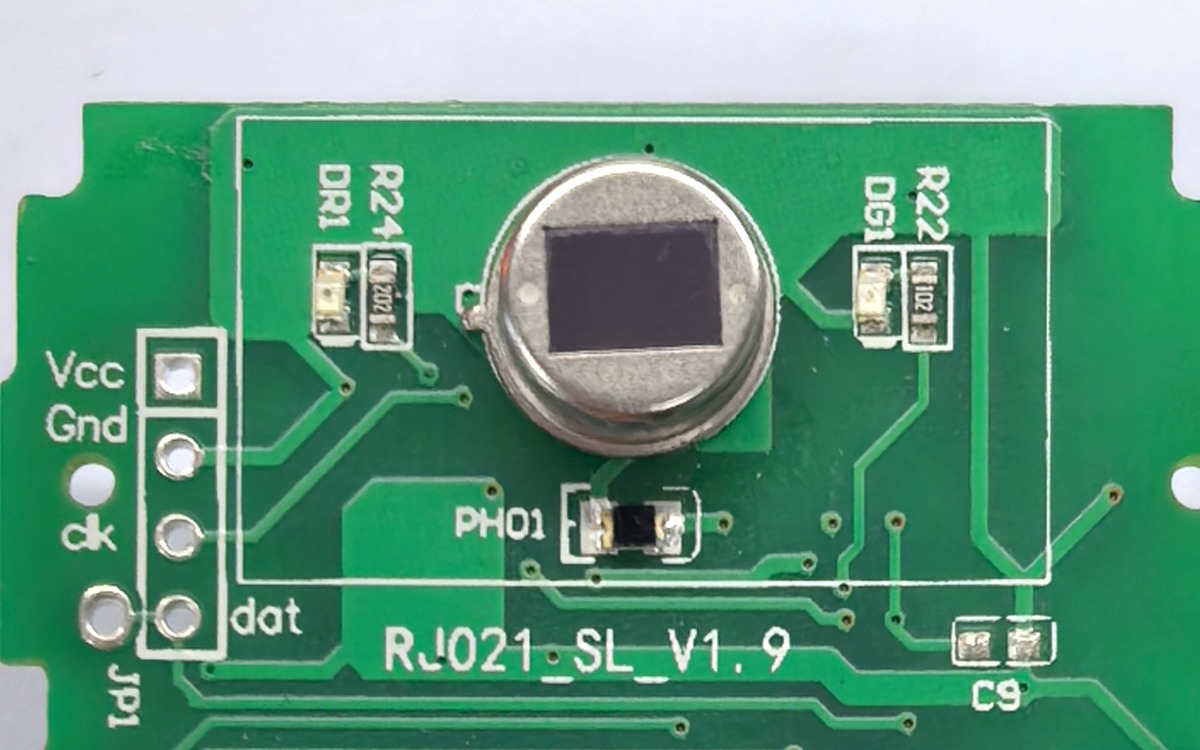
High-Impedance Routing & SIR Cleanliness DFM
Panelized array engineering tailored for sensitive PIR topologies—incorporating high-impedance guard-ring validation, 50/60Hz mains hum shielding, and low-residue flux cleaning to preserve surface insulation resistance (SIR) across gigohm sensor nodes.
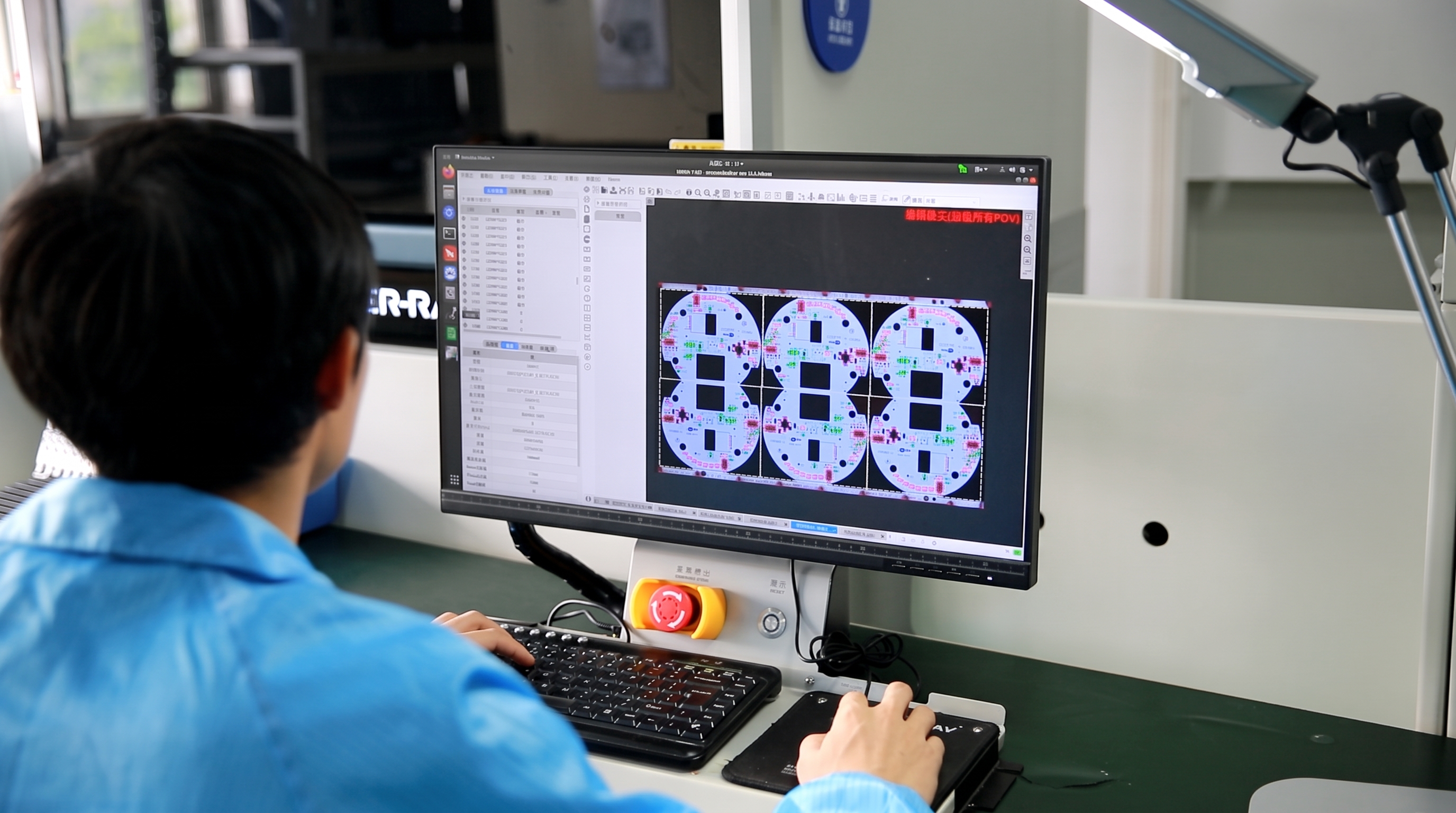
AOI Verification for Sensor Front-Ends & Diodes
High-resolution optical inspection programmed specifically for sensor layouts—verifying miniature SOD-523 diode polarities, TSSOP/SOP pin coplanarity, solder wetting, and zero micro-bridging across high-impedance feedback tracks.
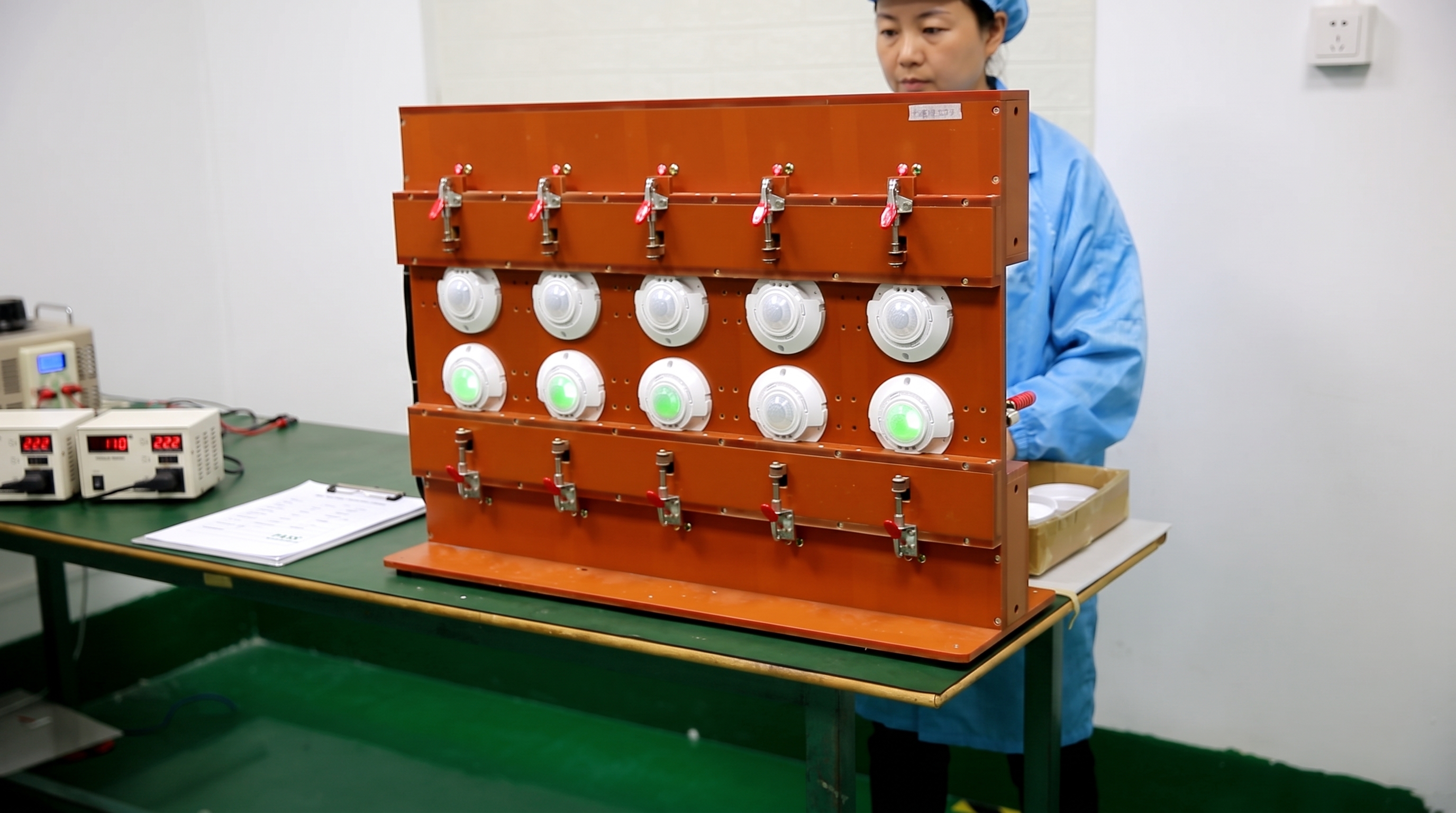
Turnkey FCT & Quiescent Leakage Screening
Turnkey integration of customer-specified test fixtures and bed-of-nails ATE, flashing MCU algorithm firmware with checksum verification, followed by live IR motion trigger validation, photocell lux gating, relay actuation, and microamp quiescent standby current screening.
 ISO 9001:2015 REGISTERED
 IPC-A-610 CLASS 2 & 3
 ANSI/ESD S20.20-2021
 RoHS 2.0 & REACH
 UL 94V-0 DIELECTRICS
 CE CONFORMITY
 FCC PART 15 CLASS B
PIR Module & Sensor Board Formats
PCB Assembly Across PIR Sensor Formats.
Wall-switch occupancy boards, circular ceiling modules, and high-bay industrial detector assemblies configured around your mechanical enclosure and sensing geometry.

Occupancy & Vacancy Wall-Switch Boards
Occupancy & Vacancy Wall-Switch Boards
Compact in-wall assemblies engineered for single-live and neutral junction boxes. High-copper power traces absorb 10A–16A relay switching inrush, while low-residue flux cleaning maintains high surface insulation resistance (SIR) across gigohm pyroelectric nodes to prevent false triggers.

360° Office & Classroom Ceiling Modules
360° Office & Classroom Ceiling Modules
Circular and luminaire-mount boards optimized for multi-zone minor-motion sensitivity. Tight dielectric stackup control and clean plane isolation separate digital 0-10V/DALI dimming interfaces from microvolt analog stages, supporting OEM submissions for IEC 63180 occupancy certification.

High-Bay Industrial & Warehouse Sensors
High-Bay Industrial & Warehouse Sensors
High-ceiling detector assemblies built for 20ft–45ft warehouse optics. Incorporates precision CNC air-gap slot routing to thermally decouple pyroelectric elements from LED driver heat sinks, IPC-2221 creepage verification for 2kV–4kV surge withstand, and ±35µm fiducial alignment for narrow-beam Fresnel lenses.
From Sensor Files to Tested Modules
Four clear milestones from Gerber and BOM submission to inspected, trigger-verified PIR motion sensor assemblies. Select any stage to review the process.

Send What You Have.
Share your Gerber files, BOM, pick-and-place centroids, and any sensor height or lens alignment notes. Under a mutual NDA, our manufacturing engineers review footprints, panelization, and component availability before production begins.

Clear Commercial & Sourcing Plan.
You receive an itemized quotation separating bare PCB fabrication, component procurement, stencil tooling, and assembly. Choose full turnkey sourcing or consign your proprietary pyroelectric sensors and pre-flashed MCUs.
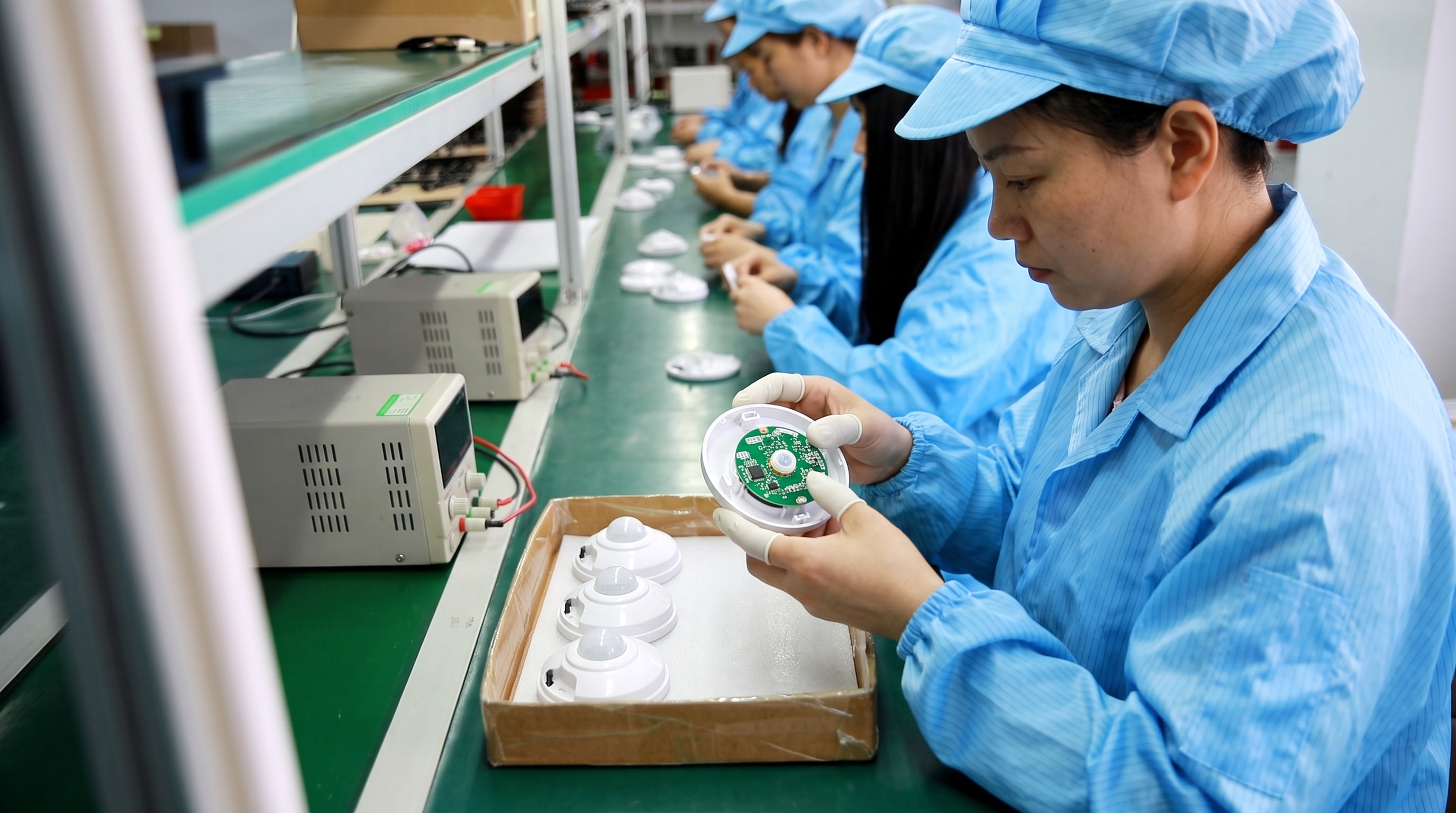
First-Article Sample Verification.
Before running full volume, we build and inspect initial first-article boards. We check component polarity, solder wetting, PIR window cleanliness, and enclosure/lens fitment so you can sign off with confidence.

Tested, Protected & Ready for Integration.
Completed PIR sensor boards go through AOI and agreed functional trigger testing, then are packed in anti-static ESD shielding trays or bags to protect sensitive pyroelectric elements and optical windows in transit.
Audited Manufacturing Discipline
We bring the same supplier audit discipline and quality controls established with enterprise customers to every PIR motion sensor and control board project.
Enterprise & OEM Supply Experience
Long-term supplier relationships with Fortune Global 500 customers and commercial lighting/control brands have given us practical experience with structured engineering handoffs, BOM control, and recurring production.
Demanding Customer Audits Passed
We have passed demanding supplier audits for enterprise customers. Documented stencil tracking, ESD controls, and revision management are a standard part of our sensor board production workflow.
Sensor Board Quality Controls
Before production, we agree the inspection, programming, and trigger-testing criteria for your PIR module. Quality controls include first-article review, AOI, and functional motion-trigger testing.






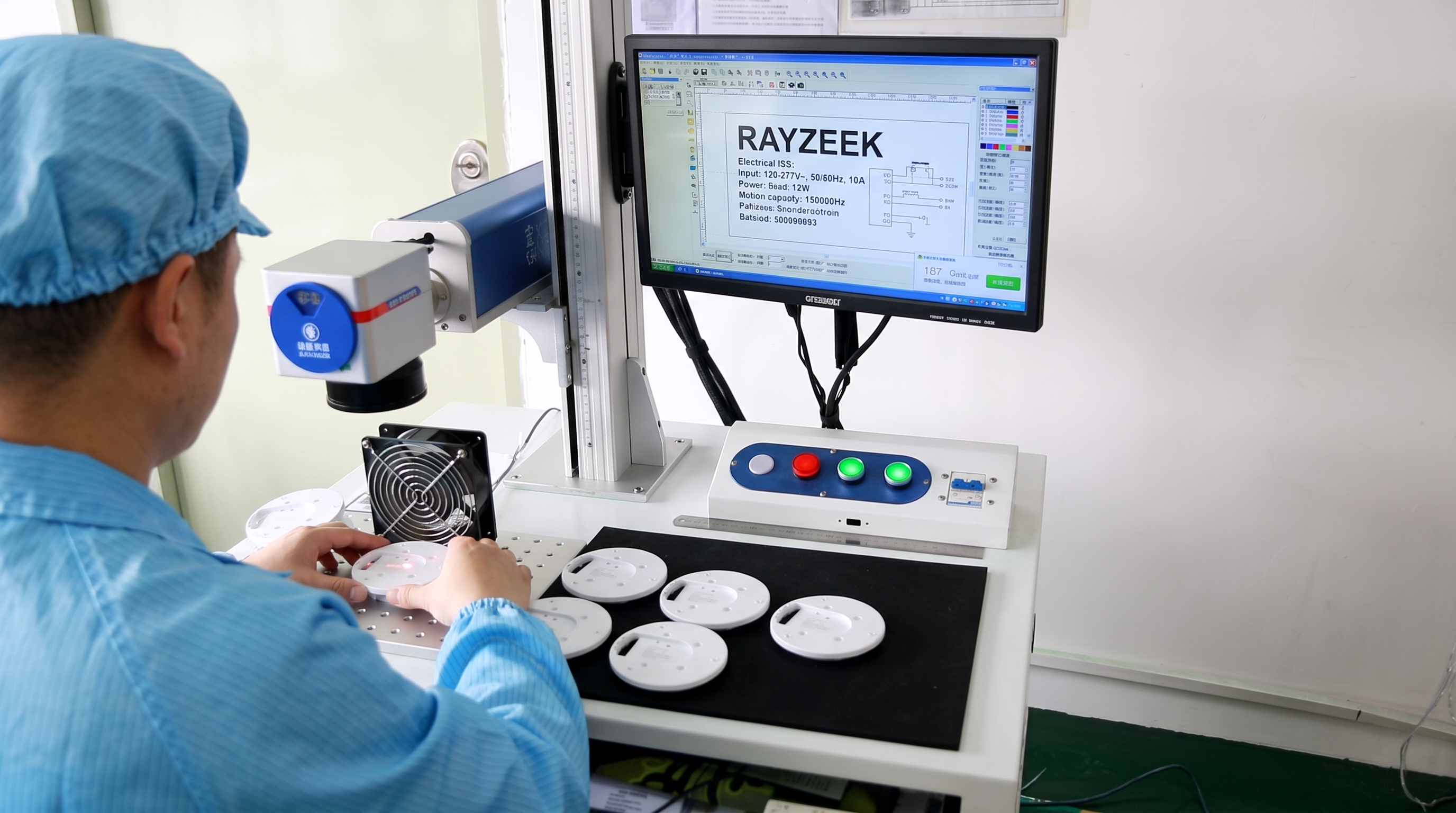
Start with what
you have.
Gerber files, draft BOMs, sensor datasheets, and early prototype questions are welcome. Whether you are building a standalone PIR detector module, a wall-switch occupancy board, or a wireless motion sensor, share what you have and we will review the build with you.
Preliminary files welcome
Start with Gerbers, a BOM, sensor package specs, or your project question.
Direct engineering review
Review sensor height clearances, sourcing, and mixed-assembly details with our team.
Clear next steps
Receive an itemized quote and practical feedback before production begins.